⚡ Before You Go — Essentials
🌤️ Early September Weather
Expect 25–31°C with high humidity. Late-summer heat lingers — bring moisture-wicking clothes, a portable fan, and a light umbrella for sudden showers. Mornings and evenings are pleasant. Typhoons are rare but possible; check forecasts daily.
🚃 Getting Around
Get a Suica or Pasmo IC card at any station — tap to ride all trains and buses. The JR Yamanote Line loops around all major districts. Download Google Maps (works offline) and the Japan Transit Planner app. Taxis are expensive — trains are faster anyway.
💰 Budget Tips
With a $1,000–2,000 budget for 10 days, you're in great shape. Ramen is ¥800–1,500, conveyor-belt sushi is ¥100–500/plate, and izakaya dinners run ¥3,000–5,000/person with drinks. Many temples are free or under ¥1,000. Get breakfast at convenience stores (Lawson, 7-Eleven) — the egg sandwiches and onigiri are genuinely excellent.
🎌 Cultural Etiquette
Bow slightly when greeting. Remove shoes when entering temples, homes, and some restaurants. Don't tip — it can be considered rude. Speak quietly on trains (set phones to silent mode). Carry cash — many ramen shops and small restaurants don't accept cards.
🍜 Food Strategy
Eat at the counter, not the table. Slurping ramen is polite — it cools the noodles and shows appreciation. Try konbini egg salad sandwiches, melon pan from bakeries, and anything from a yatai (street stall). For group dining, izakayas are perfect — order many dishes to share with beer or highball.
Welcome to Old Tokyo

Land in Tokyo and dive straight into the city's soul. Asakusa is where Edo-period Tokyo still breathes — the thunder gate, the incense clouds of Senso-ji, the old-market energy of Nakamise-dori. After the long flight, keep things grounded with gentle exploration and an early, satisfying dinner.
Senso-ji Temple & Nakamise-dori
Tokyo's oldest and most beloved temple. Pass through the iconic Kaminarimon (Thunder Gate) with its giant red lantern, walk the 200-meter Nakamise-dori market street lined with traditional snack and souvenir shops, and arrive at the main hall where incense smoke is said to have healing powers. Take your time — this is a place to wander, not rush.
Asakusa Evening Stroll
As the day-trippers leave, Asakusa transforms. Walk along the Sumida River with views of the Tokyo Skytree lit up at night. Explore the backstreets around Hoppy Street — a local drinking district where salarymen have gathered for decades. The pace slows, the lanterns glow, and you feel the real neighborhood.
Neon Dreams & Youth Culture

Shibuya is where modern Tokyo hits hardest — the world's busiest pedestrian crossing, fashion-forward streets, and an energy that hits you like a wave. From the Scramble to the serene forest of Meiji Shrine to Harajuku's wild Takeshita Street, this day is all about Tokyo's contrasts compressed into a few walkable kilometers.
Meiji Shrine & Yoyogi Park
Start the day in stillness. Meiji Shrine sits in a 170-acre evergreen forest right in the middle of Tokyo — the trees silence the city completely. Walk the gravel paths, write a wish on an ema wooden plaque, and watch Shinto weddings pass through the courtyard. After, stroll through adjacent Yoyogi Park where Tokyoites practice music, dance, and picnics.
Harajuku & Takeshita Street
Takeshita Street is sensory overload in the best way — crepe shops, vintage clothing stores, animal cafes, and fashion you won't see anywhere else. Wander the side streets (Cat Street especially) for higher-end boutiques, galleries, and hidden cafes.
Shibuya Scramble Crossing & Hachiko
The world's most famous pedestrian crossing. Up to 3,000 people cross at once when the light turns green — a mesmerizing human river. Watch from the Shibuya Sky observation deck or the Starbucks above the crossing. Below, meet Hachiko — the loyal Akita dog statue that waited 9 years for his owner at this very station.
Market Mornings & Imperial Grace
Tsukiji Outer Market is Tokyo's greatest food playground — rows of vendors selling the freshest seafood, tamagoyaki omelets sizzling on grills, and wagyu skewers being torched before your eyes. Follow the feast with Ginza's elegant streets and the serene grounds of the Imperial Palace.
Tsukiji Outer Market
The inner wholesale market moved to Toyosu in 2018, but the Outer Market remains a vibrant food paradise. This is where chefs come for knife-sharpening, rare ingredients, and quick breakfasts of ultra-fresh sushi. Wander the lanes, eat standing up, and let your nose guide you.
Ginza District
From raw market energy to polished elegance. Ginza is Tokyo's Fifth Avenue — flagship department stores, art galleries, and the iconic Wako building with its Seiko clock tower. Walk the main Chuo-dori on a Saturday or Sunday afternoon when it becomes a pedestrian-only promenade.
Imperial Palace East Gardens
The former site of Edo Castle's innermost circles, now a beautifully maintained public garden. Stone walls, moats with koi fish, and immaculate Japanese landscaping — a surprisingly peaceful escape in the business district.
Skyscrapers, Gardens & Golden Gai
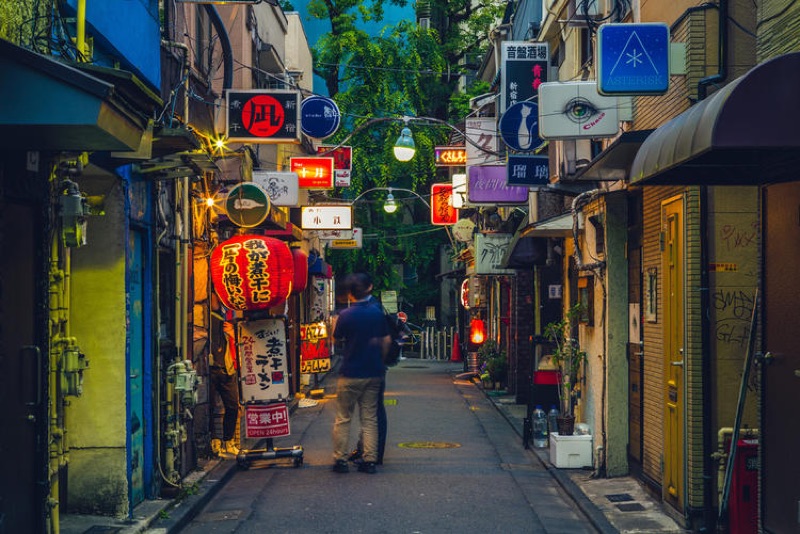
Shinjuku is Tokyo compressed into one district — government skyscrapers, the world's busiest train station, an immaculate garden, and the neon-lit nightlife of Kabukicho and Golden Gai. It's the kind of place where you can watch the sunset from a 45th-floor observatory and be drinking in a 6-seat bar an hour later.
Shinjuku Gyoen National Garden
One of Tokyo's most beautiful parks — 144 acres of Japanese traditional, English landscape, and French formal gardens. September means late-summer green with the first hints of autumn. Bring snacks from a konbini and find a bench by the Japanese garden's pond.
Tokyo Metropolitan Government Building Observatory
Free observation decks on the 45th floor of Shinjuku's twin government towers. On a clear day, you can see Mount Fuji. Both north and south towers have observatories — visit both for different angles.
Samurai Museum
A compact but thrilling collection of authentic samurai armor, swords, and artifacts spanning 700 years of warrior history. Try on replica armor for photos.
Omoide Yokocho & Golden Gai
Two of Shinjuku's most atmospheric drinking quarters, side by side. Omoide Yokocho ("Memory Lane" or "Piss Alley") is a narrow alley packed with tiny yakitori stalls — smoke, sizzle, salarymen. Golden Gai is a labyrinth of 200+ micro-bars, some seating only 4–6 people, each with its own obsessive theme (jazz, movies, punk rock).
Electric Town & Museum Mile
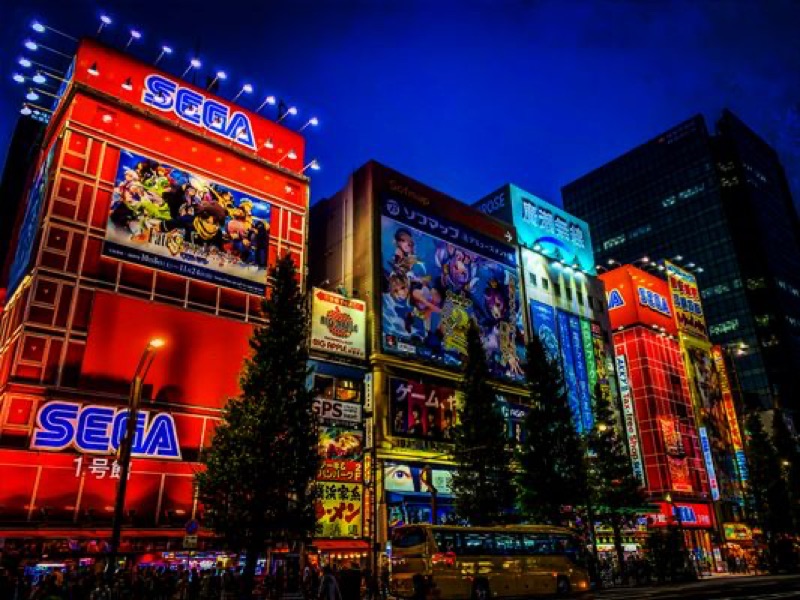
Akihabara is planet Earth's capital of anime, manga, gaming, and electronics — multi-story arcades, maid cafes, rare figurines, and neon signage in every direction. Balance the sensory overload with Ueno's calm museum quarter and one of Tokyo's best green spaces.
Akihabara Electric Town
Start at the JR Sobu line entrance and walk Chuo-dori — Akihabara's main drag. Multi-floor electronics stores (Yodobashi Camera, Bic Camera), retro game shops (Super Potato), figure stores (Mandarake), and gashapon dispensers everywhere. Even if you're not into anime, the energy is infectious.
Ueno Park & Museums
A 10-minute walk from Akihabara brings you to Ueno Park — Tokyo's museum district. Choose between the Tokyo National Museum (Japan's largest, with samurai swords and ukiyo-e prints), the National Museum of Nature and Science, or the whimsical National Museum of Western Art designed by Le Corbusier.
Ameya-Yokocho (Ameyoko)
A bustling open-air market under the JR tracks near Ueno Station. Once a post-war black market, now a chaotic, fun shopping street selling everything from fresh seafood to sneakers to cosmetics at discount prices.
Day Trip: Samurai Coast & Island Shrines
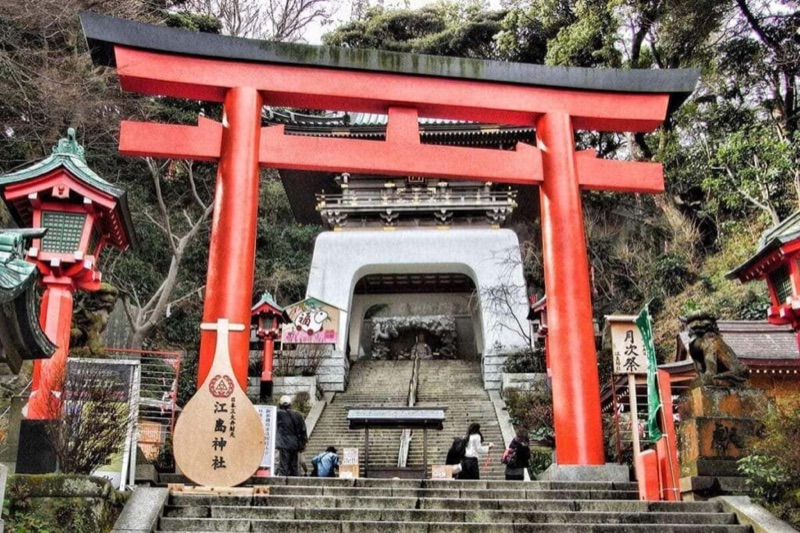
Escape Tokyo for the day to Kamakura — Japan's medieval capital, where the Great Buddha has sat meditating outdoors for 760 years. Add the bamboo groves of Hokokuji Temple, fresh shirasu (whitebait) on Komachi-dori, and a sunset pilgrimage to the island shrine of Enoshima. This is the adventure day.
Kotoku-in & the Great Buddha
The Daibutsu of Kamakura is 13.35 meters of cast bronze serenity — one of Japan's most iconic sights. Unlike the one in Nara, this Buddha sits outdoors, having survived tsunamis and earthquakes since 1252. You can go inside the hollow statue through a small entrance in the back.
Hokokuji Temple & Bamboo Grove
A hidden gem that many tourists skip. This Zen temple has a stunning bamboo grove — not as large as Arashiyama in Kyoto, but far more intimate and uncrowded. Sip matcha in the temple's tea house while gazing at the swaying stalks.
Enoshima Island
Take the Enoden (Enoshima Electric Railway) — a charming, retro coastal train — from Kamakura to Enoshima. Cross the 600-meter bridge to the island, climb to the shrine complex, and reach the observation lighthouse for panoramic views of Mount Fuji across Sagami Bay.
Day Trip: Hike Mount Takao
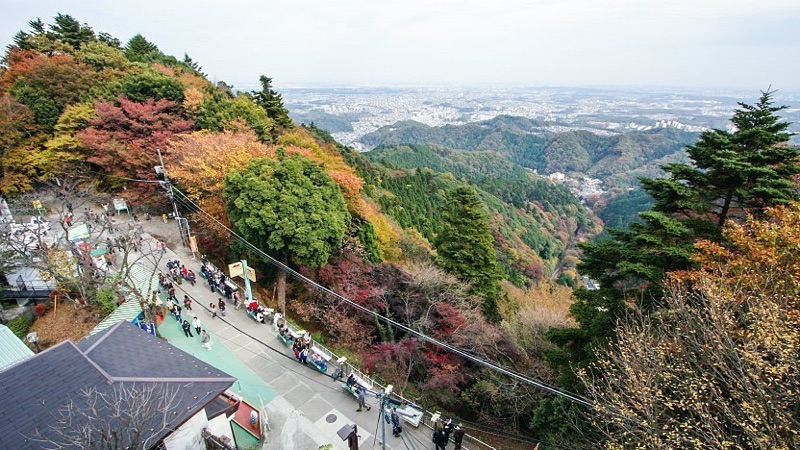
Just 50 minutes from Shinjuku, Mount Takao (599m) is Tokyo's favorite hiking mountain. Six trails range from paved family paths to rugged forest routes. Reach the summit for views that stretch to Mount Fuji on clear days, visit a mountain temple with a waterfall, and reward yourself with soba noodles and local beer at the base.
Hike Mount Takao — Trail #1 or #6
Trail #1 is the classic: paved, wide, and lined with food stalls, temples, and a monkey park — great for groups. Trail #6 is the adventure option: steep dirt path through dense forest with stream crossings and fewer people. Both reach the same summit.
Yakuoin Temple
Halfway up Trail #1 sits this mountain temple complex, active since 744 AD. The main hall has a stunning carved dragon ceiling, and the octagonal pagoda is one of a kind. Behind the temple, a short path leads to a small waterfall where monks practice misogi (cold-water purification).
Cable Car Descent & Takaosan Base Area
Take the cable car or chair lift down (¥490 one-way) — the chair lift is an open-air ride through the forest canopy that feels like flying. At the base, explore the restaurants and souvenir shops along the approach road.
Old Tokyo Charm & Digital Dreams
The Yanesen district (Yanaka, Nezu, Sendagi) is a time capsule of old Tokyo — cats on walls, wooden houses, traditional sweets shops, and a cemetery filled with cherry trees. Then pivot hard into the future with teamLab Borderless, Tokyo's most mind-bending immersive art experience.
Yanaka Ginza & Cat Street
Yanaka is one of the few Tokyo neighborhoods that survived WWII bombing — its wooden houses and narrow lanes feel like stepping back decades. Yanaka Ginza is the main shopping street: traditional sweets, handmade crafts, and cats everywhere (real ones and ceramic ones on rooftops). Try the cat-shaped taiyaki.
Nezu Shrine
One of Tokyo's oldest and most beautiful shrines, founded over 1,900 years ago. The highlight is the tunnel of red torii gates — similar to Kyoto's Fushimi Inari but with barely any crowds. Azalea gardens surround the shrine (peak bloom is April, but the structure is stunning year-round).
teamLab Borderless (Azabudai Hills)
Tokyo's must-see immersive digital art experience — rooms of flowing waterfalls, blooming flowers, and infinite crystal universes that respond to your movement and touch. The art literally flows between rooms with no boundaries. Plan 2–3 hours minimum.
Market Sunrise & Bay Sunset
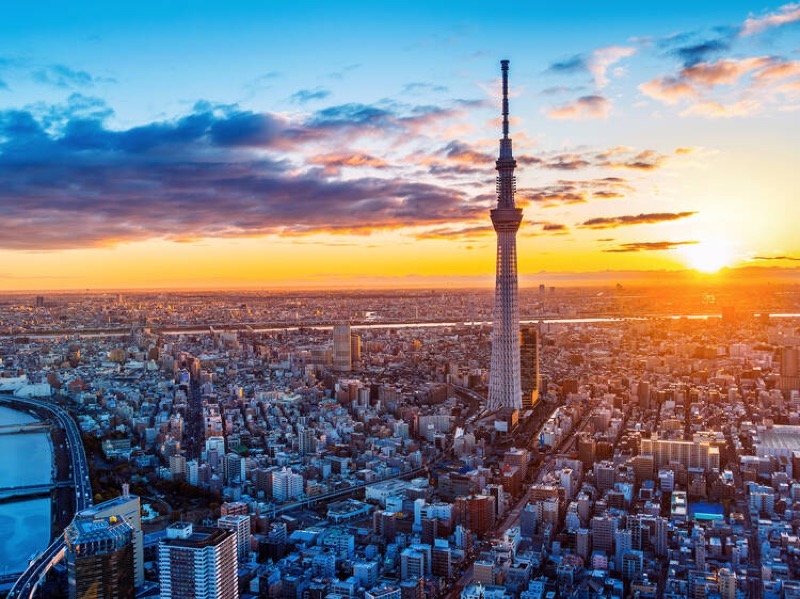
Your last full day is a love letter to Tokyo's contrasts. Start at dawn at Toyosu Market watching the legendary tuna auction, spend the afternoon on the futuristic island of Odaiba, and close out the trip with a farewell dinner in the sophisticated Ebisu neighborhood.
Toyosu Market Tuna Auction Viewing
The successor to Tsukiji's famous tuna auction. From the observation windows, watch buyers inspect frozen bluefin tuna worth tens of thousands of dollars, then bid in a rapid-fire Japanese auction. It's raw capitalism meets ancient culinary tradition.
Odaiba — Future Island
Cross Tokyo Bay on the Rainbow Bridge (via the driverless Yurikamome train) to this futuristic entertainment island. A giant Unicorn Gundam statue transforms hourly, DiverCity has shopping and the Gundam Base, and the beach at Odaiba Marine Park has swimming with city skyline views.
Last Bites & Departure
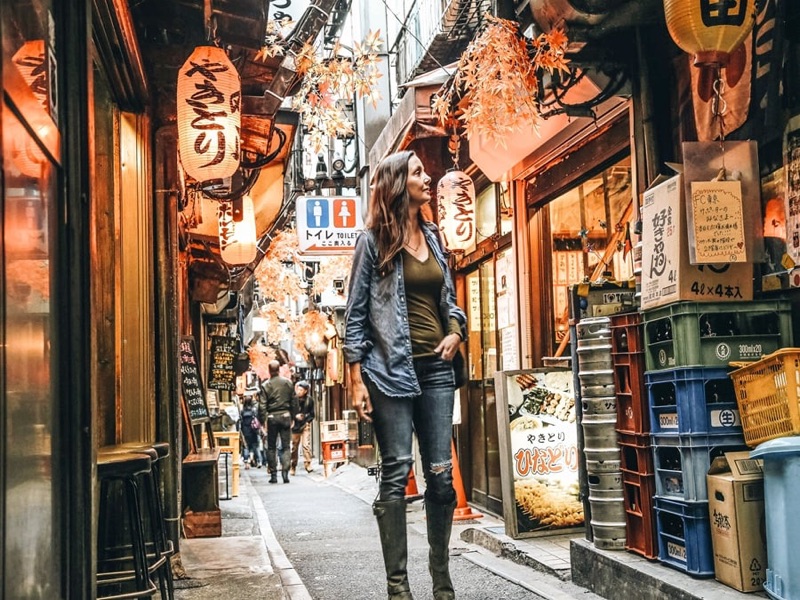
Final morning in Tokyo — sleep in a little, then make time for one last Japanese breakfast, some last-minute souvenir shopping, and the famous character street beneath Tokyo Station before heading to the airport.
Tokyo Character Street & Ramen Street
Beneath Tokyo Station lies an underground shopping universe. Character Street has official stores for Pokemon, Studio Ghibli, Godzilla, and every anime franchise imaginable. Tokyo Ramen Street has branches of Rokurinsha (tsukemen), Fuunji, and other famous shops — a final bowl for the road.
Airport Transfer
Head to the airport with full bellies and heavy suitcases. The Keisei Skyliner from Ueno/Nippori to Naruta takes 36 minutes. The Tokyo Monorail from Hamamatsucho to Haneda takes 13 minutes.