⚡ Before You Go — Essentials
☔ Rainy Season Ready
June is tsuyu (梅雨) — Tokyo's rainy season. Expect 20–28°C with high humidity and afternoon showers. Pack a compact umbrella, a light waterproof layer, and quick-dry clothes. The rain makes temples atmospheric and crowds thinner — embrace it.
🚇 IC Card Is Everything
Get a Suica or PASMO (or use Apple Wallet Suica) the moment you land. It works on all trains, buses, konbini purchases, vending machines, and coin lockers. Charge it at any station. ¥1,000–2,000 is a good daily load.
🃏 Manhole Card Tips
Manhole cards (マンホールカード) are FREE — one per person per visit. Pick them up at municipal offices, tourist centers, or sewerage facilities during business hours (usually 9am–5pm weekdays). The official site machihole.jp has all locations. Cards are first-come, first-served and some run out — go early.
💴 Cash Still Matters
Many tiny bars in Golden Gai, street food stalls, and temple shops are cash-only. Withdraw yen at 7-Eleven ATMs (they accept foreign cards 24/7). Budget ¥8,000–12,000/day for a comfortable trip without splurging.
Ghibli Clocks, First Manhole Cards & Golden Gai
Hit the ground running. Start with Miyazaki's giant mechanical clock, grab your first manhole cards at the Kuramae Water House, explore Asakusa's back alleys, and end the night lost in the magical maze of Golden Gai. This is the day you realize Tokyo is going to be unlike anything else.
Giant Ghibli Clock at Nittele Tower
Start your trip with pure Miyazaki magic. The Nittere Oodokei (Giant Ghibli Clock) on the Nippon Television building in Shiodome is a massive steampunk mechanical clock designed by Hayao Miyazaki himself. It looks like something straight out of Howl's Moving Castle — gears, pistons, and tiny figures that spring to life during the performance.
Kuramae Water House — First Manhole Card
Time to start your collection. The Kuramae Mizu no Yakata (Kuramae Water House) is one of the Tokyo Bureau of Sewerage's official card distribution points. It's a tiny exhibition about Tokyo's water infrastructure — genuinely interesting — and they'll hand you a free manhole card just for showing up. The neighborhood of Kuramae itself is a hidden gem: craft coffee, leather workshops, and zero tourists.
Asakusa Back Streets & Senso-ji
Yes, Senso-ji is famous — but skip the main Nakamise-dori crowds and duck into the back streets. Demboin-dori has tiny traditional craft shops. The west side has a street of kitchen knife shops (Kappabashi is nearby). The temple itself is free and stunning, especially the incense-filled main hall.
Sumida Hokusai Design Manhole Covers
Near the Sumida Hokusai Museum, the streets are dotted with artistic manhole covers featuring Hokusai's famous ukiyo-e prints — including The Great Wave off Kanagawa reproduced as a manhole cover. They're scattered around Ryogoku and are genuinely beautiful pieces of street art.
Golden Gai Bar Crawl
This is where your night gets legendary. Golden Gai is a labyrinth of 200+ tiny bars crammed into six narrow alleys in Shinjuku. Most bars seat 5–10 people. As a solo traveler, this is your paradise — you'll end up chatting with bartenders and strangers from around the world. Many bars have themes: wrestling, punk rock, cinema, death metal. Just wander and follow your instincts.
Poké Lids, Retro Arcades & Old Tokyo Ghost Streets
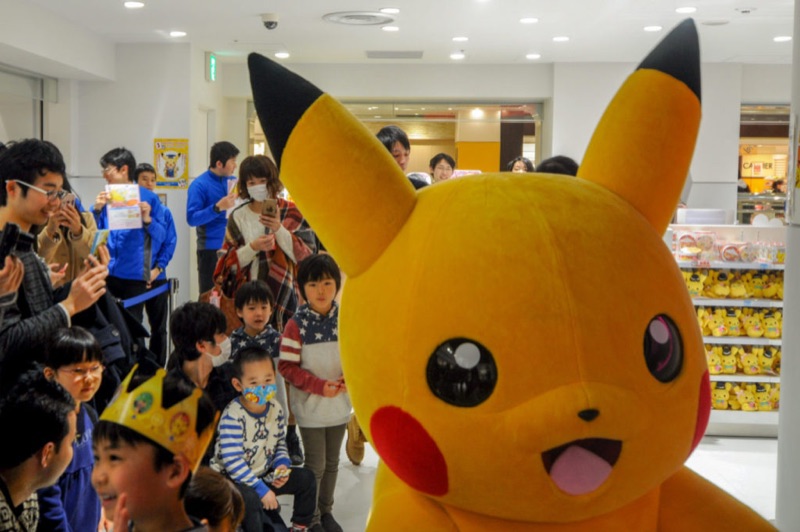
Today you go deep into the electric heart of Akihabara, hunt Pokémon manhole covers around Ueno, wander the impossibly charming old-town streets of Yanaka (Tokyo's best-kept secret neighborhood), and end the night at a massive retro game center. This is the collector's dream day.
Akihabara Electric Town — Retro Gaming & Gachapon
Forget the maid cafés (unless you're into that). The real Akihabara is the retro game shops and gachapon alleys. Super Potato is a multi-floor retro gaming paradise with playable consoles from every era. The streets are lined with gachapon machines — those capsule toy dispensers — with thousands of bizarre, collectible miniatures.
Kanda Myojin Shrine — IT & Anime Guardian Shrine
Hidden just behind Akihabara's neon chaos is one of Tokyo's most important Shinto shrines — except here, you can buy charms for your computer, your Wi-Fi, and your anime figurine collection. Tech workers come here to pray for IT security. The shrine is 1,270+ years old and stunning.
Ueno Park — Pokémon Manhole Covers (Poké Lids)
Ueno Park and the surrounding area have official Pokémon manhole covers (Poké Lids) installed by The Pokémon Company. These beautifully illustrated covers feature different Pokémon and are scattered around the park grounds. There are also Poké Lids in Machida if you want to make a day trip. Each one is unique to its location.
Yanaka — Tokyo's Time-Forgotten Neighborhood
Walk north from Ueno into Yanaka, one of the few Tokyo neighborhoods that survived both the 1923 earthquake and WWII bombing. The result is a neighborhood frozen in time — wooden houses, narrow lanes, neighborhood cats everywhere, and Yanaka Ginza shopping street where every snack costs ¥100–300. This is the spontaneous wandering the traveler asked for.
Ikebukuro — Retro Game Centers & Otome Road
Ikebukuro is Akihabara's scrappier sibling. The east side has massive game centers (Namco, Round1, Sega) with crane games, rhythm games, and purikura booths. Otome Road on the west side is the female otaku capital. Sunshine City underground has a bizarre Namja Town theme park with gyoza and ice cream tasting.
Cat Temple, Vinyl Hunting & Nakano's Secret Otaku Mall

The weirdest, most wonderful day. Start at a temple overflowing with thousands of lucky cat statues, dig through vinyl records and vintage denim in Shimokitazawa, explore Harajuku beyond the tourists, and end at Nakano Broadway — the local's alternative to Akihabara where you'll find things that shouldn't exist.
Gotokuji Temple — The Lucky Cat Temple
This is the one you asked for, and it does not disappoint. Gotokuji Temple in Setagaya is the legendary birthplace of the maneki-neko (beckoning cat). The temple grounds are serene, with a small area absolutely PACKED with thousands of white lucky cat figurines left by visitors. It's surreal, photogenic, and weirdly moving. You can buy your own small maneki-neko (¥300–3,000) at the temple office and add it to the collection.
Shimokitazawa — Vintage, Vinyl & Curry
Shimokita is Tokyo's creative neighborhood — the indie Brooklyn/Williamsburg. Wander through vintage clothing shops (Chicago, Flamingo, New York Joe Exchange), dig through vinyl at Flash Disc Ranch, and discover why this area is the curry capital of Tokyo (seriously — there's an annual curry festival). Every alley reveals something new.
Harajuku Back Streets — Beyond Takeshita-dori
Skip the main tourist drag and head to Ura-Harajuku (back Harajuku) and Cat Street. This is where the actual fashion-forward shops, independent designers, and hidden cafés live. The tiny side streets between Omotesando and Meiji-dori are full of surprises — art supply shops, tiny galleries, and shops selling only one very specific thing.
Nakano Broadway — The Real Otaku Paradise
Forget the tourist-packed Akihabara. Nakano Broadway is where serious collectors go. This aging shopping complex in Nakano is stuffed with Mandarake stores (30+ shops in one building!), each specializing in something hyperspecific — vintage tin toys, rare manga, old movie posters, retro electronics, antique watches, and things you didn't know existed. It's a treasure hunt in building form.
Shimokitazawa Night — Jazz & Standing Sake
Head back to Shimokita for the evening scene. Apollo has been serving whisky and bebop since 1975 in a tiny wood-paneled room. Mother (Shimokitazawa Daisy Bar) hosts indie bands most nights. Or hit a standing sake bar for regional sake flights with light snacks — perfect for solo travelers.
Sewerage Museum, Parasites & One Last Night Out
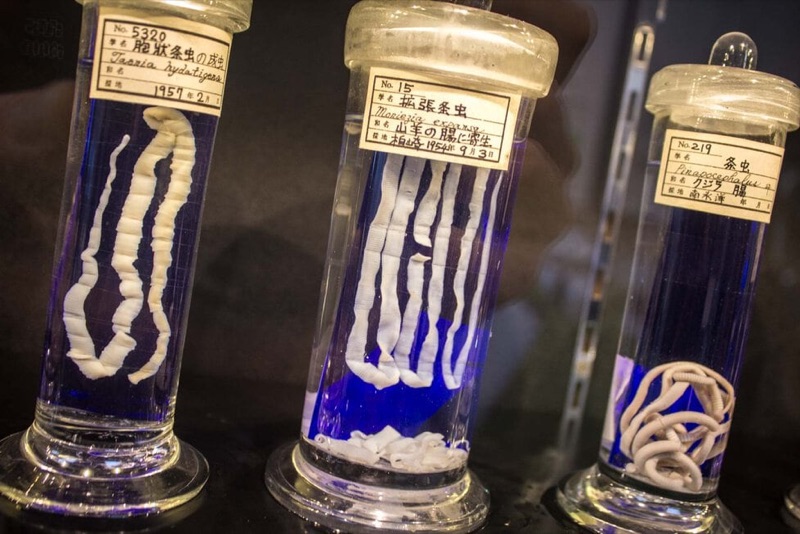
Your final full day is the weirdest yet — and that's saying something. Start at an actual sewerage museum to collect another manhole card, visit the world's only parasite museum (it's free and it's incredible), hit Shibuya's hidden side, and close out your Tokyo adventure with one more legendary night in the neon maze.
Tokyo Sewerage Museum "Rainbow" — Manhole Card #2
Yes, you're going to a sewerage museum. And yes, it's amazing. The Tokyo Sewerage Museum 'Rainbow' in Odaiba-Ariake lets you walk through life-size sewer pipes, learn about Tokyo's underground infrastructure, and — most importantly — collect your second manhole card. The museum is free, interactive, and genuinely fascinating. You'll never look at a manhole cover the same way.
Odaiba Exploration
While you're on the island, check out the 1:1 scale Unicorn Gundam statue at DiverCity (it transforms at scheduled times), the retro-futuristic architecture, and Palette Town's remaining attractions. Odaiba has a weird vibe — it's like Tokyo tried to build the future on a landfill island.
Meguro Parasitological Museum
The world's only museum entirely dedicated to parasites. Free admission. Two floors. 300+ specimens. The star exhibit: an 8.8-meter-long tapeworm extracted from a human in 1959. This tiny, fascinating museum in quiet Meguro is one of Tokyo's most genuinely unique experiences. The gift shop sells parasite t-shirts and keychains — top-tier souvenirs.
Shibuya — Beyond the Crossing
Everyone sees the crossing. Instead, head to Nonbei Yokocho (Drunkard's Alley) — Golden Gai's quieter, less touristy sibling right behind Shibuya Station. Then check out Shibuya's back streets: Dogenzaka for love hotel architecture, Center-gai for the youth culture pulse, and the hidden Shibuya stream pathway. Don't forget to find the original Hachiko statue at the station.
Kabukicho — Robot Restaurant District & Godzilla Head
Kabukicho is Shinjuku's entertainment district — neon overload, pachinko parlors, and the giant Godzilla head peering over the Toho Cinema building. Walk through just to absorb the atmosphere. It's sensory overload in the best way. The area around the new Kabukicho Tower has been redeveloped but retains its chaotic energy.
Late-Night Ramen & Final Wander
End your Tokyo adventure the way it should end — with a steaming bowl of ramen at midnight. Fuunji for tsukemen or Ichiran for solo booth ramen (you eat in a private cubicle — perfect for the solo traveler's final meal). Then take one last walk through the neon streets and let Tokyo's magic wash over you one more time.
💰 Budget Breakdown
| Category | Budget | Midrange | Luxury |
|---|---|---|---|
| Accommodation | ¥3,000–5,000/night (hostel) | ¥8,000–15,000/night (hotel) | ¥20,000–40,000/night (boutique) |
| Meals | ¥1,500–2,500/day | ¥3,000–5,000/day | ¥8,000–15,000/day |
| Transport (IC Card) | ¥800–1,200/day | ¥1,500–2,000/day | ¥3,000–5,000/day (taxi) |
| Activities | ¥0–500/day (most free!) | ¥1,000–3,000/day | ¥5,000–10,000/day |
| Nightlife | ¥2,000–3,000/night | ¥4,000–6,000/night | ¥8,000–15,000/night |
| 4-Night Total (solo) | ¥40,000–60,000 (~$260–400) | ¥80,000–120,000 (~$530–800) | ¥160,000–280,000 (~$1,050–1,850) |
✈️ Getting There
- Narita (NRT): 60–90 min to central Tokyo — take Narita Express (¥3,250) or Keisei Skyliner (¥2,520)
- Haneda (HND): 20–40 min — monorail or Keikyu Line (¥300–500), much more convenient
- Limousine Bus from either airport: ¥1,000–3,200, drops at major hotels/stations
- If flying into Narita on a budget, the Access Express is ¥1,270 to Asakusa
🏨 Where to Stay (Budget)
- Hostel: Nui Hostel Kuramae (¥3,500/night, great café, near manhole card spot)
- Hostel: Grids Tokyo Asakusa (¥3,000/night, capsule pods, central location)
- Budget Hotel: APA Hotel Shinjuku-Kabukicho (¥6,000–8,000, walking distance to Golden Gai)
- Capsule: Nine Hours Shinjuku (¥4,500/night, futuristic pod hotel — an experience itself)
🌧️ June Weather
- Tsuyu (rainy season): expect intermittent rain, high humidity (75–90%)
- Temperature: 20–28°C (68–82°F), warm and sticky
- Pack: compact umbrella, light waterproof jacket, quick-dry clothes
- Upside: fewer tourists, atmospheric temples, lush green parks
- Konbini umbrellas are ¥500 if you forget yours
💴 Money Tips
- 7-Eleven ATMs accept all foreign cards — available 24/7
- Many small bars and stalls are cash-only — always carry ¥5,000–10,000
- IC card (Suica/PASMO) works at konbini, vending machines, and train gates
- Tipping does NOT exist in Japan — it can be seen as rude
- Tax-free shopping available at stores with "Tax Free" signs (spend ¥5,000+ in one shop)
📱 Connectivity
- Get an eSIM before you fly (Ubigi, Airalo, or Mobal) — cheapest option
- Pocket WiFi rental at airport: ¥500–1,000/day, shared among devices
- Free WiFi at all konbini, stations, and most cafés
- Download Google Maps offline for Tokyo — essential for navigating side streets