⚡ Before You Go — Essentials
⚠️ Shellfish Allergy
Japanese cuisine frequently uses shellfish-based dashi (stock) in soups, sauces, and even some ramen broths. Always confirm with staff — say "ebi, kani arerugii desu" (エビ・カニアレルギーです). Ichiran Ramen publishes a full allergen list and is shellfish-free. Gyudon chains (Yoshinoya, Matsuya) are generally safe. Carry an allergy card in Japanese — templates are available at allergy-translate.com.
🌡️ June Heat & Humidity
Early June in Tokyo averages 25-28°C (77-82°F) with high humidity. Rainy season (tsuyu) typically starts mid-June — pack a compact umbrella and light layers. Seek shade in gardens, duck into konbini for cold drinks, and schedule indoor activities during peak afternoon heat. Sunscreen and a hat are essential.
🚇 Getting Around
Get a 72-hour Tokyo Subway Ticket (¥1,500) for unlimited rides on Tokyo Metro and Toei lines — perfect for Days 2-4. Use a Suica or Pasmo IC card (add to Apple/Google Wallet) for JR lines, buses, and konbini purchases. From Narita, take the Keisei Skyliner to Ueno (36 min) then transfer to Asakusa.
📱 Useful Apps
Google Maps Japan is excellent for transit. Download the Shuin-Meguri app to track goshuin. Station Stamp Rally apps help locate eki stamps. Tabelog is Japan's top restaurant review app (better than Google reviews for food).
🗺️ Stamp Collecting Tips
Goshuin (御朱印) cost ¥300-500 each — buy a goshuinchō (stamp book) at your first temple. Eki stamps are free at JR station offices — ask for "eki sutanpu" at the window. Bring your own ink pad for best results, or use the ones provided. A Moleskine Japanese Album works perfectly for eki stamps.
Arrival & Asakusa Evening Magic
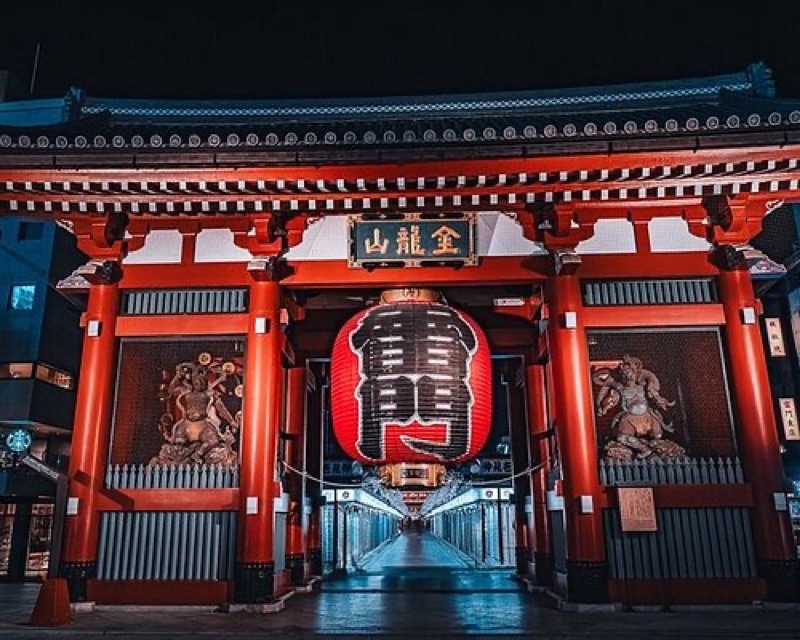
You arrive at Narita at 1:25 PM, so today is about settling in and soaking up the atmosphere of your Asakusa neighborhood. After checking in, explore Senso-ji at golden hour when the crowds thin and the lanterns glow. Collect your first goshuin and discover Asakusa's backstreets.
Narita to Asakusa — Your Tokyo Arrival
After landing at Narita (NRT) at 1:25 PM, clear immigration and customs (budget 45-60 minutes). Take the Keisei Skyliner from Narita Airport to Ueno Station (36 minutes, reserved seats, ¥2,520), then transfer to the Tokyo Metro Ginza Line to Asakusa (5 minutes). You'll be at your hotel by roughly 4:00 PM.
Check In & Freshen Up
Drop your bags at your Asakusa hotel and freshen up after the long flight. Take a moment to adjust — the jet lag from EST (+13 hours ahead) actually works in your favor for early mornings this week.
Senso-ji Temple at Golden Hour
Walk to Senso-ji, Tokyo's oldest temple (founded 645 AD). By 5-6 PM the tour groups have mostly left, and the massive Kaminarimon (Thunder Gate) lantern glows beautifully in the evening light. Stroll through Nakamise-dori shopping street, then enter the main temple grounds. The five-story pagoda is stunning at dusk.
Sumo, Stationery & Stamps
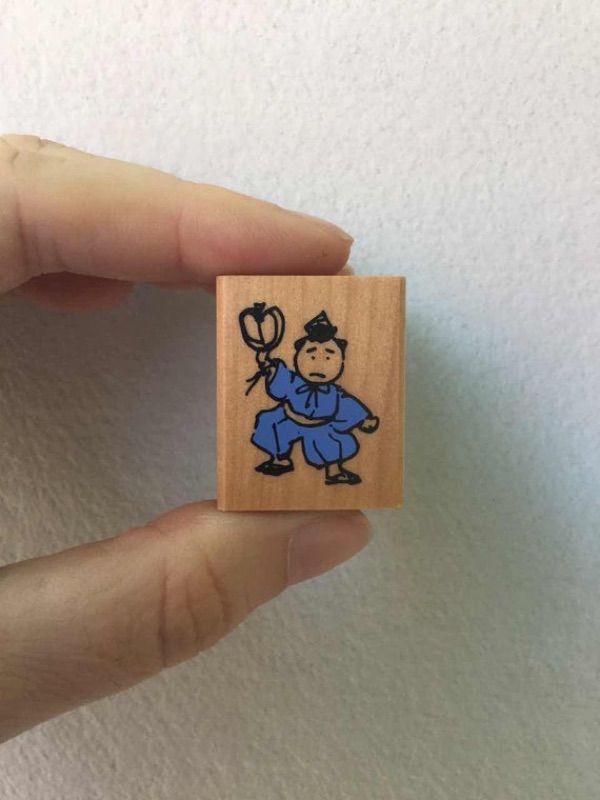
Today is a dream day: watch sumo morning practice up close, then spend the afternoon in Kuramae — Tokyo's quiet artisan neighborhood that's home to the most incredible stationery shops in the world. Create a custom notebook at Kakimori, mix your own ink, and browse handmade washi paper. End with a tea ceremony steps from your hotel.
Sumo Morning Practice at Arashio Stable
Wake up early and head to Arashio-beya, one of the few Tokyo sumo stables where you can watch morning practice (keiko) for free through large glass windows. Arrive by 7:30 AM to see wrestlers warming up, running drills, and sparring. It's raw, authentic, and utterly captivating — you'll hear the slap of flesh and the stomp of feet on the clay dohyo.
Ryogoku Sumo District Stroll
After practice, walk to nearby Ryogoku — the heart of sumo culture in Tokyo. Visit the Sumo Museum inside Ryogoku Kokugikan (free entry, small but fascinating), browse chanko-nabe restaurants where wrestlers eat, and spot the painted wrestler portraits on the streets.
Kakimori — Custom Notebooks & Ink Mixing
This is THE stationery experience in Tokyo. At Kakimori in Kuramae, you'll build a completely custom notebook — choosing your cover material, paper types, binding, and closure. Upstairs at the Inkstand, mix your own unique ink color from base pigments. This is a stationery lover's paradise, and everything is beautifully crafted.
Kuramae Stationery & Craft Crawl
Kuramae is Tokyo's artisan neighborhood — a quiet, un-touristy grid of converted warehouses housing stationery shops, paper stores, leather workshops, and tiny cafés. Spend an unhurried afternoon exploring on foot.
Tea Ceremony at Maikoya Asakusa
Experience a traditional Japanese tea ceremony right in Asakusa. Maikoya offers an intimate, English-guided experience where you'll learn to prepare and whisk matcha, understand the philosophy of ichigo ichie (one time, one meeting), and enjoy wagashi (traditional sweets). Optional kimono rental available.
Senso-ji Goshuin (if missed yesterday)
If you didn't collect your Senso-ji goshuin yesterday, the stamp office is open 9 AM - 5 PM. Also visit the nearby Asakusa Shrine (a separate Shinto shrine right next to Senso-ji) for a different goshuin.
Gardens, Ginza & Gaming Paradise
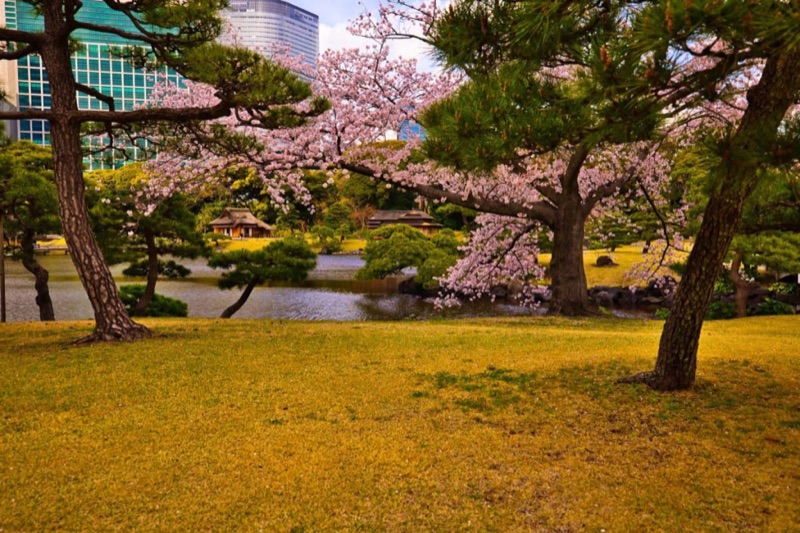
Start with a peaceful morning in Hamarikyu Gardens — a stunning Edo-era garden with a teahouse on the water. Then dive into Ginza for the legendary Itoya stationery store (12 floors!), before heading to Shibuya PARCO for Nintendo Tokyo, Pokémon Center, and the Capcom store. A day that perfectly balances zen and fun.
Hamarikyu Gardens & Teahouse
Take the water bus from Asakusa to Hamarikyu Gardens — a 35-minute scenic ride down the Sumida River that drops you right at the garden entrance. This former shogunal garden has tidal seawater ponds, centuries-old pine trees, and a beautiful teahouse on an island where you can sip matcha while watching koi swim below. It's an oasis of calm surrounded by Shiodome's skyscrapers.
Itoya Ginza — 12 Floors of Stationery Heaven
From Hamarikyu, walk 15 minutes north to Ginza and the legendary Itoya stationery store. The main building has 12 floors: pens (including Zebra Sarasa and Mildliners), notebooks, washi tape, letter-writing paper, art supplies, and even a rooftop garden. The annex building (G.Itoya) next door has lifestyle goods and beautiful paper products.
Ginza Browsing & Skincare Shopping
While in Ginza, explore Japan's most upscale shopping district. For skincare and beauty, visit SHISEIDO THE STORE (the brand's flagship with Japan-exclusive products), Ainz & Tulpe (drugstore with excellent Japanese sunscreens), or @cosme TOKYO for curated Japanese beauty picks.
Shibuya PARCO — Nintendo, Pokémon & Capcom
Head to Shibuya PARCO's 6th floor (Cyberspace Shibuya) for a tasteful gaming and anime paradise. Nintendo Tokyo has exclusive merchandise, playable demos, and beautifully designed goods that feel more like design objects than typical merch. The Pokémon Center Shibuya next door has a Mewtwo floating at the entrance and Shibuya-exclusive items. Capcom Store rounds it out.
Shibuya Crossing & Hachikō
You can't be in Shibuya without experiencing the famous scramble crossing. Watch from above at the Shibuya Sky observation deck or the Starbucks on the 2nd floor of Tsutaya. Say hello to the Hachikō statue — Tokyo's most loyal dog.
Kawaii Culture, Meiji Jingu & Sanrio Puroland
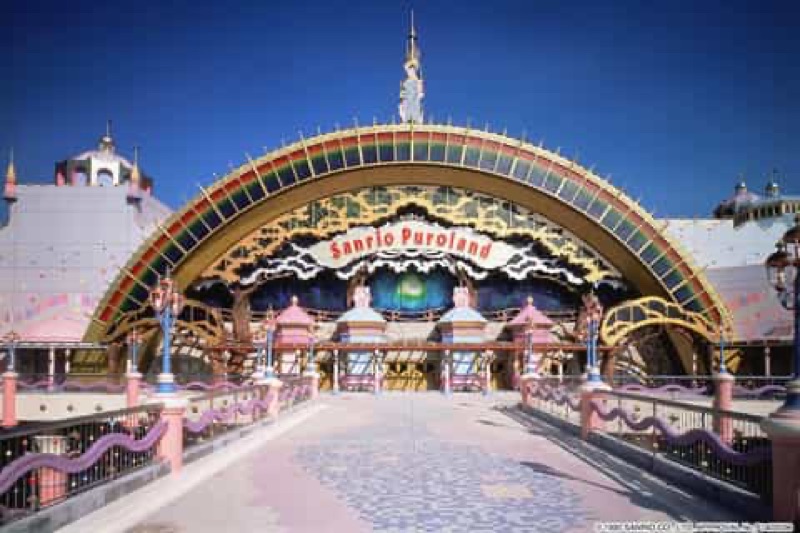
Today is the kawaii day. Start at Meiji Jingu, Tokyo's most serene shrine surrounded by an ancient forest. Then hit Harajuku's Takeshita-dori for kawaii fashion, Kiddyland for stuffed toys, and the Sanrio flagship store. After lunch, take the train to Sanrio Puroland — an all-indoor theme park that's perfect for beating the June heat.
Meiji Jingu Shrine & Forest Walk
Enter through the towering torii gate into 170 acres of ancient forest — a pocket of wilderness in the middle of Tokyo. Meiji Jingu is dedicated to Emperor Meiji and Empress Shoken, and the forested approach is deeply atmospheric. The shrine complex is simple and beautiful. Collect your goshuin at the shrine office.
Harajuku — Takeshita-dori & Kawaii Shopping
Emerge from Meiji Jingu's forest and cross into Harajuku's neon-bright Takeshita-dori — Tokyo's kawaii culture epicenter. Browse the frilly kawaii fashion boutiques (listen, Angelic Pretty, Baby the Stars Shine Bright for lolita-adjacent frills), visit Kiddyland (5 floors of character goods — Miffy, Sanrio, Rilakkuma, Sumikko Gurashi), and the Sanrio Harajuku store.
Sanrio Puroland
Take the Keio Line from Shinjuku to Tama-Center Station (35 minutes) for Sanrio Puroland — a fully indoor, air-conditioned theme park dedicated to Hello Kitty and friends. It's cheerful, beautifully designed, and perfectly pitched for adults who love cute things without being childish. Watch the character parade, ride the boat ride through Sanrio world, and shop for exclusive Puroland-only merchandise.
Shinjuku Evening — Omoide Yokocho & Golden Gai
Head back to Shinjuku (the Keio Line drops you right there) and explore the atmospheric evening food alleys. Omoide Yokocho (Memory Lane) is a narrow alley of yakitori and kushiyaki stalls with incredible atmosphere. Then peek into Golden Gai — six narrow alleys of tiny bars, each seating 5-8 people, with unique themes.
Zoo Day, Hidden Tokyo & Farewell Stationery
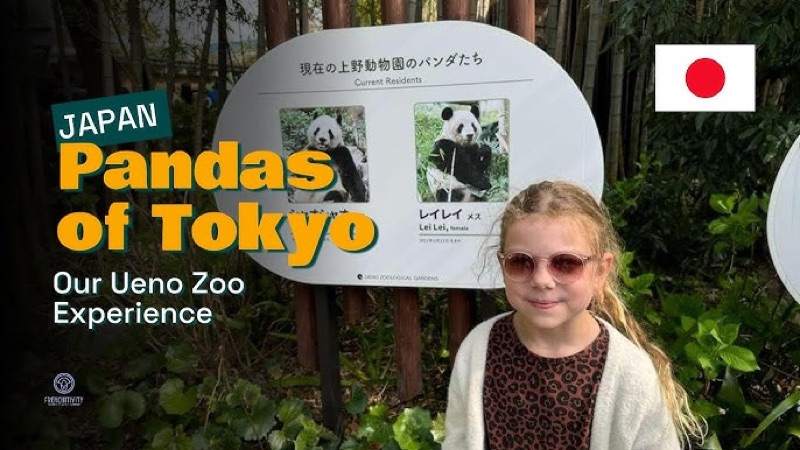
Your final full day starts with a family morning at Ueno Zoo with the toddlers, then pivots to one of Tokyo's best-kept secrets: Yanaka and Nezu, a charmingly preserved old neighborhood with a stunning azalea shrine, cat statues, and traditional shopping streets. End with a pilgrimage to Traveler's Factory in Nakameguro and the Hobonichi Tobichi store. A perfect final day.
Ueno Zoo — Family Time with the Toddlers
Meet up with the family for a morning at Ueno Zoo, Japan's oldest and most beloved zoo. The giant pandas are the star attraction, but the petting zoo area is perfect for the 2 and 5-year-old. There's also a small amusement area with a monorail and carousel. The zoo is well-shaded with lots of trees.
Ueno Park — Quick Stroll & Eki Stamp
Ueno Park surrounds the zoo and is beautiful in its own right. Walk past the Shinobazu Pond (lotus flowers in June!), see the Saigo Takamori statue, and grab the Ueno Station eki stamp before heading to lunch.
Yanaka & Nezu — Old Tokyo's Hidden Gem
After saying goodbye to the family, walk from Ueno into Yanaka and Nezu — a charming neighborhood that survived the war bombings and feels like Tokyo from 50 years ago. Narrow lanes, old wooden houses, temple cats, and traditional shops. Nezu Shrine has one of the most beautiful torii gate tunnels in Tokyo (rivaling Fushimi Inari, but without the crowds).
Traveler's Factory Nakameguro
Take the train to Nakameguro for a pilgrimage to Traveler's Factory — the birthplace and flagship store of the Traveler's Notebook. Set in a converted paper warehouse on a quiet side street, it's filled with notebooks, refills, brass accessories, stamps, and location-exclusive items. The staff are lovely and speak English.
Hobonichi Tobichi (Minami-Aoyama)
If time allows, visit Tobichi — Hobonichi's physical store in Minami-Aoyama. They carry the full range of Hobonichi Techo planners, covers, accessories, and seasonal limited editions. The store often has small exhibitions and events. It's a thoughtfully designed space that reflects the Hobonichi philosophy.
Last Night in Tokyo — Asakusa Farewell
Return to Asakusa for your final evening. The Sumida River promenade at sunset is beautiful, with views of Tokyo Skytree lit up in blue and purple. Walk along the river, revisit Senso-ji one more time for a nighttime view (the five-story pagoda is illuminated until 11 PM), and savor your last Tokyo moments.
💰 Budget Breakdown
| Category | Budget | Midrange | Luxury |
|---|---|---|---|
| Accommodation | ¥5,000–8,000/night | ¥10,000–20,000/night | ¥25,000–50,000/night |
| Meals (per day) | ¥2,000–3,500 | ¥4,000–8,000 | ¥10,000–20,000 |
| Transport | ¥800–1,500/day | ¥1,500–3,000/day | ¥3,000–5,000/day (taxi) |
| Activities | ¥0–2,000/day | ¥3,000–6,000/day | ¥8,000–15,000/day |
| Shopping (stationery) | ¥3,000–5,000 total | ¥10,000–25,000 total | ¥30,000–60,000+ total |
| 5-Day Total (solo) | ¥50,000–80,000 | ¥100,000–180,000 | ¥250,000–400,000 |
✈️ Getting There
- Narita Airport (NRT): Keisei Skyliner to Ueno (36 min, ¥2,520) → Metro to Asakusa (5 min)
- Haneda Airport (HND): Keikyu Line to Asakusa (40 min, ~¥600) — more convenient but you're arriving at NRT
- Narita Express (N'EX) to Tokyo Station is an alternative (53 min, ¥3,250) but Skyliner is faster to Asakusa
🏨 Where to Stay (Asakusa)
- Richmond Hotel Premier Asakusa — modern, excellent location, great breakfast
- WIRED HOTEL Asakusa — stylish boutique hotel with café bar
- The Gate Hotel Kaminarimon — upscale with rooftop terrace overlooking Senso-ji
- Khaosan Tokyo Origami — budget-friendly, great social atmosphere for solo travelers
🌡️ June Weather
- Early June: 22-28°C (72-82°F), increasing humidity
- Tsuyu (rainy season) usually starts mid-June — pack a compact umbrella
- UV is strong — SPF 50 sunscreen, hat, and sunglasses essential
- Indoor activities: museums, department stores, Sanrio Puroland for rain/heat days
💳 Money & Tax-Free
- IC card (Suica/Pasmo) for transit and konbini — add to phone wallet
- Tax-free shopping (10% off) at stores displaying the Tax-Free sign for purchases over ¥5,000 — bring passport
- Cash still useful at temples (goshuin), small restaurants, and traditional shops
- 7-Eleven and Japan Post ATMs accept international cards
📱 Connectivity
- Get an eSIM before arrival — Ubigi, Airalo, or Mobal are reliable options
- Free WiFi at most stations, konbini, and cafés
- Download Google Maps offline for Tokyo before arriving
- Useful apps: Google Maps (transit), Tabelog (restaurants), Suica app (transit card)
🚅 Onward to Kyoto (Jun 13)
- Tokaido Shinkansen from Tokyo Station → Kyoto (2h15m on Nozomi, ~¥14,170)
- Book reserved seats (green car optional) — the train runs every 10-15 minutes
- Sit on right side (D/E seats) heading west for Mt. Fuji views
- If buying a Japan Rail Pass, activate it for the Kyoto leg — the Nozomi requires a separate ticket on most pass types (use Hikari instead)