⚡ Before You Go — Essentials
🚄 Get a JR Pass
7-day JR Pass (¥50,000) or 14-day (¥80,000). Activate it when you leave Osaka for long-distance travel. Use ICOCA card for local metros.
📶 Pocket WiFi
Rent at KIX airport or order online. ~¥500/day. Essential for navigation and translation.
💴 Cash is King
Carry ¥30,000–50,000. Many ramen shops, temples, and small eateries are cash-only. 7-Eleven ATMs accept foreign cards.
🍁 Best Foliage Timing
Mid-to-late November is peak koyo season in Kansai. Tokyo peaks slightly later. You're hitting the sweet spot.
👟 Comfortable Shoes
You'll walk 15,000–25,000 steps/day. Temples, markets, and stations involve lots of walking. Break in your shoes before the trip.
🧣 Layer Up
November temps: 8–17°C (46–63°F). Mornings and evenings are chilly. Pack layers and a light jacket.
Touchdown in the Kitchen of Japan

Arrive at KIX, drop bags, and dive straight into Dotonbori — Osaka's neon-lit food paradise. This city doesn't wait.
Afternoon
Arrive at Kansai International Airport (KIX)
Take the Nankai Airport Express (¥920, ~40 min) to Namba Station. Pick up pocket WiFi and ICOCA card at the airport.
Nankai Express is cheaper and often faster than JR Haruka to Namba
ICOCA card: ¥2,000 (¥500 deposit + ¥1,500 credit) — recharge at any station
If arriving in the evening, grab a quick kushikatsu (fried skewers) near your hotel — Osaka's signature street food.
Evening
Dotonbori Night Walk
The Glico Running Man sign, giant crab restaurants, takoyaki stands — this is Osaka at its most alive. Walk the canal, eat everything, and let the neon wash over you.
Don't miss the "Kuidaore Taro" clown statue near Ebisu Bridge
Try takoyaki from multiple stands — each has a slightly different style
Dinner
Dotonbori Street Food Crawl
Takoyaki (¥500–700), okonomiyaki (¥800–1,200), and yakitori from canal-side stalls. Budget ¥2,000–3,000 for a generous crawl.
Cash preferred · Vegetarian okonomiyaki available
Weekend nights in Dotonbori can get extremely crowded. If you arrive on a Saturday, expect shoulder-to-shoulder energy.
Castles, Sky Buildings & Hidden Bars
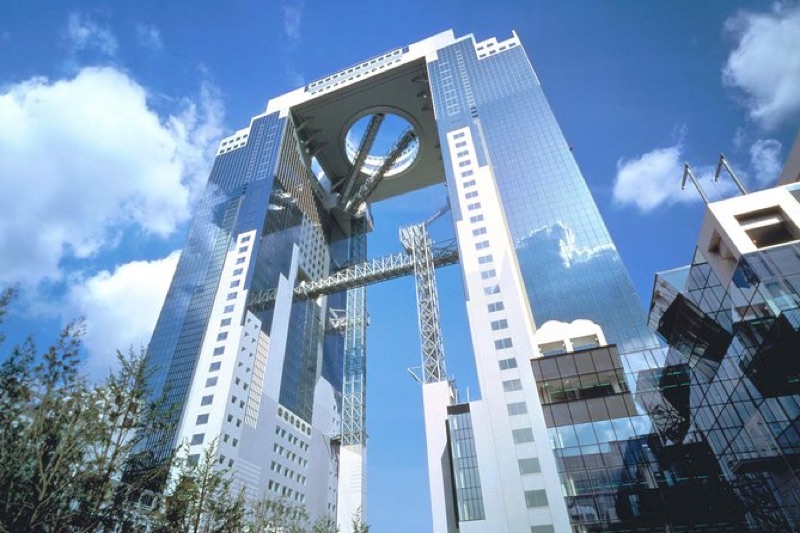
Morning at Osaka Castle and its stunning park (peak autumn colors here), then head up to Umeda for sky views and atmospheric alleyways.
Morning
Osaka Castle & Park
The castle is gorgeous inside and out, but the real star is the surrounding park — especially in November when the ginkgo trees turn gold and the maples go crimson. Arrive by 9 AM for thinner crowds.
Castle admission: ¥600
Park is free and open 24/7
The top floor observation deck has 360° city views
Breakfast
Convenience Store Breakfast
Grab onigiri, egg sandwich, and coffee from 7-Eleven or Lawson. Japanese konbini breakfasts are genuinely excellent — ¥500.
¥500 · 5 min
Afternoon
Umeda Sky Building — Floating Garden Observatory
This architectural marvel has an open-air rooftop walkway connecting two towers at 173m. The views stretch to Awaji Island on clear days. ¥1,500.
The escalator crossing between towers is thrilling
Great sunset spot if timing works
Explore Shin-Umeda Shokudogai
A retro food alley beneath the tracks near Umeda Station. Tiny restaurants serving comfort food since the 1970s. Feels like stepping back in time.
Most shops open for lunch (11:30) and close by 22:00
Look for the ones with handwritten menus
Lunch
Kushikatsu Daruma (or similar)
Osaka's famous deep-fried skewers. Everything from shrimp to lotus root to cheese. ¥1,500–2,500 for a filling meal.
Rule: no double-dipping! · ¥1,500–2,500
Evening
Namba Yasaka Shrine
A shrine famous for its massive lion head stage (12m tall, 11m wide). Impressive and photogenic, especially lit up at dusk. Free.
Dinner
Hozenji Yokocho Alley Dining
Atmospheric narrow stone-paved alley near Namba with tiny traditional restaurants. Try udon, soba, or kaiseki. ¥2,000–4,000.
Reservations recommended for sit-down restaurants
Explore Tenmabashi and the surrounding back streets — less touristy than Dotonbori but full of excellent local restaurants.
Retro Streets, Fresh Markets & Electric Dreams

Explore Osaka's retro side in Shinsekai, feast at Kuromon Market, and wander the anime haven of Den Den Town.
Morning
Kuromon Market
Osaka's "Kitchen of the Kitchen." Fresh seafood, wagyu skewers, tamagoyaki (Japanese omelet), and seasonal fruit. Walk the full length and graze. Budget ¥2,000–3,000.
Best before 11 AM when everything is freshest
Must-try: fresh oyster, uni (sea urchin), and strawberry mochi
Breakfast/Lunch
Kuromon Market Grazing
Fresh oysters (¥500), grilled scallops (¥600), wagyu beef skewer (¥800), tamagoyaki (¥300), strawberry daifuku (¥400).
Cash only · ¥2,000–3,000 total
Afternoon
Shinsekai District & Tsutenkaku Tower
A neighborhood frozen in the 1960s with retro signage, atmospheric grills, and the iconic Tsutenkaku Tower. Climb the tower (¥800) or just soak in the vibe.
Try "mixed juice" — a Shinsekai specialty drink
Janjan Alley (Janjan Yokocho) has vintage arcades and cheap eats
Den Den Town (Nipponbashi)
Osaka's answer to Akihabara — anime shops, maid cafes, retro game stores, and figure shops. Smaller but more relaxed than its Tokyo counterpart.
Shinsekai is famous for kushikatsu but also for "hormone" (offal grill) — adventurous eaters should seek it out.
Evening
Sumiyoshi Taisha Shrine
One of Japan's oldest shrines (founded ~211 AD) with a distinctive arched bridge. Beautiful at dusk with autumn foliage. Free entry.
The arched bridge (Sorihashi) is photogenic but steep — wear flat shoes
Less crowded than Kyoto shrines
Dinner
Yakiniku in Namba
Japanese BBQ dinner. Wagyu or local beef, grilled tableside with rice, kimchi, and beer. ¥3,000–5,000 per person.
Look for "eat-all-you-can" (tabehodai) deals · ¥3,000–5,000
Kobe Day Trip — Beef, Breweries & Harbor
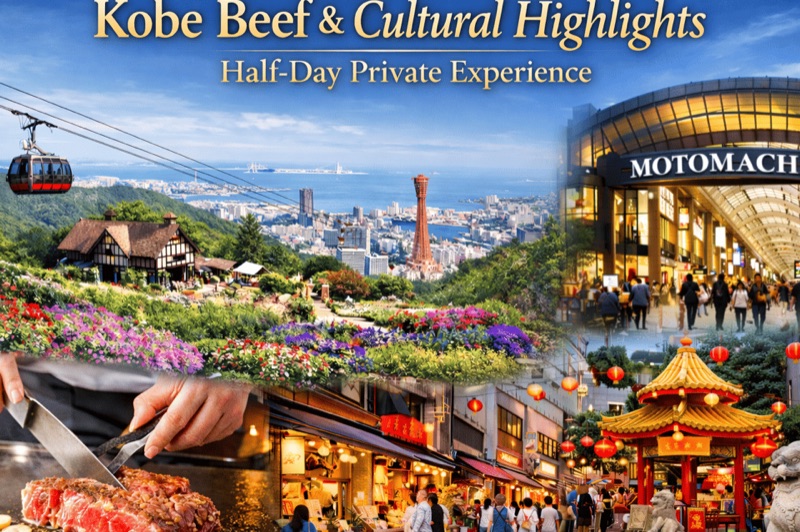
A 30-minute train ride to Kobe for world-famous beef, harbor views, and sake tasting. Back in Osaka by evening.
Morning
Train to Kobe (JR Tokaido Line)
30 min from Osaka Station. ¥410 one way. Or use JR Pass if activated.
JR Kobe Line from Osaka Stn to Sannomiya Stn
If using JR Pass, this counts as a "free" ride
Kobe Nunobiki Herb Gardens
Take the ropeway up Mt. Rokko for stunning autumn views and herb gardens. The ropeway + gardens: ¥1,400. Open 10:00–17:00.
Spectacular fall foliage from the ropeway
Café at the top with panoramic Kobe views
Breakfast
Hotel or Konbini
Light breakfast before heading out. ¥500.
¥500
Afternoon
Kobe Port Tower & Meriken Park
Waterfront park with the iconic red Port Tower and Kobe Maritime Museum. Free to walk around; tower observation ¥700.
Great photo spot with harbor and mountain backdrop
Nearby Kobe City Museum is free on certain days
Nada Sake District
Japan's largest sake-producing area. Free brewery tours at Hakutsuru, Kiku-Masamune, or Sawanotsuru. Tastings included.
Most breweries open 9:30–16:30
Some have English brochures available
Lunch
Kobe Beef Teppanyaki
This is the splurge. A-grade Kobe beef teppanyaki lunch set. Lunch sets are significantly cheaper than dinner (¥5,000–8,000 vs ¥15,000+).
Reserve in advance · Lunch set ¥5,000–8,000 · Dinner ¥15,000+
For budget-friendly Kobe beef, try a Kobe beef burger at one of the harbor-side shops (~¥2,000) or a small steak rice bowl.
Evening
Return to Osaka
Train back to Osaka. Rest up before the move to Kyoto tomorrow.
Dinner
Ramen in Osaka
Close out Osaka with a legendary bowl. Try Kamukura (near Namba) or Ichiran (Dotonbori). ¥900–1,200.
¥900–1,200
Ten Thousand Gates & Geisha Streets
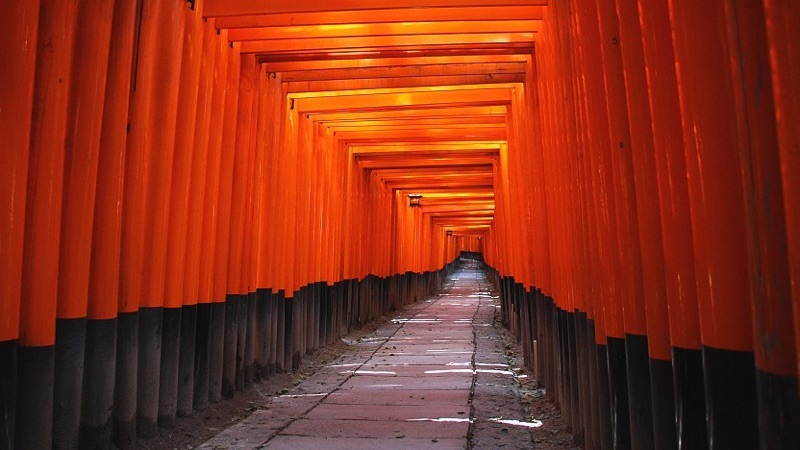
Transfer to Kyoto (30 min), then immediately hit Fushimi Inari's legendary torii gates before the crowds. Evening in Gion.
Morning
Train to Kyoto (JR Special Rapid)
JR Kyoto Line from Osaka Station to Kyoto Station. ~30 min, ¥570. Or Keihan Line from Yodoyabashi if staying in Namba area.
Use luggage forwarding (Takkyubin) from Osaka hotel to Kyoto hotel if bags are heavy — ~¥2,000 per bag
Kyoto Station itself is an architectural marvel worth exploring
Fushimi Inari Taisha
The 10,000 vermillion torii gates winding up the mountainside. GO EARLY — arrive by 8:30 AM for empty gates and golden light. The full hike takes 2–3 hours; most people do the first third.
Open 24/7, free entry — the early start is key
The higher you go, the fewer people
Look for the fox statues and mini shrines along the path
Breakfast
Kyoto Station Ramen Street
10th floor of Kyoto Station's Isetan department store — a curated ramen village. Pick any; they're all solid. ¥900–1,200.
¥900–1,200 · Kyoto Station 10F
Fushimi Inari is best at sunrise or late evening. Mid-morning to afternoon is the worst time — cruise-ship crowds.
Afternoon
Check in & Rest
Drop bags at hotel and recharge. Kyoto invites a slower pace than Osaka.
Kiyomizu-dera Temple
One of Kyoto's most iconic temples, perched on a hillside with a massive wooden stage overlooking the city. Stunning with autumn colors. ¥400.
The approach (Sannenzaka/Ninenzaka streets) is gorgeous — traditional wooden buildings
Open 6:00–18:00 (later during special autumn illuminations)
Lunch
Tofu Kaiseki in Higashiyama
Kyoto is famous for its tofu. Try a multi-course tofu meal at one of the Nanzenji area restaurants. ¥2,000–3,500.
Kyoto specialty · Vegetarian-friendly
Evening
Gion District Night Walk
Wander through the geisha district. Pontocho Alley (parallel to the river) is atmospheric at night with lantern-lit restaurants. You might spot a maiko (apprentice geisha) heading to an engagement.
Be respectful — don't block or chase geisha for photos
Pontocho has riverside dining in warmer months
Gion Corner has cultural shows (tea ceremony, maiko dance) for ¥3,500
Dinner
Pontocho Alley Izakaya
Traditional Japanese pub along the atmospheric alley. Small plates, beer, and sake. ¥2,000–4,000.
No reservations needed for counter seats
Fall illumination events (紅葉ライトアップ) happen at many Kyoto temples in November — check schedules for Kiyomizu-dera and Kodai-ji night lighting.
Gold Pavilions & Bamboo Cathedrals
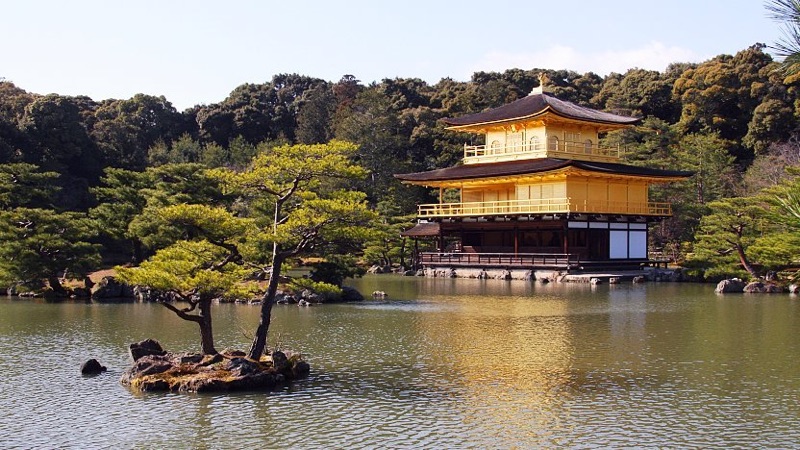
Kyoto's greatest hits: the Golden Pavilion, the most famous rock garden in the world, and the dreamlike Arashiyama bamboo grove at peak autumn.
Morning
Kinkaku-ji (Golden Pavilion)
The most photographed building in Japan — a pavilion covered entirely in gold leaf, reflected in a mirror pond. In autumn, surrounded by crimson and gold foliage. ¥500.
Open 9:00–17:00 year-round
Best photos from the first viewpoint — arrive at opening
The garden is a Muromachi-period masterpiece
Ryoan-ji Temple
Home to Japan's most famous rock garden — 15 stones arranged on white gravel. Meditative and powerful. ¥500.
The meaning of the stones is debated — that's the point
The surrounding moss garden is equally beautiful in autumn
Breakfast
Hotel Breakfast or Konbini
Light start — big day ahead. ¥500.
¥500
Kinkaku-ji and Ryoan-ji are 15 min apart on foot. Do both back-to-back before the midday crowds hit.
Afternoon
Arashiyama Bamboo Grove
Walking through towering green bamboo stalks that sway and creak in the wind is otherworldly. Combined with autumn colors at the edges, it's Kyoto at its most magical.
Arrive before 10 AM or after 4 PM for fewer crowds
The grove connects to Tenryu-ji temple (¥500) — worth the detour
Togetsukyo Bridge & Iwatayama Monkey Park
The iconic bridge over the Katsura River with mountain backdrop. Monkey Park is a 20-min hike up the mountain — wild monkeys and panoramic Kyoto views. ¥550.
The bridge is particularly photogenic with autumn foliage
Monkey Park: don't make eye contact or show food outside the feeding area
Lunch
Arashiyama Riverside Soba
Handmade soba noodles at a riverside restaurant. Cold soba with tempura is the classic order. ¥1,200–2,000.
¥1,200–2,000
Evening
Nishiki Market Evening Stroll
Kyoto's "Kitchen Street." 400-year-old covered market with pickles, tofu donuts, matcha everything, and seasonal autumn sweets. Some stalls close by 17:00 but the street is atmospheric at dusk.
Try the soy milk donut at Unagiya and pickles at any specialist stall
Great place for edible souvenirs
Dinner
Kyoto Izakaya near Kawaramachi
Let loose with small plates, highballs, and sake in Kyoto's liveliest nightlife area. ¥2,500–4,000.
Kawaramachi and Kiyamachi streets have the best options
The Thinking Man's Kyoto

A walking day through eastern Kyoto's temple belt — from Ginkaku-ji down the Philosopher's Path to Nanzen-ji. Peak autumn. Peak Kyoto.
Morning
Ginkaku-ji (Silver Pavilion)
Not actually silver — the name comes from the contrast with Kinkaku-ji. The real draw is the exquisite dry landscape garden and moss. The sand cone (representing Mt. Fuji) is iconic. ¥500.
Open 8:30–17:00
The garden was designed by the great landscape artist Soami
Philosopher's Path (Tetsugaku no Michi)
A 2km stone path along a canal lined with cherry trees (bare in November, but the canal reflections of autumn maples are magical). Named after philosopher Nishida Kitaro who walked it daily.
Takes ~30 min at a leisurely pace
Small cafes and shops along the way
Connects Ginkaku-ji to Nanzen-ji
Breakfast
Konbini + Coffee
Grab breakfast on the way. ¥500.
¥500
This walk is one of the best in all of Japan. Budget 3–4 hours for the full stretch with temple stops.
Afternoon
Nanzen-ji Temple
One of Kyoto's most important Zen temples. The massive Sanmon gate has panoramic views. The aqueduct on the grounds is hauntingly beautiful in autumn. Free (Sanmon gate ¥600).
The brick aqueduct is a surprising and photogenic feature
Leaves are usually at peak color here in mid-November
Eikan-do Zenrin-ji
Arguably the best autumn foliage temple in all of Kyoto. The maple trees here are legendary. ¥1,000 (special autumn admission).
Often has night illumination events in November
The Mikaeri Amida (glancing-back Buddha) is one-of-a-kind
Expect crowds — arrive near opening
Lunch
Café along Philosopher's Path
Small European-style or traditional Japanese cafés dot the canal path. Expect ¥1,000–1,800 for lunch sets.
¥1,000–1,800
Evening
Pontocho or Kiyamachi Night
Another evening along the Kamo River. Kyoto at night is quieter than Osaka — embrace the calm.
Kiyamachi Street has a younger vibe with bars and small restaurants
Pontocho is more atmospheric and traditional
Dinner
Kyoto Ramen (Musosh or Tenkaippin)
Kyoto-style ramen — richer and more complex than you'd expect. Musoso does a legendary vegetable ramen; Tenkaippin is famous for thick kotteri broth. ¥900–1,300.
¥900–1,300
Check if Kodai-ji has autumn night illumination (usually mid-November). It's magical.
Bowing Deer & Ancient Temples
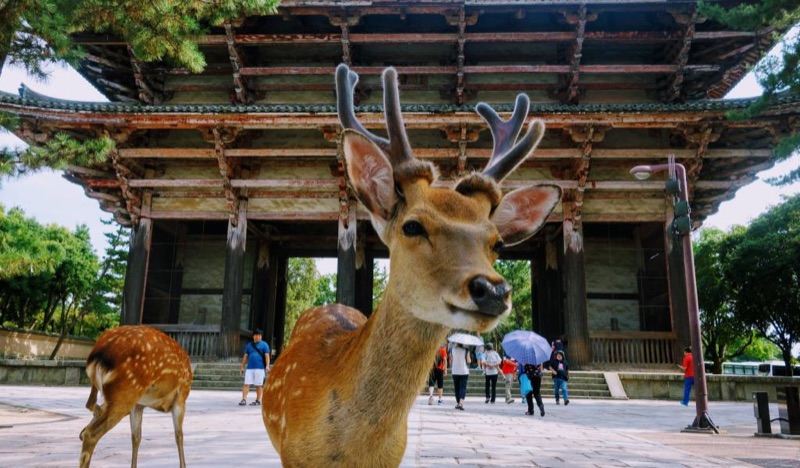
Day trip to Nara — Japan's first permanent capital. Giant bronze Buddha, deer that bow, and the most atmospheric old-growth forest in Kansai.
Morning
Train to Nara (JR Nara Line)
~50 min from Kyoto Station. ¥720 one way (or covered by JR Pass). Frequent departures.
JR is faster than Kintetsu
Nara Station is walkable to the main sights
Nara Park & Deer
Over 1,000 free-roaming deer that have learned to bow for shika senbei (deer crackers, ¥200/bundle). It's delightful.
Deer are wild but gentle — bow to them and they often bow back
Watch your bags — deer will eat maps and paper
Todai-ji Temple
Home to the world's largest bronze Buddha (15m tall). The wooden hall is the largest in the world. ¥600.
Look for the wooden pillar with a hole at the base — same size as the Buddha's nostril. Crawl through for enlightenment (kids usually make it, adults... it's tight)
The Nio guardian statues at the south gate are awe-inspiring
Breakfast
Quick Konbini Stop
Grab onigiri and coffee before the train. ¥500.
¥500
Buy deer crackers from the official vendors (not random shops) — it supports the deer welfare program.
Afternoon
Kasuga Taisha Shrine
Nara's most beautiful shrine, with 3,000 stone and bronze lanterns lining the forest path. The approach through the primeval forest is magical in autumn. ¥600 (inner area).
The hanging bronze lanterns inside are stunning
The surrounding forest is ancient and untouched — rare in Japan
Wisteria flowers in spring; autumn colors in November
Naramachi
Nara's old merchant district with machiya townhouses, tiny museums, and craft shops. More relaxed and less touristy than the main sights.
The Naramachi Koshi-no-Ie (free) is a restored machiya you can explore
Great place for local crafts and sake
Lunch
Kakinoha-zushi in Nara
Nara's signature dish — sushi wrapped in persimmon leaves. Beautiful presentation, unique taste. Find it near Nara Park or Naramachi. ¥1,200–2,000.
Nara specialty · ¥1,200–2,000
Evening
Return to Kyoto
Train back to Kyoto. Quiet evening to recharge.
Last JR trains around 22:00
Dinner
Kyoto Tempura Dinner
Light, crispy tempura with rice and miso soup. A Kyoto specialty. ¥1,800–3,000.
¥1,800–3,000
Kyoto at Your Own Pace
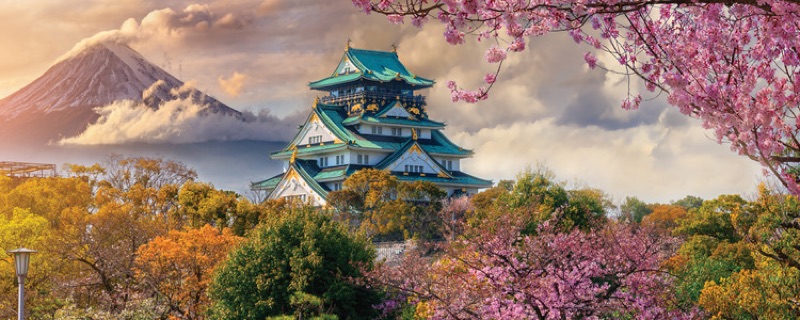
A flexible day to revisit favorites, shop for souvenirs, or discover hidden temples. Nishiki Market for breakfast grazing.
Morning
Nishiki Market Deep Dive
Go deeper than yesterday's quick stroll. Try the tamagoyaki, fresh yuba (tofu skin), Kyoto pickles, and matcha everything. Talk to vendors — many have been here for generations.
Best before 11 AM
Some vendors offer free samples
Great for edible souvenirs: yuba, matcha powder, Kyoto pickles
Nishiki Tenmangu Shrine
A small shrine tucked into the market. Quick visit — the lantern-lit entrance is beautiful.
Dedicated to the god of learning — students pray here before exams
Breakfast/Lunch
Nishiki Market Grazing
Tamagoyaki (¥200), yuba skin (¥300), matcha ice cream (¥400), octopus skewer (¥300), fresh mochi (¥200). Total ¥1,500–2,000.
Cash preferred · ¥1,500–2,000
If you want a more active morning, rent bicycles (¥1,000/day) and ride along the Kamo River — flat, scenic, and very Kyoto.
Afternoon
Choose Your Own Adventure
Options: (1) Tea ceremony experience (¥2,000–5,000), (2) Kyoto National Museum (¥700), (3) Samurai & Ninja Museum (¥2,500), (4) Extra temple revisit, (5) Shopping in Teramachi covered street.
Camellia tea ceremony near Kiyomizu offers authentic experiences in English
Teramachi has great vintage shops and bookstores
The Kyoto International Manga Museum is fun if you're into manga (¥800)
Evening
Farewell to Kyoto — Kaiseki Dinner
If there's one splurge meal in Kyoto, make it a kaiseki dinner — multi-course seasonal art on a plate. Reserve in advance.
Kikunoi (3 Michelin stars), Gion Sasaki, or Kichisen for high-end
More affordable options at ryokans or department store restaurants
Autumn kaiseki features matsutake mushroom, mackerel, and persimmon
Dinner
Kaiseki Ryori (Optional Splurge)
Multi-course seasonal dinner. Budget ¥8,000–20,000 per person depending on level. More casual options at ¥3,000–5,000.
Reserve 1–2 weeks ahead for top places · ¥3,000–20,000
Bullet Train to the Big Mikan
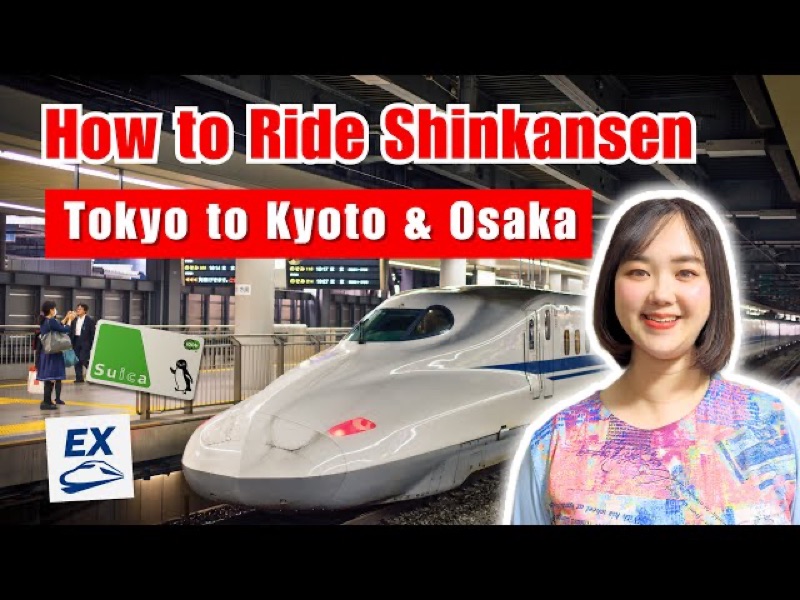
The Shinkansen ride itself is an experience. Then: Tokyo. Shibuya Crossing, neon, and the biggest city you've ever felt.
Morning
Shinkansen to Tokyo
Nozomi train: 2 hr 15 min. Hikari: 2 hr 45 min (covered by JR Pass). ¥14,170 one way without pass. Sit on the LEFT side — you'll see Mt. Fuji on a clear day.
Buy an ekiben (station bento) at Kyoto Station before boarding — ¥1,000–1,500
Mt. Fuji appears about 1 hour into the journey near Shin-Fuji station
The Shinkansen is shockingly smooth and quiet
Breakfast
Ekiben on the Shinkansen
Specialty train bento box from Kyoto Station. Each region has unique styles. ¥1,000–1,500.
¥1,000–1,500 · Eat on the train
Left side of the train (seats E) for Mt. Fuji views. If you have a JR Pass, you can't take Nozomi — use Hikari or Kodama.
Afternoon
Check In & Orient
Drop bags at hotel. Get a PASMO/Suica card if you don't have ICOCA (they're interchangeable on most transit).
Tokyo has multiple rail companies — JR, Metro, Toei — ICOCA works on all
Download Google Maps offline for Tokyo — it handles transfers perfectly
Shibuya Crossing & Hachiko Statue
The world's busiest pedestrian crossing. Up to 3,000 people cross at once. Best viewed from Shibuya Sky or the Starbucks above. Free.
Hachiko statue is outside the station — the loyal dog who waited 9 years for his owner
Shibuya Sky observation deck: ¥2,000 (book online for sunset slots)
Lunch
Shibuya Ramen (Fuunji or Konjiki Hototogisu)
Two of Tokyo's most famous ramen shops, both within walking distance. Expect lines but they move fast. ¥1,000–1,300.
¥1,000–1,300 · Lines move in 15–30 min
Evening
Shibuya Night — Center Gai & Nonbei Yokocho
Shibuya Center Gai is a sensory overload of neon, music, and fashion. Then slip into Nonbei Yokocho (Drunkard's Alley) — a tiny, atmospheric alley of standing bars that feels like 1960s Tokyo.
Nonbei Yokocho is behind Shibuya Station — easy to miss, impossible to forget
Most bars seat 6–8 people — sit next to locals and chat
Dinner
Shibuya Izakaya
Small plates and drinks in a bustling izakaya. Try the yakitori, edamame, and a lemon sour. ¥2,000–3,500.
¥2,000–3,500 · Walk-ins usually fine
Old Tokyo Meets Electric Town
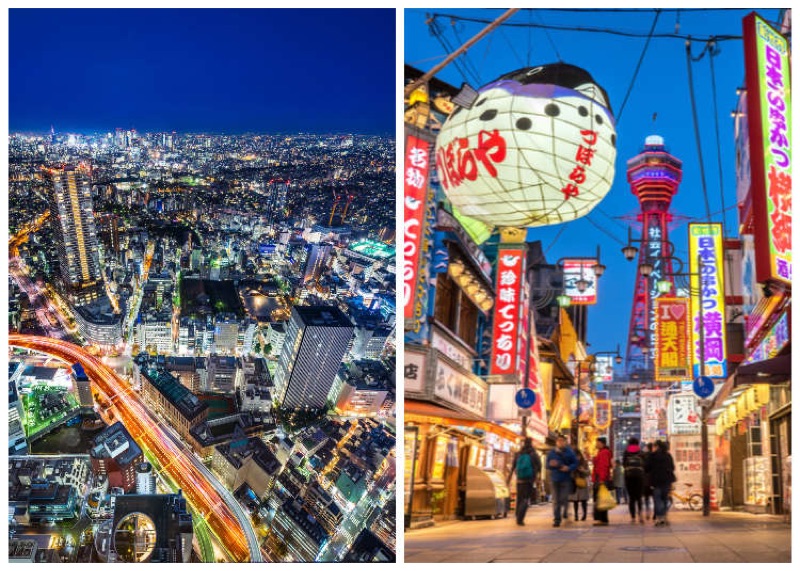
Ancient temples, world-class museums, and the neon fever dream of Akihabara — Tokyo's past, present, and future in one day.
Morning
Senso-ji Temple & Asakusa
Tokyo's oldest temple (645 AD). Walk through the iconic Kaminarimon (Thunder Gate), down Nakamise-dori shopping street, and into the main hall. Free entry.
Nakamise-dori opens ~9:00 — come at 8:00 for empty photos of the gate
Try the freshly made melon pan and ningyo-yaki from street vendors
The five-story pagoda is a reconstruction but stunning
Breakfast
Asakusa Street Food
Melon pan (¥200), freshly baked senbei crackers (¥300), matcha dango (¥300). ¥800 total.
¥800 · Cash
Afternoon
Ueno Park & Tokyo National Museum
Ueno Park in autumn is stunning — ginkgo-lined paths turning gold. The Tokyo National Museum has the world's finest collection of Japanese art. Museum: ¥1,000.
Park is free — perfect for a picnic or bench-sitting
The museum has English audio guides (¥500)
Combine with the National Museum of Nature and Science next door (¥700) if time allows
Akihabara Electric Town
Multi-story arcades, maid cafes, anime shops, retro game stores, and electronics. Even if you're not into anime, the sensory experience is unforgettable.
Super Potato has retro games you can play on the top floor
Gachapon halls have hundreds of capsule toy machines
Don't miss the multi-floor Don Quijote store
Lunch
Tonkatsu in Asakusa or Ueno
Crispy, deep-fried pork cutlet with cabbage and rice. Maisen in nearby Omotesando is famous but any local spot delivers. ¥1,200–2,000.
¥1,200–2,000
Akihabara's used camera and electronics shops on the back streets have incredible vintage finds.
Evening
Akihabara Night Walk
Akihabara after dark is its own beast — illuminated anime billboards, game center noise, and a particular energy that's pure Tokyo.
Dinner
Ramen Street (Tokyo Station) or Local Ramen
Tokyo Station underground has 8 curated ramen shops. Or find a tiny local shop — Tokyo ramen is a different beast from Osaka/Kyoto styles. ¥1,000–1,500.
¥1,000–1,500
Shrines, Street Style & Catwalks
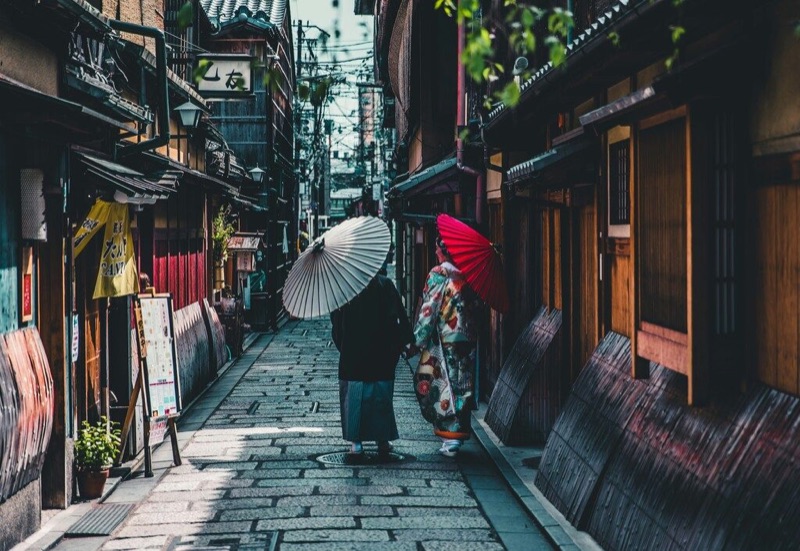
Start with the serenity of Meiji Shrine, then explode into Takeshita Street's teenage fashion chaos, and end on sophisticated Omotesando.
Morning
Meiji Jingu Shrine
Tokyo's most important Shinto shrine, set in a 170-acre forest in the middle of the city. The 12m tall torii gate at the entrance is awe-inspiring. Free.
The forest was planted 100 years ago with 100,000 trees donated from across Japan
Write a wish on an ema wooden plate (¥500)
The sake barrel display along the approach path is photogenic
Yoyogi Park
Adjacent to Meiji Shrine — Tokyo's version of Central Park. On weekends, you might see rockabilly dancers, cosplayers, and street performers. Free.
Great for people-watching
The pond area has beautiful autumn reflections
Breakfast
Harajuku Crepe or Pancakes
Harajuku is famous for giant crepes (Eddie's, Marion Crepes) and fluffy Japanese pancakes (Bills, Rainbow Pancake). ¥800–1,500.
¥800–1,500 · Lines can be 30+ min for pancake spots
Meiji Shrine is best early morning — the forest walk is meditative with fewer people.
Afternoon
Takeshita Street
Harajuku's famous narrow street — crammed with fashion boutiques, crepe stands, animal cafes, and trend-chasing teenagers. It's chaotic and wonderful.
Look for the side streets — Cat Street has more interesting, curated fashion
Purikura photo booths are a fun ¥400 souvenir
Avoid the animal cafes (animal welfare concerns)
Omotesando
Tokyo's Champs-Élysées. Stunning architecture (Prada building by Herzog & de Meuron, Tod's by Toyo Ito). Window-shopping heaven. The ginkgo avenue turns pure gold in November.
The ginkgo tree-lined avenue (Icho Namiki) is one of Tokyo's best autumn photo spots
Omotesando Hills has interesting architecture even if you don't shop
Lunch
Omotesando Café or Tonkatsu
Try Maisen tonkatsu (in a beautiful converted sento bathhouse) or a trendy Omotesando café. ¥1,500–2,500.
Maisen is iconic — ¥1,500–2,500
Evening
Cat Street Evening Walk
The backstreet connecting Harajuku to Shibuya is full of indie boutiques, galleries, and hole-in-the-wall bars. Perfect for an evening stroll.
Many shops close by 20:00 but restaurants and bars stay open later
Ura-Harajuku street art scene is worth exploring
Dinner
Shibuya Yakitori Alley (Yakitori Matsumoto)
Tiny standing-only yakitori joint near the train tracks. Smoky, atmospheric, perfect. ¥2,000–3,000.
Standing bar · ¥2,000–3,000 · Cash
Sushi Breakfast & Golden Evenings
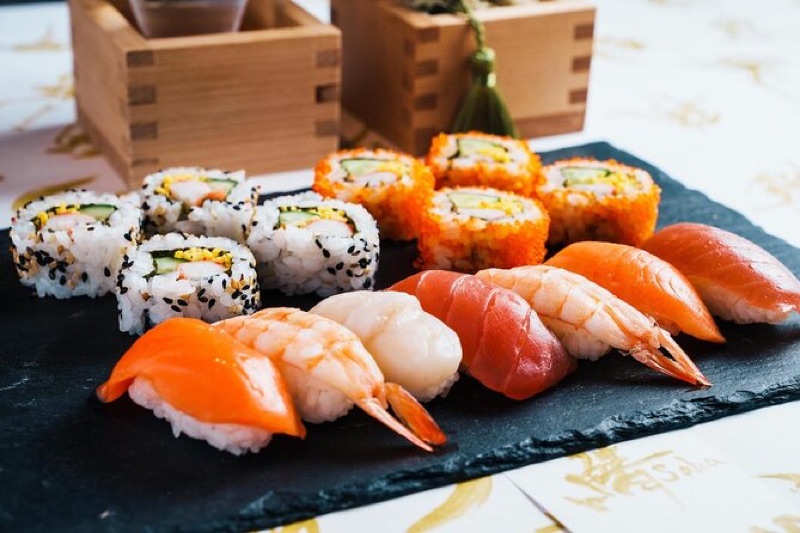
Start with the freshest fish breakfast of your life, browse Tokyo's most elegant district, and end with city lights from above.
Morning
Tsukiji Outer Market
The inner wholesale market moved to Toyosu in 2018, but the Outer Market remains — and it's where the best eating happens. Fresh sushi, grilled eel, tamagoyaki, sea urchin rice bowls. Go HUNGRY. Arrive by 7:30 AM.
Best sushi spots: Sushi Dai (expect 1–2 hr wait), Daiwa Sushi (faster), or any stall with a line of locals
Don't miss the rolled omelet (tamagoyaki) stands — ¥300
The market winds down by 14:00 — morning is essential
Breakfast
Tsukiji Sushi Breakfast
Sushi breakfast at a market stall — the freshest you'll ever have. ¥2,000–4,000 for a quality set. Add a sea urchin bowl (uni don) for ¥1,500–2,500 if you're feeling bold.
¥2,000–4,000 · Cash · Go early!
For an even more authentic experience, Toyosu Market has early-morning tuna auctions viewable from 5:25 AM (free, but arrive by 5:00).
Afternoon
Ginza District
Tokyo's upscale shopping and dining district. On weekends, the main street (Chuo-dori) becomes a pedestrian promenade. Beautiful architecture, department store basements (depachika) with incredible food halls.
Depachika (department store basements) are worth exploring even if you don't buy — artful food displays
Ginza Six is the newest and most architecturally interesting mall
The Kabuki-za theater offers single-act tickets (makumitori) for ¥1,000–2,000
Tokyo Tower
The classic orange-red tower (built 1958) with observation decks at 150m and 250m. The 1960s retro-futuristic aesthetic hits different. Main deck: ¥1,200.
Better for photos OF (it's more photogenic than Tokyo Skytree)
Zojo-ji temple at its base provides a stunning temple-tower contrast shot
Lunch
Ginza Depachika Bento
Assemble a gourmet bento from the department store food hall — sushi, tempura, salad, and dessert. ¥1,500–2,500.
¥1,500–2,500 · Beautiful packaging
Evening
Zojo-ji Temple at Dusk
The temple at the base of Tokyo Tower is hauntingly beautiful as the sky darkens and the tower lights up. Free.
The rows of small jizo statues with red bonnets are deeply moving — they represent unborn children
Best photos: temple in foreground, Tokyo Tower lit up behind
Dinner
Shimbashi Izakaya Alley
Under the train tracks near Shimbashi Station — atmospheric standing bars serving salarymen since the 1950s. Raw, authentic, and excellent. ¥2,000–3,500.
¥2,000–3,500 · Very local vibe · Some English menus
Seaside Temples & the Great Buddha
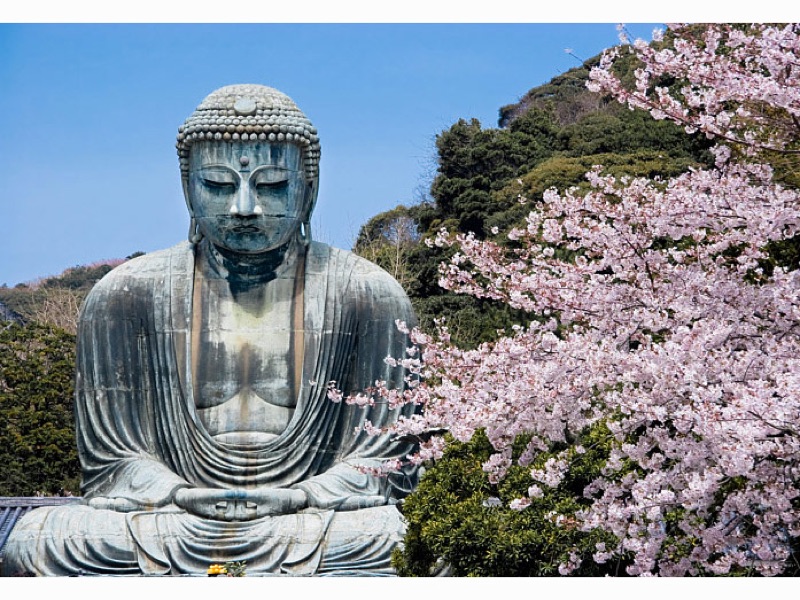
Day trip to Kamakura — the "Kyoto of the East." A giant Buddha, surfing beaches, and a hiking trail through the forested hills between temples.
Morning
Train to Kamakura (JR Yokosuka Line)
~60 min from Tokyo Station. ¥920 one way. Or the Shonan-Shinjuku Line from Shibuya/Shinjuku (~55 min).
Sit on the LEFT side for ocean views as you approach Kamakura
Buy a Kamakura-Enoshima pass (¥700) if also doing Enoshima
Kotoku-in & the Great Buddha
A 13m tall bronze Buddha sitting in the open air since 1495. You can go inside it. ¥300.
The Buddha survived a tsunami in 1495 that washed away the temple building around it
Going inside shows the repair patches from centuries of earthquakes
Best photos in morning light
Breakfast
Konbini Breakfast
Grab something for the train ride. ¥500.
¥500
The Daibutsu Hiking Trail connects Kitakamakura to the Great Buddha — a beautiful 30-40 min forest walk.
Afternoon
Hase-dera Temple
Stunning temple on a hillside with ocean views, a 9m tall wooden Kannon statue, and gorgeous autumn gardens. ¥400.
The viewing platform has panoramic views of Kamakura and the Pacific
The cave (Benten-kutsu) has a mysterious atmosphere
One of the best autumn foliage spots in Kamakura
Komachi-dori Street
The main shopping street leading to Tsurugaoka Hachiman-gu shrine. Snacks, souvenirs, and people-watching.
Try shirasu (whitebait) rice bowl — a Kamakura specialty
Pigeon-shaped cookies (hato sablé) are the classic souvenir
Tsurugaoka Hachiman-gu
Kamakura's most important shrine with a dramatic approach lined with cherry trees (and autumn color). Free.
The lotus pond and arched bridge are iconic
The main hall sits at the top of a long set of stairs
Lunch
Shirasu-don (Whitebait Rice Bowl)
Kamakura's signature dish — tiny white fish over rice. Fresh and delicate. ¥1,200–1,800.
Kamakura specialty · ¥1,200–1,800
Evening
Return to Tokyo
Train back. Rest up for the final full day.
Watch the sunset over the ocean from the train on the way back
Dinner
Tokyo Curry or Tonkatsu
Keep it simple. A good Japanese curry (Coco Ichibanya for budget, a local shop for quality) or tonkatsu. ¥1,000–1,800.
¥1,000–1,800
Final Night — Godzilla, Golden Gai & Everything Glowing
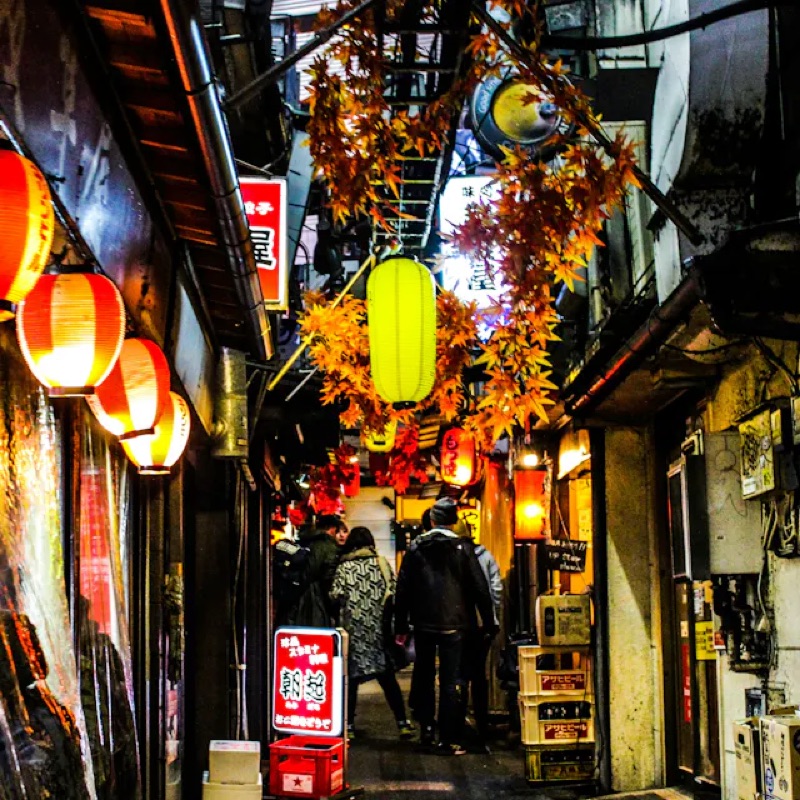
Your last full day. Shinjuku's maze of restaurants and bars, the neon canyon of Kabukicho, and a proper Tokyo farewell.
Morning
Shinjuku Gyoen National Garden
One of Tokyo's most beautiful parks — Japanese, English, and French gardens with stunning autumn maples and ginkgo. ¥500.
Alcohol is not allowed (unlike Ueno Park)
The Japanese traditional garden with the tea house is the highlight
One of the best autumn foliage spots in Tokyo — late November is perfect timing
Tokyo Metropolitan Government Building Observatory
Free observation deck (45th floor, 202m) with panoramic views of Tokyo — and Mt. Fuji on clear days. Open 9:30–22:00.
North tower has better views of Shinjuku's skyscrapers
South tower has café seating
Completely free — one of Tokyo's best deals
Breakfast
Shinjuku Konbini + Coffee
Standard quick start. ¥500.
¥500
Afternoon
Omoide Yokocho (Memory Lane)
Tiny alley near Shinjuku Station crammed with atmospheric yakitori stalls. Smoke, laughter, and the smell of charcoal. Most seat only 6–8 people. It's magic.
Come for lunch or early dinner to avoid extreme crowds
Some stalls are cash-only
Also called "Piss Alley" by locals (historical nickname)
Kabukicho & Godzilla Head
Shinjuku's entertainment district. The giant Godzilla head on top of Hotel Gracery roars occasionally. The area is safe but seedy — embrace the contrast.
Godzilla roars at the top of every hour (roughly)
Don Quijote Shinjuku is open 24/7 — great for last-minute souvenirs
Lunch
Omoide Yokocho Yakitori
Grilled chicken skewers, liver, and vegetables in a smoky alley stall. ¥1,500–2,500 with drinks.
¥1,500–2,500 · Atmospheric · Cash preferred
Evening
Golden Gai
200+ tiny bars crammed into 6 narrow alleys. Each bar has its own theme (jazz, movies, punk rock, etc.) and seats 5–10 people. This is Tokyo nightlife at its most intimate and authentic.
Some bars have cover charges (¥500–1,500) — ask before sitting
Many bars welcome foreigners — look for English menus outside
Bar hopping is the way — 1–2 drinks per bar, then move on
Roppongi Night (Optional)
If you want clubs or a more international nightlife scene. Roppongi has everything from quiet wine bars to massive clubs.
Roppongi Hills observation deck (Tokyo City View) is open until 23:00 — ¥2,000
Mori Art Museum is in the same complex
Dinner
Golden Gai Bar Hopping + Snacks
Bar crawl through Golden Gai. Drinks ¥700–1,200 each, plus otoshi (seating charge with small snack). Budget ¥4,000–6,000 for a good crawl.
¥4,000–6,000 · Cash in smaller bars
This is your last full night in Japan. Go big. Golden Gai is where Tokyo reveals its soul.
Sayonara, Japan

Last-minute shopping, a final bowl of ramen, and the bittersweet train ride to the airport. Until next time.
Morning
Final Shopping
Last chance for souvenirs. Hit Don Quijote (open 24/7) for Japanese snacks, beauty products, and quirky gifts. Or explore Shinjuku's department store food halls for edible gifts.
Best edible souvenirs: Tokyo Banana, KitKat specialty flavors, senbei crackers, matcha everything
Uniqlo in Japan has different (and cheaper) items than overseas stores
100-yen shops (Daiso) have surprisingly great gifts
Final Temple or Shrine
If time allows, visit one last spot. Yasukuni Shrine (controversial but architecturally stunning) or the peaceful grounds of the Imperial Palace East Gardens (free, 9:00–15:30).
Imperial Palace East Gardens: free, beautiful autumn foliage
Yasukuni Shrine: free, impressive grounds and museum
Breakfast
Final Japanese Breakfast
If your hotel offers a Japanese breakfast (miso soup, grilled fish, rice, pickles, egg) — get it. It's the last one. ¥1,000–1,500.
¥1,000–1,500
Afternoon
Airport Transfer
To Narita: Narita Express (~60 min from Tokyo Stn, ¥3,250) or Keisei Skyliner (~40 min from Nippori/Ueno, ¥2,570). To Haneda: Tokyo Monorail or Keikyu Line (~30 min, ¥500–600).
Arrive at airport 2–3 hours before departure
Use remaining ICOCA balance at airport shops or refund it (¥220 fee)
Narita has excellent shopping after security
Lunch
Airport Ramen or Last Japanese Meal
Both Narita and Haneda have solid food options. One last bowl for the road. ¥1,000–1,500.
¥1,000–1,500
Japan's airport shopping is genuinely good — save ¥10,000–20,000 for last-minute souvenirs at duty-free.
💰 Budget Breakdown
| Category | PerPerson | Total |
|---|
| Flights (round-trip) | $600–1,200 | $1,200–2,400 |
| Accommodation (15 nights) | $750–1,500 | $1,500–3,000 |
| JR Pass (14-day) | $380 | $760 |
| Local Transit | $80–120 | $160–240 |
| Food & Drink | $600–900 | $1,200–1,800 |
| Activities & Temples | $100–200 | $200–400 |
| Shopping & Souvenirs | $100–300 | $200–600 |
| Total Estimate | $2,610–4,600 | $5,220–9,200 |
🔌 Power & Connectivity
- Japan uses Type A plugs (same as US) — 100V. No adapter needed for US devices.
- Pocket WiFi rental ~¥500/day — essential for Google Maps and translation.
- Download offline Japanese in Google Translate for kanji camera translation.
🚇 Transit Tips
- ICOCA or Suica card works on virtually all transit — recharge at stations.
- JR Pass covers JR lines nationwide including Shinkansen (Hikari/Kodama, not Nozomi).
- Activate JR Pass on the day you need long-distance travel — not day 1.
- Tokyo Metro can be overwhelming — Google Maps handles it perfectly.
💴 Money
- Japan is still heavily cash-based. Carry ¥30,000–50,000.
- 7-Eleven ATMs accept most foreign cards. Post office ATMs too.
- IC cards (ICOCA/Suica) can be recharged and used at convenience stores.
- Tipping is not customary — it can be considered rude.
🧳 Luggage Forwarding
- Use Yamato Transport (Takkyubin) to forward bags between cities — ~¥2,000/bag.
- Arrange at hotel front desk. Next-day delivery. Huge quality-of-life upgrade.
- Carry a daypack with essentials; let the big bags catch up.
礼仪 Etiquette
- No tipping — it's not expected and can cause confusion.
- Bow when greeting/thanking. A slight head nod is fine for casual situations.
- Quiet on public transit. No phone calls on trains.
- Remove shoes when entering temples, homes, and some traditional restaurants.
- Carry a small plastic bag for trash — public bins are rare in Japan.
🍁 November Weather
- Osaka/Kyoto: 8–17°C (46–63°F). Light jacket and layers.
- Tokyo: 9–18°C (48–64°F). Similar to Kansai, maybe slightly warmer.
- Rain is possible — pack a compact umbrella or buy one at a konbini (¥500).
- Peak autumn foliage mid-to-late November in Kansai, late November in Tokyo.
📱 Useful Apps
- Google Maps — works perfectly with Japanese transit.
- Google Translate — camera mode is a lifesaver for menus and signs.
- Suica app — recharge your transit card from your phone.
- Tabelog — Japan's Yelp. Scores above 3.5 are excellent.
- Navitime — alternative transit app popular with locals.