🇯🇵 Your Custom Itinerary

Osakasayama: 2 Days of Quiet Gardens, Cherry Blossoms & Clean Vegetarian Eats

A peaceful solo retreat through Osaka's hidden southern gem — ancient reservoirs, Tadao Ando architecture, sakura walks, onsen relaxation, and thoughtful vegetarian dining across Osakasayama, Sakai, and the Kawachinagano countryside.

Duration: 2 days
Dates: March 24 – 25, 2026
Budget: Under $1,000
Pace: Relaxed
Best for: Solo vegetarian traveler seeking relaxation & clean food

⚡ Before You Go — Essentials

🌿 Vegetarian Dining in Japan — Key Phrases

Japan can be tricky for vegetarians since dashi (fish stock) is everywhere. Key phrase: "Watashi wa saishoku-shugisha desu. Niku to sakana wa tabemasen" (私は菜食主義者です。肉と魚は食べません — I'm vegetarian. I don't eat meat or fish). For stricter plant-based: "Doubutsu-sei no mono wa tabemasen" (動物性のものは食べません — I don't eat animal products). Many restaurants near temples serve shojin ryori (Buddhist vegetarian cuisine) which is entirely plant-based. This itinerary focuses on places with verified vegetarian options.

🌸 Cherry Blossom Timing — Late March

You're arriving during early cherry blossom season! Sayamaike Park is famous for Koshinohigan cherry trees that bloom earlier than Somei-yoshino — late March is prime time. The 1,300 cherry trees around the reservoir create a spectacular tunnel effect. The park may also have nighttime illumination (check locally). Bring a light jacket — late March temps average 10-16°C.

🚂 Getting Around — Nankai Koya Line

Osakasayama is served by the Nankai Koya Line. Key stations: Osakasayama-shi (大阪狭山市駅), Sayama (狭山駅), and Kongo (金剛駅). Get an ICOCA card at any station — it works on all trains and buses. From Kansai Airport: take the Nankai line direct to Namba, then transfer to Koya Line (about 90 min total). From Namba to Osakasayama-shi is about 30 min.

🗺️ Osakasayama — What to Expect

This is a small residential city (population ~58,000) in southern Osaka Prefecture — not touristy central Osaka. That's the beauty of it: quiet parks, local temples, genuine neighborhood life. You'll pair Osakasayama's natural beauty with day trips to nearby Sakai (UNESCO sites, 20 min by train) and Kawachinagano (onsen ryokan, 15 min by train). Solo-friendly, peaceful, and very walkable.

Day 1 Osakasayama · Sayamaike Park · Niji no Yu

Sayamaike Cherry Blossoms, Tadao Ando & Onsen
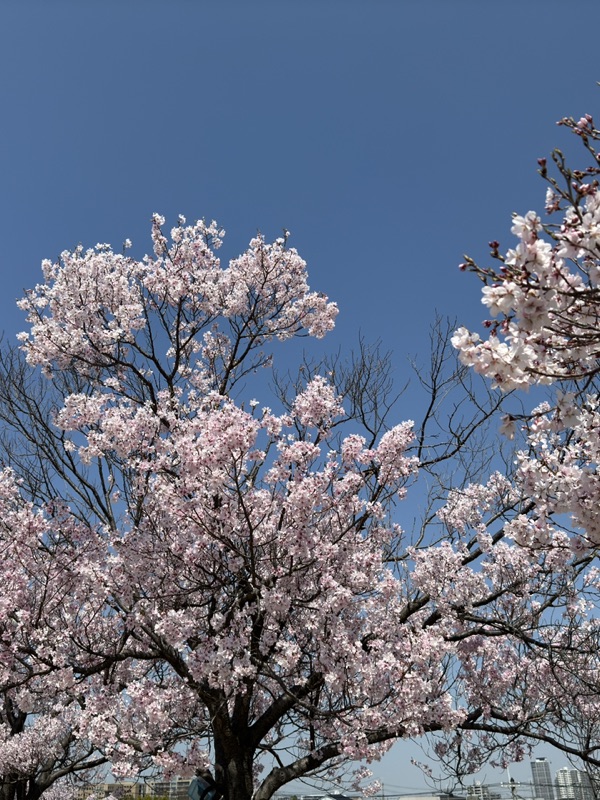
Sayamaike Cherry Blossoms, Tadao Ando & Onsen, Osakasayama, Osaka Prefecture, Japan

Arrive in Osakasayama and immerse yourself in Japan's oldest reservoir park — cherry blossoms just beginning to bloom, a striking Tadao Ando museum, a quiet lakeside walk, and an evening soak at the local onsen.

Morning — Arrival & Sayamaike Park

🚂 Arrive in Osakasayama

Take the Nankai Koya Line from Namba Station to Osakasayama-shi Station (~30 min). Drop your bags at your accommodation and head out. The town is quiet and walkable — you'll notice the pace of life is different from central Osaka immediately.

💡 From Kansai Airport: Nankai to Namba → transfer Koya Line. Total ~90 min.
🎫 ICOCA card works on all Nankai trains — tap and go

🌸 Sayamaike Park (狭山池公園)

Japan's oldest dam-type reservoir, built in the 7th century (over 1,400 years old) and still in use today. The walking path circles the entire reservoir — about 2.8 km — lined with approximately 1,300 cherry trees. Late March is when the early-blooming Koshinohigan cherry trees hit their peak, filling the path with delicate pink blossoms before the main Somei-yoshino season. The water reflects the cherry trees beautifully.

📍 10 min walk from Osakasayama-shi Station — follow the signs
🌸 Koshinohigan cherry bloom: late March (you're right on time!)
📸 Best photo spots: the northern cherry tunnel and the reflection on the water surface
⏰ Open 24 hours (park) — morning walks are quietest
🆓 Free admission
Breakfast/Brunch
Sayama History Café (狭山池歴史カフェ)
Located on the 3rd floor of the Sayamaike Museum, this café serves a vegetable-rich daily lunch set and the house curry. Ask for the vegetable-only options — the daily lunch is generally veggie-forward. Enjoy the panoramic view of the reservoir and cherry blossoms from the café window.
📍 Sayamaike Museum 3F · ¥700-1,000 · Open 10 AM – 4:30 PM (closed Mondays)
🌸 The Koshinohigan cherry trees bloom about 1 week before Somei-yoshino. Late March is perfect timing — you may catch the very first blossoms.
🚶 The full loop around Sayamaike is flat and easy — perfect for a meditative solo morning walk.
Afternoon — Tadao Ando Museum & Shrines

🏛️ Osaka Prefectural Sayamaike Museum (大阪府立狭山池博物館)

Designed by legendary architect Tadao Ando, this museum is a masterpiece of minimalist concrete architecture. The star exhibit is a massive cross-section of the actual Sayamaike dam embankment — 15 meters high, cut from the reservoir itself. The museum tells the 1,400-year story of water management in Japan. Surprisingly uncrowded; architecture lovers will spend hours here.

📍 Adjacent to Sayamaike Park — 10 min walk from Osakasayama-shi Station
⏰ 10:00 AM – 5:00 PM (closed Mondays, but open if Monday is a holiday)
🆓 Free admission!
📷 The water courtyard and concrete corridors are incredibly photogenic
💡 QR codes available for English audio descriptions

⛩️ Sayama Shrine (狭山神社)

A peaceful local Shinto shrine with a history stretching back centuries. Nestled among trees, it's the kind of quiet, unhurried shrine experience that tourists in central Osaka never find. Perfect for a contemplative visit.

📍 Near Osakasayama-shi Station, short walk east
🆓 Free · Always open
🙏 Toss a ¥5 coin (go-en = good fortune) and make a wish

⛩️ Santo Shrine (三都神社)

Another quiet local shrine worth a peaceful stroll. The grounds are shaded and serene — a perfect solo relaxation spot. These small neighborhood shrines are the real Japan that most tourists miss entirely.

📍 Southern Osakasayama area
🆓 Free · Always open
Lunch
Vegetarian Bento from a Local Konbini
Japanese convenience stores (konbini) are surprisingly great for vegetarian options. Look for: onigiri with umeboshi (pickled plum) or kombu (seaweed), inari-zushi (sweet tofu skin sushi), edamame, veggie salads, and natto packs. Lawson, FamilyMart, and 7-Eleven all have these. Grab a bento and eat it in the park by the reservoir.
📍 Multiple konbini near Osakasayama-shi Station · ¥300-600 · Open 24h
📝 Konbini vegetarian safe picks: umeboshi onigiri (梅), kombu onigiri (昆布), inari-zushi (いなり寿司), natto (納豆), yasai salad (野菜サラダ). Avoid anything with "chicken" (チキン) or "pork" (ポーク) in katakana.
📷 The Sayamaike Museum's concrete corridors with water reflections are peak Tadao Ando — don't rush through the approach.
Evening — Onsen & Relaxation

♨️ Niji no Yu Osakasayama (虹の湯 大阪狭山店)

Osakasayama's beloved super sento (public bath house). Multiple indoor and outdoor baths, a sauna, and 8 private family baths. The open-air rotenburo under the evening sky is pure relaxation. This is exactly the kind of neighborhood onsen that locals love — no tourists, just warm water and peace. Solo-friendly and tattoo-tolerant in the private baths.

📍 2-837 Higashinonishi, Osakasayama · Bus or taxi from station
⏰ Open 10:00 AM – late (check current hours)
💴 ~¥800-1,000 entry · Private family baths extra (~¥1,500-2,000/hour)
🧖 Bring your own towel or rent one (¥200-300)
💡 Small tattoos are generally OK in the large baths; private baths have no restrictions
Dinner
Onsen Restaurant at Niji no Yu
Niji no Yu has an in-house restaurant serving Japanese comfort food. Vegetarian-friendly picks: zaru soba (cold buckwheat noodles with dipping sauce — ask if dashi is fish-based), vegetable tempura set, tofu dishes, edamame, and rice sets. Eating in your yukata after a long soak is peak Japanese relaxation.
📍 Inside Niji no Yu · ¥700-1,200 · Open during bath hours
♨️ Onsen etiquette: wash thoroughly at the shower stations BEFORE entering the bath. No swimsuits in communal baths. Tie long hair up.
Niji no Yu in Osakasayama is one of the better super sentos in south Osaka. The outdoor baths are great and it's never crowded on weekday evenings.r/JapanTravel
Day 2 Sakai · Mozu-Furuichi Kofun · Osakasayama

UNESCO Kofun Tombs, Sakai Heritage & Green Dining
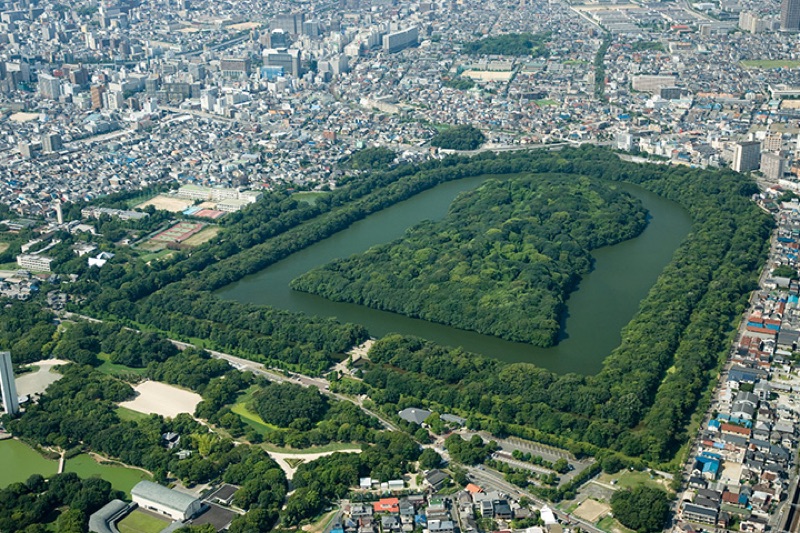
UNESCO Kofun Tombs, Sakai Heritage & Green Dining, Osakasayama, Osaka Prefecture, Japan

Explore the UNESCO World Heritage kofun tombs and Sakai's rich cultural heritage, enjoy vegetarian dining in the city, then return to Osakasayama for a final peaceful evening stroll along the cherry-lined reservoir.

Morning — Sakai & UNESCO Kofun Tombs

🚂 Train to Sakai

Take the Nankai Koya Line from Osakasayama-shi north, then transfer at Sakai-Higashi Station or take JR to Mozu Station. Sakai is one of Japan's most historically significant cities — once a wealthy merchant port rivaling Venice and Osaka. Today it's famous for the UNESCO-listed ancient kofun tombs and traditional knife-making.

🚂 Osakasayama-shi → Sakai area: ~20-25 min by train
💡 JR Mozu Station is closest to the main kofun cluster

🏛️ Mozu-Furuichi Kofun Group (百舌鳥・古市古墳群) — UNESCO World Heritage

One of Japan's most extraordinary UNESCO sites: a cluster of keyhole-shaped burial mounds (kofun) from the 3rd–6th century, including the tomb of Emperor Nintoku — the largest burial mound in the world by area, bigger than the Great Pyramid of Giza. You can't enter the tombs themselves, but you can walk the surrounding moats and forested paths, feeling the immense scale of these ancient structures.

📍 Near JR Mozu Station · Free to walk around the grounds
🗺️ Emperor Nintoku's tomb: 486 meters long — you need the observation deck to appreciate the scale
💡 Best viewed from Sakai City Hall 21F Observatory (free, 360° views)
⏰ City Hall Observatory: 9:00 AM – 9:00 PM, open daily

🏙️ Sakai City Hall 21F Observatory

Head to the 21st floor of Sakai City Hall for a free 360-degree panoramic view. From 80 meters up, you can finally see the distinctive keyhole shape of the kofun tombs that's invisible from the ground. On clear days, you'll spot Abeno Harukas, Mt. Kongo, and the Osaka Bay.

📍 Sakai City Hall, 3-1 Minamikawara-machi, Sakai-ku · Free
⏰ 9:00 AM – 9:00 PM · Daily
📸 Bring your camera — the aerial perspective of the tombs is unforgettable
Breakfast
Morning Coffee & Pastry at a Sakai Café
Sakai has charming local kissaten (coffee houses). Look for vegetarian-friendly morning sets (モーニング) — most include thick toast, salad, and a boiled egg. Ask for no meat. The Sakai Station area has several options.
📍 Near Sakai Station · ¥400-700
📏 Emperor Nintoku's tomb is so large it looks like a forested hill from ground level. The City Hall observatory is essential to grasp the keyhole shape.
🚶 Daisen Park between the kofun of Emperor Nintoku and Emperor Richu is a lovely, spacious park perfect for a walk.
Afternoon — Sakai Culture & Vegetarian Lunch

🌿 Daisen Park (大仙公園)

A spacious, beautifully maintained park nestled between the ancient kofun tombs. Contains a traditional Japanese garden (Daisen Japanese Garden), the Sakai City Museum, and wide open green spaces. The Japanese garden features a tea house where you can sit and enjoy matcha in perfect quiet.

📍 Between Mozu Station and Sakai-Higashi Station
🌿 Daisen Japanese Garden: ¥200 · Tea ceremony experience available (¥500 for matcha set)
🏛️ Sakai City Museum: ¥200 · Kofun-era artifacts and Sakai merchant history

🔪 Sakai Traditional Knife Museum (堺刃物ミュージアム)

Sakai has been Japan's premier knife-making city for 600 years — 90% of professional Japanese chef knives are made here. This small museum showcases the craft. You can watch bladesmiths at work and see the entire process from raw steel to finished knife. Even if you don't buy, the craftsmanship is mesmerizing.

📍 Sakai Traditional Crafts Museum area · Free or small admission
💡 Professional vegetable knives (nakiri) make a meaningful souvenir for a plant-based cook
Lunch
Shojin Ryori or Vegetarian Set in Sakai
Look for shojin ryori (精進料理 — Buddhist temple cuisine) which is entirely plant-based: seasonal vegetables, tofu in various preparations, pickles, rice, and vegetable-based soup. Several temples and traditional restaurants in the Sakai area serve this. Alternative: CHAKURA, a dedicated vegetarian restaurant in Sakai run by a vegetarian couple, offering vegan, lacto-vegetarian, and Buddhist cuisine courses.
📍 CHAKURA: Sakai-shi, Higashi-ku area · ¥1,200-2,000 · Reservation recommended
Snack
Matcha & Wagashi at Daisen Japanese Garden Tea House
A traditional matcha tea set paired with seasonal wagashi (Japanese sweets). Wagashi are almost always vegan — made from rice flour, red bean paste, sugar, and seasonal ingredients. The perfect quiet afternoon moment.
📍 Daisen Japanese Garden inside Daisen Park · ¥500 · Garden admission ¥200
🍵 When ordering matcha at a tea house, the wagashi (sweet) is eaten FIRST, then you drink the matcha. The sweetness balances the bitterness.
🔪 If you're into cooking, Sakai nakiri knives (rectangular vegetable knives) are the gold standard. Budget ¥5,000-15,000 for a good one.
Evening — Return to Osakasayama & Sunset Walk

🌅 Evening Walk at Sayamaike Park

Return to Osakasayama for a final sunset walk along the reservoir. The cherry blossoms in late afternoon light are magical — especially the reflection on the still water as the sun drops low. If nighttime illumination is running (check locally for late March schedule), stay for it — the cherry trees lit against the dark water is breathtaking.

📍 Sayamaike Park — you know the way now
🌸 Cherry blossom illumination (if running): usually from dusk to ~9 PM
📸 Golden hour at the reservoir is the best photo opportunity of the trip

🏪 Explore Local Osakasayama Neighborhood

Take your time wandering the quiet residential streets around the station. This is real, everyday Japan — tiny gardens, neighborhood vending machines, the hum of evening life. Pick up some omiyage (souvenirs) at local shops if you find anything that catches your eye.

💡 Osakasayama is known locally for grapes and grape products (wine, juice, sweets) — look for these at local shops
Dinner
Vegetable Curry or Udon at a Local Restaurant
For your final dinner, keep it casual and comforting. Japanese vegetable curry (yasai kare) is widely available and usually vegetarian-friendly (verify the roux doesn't contain meat extract). Alternatively, kitsune udon (fried tofu on udon noodles) is a satisfying meat-free classic — just confirm the dashi is kombu-based if possible. Look for small family-run restaurants near the station.
📍 Near Osakasayama-shi or Kongo Station · ¥600-1,000
🍛 Japanese curry: ask "Niku wa haitte imasuka?" (肉は入っていますか — Does it contain meat?) to verify. Many shops offer "yasai kare" (vegetable curry) as a standard option.
🍇 Osakasayama's local specialty is Deleware grapes — if you spot any grape wine or grape juice, it makes a unique local souvenir.

💰 Budget Breakdown

CategoryItemCost
Nankai Line (2-day travel)¥2,000-3,000 (~$14-20)
Sayamaike MuseumFree
Niji no Yu Onsen¥800-1,000 (~$5-7)
Daisen Japanese Garden + Matcha¥700 (~$5)
Sakai City Museum¥200 (~$1.50)
Meals (2 days, casual vegetarian)¥4,000-7,000 (~$27-47)
Accommodation (1 night, business hotel)¥5,000-10,000 (~$33-67)
Estimated Total¥13,000-22,000 (~$87-150)

🗣️ Essential Vegetarian Japanese Phrases

  • "Saishoku desu" (菜食です) — I'm vegetarian
  • "Niku nashi de" (肉なしで) — Without meat
  • "Sakana nashi de" (魚なしで) — Without fish
  • "Dashi wa nani desu ka?" (出汁は何ですか?) — What is the stock made from?
  • "Kombu dashi onegai shimasu" (昆布出汁お願いします) — Seaweed stock please
  • "Yasai dake" (野菜だけ) — Vegetables only

🏨 Where to Stay

  • Business hotels near Kongo Station — most practical option with several choices
  • Stay in nearby Sakai city — more hotel choices, easy 20 min train access
  • Special experience: Amami Onsen Nanten-en ryokan in Kawachinagano — 15 min by train from Osakasayama, offers vegan meal options, natural hot springs. Book via their website and request vegetarian meals in advance.

📱 Useful Apps

  • Google Maps — real-time train schedules, walking directions
  • HappyCow — find vegetarian restaurants anywhere in Japan
  • Google Translate — camera mode translates Japanese menus in real-time
  • Navitime for Japan — excellent for Nankai line schedules

🔌 Japan Basics

  • Electrical outlets: Type A (same as US/Canada) — 100V
  • Tap water: safe to drink everywhere
  • Cash: many small restaurants and shrines are cash-only. Withdraw yen at any 7-Eleven ATM (all accept international cards)
  • IC Card: ICOCA works on all trains and buses — load it at any station

Love this format? Get your own.

Every tabiji itinerary is custom-built from real traveler intelligence — specific restaurants, actual addresses, local timing tricks.

Get Your Personalized Itinerary — $1

Delivered within 24 hours. 2 free revisions. 100% satisfaction guaranteed.

📄 Export to Google Docs

Get an editable Google Doc of this itinerary — perfect for sharing with your travel group and adding your own notes.

The doc will be shared to your email as an editor.

✅ Your Google Doc is ready!

We've shared it with . Check your Google Drive or click below.

Open Google Doc →

Tip: You can edit, add notes, and share it with your travel group!