⚡ Before You Go — Essentials
🎌 Golden Week Strategy
Golden Week runs April 29 – May 5. Days 1–5 of your trip overlap. We've designed these days around quieter neighborhoods (Kichijoji, Shimokitazawa, Nakano, Yanaka) and early-morning visits to popular spots. Post-Golden Week (May 6+), the city empties out — perfect for heavy-hitting sightseeing and shopping.
🚇 Getting Around
Get a Suica or Pasmo IC card at any station (or add one to Apple Wallet). Tap-and-go on all trains, buses, and many convenience stores. The JR Yamanote Line loops through all major neighborhoods. Download Google Maps offline — it shows exact platform numbers and car positions.
💰 Budget Tips
Cash is still king at small restaurants and bars. 7-Eleven ATMs accept foreign cards with the best rates. Many restaurants are cash-only — carry ¥10,000–20,000. Tax-free shopping (¥5,000+ purchases) at department stores and outlets with your passport.
♨️ Ryokan Etiquette
Remove shoes at the entrance. Wash thoroughly before entering the onsen bath — no soap in the bath itself. Towels don't go in the water. Your yukata is your outfit for the evening. Kaiseki dinner is served in your room — a multi-course masterpiece.
Old Tokyo Charm — Golden Week Day 1
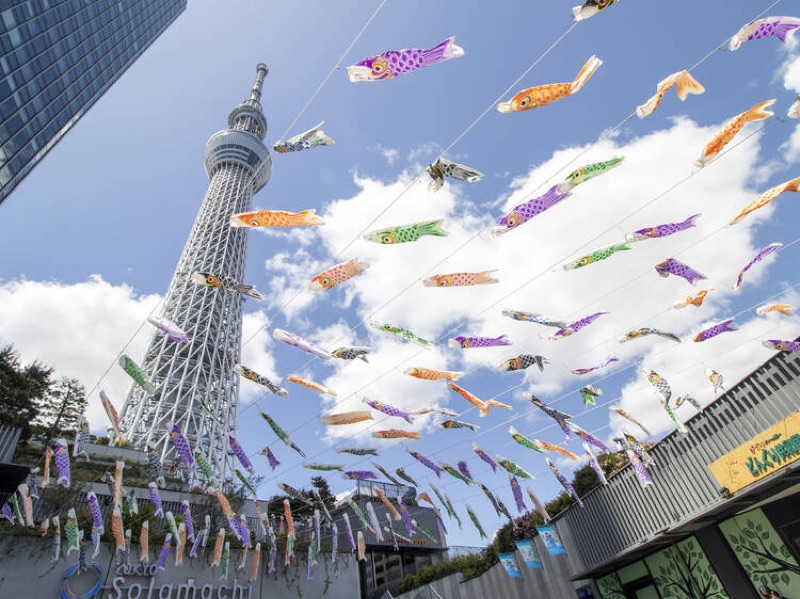
Land in Tokyo and ease into the trip with Yanaka, one of the few neighborhoods that survived WWII bombings. It's residential, quiet, and deeply atmospheric — the perfect antidote to Golden Week crowds. Browse traditional craft shops, snack on street food, and settle into the rhythm of old Tokyo.
Yanaka Ginza & Old Town Stroll
Yanaka Ginza is a charming pedestrian shopping street lined with family-run shops selling senbei (rice crackers), handmade crafts, and taiyaki. The neighborhood feels like stepping back into Showa-era Tokyo. Cats are everywhere — it's known as "Yanaka Neko" (cat town).
Ueno Park & Ameyoko Market
Ueno Park is one of Tokyo's largest green spaces. In early May, late cherry blossoms (yaezakura) may still be blooming. Ameyoko, the bustling market street under the train tracks, has everything from fresh seafood to sneakers at bargain prices.
Vintage Shopping & Lakeside Strolls
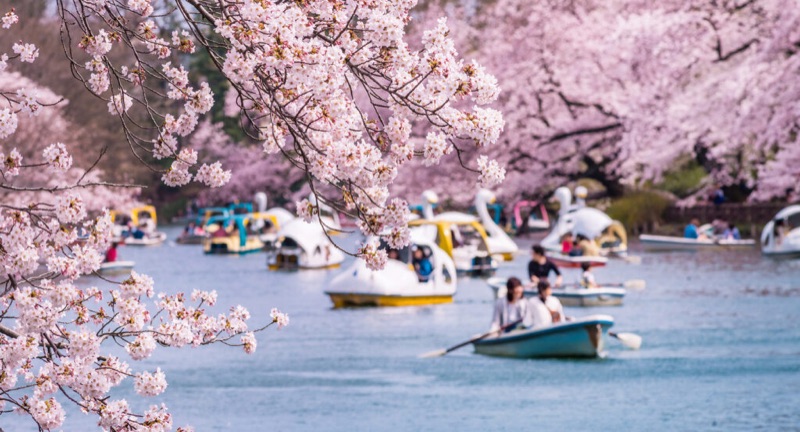
Skip Shibuya and head to Kichijoji — consistently voted Tokyo's most livable neighborhood. Inokashira Park is a local favorite with a swan-paddle lake, and Nakano Broadway is a vintage shopping paradise that makes Akihabara look corporate.
Inokashira Park & Swan Boats
Rent a swan-shaped paddle boat on Inokashira Park's serene lake, surrounded by cherry trees and forested paths. The park connects to the Ghibli Museum area and has a small shrine to Benzaiten (goddess of music) on an island in the middle of the lake.
Nakano Broadway — Vintage Shopping Mecca
Three floors of vintage clothing, rare manga, retro toys, watches, and obscure collectibles. This is where Tokyo's serious collectors shop — everything is cheaper and more interesting than Akihabara. Budget 2–3 hours minimum.
Harmonica Yokocho, Kichijoji
A grid of tiny alleyways behind Kichijoji Station, packed with 100+ miniature bars and eateries. Each bar seats maybe 6 people. It's where locals drink after work — order oden (hot pot), yakitori, and shochu in a space so intimate you'll make friends with the entire bar.
Shrine Mornings & Stylish Afternoons
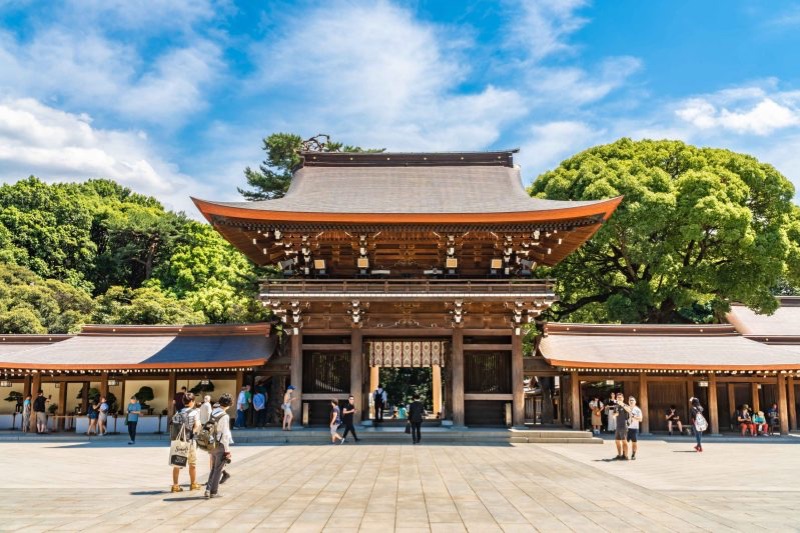
May 3 is Constitution Memorial Day — peak Golden Week. Beat the crowds at Meiji Shrine at dawn, then escape to Daikanyama, Tokyo's most effortlessly cool neighborhood. Business districts are quiet during holidays, so the fashionable residential areas are your best bet.
Meiji Shrine at Dawn
Arrive by 7am — the shrine is surrounded by a 170-acre evergreen forest and feels otherworldly that early. The massive torii gates, gravel paths, and filtered light through ancient trees make this one of Tokyo's most powerful experiences. By 10am it'll be packed.
Yoyogi Park
After the shrine, wander into adjacent Yoyogi Park — Tokyo's equivalent of Central Park. On weekends and holidays, you'll find street performers, rockabilly dancers, cosplayers, and musicians practicing. It's a people-watching paradise.
Daikanyama — Tokyo's Brooklyn
Daikanyama is where Tokyo's creative class lives and shops. Tree-lined streets, independent bookstores (Daikanyama T-Site is one of the world's most beautiful), minimalist fashion boutiques, and excellent coffee. It's never crowded, even during Golden Week.
Shibuya at Night (Late Visit)
Shibuya Crossing is packed during Golden Week days, but visit after 9pm and the energy shifts to something more electric and local. The neon reflections on wet streets, the scramble crossing at night, and the surrounding bars create an atmosphere you can't get anywhere else.
Vintage Thrills & Hidden Bars
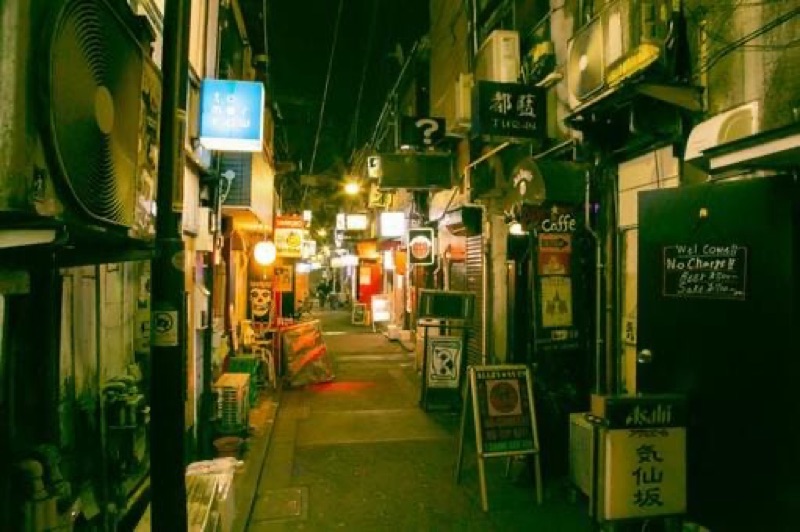
Greenery Day — and Shimokitazawa is your playground. This is Tokyo's thrift and vintage capital, packed with record stores, second-hand clothing, and live music venues. The neighborhood has zero big tourist attractions, which means zero Golden Week crowds.
Shimokitazawa Vintage Crawl
Start at the south end and work your way north through dozens of vintage clothing stores. Shimokitazawa is where Tokyo's fashion-forward youth hunt for unique pieces — American vintage, Japanese designer, military surplus, and everything in between. Prices range from ¥500 to ¥50,000+.
Sangenjaya — Hidden Neighborhood
A 10-minute train ride from Shibuya, Sangenjaya ("Sancya" to locals) is where Tokyo's film and advertising industry lives. Tiny bars, excellent restaurants, and a residential calm. Climb the Setagaya Literary Museum garden for a quiet escape, or explore the maze of bars around Matsuzakaya shotengai.
Golden Gai, Shinjuku — Bar Hopping
Over 200 tiny bars crammed into six narrow alleys in Shinjuku. Each bar has its own theme — jazz, horror movies, punk rock, film noir, you name it. Most seat 6–10 people, so you'll be drinking elbow-to-elbow with locals. Many charge a cover (¥500–1,000) but it's worth every yen.
Market Feasts & Neon Nights
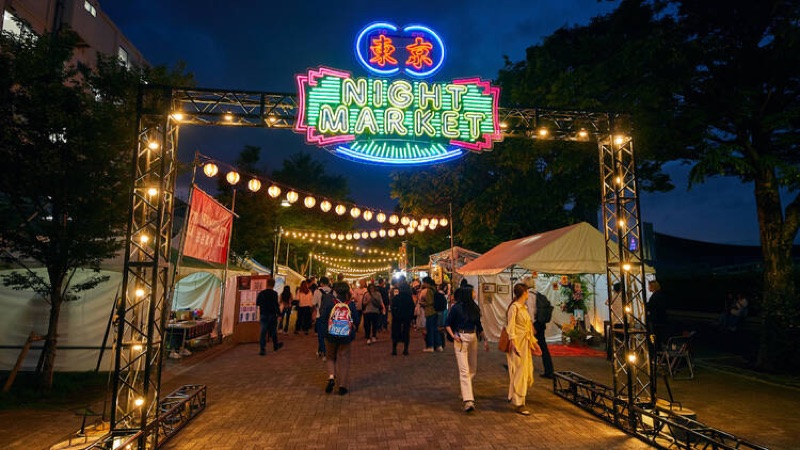
Children's Day — the last Golden Week holiday. Tsukiji Outer Market is your foodie paradise this morning. Afternoon in Ginza for upscale browsing (business districts are calmer during holidays), and a grand finale dinner under the train tracks in Yurakucho.
Tsukiji Outer Market — Street Food Marathon
The outer market is still thriving and it's the best street food experience in Tokyo. Arrive by 8am and graze your way through: fresh oysters, uni (sea urchin) rice bowls, tamagoyaki (Japanese omelet), wagyu skewers, matcha everything, and the freshest sashimi you've ever tasted.
Ginza — Tokyo's Fifth Avenue
Ginza during Golden Week is surprisingly manageable — it's a business and shopping district, not a tourist attraction. Browse the massive Uniqlo flagship, the architecturally stunning Ginza Six mall, and the historic Kabuki-za theater. On weekends, Chuo-dori is closed to cars — a pedestrian promenade.
Yurakucho Yakitori Alley
Under the brick arches of the train tracks between Yurakucho and Shinbashi stations, a row of tiny yakitori restaurants sizzle with smoke and conversation. This is salaryman Tokyo at its most authentic — after-work beers, grilled chicken on sticks, and a view of the passing trains overhead.
Escape to Hakone — Onsen Ryokan Luxury
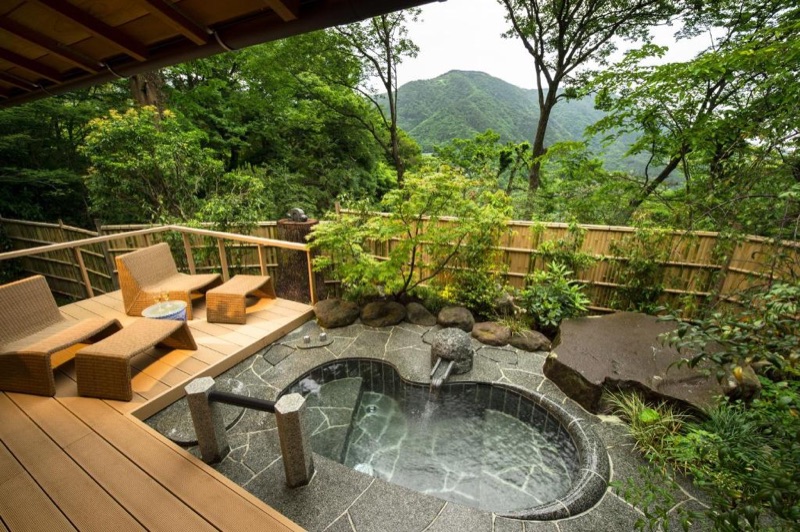
Golden Week is over — everyone's going home today. You're going the opposite direction, into the mountains. Hakone is 90 minutes from Tokyo and a world away: volcanic hot springs, misty mountains, Lake Ashi with views of Mount Fuji, and your onsen ryokan with a private open-air bath and multi-course kaiseki dinner.
Train to Hakone via Romancecar
Take the Odakyu Romancecar from Shinjuku to Hakone-Yumoto — a premium limited express with large windows and reserved seating. The train climbs through mountains and the view gets progressively more beautiful. It's the most scenic 85-minute train ride from Tokyo.
Hakone Open-Air Museum & Lake Ashi
The Hakone Open-Air Museum is extraordinary — Picasso pavilion, Henry Moore sculptures, and a stained glass tower you can climb, all set against mountain scenery. Then take the Hakone Ropeway over volcanic vents to Lake Ashi for a pirate-ship cruise with Fuji views.
Onsen Ryokan Check-in & Kaiseki Dinner
Arrive at your ryokan, change into yukata, and soak in your private open-air onsen bath as the sun sets over the mountains. Dinner is kaiseki — a multi-course traditional dinner served in your room. Think sashimi, grilled seasonal fish, steamed custard, and exquisite presentation. Breakfast the next morning is equally elaborate.
Mount Fuji Sunrise & Tokyo Nightlife
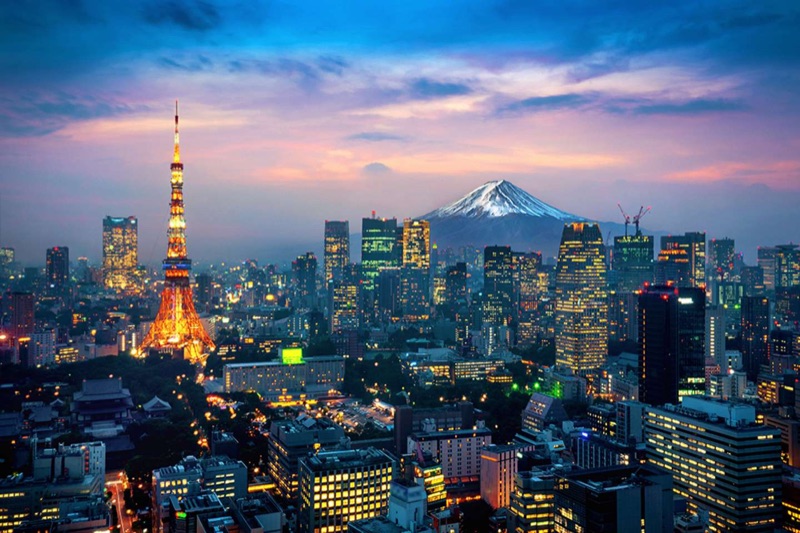
Wake up to misty mountain views and a traditional Japanese breakfast. Soak in the onsen one last time before heading back to a now-empty Tokyo. Post-Golden Week Tokyo is the city at its best — no crowds, no lines, all yours. Tonight, Roppongi nightlife.
Sunrise Onsen & Japanese Breakfast
Wake before dawn for a final soak in your private onsen as the sky turns pink. Then sit down to a traditional Japanese breakfast — grilled fish, miso soup, rice, pickles, tamago, nori, and green tea. It's the most satisfying breakfast you'll ever have.
Return to Tokyo — Post-Golden Week Freedom
Take the Romancecar back to Shinjuku. The city feels different now — Golden Week is over, the crowds are gone, and Tokyo is yours. Drop your bags and head out to explore neighborhoods that were too packed a few days ago.
Roppongi Nightlife — Clubs & Bars
Roppongi is Tokyo's international nightlife hub. Post-Golden Week means shorter lines at top clubs. Start at an upscale bar, then hit the dance floor. Clubs like Womb, 1 OAK Tokyo, and SEL OCTAGON feature world-class DJs.
Gotemba Premium Outlets — Shop with Fuji as Your Backdrop
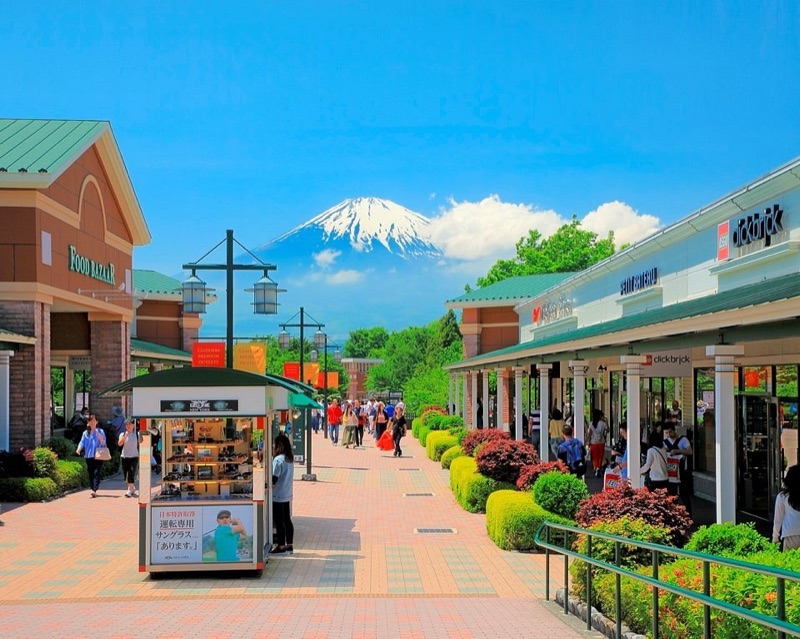
The first of your two outlet mall missions. Gotemba Premium Outlets is Japan's second-largest outlet, with 290+ stores and stunning views of Mount Fuji on clear days. Post-Golden Week means a relaxed shopping experience — no elbowing through crowds. The deals are serious: Coach, Nike, Adidas, Gucci, and Japanese brands at 30–70% off.
Bus to Gotemba Premium Outlets
Direct buses depart from Shinjuku Expressway Bus Terminal and Tokyo Station. The 90-minute ride takes you past rolling hills with occasional Fuji glimpses. Sit on the right side of the bus for the best mountain views.
Gotemba Shopping Spree
290 stores spread across a beautiful hillside village layout. Key stores: Coach, Nike, Adidas, Gucci, Beams, United Arrows, Bathing Ape, Levi's, Pottery Barn, and dozens more. Tax-free counter near the entrance — bring your passport. Expect 30–70% off retail.
Return to Tokyo
Take the direct bus back to Shinjuku. You'll arrive around 8–9pm, bags full of deals, with Fuji sunset photos to sort through.
Japan's Largest Outlet — Mitsui Outlet Park Kisarazu
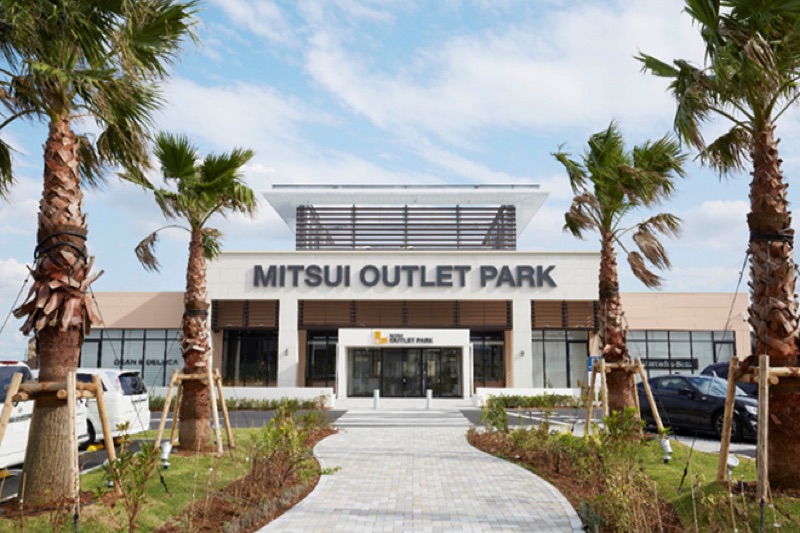
Outlet mall #2 — and this one is the biggest in Japan. Mitsui Outlet Park Kisarazu has 300+ stores, including premium brands that don't appear at other outlets. Accessible via a scenic bus ride across Tokyo Bay through the Aqua-Line tunnel/bridge. The scale is enormous — plan for a full day.
Bus to Kisarazu via Tokyo Bay Aqua-Line
Take the direct bus from Tokyo Station or Shinjuku across Tokyo Bay via the Aqua-Line — a 4km bridge that disappears into a 10km undersea tunnel. It's an engineering marvel and the ride itself is an experience. 50–60 minutes from Tokyo Station.
Kisarazu Shopping Marathon
300+ stores — the largest outlet in Japan. This is where you'll find brands that don't appear at smaller outlets: Prada, Dolce & Gabbana, Salvatore Ferragamo alongside Nike, Uniqlo, Muji, and everything in between. The foreign tourist tax-free counter processes passports quickly.
Return to Tokyo — Farewell Drinks
Bus back across the Aqua-Line as the sun sets over Tokyo Bay. Your last night in Tokyo — head to Shinjuku or Shibuya for farewell drinks. The city is all yours now.
Temples, Sky Trees & Departure
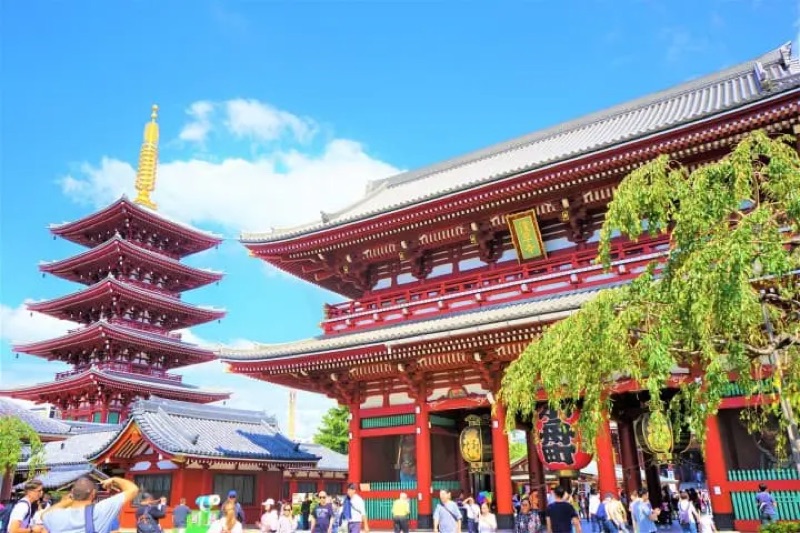
Your last day. Visit Asakusa's Senso-ji temple early, ride up the Tokyo Skytree for one last panoramic view, and grab final souvenirs in Akihabara. Post-Golden Week Tokyo is calm, beautiful, and bittersweet to leave.
Senso-ji Temple — Tokyo's Oldest
Arrive by 7:30am and you'll have Tokyo's most famous temple nearly to yourself. Walk through the Kaminarimon (Thunder Gate), down Nakamise-dori shopping street, and into the main hall. The five-story pagoda glows in morning light. By 10am it's packed — but you'll already be gone.
Tokyo Skytree — Final Panorama
At 634 meters, the Skytree is the tallest tower in the world. The observation decks give you a 360° view of the entire Tokyo metropolitan area — and on clear days, Mount Fuji, the curvature of Tokyo Bay, and the mountains of Hakone where you soaked in your onsen.
Akihabara — Electric Town
Your last stop before the airport. Even if you're not into anime or gaming, Akihabara is sensory overload in the best way. Multi-floor arcades, maid cafés, vintage game shops, and electronics at prices that'll make you consider an extra suitcase.
Departure
Head to Narita or Haneda Airport. Narita is 60–90 minutes by Narita Express from Tokyo Station. Haneda is just 30 minutes by monorail from Hamamatsucho. Either way, you'll be replaying 10 days of incredible memories.
💰 Budget Breakdown
| Category | Budget | Midrange | Luxury |
|---|---|---|---|
| Accommodation | ¥8,000–12,000/night | ¥15,000–30,000/night | ¥40,000–80,000/night |
| Meals (per person) | ¥2,000–4,000/day | ¥5,000–10,000/day | ¥15,000–30,000/day |
| Transport (IC card) | ¥800–1,500/day | ¥1,500–3,000/day | ¥5,000–10,000/day (private) |
| Onsen Ryokan (1 night) | ¥15,000–25,000pp | ¥30,000–50,000pp | ¥60,000–120,000pp |
| Outlet Shopping | ¥10,000–30,000 | ¥30,000–80,000 | ¥100,000–300,000+ |
| 10-Day Total (per person) | ¥150,000–250,000 | ¥300,000–500,000 | ¥700,000–1,500,000 |
✈️ Getting There
- Narita Airport (NRT): 60km east — Narita Express to Tokyo Station (60 min)
- Haneda Airport (HND): 15km south — Monorail to Hamamatsucho (13 min)
- Both airports have excellent IC card and SIM/eSIM kiosks
🏨 Where to Stay
- Shinjuku area — transport hub for all day trips (outlets, Hakone)
- Shibuya area — nightlife and energy on your doorstep
- Asakusa area — budget-friendly, old-Tokyo atmosphere
- Avoid: Ginza on weekends, Akihabara for nightlife
🌡️ Weather
- Early May averages 18–25°C (64–77°F) — perfect spring weather
- Light jacket needed for evenings, especially in Hakone mountains
- Rain is possible — pack a compact umbrella or buy one at any konbini
- Golden Week weather is generally pleasant with occasional spring showers
💳 Money
- 7-Eleven ATMs accept foreign cards — best rates and widest availability
- Carry ¥20,000–30,000 cash — many small restaurants and bars are cash-only
- IC cards (Suica/Pasmo) can be loaded with cash at any station
- Tax-free shopping: show passport for 10% off ¥5,000+ purchases
📱 Connectivity
- Buy an eSIM before arrival (Ubigi, Airalo, or Sakura Mobile)
- Pocket WiFi available at airports — good for groups
- Free WiFi at most cafés, hotels, and convenience stores
- Google Maps works perfectly in Japan — download Tokyo offline