⚡ Before You Go — Essentials
🎌 Golden Week Alert (Apr 29–May 5)
Your trip falls smack in the middle of Golden Week — Japan's biggest national holiday. Expect massive crowds at popular spots, some small businesses closed, but also incredible festivals and street parties. Book all accommodation NOW if you haven't. Shinkansen reservations essential. The energy is unreal.
🚄 Getting Around
Get a 21-day JR Pass (~$600 USD) — it covers all Shinkansen between cities. Suica card (IC card, reload at any station) covers local trains, buses, and convenience store purchases. Download Google Maps and Hyperdia for train navigation. Japan transit is obsessively punctual.
💴 Money & Budget
Japan is increasingly card-friendly but still cash-heavy (especially izakayas, shrines, street food). 7-Eleven and Japan Post ATMs accept foreign cards. Budget: ¥5,000–8,000/day covers food, drinks, and local transport. Convenience store meals (konbini) are shockingly good and cheap. Set lunch menus at restaurants are half the dinner price.
📱 Connectivity
Rent a pocket WiFi at the airport (Ninja WiFi or Global Advanced Communications) or buy an eSIM (Airalo). Pocket WiFi = one device for the whole group. Indispensable for navigation and translation. Google Translate camera mode works great on Japanese menus.
🍜 Food Strategy
Eat lunch at sit-down restaurants (set menus are massive and cheap), dinner at izakayas or ramen spots, and late nights at convenience stores or street food. Tabelog app (like Yelp for Japan) and Google Maps are your best friends. Never skip konbini breakfast — onigiri + hot coffee = ¥300.
🏨 Where to Stay
Book hostels with private rooms for the group — much cheaper than hotels and more social. Recommendations: Khaosan Tokyo (Asakusa), Nui. Hostel & Bar Lounge (Asakusa), The STAY OSAKA (Shinsaibashi). Capsule hotels are a must-try for at least one night. Book everything ASAP — Golden Week is sold out months in advance.
Arrival — Welcome to Tokyo
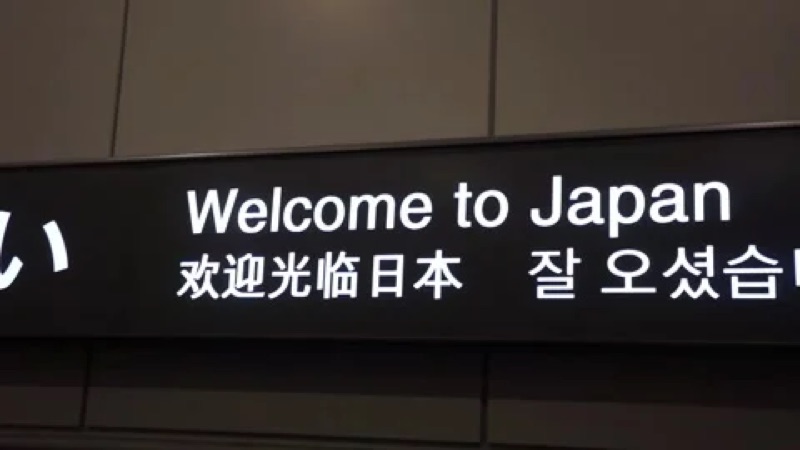
Touch down in Tokyo, grab your Suica card and JR Pass, check in to Shinjuku, and take your first wander through the city that never sleeps. Tonight is an easy intro — ramen, convenience store run, and a first drink in Golden Gai.
Arrival & Transit to Shinjuku
Clear immigration, grab your JR Pass (if pre-ordered, activate at the JR office), pick up a Suica card, and take the Narita Express (N'EX) or Limousine Bus to Shinjuku. Check in and shower — you deserve it.
First Walk: Shinjuku East Side
Wander through the neon chaos of East Shinjuku. Duck into Kabukicho (Tokyo's red light / entertainment district), find the Robot Restaurant-adjacent chaos, and get lost in the back alleys. It's overwhelming in the best way.
Harajuku, Street Style & Shibuya Crossing
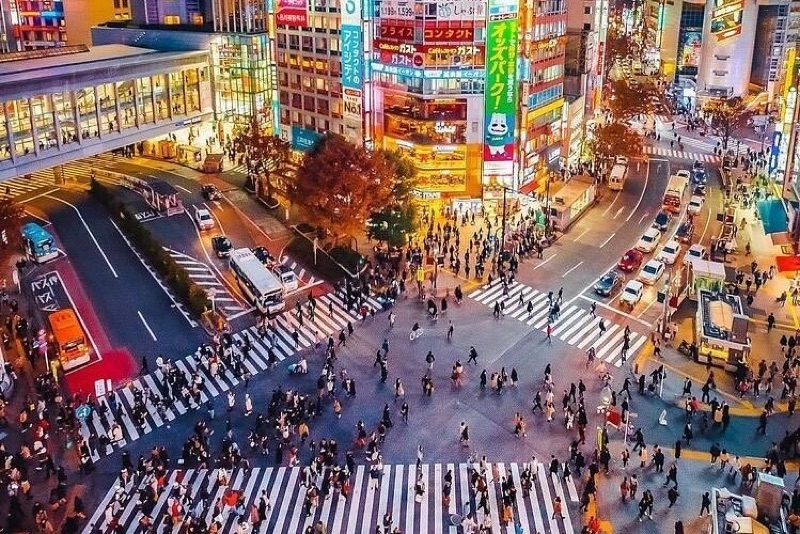
Hit Harajuku for wild street fashion and crepes, then walk the upscale Omotesando boulevard before descending into Shibuya's maelstrom. End the night izakaya-hopping in Nonbei Yokocho.
Meiji Shrine
Start the day at Meiji Shrine — a forested oasis in the middle of the city. The 70m torii gate at the entrance sets the mood. Arrive before 9am to avoid tour groups.
Takeshita Street, Harajuku
The most chaotic 350m street in Tokyo — cosplay teens, Lolita fashion, rainbow crepes, vintage shops. It's loud, colorful, and uniquely Japanese. Get a crepe, then get out before sensory overload hits.
Omotesando & Cat Street
Walk down Omotesando — Tokyo's Champs-Élysées — for flagship stores (Supreme, Bape, Dover Street Market). Then duck into Cat Street, the hidden backstreet with indie boutiques and vintage finds.
Shibuya Crossing & Scramble Square
Watch the Shibuya Crossing from ground level, then head up to the Scramble Square rooftop (Shibuya Sky) for aerial views. The crossing has 3,000+ people every signal change — stand in the middle and just experience it.
Nonbei Yokocho (Whiskey Alley)
One street south of Shibuya crossing, Nonbei Yokocho is a narrow lane of tiny bars — whiskey joints, wine bars, craft beer spots. Completely different vibe from Golden Gai — more intimate, a bit older crowd, excellent booze.
Golden Week Begins — Asakusa Festivals & Akihabara
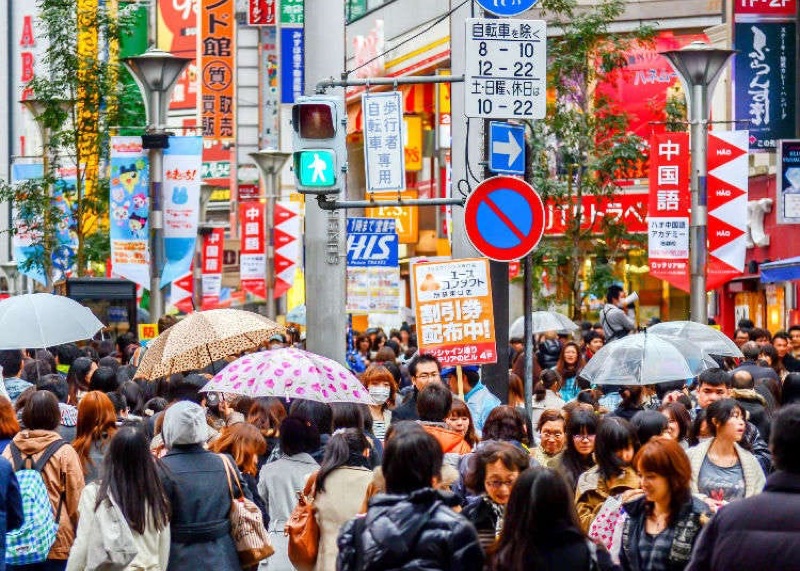
Golden Week officially kicks off today (Showa Day holiday). Head to Asakusa early for the Senso-ji atmosphere and potential festival activity, then geek out in Akihabara in the afternoon. Tonight: proper izakaya dinner.
Senso-ji Temple & Nakamise Shopping Street
Tokyo's oldest temple and one of Japan's most visited. The Kaminarimon gate and 200m shopping street (Nakamise) lead to the main hall. During Golden Week, there may be traditional performances and extra stalls. Go early — by 10am it's heaving.
Akihabara Electric Town
Tokyo's electronics and anime/manga district. Multi-story shops selling everything from components to vintage arcade games to themed merchandise. Whether you're into it or not, the sensory overload is worth the trip.
Izakaya Night in Yurakucho / Hibiya
Head to the yakitori alley under the Yurakucho train tracks — a cluster of retro izakayas that have been here since the 1950s. Cheap beer, skewers, and salaryman energy. Perfect Golden Week first-night izakaya experience.
Old Tokyo Vibes & Shimokitazawa Indie Scene
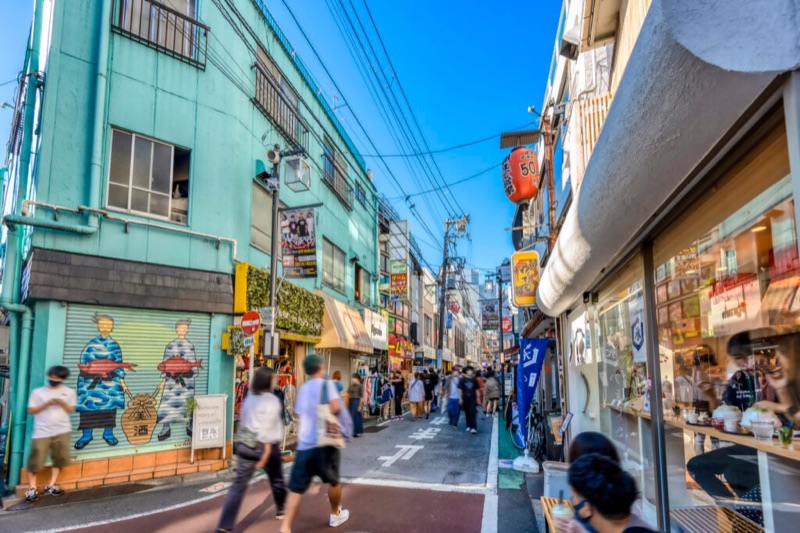
Yanaka is Tokyo's best-preserved old neighborhood — temples, cats, and shotengai shopping streets. Ueno Park during Golden Week has festival action. Evening in Shimokitazawa: Tokyo's coolest indie music and vintage district.
Yanaka Ginza & Old Tokyo Streets
Yanaka survived WWII bombing and still has the old Tokyo feel — wooden temples, covered shotengai, neighborhood cats, and traditional craft shops. Walk from Yanaka Cemetery (hauntingly beautiful) down through Yanaka Ginza shopping street.
Ueno Park & Golden Week Festivities
Ueno Park during Golden Week is a massive outdoor party — food stalls, live performances, festival vendors. Duck into the Tokyo National Museum (world's largest collection of Japanese art) if you want culture, or just enjoy the park chaos.
Shimokitazawa: Vintage Shops & Live Music
Shimokitazawa ("Shimokita") is Tokyo's indie music and vintage fashion hub. Tiny live music clubs, secondhand clothing stores, curry shops, and bars packed with artists, students, and musicians. This is the Tokyo the tourists don't find.
teamLab Digital Art & Tokyo Bay
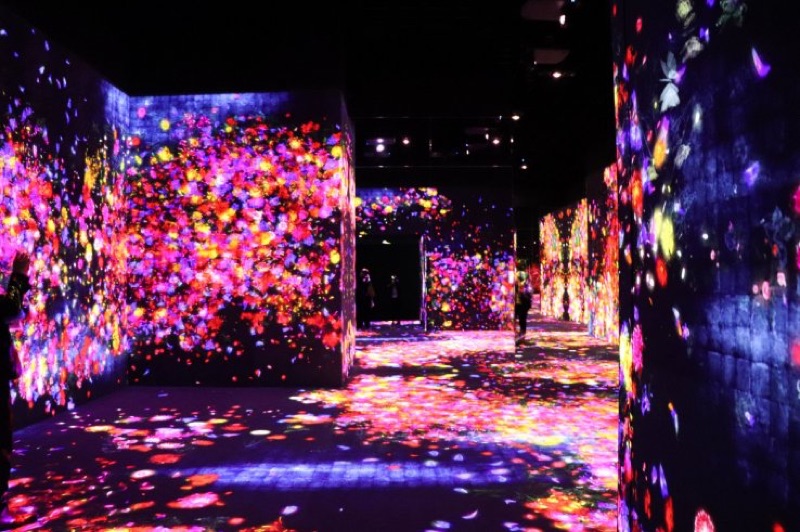
May Day holiday (Golden Week continues). Hit teamLab Planets for an immersive digital art experience unlike anything else on earth, then explore Tokyo Bay and Odaiba for sunset and dinner. Final night in Tokyo — make it count.
teamLab Planets (Pre-book Required)
One of the world's most extraordinary art installations — you walk barefoot through rooms of infinite digital flowers, wade through water while koi swim around your feet, and enter mirror rooms that seem to go on forever. Book tickets online weeks in advance (sells out constantly).
Odaiba — Futuristic Island
Odaiba is Tokyo's artificial island in the bay — futuristic architecture, a life-size Gundam statue, teamLab Borderless (separate venue), and a replica Statue of Liberty with Tokyo Tower in the background. Explore on foot.
Final Tokyo Night — Shinjuku Deep Dive
Last night in Tokyo. Return to Shinjuku for the full circuit: drinks at a skyscraper bar (Park Hyatt New York Bar, immortalized in Lost in Translation), then Golden Gai hopping until the last train (or all night).
Shinkansen to Hakone — Onsen & Mt Fuji Views
Leave Tokyo behind and head to Hakone — Japan's premier mountain resort with natural hot springs, classic ryokan lodging, and on clear days, a perfect view of Mt Fuji. Tonight: traditional Japanese inn with yukata robes and multi-course kaiseki dinner.
Travel Day: Shinjuku to Hakone
Take the Romancecar (Odakyu limited express) from Shinjuku to Hakone-Yumoto — a scenic 85-minute ride through Kanagawa prefecture. Views of the mountains begin as you leave the city.
Hakone Open Air Museum
A spectacular sculpture park on a mountainside with works by Picasso, Henry Moore, and Rodin — plus a Picasso Pavilion with 300 original works. The setting against mountain scenery is extraordinary.
Ropeway to Owakudani Volcano
Take the Hakone Ropeway (cable car) up over the volcanic Owakudani valley — sulfurous vents, bubbling pools, and on a clear day, Mt Fuji towering above it all. Eat a kuro tamago (black egg boiled in sulfuric springs — supposedly adds 7 years to your life).
Ryokan Dinner & Private Onsen
Check in to your ryokan and slip into your yukata (cotton robe). Dinner is kaiseki — a multi-course traditional meal served in your room or a private dining area. After dinner, soak in the outdoor rotenburo (hot spring bath) under the stars.
Lake Ashi → Shinkansen to Kyoto
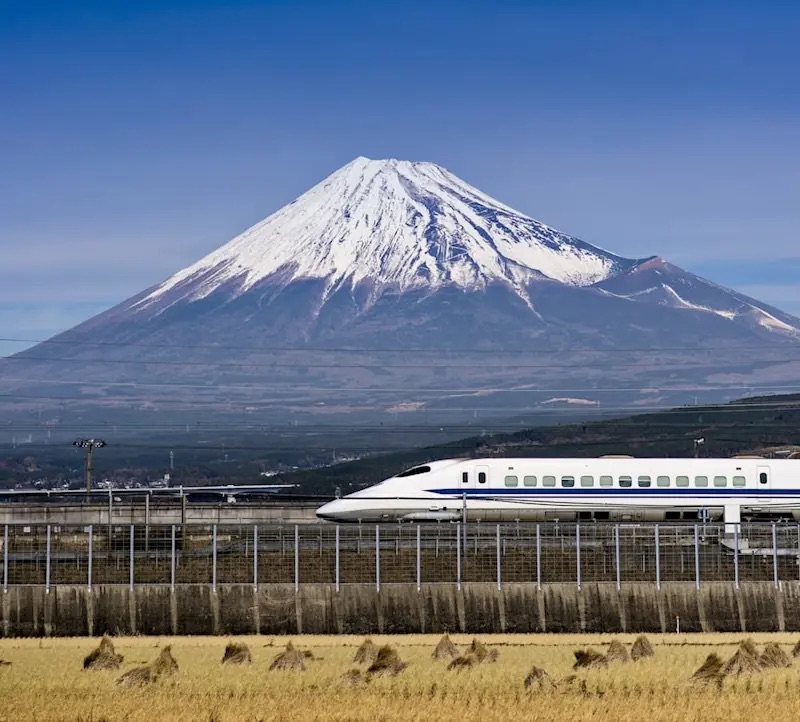
Morning on Lake Ashi with Mt Fuji views (fingers crossed for clear skies), then board the Shinkansen for Kyoto. Check in, explore the Gion district at dusk, and have your first Pontocho dinner.
Lake Ashi Pirate Ship & Mt Fuji Views
Take the pirate ship (hakone ropeway connecting lake ferry) across Lake Ashi — a dormant volcanic lake ringed by mountains. On clear days, Mt Fuji floats above the horizon in perfect symmetry. A floating torii gate on the lake edge makes for great photos.
Shinkansen to Kyoto (Shin-Osaka)
From Odawara Station, take the Shinkansen Hikari to Kyoto — about 2 hours, covered by JR Pass. Find a right-side seat heading west for Mt Fuji views from the train (around Shin-Fuji station, ~45 mins from Tokyo).
Gion District at Dusk
Drop bags at the hotel and head straight to Gion — Kyoto's geisha district. Walk along Hanamikoji Street in the low golden light and you might spot a maiko (apprentice geisha) hurrying between appointments. The wooden machiya townhouses glow beautifully at dusk.
Fushimi Inari at Sunrise & Arashiyama Bamboo
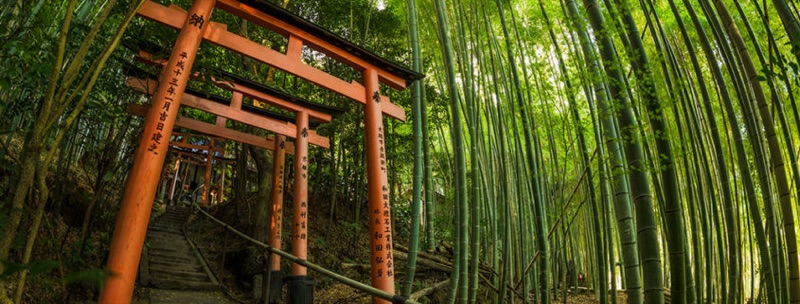
Two of Kyoto's most iconic spots — but done right: Fushimi Inari at 5am before the crowds, then Arashiyama bamboo grove in the morning, monkey park, and river rafting in the afternoon.
Fushimi Inari Taisha at Dawn (5-7am)
10,000 vermillion torii gates on a forested mountain — one of Japan's most extraordinary sights. The catch: by 9am it's absolutely packed. Come at 5am and you'll have the lower gates nearly to yourself. Hike up to the summit (Yotsutsuji) for city views as the sun rises.
Arashiyama Bamboo Grove & Tenryu-ji Garden
Return to the hotel, breakfast, then head to Arashiyama. The bamboo grove is best around 8-9am. Walk through the towering stalks, then enter Tenryu-ji's UNESCO garden with its borrowed scenery of the Arashiyama mountains.
Hozugawa River Rafting
A totally different way to see Arashiyama — a 16km wooden boat ride down the scenic Hozu Gorge from Kameoka to Arashiyama. Takes about 2 hours, navigating gentle rapids through towering cedar forest. Rafters and local guides make it fun and social.
Nishiki Market & Gion Bar Crawl
Nishiki Market ("Kyoto's Kitchen") for tastings — pickled vegetables, grilled fish, tofu, street snacks. Then back to Gion for the evening bar scene: sake bars, wine bars, tiny whiskey joints hidden in traditional buildings.
Kyoto's Golden Circuit — Golden Week Finale
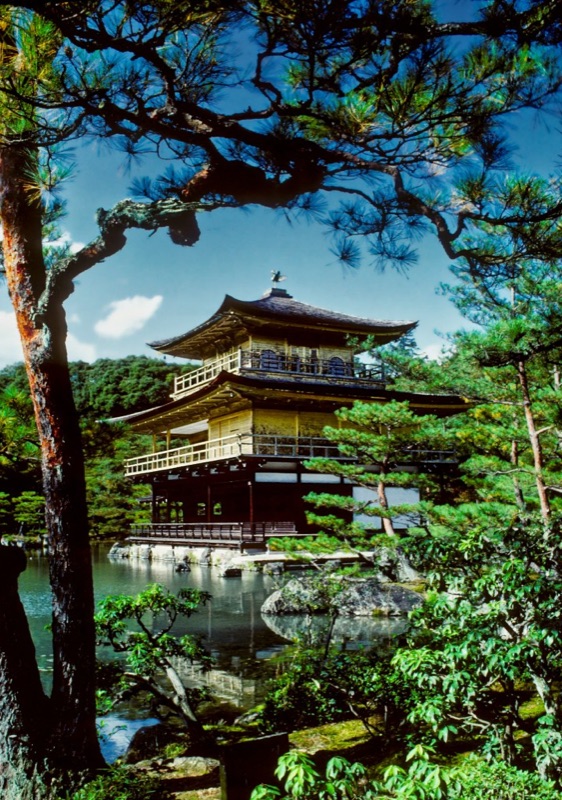
The last day of Golden Week — temples, gardens, and Kyoto's iconic golden sights. Walk the Philosopher's Path in spring greenery, then the Golden Pavilion, and end with a tea ceremony.
Philosopher's Path & Nanzen-ji
A 2km canal path lined with cherry trees (post-bloom but still green and beautiful) connecting Ginkaku-ji to Nanzen-ji temple. Walk slowly, stop at independent cafés along the way, and absorb the pace of old Kyoto.
Kinkaku-ji (Golden Pavilion)
One of Japan's most photographed buildings — a Zen temple covered in gold leaf perfectly reflected in its pond. It's crowded (especially Golden Week) but genuinely spectacular. Go early afternoon when tour buses start leaving.
Tea Ceremony Experience
Book a 45-minute authentic tea ceremony with an English-speaking host — learn the way of tea (chado) and drink matcha from a handmade ceramic bowl. Transformative experience for the right mindset.
Higashiyama Evening Walk
The Higashiyama historic district is breathtaking at dusk when the lanterns come on — stone-paved Ninenzaka and Sannenzaka lanes, traditional wooden buildings, and the Yasaka Pagoda glowing above. Cap the night at a sake bar in the Gion backstreets.
Nara Day Trip — Deer, Giant Buddha & Ancient Japan
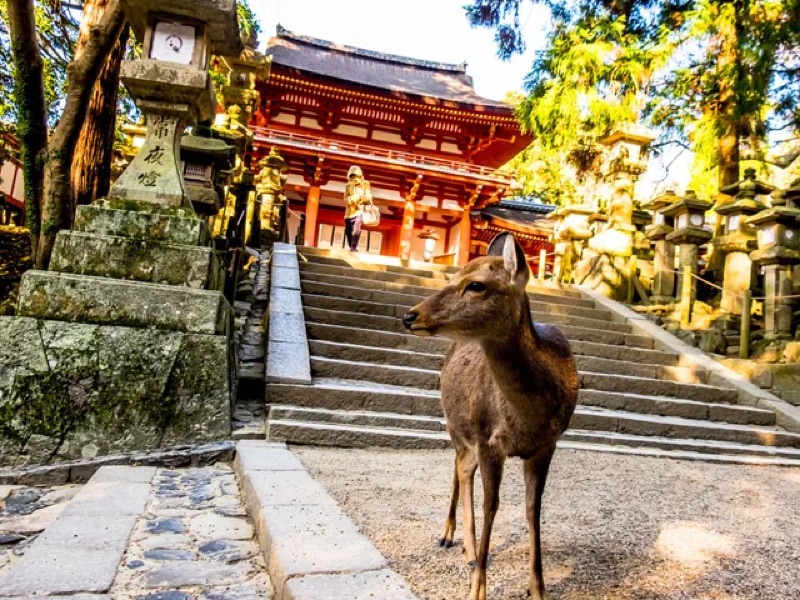
Day trip to Nara — Japan's ancient capital and one of the most charming towns in the country. Hundreds of free-roaming sacred deer, the world's largest wooden building housing a colossal bronze Buddha, and zero tourist trap vibes.
Train to Nara (45 mins from Kyoto)
JR Yamatoji line (covered by JR Pass) from Kyoto to Nara takes about 45 minutes. Walk straight from the station through Nara Park — the deer will find you immediately.
Todai-ji — Great Buddha Hall
The world's largest wooden building, housing a 15m bronze Buddha (Daibutsu) that has sat here since 752 AD. The scale is genuinely awe-inspiring. Side note: there's a wooden pillar with a small hole — legend says passing through it grants enlightenment.
Kasuga Taisha Shrine & Nara Forest Walk
Walk through ancient cedar forest to Kasuga Taisha — one of Japan's oldest shrines with thousands of bronze lanterns (lit only twice a year). The forest path is genuinely wild and quiet — wolves used to roam here.
Return to Kyoto / Osaka
Head back in the late afternoon. If moving on to Osaka (next stop), you can go directly — it's only 45 minutes from Nara to Osaka via the Kintetsu or JR lines. Check into Osaka tonight to skip the Kyoto commute tomorrow.
Hiroshima — Okonomiyaki & the Peace Memorial
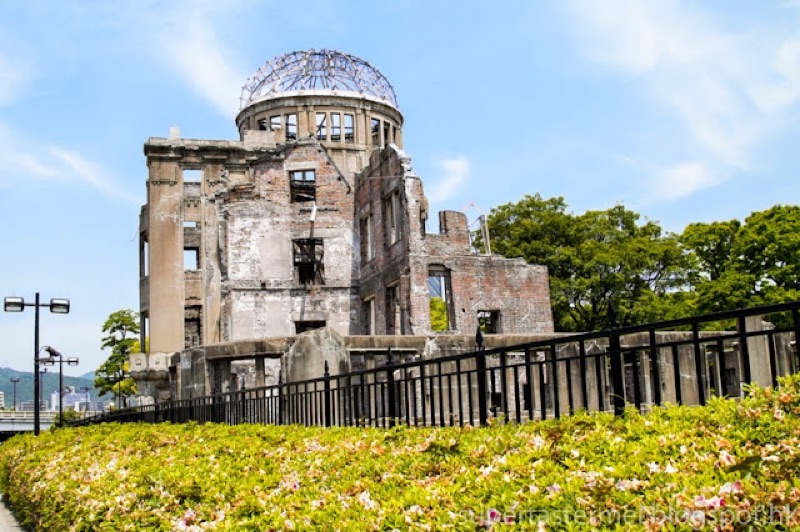
An essential stop on any Japan trip — Hiroshima is a city that has completely rebuilt itself around the message of peace. The Peace Memorial Park and Museum are profoundly moving. And the food scene (okonomiyaki!) is outstanding.
Travel to Hiroshima via Shinkansen
Shinkansen from Osaka to Hiroshima — about 45 minutes on the Nozomi (not JR Pass) or 1 hour 20 on the Hikari (JR Pass covered). Hiroshima is a compact, walkable city.
Peace Memorial Museum & A-Bomb Dome
One of the most important museums in the world. The Peace Memorial Museum documents the atomic bombing of August 6, 1945 with heartbreaking detail — personal belongings, photos, survivor testimonials. Give yourself 2+ hours and go in the right headspace.
Hiroshima Castle & Shukkeien Garden
Hiroshima Castle is a reconstruction (original destroyed in 1945) with a good history museum inside. Shukkeien Garden, a 400-year-old strolling garden, is a peaceful counterpoint to the morning's intensity.
Hiroshima Waterfront & Hondori Nightlife
Hiroshima has a lively bar scene around the Hondori shopping arcade and riverside. Try some local Hiroshima sake (the region is famous for it) at a standing bar, then find some live music.
Miyajima — Floating Torii, Oysters & Sacred Deer
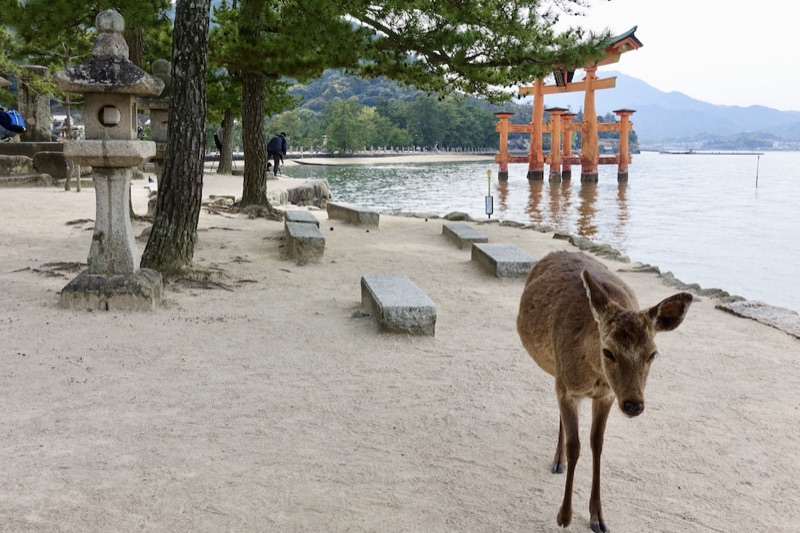
A short ferry from Hiroshima, Miyajima is one of Japan's three "scenic views" — home to the famous floating torii gate of Itsukushima Shrine, wild deer, massive maple leaves, and fresh Hiroshima oysters.
Ferry to Miyajima Island
Take the JR Ferry from Hiroshima Port to Miyajima-guchi, then the Miyajima Ferry to the island. The moment the floating torii comes into view as you approach by water is genuinely breathtaking.
Itsukushima Shrine & the Floating Torii Gate
The grand Itsukushima Shrine is built over water — at high tide it appears to float. The entire complex of vermillion buildings on stilts is a UNESCO World Heritage Site. Walk out to the torii gate at low tide and stand underneath it.
Mt Misen Hike (or Ropeway)
Hike or ropeway up Mt Misen — Miyajima's sacred peak at 535m. The trail through ancient cedar forest passes eternal flames that have supposedly burned for 1,200 years. The summit views of the Inland Sea are extraordinary.
Return to Hiroshima / Travel to Osaka
Take the evening ferry back. From Hiroshima, Shinkansen to Osaka takes about 1 hour 20 mins (Hikari, JR Pass). Arrive in Osaka and check in to Dotonbori area for maximum nightlife convenience.
Osaka Day 1 — Dotonbori, Street Food Blitz & Nightlife
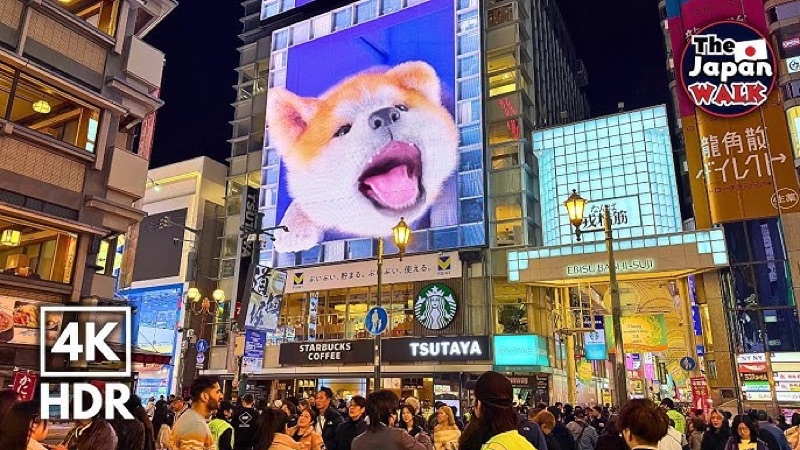
Osaka is Japan's food and fun capital — louder, cheaper, and more chaotic than Kyoto. Today is a full street food assault: takoyaki, okonomiyaki, ramen, crab claw, kushikatsu. Tonight is your introduction to Dotonbori's legendary nightlife.
Kuromon Ichiba Market
Osaka's kitchen market — a 600m covered arcade with 170+ specialty food stalls. Eat breakfast while walking: fresh tuna sashimi, grilled scallops, fresh oysters, wagyu skewers, and Japanese street snacks.
Dotonbori Walk & Takoyaki Tasting
Dotonbori is Osaka's famous canal street — neon signs, giant mechanical crabs and fugu, blowfish lanterns, and takoyaki (octopus ball) shops everywhere. Do a takoyaki crawl: Wanaka, Aizu, and Kukuru all within 100m of each other.
Shinsekai Neighbourhood & Tsutenkaku Tower
Shinsekai is Osaka's retro, slightly gritty 1920s-era district — kushikatsu restaurants, old street stalls, Tsutenkaku Tower (Osaka's original Eiffel Tower). Very local, very fun.
Dotonbori Nightlife Launch
Osaka nightlife kicks in hard after 9pm. Dotonbori transforms — outdoor bars, rooftop clubs, izakaya chains every 10 meters. Start with drinks at a rooftop bar overlooking the canal, then head into the backstreets of Namba.
Osaka Day 2 — Castle, Shopping & Club Night
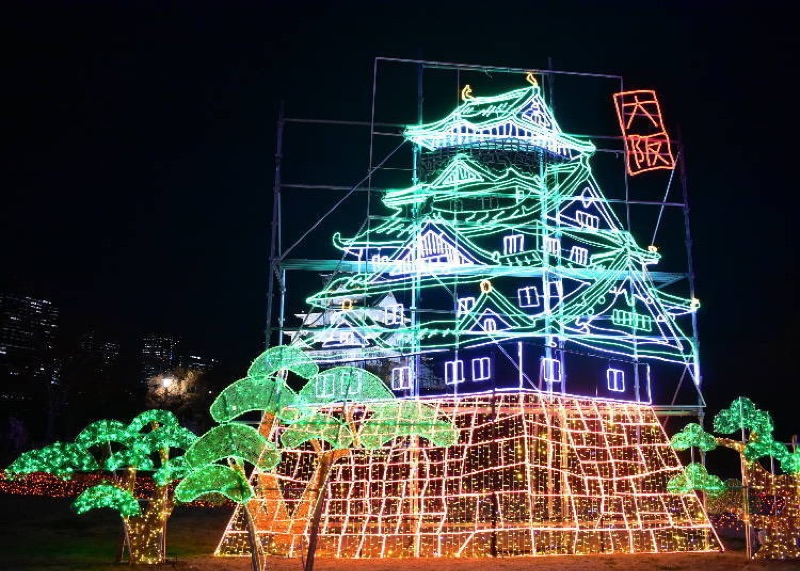
Balance history and hedonism: Osaka Castle in the morning, Shinsaibashi shopping in the afternoon, and Osaka's proper club scene at night. If you're going to go out anywhere in Japan, make it Osaka on a Sunday night.
Osaka Castle & Park
Osaka Castle is a 16th-century fortress that's been rebuilt twice — the current version from 1931 has a museum inside documenting Toyotomi Hideyoshi's unification of Japan. The park surrounding it is massive and beautiful.
Shinsaibashi & Amerika-Mura Shopping
Shinsaibashi-suji is Osaka's main shopping arcade — 600m covered with everything from Uniqlo and H&M to local boutiques. Amerika-Mura (AmeMura) is a compressed district of vintage stores, streetwear, and independent fashion — plus Triangle Park where DJs sometimes play.
Osaka Club Night
Osaka has the best club scene in Japan — rougher and more authentic than Tokyo. The main venues are in Shinsaibashi/Namba area. Circus is the institution: underground house, techno, and everything in between. Joule is bigger, more mainstream. Both fill up after midnight.
Osaka Day 3 — Hidden Osaka & Final Foodie Push
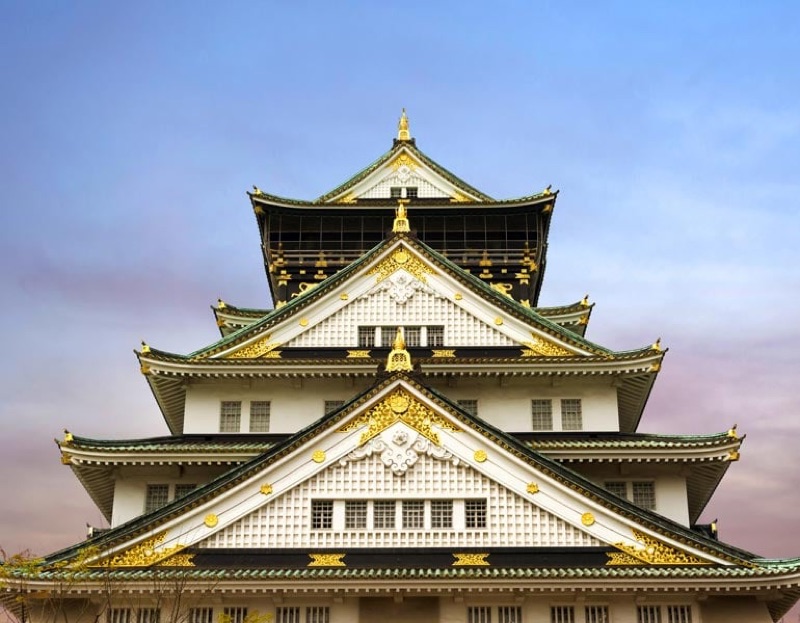
Recovery day done right — slower morning, then find the Osaka spots that tourists don't know: Hozenji Yokocho's ancient moss-covered alley, Tennoji Park and Zoo area, and an epic final food night with Osaka's best okonomiyaki.
Late Morning Exploration — Hozenji Yokocho
A tiny moss-covered alley hidden behind Dotonbori — Hozenji Yokocho has been here since the Edo period. Visit Hozenji Temple, whose mossy stone lanterns are unlike anything in Japan. Small restaurants and bars have been here for generations.
Tennoji Area & Local Osaka
Tennoji is where Osaka locals actually live and shop. Tennoji Park, the Abeno Harukas tower (Osaka's tallest building), and the down-to-earth covered shopping streets of Tennoji give a very different perspective from tourist Osaka.
Osaka Okonomiyaki (Osaka Style) & Izakaya Final Push
Osaka-style okonomiyaki is completely different from Hiroshima's — ingredients are mixed together (not layered) and cooked on the teppan. Fukutaro on Sennichimae-dori is the most famous. After dinner, do one final Osaka izakaya crawl: Tengu, Torikizoku, or any of the chains.
Bonus Day — Kobe Beef & Arima Onsen (Optional)
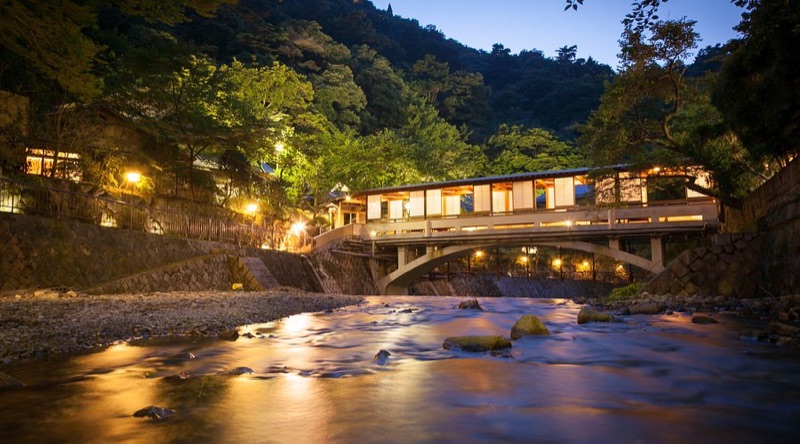
Use Osaka as a base for one last day trip: Kobe is 30 minutes away and has the best beef in the world, a relaxed waterfront, and the beautiful Arima Onsen for a final hot spring soak. Or return to Kyoto for anything you missed.
Travel to Kobe (30 mins from Osaka)
Kobe is a sophisticated port city — Japan's most Western-influenced city, famous for its beef, jazz scene, and the beautiful Kitano-cho foreigners' quarter. Take the JR Kobe Line from Osaka.
Kobe Beef Teppanyaki Lunch
You're in Kobe — you have to eat Kobe beef. A teppanyaki lunch is one of the great experiences in Japan: a chef grills A5 wagyu in front of you on an iron plate, the marble fat renders into the most tender, flavour-dense beef on earth.
Arima Onsen — Japan's Oldest Hot Spring
Arima Onsen is 40 minutes from Kobe in the mountains — Japan's oldest recorded hot spring resort. Two types of water: kinsen (gold spring, iron-rich, brown) and ginsen (silver spring, radium and carbonate, clear). Day use bathing available at multiple ryokan.
Return to Osaka for Final Night
Head back to Osaka by 7pm and enjoy one last walk through Dotonbori. Tonight is low-key: ramen, drinks at an izakaya, konbini run. Save energy for the next day's travel.
Final Full Day — Souvenirs, Ramen & Sayonara
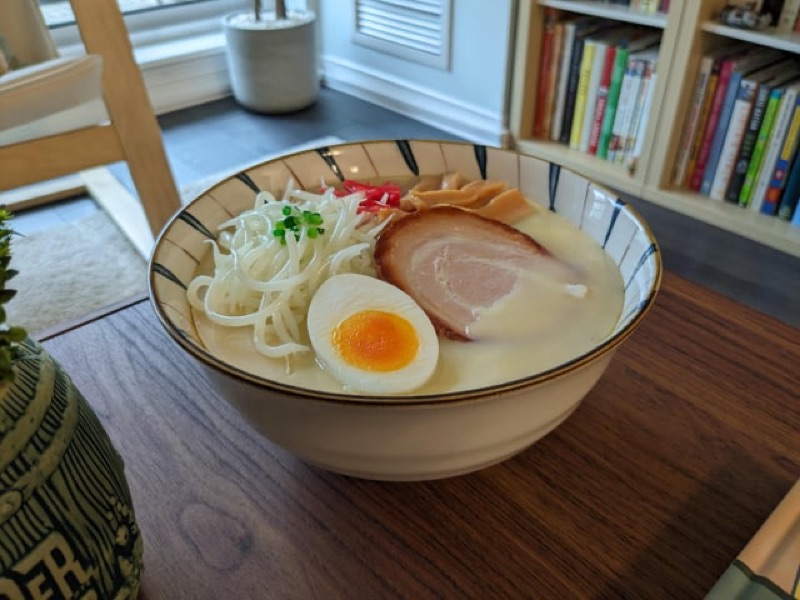
Last full day in Japan. Handle any remaining shopping (Don Quijote for souvenirs, duty-free at department stores), eat all the foods you haven't tried yet, and squeeze the last drops out of the adventure.
Don Quijote (Donki) Osaka — Souvenir Run
Don Quijote ("Donki") is Japan's legendary discount store — a chaotic treasure hunt of Japanese snacks, cosmetics, electronics, souvenirs, clothing, and pure madness. The Namba location is massive and open 24 hours. Do your souvenir shopping here.
Final Food Crawl
A deliberate final afternoon eating all the things: takoyaki one more time, a bowl of ramen at a place you pass by, coffee from a vending machine, and whatever else Japan throws at you.
Final Japan Night
One last evening in Japan. Keep it simple: drinks at a local izakaya (tell them it's your last night — the staff will often bring extra snacks), watch the Dotonbori lights one final time, and try to capture the feeling of Japan that you'll spend years trying to explain to people back home.
Departure Day — Sayonara Japan
The last morning. Get to the airport with time to spare — Kansai International Airport (KIX) serves Osaka. If flying from Tokyo, take the Shinkansen to Narita or Haneda. Either way: buy more snacks at the airport, eat one final bowl of ramen, and board.
Airport Transfer & Final Konbini Run
Check out, head to the airport. Kansai International Airport (KIX) is 75 mins from Namba on the Haruka Express or Nankai Rapid train. Allow 3 hours before your flight. The airport itself has good shopping — Kaldi Coffee Farm, Japanese confectionery, duty-free.
💰 Budget Breakdown
| Category | Budget | Midrange | Luxury |
|---|---|---|---|
| Accommodation (per person) | ¥3,000–5,000/night (hostel/capsule) | ¥6,000–10,000/night (business hotel) | ¥15,000–30,000/night (ryokan/upscale) |
| Meals (per person) | ¥1,500–2,500/day (konbini + ramen) | ¥3,000–5,000/day (mix) | ¥8,000–15,000/day (restaurants) |
| Transport (JR Pass 21-day) | ~¥50,000 ($330 USD) flat — covers all Shinkansen | JR Pass + ¥3,000 local IC card | JR Pass + taxis + private transfers |
| Drinks/Nightlife | ¥2,000–3,000/night (konbini + one bar) | ¥4,000–6,000/night (bars + club) | ¥10,000+/night (clubs + cocktail bars) |
| Activities/Entry | ¥1,000–2,000/day (temples free) | ¥2,000–4,000/day (museums + teamLab) | ¥5,000+/day (private tours, omakase) |
| 18-Day Total (per person) | $1,000–1,400 USD | $1,500–2,200 USD | $3,000–5,000 USD |
🎌 Golden Week (Apr 29–May 5)
- Your trip starts RIGHT as Golden Week begins — Japan's biggest holiday season
- Book ALL accommodation 2-3 months in advance — Golden Week sells out fast
- Make Shinkansen seat reservations in advance (JR offices or online)
- Expect large crowds at major sites (Fushimi Inari, Dotonbori, Senso-ji)
- The upside: festivals, outdoor events, and extra energy everywhere
- Some small local businesses close during the first 3-4 days — konbini never close
🚄 Getting Around
- 21-day JR Pass: ~$600 USD — covers all Shinkansen (Hikari/Sakura), many local JR lines
- Suica or ICOCA IC card: reload at any station, covers local trains + buses + konbini
- Hakone: use the Hakone Free Pass (2-day, ¥5,000 from Shinjuku)
- Kyoto: buses are excellent for temple hopping (¥230/ride or day pass ¥600)
- Osaka: subway is easy and flat-rate within the central loop
- Google Maps works brilliantly for Japanese transit — use it for everything
💴 Money
- Japan is still significantly cash-driven — carry ¥10,000-20,000 at all times
- 7-Eleven, FamilyMart, and Japan Post ATMs accept foreign cards (others often don't)
- Budget: ¥5,000-7,000/day covers food, drinks, local transport comfortably
- JR Pass is your biggest single upfront cost — worth every yen for 18-day multi-city
- Tax-free shopping (8%): available on purchases over ¥5,000 with passport
- Tip: bring yen from home or exchange at airport — rates are good at Japanese post offices
🏨 Accommodation Strategy
- Tokyo (6 nights): Khaosan Tokyo Asakusa, Nui Hostel (both have private group rooms)
- Hakone (1 night): Book a ryokan with private onsen — Hakone Ginyu, Fukuzumiro, or mid-range
- Kyoto (3 nights): APA Hotel Kyoto Ekimae (budget, great location) or Piece Hostel Kyoto
- Hiroshima/Miyajima (2 nights): Stay in Hiroshima central — Len Hiroshima hostel is excellent
- Osaka (4 nights): The STAY Osaka (Shinsaibashi area) — great location for nightlife
- Book EVERYTHING before departure — Golden Week kills availability
🍜 Food Strategy
- Download Tabelog (Japanese Yelp) — best restaurant app for Japan
- Konbini (7-Eleven, Lawson, FamilyMart) are genuinely excellent for quick meals
- Set lunch menus (teishoku) are half the price of dinner and often identical quality
- Ramen, soba, udon: ¥800-1,200 for a full meal — eat it often
- Izakaya tip: "nomi-hōdai" (all-you-can-drink) packages are ¥1,500-2,000 for 90 mins
- Osaka food bill of rights: takoyaki, okonomiyaki, kushikatsu, yakiniku, ramen — do all 5
📱 Connectivity & Apps
- Pocket WiFi rental from airport (Ninja WiFi or Global Advanced) — one device for the group
- Or individual eSIMs via Airalo app — cheapest option, works perfectly
- Google Maps: use for all transit navigation — works offline (download maps in advance)
- Google Translate: camera mode on menus is life-changing
- IC Card (Suica) app: add to Apple/Google Wallet if your phone supports it — contactless everywhere