⚡ Before You Go — Essentials
🚅 Japan Rail Pass
A 21-day JR Pass (~¥60,000/adult) covers all Shinkansen between cities, most JR local lines, and the JR ferry to Miyajima. For 17 days of intercity travel, it pays for itself many times over. Buy before you arrive — activate at any JR station. For subways and buses, get a Suica/Pasmo IC card (¥2,000 to start).
🌸 May in Japan
May is one of the best months to visit. Cherry blossoms are gone but the weather is perfect: 20-28°C, low humidity, lush greenery everywhere. Golden Week (Apr 29 – May 5) crowds will have just cleared by May 6. Mt. Fuji's snow cap is still visible but the hiking season hasn't started yet.
💴 Money & Budget
Japan is still partly cash-based — keep ¥10,000-20,000 on hand daily. 7-Eleven ATMs accept all international cards. Your $2,000-5,000/person budget for 17 days is comfortable for mid-range: casual dining (¥800-3,000/meal), attractions (¥500-3,800), trains (covered by JR Pass), and hotels (¥6,000-15,000/night in groups).
🏨 Accommodation Tips
For a group of 5+, look for: (1) apartment rentals on Airbnb/VRBO in Tokyo and Osaka, (2) family rooms at business hotels, (3) at least one ryokan night (traditional inn with onsen). Book Ghibli Museum and Ghibli Park tickets months in advance — they sell out fast.
📱 Connectivity
Get a Japan eSIM or pocket WiFi before you go. Ubigi, Airalo, or IIJmio eSIMs work great (¥2,000-4,000 for 15-30 days). Google Maps works perfectly for navigation in Japan — it even shows indoor train station maps and platform numbers.
🗣️ Essential Japanese
Sumimasen (excuse me/sorry), Arigatou gozaimasu (thank you), Onegaishimasu (please), Kanpai (cheers!), Oishii (delicious!). Most signs have English, and Google Translate's camera mode reads Japanese text in real-time. Point-and-order at restaurants is totally normal and accepted.
Touchdown Tokyo — Shinjuku Neon Baptism
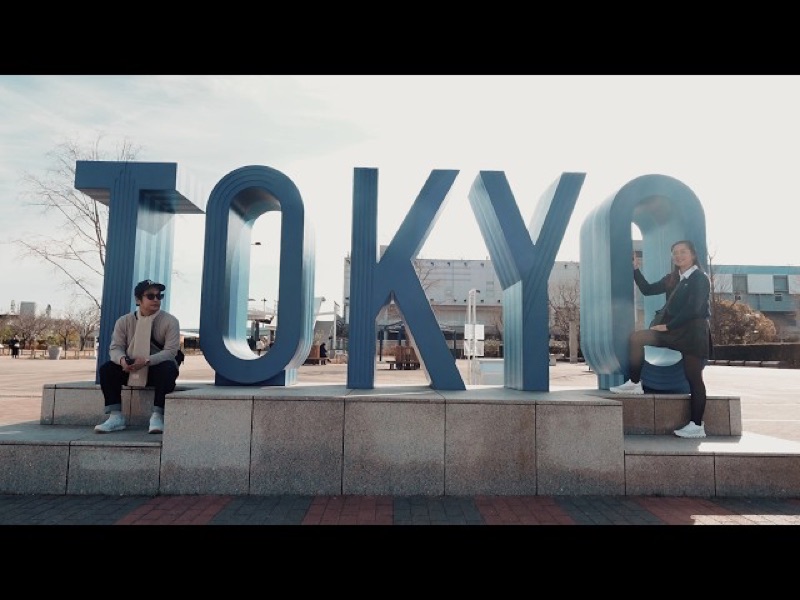
You land in Tokyo and the city doesn't ease you in — it throws you headfirst into a sensory cyclone. Drop bags in Shinjuku, one of the planet's busiest train stations surrounded by towers, karaoke joints, and a labyrinth of ramen alleys. Tonight is about getting your bearings at street level, eating something extraordinary, and letting Tokyo's nightlife pull you in.
Afternoon
Check In & Shinjuku Orientation Walk
Settle into your hotel near Shinjuku Station (west side for quieter, east side for action). Walk through the underground passages to the East Exit and emerge into the wall of screens, signs, and people that is Shinjuku. Get Suica/Pasmo IC cards loaded at the station.
🏨 Hotels near Shinjuku Station give access to every train line in Tokyo
💳 Load Suica cards at any JR ticket machine — ¥2,000/person is a good start
🗺️ Shinjuku has 200+ exits — follow signs to East Exit for the main drag
🌸 May weather: warm, 20-25°C, light rain possible — bring a packable jacket
Shinjuku Gyoen National Garden
Decompress from your flight in one of Tokyo's most beautiful parks. Shinjuku Gyoen blends French formal, English landscape, and Japanese traditional gardens across 58 hectares. In May, the rose garden is in full bloom and the greenery is lush.
🌹 May = peak rose season in the formal garden section
🎫 Admission ¥500/adult, open 9am–5:30pm (last entry 5pm)
📍 2-min walk from Shinjuku-Gyoenmae Station (Marunouchi Line)
🍱 Bring convenience store onigiri for a picnic on the lawn
🍱 Late Lunch
Fuunji Tsukemen
Tokyo's most famous tsukemen (dipping ramen) spot. The line moves fast. Thick noodles dipped in an insanely rich fish-pork broth. Under ¥1,100 for a life-changing bowl.
💰 ¥1,000–1,100 · 📍 Yoyogi, 2-min walk from Shinjuku South Exit
Evening
Omoide Yokocho (Memory Lane)
Squeeze into the narrow smoke-filled alleys of Omoide Yokocho, aka 'Piss Alley' — Tokyo's most atmospheric yakitori strip. Tiny stalls with 6-8 seats each serve grilled chicken skewers, beer, and highballs to shoulder-to-shoulder crowds. This is old Tokyo, preserved in amber.
🍢 Try: negima (chicken & leek), kawa (crispy skin), tsukune (meatball)
🍺 Highballs (whisky soda) are the standard drink — ¥400-500
📍 Immediately northwest of Shinjuku Station West Exit
⏰ Best atmosphere from 7pm–10pm, open until midnight
Kabukichō Nightlife Walk
Cross into Kabukichō, Tokyo's legendary entertainment district. The Godzilla head on the Toho Building watches over neon-drenched streets packed with karaoke parlors, izakayas, and Robot Restaurant's replacement shows. For a group of 5+, grab a big private karaoke room at Karaoke Kan.
🦖 Godzilla Head — Shinjuku Toho Building, great photo op
🎤 Karaoke Kan — ¥500-800/person/hour, English song selection
🎰 Don Quijote (Donki) — legendary discount store, open 24h
⚠️ Ignore touts on the street — stick to established venues
🍺 Dinner
Omoide Yokocho Stalls
Hop between 2-3 tiny stalls for yakitori, motsu-nikomi (stewed offal), and cold beer. The whole experience costs surprisingly little for how memorable it is.
💰 ¥2,000–3,500/person · 📍 Omoide Yokocho, Shinjuku
Omoide Yokocho stalls are cash-only. Hit a 7-Eleven ATM first. Most stalls close by midnight but a few keep going until 2am.
Harajuku Fashion & Shibuya Crossing Chaos
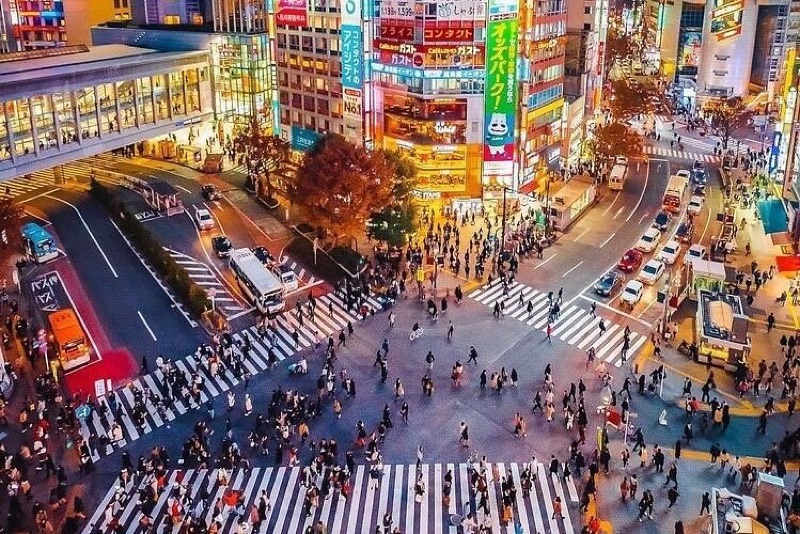
Today is pure Tokyo pop culture energy. Start in Harajuku where Takeshita Street serves cotton candy crepes and neon fashion, then glide through the upscale boutiques of Omotesandō, and finish at the world-famous Shibuya Crossing. Tonight, Shibuya's izakaya and bar scene keeps the group buzzing.
Morning
Meiji Jingū Shrine
Start the day with serenity before the chaos. Walk through the towering torii gate into the forested grounds of Meiji Shrine, dedicated to Emperor Meiji. The gravel paths through old-growth forest feel miles from the city. Write a wish on an ema (wooden tablet) and watch wedding processions on weekends.
⛩️ Free admission, open sunrise to sunset
🌲 The forest has 100,000 trees donated from across Japan
📍 1-min walk from Harajuku Station (JR Yamanote Line)
🙏 Proper shrine etiquette: bow twice, clap twice, bow once
Takeshita Street
Step out of the shrine's calm directly into Takeshita-dōri — Japan's most famous pedestrian shopping street. Rainbow cotton candy, crepe shops, vintage stores, cosplay supplies, and the wildest fashion you'll ever see. Come before 11am to beat the worst crowds.
🍦 Marion Crêpes — the original Harajuku crêpe since 1976
🌈 Totti Candy Factory — giant rainbow cotton candy for IG photos
👗 Kiddy Land — 4 floors of character goods and toys
📍 Runs from Harajuku Station south for about 400 meters
🥞 Breakfast
Bills Omotesandō
World-famous ricotta pancakes from the Australian cafe that started the pancake craze. Fluffy, rich, and served with honeycomb butter. Arrive right at opening (8:30am) to avoid the wait.
💰 ¥1,800–2,500 · 📍 Tokyu Plaza Omotesandō, 7F
Afternoon
Omotesandō Avenue
Walk the tree-lined boulevard of Omotesandō — Tokyo's Champs-Élysées. The architecture alone is worth the walk: Tadao Ando's concrete Omotesandō Hills, Toyo Ito's glass Tod's building, and the geometric Prada flagship. Duck into Cat Street for independent boutiques and cafes.
🏗️ Architecture walk: Prada, Tod's, Dior, Omotesandō Hills
🐱 Cat Street (parallel side street) — vintage shops, sneaker stores
☕ % Arabica Coffee — minimalist specialty coffee, great flat whites
📍 Between Harajuku and Omotesandō stations
Shibuya Crossing & Hachikō Statue
The world's busiest pedestrian crossing. Stand on the Shibuya Sky observation deck or watch from the Starbucks above the crossing as up to 3,000 people cross simultaneously at every light change. Then visit the loyal dog Hachikō's statue by the station.
📸 Best viewing: Shibuya Sky (¥2,000) or Mag's Park rooftop (free)
🐕 Hachikō statue — Shibuya Station Hachikō Exit
🏬 Shibuya 109 — iconic fashion building right at the crossing
📍 Shibuya Station — 2 stops from Harajuku on JR Yamanote Line
🍜 Lunch
Afuri Ramen (Harajuku)
Light, citrusy yuzu shio ramen that's a refreshing change from heavy tonkotsu. The clear golden broth with a squeeze of yuzu is unforgettable. Vegetarian options available.
💰 ¥1,050–1,350 · 📍 Afuri Harajuku, near Omotesandō
Evening
Shibuya Yokochō
A modern food hall designed like a retro yokochō (alley market). 19 stalls representing cuisine from every region of Japan — Hokkaido seafood, Kyushu tonkotsu, Okinawan goya champuru. Perfect for a group where everyone wants something different.
🍶 All-you-can-drink plans from ¥1,500/90min at some stalls
🍖 Each stall represents a different Japanese prefecture
📍 Miyashita Park, 1F — right next to Shibuya Station
⏰ Open until 11pm (last order 10:30pm)
Nonbei Yokochō (Drunkard's Alley)
Shibuya's answer to Golden Gai — a 40-bar alley of tiny, intimate drinking spots tucked behind the train tracks. Each bar fits 5-8 people max. Split the group and compare notes later.
🍸 Most bars have a seating charge (¥300-500) plus drinks
📍 Near Shibuya Station, behind the train tracks on the northwest side
🎵 Some bars specialize: jazz, vinyl records, whisky
⚠️ Some bars don't accept groups — split into 2-3 people
🍺 Dinner
Shibuya Yokochō Food Hall
Pick your own regional Japanese specialty from 19 different stalls. Yakitori from Miyazaki, crab from Hokkaido, Okinawan pork — everyone eats what they want.
💰 ¥2,500–4,000/person · 📍 Miyashita Park, Shibuya
Shibuya is the nightlife epicenter for your group size. The bars in Nonbei Yokochō are tiny — split your group of 5+ into pairs/trios and bar-hop independently, then regroup.
Akihabara Otaku Overload & Ginza Glitz
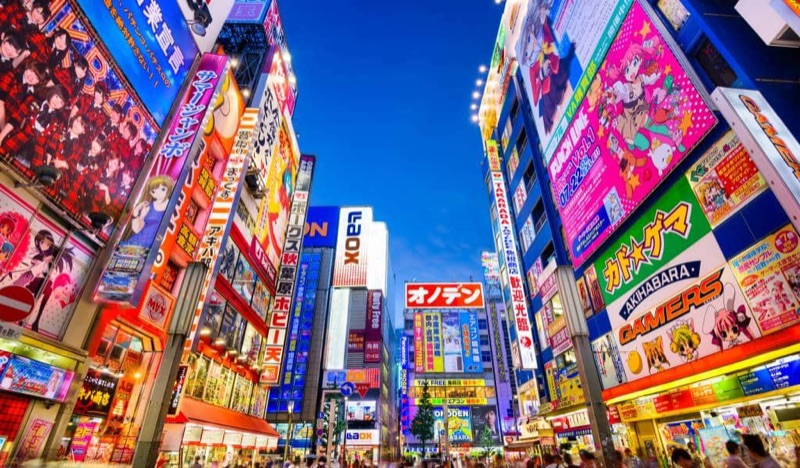
A day of contrasts: start in the electric chaos of Akihabara — Tokyo's anime, gaming, and electronics mecca — then pivot to the polished luxury of Ginza, where department stores gleam and cocktail bars whisper sophistication. Two Tokyos in one day.
Morning
Akihabara Electric Town
The global capital of otaku culture. Multi-story arcades with claw machines and rhythm games, anime figure shops stacked floor to ceiling, retro game stores with every console ever made, and maid cafes on every corner. Even if you're not into anime, the sheer energy is infectious.
🎮 Super Potato — 5 floors of retro games (play original Famicom/N64)
📦 Mandarake Complex — 8 floors of manga, figures, and collectibles
🕹️ SEGA GiGO — massive arcade, crane games, purikura photo booths
📍 Akihabara Station — JR Yamanote Line, 5 stops from Shinjuku
Maid Cafe Experience
Love it or laugh at it, a maid cafe is quintessential Akihabara. Waitresses in French maid outfits serve 'omurice' (omelette rice) with ketchup drawings, sing songs, and play games with you. It's bizarre, harmless fun.
☕ @Home Cafe — the most famous, 7 floors on Chuo-dori
💰 Entry fee ¥700 + drinks/food from ¥800
📸 Photo with maid: extra charge (¥500-1,000)
⏰ Sessions typically last 60-90 minutes
🍜 Breakfast/Brunch
Kanda Matsuya
One of Tokyo's oldest soba noodle shops (since 1884). Hand-cut buckwheat noodles served hot or cold with dashi broth. A quiet, traditional start before the Akihabara madness.
💰 ¥700–1,200 · 📍 Kanda Sudachō, near Akihabara
Afternoon
Ginza Shopping District
Japan's most prestigious shopping boulevard. The Chuo-dori becomes a pedestrian paradise on weekends. Even if you don't buy, the architecture of flagship stores — Hermès, Mikimoto, Uniqlo's 12-floor flagship — is stunning. Hit the basement food halls (depachika) of Mitsukoshi or Matsuya for free samples.
🏬 Ginza Six — luxury mall with rooftop garden and Tsutaya bookstore
🍣 Depachika (basement food halls) — free samples of wagyu, sweets, sushi
🏗️ Mikimoto Building — pearl jewelry in a stunning architectural gem
📍 Ginza Station — multiple metro lines, 10 min from Akihabara
Tsukiji Outer Market
The inner market moved to Toyosu, but the outer market thrives. Over 400 stalls selling fresh sushi, tamagoyaki, grilled seafood skewers, matcha sweets, and kitchen supplies. This is where Tokyo chefs shop, and where you eat the freshest fish of your life.
🍣 Sushi Dai alternatives — skip the 3-hour lines, hit smaller counters
🔪 Japanese knife shops — Aritsugu, Masamoto (serious souvenirs)
🍡 Tamagoyaki (sweet egg) shops — eat the warm, jiggly slices on the spot
📍 5-min walk from Tsukiji Station or 10 from Ginza
🍣 Lunch
Tsukiji Outer Market Stalls
Graze your way through: fresh uni (sea urchin) bowls, grilled scallops, tuna skewers, and wagyu beef croquettes. Budget ¥2,000-4,000 for a generous crawl.
💰 ¥500–1,500/item · 📍 Tsukiji Outer Market
Evening
Yurakuchō Under-the-Tracks Izakayas
Under the JR train tracks between Yurakuchō and Shinbashi stations lies a strip of smoke-filled, raucous izakayas where salarymen loosen their ties and the beer flows. It's Tokyo's most authentic after-work drinking culture.
🍺 Try: hoppy (light beer alternative), lemon sour, draft Asahi
🍢 Yakitori stands under the tracks — the smoke is part of the atmosphere
📍 JR Yurakuchō Station, International Forum side
⏰ Fills up 6-8pm with office workers, mellows after 9pm
Ginza Cocktail Bar
End the night at one of Ginza's legendary cocktail bars. Star Bar, Bar High Five, or Gen Yamamoto — these are temples of mixology where bartenders in white jackets craft drinks with surgical precision.
🍸 Star Bar Ginza — classic cocktails, no reservations, small cover charge
🥃 Bar High Five — regularly on World's 50 Best Bars list
💰 Expect ¥2,000-3,500 per cocktail (this is Ginza, after all)
👔 Smart casual dress — no shorts or flip-flops
🍺 Dinner
Yurakuchō Yakitori Alley
Grab counter seats at one of the under-track yakitori joints. Skewers, edamame, cold beer — the quintessential Tokyo salaryman dinner. Casual, loud, and wonderful.
💰 ¥2,500–4,000/person · 📍 Under JR tracks, Yurakuchō
Ginza cocktail bars often have a seating charge (¥1,000-2,000) but no tipping. The craftsmanship is extraordinary — think of it as a show with drinks.
Old Tokyo — Temples, Markets & River Views
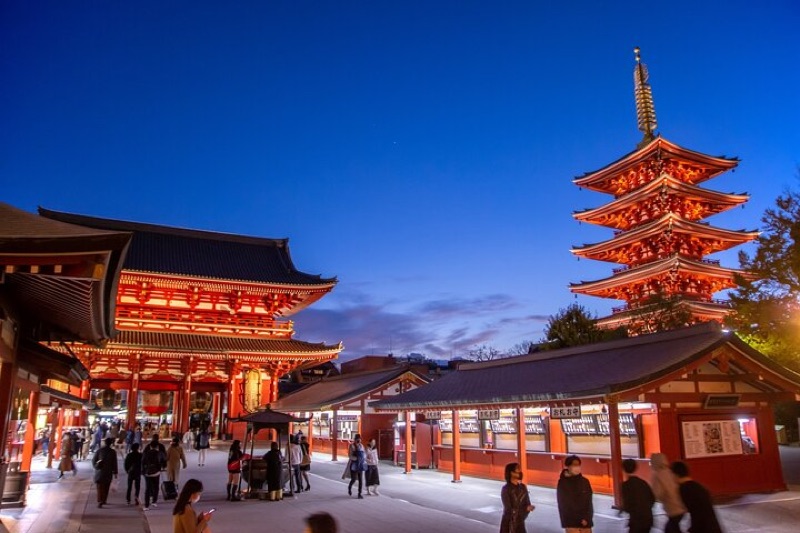
Leave the skyscrapers behind and step into shitamachi (downtown) Tokyo — the historic heart of the city. Asakusa's Sensō-ji temple anchors a morning of incense, thunder gates, and traditional snack streets. Then cross the Sumida River for Tokyo Skytree's panoramic views and finish with Ueno's museums and market energy.
Morning
Sensō-ji Temple & Nakamise-dōri
Tokyo's oldest temple (founded 628 AD) is a spectacle from the moment you pass under the massive Kaminarimon (Thunder Gate) with its iconic red lantern. Walk the 250-meter Nakamise shopping street — packed with sembei crackers, ningyo-yaki cakes, and colorful fans — before reaching the incense-filled main hall.
⛩️ Kaminarimon Gate — THE iconic Tokyo photo, best before 9am
🍘 Nakamise-dōri — buy fresh ningyo-yaki (custard-filled cakes, ¥300)
💨 Waft incense smoke over yourself at the main hall for good health
📍 Asakusa Station — Ginza Line or Toei Asakusa Line
Gotokuji Cat Temple
Take the Odakyū Line to Gōtokuji Station for one of Tokyo's most photogenic hidden gems. Gōtokuji Temple is the birthplace of the maneki-neko (beckoning cat), and thousands of white cat statues fill every surface of the shrine grounds. Buy a small cat to leave as an offering or bring home.
🐱 Thousands of maneki-neko statues covering every shelf and altar
🎋 Peaceful grounds with a pagoda and traditional gardens
🛒 Buy your own maneki-neko: ¥300 (tiny) to ¥5,000+ (large)
📍 2-24-7 Gōtokuji, Setagaya — 5 min walk from Gōtokuji Station
🍜 Breakfast
Asakusa Kagetsudō
Giant melon pan (melon bread) — crispy outside, fluffy inside. The line moves fast. Grab one hot off the press and eat it walking down Nakamise-dōri. The original Asakusa breakfast.
💰 ¥220 · 📍 Asakusa, near Sensō-ji
Afternoon
Tokyo Skytree
Cross the Sumida River to the 634-meter Skytree — the world's tallest free-standing broadcast tower. The Tembo Deck (350m) offers 360° views of Tokyo sprawling to the horizon. On clear days, Mt. Fuji is visible. The Solamachi shopping complex at the base has great food and a Pokémon Center.
🗼 Tembo Deck (350m): ¥2,100/adult, Tembo Galleria (450m): ¥3,400 combo
🏔️ Mt. Fuji visible on clear days — look west
🛍️ Solamachi: 300+ shops including Pokémon Center Skytree Town
📍 15-min walk from Asakusa or 1 stop on Tobu Skytree Line
Ueno Park & Ameyoko Market
Stroll through Ueno Park, home to Tokyo's best museums (National Museum, Western Art Museum). Then dive into the madness of Ameyoko — a chaotic outdoor market under the train tracks selling everything from fresh seafood to sneakers to dried fruits at rock-bottom prices.
🏛️ Tokyo National Museum — Japan's oldest and largest (¥1,000)
🐼 Ueno Zoo has giant pandas (¥600, closed Mondays)
🛒 Ameyoko: 400+ stalls, best for snacks, cosmetics, and atmosphere
📍 Ueno Station — JR Yamanote Line
🍱 Lunch
Sometarō (Asakusa)
A 100+ year old okonomiyaki restaurant where you grill your own savory pancakes on the tabletop griddle. The tatami seating, old wooden building, and DIY cooking make it a uniquely fun group lunch.
💰 ¥900–1,500/person · 📍 Asakusa, near Sensō-ji
Evening
Sumida River Sunset Walk
Walk along the Sumida River promenade as the sun sets behind the skyline. The view of Skytree reflected in the water, with the Asahi Beer Hall's golden flame sculpture in the foreground, is one of Tokyo's most photographed panoramas.
📸 Best photo spot: Azuma Bridge facing north toward Skytree
🍻 Asahi Beer Tower's golden 'flame' sculpture — locals call it 'the golden poo'
🌅 Sunset around 6:30pm in May — arrive by 6pm for golden hour
📍 Sumida Park, Asakusa side of the river
Hoppy Street Night Out
Asakusa's Hoppy-dōri is a narrow street of outdoor izakayas that comes alive after dark. Tables spill onto the sidewalk, and the local drink is Hoppy — a beer-flavored drink mixed with shochu. Order beef stew (nikomi) and edamame, and people-watch until late.
🍺 Hoppy: ¥500 for a set (bottle + shochu + ice glass)
🥘 Nikomi (beef tendon stew) — the signature bar snack, ¥500-700
📍 Hoppy-dōri, 3-min walk south of Sensō-ji
⏰ Best vibes from 6pm–10pm, most close by 11pm
🍺 Dinner
Hoppy Street Izakayas
Settle into an outdoor table on Hoppy Street for a classic shitamachi evening. Stew, skewers, and Hoppy with shochu — rowdy, local, and endlessly fun.
💰 ¥2,000–3,500/person · 📍 Hoppy-dōri, Asakusa
Gōtokuji Temple is worth the 30-minute detour from central Tokyo. Go early (before noon) when the light is best for photos of the cat statues. It's free to enter.
Ghibli Museum, Inokashira Park & Hipster Tokyo
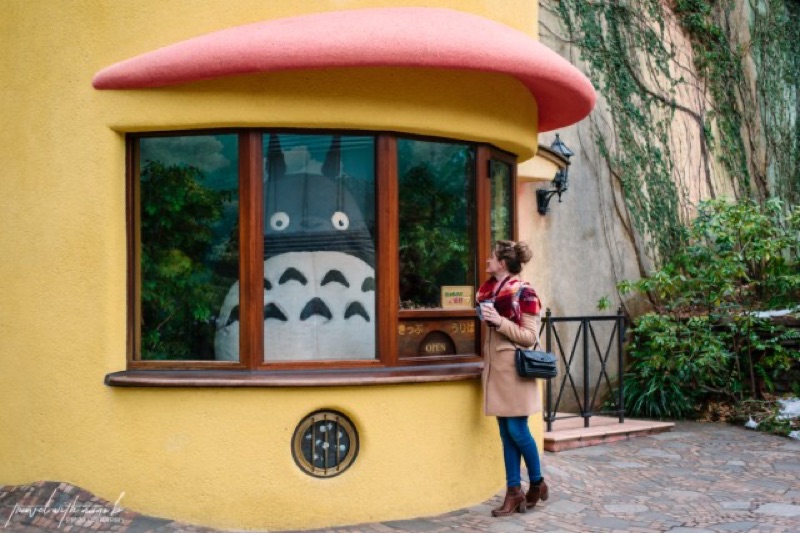
A softer, greener day exploring Tokyo's creative west side. Morning at the magical Ghibli Museum in Mitaka (Kichijōji area), afternoon strolling Inokashira Park's lakeside paths, and evening in Shimokitazawa — Tokyo's most bohemian neighborhood packed with vintage shops, live music venues, and craft beer bars.
Morning
Ghibli Museum, Mitaka
Hayao Miyazaki's whimsical museum is a wonderland for fans of Spirited Away, My Neighbor Totoro, and Princess Mononoke. The building itself is a Ghibli creation — stained glass, spiral staircases, a rooftop robot soldier from Laputa. Inside: original animation cels, a working animation studio, and a short film shown exclusively here.
🎫 TICKETS MUST BE RESERVED IN ADVANCE — book at lawson.co.jp/ghibli months ahead
⏰ Timed entry: 10am, 12pm, 2pm, 4pm slots — ¥1,000/adult
🤖 Rooftop: life-size Robot Soldier from Castle in the Sky
📍 1-1-83 Shimorenjaku, Mitaka — 15 min walk from Kichijōji Station or Mitaka Station
Inokashira Park
Walk from the Ghibli Museum through Inokashira Park — a lush green oasis with a large pond, pedal boats shaped like swans, and street performers on weekends. The park connects Mitaka to Kichijōji and is one of Tokyo's most beloved hangout spots.
🚣 Swan pedal boats: ¥700/30min — classic couples/group activity
🎨 Weekend craft market along the pond pathway
🌿 The park inspired backgrounds in multiple Ghibli films
📍 Between Kichijōji and Mitaka stations
🍜 Breakfast
Straw Hat Cafe (Ghibli Museum)
The museum's rooftop cafe serves adorable Ghibli-themed food: Totoro cream puffs, Ponyo ramen, and Laputa toast with a fried egg. Book early or come right at opening.
💰 ¥800–1,500 · 📍 Inside Ghibli Museum
Afternoon
Kichijōji Harmonica Yokochō
This tiny alley market near Kichijōji Station is packed with 100+ micro-shops and food stalls crammed into narrow corridors. Yakitori smoke, vintage clothing, record stores, and izakayas all coexist in a space barely wider than your shoulders.
🍢 Satō — legendary menchi-katsu (fried meat croquette, ¥250) with a permanent line
🎵 Tiny record stores with jazz and city pop vinyl
📍 North exit of Kichijōji Station, 1-min walk
⏰ Shops open 10am-8pm, izakayas until late
PokéPark KANTO at Yomiuriland
Head south to Yomiuriland for PokéPark KANTO — a brand new Pokémon theme area that opened in 2026. Walk through the Pokémon Forest, battle at the Gym & Battle Court, and shop exclusive merch at Trainers' Market. Perfect for the group's adventure side.
🎫 Yomiuriland admission + PokéPark ticket required — book online in advance
⚡ Pokémon Forest: walk-through immersive environment with life-size Pokémon
🏟️ Gym & Battle Court: interactive battle experiences
📍 Keiō-Yomiuriland Station → gondola or bus to park
🍱 Lunch
Satō Menchi-katsu + Kichijōji Stalls
Start with Satō's famous fried meat croquette (the line is worth it), then graze through Harmonica Yokochō's tiny stalls for gyoza, takoyaki, and matcha soft serve.
💰 ¥800–1,800/person · 📍 Harmonica Yokochō, Kichijōji
Evening
Shimokitazawa Night Out
Tokyo's most bohemian neighborhood — a maze of vintage clothing stores, live music houses, independent theaters, and craft beer bars. The vibe is anti-corporate, artistic, and young. Perfect for a group that wants nightlife beyond the usual Shibuya/Roppongi scene.
🍺 Shimokitazawa Cage — craft beer bar with 30+ taps
🎵 Live music: Shimokitazawa SHELTER, THREE — check schedules
👗 Vintage shopping: New York Joe Exchange, Flamingo
📍 Shimokitazawa Station — Keiō Inokashira Line from Kichijōji (direct, 15 min)
🍺 Dinner
Shirube (Shimokitazawa)
A cozy izakaya hidden on the second floor with a handwritten menu that changes daily. Grilled fish, seasonal vegetables, and excellent sake selection. The kind of place locals keep secret.
💰 ¥2,500–4,000/person · 📍 Shimokitazawa, near south exit
Ghibli Museum tickets sell out months in advance. Book through Lawson Ticket (overseas) or Klook the moment your travel dates are confirmed. There are NO walk-up tickets.
Futuristic Tokyo — Odaiba, TeamLab & Roppongi Nights
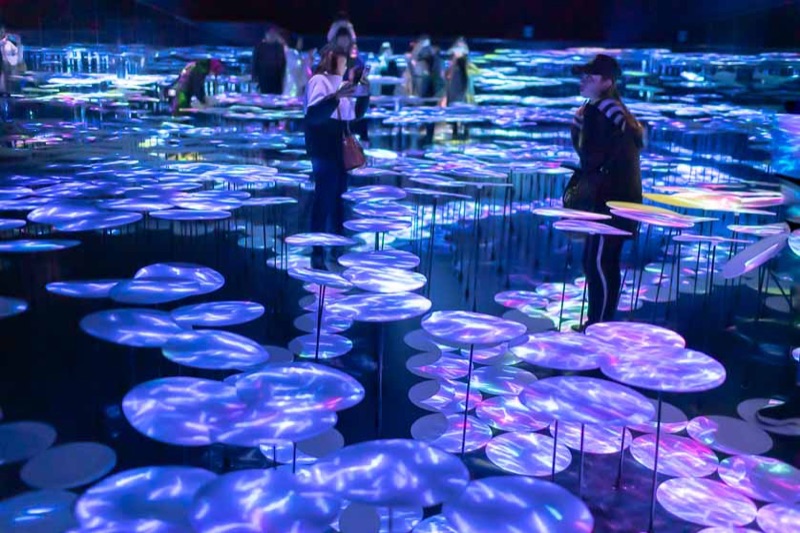
Experience Tokyo's sci-fi side on the reclaimed island of Odaiba — giant Gundam statues, futuristic architecture, and the immersive teamLab digital art museum. Then close out your Tokyo chapter with Roppongi's rooftop bars and all-night clubs.
Morning
Toyosu Fish Market
Wake up early for the world's largest fish market. Watch the tuna auctions from the viewing gallery (arrive by 5:30am for the best view), then eat the freshest sushi of your life at the market's restaurant row. This is where Tokyo's chefs buy their fish — and where you eat like they do.
🐟 Tuna auction viewing: gallery opens at 5:45am, first come first served
🍣 Sushi Dai or Daiwa Sushi — expect 1-2 hour waits (worth it)
📍 Toyosu Station (Yurikamome Line) — 6 min from Shimbashi
⏰ Market closed Sundays and some Wednesdays — check calendar
🍣 Breakfast
Toyosu Market Sushi Row
Omakase-style sushi breakfast at market prices. 10-piece sets with fish that was swimming hours ago. This is the pinnacle of fresh sushi.
💰 ¥2,500–4,500 · 📍 Toyosu Market Restaurant Building
Afternoon
TeamLab Borderless (Odaiba)
A 10,000-square-meter digital art museum where projections flow across walls, floors, and each other without boundaries. Walk into infinity mirror rooms, wade through digital waterfalls, and watch flowers bloom and die across your body. Book tickets online — this is Tokyo's hottest attraction.
🎫 Advance tickets required: ¥3,800/adult — book at teamlab.art
⏰ Allow 2-3 hours to explore properly
📸 Wear white clothing — the projections show up beautifully on white
📍 Azabudai Hills (moved from Odaiba in 2024)
Odaiba Seaside & Unicorn Gundam
Cross Rainbow Bridge to Odaiba's waterfront for the life-size Unicorn Gundam statue (19.7m tall), the futuristic Fuji TV building, and views of the Tokyo skyline across the bay. Great for photos and a breezy seaside walk.
🤖 Unicorn Gundam: transforms on schedule (check times at DiverCity entrance)
📺 Fuji TV Building — iconic architecture by Kenzo Tange
🏖️ Odaiba Beach — not for swimming, but great sunset views of Rainbow Bridge
📍 Daiba Station — Yurikamome Line
🍱 Lunch
Bills Odaiba
The same world-famous ricotta pancakes as Omotesandō, but with a waterfront view of Tokyo Bay and Rainbow Bridge. A great casual lunch before exploring Odaiba.
💰 ¥1,800–2,800 · 📍 DiverCity Tokyo Plaza, Odaiba
Evening
Roppongi Nightlife
Your last night in Tokyo deserves the full Roppongi treatment. Start with dinner at a lively izakaya, then hit the clubs and bars that keep this district alive until sunrise. For a classier vibe, head to Roppongi Hills' rooftop bar.
🍸 Sky Lounge Stellar Garden — rooftop bar at Prince Park Tower, ¥1,500 cover
🎵 Clubs: 1OAK, V2 Tokyo — entry ¥2,000-4,000, includes a drink
🍺 Craft beer: BrewDog Roppongi — familiar comfort beers
📍 Roppongi Station — Hibiya Line or Oedo Line
🍺 Dinner
Gonpachi (Roppongi)
The restaurant that inspired Kill Bill's 'House of Blue Leaves' scene. Massive two-floor izakaya with soba, yakitori, and tempura. Great for big groups — the atmosphere alone is worth the visit.
💰 ¥3,000–5,000/person · 📍 Roppongi, Nishi-Azabu
TeamLab Borderless moved from Odaiba to Azabudai Hills in Roppongi/Toranomon area in 2024. Double-check the location when booking. The Odaiba Gundam and waterfront are still worth visiting separately.
Izu Peninsula — Capybaras, Hot Springs & Coastal Beauty
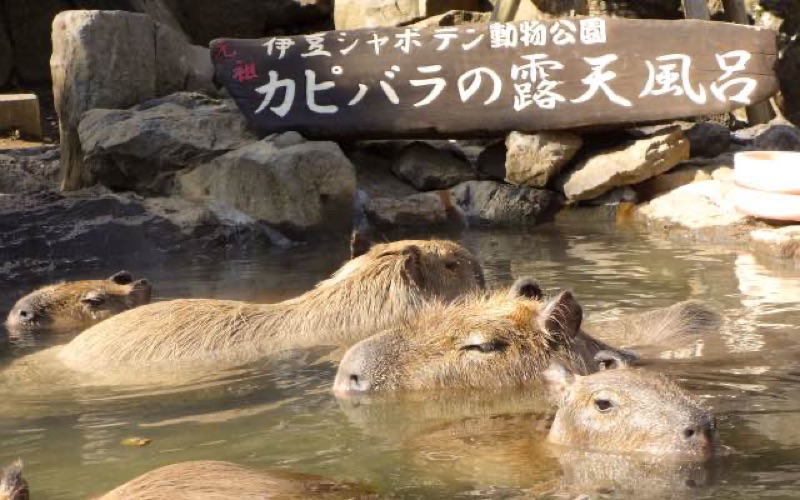
Escape Tokyo for the stunning Izu Peninsula. The star attraction is Izu Shaboten Zoo — home to Japan's famous capybara onsen (capybaras bathing in hot springs). Combine it with dramatic coastal scenery, fresh seafood, and an optional onsen soak of your own at a seaside ryokan.
Morning
Shinkansen to Atami + Izu Train
Take the Tokaido Shinkansen from Tokyo Station to Atami (45 min), then transfer to the Izu Kyūkō Line to Izu-Kōgen or Futo. The coastal train ride along Sagami Bay is beautiful — ocean views the entire way. Alternatively, rent a car in Atami for maximum flexibility on the peninsula.
🚅 Tokyo → Atami: Shinkansen Kodama, ~45 min, ¥3,740
🚂 Atami → Izu-Kōgen: Izu Kyūkō Line, ~25 min
🚗 Car rental in Atami: ¥5,000-8,000/day — recommended for groups of 5+
📍 Izu Shaboten Zoo is 20 min by bus/taxi from Izu-Kōgen Station
Izu Shaboten Zoo (Capybara Zoo)
The main event. This charming hilltop zoo is famous worldwide for its capybaras bathing in outdoor hot spring baths — a tradition since 1982. Beyond capybaras, there are lemurs, flamingos, and a cactus greenhouse. The capybara onsen runs seasonally (winter), but in May you can still hand-feed and pet them.
🦫 Capybara feeding experience — hand-feed them grass and vegetables
♨️ Capybara onsen (hot spring bathing) runs Nov-Apr, but capybaras are here year-round
🌵 Giant cactus greenhouses — surprisingly impressive collection
🐒 Free-roaming squirrel monkeys on 'Monkey Island'
🎫 Admission: ¥2,800/adult, ¥1,400/child
📍 1317-13 Futo, Itō, Shizuoka 413-0231
🍱 Breakfast
Ekiben on the Shinkansen
Grab a bento box at Tokyo Station's Ekiben shops (Gransta or Matsuri). Eating a beautifully arranged bento on the bullet train is a quintessential Japanese experience.
💰 ¥1,000–1,500 · 📍 Tokyo Station Ekiben shops
Afternoon
Jōgasaki Coast Walk
After the zoo, head to the dramatic Jōgasaki Coast — a volcanic rocky coastline with a suspension bridge spanning 48 meters over the ocean, lighthouse views, and hiking trails through dense forest. The 3km coastal path is one of Izu's best adventures.
🌊 Kadowaki Suspension Bridge — 48m long, 23m above the sea
🏠 Jōgasaki Lighthouse — panoramic coastal views
🥾 The hiking path is moderate, about 1-2 hours round trip
📍 10 min by taxi from Izu-Kōgen Station
Onsen Soak
Izu is one of Japan's premier hot spring regions. Find a day-use onsen (public bath) or ryokan for a late afternoon soak. The mineral-rich waters are perfect after a day of walking. Many onsen have ocean views.
♨️ Day-use onsen: ¥800-2,000 per person
🏨 Some ryokan offer private family onsen rooms (¥3,000-5,000/group)
📜 Onsen etiquette: wash before entering, no swimsuits, tattoos may be an issue
📍 Izu-Kōgen and Itō towns both have many options
🐟 Lunch
Izu Seafood Restaurant
Fresh-caught kinmedai (golden eye snapper) is Izu's signature fish. Try it simmered in soy (nitsuke) or as sashimi. The coastal restaurants serve fish that was literally swimming this morning.
💰 ¥1,500–3,000 · 📍 Near Izu-Kōgen or Futo port area
Evening
Return to Tokyo or Stay in Izu
Option 1: Take the train back to Tokyo (arrive ~8pm) and enjoy a final easy Tokyo dinner. Option 2: Stay overnight at a ryokan in Izu for the full hot spring experience — kaiseki dinner, yukata robes, futon sleeping. Both are great choices depending on your pace preference.
🏨 Ryokan stay: ¥15,000-25,000/person including dinner and breakfast
🚂 Last trains to Tokyo run until ~10pm from Izu-Kōgen
🍶 Ryokan evening: kaiseki dinner → onsen → beer → sleep on futons
💡 For groups of 5+, a ryokan with a large room is a bonding experience
🍺 Dinner
Local Izakaya or Ryokan Kaiseki
If staying: enjoy multi-course kaiseki dinner at the ryokan. If returning to Tokyo: grab a casual ramen or izakaya dinner near your station.
💰 ¥2,000–5,000/person · 📍 Itō / Izu-Kōgen or Tokyo
Izu Shaboten Zoo's capybara onsen bathing is a winter activity (Nov-Apr), but the capybaras live here year-round and you can interact with them in May. The zoo is more than just capybaras — budget 2-3 hours.
Mt. Fuji — Views, Lakes & Adventure
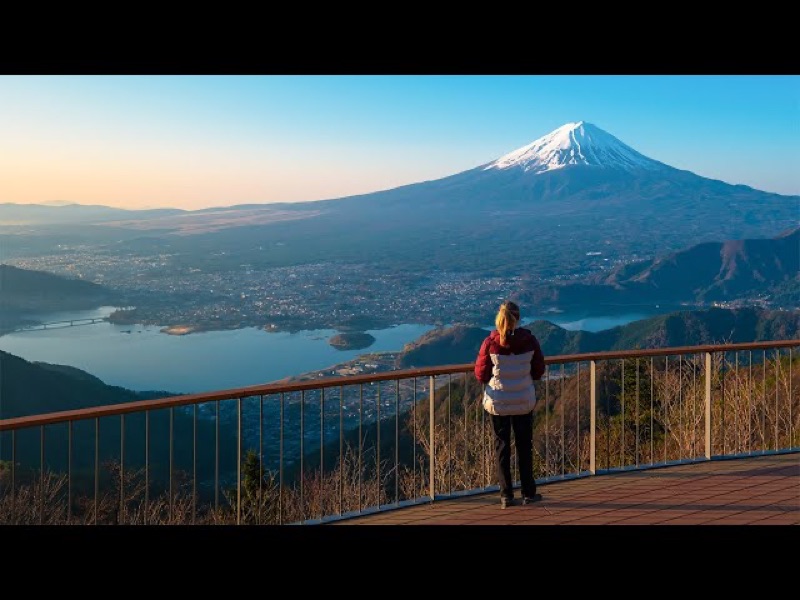
The icon. The 3,776-meter volcanic cone that defines Japan's skyline. Today you chase views of Fuji from every angle — across Lake Kawaguchiko's mirror surface, from the Chureito Pagoda's famous staircase, and (for the adventurous) from a boat on the lake. May offers clear skies and the mountain's snow cap is still pristine.
Morning
Highway Bus to Kawaguchiko
Take the express bus from Shinjuku Bus Terminal (Busta Shinjuku) directly to Kawaguchiko Station. The 2-hour ride is comfortable and affordable. Alternatively, take the JR Chuo Line to Otsuki and transfer to the Fuji Excursion train.
🚌 Shinjuku → Kawaguchiko: ¥2,200, runs every 30-60 min, ~2 hours
🚂 Alternative: JR Chuo + Fujikyuko Line, ~2.5 hours
📍 Busta Shinjuku (south exit of Shinjuku Station, 4F)
💡 Book highway bus at highway-buses.jp — reserve window seats on the right for Fuji views
Chureito Pagoda
The most photographed view of Mt. Fuji in existence. Climb the 398 steps from Arakura Sengen Shrine to the five-story pagoda, and there it is — the red pagoda framing Fuji's perfect cone. In May, the greenery is lush and the snow cap is still intact.
📸 THE iconic Japan photo — best in morning light (before 10am)
🏔️ 398 steps to the pagoda — moderate effort, huge reward
⛩️ Arakura Fuji Sengen Shrine at the base is beautiful too
📍 Shimoyoshida Station (Fujikyuko Line), 10-min walk
🍜 Breakfast
Hōtō Fudō (Kawaguchiko)
Hōtō is the Fuji Five Lakes region's signature dish — thick flat udon noodles simmered in miso broth with pumpkin, mushrooms, and vegetables. Warming, hearty, and unique to this area.
💰 ¥1,100–1,500 · 📍 Near Kawaguchiko Station
Afternoon
Lake Kawaguchiko Activities
Explore the lake that mirrors Mt. Fuji on windless mornings. Rent bikes to ride the scenic lakeside path, take a sightseeing boat, or ride the Kawaguchiko Panoramic Ropeway for aerial views of the lake and mountain together.
🚲 Bike rentals: ¥1,500/day, flat lakeside path is 15km loop
🚡 Kachi Kachi Ropeway: ¥900 roundtrip, 3-min ride to Mt. Tenjo overlook
⛵ Sightseeing boat: ¥1,000, 20-min cruise on the lake
📍 All accessible from Kawaguchiko Station area
Ōishi Park & Lavender Fields
On the north shore of Lake Kawaguchiko, Ōishi Park offers unobstructed views of Mt. Fuji across a field of flowers. In May, you'll catch early blooming flowers with the mountain backdrop — stunning for photos.
🌸 Flower fields with Fuji backdrop — different blooms each season
📸 North shore gives the classic 'Fuji reflected in the lake' shot
🚌 Retro bus from Kawaguchiko Station, 20 min
📍 Free admission, open 24h
🍱 Lunch
Hōtō Fudō Higashi-Koiji
The main branch of this regional chain is built to look like a traditional thatched-roof farmhouse. The hōtō portions are enormous. Try the classic pumpkin hōtō — it's the only thing on the menu and it's perfect.
💰 ¥1,100–1,600 · 📍 Hōtō Fudō main branch, Kawaguchiko
Evening
Travel to Nagoya
Head south to Nagoya for the next chapter of the trip. Take the highway bus or train from Kawaguchiko to Mishima (bus ~1.5h), then Shinkansen from Mishima to Nagoya (1h). Arrive by evening for a casual dinner in Nagoya.
🚌 Kawaguchiko → Mishima: bus ~1.5 hours
🚅 Mishima → Nagoya: Shinkansen Hikari, ~1 hour, ¥8,000
🏨 Stay near Nagoya Station for easy access to everything
📍 Arrive Nagoya ~7-8pm depending on departure time
🍺 Dinner
Yabaton Tonkatsu (Nagoya)
Welcome to Nagoya with its signature dish: miso-katsu. Yabaton serves thick pork cutlets smothered in dark, sweet Nagoya-style miso sauce. This is comfort food at its finest.
💰 ¥1,200–1,800 · 📍 Yabaton Ōsu, near Nagoya Station
Mt. Fuji visibility is best in the early morning — clouds often obscure it by afternoon. If you're lucky enough to get a clear day, take ALL the photos. May is one of the better months for visibility.
Ghibli Park — A Whole Day in Miyazaki's World
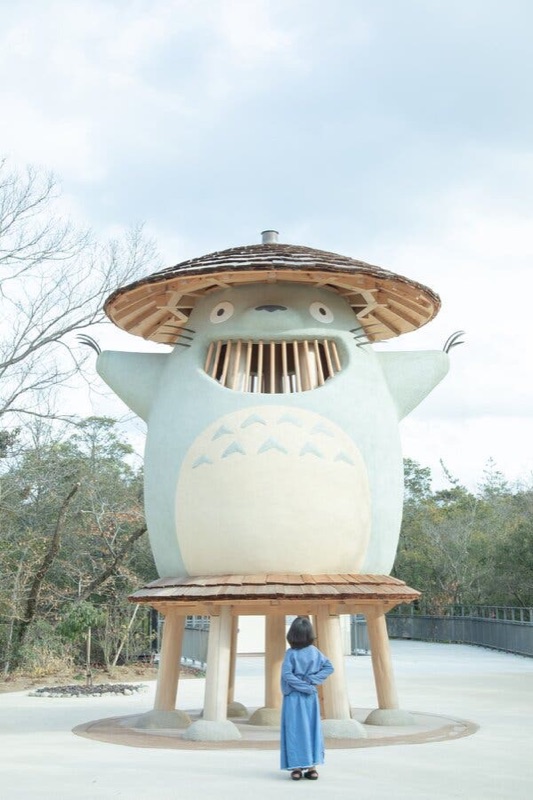
The centerpiece of your Nagoya stay. Ghibli Park, set within the sprawling Expo 2005 Aichi Commemorative Park (Moricoro Park), brings Studio Ghibli's beloved films to life without a single ride or rollercoaster. This is art, architecture, and storytelling — walk through Howl's Moving Castle, explore the Valley of the Wind, and lose yourself in the whimsy.
Morning
Ghibli Park — Grand Warehouse & Hill of Youth
Start with the Grand Warehouse — a massive indoor space recreating scenes from across Ghibli's filmography. Walk through the bathhouse from Spirited Away, sit in Jiji's room from Kiki's Delivery Service, and explore a labyrinth of set pieces. Then head to the Hill of Youth, themed after Howl's Moving Castle and Whisper of the Heart.
🎫 MUST book tickets in advance (2 months before) via Boo-Woo Ticket or Klook
🏰 Grand Warehouse: indoor, can visit in any weather — allow 2-3 hours
💫 Hill of Youth: Howl's castle interior + antique shop from Whisper of the Heart
📍 Moricoro Park (Expo 2005 Aichi), Nagakute City
🍱 Breakfast
Nagoya Station Morning Set
Nagoya's famous 'morning service' (モーニング) — order a coffee and receive free toast, a hard-boiled egg, and red bean paste on the side. Komeda's Coffee is the classic chain for this.
💰 ¥450–600 · 📍 Komeda's Coffee, multiple Nagoya locations
Afternoon
Ghibli Park — Dondoko Forest & Mononoke Village
Cross the park to Dondoko Forest where a life-size recreation of Satsuki and Mei's house from My Neighbor Totoro sits in the woods. The house is fully detailed — tatami rooms, a working kitchen, even the soot sprites. Then explore Mononoke Village, the newest addition inspired by Princess Mononoke.
🏡 Satsuki & Mei's House: walk through every room, peer into the attic
🌲 Dondoko Forest: woodland trails, Totoro statues hidden among the trees
🐗 Mononoke Village: Tatara-ba (ironworks), demon statues, forest spirits
⏰ Budget 2-3 hours for the full outdoor areas
Moricoro Park Grounds
Ghibli Park sits inside the larger Moricoro Park — a beautiful green space with cycling paths, a large pond, and the original Satsuki and Mei's House that was built for the 2005 World Expo. Take a relaxing stroll through the grounds.
🌿 Moricoro Park: free admission (separate from Ghibli Park)
🚲 Bike rentals available for exploring the park's paths
📍 Aichi Expo Memorial Park, Nagakute — 30 min from Nagoya Station via Linimo
🍱 Lunch
Ghibli Park Cafe or Moricoro Park Stalls
The park has limited food options inside — a small cafe serving Ghibli-themed drinks and snacks. Alternatively, bring bento boxes from a konbini (convenience store) for a picnic in the park.
💰 ¥800–1,500 · 📍 Inside Ghibli Park / Moricoro Park
Evening
Ōsu Shopping District
Back in central Nagoya, explore Ōsu — a vibrant covered shopping arcade that's a mix of Akihabara and Shimokitazawa. Vintage clothing, anime shops, maid cafes, international food stalls, and a massive flea market on the 18th and 28th of each month. Great nightlife vibes.
🛍️ Ōsu Kannon Temple sits at one end of the arcade
👘 Vintage kimono shops — beautiful souvenirs from ¥3,000
🍖 International food stalls: Turkish kebabs, Korean fried chicken, Brazilian BBQ
📍 Ōsu Kannon Station, 2 stops from Nagoya Station
Nagoya Nightlife — Sakae District
Sakae is Nagoya's main entertainment hub. The Sunshine Sakae Ferris wheel glows above nightclubs, karaoke parlors, and izakayas. Try Nagoya's unique food scene: tebasaki (spicy chicken wings) and doteni (miso-stewed beef tendon).
🎡 Sunshine Sakae Ferris Wheel — ride for night views of the city
🍗 Sekai no Yamachan — the OG tebasaki chain, ¥500 for 5 wings
🍺 Craft beer: Y.Market Brewing — Nagoya's best craft brewery taproom
📍 Sakae Station — 1 stop from Nagoya Station
🍺 Dinner
Sekai no Yamachan (Sakae)
Nagoya's most famous tebasaki (chicken wing) chain. The spicy, peppery wings with the secret sauce are addictive. Pair with a beer tower for the group and order round after round.
💰 ¥2,000–3,500/person · 📍 Sekai no Yamachan, Sakae main branch
Ghibli Park tickets are notoriously hard to get — book through Klook (overseas users) the moment they go on sale (2 months before). You need separate tickets for each area. The Grand Warehouse is the must-do; Dondoko Forest and Mononoke Village are outdoor and weather-dependent.
Nagoya Heritage — Castles, Shrines & Kishimen
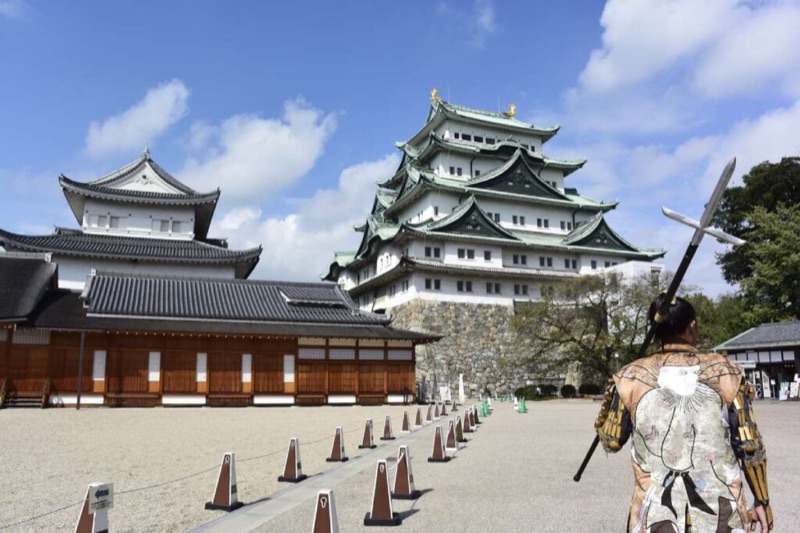
Before leaving Nagoya, explore its history: the golden-dolphin topped castle, the ancient Atsuta Shrine (one of Japan's most sacred sites), and the distinct local food culture that makes Nagoya unlike any other Japanese city. Then board the train south toward the coast.
Morning
Nagoya Castle
One of Japan's most important castles, famous for its pair of golden shachihoko (dolphin-fish) on the roof. The castle grounds are beautiful, and the Honmaru Palace — a meticulous reconstruction of the original 1615 palace — features stunning painted fusuma (sliding door) panels. The castle tower is currently undergoing reconstruction but the grounds and palace are open.
🏯 Honmaru Palace: free with castle admission — ¥500/adult
🐬 Golden shachihoko (kinshachi) are the symbol of Nagoya
🌸 The grounds have 1,000+ cherry trees (May = green canopy)
📍 Shiyakusho Station (Meijo Line), 5 min walk
Atsuta Jingū Shrine
One of Japan's most revered Shinto shrines, housing the Kusanagi no Tsurugi — one of three Imperial Regalia of Japan (a sacred sword). The camphor tree forest surrounding the shrine is over 1,000 years old. Fewer tourists here than Meiji Jingu, but equally significant.
⛩️ Free admission, shrine grounds open dawn to dusk
🌳 Ancient camphor trees — some over 1,000 years old
🗡️ Treasury Hall: ¥300, houses swords, masks, and ceremonial objects
📍 Jingū-Nishi Station (Meijo Line), 3 min walk
🍜 Breakfast
Kishimen at Atsuta Horaiken
Nagoya's flat udon noodles (kishimen) served in a rich dashi broth with dried bonito flakes. Atsuta Horaiken is also famous for hitsumabushi (grilled eel), but save that for a splurge lunch.
💰 ¥900–1,300 · 📍 Near Atsuta Jingū Shrine
Afternoon
SCMAGLEV and Railway Park
Train nerds and casual visitors alike love this museum operated by JR Central. See actual Shinkansen models from every era, sit in the driver's seat of a maglev simulator, and watch model train dioramas the size of rooms. The highlight is the L0 Series maglev — the fastest train ever built.
🚅 Real retired Shinkansen, steam engines, and the maglev L0 series on display
🎮 Shinkansen driving simulator (¥500, book on arrival — they fill up fast)
🎫 Admission: ¥1,000/adult
📍 Kinjofuto Station (Aonami Line from Nagoya Station), 24 min
Travel to Toba (Mie Prefecture)
Take the Kintetsu Limited Express from Nagoya to Toba — a comfortable 1.5-hour ride south through the countryside to the Shima Peninsula coast. Toba is a small seaside town famous for its aquarium and pearl culture.
🚂 Kintetsu Nagoya → Toba: Limited Express, ~1.5 hours, ¥2,800
🏨 Stay in Toba for one night — small ryokan or hotel near the harbor
🦪 Toba is the birthplace of cultured pearls (Mikimoto Pearl Island)
📍 Arrive Toba by late afternoon
🍱 Lunch
Atsuta Horaiken Hitsumabushi
Nagoya's ultimate splurge: hitsumabushi — grilled eel served three ways. Eat the first portion plain, add wasabi and green onion for the second, and pour dashi broth over the third for ochazuke. One of Japan's great dishes.
💰 ¥3,990 · 📍 Atsuta Horaiken Honten, near Atsuta Shrine
Evening
Toba Seaside Evening
Arrive in Toba and settle into your accommodation. The small harbor town is quiet and beautiful at sunset. Walk along the waterfront, watch fishing boats come in, and breathe the sea air after the urban intensity of Nagoya.
🌅 Toba Bay sunset — gorgeous from the harbor promenade
🦐 Fresh Ise-ebi (spiny lobster) is the local specialty
🏨 Ryokan with onsen recommended — this is a relaxation day
📍 Most attractions are within walking distance of Toba Station
🍺 Dinner
Toba Seafood Izakaya
Fresh-off-the-boat seafood at a local izakaya. Try Ise-ebi (spiny lobster), oysters from Matoya Bay (Japan's most famous oyster-growing waters), and grilled turban shell (sazae).
💰 ¥3,000–5,000/person · 📍 Near Toba Station harbor area
Hitsumabushi at Atsuta Horaiken often has a 1-2 hour wait on weekends. Go right at 11am opening or try the less-crowded Matsuzakaya branch instead.
Toba Aquarium & Pearl Island — Ocean Day
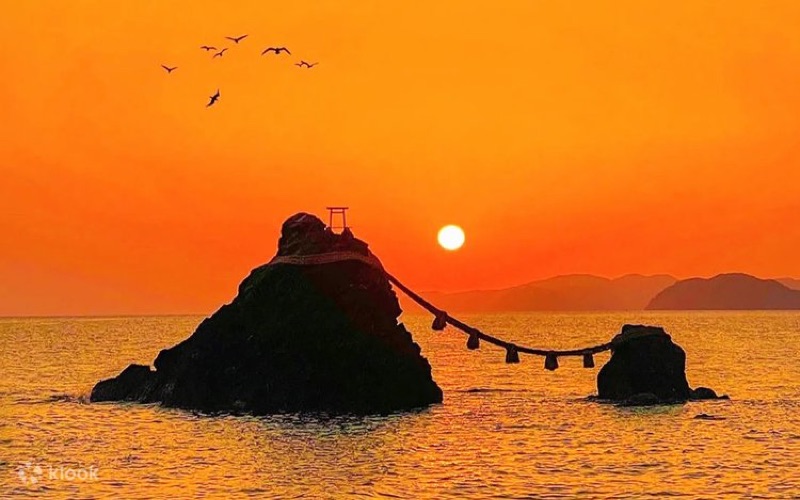
A full day on the Shima Peninsula coast. Start at Toba Aquarium — one of Japan's largest, housing over 1,200 species including the only dugong in Japan. Then cross to Mikimoto Pearl Island to learn about pearl diving culture, and finish with a visit to nearby Ise Grand Shrine if time allows.
Morning
Toba Aquarium
Japan's only aquarium where you can see a dugong — one of the rarest marine mammals on earth. The aquarium houses over 1,200 species across 12 themed zones, from coral reef fish to sea otters, penguins, and walruses. The outdoor seal and sea lion area lets you get remarkably close.
🐋 Only dugong in Japan — possibly in any aquarium worldwide
🦦 Sea otters, penguins, seals — multiple feeding shows daily
🐙 Touch pool: handle sea cucumbers, starfish, hermit crabs
🎫 Admission: ¥2,800/adult, ¥1,600/child
⏰ Open 9:00-17:00 (extended to 17:30 in summer)
📍 3-3-6 Toba, Toba City — 10 min walk from Toba Station
🍱 Breakfast
Ryokan Breakfast or Toba Morning Market
If staying at a ryokan, enjoy the traditional Japanese breakfast: grilled fish, miso soup, rice, pickles, and tamagoyaki. Otherwise, hit the small morning market near Toba Station for fresh seafood snacks.
💰 Included with ryokan / ¥500-1,000 at market · 📍 Toba harbor area
Afternoon
Mikimoto Pearl Island
Connected to Toba by bridge, this small island is the birthplace of cultured pearls, where Mikimoto Kōkichi first successfully cultured a pearl in 1893. Watch ama (women pearl divers) demonstrate their traditional diving technique, and browse the pearl museum and jewelry shop.
💎 Watch ama divers demonstrate in the ocean — year-round shows
🏛️ Pearl Museum: history of pearl cultivation from 1893
🛍️ Mikimoto Pearl Shop — real pearl jewelry from the source
🎫 Admission: ¥1,650/adult
📍 Connected to mainland by bridge, 5 min walk from Toba Station
Ise Grand Shrine (Naikū)
If time allows, take the 30-minute train to Ise for Japan's holiest Shinto shrine — the Naikū (Inner Shrine) of Ise Grand Shrine, dedicated to Amaterasu, the sun goddess. The shrine is rebuilt every 20 years using traditional methods. The Okage Yokochō shopping street outside is charming.
⛩️ Japan's most sacred Shinto shrine — rebuilt every 20 years (next: 2033)
🌲 Surrounded by primeval forest — 5,500 hectares of ancient cypress
🛍️ Okage Yokochō: Edo-period style street with Ise udon, Akafuku mochi
📍 Toba → Iseshi Station: Kintetsu, 15 min
🐟 Lunch
Toba Marché Seafood
A seafood market and restaurant complex near the aquarium. Grill your own shellfish (awabi/abalone, oysters, turban shells) at BBQ stations, or order set meals of fresh sashimi and fried seafood.
💰 ¥1,500–3,000 · 📍 Toba Marché, near aquarium
Evening
Travel to Osaka
Board the Kintetsu Limited Express from Toba (or Iseshi if you visited Ise Shrine) to Osaka-Namba. The direct train takes about 2.5 hours and delivers you straight into the heart of Osaka's Namba district — the food capital of Japan.
🚂 Toba/Iseshi → Osaka-Namba: Kintetsu Limited Express, ~2.5 hours, ¥4,500
🏨 Stay in Namba or Shinsaibashi for maximum walkability
📍 Arrive Osaka ~7-8pm — perfect time for a Dotonbori first walk
💡 Book reserved seats on Kintetsu for guaranteed comfort
Dotonbori First Impressions
Your first taste of Osaka — literally. Walk the Dotonbori canal strip at night when the neon signs reflect in the water and the smell of takoyaki fills the air. Just do a reconnaissance walk tonight — the serious eating starts tomorrow.
📸 Glico Running Man sign — Dotonbori's most famous landmark
🐙 Grab one order of takoyaki to kickstart the Osaka experience
🌊 Canal-side seating areas for people-watching
📍 Dotonbori, Namba — 5 min walk from Namba Station
🍺 Dinner
Quick Dotonbori Street Eats
Ease into Osaka with a casual street food dinner: takoyaki from Kukuru, a stick of kushikatsu from Daruma, and a cold Asahi draft from any street vendor.
💰 ¥1,500–2,500/person · 📍 Dotonbori, Namba
Toba Aquarium's dugong is a once-in-a-lifetime sighting. They're gentle, slow-moving marine mammals — cousins of manatees. Arrive when the aquarium opens (9am) for the best viewing without crowds.
Osaka — The Nation's Kitchen Devours You
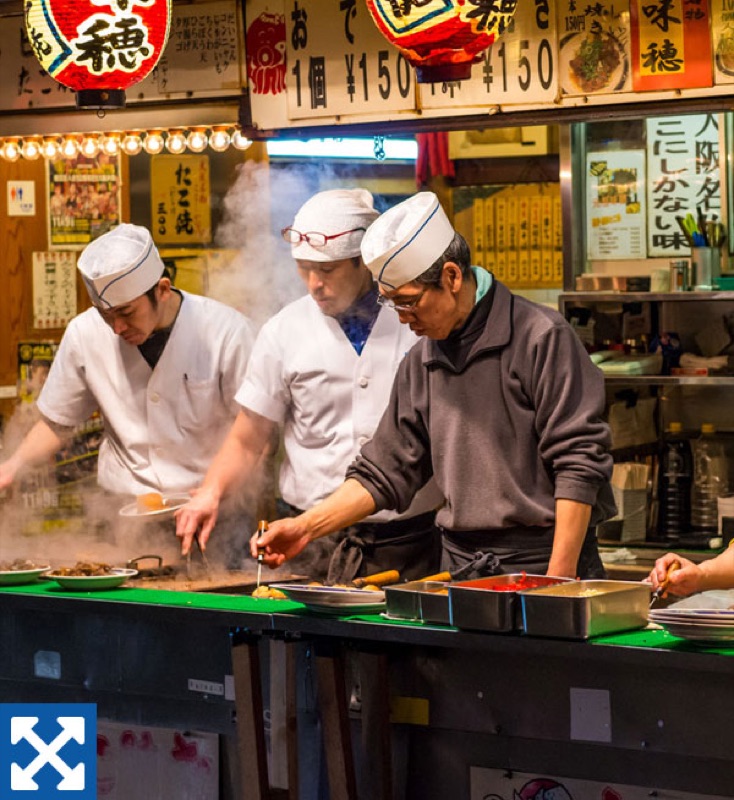
Osaka doesn't do subtlety. Today is a full immersion in Japan's street food capital: Dotonbori's takoyaki wars, Shinsekai's retro neon kushikatsu joints, and the massive Osaka Aquarium Kaiyukan where whale sharks cruise past your face. Tonight, Osaka's nightlife proves it's Japan's most fun city.
Morning
Osaka Aquarium Kaiyukan
One of the world's largest aquariums, centered around a massive 9-meter-deep central tank housing whale sharks, manta rays, and thousands of fish. You spiral down 8 floors around this central tank, viewing it from every level. The otter and penguin exhibits are irresistibly cute.
🦈 Whale sharks — the main tank holds 5,400 cubic meters of water
🦦 Sea otter feeding time — check schedule at entrance
🐧 Penguin parade (seasonal, check availability)
🎫 ¥2,700/adult, ¥1,400/child (7-15)
⏰ Opens 10:00am, allow 2-3 hours
📍 Osaka Bay area, Osakako Station (Chuo Line)
Tempozan Giant Ferris Wheel
Right next to Kaiyukan, this 112.5m Ferris wheel offers sweeping views of Osaka Bay, the city skyline, and on clear days, the Akashi Kaikyō Bridge. Transparent gondolas available for the brave.
🎡 Transparent floor gondola: same price, way more terrifying
🎫 ¥800/person, 15-min ride
📸 Great views of Osaka port and the city skyline
📍 Next to Kaiyukan, Tempozan Harbor Village
🍜 Breakfast
Konamon Museum (Dotonbori)
A takoyaki museum/restaurant where you can make your own takoyaki on tabletop grills. Learn the wrist flick, fill the molds, and eat your wobbly creations. Fun for groups.
💰 ¥900–1,300 · 📍 Dotonbori, above Kukuru
Afternoon
Shinsekai & Tsutenkaku Tower
Osaka's most retro neighborhood. Tsutenkaku Tower rises above a grid of narrow streets packed with kushikatsu (deep-fried skewer) restaurants, old-school game parlors, and neon signs straight from the 1950s. This is working-class Osaka at its most authentic — loud, colorful, and delicious.
🗼 Tsutenkaku Tower: ¥900 for the observation deck — views + Billiken statue
🍢 Kushikatsu rule: NEVER double-dip in the communal sauce
🎮 Retro game arcades with ¥100 crane games and vintage cabinets
📍 Shin-Imamiya or Dobutsuen-mae Station
Tennoji & Abeno Harukas
Walk south to Japan's tallest building — Abeno Harukas (300m). The observation deck (Harukas 300) offers 360° views of Osaka stretching to the mountains. Below it, Tennoji Park and Keitakuen Garden provide a green respite.
🏗️ Harukas 300 observation deck: ¥1,500/adult
🌿 Tennoji Park: free gardens, a small zoo
🛍️ Abeno Harukas has a massive depachika (basement food hall)
📍 Tennoji Station, Abeno-Harukas building
🍢 Lunch
Daruma Kushikatsu (Shinsekai)
The original kushikatsu restaurant in Shinsekai since 1929. The battered, deep-fried skewers — pork, shrimp, lotus root, cheese, asparagus — are dipped once in the communal sauce and devoured. Beer is mandatory.
💰 ¥1,500–2,500/person · 📍 Shinsekai, near Tsutenkaku Tower
Evening
Amerika-mura & Shinsaibashi Night
Osaka's answer to Harajuku — American Village (Amemura) is a triangle of streets filled with vintage shops, sneaker stores, street art, and late-night bars. The nearby Shinsaibashi-suji covered arcade runs for 600 meters of shopping and eating.
👟 Sneaker shops, vintage denim, and streetwear — Osaka's fashion hub
🎨 Triangle Park — street performers and people-watching hub
🛍️ Shinsaibashi-suji: 600m covered arcade, open until 9pm (bars later)
📍 Shinsaibashi Station (Midosuji Line)
Namba Late-Night Food & Bars
Osaka's nightlife peaks late. Hit the izakayas around Hozenji Yokocho, the standing bars (tachinomi) of Ura-Namba, or go full karaoke marathon. For clubs, Osaka's scene centers on Shinsaibashi and Amemura.
🍶 Ura-Namba (behind Namba): hidden izakayas and standing bars
🎤 Round 1 — bowling, karaoke, arcade games until 5am
🍺 Craft Beer Base — excellent local brewery tap list
⏰ Many Osaka bars are open until 3-5am
🍺 Dinner
Ura-Namba Izakayas
The backstreets behind Namba Parks hide some of Osaka's best tiny izakayas. Counter seating, handwritten menus, grilled pork belly, and shochu sours. Ask locals for their favorite — they love sharing.
💰 ¥2,500–4,000/person · 📍 Ura-Namba, behind Namba Station
Kaiyukan is less crowded on weekday mornings. Book tickets online in advance to skip the line. The whale shark tank alone is worth the admission — watch from the bottom level for the most dramatic view.
Osaka Castle, Okonomiyaki Wars & Tenjinbashi Marathon
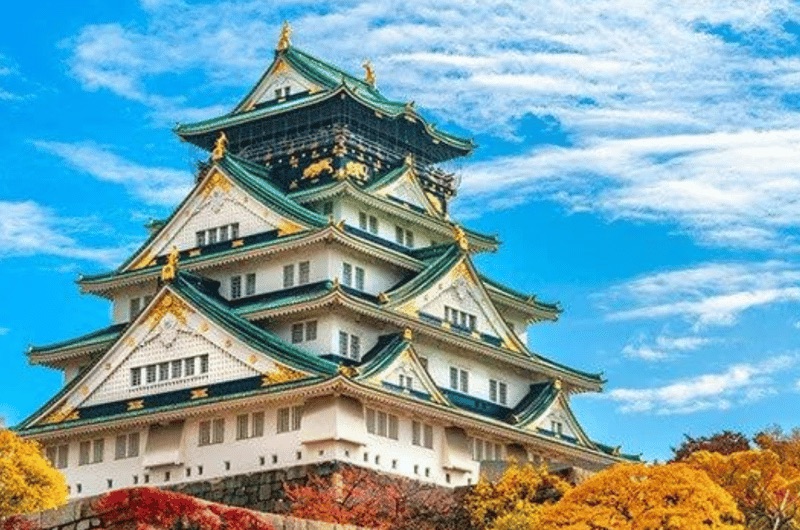
Your second Osaka day goes deeper. Morning at the imposing Osaka Castle surrounded by its moat and park, then the longest shopping street in Japan (Tenjinbashisuji, 2.6km), and a proper okonomiyaki showdown at one of Osaka's legendary griddle restaurants. Evening is free for whatever calls — onsen, more food, or Osaka's famously rowdy bar scene.
Morning
Osaka Castle
Toyotomi Hideyoshi's great castle, rebuilt and standing proud above a wide moat and sprawling park. The museum inside traces Osaka's history through 8 floors, but the real magic is outside — the stone walls, the moat, and the sweeping views from the top floor observation deck.
🏯 Castle museum: ¥600/adult, 8 floors of Osaka history
🌳 Nishinomaru Garden: ¥200, beautiful for a quiet walk
🚣 Castle moat boat ride: ¥1,500, 20 min — see the walls from water level
📍 Osakajokoen Station (JR Loop Line) or Tanimachi Yonchome (Metro)
Tenjinbashisuji Shopping Street
At 2.6 kilometers, this is Japan's longest covered shopping arcade. From Tenjinbashi 1-chome to 6-chome, the street offers everything: ¥100 shops, vintage kimono dealers, local sweets, takoyaki counters, and old-fashioned toy stores. It's the antithesis of Ginza — real, local, and affordable.
🛍️ 2.6km of covered shopping — bring comfortable shoes
🍡 Nakamura-ya: famous for cheap, fresh dango (rice dumplings)
👘 Vintage kimono shops — beautiful patterns from ¥2,000
📍 Starts at Tenjinbashisuji Rokuchome Station (Sakaisuji/Tanimachi Lines)
🍜 Breakfast
Kinryu Ramen (Dotonbori)
24-hour ramen joint with the golden dragon statues out front. The tonkotsu is simple, hot, and exactly what you need before a long walking day. Gyoza on the side is a must.
💰 ¥700–900 · 📍 Dotonbori, Namba
Afternoon
Okonomiyaki Cooking Challenge
Osaka-style okonomiyaki (savory pancake) is different from Hiroshima-style — here, everything is mixed together before grilling. Head to a teppan (griddle) restaurant where you cook your own at the table. The group dynamic of everyone flipping their own pancakes is hilarious.
🥞 Osaka-style: batter, cabbage, pork/seafood all mixed together before grilling
🥢 Mizuno: legendary since 1945 — they do the cooking for you (no wait weekday lunches)
🍳 Chibo: cook-your-own option with teppan tables for groups
📍 Most famous spots along Dotonbori
Spa World (Optional)
If the group needs relaxation, Spa World is Osaka's legendary mega-onsen complex. Two themed floors — Asian Baths and European Baths — swap monthly between men and women. Hot tubs, saunas, cold plunges, rooftop pool, and rest areas. Spend 2-4 hours unwinding.
♨️ ¥1,500/adult for 3 hours (¥2,400 weekends), ¥800 extra for rooftop pool
🏊 Rooftop heated pool with Tsutenkaku Tower view
📍 Shinsekai, near Shin-Imamiya Station — same area as Tsutenkaku
⚠️ Traditional onsen rules: no swimsuits inside (rooftop pool is fine), tattoos may be restricted
🥞 Lunch
Mizuno Okonomiyaki (Dotonbori)
Since 1945, Mizuno has been Osaka's okonomiyaki institution. The 'yamaimoyaki' (mountain yam base) is lighter and fluffier than standard. The chefs cook in front of you with theatrical precision.
💰 ¥1,200–2,000/person · 📍 Dotonbori, Namba
Evening
Namba Parks & Dotonbori River Cruise
Catch the 20-minute Tombori River Cruise along the Dotonbori canal — see the neon signs from water level. Then wander through Namba Parks, a shopping mall with a stunning rooftop garden that cascades down 8 floors like a terraced canyon.
🚤 Tombori River Cruise: ¥1,200, 20 min, departs from Tazaemon Bridge
🌿 Namba Parks rooftop garden: free, 8-story cascading green space
📍 Namba Station area — everything is within walking distance
⏰ Cruises run until 9pm, garden open until 11pm
Bar Hopping in Misono Building
For a truly unique Osaka nightlife experience, head to the Misono Building — a crumbling, graffiti-covered building in Umeda that's been taken over by tiny, alternative bars. Each floor has 5-10 micro-bars with different themes: reggae, punk, jazz, vinyl. It's chaotic, dingy, and absolutely magnetic.
🎵 Each bar fits 5-10 people — perfect for your group size
🍸 Drinks ¥500-800, sometimes with a ¥300-500 table charge
📍 Misono Building 2, near Umeda Station (Osaka/Umeda area)
⚠️ The building looks abandoned from outside — that's part of the charm
🍺 Dinner
Dotonbori Street Food Round 2
Second night in Osaka means going deeper: try gyoza from Chao Chao, ikayaki (grilled squid) from the canal-side stalls, and end with a late-night bowl of Ichiran ramen in the basement counter seats.
💰 ¥2,000–3,500/person · 📍 Dotonbori/Namba
Osaka locals have a saying: 'kuidaore' (eat yourself into bankruptcy). They mean it. Pace yourself over two days — there's no way to eat everything in one night.
Kyoto Day One — Bamboo, Torii Gates & Geisha District
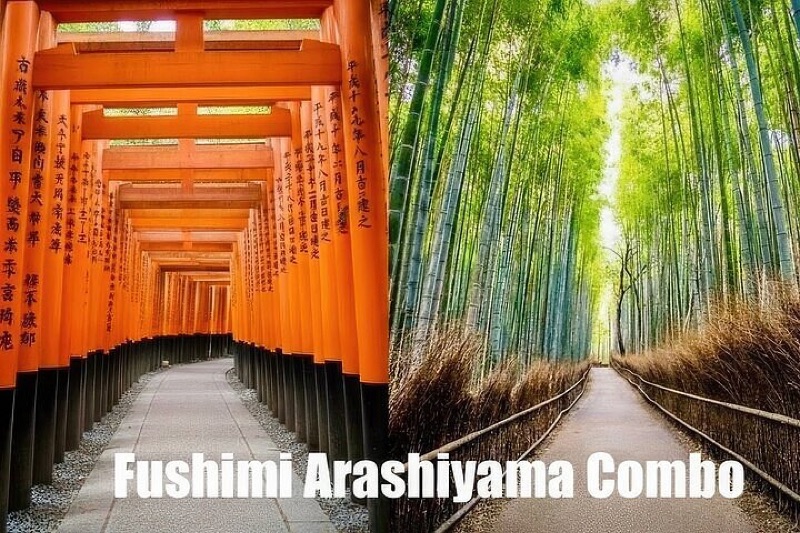
Kyoto is everything Osaka isn't — refined, quiet, and draped in tradition. Today's route takes you through the ethereal Arashiyama Bamboo Grove, up the thousand vermillion gates of Fushimi Inari, and into the lantern-lit streets of Gion where geiko (Kyoto geisha) glide between tea houses at dusk.
Morning
Train to Kyoto & Arashiyama Bamboo Grove
Take the Shinkansen from Shin-Osaka to Kyoto (15 min), then JR to Saga-Arashiyama Station. The bamboo grove is otherworldly — towering stalks of bamboo arch overhead, filtering sunlight into a green cathedral. Come before 8am to have the path nearly to yourself.
🎋 ARRIVE BEFORE 8AM — the grove gets impossibly crowded by 10am
📸 The main path is about 500m — walk slowly, look up
🐒 Iwatayama Monkey Park: 120 wild macaques on the hillside (¥550)
📍 Saga-Arashiyama Station (JR) or Arashiyama Station (Hankyu)
Tenryū-ji Temple & Togetsukyo Bridge
Adjacent to the bamboo grove, Tenryū-ji is a UNESCO World Heritage Zen temple with one of Kyoto's finest gardens — a pond reflecting the Arashiyama mountains. Walk through to the bamboo grove entrance. Then cross the iconic Togetsukyo Bridge over the Katsura River.
🏛️ Tenryū-ji garden: ¥500, one of the top 5 gardens in Kyoto
🌉 Togetsukyo Bridge: 'Moon Crossing Bridge' — 155m, wooden, beautiful
🍦 Arashiyama has matcha soft serve shops everywhere — try one
📍 All within walking distance of Saga-Arashiyama Station
🍵 Breakfast
% Arabica Arashiyama
Stunning specialty coffee shop right on the Katsura River with mountain views. The flat white is excellent. Grab a coffee and walk to the bamboo grove — civilized morning fuel.
💰 ¥450–600 · 📍 Arashiyama, riverside
Afternoon
Fushimi Inari Taisha
Ten thousand vermillion torii gates snake up Mt. Inari in a tunnel of orange that seems to go on forever. The full hike to the summit takes 2-3 hours, but even the first 20 minutes (to the Yotsutsuji intersection viewpoint) is spectacular. Dedicated to Inari, the god of rice and business.
⛩️ 10,000+ torii gates — each donated by a Japanese business
🥾 Full summit hike: 2-3 hours round trip, 233m elevation
📸 Best photos: go past the first 10 minutes where crowds thin out
📍 Fushimi-Inari Station (JR Nara Line from Kyoto Station, 5 min)
⏰ Open 24 hours — sunrise or sunset hikes are magical
Nishiki Market
Kyoto's 400-year-old covered food market — 'Kyoto's Kitchen.' Five blocks of 130+ stalls selling pickles, tofu, yuba (tofu skin), matcha everything, grilled mochi, and fresh seafood. This is where you taste Kyoto's refined food culture.
🍡 Must-try: tsukemono (Kyoto pickles), yuba (tofu skin), matcha warabi mochi
🐙 Aritsugu knives — 450-year-old knife shop, incredible souvenirs
📍 Nishiki-dōri, between Teramachi and Takakura — Kawaramachi area
⏰ Most stalls open 9am-6pm, closed Wednesdays
🍱 Lunch
Nishiki Market Stalls
Graze the market: grilled unagi (eel) skewers, fresh yuba with soy sauce, tamagoyaki on a stick, and end with matcha dango from one of the sweets shops.
💰 ¥500-800/item · 📍 Nishiki Market, Kawaramachi
Evening
Gion Geisha District at Dusk
As the lanterns light up along Hanamikoji-dōri, Gion transforms into old Kyoto. This is the most famous geiko (geisha) district — wooden machiya townhouses, tea houses with bamboo screens, and if you're lucky, the glimpse of a geiko in full regalia hurrying between appointments.
🎎 Best geiko spotting: Hanamikoji-dōri at dusk (5-7pm)
🏮 Yasaka Shrine: free, beautiful lit-up shrine at the end of Shijō-dōri
📍 Gion-Shijō Station (Keihan Line) — heart of the district
📸 Be respectful: don't chase or block geiko for photos
Pontocho Alley Dinner
One of Kyoto's most atmospheric streets — a narrow alley running parallel to the Kamogawa River, lined with restaurants, bars, and tea houses. Many have riverside terraces (kawadoko) that extend over the water in summer. Choose any restaurant with a river terrace for an unforgettable meal.
🏮 Pontocho: barely one person wide, 500m of restaurants and bars
🌊 Kawadoko (river terrace dining): elevated platforms over the Kamogawa
🍶 Sake bars tucked into machiya houses — try Kyoto craft sake
📍 Between Shijō-dōri and Sanjō-dōri, parallel to Kamo River
🍶 Dinner
Pontocho Riverside Restaurant
Grab a kawadoko (river terrace) table at any Pontocho restaurant. The food varies — kaiseki, izakaya, yakitori — but the setting is universally magical: cool river breeze, lanterns, and the sound of water below.
💰 ¥3,000–6,000/person · 📍 Pontocho, Gion area
Fushimi Inari is open 24 hours. A sunset or nighttime hike through the lit torii gates is an entirely different (and far less crowded) experience than daytime. Bring a phone flashlight for the upper sections.
Kyoto Day Two — Golden Temples & Zen Gardens
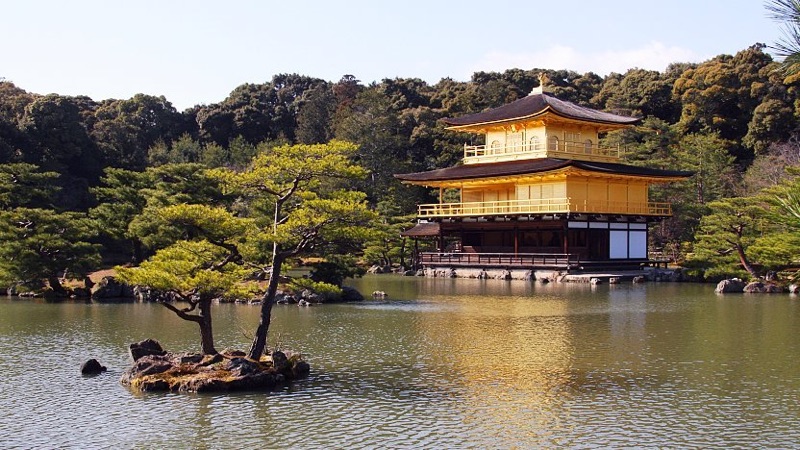
Day two goes deeper into Kyoto's spiritual side. Start at the dazzling Kinkaku-ji (Golden Pavilion), walk the meditative Philosopher's Path, and end at Kiyomizu-dera — the wooden stage temple with panoramic views of Kyoto. Dinner is Kyoto kaiseki — the pinnacle of Japanese haute cuisine adapted for casual dining.
Morning
Kinkaku-ji (Golden Pavilion)
A Zen temple covered entirely in gold leaf, reflecting perfectly in the surrounding pond. Kinkaku-ji is Kyoto's most visited site for good reason — the combination of gold, water, and meticulously pruned gardens is breathtaking. Arrive at 9am opening for the best light and fewest crowds.
🏛️ Admission: ¥500 — you receive a calligraphic blessing as your ticket
📸 Best photo: from the designated viewpoint across the pond
🍵 Matcha and sweets available at the garden tea house
📍 Bus 205 from Kyoto Station, or taxi (~¥2,000)
Ryōan-ji Temple (Rock Garden)
A short walk from Kinkaku-ji, Ryōan-ji houses Japan's most famous Zen rock garden — 15 stones on raked white gravel. No matter where you sit, you can only see 14 at once. The mystery is intentional. Sit on the wooden veranda and contemplate.
🪨 15 rocks, white gravel — one of the world's most famous gardens
🏛️ Admission: ¥500
🍃 The surrounding moss garden and pond are equally beautiful
📍 10-min walk from Kinkaku-ji, or bus 59
🍵 Breakfast
Traditional Kyoto Morning
Start with a proper Kyoto breakfast: matcha and wagashi (traditional sweets) at a quiet tea house near Kinkaku-ji. The ritualized serving of tea is a meditative way to begin a temple day.
💰 ¥800–1,200 · 📍 Tea house near Kinkaku-ji gardens
Afternoon
Philosopher's Path
A 2km stone path along a cherry-tree-lined canal connecting Ginkaku-ji (Silver Pavilion) to Nanzen-ji Temple. In May, the path is lush green with hydrangeas beginning to bloom. Small cafes, artisan shops, and temples line the walk.
🚶 2km walk, about 30-45 minutes at a stroll
🌿 May = lush green tunnel, early hydrangeas
☕ Tiny cafes along the canal for matcha or coffee breaks
📍 Start at Ginkaku-ji (Silver Pavilion) and walk south
Kiyomizu-dera Temple
One of Kyoto's most spectacular temples, perched on a hillside with a massive wooden stage jutting out over the valley below. The views of Kyoto from the stage are panoramic. The approach through Ninenzaka and Sannenzaka — steep cobblestone lanes lined with traditional shops — is equally photogenic.
🏛️ Admission: ¥400, open 6am–6pm (extended hours for illumination events)
🍃 The stage is supported by 139 pillars — no nails used
🏮 Ninenzaka & Sannenzaka: cobblestone lanes with traditional shops and tea houses
📍 Bus 206/100 from Kyoto Station, or 20-min walk from Gion
🍱 Lunch
Omen Udon (near Ginkaku-ji)
Kyoto's best udon — thick, chewy noodles with a delicate dipping sauce and seasonal vegetables. The bamboo basket presentation is beautiful. A Kyoto institution near the Philosopher's Path.
💰 ¥1,100–1,500 · 📍 Near Ginkaku-ji, Philosopher's Path
Evening
Higashiyama at Night
The Higashiyama district glows at night — stone lanterns light the narrow lanes, and the few remaining visitors create an intimate atmosphere. Walk through Ninenzaka and Sannenzaka without the daytime crowds, then head to Yasaka Shrine's illuminated grounds.
🏮 Stone-paved lanes lit by traditional lanterns
⛩️ Yasaka Shrine: beautiful at night, free entry
📍 Higashiyama ward, walking distance from Kiyomizu-dera
🌙 Quiet after 7pm — a different Kyoto than daytime
🍶 Dinner
Kyoto Casual Kaiseki
Experience a simplified kaiseki (multi-course) dinner at a casual price point. Restaurants in Gion and Kawaramachi offer 'mini-kaiseki' sets: 6-8 small seasonal courses with local tofu, Kyoto vegetables, and delicate fish.
💰 ¥3,500–6,000/person · 📍 Gion / Kawaramachi area
Kyoto temples generally open at 8-9am and close at 5-6pm. Plan your route geographically: north (Kinkaku-ji → Ryōan-ji) in the morning, east (Philosopher's Path → Kiyomizu) in the afternoon. Use buses or taxis between clusters — walking between them all is too far.
Nara Deer Park & the Great Buddha
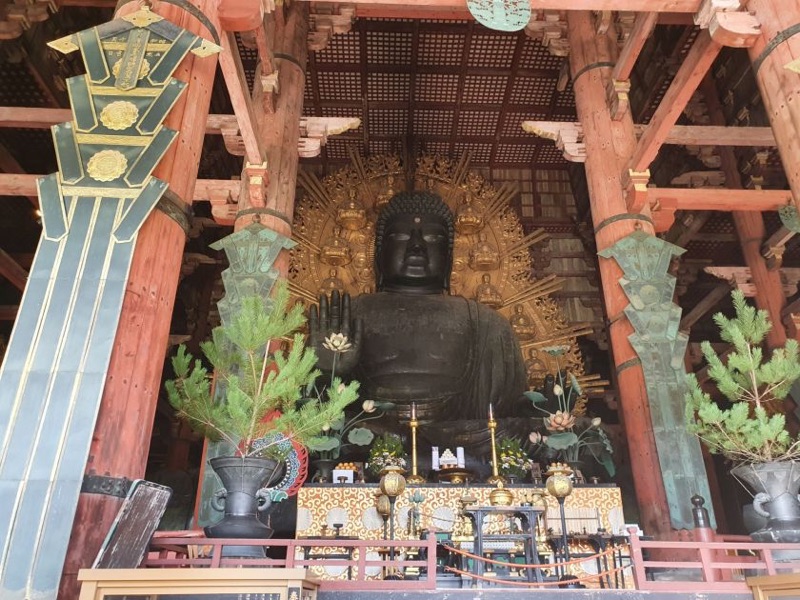
A magical day trip from Kyoto to Nara — Japan's first permanent capital. Over 1,000 wild deer roam freely through the city, bowing to you for senbei crackers. Visit the colossal Great Buddha at Tōdai-ji temple (the world's largest bronze Buddha inside the world's largest wooden building), then return to Kyoto before heading west to Hiroshima.
Morning
Train to Nara & Nara Park
Take the Kintetsu Express from Kyoto to Nara (35 min). Walk from the station into Nara Park, where 1,000+ wild sika deer roam freely. They're sacred — considered divine messengers of the Kasuga Shrine. Buy senbei (deer crackers, ¥200) and watch them bow to you before eating from your hand. Some will bow repeatedly. Others will eat your map.
🦌 Over 1,000 wild deer — they BOW for crackers (seriously)
🍘 Deer senbei: ¥200/stack — sold by vendors throughout the park
⚠️ Watch your bags and maps — deer will eat paper and plastic
📍 Kintetsu Nara Station → park is 5 min walk east
Tōdai-ji Temple & Great Buddha
Inside the world's largest wooden building sits the Great Buddha (Daibutsu) — a 15-meter, 500-ton bronze statue that has guarded Nara since 752 AD. The scale is staggering. Behind the statue, try to squeeze through the 'Buddha's Nostril' pillar hole — legend says it guarantees enlightenment.
🏛️ Daibutsuden (Great Buddha Hall): largest wooden building on Earth
🗿 Great Buddha: 15m tall, 500 tons — cast in 752 AD
🕳️ Buddha's Nostril pillar: squeeze through for enlightenment (really)
🎫 Admission: ¥600/adult
📍 Inside Nara Park, 20 min walk from Kintetsu Nara Station
🍵 Breakfast
Kyoto Station Bento
Grab a Kyoto-style bento from the Isetan department store basement in Kyoto Station. The obanzai (Kyoto home cooking) bentos are gorgeous — tofu, pickled vegetables, seasoned rice, and grilled fish.
💰 ¥1,000–1,800 · 📍 JR Kyoto Station, Isetan B2F
Afternoon
Kasuga Taisha Shrine
A Shinto shrine famous for its 3,000 stone and bronze lanterns, donated by worshippers over centuries. The approach through the deer-filled forest, past hundreds of moss-covered stone lanterns, is one of Japan's most atmospheric walks. During lantern festivals, all 3,000 are lit simultaneously.
🏮 3,000 lanterns — stone ones line the path, bronze ones hang inside
⛩️ Vermillion shrine buildings contrast beautifully with the green forest
🎫 Shrine free, inner sanctum ¥500
📍 East side of Nara Park, 20 min walk from Tōdai-ji
Naramachi (Old Town) Walk
South of the park, Naramachi is Nara's former merchant quarter. Narrow streets of preserved machiya (wooden townhouses) now house cafes, craft shops, and small museums. Much quieter and more local than the park area.
🏘️ Preserved Edo-period machiya townhouses
🍵 Specialty matcha cafes and handmade ceramics shops
📍 South of Sarusawa Pond, 10 min walk from Kintetsu Nara Station
🎭 Naramachi Kōshi-no-Ie: free historic house museum
🍱 Lunch
Kakinoha Sushi (Naramachi)
Nara's traditional pressed sushi wrapped in persimmon leaves (kakinoha-zushi). The leaf imparts a subtle fragrance to the vinegared rice and cured fish. A 1,000-year-old local specialty you can't get anywhere else.
💰 ¥900–1,500 · 📍 Naramachi area, multiple shops
Evening
Shinkansen to Hiroshima
Return to Kyoto Station and board the Shinkansen to Hiroshima. The bullet train covers the 342km in about 1 hour 40 minutes. Arrive in Hiroshima by evening, check into your hotel near Peace Memorial Park, and take a quiet evening walk along the river.
🚅 Kyoto → Hiroshima: Nozomi Shinkansen, ~1h 40min, ¥10,580
🏨 Stay near Peace Memorial Park for easy access to everything
📍 Hiroshima Station, 15 min tram to Peace Memorial Park
🌃 Evening walk along the Motoyasu River is peaceful and reflective
Hiroshima Okonomiyaki Dinner
Hiroshima-style okonomiyaki is completely different from Osaka-style. Here, the ingredients are LAYERED — crepe, cabbage, bean sprouts, pork, noodles, egg — creating a tall stack on the griddle. Okonomi-mura is a multi-floor building with 24 okonomiyaki shops to choose from.
🥞 Hiroshima-style: layered (not mixed) with yakisoba noodles inside
🏢 Okonomi-mura: building with 24 competing shops — pick the busiest one
💰 ¥800-1,200 per okonomiyaki — incredibly filling
📍 Okonomi-mura, Shintenchi area, 10 min walk from Peace Park
🍺 Dinner
Okonomi-mura (Hiroshima)
Choose from 24 okonomiyaki shops in this multi-floor food building. Watch the chef layer your okonomiyaki on the massive teppan griddle. Pair with a cold draft beer and a side of grilled oysters from Miyajima.
💰 ¥1,000–1,800/person · 📍 Okonomi-mura, Shintenchi, Hiroshima
In Nara Park, the deer are wild animals — they can nip if you tease them with crackers. Hold the senbei up high and they'll bow. Break them into small pieces to make the experience last longer. Keep bags zipped — they WILL investigate.
Hiroshima — Peace, Memory & Miyajima's Floating Shrine
Your final day is the most profound. Morning at the Hiroshima Peace Memorial — the skeletal dome, the museum, the Children's Peace Monument. Then ferry to Miyajima Island to see the floating torii gate of Itsukushima Shrine, one of Japan's most iconic images. Close the trip with oysters, momiji manju, and sunset over the Seto Inland Sea.
Morning
Hiroshima Peace Memorial Park
The epicenter of the August 6, 1945 atomic bombing. The Atomic Bomb Dome — the skeletal remains of the only structure left standing near ground zero — is a UNESCO World Heritage Site. The park is a place of remembrance: the cenotaph, the eternal flame, the Peace Bell, and the Children's Peace Monument with its thousands of paper cranes.
🕊️ Atomic Bomb Dome: UNESCO site, hauntingly preserved since 1945
🔥 Cenotaph & Eternal Flame: flame burns until all nuclear weapons are abolished
🦢 Paper cranes at Children's Peace Monument — bring or fold your own
📍 Peace Memorial Park, Naka-ku — tram stop: Genbaku Dome-mae
Hiroshima Peace Memorial Museum
The museum tells the story of August 6 through artifacts, survivor testimonies, and interactive exhibits. It's emotionally overwhelming but essential. Recently renovated to focus on personal stories of hibakusha (atomic bomb survivors). Allow 1-2 hours and bring tissues.
🏛️ Admission: ¥200/adult — intentionally kept affordable for all
📖 Focus on personal stories — school uniforms, lunch boxes, watches stopped at 8:15am
⏰ Opens 8:30am, closes 6pm (5pm Dec-Feb)
📍 Inside Peace Memorial Park, main building
💡 The audio guide (¥400) adds powerful context
🍜 Breakfast
Hiroshima Station Morning Ramen
Hiroshima's lesser-known specialty: soy sauce-based ramen with a clear broth, thin noodles, and char siu pork. Lighter than tonkotsu, perfect for a morning bowl before the emotional weight of the Peace Park visit.
💰 ¥700–1,000 · 📍 Hiroshima Station Assen ramen street
Afternoon
Ferry to Miyajima Island
Take the tram from Hiroshima to Miyajima-guchi port (45 min), then a short ferry (10 min) to Miyajima Island. As you approach, the iconic vermillion torii gate of Itsukushima Shrine appears to float on the water at high tide. At low tide, you can walk right up to its base.
⛴️ JR Ferry: ¥180 each way (free with JR Pass), runs every 15 min
🚃 Hiroshima → Miyajima-guchi: tram #2, ~45 min
🌊 Check tide times: high tide = floating gate, low tide = walk to the gate
📍 Miyajima-guchi Port → Miyajima Island: 10 min ferry
Itsukushima Shrine & Floating Torii
The iconic vermillion shrine built over the water, with its famous floating torii gate — one of Japan's Three Scenic Views. The shrine complex is a UNESCO World Heritage Site. At high tide, the buildings appear to float. Wild deer wander the island freely, just like Nara.
⛩️ Floating Torii Gate: 16.6m tall, vermillion, rebuilt in 2022
🏛️ Shrine admission: ¥300, includes the pier walkways
🦌 Wild deer roam the island — friendly but less aggressive than Nara
📸 Best torii photo: from the beach to the right of the shrine entrance
Miyajima Island Exploration
Beyond the shrine, Miyajima offers hiking (Mt. Misen ropeway for panoramic views), a charming Omotesandō shopping street with maple-leaf shaped momiji manju cakes, and some of Japan's best oysters — grilled fresh at waterfront stalls.
🚡 Mt. Misen Ropeway: ¥1,100 one-way, ¥2,000 round-trip — stunning views
🍁 Momiji manju: maple-leaf shaped cakes, Miyajima's #1 souvenir
🦪 Grilled oysters (kaki): Miyajima is famous for them — ¥500-800/plate
📍 Omotesandō shopping street runs from ferry terminal to the shrine
🦪 Lunch
Miyajima Grilled Oysters
Miyajima's waters produce some of Japan's finest oysters. Eat them grilled, fried, or raw at the waterfront stalls. Pair with a cold beer and momiji manju for dessert. The perfect island lunch.
💰 ¥1,000–2,000 · 📍 Miyajima Omotesandō street stalls
Evening
Miyajima Sunset & Return
If timing allows, stay on Miyajima for sunset behind the floating torii gate. The golden light hitting the vermillion wood while the water reflects the sky is one of Japan's most beautiful moments. Take the last ferry back to the mainland and return to Hiroshima for your final night.
🌅 Sunset: ~6:45pm in late May — position yourself on the beach by 6:15pm
⛴️ Last ferries run until ~10pm — no rush
📸 Sunset behind the torii gate is bucket-list material
📍 Beach area near Itsukushima Shrine
Final Night Celebration
Back in Hiroshima, celebrate 17 incredible days across Japan. Head to Nagarekawa — Hiroshima's entertainment district — for a final round of izakaya hopping, karaoke, and one last kanpai (cheers) together.
🍺 Nagarekawa: Hiroshima's main nightlife strip — izakayas, bars, clubs
🎤 Karaoke: end the trip the way Japan intended — singing your hearts out
🥂 Kanpai = cheers. One final toast to 17 days of adventure
📍 Nagarekawa, 10 min walk from Peace Park
🍺 Dinner
Nagarekawa Izakaya Celebration
Final dinner in Japan. Choose a lively izakaya in Nagarekawa, order everything: sashimi, yakitori, karaage, gyoza, and beer towers. Reminisce on 17 days of the trip of a lifetime. Kanpai! 🥂
💰 ¥3,000–5,000/person · 📍 Nagarekawa, Hiroshima
The Peace Memorial Museum is emotionally intense. Take breaks in the park between exhibits if needed. The park itself is beautiful and peaceful — a deliberate contrast to the museum's contents. Hiroshima has rebuilt into one of Japan's most vibrant, hopeful cities.