⚡ Before You Go — Essentials
🚅 Getting Around
Get a Suica or Pasmo IC card at any station (or add one to Apple Wallet). It works on all trains, subways, and buses. For day trips, look into the Tokyo Wide Pass (3 days, ¥10,180) covering Hakone, Nikko, and Kawaguchiko. For your group, consider a 7-day or 14-day JR Pass if you plan long-distance travel beyond these trips. Uber/taxis available but expensive — trains are faster anyway.
💵 Money
Japanese Yen (JPY). Japan is increasingly card-friendly, but cash is still king at small restaurants, temples, and markets. Carry ¥10,000-20,000. 7-Eleven ATMs (Seven Bank) accept foreign cards and are everywhere. Budget roughly ¥8,000-15,000/day per person for food and activities.
🗣️ Language
Japanese. English signage is excellent in Tokyo stations and tourist areas. Google Translate with camera mode is your best friend. Learn: Sumimasen (excuse me), Arigatou (thanks), Eigo o hanasemasu ka? (do you speak English?). Most restaurant ordering is via vending machine or picture menus.
🌦️ Weather in November
Prime time. Highs around 17°C (63°F), lows around 7°C (45°F). Crisp, mostly sunny, occasional rain. Pack layers: light jacket, sweater, comfortable walking shoes, and a compact umbrella. Sunset is around 4:30 PM — plan outdoor sightseeing for mornings and afternoons.
🍱 Food Tips
Tokyo has more Michelin stars than any other city, but the best meals are often at tiny counter seats for ¥1,000-2,000. Look for lines of locals — that's the mark of quality. Convenience stores (7-Eleven, Lawson, FamilyMart) have surprisingly excellent food. Department store basements (depachika) are food lover's paradise. Reservations essential for high-end sushi and wagyu.
👫 Group Travel Tips
For 5+ people, book restaurants in advance — many Tokyo spots seat 6-8 max. Consider renting a large apartment or two adjacent hotel rooms. Split up occasionally — smaller groups navigate Tokyo's tiny restaurants and crowded trains more easily. Use WhatsApp or LINE to coordinate.
🔒 Safety
Tokyo is one of the safest major cities on Earth. Violent crime is nearly nonexistent. Lost items are usually turned in. Standard awareness applies in crowded areas and nightlife districts. Emergency: 110 (police), 119 (ambulance/fire).
📱 Connectivity
Get a pocket Wi-Fi rental at the airport (best for groups) or eSIM (Ubigi, Airalo). Free Wi-Fi in most convenience stores, cafes, and stations, but unreliable for navigation. A connected group is a happy group.
Touchdown in Tokyo: Shinjuku Night Energy

Arrive, check in, and immediately throw yourself into the electric chaos of Shinjuku — the world's busiest train station, neon-lit alleys, and your first bowl of authentic ramen.
Afternoon / Evening
Arrive & Settle In
From Narita: take the Narita Express to Shinjuku (85 min, ¥3,250). From Haneda: Keikyu Line to Shinagawa, then Yamanote Line to Shinjuku (40 min, ¥600). Pick up Suica cards at the station. Your base for the trip is Shinjuku — the transport hub that connects to everything.
📍 Shinjuku Station area
💡 Load ¥3,000-5,000 on each Suica card to start. You can top up at any station kiosk.
Omoide Yokocho (Memory Lane)
A narrow alley of tiny yakitori stalls wedged between Shinjuku Station tracks. Smoke curls from grills, salarymen squeeze onto tiny stools, and the beer flows. It's gritty, authentic, and the perfect Tokyo welcome. Most stalls seat 6-8 people max — perfect for your group to spread across two adjacent spots.
📍 Nishi-Shinjuku 1 Chome, west side of Shinjuku Station
🕐 Most stalls open 5pm-midnight
💡 Walk the whole alley first, then pick a stall with space. Point and smile — menus are minimal.
Golden Gai
Six narrow alleys packed with over 200 tiny bars, each seating 5-10 people. Some themes are wild: a Star Wars bar, a punk rock bar, a jazz bar, a bar where the owner only speaks French. Many charge a seating charge (¥500-1,000). This is where Tokyo's creative class comes to drink.
📍 Kabukicho 1 Chome
🕐 7pm-late (some open from 5pm)
💡 Look for bars with English menus or welcoming gestures. Some are regulars-only — don't take it personally, just move to the next one.
🍽️ Dinner
Fuunji Tsukemen
Legendary tsukemen (dipping ramen) shop in Shinjuku. Thick, chewy noodles dipped in a rich, concentrated pork and fish broth. The line moves fast — 15-20 min max. One of Tokyo's most famous ramen shops and a perfect first meal.
📍 Shinjuku 2 Chome-14-3 · 💰 ¥1,000-1,300 · 🕐 11am-4:30am daily
💡 Jet lag strategy: stay awake until at least 10pm local time. Walk around, eat, drink. Tomorrow is a big day.
Old Tokyo: Senso-ji, Sumida River & Shitamachi Soul
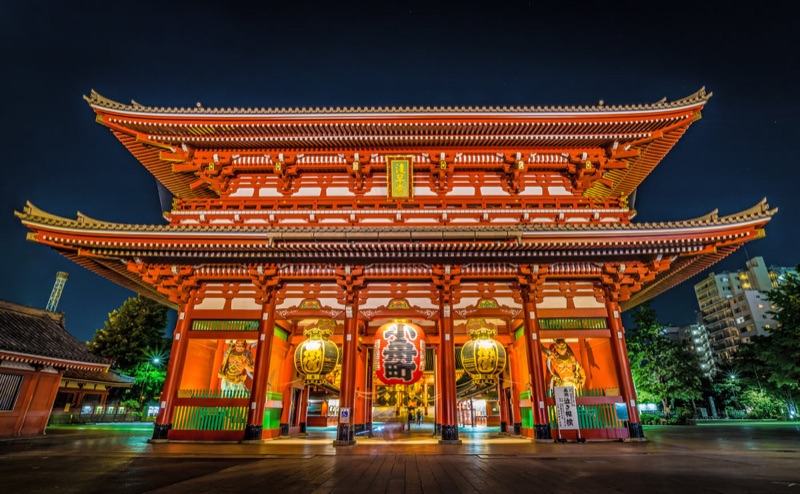
Step back into Edo-period Tokyo at Senso-ji, the city's oldest temple. Explore traditional craft streets, ride the Sumida River, and taste old-school Tokyo comfort food.
Morning
Senso-ji Temple
Tokyo's oldest and most beloved temple, founded in 645 AD. Walk through the iconic Kaminarimon (Thunder Gate), browse the Nakamise-dori market street for traditional snacks and crafts, and reach the stunning main hall. At sunrise (6:30am), you'll share it with just a handful of locals — by 10am it's packed. The five-story pagoda next door glows in morning light.
📍 Asakusa 2 Chome
🕐 Grounds open 24 hours; main hall 6am-5pm · Free admission
💡 Go early. The Nakamise-dori vendors open around 8am — browse on your way out.
Asakusa Traditional Streets
Wander the streets behind Senso-ji — Dempoin-dori for traditional craft shops (fans, combs, incense), and the Hoppy Street izakaya strip for a mid-morning drink with locals. Asakusa retains more old-Tokyo character than anywhere else in the city.
📍 Around Senso-ji, Asakusa
💡 Try melon pan (sweet bread) from a street vendor, and ningyo-yaki (tiny filled cakes).
🍽️ Breakfast
Asakusa Imahan
Sukiyaki institution since 1895. Thin slices of wagyu beef simmered in sweet soy broth with vegetables, dipped in raw egg. A legendary old-Tokyo breakfast experience. The Asakusa main store has been serving this exact dish for over 130 years.
📍 Asakusa 3 Chome-1-12, Taito · 💰 ¥2,500-4,000 · 🕐 Opens 11am (go for early lunch)
💡 Wear comfortable shoes. Asakusa is best explored on foot for hours. The backstreets behind the main tourist strip are quiet and magical.
Afternoon
Sumida River Cruise
Take the Tokyo Cruise Ship (Himiko) from Asakusa pier to Odaiba — a futuristic boat ride past the Sumida River's bridges and skyline. The boat itself is designed by anime creator Leiji Matsumoto — it looks like a spaceship.
📍 Asakusa Pier (Azumabashi Bridge)
🕐 Boats every 30-60 min · ¥1,560 one-way to Odaiba · 50 min
💡 The Odaiba cruise gives you waterfront views of Tokyo Skytree and the city skyline.
Tokyo Skytree
At 634 meters, the world's tallest tower. The observation decks at 350m and 450m offer jaw-dropping panoramic views of the entire Kanto plain — on clear days, you can see Mount Fuji. The base has a massive shopping complex (Tokyo Solamachi).
📍 Sumida 1 Chome, Oshiage
🕐 10am-9pm · ¥2,100-3,100 for decks
💡 Book tickets online to skip the line. Sunset views are spectacular.
🍽️ Lunch
Asakusa Street Food Crawl
Skip the sit-down lunch and graze: freshly fried tempura from Daikokuya, yakitori from street stalls, matcha ice cream, senbei (rice crackers) grilled in front of you, and fresh melon pan. Asakusa's street food scene is one of Tokyo's best.
📍 Nakamise-dori & surrounding streets · 💰 ¥1,000-2,000 per person · 🕐 9am-5pm
Evening
Asakusa Night Walk
After dark, Senso-ji's main hall and pagoda are illuminated — a completely different, magical atmosphere with far fewer crowds. Walk across Sumida Park for views of the illuminated Skytree reflecting in the river.
📍 Senso-ji & Sumida Park
💡 The temple illumination runs until 11pm. The reflection in the Sumida River is photographically perfect.
🍽️ Dinner
Asakusa Unagi Komagata
Specializing in unagi (freshwater eel) for over 200 years. The eel is grilled over charcoal, lacquered with a sweet-savory sauce, and served over rice. The building is a beautiful old wooden townhouse. This is Edo-period cuisine at its finest.
📍 Komagata 1 Chome-7-3, Taito · 💰 ¥2,500-4,000 · 🕐 11am-9pm
💡 Asakusa at night is criminally underrated. The crowds vanish, the temple glows, and the riverside bars come alive.
Harajuku Fashion, Meiji Shrine & Shibuya's Neon Heart
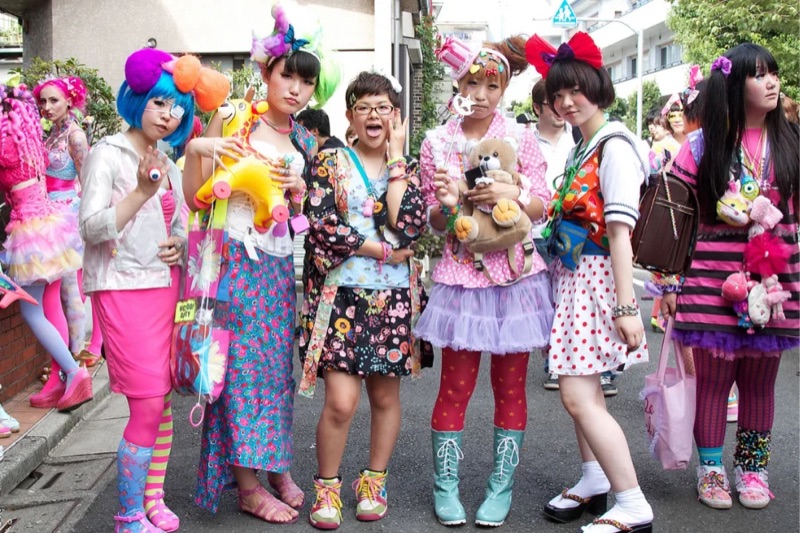
Experience Tokyo's youth culture epicenter, find serenity at Meiji Shrine, plunge into immersive digital art, and cross the world's most famous intersection at sunset.
Morning
Meiji Jingu Shrine
Tokyo's most important Shinto shrine, dedicated to Emperor Meiji and Empress Shoken. Walk through the massive torii gate along a forested path — you'll forget you're in a city of 14 million people. The shrine sits in a 170-acre evergreen forest planted with 100,000 trees donated from across Japan.
📍 Harajuku, Shibuya
🕐 Sunrise to sunset · Free admission
💡 Write a wish on an ema (wooden prayer plaque) and hang it at the shrine. The sake barrel display near the entrance is Instagram gold.
Takeshita Street & Harajuku
The iconic pedestrian street that defines Tokyo youth culture — crepe shops, vintage clothing, kawaii accessories, cotton candy the size of your head, and people-watching that rivals anywhere on Earth. It's loud, crowded, and wonderfully absurd.
📍 Takeshita Street, Harajuku
🕐 10am-8pm (most shops)
💡 Go before noon for thinner crowds. The side streets (Ura-Harajuku) have more interesting boutiques than the main strip.
🍽️ Breakfast
Bills Omotesando
Australian-born café famous for its ricotta pancakes — fluffy, golden, and often called the best pancakes in the world. The Omotesando location has floor-to-ceiling windows overlooking the tree-lined boulevard. A civilized start to a chaotic day.
📍 Omotesando 4 Chome-30-3, Shibuya · 💰 ¥1,500-2,500 · 🕐 Opens 8:30am
💡 Cat Street (parallel to Takeshita) has the actual cool shops — vintage, designer, and independent brands without the tourist crush.
Afternoon
teamLab Planets TOKYO
An immersive digital art museum where you walk barefoot through rooms of flowing water, cascading flowers, and infinite mirrored spaces. You literally wade through knee-deep water in one room and become part of the art. Book well in advance — this sells out constantly. One of the most photographed experiences in the world.
📍 Toyosu 6 Chome, Koto
🕐 9am-10pm · ¥3,800 · Must book online in advance
💡 Wear shorts or pants you can roll up. You'll be barefoot. Go on a weekday afternoon for fewer crowds.
Shibuya Scramble Crossing
The world's busiest pedestrian crossing — up to 3,000 people cross simultaneously from every direction, then the light changes and the intersection empties completely. It's choreographed chaos. Best viewed from the Shibuya Sky observation deck at sunset, or from the Starbucks overlooking the crossing.
📍 Shibuya Station intersection
💡 The crossing is at its most dramatic at 5-6pm on weekdays when commuters flood through.
🍽️ Lunch
Harajuku Omotesando Ramen Row
Several top-tier ramen shops compete within blocks of each other. Try Afuri for yuzu-scented clear broth, or Fuunji for tsukemen. For a group, grab different bowls and share. The competition means every shop here is excellent.
📍 Near Harajuku Station · 💰 ¥900-1,400 · 🕐 Most open 11am-10pm
Evening
Shibuya Sky
The rooftop observation deck at Shibuya Scramble Square (230m high). The open-air roof offers 360° views with no glass barriers — just you and the Tokyo skyline. At sunset, the city turns gold, then neon. One of Tokyo's most breathtaking experiences.
📍 Shibuya Scramble Square, 47F
🕐 10am-10pm · ¥2,000 · Book time slot in advance
💡 Aim for the 4pm slot in November to catch sunset (around 4:30pm).
🍽️ Dinner
Shibuya Yokocho
A collection of regional Japanese restaurants under one roof at Miyashita Park — each representing a different prefecture's cuisine. Your group can order from multiple regions simultaneously: Hokkaido seafood, Osaka takoyaki, Kyushu ramen, Okinawan tacos rice. A food tour of Japan in one building.
📍 Miyashita Park, Shibuya · 💰 ¥2,000-4,000 · 🕐 11am-11pm
💡 After dinner, explore Center-gai and Dogenzaka — Shibuya's nightlife district is packed with izakayas, karaoke, and arcades. Karaoke Kan (from Lost in Translation) is right here.
Imperial Tokyo, Ginza Glamour & Tsukiji Feast
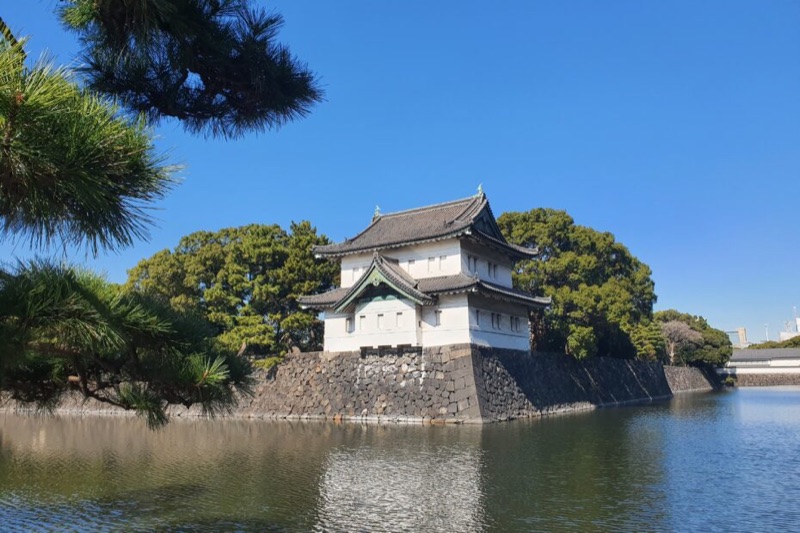
Stroll the Imperial Palace gardens, explore Ginza's upscale streets, and eat your way through the legendary Tsukiji Outer Market — Tokyo's greatest street food destination.
Morning
Imperial Palace East Garden
The former site of Edo Castle's innermost circles, now a beautifully manicured garden open to the public. Walk past massive stone walls, moats filled with koi, the ruins of the castle keep, and immaculate Japanese gardens. Free admission, surprisingly peaceful.
📍 Chiyoda 1 Chome
🕐 9am-4pm (closed Mon/Fri) · Free
💡 Enter from the Ote-mon Gate. The iris garden and Ninomaru Garden are highlights in November.
Ginza District
Tokyo's premier shopping boulevard — think Fifth Avenue meets Omotesando. On weekends, the main street (Chuo-dori) becomes a pedestrian paradise. Even if you're not shopping, the architecture is stunning: the Hermès building with its glass brick facade, the Nakagin Capsule Tower (being preserved), and the historic Wako department store with its Seiko clock tower.
📍 Ginza 1-8 Chome
🕐 Shops 10am-8pm · Pedestrian zone: noon-5pm weekends
💡 Hit the depachika (department store basement food halls) at Mitsukoshi or Matsuya — they're culinary art galleries.
🍽️ Breakfast
Todoroki-ken Tsukiji
Tamagoyaki (Japanese rolled omelet) specialist at Tsukiji. Fluffy, slightly sweet, made fresh on a rectangular pan right in front of you. A classic Tsukiji breakfast alongside fresh tamago on a stick. The market wakes up at 4am — by 8am, it's buzzing.
📍 Tsukiji 4 Chome-16-2 · 💰 ¥200-500 per stick · 🕐 5am-3pm
💡 The Imperial Palace East Garden is one of Tokyo's best-kept free secrets. Go early for near-solitude.
Midday
Tsukiji Outer Market
The outer market survived the inner market's move to Toyosu, and it's still the soul of Tokyo's food culture. Rows of vendors selling fresh sashimi, grilled seafood on sticks, tamagoyaki, wagyu skewers, uni (sea urchin) on rice, and every Japanese delicacy you can imagine. This is where chefs come to shop.
📍 Tsukiji 4-6 Chome
🕐 5am-2pm (most vendors close by 2pm — go early!)
💡 For 5+ people, buy different items and share. Must-tries: fresh oyster, uni rice bowl, tamagoyaki, tuna skewer, aji (horse mackerel) sashimi.
🍽️ Lunch
Tsukiji Seafood Bowl (Kaisendon)
Find a counter seat at Sushi Dai (legendary, expect a line) or any of the dozens of sushi joints in the outer market. Alternatively, build your own kaisendon (seafood rice bowl) from market vendors — fresh tuna, salmon, uni, ikura (salmon roe), and sweet shrimp over vinegared rice. The freshest fish you'll ever eat.
📍 Tsukiji Outer Market · 💰 ¥1,500-4,000 · 🕐 Best before 1pm
Afternoon / Evening
Kabuki-za Theater
If you're curious about kabuki (traditional Japanese theater), the Kabuki-za in Ginza offers single-act tickets (makumi) for around ¥1,000-2,000 — a 30-90 minute taste of this spectacular art form without committing to a full 4-hour performance. The building itself is gorgeous.
📍 Ginza 4 Chome-12-15
🕐 Single-act tickets from 11am · ¥1,000-2,000
💡 Audio guides available in English for ¥700. The costumes and makeup alone are worth it.
Tokyo Station & Ramen Street
The stunning red-brick Tokyo Station (Marunouchi side) is worth seeing. Underneath it, Tokyo Ramen Street has six curated ramen shops representing different regional styles. For the group: try Rokurinsha for Tokyo-style tsukemen or Soranoiro for vegetable ramen.
📍 Tokyo Station B1F (Yaesu side)
🕐 11am-10pm · ¥900-1,400
💡 Lines can be long at lunch — go after 2pm for shorter waits.
🍽️ Dinner
Ginza Kagari (Tori Paitan Ramen)
Consistently rated one of Tokyo's best ramen shops. The tori paitan (creamy chicken broth) ramen is thick, rich, and unlike any pork-based ramen you've had. Topped with a dollop of chicken soboro and truffle oil. Michelin Bib Gourmand. The line is worth it.
📍 Ginza 6 Chome-4-5 · 💰 ¥1,000-1,500 · 🕐 11am-3am
💡 Tokyo Station's Character Street is fun for the group — Ghibli, Pokemon, Godzilla stores all in one underground strip.
Day Trip: Kamakura — Temples, Seafood & the Great Buddha
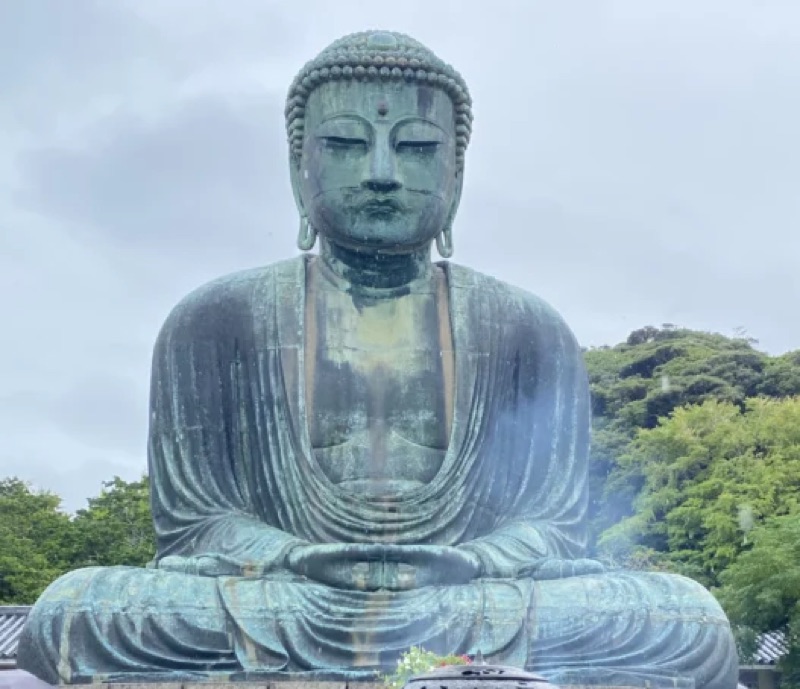
Escape to this charming seaside town an hour from Tokyo — ancient Zen temples, bamboo groves, the iconic Great Buddha, and some of Japan's best street food along the Komachi-dori market.
Morning
Train to Kamakura
Take the JR Yokosuka Line from Tokyo Station (53 min, ¥920) or the Enoden (Enoshima Electric Railway) from Fujisawa for a scenic coastal ride. The Enoden train is one of Japan's most charming rail journeys — it runs right along the coast.
📍 JR Yokosuka Line or Enoden
💡 Get a Kamakura-Enoshima Free Pass (¥700) for unlimited Enoden rides.
Kotoku-in & The Great Buddha
The iconic 13.4-meter bronze Buddha, cast in 1252, sits outdoors in a temple courtyard with mountains behind it. You can actually go inside the hollow statue (¥20). It survived tsunamis and earthquakes that destroyed the temple buildings around it — the Buddha literally outlasted everything.
📍 Hase 4 Chome-2-28, Kamakura
🕐 8am-5:30pm · ¥300
💡 Go early — by 11am tour groups arrive. The surrounding neighborhood is beautiful with small temples and gardens.
🍽️ Breakfast
Kamakura Komachi-dori Street Food
The market street leading from Kamakura Station is lined with vendors selling freshly baked sweet potato, matcha soft serve, shirasu-don (whitebait rice bowl), and Kamakura's famous potato croquettes. Graze your way down the street.
📍 Komachi-dori, Kamakura · 💰 ¥500-1,500 · 🕐 9am-5pm
💡 Kamakura is walkable but hilly. Rent bicycles near the station if your group is up for it — it's the best way to see everything.
Afternoon
Hase-dera Temple
One of Kamakura's most beautiful temples, famous for its 9-meter wooden Kannon (Goddess of Mercy) statue and stunning ocean views from the hillside garden. In November, the maple trees blaze red and orange. The temple's garden is considered one of the best in the Kanto region.
📍 Hase 3 Chome-11-2, Kamakura
🕐 8am-5pm · ¥400
💡 The viewing platform overlooking Yuigahama Beach and the Pacific is breathtaking. November foliage makes it magical.
Bamboo Grove at Hokokuji Temple
A serene bamboo forest far less crowded than Kyoto's Arashiyama. Thick moso bamboo rises overhead, creating a cathedral-like canopy. You can drink matcha in a tea house overlooking the grove. A deeply peaceful experience.
📍 Jomyo 2 Chome-7-4, Kamakura
🕐 9am-4pm · ¥300 · Tea ¥500
💡 This is the "secret Kamakura" spot. Take a bus or taxi from the main temple area (15 min).
🍽️ Lunch
Shirasu-don at Totonou
Kamakura's signature dish: a bowl of rice topped with heaps of fresh shirasu (tiny whitebait). Simple, local, and impossibly fresh. Totonou serves it with a special soy-based sauce and is walking distance from the Great Buddha.
📍 Near Hase-dera, Kamakura · 💰 ¥1,200-2,000 · 🕐 11am-4pm
Evening
Yuigahama Beach Sunset
Walk down to the beach for sunset over the Pacific — the Enoden train rattles past on the tracks beside the sand. In November, it's quiet and atmospheric. Grab a warm drink from a beachside café and watch the sky turn pink.
📍 Yuigahama Beach, Kamakura
💡 The beach is a 10-minute walk from Hase-dera. Sunset around 4:30pm in November.
🍽️ Dinner
Kamakura Izakaya Hopping
Kamakura's backstreets are full of intimate izakayas and local restaurants. Wander and pick whatever looks good — fresh sashimi, grilled fish, tempura, and cold beer. The town has a distinctly more relaxed, local vibe than Tokyo.
📍 Around Kamakura Station · 💰 ¥2,000-3,500 · 🕐 From 6pm
💡 The last train back to Tokyo is around midnight. The Enoden night ride along the coast with lit-up fishing boats is magical.
Day Trip: Hakone — Hot Springs, Art & Mt. Fuji Views
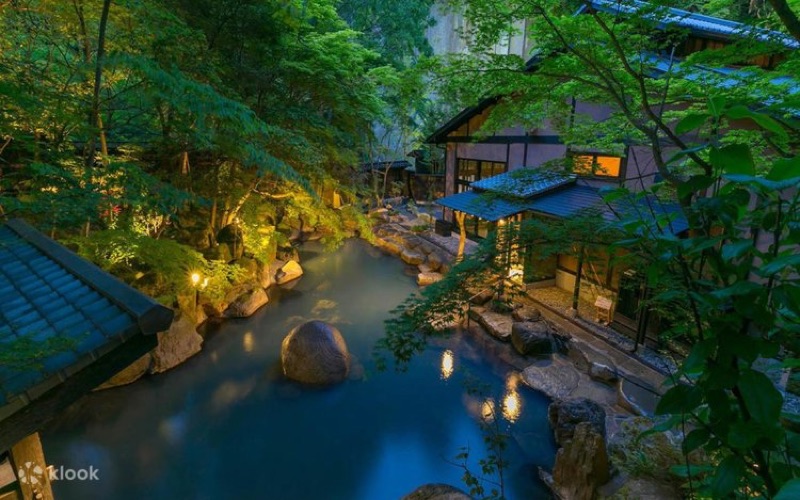
Trade the city for volcanic hot springs, open-air sculpture gardens, Lake Ashi pirate ships, and (weather permitting) that iconic view of Mount Fuji reflected in the lake.
Morning
Train to Hakone via Romancecar
Take the Odakyu Romancecar from Shinjuku — a premium limited express with huge windows, reserved seating, and scenery that shifts from Tokyo sprawl to forested mountains. 85 minutes of pure anticipation. The name "Romancecar" is worth the ride alone.
📍 Shinjuku Station → Hakone-Yumoto
🕐 85 min · ¥2,470 with Romancecar surcharge
💡 Book Romancecar seats in advance (reserved only). The GSE type has observation seats at the front.
Hakone Open-Air Museum
One of Japan's most remarkable museums — outdoor sculptures by Picasso, Henry Moore, and Japanese artists set against mountain backdrops, with rotating indoor exhibitions. The Picasso Pavilion alone has 300+ works. There's a foot bath fed by natural hot springs where you can soak while viewing art.
📍 Ninotaira 1121, Hakone
🕐 9am-5pm · ¥1,600
💡 Don't miss the "Symphonic Sculpture" — a tower of stained glass you climb inside. The foot bath is the perfect mid-museum rest.
🍽️ Breakfast
Romancecar Bento (Ekiben)
Buy an ekiben (train bento) at Shinjuku Station before boarding. These curated lunch boxes are works of art — seasonal ingredients arranged beautifully. Pair with a canned coffee from the platform vending machine. Train bento is a beloved Japanese tradition.
📍 Shinjuku Station platform · 💰 ¥1,000-2,000 · 🕐 Before boarding
💡 Get the Hakone Free Pass (¥6,400 for 2 days from Shinjuku) — covers all transport including the Romancecar discount, buses, cable car, ropeway, and pirate ship.
Afternoon
Owakudani Volcanic Valley
Take the Hakone Ropeway over a volcanic valley of steaming vents and sulfurous springs. At the top, eat kuro-tamago — eggs boiled in the hot springs that turn jet black. Legend says each one adds seven years to your life. The views of Mt. Fuji on clear days are legendary.
📍 Owakudani, Hakone
🕐 9am-5pm · Ropeway ¥1,500 (covered by Free Pass)
💡 Kuro-tamago are ¥500 for 5 eggs. Eat them with salt. The ropeway ride itself is 25 minutes of stunning scenery.
Lake Ashi Pirate Ship Cruise
Board an actual pirate ship replica (yes, really) and cruise across this volcanic caldera lake. On clear days, Mt. Fuji rises behind the lake's torii gate — one of Japan's most iconic views. The ship connects three ports around the lake.
📍 Lake Ashi (Ashinoko)
🕐 Regular departures · 30 min crossing · Covered by Free Pass
💡 The view from the upper deck with the red torii gate and Mt. Fuji is the postcard shot. November clarity helps.
🍽️ Lunch
Hakone Yosemono & Onsen Tamago
Try Hakone's local specialties: onsen tamago (eggs slow-cooked in hot spring water with a unique silky texture), soba noodles made with local mountain water, and yosemono (steamed fish paste cakes). Find these at restaurants near Hakone-Yumoto station.
📍 Hakone-Yumoto area · 💰 ¥1,000-2,000 · 🕐 11am-3pm
Evening
Onsen (Hot Spring Bath)
You came to Hakone — you must soak. Hakone has been a hot spring resort for centuries. Day-use onsen options include Tenzan Onsen (traditional, tattoo-friendly) or Yunessun (wacky themed baths including wine, coffee, and green tea pools for groups). For a traditional experience, try Hakone Yuryo — private onsen rooms perfect for your group.
📍 Various locations in Hakone
💰 ¥1,500-3,000 for day use
💡 Traditional onsen: bathe nude, no tattoos visible (or use tattoo-friendly spots). Private onsen rooms let your group soak together — ideal for first-timers.
🍽️ Dinner
Dinner in Hakone-Yumoto
The charming hot spring town at the base of Hakone has dozens of small restaurants and izakayas. Try local river fish (ayu), Hōtō noodle soup, or a kaiseki set dinner at a ryokan restaurant. Finish with Hakone craft beer.
📍 Hakone-Yumoto · 💰 ¥2,000-5,000 · 🕐 From 6pm
💡 Onsen etiquette: shower thoroughly before entering the bath. No soap in the bath water. Tie long hair up. Keep your small towel out of the water (place it on your head). Relax.
Ueno Park, World-Class Museums & Akihabara Electric Town
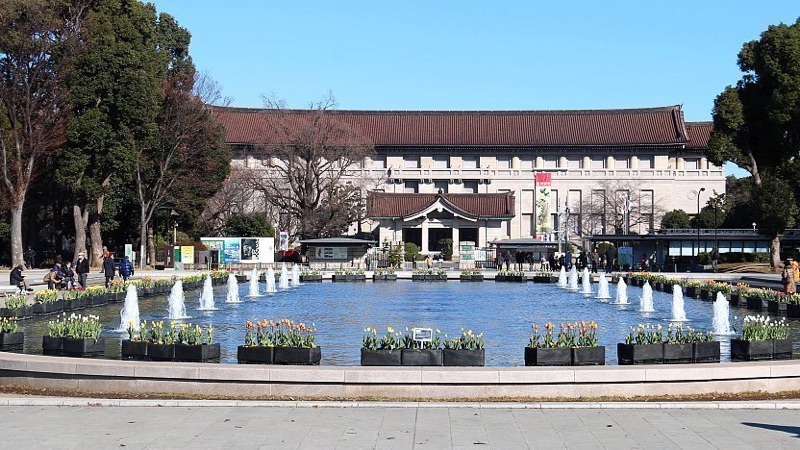
Morning among masterpieces at Tokyo National Museum, afternoon among electronics and anime in Akihabara, evening among the izakayas of Ameyoko market.
Morning
Ueno Park
One of Tokyo's largest public parks, home to museums, a zoo, a boating lake, and beautiful autumn ginkgo trees. On weekends, the park hosts street performers, artists, and food vendors. In November, the ginkgo trees turn brilliant gold.
📍 Ueno, Taito
🕐 Park open 24 hours · Free
💡 Start at the south entrance near the Shinobazu Pond. The Bentendo temple on the island is atmospheric.
Tokyo National Museum
Japan's oldest and largest museum, housing over 120,000 works of art and antiquities — samurai armor, ukiyo-e woodblock prints, Buddhist sculptures, ceramics, and the world's finest collection of Japanese art. Plan 2-3 hours minimum.
📍 Ueno Park 13-9, Taito
🕐 9:30am-5pm (Fri until 8pm) · ¥1,000
💡 The Honkan (Japanese Gallery) is the main building. Don't miss the Gallery of Horyuji Treasures — stunning ancient artifacts in an architectural gem by Yoshio Taniguchi.
🍽️ Breakfast
Innsyuu Ueno
Traditional Japanese breakfast done right: grilled fish, miso soup, rice, pickles, rolled egg, nori, and green tea. The restaurant is inside Ueno Park. A proper start before museum-hopping.
📍 Inside Ueno Park · 💰 ¥1,000-1,500 · 🕐 Opens 10am
💡 If you're museum-ed out, the National Museum of Nature and Science and the Western Art Museum are also in Ueno Park — all walking distance from each other.
Afternoon
Akihabara Electric Town
The electric, neon-drenched epicenter of anime, manga, gaming, and electronics culture. Multi-story arcades (try Taiko drumming and crane games), maid cafés, figure shops, vintage game stores, and enough LED signs to light a small city. Even if you're not into anime, the sensory overload is an experience.
📍 Akihabara, Chiyoda
💡 Key spots: Mandarake (vintage manga), Yodobashi Camera (massive electronics), Super Potato (retro games), Gachapon Hall (hundreds of capsule toy machines).
Ameyoko Market
A bustling street market under the JR tracks near Ueno Station. Originally a post-war black market, now filled with discount shops, fresh seafood vendors, spice shops, and street food stalls selling everything from fresh sashimi to Korean BBQ. The energy is unmatched.
📍 Ameyoko-cho, Ueno
🕐 10am-7pm
💡 The seafood stalls are incredible — fresh crab, uni, and oysters sold right on the street. Great for souvenirs and snacks.
🍽️ Lunch
Akihabara Ramen Yokochou
A narrow alley behind the train tracks with 8 different ramen shops, each a different regional style. Try Ikaruga for shoyu ramen or Ramen Jiro for the legendary double-portion style (piled with cabbage and garlic). Grab counter seats and watch the chefs work.
📍 Under JR tracks, Akihabara · 💰 ¥800-1,400 · 🕐 11am-late
Evening
Akihabara Night
Akihabara transforms at night — the neon signs multiply, arcades fill with after-work gamers, and the whole district buzzes. Visit a multi-story game center, try purikura (Japanese photo booths with wild filters), and soak in the electricity of it all.
📍 Akihabara Station area
💡 Gachapon Hall (capsule toys) is open late and absurdly fun. ¥100-500 per turn. Your group will be there for an hour.
🍽️ Dinner
Ameyoko Street Food & Izakaya
Ameyoko comes alive at night with tiny izakayas spilling onto the street. Pull up stools, order yakitori and highballs, and eat alongside salarymen. The seafood stalls sell fresh oysters, crab legs, and grilled fish for a fraction of restaurant prices.
📍 Ameyoko Market, Ueno · 💰 ¥1,500-3,000 · 🕐 From 5pm
💡 Ameyoko's izakayas are perfect for groups — the stalls seat 10-15 and the atmosphere is pure local Tokyo.
Day Trip: Nikko — UNESCO Shrines & Autumn Splendor
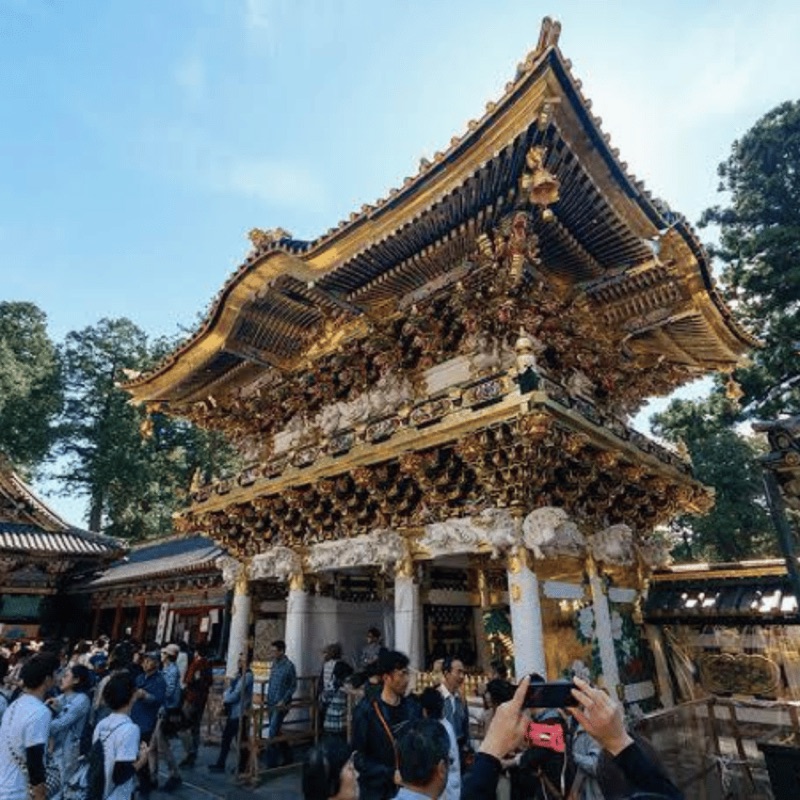
The ornate Toshogu Shrine where Tokugawa Ieyasu is enshrined, surrounded by mountains ablaze with November foliage. One of Japan's most spectacular UNESCO World Heritage Sites.
Morning
Train to Nikko
Take the JR Nikko Line from Tokyo Station (via Utsunomiya, ~2 hours, ¥5,580) or the Tobu Railway from Asakusa (2 hours, ¥1,500). The Tobu Railway is cheaper and departs from a station you already know. The scenery shifts from suburbs to mountains as you approach.
📍 Tobu Asakusa Station → Tobu-Nikko Station
🕐 2 hours · ¥1,500-2,000
💡 Consider the Tobu Nikko Pass (¥4,580 for 4 days) which includes transport and discounts on attractions.
Toshogu Shrine
The final resting place of Tokugawa Ieyasu, the shogun who unified Japan. This is not a subtle shrine — it's a riot of gold leaf, intricate carvings, and lacquerwork set in a cedar forest. The famous "see no evil, speak no evil, hear no evil" monkeys are carved on a stable. The Yomeimon Gate is so ornate it's said the builders left one pillar upside-down so the gods wouldn't be jealous of perfection.
📍 Sannai, Nikko
🕐 8am-5pm · ¥1,300
💡 The carve-your-own-path approach works: don't follow the crowds. The less-visited side paths lead to serene moss-covered stone torii gates.
🍽️ Breakfast
Nikko Yuba (Tofu Skin) Breakfast
Nikko's signature food: yuba, the delicate skin that forms on top of simmering soy milk. Served fresh as sashimi, in soup, over rice, or wrapped around vegetables. Elegant, healthy, and uniquely Nikko. Find it at restaurants near the shrine area.
📍 Near Toshogu Shrine, Nikko · 💰 ¥800-1,500 · 🕐 From 8am
💡 November is peak autumn color season in Nikko — the mountain roads are lined with maples. Go early to beat the leaf-peeping crowds.
Afternoon
Rinno-ji Temple & Futarasan Shrine
The other two sites in Nikko's UNESCO trio. Rinno-ji is a Buddhist temple with a stunning garden (Shoyoen) that is peak beauty in November. Futarasan Shrine is dedicated to the mountain gods of Nikko and has a peaceful, ancient atmosphere. Together with Toshogu, they form one of Japan's most sacred complexes.
📍 Sannai, Nikko (walking distance from Toshogu)
🕐 8am-5pm · ¥300-400 each
💡 The Shoyoen Garden at Rinno-ji is a hidden gem — designed in the Edo period with a central pond reflecting autumn colors.
Kegon Falls
One of Japan's three most beautiful waterfalls — 97 meters of cascading water in a forested gorge. Take the elevator down to the observation platform at the base for the full dramatic effect. In November, the surrounding cliffs are painted in reds and golds.
📍 Oku-Nikko (bus from Nikko Station, 40 min)
🕐 Observation platform 9am-4:30pm · ¥570
💡 If time permits, continue to Lake Chuzenji — a serene mountain lake above the falls, created by a volcanic eruption 20,000 years ago.
🍽️ Lunch
Nikko Soba & Yuba Set
Mountain-style soba (buckwheat noodles) served cold with yuba, tempura, and local pickles. The mountain water in Nikko makes the soba especially good. Simple, nourishing, perfect after a morning of temple exploring.
📍 Near Toshogu Shrine or Lake Chuzenji · 💰 ¥1,000-2,000 · 🕐 11am-3pm
Evening
Shinkyo Bridge at Dusk
The vermillion Shinkyo Bridge — one of Japan's most beautiful — spans the Daiya River at the entrance to the shrine area. At dusk, with the surrounding mountains turning dark and the river rushing below, it's profoundly atmospheric. A perfect final image of Nikko.
📍 Near Toshogu Shrine entrance, Nikko
💡 The bridge is illuminated at night. Walk across it if it's open (sometimes closed for preservation).
🍽️ Dinner
Train Station Ekiben on the Way Home
Pick up a premium ekiben at Tobu-Nikko Station for the ride back — Tochigi prefecture specialties like gyoza, yuba, and local rice dishes. Eat on the train watching the autumn mountains scroll past as darkness falls.
📍 Tobu-Nikko Station · 💰 ¥1,000-1,800
💡 Nikko deserves a full day. Don't rush — the town itself has Edo-period streets and craft shops worth browsing.
Day Trip: Mt. Fuji & Lake Kawaguchiko
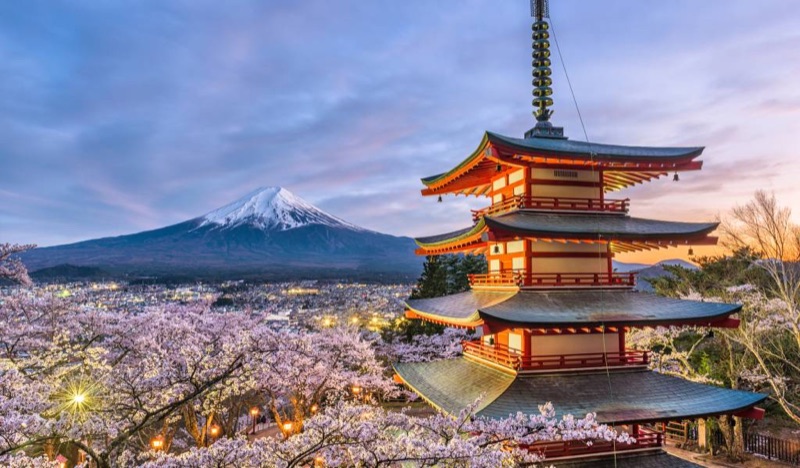
Japan's most iconic view — Mount Fuji reflected in Lake Kawaguchiko, framed by autumn foliage at the Chureito Pagoda. A photographer's dream and an unforgettable group experience.
Morning
Train to Kawaguchiko
Take the Fuji Excursion Limited Express from Shinjuku directly to Kawaguchiko (2 hours, ¥4,130). The train passes through countryside and you'll catch your first glimpses of Fuji through the windows. The excitement builds.
📍 Shinjuku Station → Kawaguchiko Station
🕐 2 hours · ¥4,130
💡 Sit on the right side of the train for Fuji views. The Fuji Excursion runs limited times — check the schedule and book ahead.
Chureito Pagoda & Mt. Fuji
Walk (or bus) to Arakurayama Sengen Park. Climb 398 steps to the five-story pagoda perched on a hillside. The view: pagoda in foreground, Fuji in background, autumn foliage everywhere. This is THE Mt. Fuji photo. On clear November mornings, the visibility is extraordinary.
📍 Arakurayama Sengen Park, Fujiyoshida
🕐 Park open 24 hours · Free
💡 398 steps is a workout but totally worth it. Go early — by 10am it's crowded. Clear mornings in November offer the best visibility.
🍽️ Breakfast
Houtou Noodles at Houtou Fudou
Yamanashi prefecture's signature dish: flat udon-like noodles in a rich miso-pumpkin broth with vegetables. Houtou Fudou near Kawaguchiko Station is the most famous spot — massive portions served in iron pots. Warming, filling, and uniquely local.
📍 Near Kawaguchiko Station · 💰 ¥1,200-1,800 · 🕐 Opens 11am
💡 Fuji visibility is best in the morning. If clouds roll in by afternoon, you've already got your shots. Check the Fuji visibility forecast online before going.
Afternoon
Lake Kawaguchiko Cruise
Take the sightseeing boat across the lake for views of Fuji rising behind the water. In November, the lake's shoreline is ringed with red and gold maples. The reflections are magical on still days.
📍 Kawaguchiko Oishi Park
🕐 Regular departures · 20 min · ¥980
💡 Oishi Park on the north shore has the best Fuji reflection photo spots, especially near the lavender (off-season in Nov, but still beautiful).
Maple Corridor (Kaen-doro)
In mid-to-late November, the Kawaguchiko Maple Corridor lights up at night — a tunnel of illuminated autumn trees that's one of Japan's most spectacular foliage events. During the day, the trees are stunning. At night, the illumination is otherworldly.
📍 Near Kawaguchiko Ohashi Bridge
🕐 Illumination 5-9pm (mid-Nov to late Nov)
💡 The Maple Corridor is walking distance from the lake. Time your visit for the illumination if possible.
🍽️ Lunch
Fujiyama Cookie & Local Yamanashi Food
Yamanashi is wine country — stop at a local winery for tasting (Grace Winery is excellent). For food, try Yoshida udon (thick, chewy noodles with horse meat — a local specialty) at one of the many shops in Fujiyoshida.
📍 Fujiyoshida area · 💰 ¥1,000-2,000 · 🍷 Wine tasting ¥500-1,500
Evening
Onsen with Fuji Views
Several onsen around Kawaguchiko offer outdoor baths with Mt. Fuji views. Soak in volcanic hot spring water while watching the sun set behind the mountain. One of Japan's most iconic relaxation experiences. Perfect way to end the day.
📍 Various onsen around Lake Kawaguchiko
💰 ¥1,000-2,500 for day use
💡 Fuji Onsenji Yurari has open-air baths with Fuji views. Book in advance for your group.
🍽️ Dinner
Dinner at Kawaguchiko Station Area
The area around the station has surprisingly good restaurants. Try a local izakaya for Yamanashi specialties: houtou, Yoshida udon, or batto (a local hot pot). Pair with local Yamanashi wine or sake.
📍 Kawaguchiko Station area · 💰 ¥1,500-3,000
💡 The last Fuji Excursion train back to Shinjuku departs around 7pm. Alternatively, take a highway bus (2 hours, ¥2,000). Check schedules in advance.
Roppongi Art District & Rooftop Chill
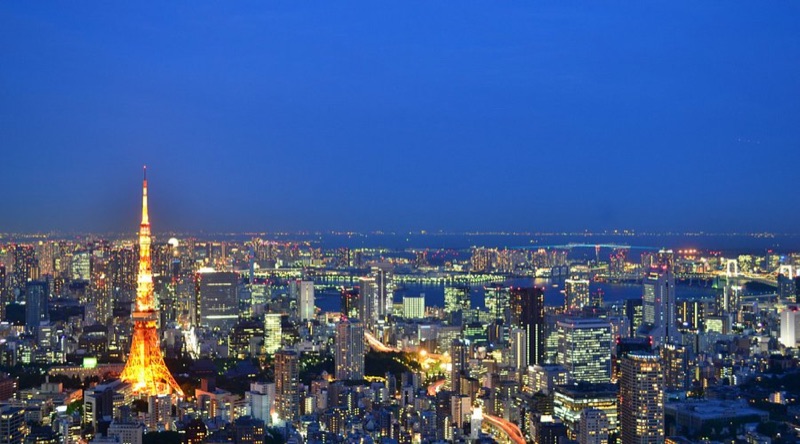
Take a breath. World-class art at Mori Art Museum, the serene Nezu Museum garden, and a relaxed evening exploring Roppongi's surprisingly refined side.
Morning
Nezu Museum & Garden
One of Tokyo's hidden gems — a stunning private collection of pre-modern Japanese and East Asian art housed in a building by Kengo Kuma, with a garden that will stop you in your tracks. Winding paths through moss-covered stones, stone bridges over koi ponds, tea houses, and maple trees. In November, the garden is on fire with color.
📍 Minamiaoyama 6-5-1, Minato
🕐 10am-5pm (closed Mon) · ¥1,300
💡 The garden alone is worth the admission. Budget an hour just for the outdoor paths. The café overlooking the garden is divine.
Mori Art Museum
Perched on the 53rd floor of Roppongi Hills, this contemporary art museum hosts world-class rotating exhibitions with panoramic city views as a bonus. The adjoining Tokyo City View observation deck gives you sweeping views of the city — on clear days, all the way to Mt. Fuji.
📍 Roppongi Hills Mori Tower, 53F
🕐 10am-10pm · ¥2,000 (includes observation deck)
💡 Check the exhibition schedule — they bring major international shows. The Sky Deck (rooftop, open air) is ¥500 extra and absolutely worth it.
🍽️ Breakfast
Roppongi Kayaba Coffee
A kissaten (traditional Japanese café) that's been serving hand-dripped coffee and thick toast with red bean butter since 1938. The building is a beautifully preserved wooden townhouse. Slow down, drink real coffee, watch the neighborhood wake up.
📍 Roppongi 7 Chome · 💰 ¥600-1,000 · 🕐 Opens 8am
💡 Day 10 is your recovery day. No rushing. Sleep in if you want, take the morning slow. Tokyo is a marathon, not a sprint.
Afternoon
21_21 Design Sight
A design museum created by Issey Miyake and Tadao Ando — the building itself is a work of art, with a dramatic folded steel roof inspired by Miyake's "A-POC" clothing concept. Exhibitions explore the intersection of design, art, and daily life. Small but brilliant.
📍 Akasaka 9-7-6, Tokyo Midtown
🕐 10am-7pm · ¥1,400
💡 Located in Tokyo Midtown's garden area — the surrounding sakura and maple trees make for a lovely walk.
Traditional Tea Ceremony Experience
Book a private tea ceremony for your group. Several venues in Roppongi offer English-guided experiences where you'll learn to whisk matcha, appreciate the ceremony's meditative pace, and savor traditional wagashi (seasonal sweets). It's cultural immersion at its most refined.
📍 Various locations in Roppongi
💰 ¥3,000-5,000 per person · Book in advance
💡 Many venues let you try making the tea yourself. The ceremony is about mindfulness and being present — a perfect antidote to Tokyo's pace.
🍽️ Lunch
Tokyo Midtown Depachika
The basement food hall at Tokyo Midtown is a curated wonderland — beautifully presented bento boxes, fresh sashimi, French pastries, artisan chocolates, and prepared foods from across Japan. Grab various items and have an indoor picnic in the adjacent Hinokicho Park.
📍 Tokyo Midtown B1F · 💰 ¥1,000-2,000 · 🕐 10am-8pm
Evening
Roppongi Hills & Tokyo City View Night
As evening falls, Roppongi Hills' observation deck transforms into one of Tokyo's best night views. The city spreads out below like a circuit board of light. On clear nights, you can see the faint outline of Mt. Fuji against the western sky.
📍 Roppongi Hills Mori Tower
💡 The Sky Deck (open-air rooftop) is one of Tokyo's most romantic spots. If your group splits, the observation deck café is a good meeting point.
🍽️ Dinner
Roppongi Robataya
Robatayaki (fireside grilling) at its finest — sit at a counter while chefs grill seasonal vegetables, fish, and meats over binchotan charcoal in front of you. The food is passed to you on a wooden paddle. Rustic, theatrical, and deeply satisfying. The Roppongi location is cozy and group-friendly.
📍 Roppongi 4 Chome · 💰 ¥4,000-7,000 · 🕐 5pm-midnight
💡 Roppongi at night is Tokyo's international nightlife hub — if your group wants to go out, the bars and clubs here are the most foreigner-friendly in the city.
Indie Tokyo: Shimokitazawa Vintage & Koenji Counterculture

Discover the Tokyo that young creative locals actually live in — vintage clothing, live music, independent cafés, secondhand bookshops, and an alternative energy that's completely different from Shibuya or Shinjuku.
Morning
Shimokitazawa
Tokyo's bohemian heart — a neighborhood of vintage clothing stores, independent record shops, tiny live houses (music venues), and cafés that double as art spaces. The streets are narrow, the buildings are low, and the pace is gloriously slow. This is where Tokyo's creatives come to breathe.
📍 Shimokitazawa, Setagaya
🕐 Most shops open 11am-8pm
💡 Start at the south exit of Shimokitazawa Station and wander. Don't use a map — the best shops are in the backstreets. Key streets: Higashikouenji-dori and the alley behind Flash Disc Ranch.
Shimokitazawa Flea Market
On weekends, the area around Shimokitazawa Station hosts flea markets with vendors selling vintage clothes, vinyl records, handmade jewelry, and retro Japanese goods. The quality of finds here is remarkable — this is a neighborhood of curators.
📍 Around Shimokitazawa Station
🕐 Weekends 10am-5pm (weather permitting)
💡 Bring cash. Prices are negotiable but don't lowball — these are independent sellers, not professionals.
🍽️ Breakfast
Café Soso Shimokitazawa
A tiny, beautifully designed café serving hand-dripped coffee and shokupan (Japanese milk bread) toast with various toppings. The kind of place where you sit with a book and lose an hour. Shimokitazawa's café culture is serious.
📍 Shimokitazawa 2 Chome · 💰 ¥800-1,200 · 🕐 Opens 9am
💡 Shimokitazawa is Tokyo's best neighborhood for vintage clothing. New York Joe Exchange and Flamingo are legendary — the vintage band t-shirt selection alone is worth the trip.
Afternoon
Koenji
The spiritual home of Tokyo's counterculture — punk rock bars, used bookstores, tiny ramen shops with cult followings, and the kind of dive bars where the owner has been playing the same jazz records for 30 years. Less polished than Shimokitazawa, more real.
📍 Koenji, Suginami
🕐 Explore the shotengai (shopping arcades) under the train tracks — PAL and Look Street
💡 Koenji's ramen scene is serious: try Ginza Hasegawa or Ebisen for Kobe-style tsukemen, or Harukiya for old-school Tokyo ramen.
Inokashira Park & Kichijoji
A 10-minute train ride from Koenji, Inokashira Park is one of Tokyo's most beloved green spaces — a lake with swan boats, a zoo, and a tree-lined path that locals walk religiously. Kichijoji neighborhood around the park is consistently voted Tokyo's most livable area.
📍 Inokashira Park, Musashino
💡 Rent a swan boat on the lake (¥700/hour). In November, the park's maples and ginkgos are beautiful. The Ghibli Museum is adjacent to the park (book months ahead).
🍽️ Lunch
Koenji Harukiya Ramen
A legendary old-school ramen shop that's been serving the same Tokyo-style shoyu (soy sauce) ramen since 1953. Simple, perfect, timeless. The counter seats 8 people max. This is the kind of ramen shop that ramen nerds make pilgrimages to.
📍 Koenji Minami 3 Chome · 💰 ¥800-1,000 · 🕐 11am-3pm, 5pm-9pm
Evening
Koenji Bar Hopping
Koenji comes alive at night — narrow streets filled with tiny bars (some seating only 4-6 people), live music venues, and an older, artsy crowd. The area around the south exit is a labyrinth of drinking dens. Pick any bar with a good vibe and pull up a stool.
📍 Koenji south exit area
💡 Koenji is where Tokyo's musicians and artists drink. The conversations are the best part — if you speak some Japanese (or the bartender speaks English), you'll make friends.
🍽️ Dinner
Shimokitazawa Izakaya Row
Back in Shimokitazawa for dinner — the triangle area between the station and Route 54 has a cluster of izakayas and yakitori stalls. Try Shirohige's Cream Puff Factory for the famous Totoro cream puffs (yes, really — they're an Instagram sensation), then settle into a local izakaya for drinks and small plates.
📍 Shimokitazawa · 💰 ¥2,000-4,000 · 🕐 From 6pm
💡 Don't skip Shirohige's Totoro cream puffs — they sell out by early afternoon. Buy them in the morning and save for dessert.
The Refined Side: Ebisu, Daikanyama & Meguro River
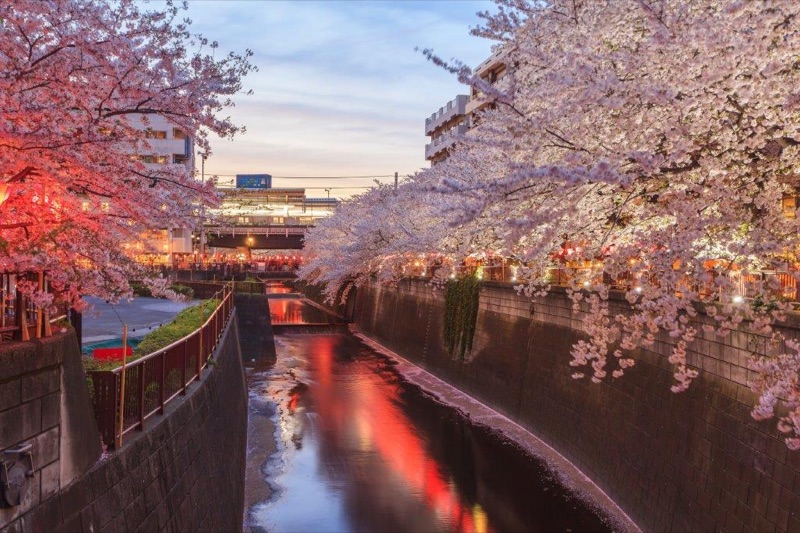
Tokyo's most elegant neighborhoods — tree-lined boulevards, design bookshops, wine bars, and the Meguro River lined with golden ginkgo trees. A day of sophisticated exploration.
Morning
Daikanyama T-Site & Log Road
Start at Daikanyama T-Site — one of the world's most beautiful bookstores, designed to look like a series of pavilions in a forest. Browse art books, design magazines, and Japanese literature. Then walk through Log Road Daikanyama — a converted railway line turned into a chic pedestrian promenade with cafés and shops.
📍 Daikanyama T-Site, Sarugakucho, Shibuya
🕐 8am-2am (café hours vary)
💡 The bookstore's magazine section is extraordinary — thousands of Japanese and international titles. Daikanyama is Tokyo's "Brooklyn."
Daikanyama Streets & Boutiques
Wander the quiet, leafy streets of Daikanyama — high-end boutiques, Scandinavian design shops, a beautiful hilltop church (Christian is rare in Japan), and cafés in restored wooden houses. This neighborhood is where Tokyo's creative professionals live and shop.
📍 Daikanyama, Shibuya
💡 Don't miss the Kyu Asakura House (free, historic) and the cobblestone side streets.
🍽️ Breakfast
Ivy Place Daikanyama
A stunning café-restaurant in a standalone building with a terrace overlooking a garden. Known for pancakes, avocado toast, and excellent coffee. The kind of place where you sit on the terrace watching stylish locals walk their dogs. Pure Daikanyama.
📍 Daikanyama T-Site complex · 💰 ¥1,200-2,000 · 🕐 Opens 8am
💡 Daikanyama is the neighborhood where Tokyo's fashion designers, architects, and creative directors live. The people-watching is elite.
Afternoon
Ebisu Yebisu Garden Place
A European-inspired complex built on the site of the original Yebisu brewery (yes, the beer is named after this neighborhood). The Museum of Yebisu Beer offers tastings of the original recipe. The garden plaza has a sweeping view of the Tokyo skyline.
📍 Ebisu 4 Chome, Shibuya
🕐 Museum: 10am-5pm (closed Mon) · ¥500 with 2 beer tasting
💡 The brewery museum tour is short but fun. The outdoor plaza is a great group photo spot with the city skyline behind you.
Meguro River Ginkgo Walk
The Meguro River is famous for cherry blossoms in spring, but in November, the ginkgo trees lining its banks turn brilliant gold. Walk from Nakameguro to Meguro Station along the river — cafés, bars, and galleries line both sides. The golden canopy overhead is magical.
📍 Meguro River, Nakameguro to Meguro
💡 Stop at Onibus Coffee (Nakameguro) — one of Tokyo's best specialty coffee roasters, overlooking the river.
🍽️ Lunch
Ebisu Afuri Yuzu Ramen
Afuri's signature yuzu-shio (citrus salt) ramen — a clear, golden broth infused with yuzu zest that's light, fragrant, and completely different from heavy pork-bone ramen. The Ebisu original location is where it all started. Perfect midday refreshment.
📍 Ebisu 1 Chome · 💰 ¥1,000-1,400 · 🕐 11am-11pm
Evening
Ebisu Yokocho & Wine Bars
Ebisu has Tokyo's best concentration of natural wine bars and refined izakayas. The streets around Ebisu Station are packed with intimate drinking spots — from standing wine bars to craft sake bars to tiny tempura counters. This is where Tokyo's food industry people come to eat and drink on their nights off.
📍 Ebisu Station area, Shibuya
💡 Explore the west exit area. Many bars are standing-only — order a glass, chat with the bartender, move to the next one.
🍽️ Dinner
Ebisu Tempura Kondo
One of Tokyo's finest tempura restaurants — light, impossibly crispy tempura fried in a blend of sesame and vegetable oils by a master chef. Chef Kondo's technique produces tempura that's ethereally light, not greasy. Michelin-starred and worth every yen.
📍 Ebisu 3 Chome · 💰 ¥5,000-10,000 · 🕐 5pm-10pm · Book in advance
💡 Ebisu is the "insider" Tokyo neighborhood — most tourists never make it here, which is exactly why it's special.
Relaxation Day: Nakameguro Strolls, Jiyugaoka Sweets & Local Living
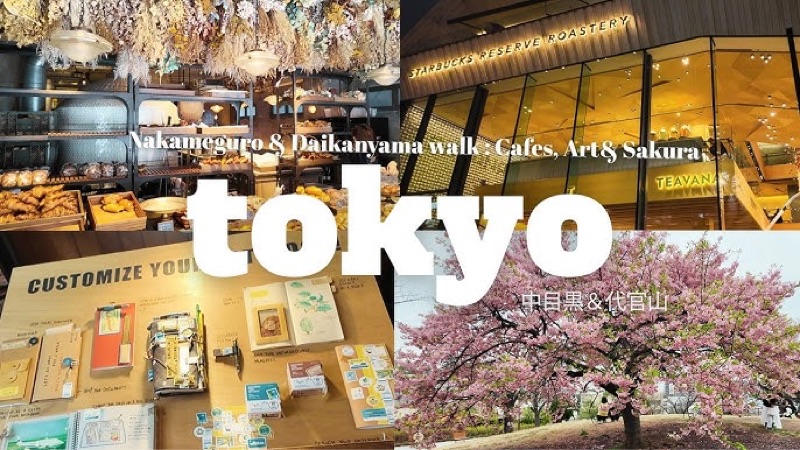
A slow, delicious day exploring Tokyo's most livable neighborhoods. Artisan bakeries, riverside walks, Tokyo's "Little Europe," and all the sweets you can handle.
Morning
Nakameguro Morning Walk
Start along the Meguro River before the crowds arrive. In November, golden ginkgo leaves drift into the water. Stop at artisan shops, peek into galleries, and visit the Nakameguro Koukashitsu — a communal space in a renovated tofu factory with exhibitions and a café.
📍 Nakameguro, Meguro
💡 Star Road (the main street) is lined with independent boutiques and galleries. The TASCHEN store has art books worth browsing.
Tokyo Photographic Art Museum
One of Tokyo's best museums and one of the few dedicated to photography in Japan. Rotating exhibitions range from Japanese masters to international contemporary photographers. The building itself is a beautiful modern structure.
📍 Meguro 1 Chome, near Meguro Station
🕐 10am-6pm (Thu-Fri until 8pm) · Varies by exhibition
💡 Check what's showing — they host major international photography exhibitions.
🍽️ Breakfast
Onibus Coffee Nakameguro
Specialty coffee roasted in-house and poured with care. The café is a converted old house overlooking the Meguro River. Order a pour-over and a pastry, sit by the window, and watch the river flow by. This is slow Tokyo at its finest.
📍 Nakameguro 2 Chome · 💰 ¥700-1,200 · 🕐 Opens 8:30am
💡 Another recovery-style day. Sleep in, start slow. Tokyo for 17 days requires pacing. Today is about quality over quantity.
Afternoon
Jiyugaoka "Little Europe"
A 15-minute train ride from Nakameguro, Jiyugaoka is Tokyo's most European-flavored neighborhood — cobblestone streets, patisseries, flower shops, and an absurd concentration of sweets shops. It's nicknamed "Little Europe" for good reason. Come hungry.
📍 Jiyugaoka, Meguro
💡 Key sweets: Jiyugaoka Roll (cream roll cake), Mont Blanc cakes at Toshi Yoroizuka, and anything at Poka Poka. The entire main street is a dessert crawl.
Okusawa Shrine & Quiet Streets
A short walk from Jiyugaoka's bustle, Okusawa is a hidden residential area with a beautiful old shrine, traditional Japanese gardens, and a pace of life that feels miles from central Tokyo. Walk the quiet residential streets — this is where real Tokyoites live.
📍 Okusawa, Setagaya
💡 If you need a break from crowds, this is the spot. Beautiful traditional architecture, small local shops, zero tourists.
🍽️ Lunch
Jiyugaoka Sweets Crawl
Make lunch dessert. Hit Toshi Yoroizuka for the Tokyo Sweets Collection champion's Mont Blanc, then Poka Poka for seasonal fruit tarts, then Asoko for cookies, and finish at Jiyugaoka La Vie Claire for French-inspired savory crepes (to balance the sugar). Your group can share everything.
📍 Jiyugaoka main street · 💰 ¥1,500-3,000 per person · 🕐 10am-7pm
Evening
Nakameguro Night
Return to Nakameguro for evening drinks. The river is illuminated, the bars have their doors open, and the atmosphere is warm and inviting. This neighborhood has Tokyo's best concentration of craft beer bars, natural wine bars, and small-plate restaurants.
📍 Nakameguro Station area
💡 Try Baird Taproom for Japanese craft beer or Infinity for natural wine. The river at night is magical.
🍽️ Dinner
Nakameguro Tsukemen or Yakitori
Two excellent options: Fuunji Nakameguro for tsukemen (dipping noodles) or a yakitori counter along the river. Both are quintessential Tokyo experiences. For the group, yakitori is more social — sit at a counter, order round after round of grilled chicken, and drink beer.
📍 Nakameguro · 💰 ¥1,500-3,000 · 🕐 From 6pm
💡 Jiyugaoka's sweets shops sell out by late afternoon. Go early for the best selection — the limited-edition cakes go first.
Day Trip: Yokohama — Chinatown, Cup Noodles & Waterfront
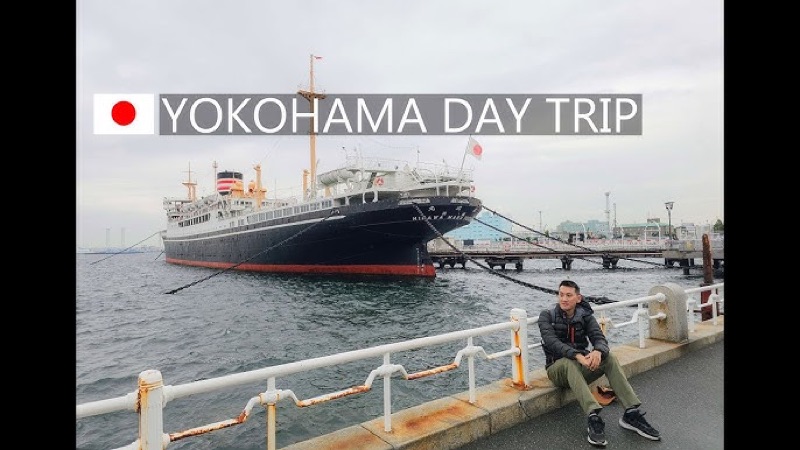
Japan's second-largest city is just 30 minutes from Tokyo — the country's biggest Chinatown, the birthplace of Cup Noodles, a stunning waterfront, and the tallest building in Japan.
Morning
Train to Yokohama
The Tokyu Toyoko Line from Shibuya reaches Yokohama in 30 minutes (¥280). Or JR from Tokyo Station (30 min, ¥460). You're in Japan's second city before you've finished your morning coffee.
📍 Shibuya → Yokohama Station
💡 Yokohama is on the same Suica card. No extra planning needed.
Yokohama Chinatown
Japan's largest Chinatown — over 600 shops and restaurants in a dense, colorful neighborhood of red gates, lion statues, and incredible food. The pork buns (nikuman) from Kakō are legendary — crispy outside, juicy inside. Your group can easily spend the morning grazing.
📍 Yamashitacho, Naka, Yokohama
🕐 10am-9pm (most restaurants)
💡 Must-eats: Kakō nikuman (pork buns), Edosei harumaki (spring rolls), and any dim sum restaurant with a line. The Good Luck Gate entrance is the most photogenic.
🍽️ Breakfast
Chinatown Pork Buns & Dim Sum
Start at Kakō for their famous nikuman (¥600 each) — the queue moves fast. Then graze through: sesame balls, spring rolls, mango pudding, and xiao long bao (soup dumplings). Chinatown breakfast is one of Yokohama's best experiences.
📍 Yokohama Chinatown · 💰 ¥1,000-2,000 · 🕐 From 9am
💡 Yokohama Chinatown is the biggest in Japan and one of the best in the world. Come hungry, leave happier.
Afternoon
Cup Noodles Museum
The museum dedicated to Momofuku Ando, who invented instant ramen in a backyard shed in 1958. The best part: the My Cup Noodles Factory, where you design your own cup, choose your broth, and select 4 toppings from 12 options. Your custom cup gets vacuum-sealed as a souvenir.
📍 Shinko 2 Chome-3-4, Naka, Yokohama
🕐 10am-5pm (closed Tue) · ¥500 admission · Cup Noodles Factory ¥400
💡 Book the Cup Noodles Factory time slot in advance — it's popular. The chicken ramen workshop (making instant ramen from scratch) is ¥500 and takes 90 min.
Yokohama Landmark Tower & Sky Garden
Japan's tallest building (296m) with the country's fastest elevator (750m/min — your ears will pop). The Sky Garden observation deck on the 69th floor offers views of the entire Tokyo Bay area, Mount Fuji, and on clear days, the Boso Peninsula.
📍 Minatomirai 2 Chome-2-1, Yokohama
🕐 10am-9pm · ¥1,000
💡 The elevator ride itself is an experience — glass walls showing the city dropping away.
🍽️ Lunch
Yokohama Ramen at the Ramen Museum
The Shin-Yokohama Ramen Museum isn't actually in the city center but worth the detour — a recreated 1958 Japanese street scene (retro, atmospheric) with 9 ramen shops from different regions of Japan. You can order mini-bowls from multiple shops and taste your way across Japan.
📍 Shin-Yokohama 2 Chome-14-21 · 💰 ¥480 admission + ¥500-800 per mini bowl · 🕐 11am-9pm
Evening
Yokohama Waterfront at Night
The Minatomirai waterfront at night is stunning — the Landmark Tower lights up, Cosmo Clock 21 (one of the world's largest Ferris wheels) glows in changing colors, and the Red Brick Warehouse district hosts events and night markets. Walk the Yamashita Park waterfront for ocean breezes.
📍 Minatomirai & Yamashita Park
💡 The Red Brick Warehouse (Akarenga) has a weekend night market in November with craft stalls, food trucks, and live music.
🍽️ Dinner
Noge Izakaya District
Yokohama's answer to Golden Gai — a maze of tiny izakayas under the train tracks in the Noge district. Rustic, atmospheric, and full of character. Grilled skewers, raw oysters (Yokohama is a port city), and cold beer in establishments that haven't changed in decades.
📍 Noge, Naka, Yokohama · 💰 ¥2,000-4,000 · 🕐 From 6pm
💡 The last train back to Tokyo is around midnight. Noge izakayas stay open late — if you miss the last train, a taxi to Shibuya costs about ¥6,000 (split among 5+ people, very reasonable).
Adventure Day: Mount Takao Hike & Autumn Trails
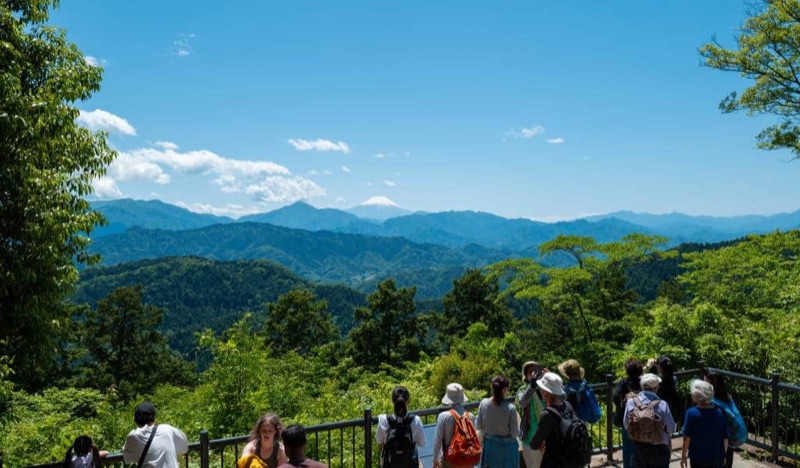
The perfect Tokyo adventure — a mountain hike just 50 minutes from Shinjuku with stunning autumn foliage, mountaintop temples, and (on clear days) views of Mt. Fuji.
Morning
Train to Mount Takao
The JR Chuo Line from Shinjuku to Takao Station (50 min, ¥400), then a 5-minute walk to the cable car base. You can hike from the bottom or take the cable car/chair lift halfway up and hike the rest. For the group, the cable car + hike combo is ideal.
📍 Shinjuku → Takaosanguchi Station
💡 The Keio Line is slightly faster. Get off at Takaosanguchi Station. The Mount Takao Free Pass (¥1,350 from Shinjuku) covers round-trip train + cable car.
Hike to the Summit
Trail 1 (Omotesando) is the most popular — paved, shaded by cedar trees, and passing the stunning Yakuo-in temple complex midway. Trail 6 is wilder with fewer people. The summit (599m) rewards you with panoramic views — and on November's clearest days, a perfect Fuji silhouette.
📍 Mount Takao, Hachioji
🕐 90-120 min hike to summit · Free
💡 November's Mount Takao Maple Festival features food stalls along the trails. The autumn colors here are considered among the best near Tokyo.
🍽️ Breakfast
Tengu Soba at Mount Takao Base
Before or after your hike, try Tengu Soba — a legendary soba shop at the mountain base famous for tororo soba (buckwheat noodles with grated mountain yam). The perfect hiker's fuel. The shop has been serving climbers for decades.
📍 Near Takaosanguchi Station · 💰 ¥800-1,200 · 🕐 From 10am
💡 Bring layers — the summit is 10°C cooler than the city. Comfortable hiking shoes essential. Pack water and snacks for the trail.
Afternoon
Yakuo-in Temple
A beautiful mountain temple complex halfway up the mountain, founded in 744 AD. The main hall is perched on a cliff, framed by maple trees. In November, the grounds are ablaze with color. Statues of tengu (long-nosed goblins) guard the temple — Mount Takao is their legendary home.
📍 Mid-mountain, Mount Takao
🕐 Open daily · Free
💡 The octagonal pagoda and the monkey park (¥500) near the cable car station are worth a stop.
Mount Takao Monkey Park
Home to about 60 Japanese macaques living in a forested enclosure. You can watch them play, groom each other, and interact. It's small but charming — especially for a group looking for a lighter activity after the hike.
📍 Near cable car station
🕐 9:30am-4pm · ¥500
💡 The monkey feeding times are the most entertaining. Good for a laugh after a serious hike.
🍽️ Lunch
Mountaintop Food Stalls
At the summit and along the trail, vendors sell tengu dango (rice dumplings), yamaimo soba, oden (winter hot pot), and warm amazake (sweet fermented rice drink). Eat with Fuji as your backdrop. This is peak Japanese hiking culture.
📍 Summit area · 💰 ¥500-1,500 · 🕐 Festival stalls open all day in November
Evening
Post-Hike Onsen
After a day of hiking, nothing beats a hot spring soak. Takao Onshi Koen (at the base of the mountain) has a day-use onsen perfect for soothing tired muscles. Alternatively, head back to Tokyo and hit a sento (public bath) in Shinjuku.
📍 Near Takaosanguchi Station
💰 ¥800-1,500 for day use
💡 Your legs will thank you tomorrow. A post-hike onsen is one of life's great pleasures.
🍽️ Dinner
Shinjuku Yakiniku (Korean BBQ)
After burning calories on the mountain, replenish with yakiniku — grill-your-own wagyu beef, pork, and vegetables over charcoal at your table. Shinjuku has dozens of excellent yakiniku spots. For a group, it's the perfect communal dinner — everyone grills, everyone eats.
📍 Shinjuku · 💰 ¥3,000-6,000 per person · 🕐 From 5pm
💡 Post-hike appetite is real. Go for the all-you-can-eat yakiniku option — most places offer 90-120 minute courses for ¥3,000-4,000.
Grand Finale: Tsukiji Feast, Odaiba Bay & Farewell Night
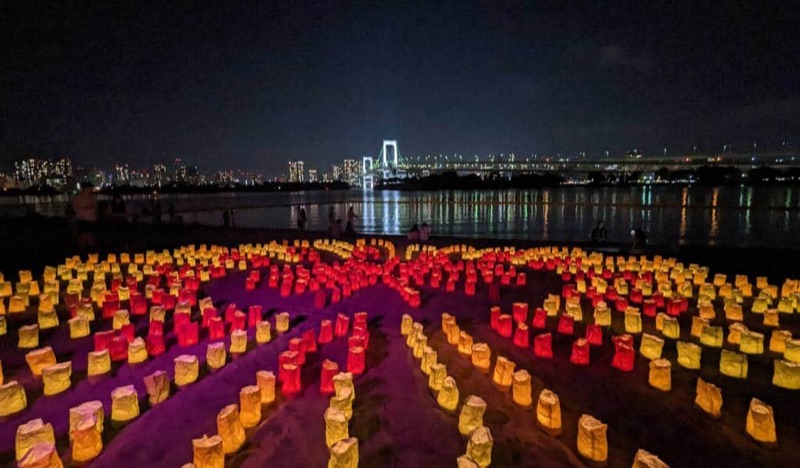
Your last full day goes all out — a morning food pilgrimage, futuristic waterfront exploration, and a farewell dinner that celebrates everything you've experienced.
Morning
Tsukiji Outer Market Deep Dive
Return to Tsukiji for a more thorough exploration — this time with 15 days of Japanese food knowledge under your belt. Visit the vendors you missed, try items you were too timid to attempt before, and stock up on edible souvenirs (dried fish, seaweed, Japanese knives, tea). This is your last chance at Tokyo's greatest food market.
📍 Tsukiji Outer Market
🕐 5am-2pm
💡 Must-try: ootoro (fatty tuna) sashimi, fresh wasabi, Japanese pickles, and high-grade matcha. Buy a Japanese knife as a lifetime souvenir — the knife shops here are legendary.
Toyosu Market
The new wholesale fish market that replaced Tsukiji's inner market. Visit the observation windows to watch the famous tuna auction (book well in advance) or explore the restaurants and shops in the tourist area. The seafood restaurants here are the real deal.
📍 Toyosu 6 Chome, Koto
🕐 Observation windows: 5am-3pm · Free · Tuna auction: must book in advance
💡 Sushi Dai and Daiwa Sushi (legendary Tsukiji institutions) moved here. If you missed them at Tsukiji, now's your chance.
🍽️ Breakfast
Tsukiji Sushi Breakfast
Your last Tokyo sushi breakfast — go all out. Sit at a counter, order omakase (chef's choice), and watch the master work. The fish has been in the water less than 12 hours ago. This is what sushi is supposed to be. Every other sushi you ever eat will be measured against this.
📍 Tsukiji Outer Market · 💰 ¥2,000-5,000 · 🕐 From 6am
💡 Tsukiji knife shops (especially Sugita and Aoki) sell professional-grade Japanese knives that cost a fraction of what they'd cost abroad. They'll engrave your name for free.
Afternoon
Odaiba Seaside
Tokyo's futuristic waterfront district on a man-made island in Tokyo Bay. See the life-size Unicorn Gundam statue (it transforms!), walk the beach with Rainbow Bridge views, visit the Miraikan (National Museum of Emerging Science), and explore the DiverCity and Aqua City complexes.
📍 Odaiba, Koto
💡 Take the Yurikamome elevated train from Shimbashi — it crosses Rainbow Bridge driverless, offering incredible bay views. The ride itself is a highlight.
teamLab Borderless (Azabudai Hills)
If you didn't get enough teamLab, or want a different experience, the new teamLab Borderless at Azabudai Hills opened in 2024 — rooms of flowing digital art with no boundaries between works. Even more immersive than Planets. A fitting near-finale experience.
📍 Azabudai Hills, Roppongi
🕐 10am-9pm · ¥3,800 · Book online in advance
💡 Different from Planets — this is a permanent installation with constantly evolving artworks.
🍽️ Lunch
Odaiba Food Court & Bay Views
Aqua City Odaiba has a ramen theme park on the 5th floor with shops representing different regions of Japan. Eat with views of Rainbow Bridge and Tokyo Bay. Unpretentious and fun.
📍 Aqua City Odaiba · 💰 ¥900-1,500 · 🕐 11am-10pm
Evening
Final Shinjuku Night Walk
Your last night in Tokyo — walk Shinjuku one more time. The neon signs, the crowds, the energy that never stops. Visit Kabukicho, walk through the illuminated Shinjuku Gyoen walls, and take it all in. Seventeen days wasn't enough. It never is.
📍 Shinjuku
💡 The Shinjuku Southern Terrace is quieter and romantic — a good spot for the group to gather and reflect.
🍽️ Dinner
Farewell Wagyu Dinner
End with the best: a proper wagyu dinner. Book a yakiniku or sukiyaki restaurant specializing in A5 wagyu (the highest grade). The marbling, the melt-in-your-mouth texture, the richness — it's a once-in-a-lifetime meal that celebrates 17 days of Japanese culinary excellence. Raise a glass of sake to Tokyo.
📍 Shinjuku or Ginza · 💰 ¥8,000-15,000 per person · 🕐 Book well in advance · 🍷 Pair with premium sake
💡 Your last night — don't hold back. Order the premium course. Get the sake pairing. Eat the extra dessert. You've earned it.
Sayonara, Tokyo: Last Bites & Departure

One final morning in Tokyo — last convenience store haul, last temple visit, last train ride to the airport. Until next time.
Morning
Final Convenience Store Haul
Before leaving, raid the nearest 7-Eleven, Lawson, or FamilyMart for the ultimate souvenir haul: Tokyo Banana, KitKat flavors (matcha, sake, sweet potato), onigiri for the plane, and any snacks you've become addicted to over 17 days. Japanese convenience stores are genuinely world-class.
📍 Any konbini
💡 Lawson's "Uchi Café" sweets and 7-Eleven's private label snacks make the best gifts. Buy extra — you'll regret it if you don't.
Last Temple: Hanazono Shrine
Tucked in the middle of Kabukicho, this quiet shrine is a beautiful final stop. Make a prayer for safe travels, buy an omamori (good luck charm), and take one last breath of temple incense. Tokyo's shrines are its soul — end where you began.
📍 Kabukicho 2 Chome-10-13, Shinjuku
🕐 Open 24 hours · Free
💡 Buy an omamori (protection charm) for your flight home — it's a meaningful souvenir that's also genuinely beautiful.
🍽️ Breakfast
Final Ramen (Because You Have To)
One last bowl. Whether it's Ichiran (solitary booth ramen — a unique experience), a quick tonkotsu at the station, or your favorite spot from the trip. There's no wrong choice. Just one more bowl of Tokyo's greatest gift to the world.
📍 Shinjuku Station or nearby · 💰 ¥900-1,300 · 🕐 From 7am
💡 Narita Airport: Narita Express from Shinjuku (85 min). Haneda: Keikyu Line or monorail (40 min). Arrive 2-3 hours before departure. Both airports have excellent last-minute shopping.
💰 Budget Breakdown
| Category | Budget | Notes |
|---|
| Accommodation (17 nights) | $1,000 – $2,500 | Apartment rental or mid-range hotel in Shinjuku/Shibuya |
| Food & Drink | $600 – $1,200 | Mix of street food, ramen, izakayas, and a few splurge meals |
| Transportation (Tokyo) | $150 – $250 | Suica card for trains, subways, and buses |
| Day Trip Transport | $200 – $350 | Hakone, Kamakura, Nikko, Kawaguchiko, Yokohama, Takao |
| Attractions & Museums | $100 – $200 | Temples, museums, observation decks, teamLab |
| Onsen & Wellness | $50 – $150 | Hakone onsen, sento visits, tea ceremony |
| Shopping & Souvenirs | $200 – $500 | Knives, snacks, clothing, crafts |
✈️ Airport Transfer
- Narita (NRT): Narita Express to Shinjuku (85 min, ¥3,250) or Keisei Skyliner to Nippori + Yamanote (65 min, ¥2,570)
- Haneda (HND): Keikyu Line to Shinagawa + Yamanote (40 min, ¥600) or Tokyo Monorail to Hamamatsuchō (22 min, ¥500)
- Both airports have excellent limousine bus services if your group has heavy luggage
📱 Connectivity
- Rent a pocket Wi-Fi at the airport — best for groups (¥500-700/day, connects 5-10 devices)
- Alternatively, eSIM via Airalo or Ubigi (cheaper but individual)
- Free Wi-Fi in konbini, cafés, and most stations
🚃 JR Pass Considerations
- For Tokyo + day trips only, a JR Pass is NOT worth it — pay as you go with Suica
- Consider the Tokyo Wide Pass (3 days, ¥10,180) for concentrated day-trip periods
- If adding Kyoto/Osaka, a 7-day JR Pass (¥33,610) might make sense
🏬 Group Accommodation Tips
- Book through Airbnb for apartments that sleep 6+ — much cheaper than hotel rooms
- Shinjuku and Shibuya have excellent apartment options near stations
- Look for places with washing machines — laundromats are common but in-unit is easier for a group
🍜 Restaurant Reservations
- Book high-end restaurants (wagyu, sushi, kaiseki) 2-4 weeks in advance
- Use TableAll or Pocket Concierge for English-friendly reservations
- Ramen shops, izakayas, and street food do not take reservations — just show up
🎌 November Festivals
- Tori-no-ichi Fair (Asakusa): "Rooster Day" market in November — lucky rakes and festival food
- Shichi-Go-San (Nov 15): Children's shrine visits — adorable kids in kimono everywhere
- Autumn foliage illumination at Rikugien and Shinjuku Gyoen (evening access)
- Check gotokyo.org for specific dates — some shift annually