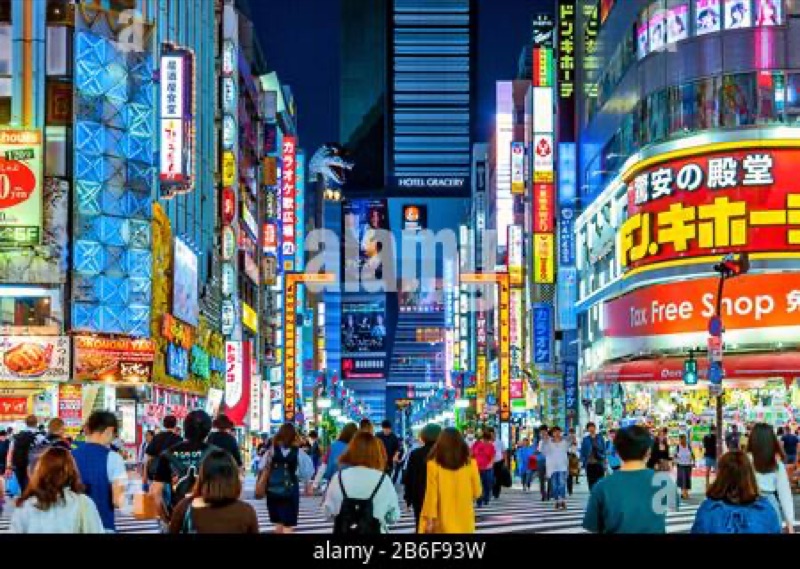
🇯🇵 Your Custom Itinerary

Neon, Shrines & Summer Thunder — Tokyo with a Teen: 7 days of arcade battles, Harajuku fashion, teamLab wonder, ramen slurping & shrine forests in the electric heart of Japan

July in Tokyo is a full-body experience — the city hums at 32°C with afternoon thunderstorms that clear the air and leave the neon twice as bright on wet pavement. This is peak summer festival season, when shrine grounds fill with lanterns, taiko drums, and yakitori smoke. This itinerary is built for a teen who wants the real Tokyo: Shibuya Crossing at rush hour, Harajuku street fashion, retro arcades in Akihabara, the sensory overload of teamLab, a samurai sword lesson, and enough ramen, gyoza, and matcha soft-serve to fuel it all. But it also goes deep — Meiji Shrine's forest, a Tsukiji food crawl, the old-Tokyo charm of Yanaka, and a day trip to the Great Buddha and beach vibes of Kamakura. The pace is designed for summer heat: mornings are active, afternoons lean toward air-conditioned wonders, and evenings come alive when the temperature drops and Tokyo's neon switches on.

Duration: 7 days
Dates: Jul 16 – Jul 22, 2026
Budget: $$
Pace: Moderate
Best for: Teens · Families · Culture Seekers · Adventure Lovers

⚡ Before You Go — Essentials

🌡️ July Heat Strategy

Tokyo in July averages 30–34°C (86–93°F) with 70–80% humidity. Afternoon thunderstorms are common but pass quickly. Beat the heat: start mornings early (temples are magical before 8 AM), schedule air-conditioned activities for 1–4 PM (museums, arcades, malls), and explore outdoors in the evening. Carry a tenugui (small towel), a portable fan (¥100 shops), and stay hydrated — every konbini has cold mugicha (barley tea) and Pocari Sweat.

🚆 Getting Around

Get a 72-hour Tokyo Subway Ticket (¥1,500/adult) for the first 3 days, then a Suica IC card (tap-and-go on trains, buses, and konbini). The JR Yamanote Line (green loop) connects Shibuya, Shinjuku, Harajuku, Akihabara, Ueno, and Tokyo Station. For Kamakura: JR Yokosuka Line from Tokyo Station (1 hour, ¥950). Google Maps transit is flawless in Tokyo.

💴 Money & Tipping

Japan is more cash-based than expected — small ramen shops, market stalls, and shrines are cash-only. 7-Eleven ATMs accept all international cards (24/7). There is NO tipping in Japan — it's considered rude. Tax-free shopping at major stores with passport (¥5,000 minimum).

🏪 Konbini Life

Japanese convenience stores (7-Eleven, FamilyMart, Lawson) have genuinely excellent food (onigiri, egg sandwiches, bento, karaage), clean restrooms, ATMs, and phone chargers. Open 24/7, every block. A konbini breakfast or late-night snack run is a legit Tokyo experience.

📱 Connectivity

Rent pocket WiFi at Narita/Haneda (~¥900/day) or buy an eSIM (Ubigi or Airalo, ~$15/7 days). Essential apps: Google Maps (transit), Google Translate (camera reads Japanese signs), Tabelog (real restaurant reviews), Suica app (digital transit card on iPhone).

Day 1 Asakusa · Ueno · Akihabara

Ancient Temples, Street Food & Arcade Overdose
Ancient Temples, Street Food & Arcade Overdose, Tokyo, Japan

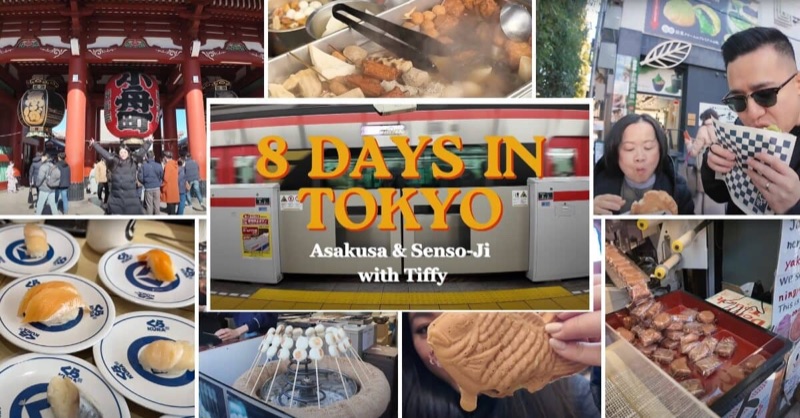
Dive into Tokyo's contrasts: incense and thunder at Senso-ji (Tokyo's oldest temple), chaotic post-war market energy at Ameyoko, and the neon sensory assault of Akihabara's arcades.

Morning (9:00 AM – 12:00 PM)

Senso-ji Temple & Nakamise-dori

Tokyo's oldest Buddhist temple (645 AD). Walk through the massive Kaminarimon Thunder Gate, down 250m of Nakamise-dori shopping street (rice crackers, grilled senbei, kibi-dango), past the five-story pagoda to the main hall. Try omikuji fortune papers (¥100) — bad luck? Tie it to the wire rack and leave it behind. Arrive by 9 AM to beat tour groups.

📍 2-3-1 Asakusa, Taito — Asakusa Station (Ginza Line)
⏰ Grounds 24/7; main hall 6 AM–5 PM · Free entry
🍘 Try: kibi-dango (¥350), age-manju, melon pan
📸 Shoot through the Kaminarimon lantern toward the pagoda

Hoppy Street & Asakusa Backstreets

Beyond Senso-ji, the backstreets are old-Tokyo at its best. Hoppy-dori is lined with tiny open-air izakayas serving yakitori and gyoza. Wander side streets for vintage kimono shops and artisan knife stores.

📍 West side of Senso-ji
🍢 Try: kushikatsu, taiyaki (fish-shaped red bean waffle)
Pick up a tenugui (hand towel, ¥500–1,500) from Nakamise — beautiful, practical in July heat, folds flat. Perfect souvenir.
Midday (12:00 PM – 2:00 PM)

Ameyoko Market

Last standing post-war black market street under the Yamanote Line tracks. Vendors yelling prices for seafood, sneakers, dried fruits, street food. This is where Tokyoites actually shop.

📍 4 Chome Ueno — JR Ueno Station
🍡 Chocolate strawberries, grilled squid, takoyaki
🍜 Lunch
Ramen near Ameyoko
Counter-only ramen: order from the ticket vending machine, hand ticket to chef. Try shoyu or tonkotsu.
💰 ¥900–1,300/bowl
Afternoon (2:00 PM – 6:00 PM)

Akihabara Electric Town

Multi-storey arcades: crane games (UFO catchers) on ground floor, rhythm games upstairs, retro consoles at Superpotato (playable NES, SNES, N64). Mandarake: 8 floors of rare manga and anime collectibles. Air-conditioned throughout — perfect July afternoon.

📍 Akihabara Station — Electric Town Exit
🎮 GiGO: crane games, rhythm games, VR
🎮 Superpotato: retro consoles, 3F
📚 Mandarake Complex: 8 floors anime/manga
💡 Budget ¥1,000–2,000 for crane games — staff reposition prizes
Crane games in Japan are NOT rigged — staff reposition prizes if you ask. Watch others first. Arcade-exclusive plushies make great souvenirs.
Evening (6:30 PM – 9:00 PM)

Akihabara Neon Walk

Neon signs blaze at sunset, anime music spills from doorways. Walk Chuo-dori for the full electric atmosphere.

📍 Chuo-dori, Akihabara
🌃 Best photos from Manseibashi overpass
🍛 Dinner
CoCo Ichibanya or Gyukatsu Motomura
CoCo Ichibanya: Japan's beloved curry chain — customise spice, toppings, rice. Or Gyukatsu Motomura: deep-fried beef cutlet you sear on a hot stone at your table.
💰 ¥1,000–1,800 · No reservation needed
Day 2 Harajuku · Omotesando · Shibuya

Fashion, Street Culture & Shibuya Sunset
Fashion, Street Culture & Shibuya Sunset, Tokyo, Japan

Peak teen Tokyo: Harajuku's rainbow fashion explosion, Meiji Shrine's forest calm, a samurai sword experience, and Shibuya Sky at golden hour.

Morning (8:30 AM – 12:30 PM)

Meiji Shrine

Shinto shrine in a 170-acre forest of 120,000 trees — feels ancient despite being planted in 1920. The gravel path from the massive torii gate is meditative and noticeably cooler. Write a wish on an ema (¥500). The contrast with Harajuku chaos 200m away is quintessential Tokyo.

📍 1-1 Yoyogi Kamizonocho — JR Harajuku Station
⏰ Sunrise–sunset · Free
⏱️ 45–60 min
💡 Entrance torii: 12m tall, 1,500-year-old cypress

Takeshita Street & Harajuku

400m pedestrian street = ground zero for Japanese teen culture. Crepe shops with fruit towers, rainbow cotton candy, purikura photo booths, vintage clothing, Lolita to streetwear. Cat Street (one block parallel) is cooler with independent boutiques and sneaker shops.

📍 JR Harajuku Station, Takeshita Exit
🍦 Totti Candy Factory, Marion Crepes (since 1976), matcha soft-serve
👗 WEGO, Kiddy Land (5 floors toys), Daiso (¥100 shop)
📸 Cat Street: independent fashion, better photos
🍳 Brunch
Bills Omotesando
'World's best scrambled eggs' with a treetop terrace. Or Eggs 'n Things for absurdly tall pancake stacks.
💰 ¥1,500–2,500 · Tokyu Plaza Omotesando 7F
Daiso (¥100 shop) has Japanese snacks and stationery for nothing. Don Quijote in Shibuya: 7 floors of chaos — snacks, electronics, costumes, open until 5 AM.
Afternoon (1:30 PM – 4:30 PM)

Samurai Sword Experience

Hands-on katana lesson at a Shinjuku dojo. Learn cuts, stances, and bushido philosophy wearing a traditional gi. 60–90 min, designed for beginners — hugely popular with teens.

📍 Kabukicho, Shinjuku — multiple operators
🎫 ¥8,000–12,000 — book via Klook/Viator
📸 Photos in full samurai gear included
💡 Book 3+ days ahead in July
Between activities: konbini cold mugicha (barley tea) or Coolish frozen tube (¥150 at FamilyMart) are lifesavers.
Evening (5:00 PM – 9:30 PM)

Shibuya Sky — Rooftop Sunset

Open-air observation deck on the 46th floor directly above Shibuya Crossing. Watch the city shift from gold to neon blue. Glass edges, minimal railings, infinity mirror installation.

📍 Shibuya Scramble Square 46F
🎫 ¥2,000 — book at shibuya-sky.tokyo
🌅 July sunset ~7 PM — book 5:30/6 PM slot

Shibuya Crossing & Karaoke

Walk the crossing (3,000 people cross simultaneously), then hit a karaoke box — private rooms, English songs, unlimited drinks.

🐕 Meet at Hachiko statue
🎤 Big Echo or Joysound: ¥500–800/30 min
🍣 Dinner
Genki Sushi or Shibuya Yokocho
Genki: conveyor-belt sushi, plates arrive on miniature bullet trains. Yokocho (Miyashita Park): 19 regional Japanese kitchens under one retro roof.
💰 ¥1,500–2,500 · No reservations
Day 3 Toyosu · Azabudai Hills · Odaiba

teamLab, Fish Market & Waterfront Futurism
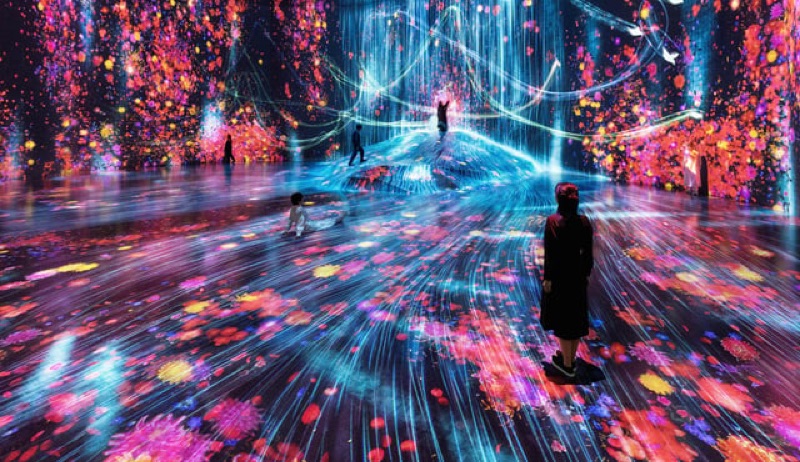
teamLab, Fish Market & Waterfront Futurism, Tokyo, Japan

Futuristic Tokyo: teamLab Borderless digital art, the world's greatest fish market at Toyosu, and Odaiba's waterfront playground. Air-conditioned all day — perfect July heat strategy.

Morning (8:00 AM – 11:00 AM)

Toyosu Fish Market

Tokyo's wholesale fish market. Public galleries overlook the tuna auction floor. The sushi counters serve the freshest fish on Earth — caught hours ago. Even skipping the 5:30 AM auction, the sushi breakfast justifies the trip.

📍 6-6-2 Toyosu, Koto — Shijo-mae Station (Yurikamome)
🍣 Sushi Dai & Daiwa Sushi: legendary counters, 30–60 min wait
💡 Iwasa Sushi: shorter lines, equally fresh
⏱️ 2 hours for market + breakfast
🍣 Breakfast
Sushi Dai or Daiwa Sushi
Omakase (chef's choice) ¥4,000–5,500 — whatever was freshest at that morning's auction. Unmatched quality.
💰 ¥3,500–5,500 · Toyosu Market Bldg 6 · From ~5:30 AM
Midday (11:30 AM – 3:30 PM)

teamLab Borderless

10,000 sqm immersive digital art museum. Rooms of light, water, flowers flow without boundaries, responding to touch and changing with seasons. The Athletics Forest is a physical playground — balance beams, trampolines, climbing walls in projected light. THE most Instagram-worthy experience in Tokyo. Wear white for the best effect.

📍 Azabudai Hills Garden Plaza B — Kamiyacho Station
⏰ 10 AM–9 PM · Last entry 8 PM
🎫 ¥3,800/adult — MUST book online (sells out days ahead)
⏱️ 2.5–3 hours
👗 Wear white/light clothes for best photos
💡 Don't skip En Tea House — digital flowers bloom in your matcha cup
Book teamLab the moment tickets open (~1 month ahead). If sold out, teamLab Planets in Toyosu is the sister experience — more tactile (wade through water) and equally stunning.
Afternoon (4:00 PM – 7:30 PM)

Odaiba Waterfront

Tokyo's futuristic waterfront island via the driverless Yurikamome monorail over Rainbow Bridge. Giant Gundam statue (19.7m, moves hourly), JOYPOLIS (Sega's indoor amusement park), and a beach with skyline views.

📍 Yurikamome Line from Shimbashi
🤖 Unicorn Gundam: DiverCity Tokyo Plaza — free
🎮 JOYPOLIS: VR rides, motion coasters — great for teens
🏖️ Odaiba Beach: Rainbow Bridge sunset views
💡 Sit in the monorail front — no driver, panoramic views
🍔 Dinner
Aqua City Food Court
International food court overlooking Rainbow Bridge and the Statue of Liberty replica. Casual, scenic, wide selection.
💰 ¥1,200–2,500 · Aqua City Odaiba
Day 4 Shinjuku · Kabukicho · Golden Gai

Gardens, Godzilla & Neon Nights

Gardens, Godzilla & Neon Nights, Tokyo, Japan

Shinjuku at its most intense: the botanical paradise of Shinjuku Gyoen hiding behind skyscrapers, the Robot Restaurant's sensory chaos, the memory lanes of Golden Gai, and Kabukicho's neon canyon after dark.

Morning (9:00 AM – 12:00 PM)

Shinjuku Gyoen National Garden

144-acre garden combining Japanese, French, and English landscape styles. July highlights: the tropical greenhouse, koi ponds, vast lawns. Cool morning air before the heat hits. This is Tokyo breathing room.

📍 11 Naitomachi — Shinjuku-Gyoenmae Station
⏰ 9 AM–5:30 PM (closed Mon) · ¥500
🌺 Tropical greenhouse: orchids, palms, ferns — air-conditioned
⏱️ 60–90 min

Isetan Department Store Food Hall

The basement food hall (depachika) at Isetan Shinjuku is a cathedral of Japanese food: wagyu beef samples, mochi in 20 flavours, artisan bento boxes, matcha everything. This is how wealthy Tokyoites eat. Free samples everywhere.

📍 3-14-1 Shinjuku — B1F & B2F
⏰ 10 AM–8 PM
💡 Free samples are expected — try everything
Depachika (department store basement food halls) are one of Japan's best-kept secrets. Every major department store has one. Isetan's is the best in Tokyo — treat it as a sightseeing experience, not just food shopping.
Afternoon (1:00 PM – 5:00 PM)

Kabukicho & Godzilla Head

Tokyo's most famous entertainment district. The Godzilla head on the Toho Building roars on the hour. Below: arcades, karaoke towers, themed restaurants, and the new Kabukicho Tower with 48 floors of entertainment. By day it's colourful and safe; by night it's electric.

📍 Kabukicho — Shinjuku Station East Exit
🦎 Godzilla: Toho Cinemas Shinjuku rooftop, visible from the street
🏢 Kabukicho Tower: NAMCO arcade, multiple themed floors

VR Zone or Round1 Entertainment

For teens: VR Zone Shinjuku offers full-body VR experiences (Mario Kart VR, Dragon Ball, horror rooms). Round1 has bowling, arcade floors, karaoke, and darts — an all-in-one entertainment complex. Both fully air-conditioned.

📍 Both in/near Kabukicho
🎮 VR Zone: ¥1,300/experience or ¥4,400 all-day pass
🎳 Round1: pay per activity or get all-day pass
Kabukicho has a reputation as a red-light district but the main streets and entertainment complexes are completely safe and family-friendly during the day. The side alleys north of the main drag are the only part to avoid.
Evening (6:00 PM – 10:00 PM)

Omoide Yokocho (Memory Lane)

A narrow alley of tiny yakitori joints and ramen counters under the train tracks, each seating 6–10 people. Smoke, sizzling meat, cold beer, and conversation — this is where postwar Tokyo survives. Also called 'Piss Alley' (the nickname is historical). The atmosphere is unforgettable.

📍 West side of Shinjuku Station — follow the smoke
🍢 Yakitori (grilled chicken skewers): ¥100–200 per stick
🍺 Order nama biiru (draft beer) with your yakitori
💡 Most stalls are cash-only

Golden Gai

Six narrow alleys containing 200+ micro-bars, each seating 5–10 people. Some have themes (jazz, punk, cinema); many charge a ¥500–1,000 cover. The vibe is intimate, weird, and magical. Teens can enter (no alcohol obviously) — the atmosphere alone is worth it. Start at the north end and peek into bars until one feels right.

📍 1-1 Kabukicho, Shinjuku — 5 min walk from Omoide Yokocho
⏰ Most bars open 8 PM–midnight
💰 Cover charge ¥500–1,000 + drinks
💡 Some bars don't accept foreigners (marked) — most are welcoming
🍢 Dinner
Omoide Yokocho Yakitori
Yakitori at any of the smoky stalls — chicken skin (kawa), heart (hatsu), meatball (tsukune) with tare (sweet soy) or shio (salt). Order stick by stick. Add a bowl of ramen to finish.
💰 ¥1,500–2,500 · Cash only · No reservations
Omoide Yokocho tip: the stalls closest to the station entrance are tourist-heavy. Walk deeper into the alley for locals-only joints with better food and lower prices.
Day 5 Kamakura · Enoshima

Great Buddha, Bamboo & Beach Day

Great Buddha, Bamboo & Beach Day, Tokyo, Japan

Escape Tokyo's heat for Kamakura — the 13th-century capital with a giant bronze Buddha, bamboo forests, ancient temples, and a surfer beach town. One hour from Tokyo, a world away in vibe.

Morning (8:00 AM – 12:00 PM)

Kamakura Great Buddha (Kotoku-in)

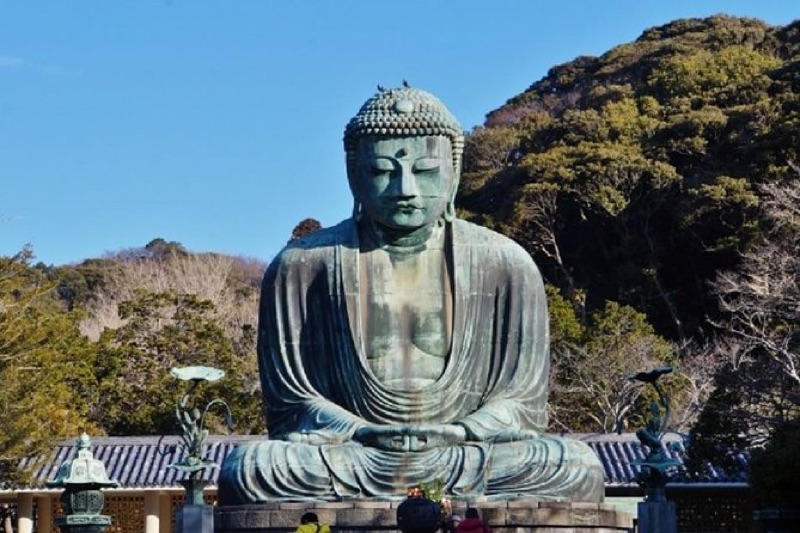
A 13.35-metre bronze Buddha statue cast in 1252, sitting outdoors after a tsunami destroyed its temple in the 15th century. You can go inside the hollow statue (¥200 extra). The scale and serenity are extraordinary — this is one of Japan's most iconic images for a reason.

📍 4-2-28 Hase, Kamakura — Hase Station (Enoden Line)
🚆 From Tokyo: JR Yokosuka Line to Kamakura (1 hr, ¥950), then Enoden to Hase
⏰ 8 AM–5:30 PM · ¥300 (+ ¥200 to enter the statue)
⏱️ 30–45 min

Hasedera Temple

A hillside temple with stunning views over Sagami Bay, famous for its 9.18-metre golden Kannon statue (goddess of mercy) and the jizo garden — hundreds of tiny stone statues in red bibs representing unborn children. The cave at the base has carved Buddhist figures lit by candles. The ocean views from the observation deck are spectacular.

📍 3-11-2 Hase — 5 min walk from Great Buddha
⏰ 8 AM–5 PM · ¥400
📸 Ocean views from the upper terrace are the best in Kamakura

Hokokuji Bamboo Temple

A Rinzai Zen temple famous for its bamboo grove — over 2,000 moso bamboo stalks creating a natural cathedral of green. There's a matcha tea house inside the grove where you can sit and drink matcha (¥600 includes temple entry). It's smaller and less crowded than Kyoto's Arashiyama and arguably more atmospheric.

📍 2-7-4 Jomyoji, Kamakura — bus from Kamakura Station (10 min)
⏰ 9 AM–4 PM · ¥300 (¥600 with matcha)
💡 The matcha in the bamboo grove is the most peaceful 20 minutes of the trip
Buy an Enoden 1-day pass (¥800) at Kamakura Station — covers unlimited rides on the cute coastal train between Kamakura and Enoshima. The ride along the coast between Shichirigahama and Inamuragasaki is famous from anime (Slam Dunk railway crossing).
Afternoon (12:30 PM – 4:00 PM)

Komachi-dori Shopping Street

Kamakura's main pedestrian shopping street — 360 metres of shops, restaurants, and snack stalls. Try shirasu-don (whitebait rice bowl, Kamakura's signature dish), matcha gelato, and warabi mochi. The street is charming and less intense than Tokyo.

📍 From Kamakura Station east exit — straight ahead
🍦 Must-try: shirasu soft-serve (yes, fish ice cream — it works)

Yuigahama Beach

Kamakura's main beach — popular with Tokyo surfers and families in summer. July means beach houses (umi no ie) serving cold beer, shaved ice (kakigori), and grilled seafood right on the sand. The water is swimmable and the vibe is laid-back coastal Japan.

📍 Yuigahama — Enoden Hase or Yuigahama Station
🏖️ Beach houses open Jul–Aug only
🍧 Kakigori (shaved ice) with condensed milk and fruit syrup — essential
💡 Bring a small towel — no rental infrastructure like Western beaches
🍚 Lunch
Shirasu-don on Komachi-dori
Kamakura's signature dish: a bowl of rice topped with raw or slightly boiled tiny whitebait fish (shirasu), caught daily from Sagami Bay. Simple, fresh, and only available here.
💰 ¥1,200–1,800 · Multiple restaurants on Komachi-dori
🍧 Afternoon
Kakigori at the Beach
Japanese shaved ice (kakigori) is an art form — finer than snow, topped with syrup, condensed milk, and fresh fruit. Get one at any beach house and eat it watching the waves.
💰 ¥500–800 · Beach houses on Yuigahama
The Slam Dunk railway crossing at Kamakura-Koko-Mae Station (Enoden Line) is a pilgrimage site for anime fans — the exact crossing from the iconic opening credits. Even non-fans: the train passing with the ocean behind it is a beautiful shot.
Evening (5:00 PM – 8:00 PM)

Enoshima Island Sunset

Take the Enoden to Enoshima — a small island connected by a bridge, topped with a shrine and observation tower. Climb the island for sunset views over Sagami Bay with Mt. Fuji in the distance (on clear days). The Sea Candle tower observation deck is spectacular at golden hour. Walk back down through the cave shrine.

📍 Enoshima Station (Enoden) — 10 min walk to island
🌅 Observation tower (Sea Candle): ¥500
⛩️ Enoshima Shrine: free, multiple levels up the hill
💡 Clear July evenings sometimes show Mt. Fuji at sunset
🍤 Dinner
Seafood on Enoshima
The island's restaurants specialize in fresh shirasu and grilled seafood. Tobiccho on the waterfront is the famous choice — raw shirasu, fried shirasu, and shirasu pizza.
💰 ¥1,500–2,500 · Tobiccho or any island restaurant
Day 6 Tsukiji · Ginza · Yanaka · Ikebukuro

Food Crawl, Old Tokyo & Anime Wonderland
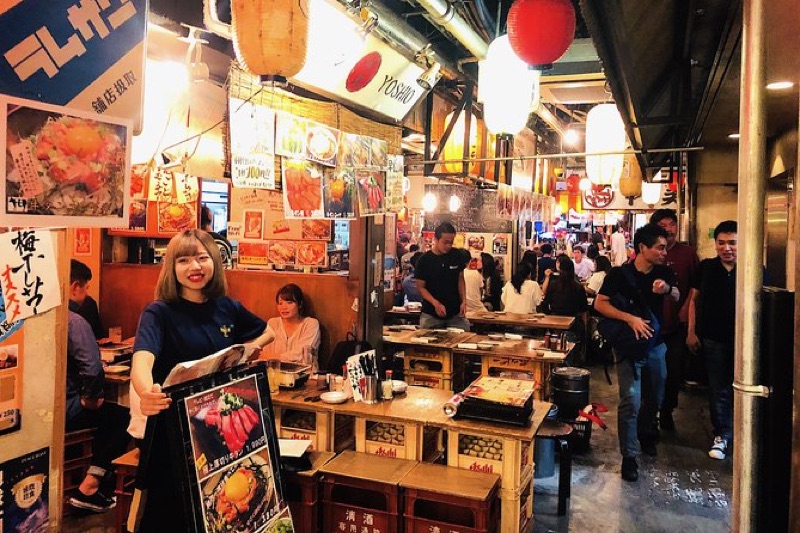
Food Crawl, Old Tokyo & Anime Wonderland, Tokyo, Japan

A day of contrasts: the legendary Tsukiji Outer Market food crawl, the old-Tokyo neighbourhood charm of Yanaka (the area the bombs missed), and the anime/manga paradise of Ikebukuro's Sunshine City and Otome Road.

Morning (8:30 AM – 11:30 AM)

Tsukiji Outer Market Food Crawl

The outer market survived Toyosu's move and is better than ever — 400+ stalls and restaurants in a compact grid. This is Tokyo's greatest food walk: tamagoyaki (sweet rolled omelette on a stick), fresh uni (sea urchin) on rice crackers, grilled scallops with butter, tuna cheek, matcha mochi, wagyu beef skewers. Eat your way through methodically.

📍 4-16-2 Tsukiji, Chuo — Tsukiji Station (Hibiya Line)
⏰ Most stalls 7 AM–2 PM (go early)
🍳 Must-eat: tamagoyaki at Yamachou, fresh uni, grilled scallops with butter soy
🍡 Matcha: Matcha Stand Maruni for matcha soft-serve and lattes
💰 Budget ¥2,000–3,000 for a full grazing tour
💡 Bring cash — most stalls are cash-only
Tsukiji strategy: start at the Namiyoke Shrine end (quieter) and work toward the main entrance. Eat light — you want stomach space for at least 6-8 tastings. The tamagoyaki (sweet egg) at Yamachou is non-negotiable.
Midday (12:00 PM – 2:30 PM)

Yanaka — Old Tokyo That Survived

Yanaka is the rare Tokyo neighbourhood that wasn't destroyed in WWII or rebuilt in concrete. Narrow lanes, wooden houses, temple graveyards, cats sunbathing, and local shops that haven't changed in decades. Yanaka Ginza (a retro shopping street) is the main artery — butchers, rice crackers, cat-themed everything. This is the Tokyo most tourists never see.

📍 Yanaka Ginza: JR Nippori Station, West Exit — walk downhill
🐱 Yanaka is famous for its stray cats — there's even a cat-shaped clock on the shopping street
🍘 Try: menchi-katsu (fried meat cutlet) from the butcher, cold amazake (sweet rice drink)
⛩️ Yanaka Cemetery: surprisingly peaceful, famous locals buried here, cherry trees
🍘 Lunch
Yanaka Ginza Street Food
Graze along the retro shopping street: menchi-katsu from the famous butcher, handmade senbei, cold amazake. Or sit at Kayaba Coffee (a renovated 1938 building) for their legendary egg sandwich and drip coffee.
💰 ¥800–1,500 · Along Yanaka Ginza shopping street
Afternoon (3:00 PM – 6:30 PM)

Ikebukuro Sunshine City & Otome Road

Ikebukuro is Akihabara's cooler sibling — less tourist, more local otaku. Sunshine City is a massive complex with Pokémon Center Mega (the largest Pokémon store in Tokyo), Namco amusement floors, and the Sunshine Aquarium (rooftop aquarium with penguin garden). Otome Road nearby is the female-oriented anime and manga district — BL manga, cosplay shops, and Animate (the world's largest anime store).

📍 Ikebukuro Station (JR Yamanote) — East Exit
🎮 Pokémon Center Mega: Sunshine City alpa 2F — largest Pokémon store in Tokyo
🐧 Sunshine Aquarium: rooftop, ¥2,600 — penguins flying overhead in sky tanks
📚 Animate Ikebukuro: world's largest anime store, 9 floors
💡 Otome Road is 5 min north of Sunshine City
Pokémon Center Mega in Sunshine City is THE Pokémon store — exclusive merchandise, Pikachu everything, and a café. Even non-fans are impressed by the scale. Budget 30–60 minutes and ¥3,000+ for merch.
Evening (7:00 PM – 9:30 PM)

Ikebukuro Ramen Street

The basement of Ikebukuro Station contains several legendary ramen shops. Mutekiya is the most famous — rich tonkotsu broth with a 30-minute wait that's always worth it. Or try Fuunji for their tsukemen (dipping ramen — cold noodles, hot broth, completely different and perfect for summer).

📍 Ikebukuro Station area — multiple options
🍜 Mutekiya: legendary tonkotsu, expect 30 min wait
🍜 Fuunji: tsukemen specialist — perfect for hot weather
💡 Tsukemen = cold noodles dipped in hot concentrated broth. Summer ramen solution.
🍜 Dinner
Mutekiya or Fuunji Ramen
Ikebukuro's ramen legends. Mutekiya: thick tonkotsu (pork bone) broth. Fuunji: tsukemen (dipping noodles — cold noodles, hot broth, perfect for summer). Both are counter-seating, vending machine ordering.
💰 ¥900–1,400 · Near Ikebukuro Station · Expect waits
Day 7 Shimokitazawa · Nakameguro · Roppongi

Vintage Vibes, Hidden Gems & Tokyo Farewell
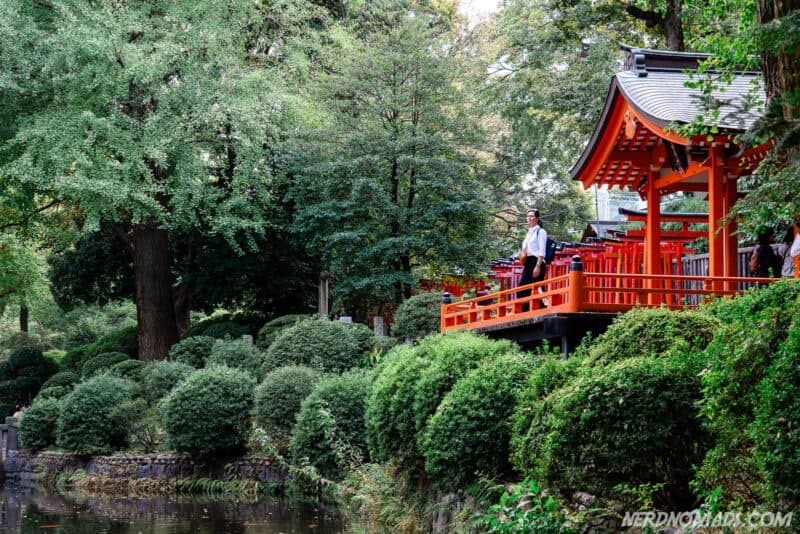
Vintage Vibes, Hidden Gems & Tokyo Farewell, Tokyo, Japan

The final day explores Tokyo's coolest residential neighbourhoods: Shimokitazawa (vintage clothing, indie cafés, live music), the canal-side charm of Nakameguro, and a farewell dinner in Roppongi with city views. These are the areas where young Tokyoites actually live and hang out.

Morning (9:00 AM – 12:30 PM)

Shimokitazawa — Tokyo's Coolest Neighbourhood

Shimokita (as locals call it) is Tokyo's answer to Brooklyn or Shoreditch — narrow lanes packed with vintage clothing shops, indie record stores, tiny cafés, and live music venues. It's where Tokyo's creative class hangs out. The vintage shopping here is legendary: 2nd Street, Flamingo, and dozens of unnamed shops with racks of perfectly curated secondhand Japanese fashion. For a teen into fashion or music, this is paradise.

📍 Shimokitazawa Station — Keio Inokashira Line from Shibuya (3 min)
👗 Vintage: 2nd Street, Flamingo, Stick Out — all within 5 min walk
☕ Coffee: Bear Pond Espresso (famous for its "angel stain" latte), Café Obscura
🎵 Bonus: check for live shows at Shelter or THREE (¥1,500–2,500 entry)
💡 New development: Shimokita Ekiue — shops and a public park on top of the station
☕ Brunch
Bear Pond Espresso or Shimokita Cafés
Bear Pond is a famous single-barista espresso shop — their "angel stain" latte is an Instagram legend. The surrounding streets have dozens of charming cafés with toast sets and pour-overs.
💰 ¥600–1,200 · Near Shimokitazawa Station south exit
Shimokitazawa vintage tip: prices are dramatically lower than Harajuku. The same Levi's jacket that costs ¥12,000 in Harajuku is ¥4,000 here. Go early — the best finds go fast.
Midday (1:00 PM – 3:30 PM)

Nakameguro Canal Walk

Nakameguro's tree-lined Meguro River canal is Tokyo's most stylish neighbourhood stroll. Boutiques, design shops, and cafés line both banks. Onibus Coffee and Blue Bottle Coffee have riverside locations. The vibe is calm, sophisticated, and very photogenic — a complete contrast to Shibuya's chaos just two stops away.

📍 Nakameguro Station (Hibiya/Tokyu Toyoko Line)
☕ Onibus Coffee: canal-side location, excellent pour-over
🛍️ Cow Books (curated bookshop), Traveler's Factory (stationery paradise)
🍫 Green Bean to Bar Chocolate: bean-to-bar craft chocolate, free samples

Stationery & Design Shopping

Nakameguro is home to Traveler's Factory (flagship store for Traveler's Notebook — customisable leather journals) and several Japanese design shops. For a teen who journals or draws, this is treasure territory.

📍 Traveler's Factory: along the canal, south bank
💡 Customise a Traveler's Notebook as a trip journal — they stamp it with the date
Afternoon (4:00 PM – 6:00 PM)

Last-Minute Shopping & Souvenir Run

Final souvenir stops: Tokyo Station's underground Character Street (official Pokémon, Ghibli, Sanrio, Peanuts stores), the massive Tokyu Hands (creative supplies, gadgets, Japanese design), or a final Daiso/Don Quijote run. Tokyo Station also has Ramen Street (8 famous ramen shops) and the gorgeous red-brick Marunouchi façade.

📍 Tokyo Station: First Avenue (underground) — Character Street + Ramen Street
🛍️ Tokyu Hands Shibuya: 7 floors of Japanese creativity
🎁 Top souvenirs: Kit-Kat (Japanese flavours), tenugui, chopsticks, character goods
Tokyo Station's underground Character Street has every franchise store you could want — Studio Ghibli, Pokémon, Peanuts, Tomica, Hello Kitty. It's also where you buy Tokyo Banana (the city's signature omiyage/gift snack). Buy a box for home.
Evening (6:30 PM – 9:30 PM)

Farewell Dinner — Tokyo Tower Views

End the trip with dinner near Tokyo Tower. The Prince Park Tower hotel's sky lounge has floor-to-ceiling views of the illuminated tower. For something more casual, the Azabudai Hills food court or a final yakiniku (Japanese BBQ) where you grill wagyu beef at your table — interactive, celebratory, and the perfect last meal.

📍 Options: Azabudai Hills area or near Tokyo Tower
🗼 Tokyo Tower lit orange at night is iconic — photograph from Shiba Park
🥩 Yakiniku rec: Yakiniku Like (solo-friendly, quick) or Gyukaku (group-friendly, all-you-can-eat option)
💡 For a splurge: order A5 wagyu at a yakiniku restaurant — it melts like butter
🥩 Farewell Dinner
Yakiniku BBQ near Tokyo Tower
Grill wagyu beef at your table for the ultimate Tokyo farewell. Gyukaku offers all-you-can-eat courses (¥3,500–5,000); for a splurge, a proper yakiniku restaurant serving A5 wagyu is unforgettable.
💰 ¥3,000–8,000 · Multiple options near Roppongi/Azabudai · Reservation recommended for A5 spots

Love this format? Get your own.

Every tabiji itinerary is custom-built from real traveler intelligence — specific restaurants, actual addresses, local timing tricks.

Get Your Personalized Itinerary — $1

Delivered within 24 hours. 2 free revisions. 100% satisfaction guaranteed.

📄 Export to Google Docs

Get an editable Google Doc of this itinerary — perfect for sharing with your travel group and adding your own notes.

The doc will be shared to your email as an editor.

✅ Your Google Doc is ready!

We've shared it with . Check your Google Drive or click below.

Open Google Doc →

Tip: You can edit, add notes, and share it with your travel group!