⚡ Before You Go — Essentials
🚄 Getting Around
A 7-day JR Pass (¥50,000/~$330) activated on Day 1 covers the Hakuba→Nagoya→Takayama and Takayama→Kyoto segments, plus Kyoto→Nara, Kyoto→Osaka, and Osaka→Tokyo. Within Kyoto, use city buses (¥230/ride) or rent a bicycle. IC card (Suica/Pasmo) works for local trains and buses everywhere.
💵 Budget
Moderate budget: ¥8,000-12,000/day covers food, transport top-ups, and admissions. Accommodation: ¥4,000-7,000/night for business hotels and hostels, plus one ryokan night in Takayama (¥10,000-15,000). Japan is very cash-friendly — ATMs at 7-Eleven and post offices accept international cards.
🌸 Cherry Blossom Intel
Late March 2026 forecast: Kyoto first bloom ~March 23, full bloom ~March 30. Yoshino first bloom ~March 25. Osaka first bloom ~March 22. You'll catch the exciting early blooms opening — the most photogenic moment. Some early-blooming varieties (shidare-zakura, kawazu-zakura) will already be full.
🏨 Accommodation
Mix of business hotels (Toyoko Inn, APA Hotel: ¥5,000-7,000), one capsule hotel in Osaka for the experience (¥3,000-4,000), and a traditional ryokan in Takayama. Book Kyoto accommodation early — cherry blossom season is peak and prices surge.
🗣️ Language Tips
Kyoto and Osaka are tourist-friendly with good English signage. Takayama and Yoshino less so — Google Translate camera mode is essential. Key phrases: sumimasen (excuse me), oishii (delicious), ikura desu ka (how much?), kore kudasai (this one please).
🎒 Packing
Mid-late March: 10-18°C in Kansai, cooler in Takayama (5-12°C). Layers are key. Bring a compact umbrella (spring showers), comfortable walking shoes (you'll walk 15,000-20,000 steps/day), and a small towel for onsen. Use takkyubin luggage forwarding (¥2,000) to ship bags ahead.
Mountain to Mountain: Hakuba to Takayama's Edo Streets
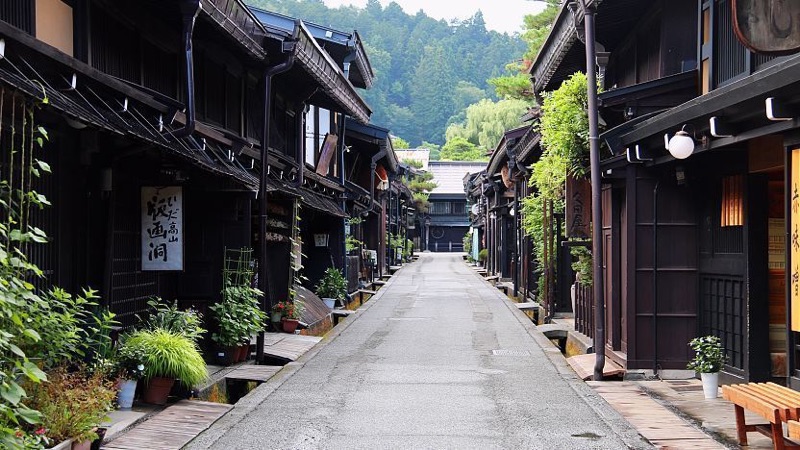
Leave Hakuba and travel south through Matsumoto (quick stop if time allows), then onward to Takayama — a beautifully preserved Edo-period town in the Japanese Alps known for its morning markets, Hida beef, and sake breweries.
Hakuba → Matsumoto → Takayama by Train
Take the JR Oito Line from Hakuba to Matsumoto (~2 hours through scenic alpine valleys). From Matsumoto, transfer to the JR Wide View Hida limited express to Takayama (~2 hours through the dramatic Hida mountain gorge). This is one of Japan's most beautiful train rides — the train winds along river gorges with snow-capped peaks.
Sanmachi Suji (三町筋) — Old Town Walking
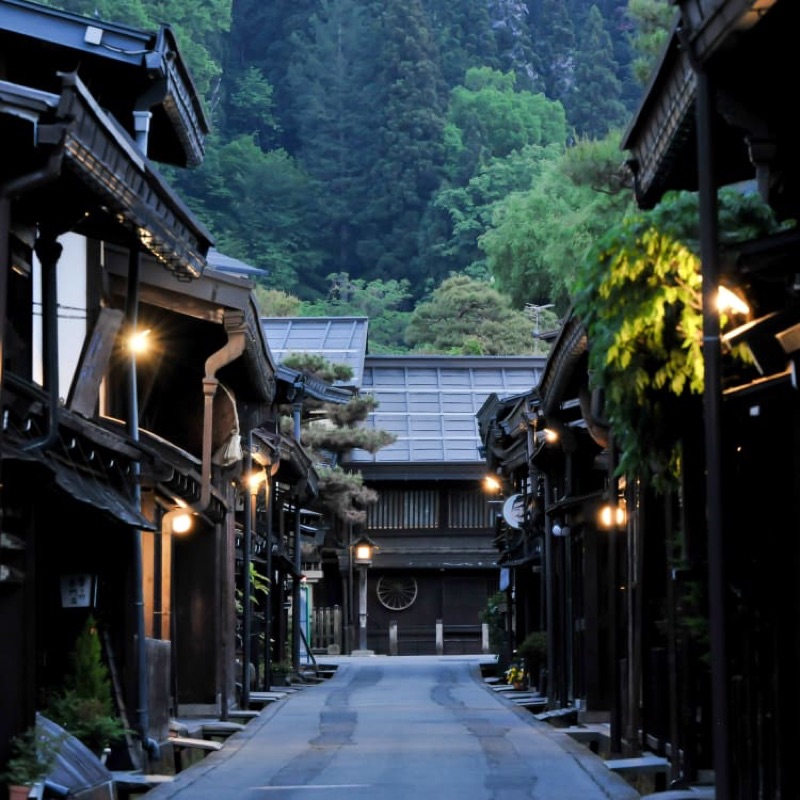
Takayama's heart is this preserved district of dark-wood merchant houses from the Edo period (1600s-1800s). The three parallel streets are lined with sake breweries (look for sugidama cedar balls hanging outside), craft shops, and small museums. It feels like stepping back 300 years.
Sake Brewery Tastings
Takayama has 6 sake breweries within walking distance in the old town. In late March, many are finishing their winter brewing season and offer special new sake (shinshu). Funasaka Sake Brewery and Harada Sake Brewery are excellent — try the nama (unpasteurized) sake, only available fresh.
Hida Beef Dinner
Hida beef (飛騨牛) is Takayama's claim to fame — a wagyu variety rivaling Kobe beef at half the price. Try it as steak, yakiniku (grilled), or on sushi (yes, raw beef sushi). Maruaki is a local favorite with counter seating where you grill your own premium cuts.
Morning Markets, Mountain Temples & Hida Folk Village
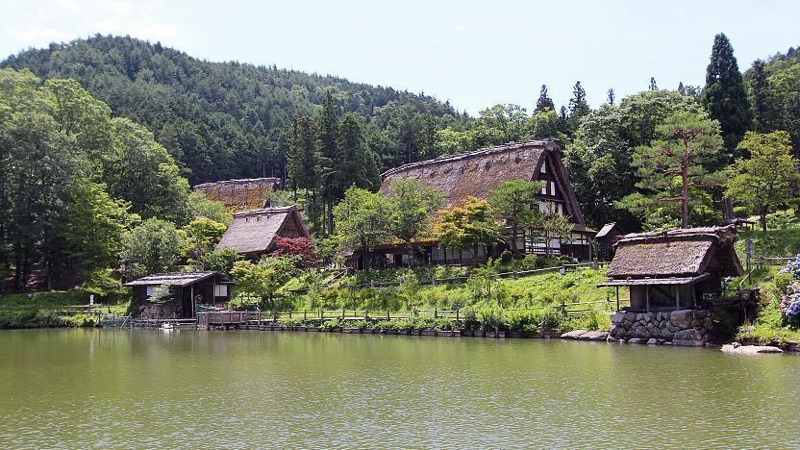
A full day in Takayama exploring the famous morning markets, the hilltop Higashiyama temple walk, and the open-air folk village that showcases traditional thatched-roof farmhouses of the Hida region.
Miyagawa Morning Market (宮川朝市)
One of Japan's oldest and most charming morning markets, running along the Miyagawa River since the Edo period. Local grandmothers sell pickles, miso paste, handmade crafts, and seasonal mountain vegetables. In March, look for fukinotō (butterbur sprouts) and sansai (mountain wild vegetables) — harbingers of spring.
Takayama Jinya (高山陣屋) — Historic Government House
The only surviving Edo-era government office in Japan. This beautifully restored complex shows how Tokugawa-era officials administered the region. The rice storehouses, torture room, and beautiful gardens give a vivid picture of feudal governance.
Hida Folk Village (飛騨の里)
An open-air museum showcasing 30+ traditional thatched-roof farmhouses (gassho-zukuri style, similar to Shirakawa-go which you've already seen, but here you can go inside each one and see craft demonstrations). In late March, the last snow may still dust the roofs while spring flowers emerge — a magical transitional moment.
Higashiyama Walking Course (東山遊歩道)
A peaceful 3.5km hillside path connecting 13 temples and 5 shrines on Takayama's eastern edge. The trail winds through forest and past moss-covered stone walls. In late March, early plum blossoms line the path. It's meditative, quiet, and locals-only.
Takayama Night Walk & Izakaya
The old town is magical after dark — lanterns illuminate the wooden buildings and the river reflects the lights. End the night at a local izakaya for Hida pork skewers, mountain vegetable tempura, and one last round of Takayama sake.
Into the Ancient Capital: Takayama to Kyoto
Travel from the mountains to Japan's cultural heart. Arrive in Kyoto and spend the afternoon exploring the atmospheric Higashiyama district — Kyoto's most beautiful neighborhood of temples, tea houses, and geisha streets.
Takayama → Kyoto by Train
Take the JR Wide View Hida from Takayama to Nagoya (~2.5 hours), then transfer to the Tokaido Shinkansen to Kyoto (~35 minutes). Use takkyubin luggage forwarding to send your big bag directly to your Kyoto hotel (arrange at hotel front desk or 7-Eleven the night before, ¥2,000) so you travel light.
Kiyomizu-dera (清水寺) at Golden Hour
One of Kyoto's most iconic temples, perched on a hillside with a massive wooden stage jutting out over the valley. In late March, the cherry trees around the temple begin to bloom — the combination of the wooden stage, city panorama, and pink blossoms is unforgettable. Come in late afternoon for golden light and fewer crowds.
Ninenzaka & Sannenzaka (二年坂・三年坂)
The photogenic stone-paved lanes leading down from Kiyomizu-dera are lined with traditional wooden machiya houses converted into tea shops, pottery stores, and sweet shops. Walk slowly — there's a beautiful detail around every corner. Look for the hidden Starbucks inside a 100-year-old machiya.
Gion District Evening Walk
Kyoto's famous geisha district comes alive at dusk. Walk along Hanamikoji-dori and the canal-lined Shirakawa area to see beautifully preserved ochaya (tea houses) with their distinctive bamboo screens and paper lanterns. If you're lucky, you may spot a maiko (apprentice geisha) heading to an evening engagement.
Bamboo, Gold & Ten Thousand Torii Gates
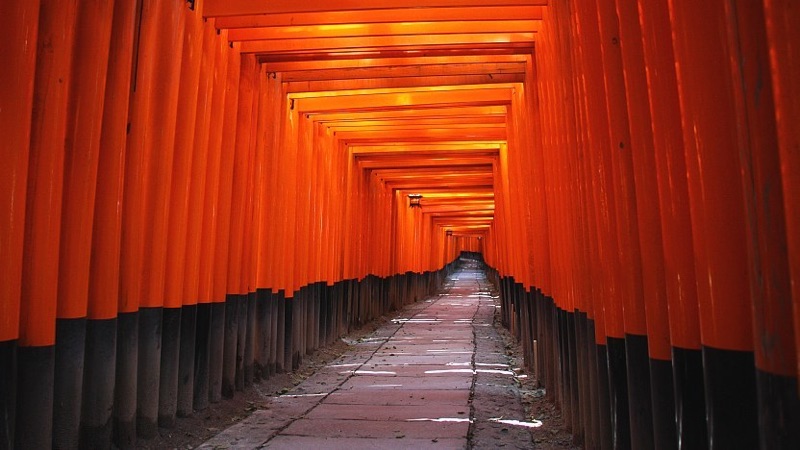
Today covers Kyoto's western and southern highlights: the ethereal Arashiyama bamboo grove, the iconic Golden Pavilion, and the mesmerizing tunnel of vermillion torii gates at Fushimi Inari. March 20 is also Shunbun no Hi (Spring Equinox Day) — a national holiday celebrating the arrival of spring.
Arashiyama Bamboo Grove (嵐山竹林)
Arrive early (before 8am) to experience the famous bamboo forest in relative solitude. The towering stalks create a natural cathedral, with light filtering through in shafts. In late March, the bamboo is lush green against the first cherry blossoms along the Katsura River — a stunning contrast.
Tenryū-ji Temple & Garden (天龍寺)
A UNESCO World Heritage Zen temple at the base of the bamboo grove. The garden is one of Japan's finest — designed in the 14th century with Mt. Arashiyama as borrowed scenery. Early cherry blossoms frame the pond garden beautifully.
Togetsukyo Bridge & River Walk
The iconic "Moon Crossing Bridge" over the Katsura River is Arashiyama's symbol. Walk along the riverside where cherry trees line both banks. In late March, you'll see the first blooms opening against the mountain backdrop.
Kinkaku-ji — The Golden Pavilion (金閣寺)
Kyoto's most famous image: a three-story pavilion covered in real gold leaf, reflected perfectly in the mirror pond. The garden is designed so that the approach gradually reveals the pavilion. In late March, scattered cherry blossoms add pink accents to the gold — a uniquely spring scene.
Ryōan-ji — Zen Rock Garden (龍安寺)
Just a 15-minute walk from Kinkaku-ji, this temple houses Japan's most famous Zen garden — 15 rocks on raked white gravel, positioned so that you can never see all 15 from any single angle. Sit on the wooden veranda and let the garden's mystery wash over you.
Fushimi Inari Taisha (伏見稲荷大社) at Sunset
Japan's most visited shrine, famous for its seemingly endless tunnel of 10,000+ vermillion torii gates winding up Mt. Inari. Coming at sunset means the gates glow in golden-red light and the crowds thin dramatically after dark. The full hike to the summit takes 2-3 hours, but even walking 30 minutes up gives you the iconic gate-tunnel photos.
Sakura Kyoto: Philosopher's Path, Maruyama Park & Temple Gardens
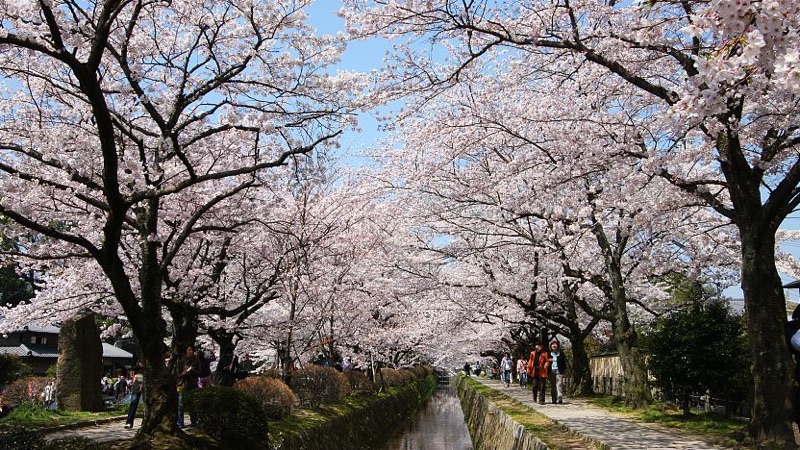
Today is dedicated to Kyoto's most famous cherry blossom spots. The first blooms should be appearing now — you're here at the magical moment when the buds open. This is also the time of Hanatōro, Kyoto's spring illumination festival with lantern-lit paths.
Philosopher's Path (哲学の道)
A 2km canal-side path lined with hundreds of cherry trees, connecting Ginkaku-ji to Nanzen-ji. Named after philosopher Nishida Kitaro who walked here daily in meditation. In late March, the first sakura blossoms appear along the canal — scattered petals floating on the water. Early morning is magical and uncrowded.
Nanzen-ji Temple & Suirokaku Aqueduct (南禅寺)
A grand Zen temple complex with a dramatic Meiji-era brick aqueduct running through it — one of Kyoto's most photogenic spots. The cherry trees around the aqueduct arches create a surreal blend of old and older. The temple's rock garden and hilltop viewpoint are also worth exploring.
Maruyama Park (円山公園) — Kyoto's Sakura Gathering Place
Kyoto's most famous hanami (cherry blossom viewing) park, centered around a magnificent weeping cherry tree (shidarezakura) that is lit up at night. Even in early bloom, locals gather here with picnic blankets and sake. The atmosphere is festive and joyful — this is where Kyoto celebrates spring.
Yasaka Shrine & Chion-in Temple
Yasaka Shrine sits at the entrance to Maruyama Park — walk through its iconic vermillion gate. Then continue to Chion-in, one of Kyoto's most powerful temples with the largest temple gate in Japan (sanmon, 24m tall). The temple grounds have beautiful cherry trees and a peaceful back garden.
Higashiyama Hanatōro (東山花灯路) — Spring Lantern Festival
If the timing aligns (check dates — it's usually mid-March), thousands of lanterns illuminate the stone paths of Higashiyama from Shōren-in to Kiyomizu-dera. The combination of lantern light, emerging cherry blossoms, and ancient temples is pure magic. Even if the official festival has ended, many temples offer their own nighttime illuminations during sakura season.
Deer, Giant Buddhas & Spring Blossoms: Nara Day Trip
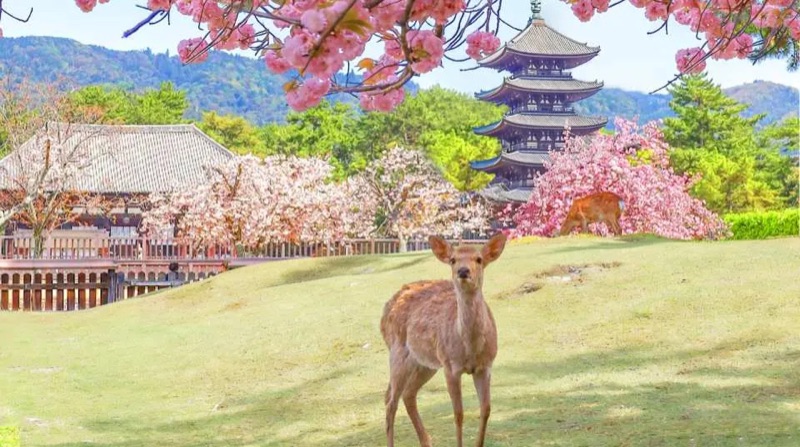
A day trip to Nara — Japan's first permanent capital (710 AD) and home to 1,200 free-roaming deer, the world's largest bronze Buddha, and ancient shrine forests. In late March, the park's cherry trees are beginning to bloom, and the deer wandering beneath pink petals is one of Japan's most iconic spring images.
Kyoto → Nara (35 minutes by train)
Take the JR Nara Line from Kyoto Station to JR Nara Station (45 min, covered by JR Pass) or the faster Kintetsu Limited Express from Kintetsu Kyoto Station (35 min, ¥640). The Kintetsu drops you closer to Nara Park.
Nara Park & the Friendly Deer (奈良公園)
As soon as you enter the park, you'll be greeted by hundreds of Sika deer who bow for shika senbei (deer crackers, ¥200). These deer are considered divine messengers of the Kasuga Shrine and have roamed freely for over 1,000 years. In late March, cherry blossoms frame the meadows where deer rest — pure postcard Japan.
Tōdai-ji Temple & the Great Buddha (東大寺)
The world's largest wooden building houses a 15-meter-tall bronze Buddha (Daibutsu) cast in 752 AD. The scale is overwhelming — the Buddha's hand alone is 2.5 meters long. The temple's Nandaimon gate features two fierce 8-meter guardian statues carved by the master sculptor Unkei.
Kasuga Taisha Shrine (春日大社)
An ancient Shinto shrine famous for its 3,000 stone and bronze lanterns, many covered in moss and hundreds of years old. The approach through a primeval forest with deer appearing between ancient trees is magical. In February and August, all 3,000 lanterns are lit — but even now, the atmosphere is mystical.
Naramachi (ならまち) — Old Merchant Quarter
The traditional merchant district with narrow streets of converted machiya (wooden townhouses) now housing craft shops, cafés, and small museums. It's quieter and more authentic than Kyoto's tourist streets. Look for the red monkey charms (migawari-zaru) hanging from houses — protective talismans.
Return to Kyoto & Kyoto Tower Night View
Head back to Kyoto and catch the city from above at Kyoto Tower's observation deck. At night, you can see the city's temple-studded landscape stretching to the mountains. Or simply stroll through the illuminated Kamo River area.
Mount Yoshino: Japan's Most Sacred Cherry Blossom Mountain
Today you visit Japan's single most famous cherry blossom destination — Mount Yoshino in Nara Prefecture, where 30,000 cherry trees cover an entire mountainside in waves of pink and white. The trees bloom in stages from bottom to top over several weeks. In late March, the lower groves (Shimosenbon) should be in early bloom. This is a UNESCO World Heritage site and a sacred mountain for over 1,300 years.
Kyoto → Yoshino by Train
Take the Kintetsu Limited Express from Kyoto to Yoshino (~1 hour 45 minutes, with a transfer at Kashiharajingū-mae). The train winds through the Nara countryside, passing ancient burial mounds and rice paddies. Yoshino Station sits at the base of the mountain.
Shimosenbon (下千本) — Lower Cherry Groves
The lowest of Yoshino's four cherry blossom zones, and the first to bloom. "Senbon" means "1,000 trees" and there are literally thousands of Yoshino cherry trees (shirayama-zakura, the mountain cherry variety) covering the slopes. These are the trees that gave the "Yoshino cherry" its name — this is where sakura culture began.
Kinpusen-ji Temple (金峯山寺) — Zaōdō Hall
The spiritual heart of Yoshino and one of Japan's most important mountain temples. The massive Zaōdō Hall (National Treasure, second-largest wooden building in Japan after Tōdai-ji) houses three fierce blue-skinned Zaō Gongen statues — secret Buddhist images rarely shown to the public. During cherry blossom season, a special viewing (hibutsu gokaicho) is held.
Nakasenbon (中千本) — Middle Cherry Groves & Viewpoints
Continue uphill to the middle zone, where even more cherry trees spread across the mountainside. The famous "Yoshimizu Shrine Viewpoint" here is where Toyotomi Hideyoshi (Japan's great unifier) held a legendary cherry blossom viewing party in 1594 with 5,000 guests. The same view is there for you today — the entire mountainside cascading with cherry trees.
Yoshino Mountain Street Food & Tea Houses
The walking path along Yoshino's ridge is lined with shops selling seasonal treats: sakura mochi (pink rice cake wrapped in cherry leaf), kuzukiri (kuzu starch noodles — a Yoshino specialty), roasted chestnut mochi, and sakura soft serve ice cream. Stop at a tea house for matcha with a mountain view.
Return to Kyoto or Continue to Osaka
Take the Kintetsu back from Yoshino. If continuing to Osaka tomorrow, you could head there tonight (~1h45 via Kintetsu with transfer at Kashiharajingū-mae to Osaka-Abenobashi). Or return to Kyoto (same route, ~1h45) for one more night.
Osaka: Castle Sakura, Street Food & Neon Nights
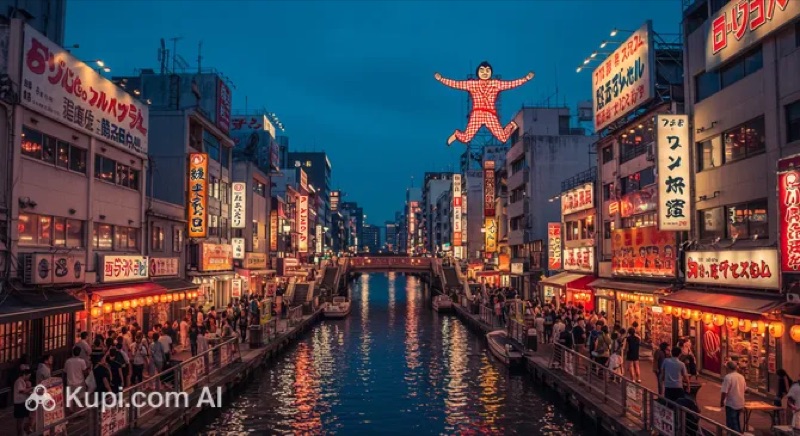
A full day in Japan's "Kitchen" — Osaka is the country's street food capital and has a brash, friendly energy that's the perfect counterpoint to refined Kyoto. Osaka Castle Park is one of the best cherry blossom spots in the Kansai region, and the food scene is legendary.
Osaka Castle Park Cherry Blossoms (大阪城公園)
Osaka Castle Park has over 3,000 cherry trees across a vast park surrounding the castle. The Nishinomaru Garden (¥350) is the premium sakura viewing spot — cherry trees framing the castle tower with the city skyline behind. In late March, the earliest varieties will be blooming and the park buzzes with hanami anticipation.
Shinsekai (新世界) — Retro Osaka
A delightfully retro neighborhood built in 1912 as "New World" — meant to combine Paris and New York. It's now a wonderfully kitschy area of neon signs, Tsūtenkaku Tower, and the best kushikatsu (deep-fried skewers) in Osaka. The street life here feels like stepping into a 1960s Japanese film.
Kushikatsu Lunch at Daruma (串カツだるま)
Osaka's most famous kushikatsu chain, but the Shinsekai original is special. Choose from dozens of skewers: lotus root, quail egg, shrimp, asparagus, pork — all battered and deep-fried to golden perfection. The cardinal rule: NEVER double-dip in the communal sauce!
Dōtonbori (道頓堀) — Osaka's Neon Food Paradise
The beating heart of Osaka nightlife and street food. Walk along the canal under massive neon signs (the Glico Running Man, the giant crab, the mechanized gyōza), then eat your way through Japan's most famous food street. This is where you understand why Osaka's motto is kuidaore — "eat till you drop."
Osaka Street Food Grand Tour
Hit the greatest hits: takoyaki (octopus balls) from Wanaka or Creo-Ru, okonomiyaki (savory pancake) from Mizuno or Fukutaro, gyōza from Chao Chao, and finish with a cheesecake from Rikuro Ojisan (watch it jiggle!). Each is a few hundred yen — this is how Osaka eats.
Homecoming: Osaka to Your New Life in Naka-Meguro
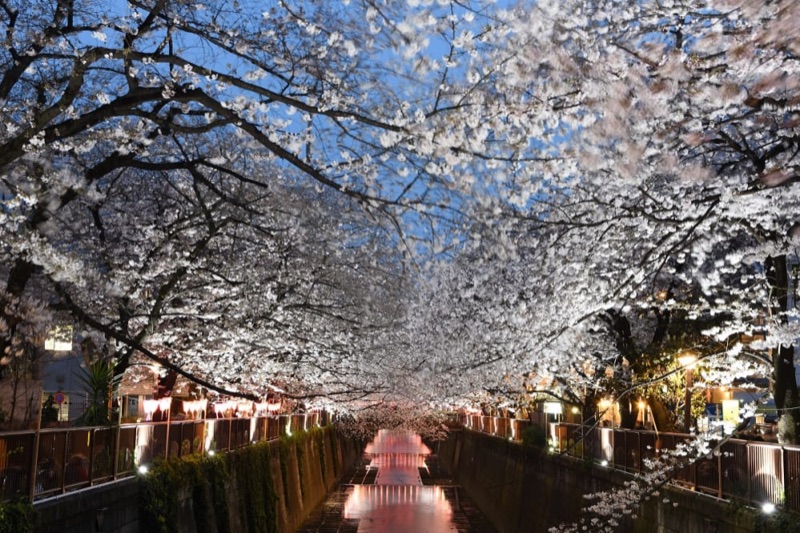
Your final travel day — but also the first day of your new chapter. Take the Shinkansen from Osaka to Tokyo and settle into Naka-Meguro, one of Tokyo's most charming neighborhoods. The Meguro River cherry blossoms should be just starting to bloom — a perfect welcome to your new home.
Last Morning in Osaka — Breakfast at Shin-Osaka
If time allows, explore the excellent food halls inside Shin-Osaka Station before your train. The Ekimarché has a wonderful selection of Osaka souvenirs and fresh food. Or grab a final batch of takoyaki from the station stalls.
Shinkansen: Shin-Osaka → Shinagawa/Tokyo
Take the Tokaido Shinkansen Nozomi or Hikari from Shin-Osaka to Tokyo or Shinagawa (~2.5 hours). The Hikari is covered by JR Pass; the Nozomi is faster but not covered. On a clear day, watch for Mt. Fuji on the right side between Shizuoka and Shin-Yokohama.
Arrive in Naka-Meguro & Settle In
Welcome home! Naka-Meguro is one of Tokyo's most desirable neighborhoods — a perfect blend of hip cafés, independent boutiques, and quiet residential streets along the Meguro River. Drop your bags and take a first walk along the river to get your bearings.
Meguro River Cherry Blossom Preview Walk (目黒川の桜)
The Meguro River cherry blossoms are Tokyo's most beloved — 800 trees lining both banks for almost 4km. By March 25, the first buds should be opening. In a few days, when full bloom arrives, this will be one of the most spectacular sakura tunnels in Japan — and it's your daily walk now. Lanterns are strung between the trees and light up at night during peak bloom.
Naka-Meguro Neighborhood Dinner — Your New Local
For your first evening at home, explore the streets around Naka-Meguro Station. The area is packed with excellent small restaurants, craft coffee shops, and cozy izakayas. Try Afuri (yuzu shio ramen, originally from Kanagawa) or Yakitori Hachibei for charcoal-grilled chicken skewers with locals at the counter.