🇯🇵 Your Custom Itinerary

Neon, Noodles & Nightlife — 13 Days Across Tokyo & Osaka: Thirteen days of Disney magic, Pokemon pilgrimages, Osaka street food, izakaya crawls, and every neighborhood worth knowing — built for two adventurers who want it all

Tokyo doesn't ask you to keep up — it dares you to try. This is a city where you can eat the best ramen of your life at 2 AM in a six-seat alley, ride a roller coaster inside a volcano, buy limited-edition Pokemon merch from a store with a life-size Mewtwo, and then drink craft highballs in a bar the size of a closet until the trains start running again. September is the sweet spot: the brutal summer heat is fading, Disney Halloween is just kicking off, and a new Pokemon experience is launching at Universal Studios Japan. This itinerary is built for two people who want adventure, incredible food, and serious nightlife — and it delivers all three, every single day. You'll hit both Tokyo Disney parks, take the Shinkansen to Osaka for Universal Studios (with its brand-new Pokemon attraction), eat your way through Tsukiji, Dotonbori, and every back-alley izakaya in between, and still have time for Golden Gai, teamLab, and the best ramen of your life. Japan doesn't do halfway. Neither does this trip.

Duration: 13 days
Dates: Sep 15 – Sep 27, 2026
Budget: $$$
Pace: Full
Best for: Couples · Adventure Seekers · Food Explorers · Night Owls · Theme Park Fans

⚡ Before You Go — Essentials

🌤️ September in Tokyo

Early-mid September is still warm (25–30°C / 77–86°F) and humid, but the worst of summer has passed. Typhoon season is September's wild card — most pass without incident but can bring a day of heavy rain. Pack: breathable clothes, a compact umbrella, a light hoodie for aggressive AC indoors, and comfortable walking shoes (you'll average 15–20K steps/day). Sunset is around 6 PM. Disney Halloween starts Sep 16 — expect festive decorations and special merch at both parks.

🚅 Getting Around

Tokyo's transit is the best on Earth: the subway + JR Yamanote Line connect everything. Get a Suica or Pasmo IC card (tap at any station machine, charge ¥1,000–3,000 at a time) — it works on all trains, buses, and even convenience stores. For the Osaka side trip, the Tokaido Shinkansen (Nozomi) takes 2h15m Tokyo→Shin-Osaka (¥14,500 one-way; consider a JR Pass if doing round-trip + other JR lines). Inside Osaka, the subway is equally excellent. Download Google Maps — it handles Japanese transit routing perfectly.

💳 Money & Tipping

Japan is increasingly card-friendly, especially in Tokyo and Osaka, but cash is still king at small restaurants, market stalls, and older bars. Carry ¥20,000–30,000 in cash (7-Eleven ATMs accept foreign cards with the best rates). Tipping does NOT exist in Japan — it can cause confusion or be refused. Prices shown are what you pay. Budget roughly ¥10,000–15,000/day per person for food if eating well, and ¥20,000+ per person for each theme park day (ticket + food + merch).

📱 Connectivity & Apps

Get a Japanese eSIM or pocket Wi-Fi at Narita/Haneda (Ubigi, Airalo, or Sakura Mobile — ¥3,000–5,000 for 2 weeks of unlimited data). Essential apps: Google Maps (works perfectly for Japanese transit), Google Translate (camera mode translates menus), Suica app (digital IC card on your phone), and the Tokyo Disney Resort App (absolutely required for Disney — buy tickets, mobile order food, check wait times, get Disney Premier Access). For USJ, download the USJ App.

🎢 Theme Park Strategy

Disney and USJ require planning. Tokyo Disney tickets sell out — buy 60 days in advance via the official app or Klook. For DisneySea's Fantasy Springs area, you need either a Disney Premier Access (paid fast pass) or a Standby Pass (free but limited). USJ: buy an Express Pass for Super Nintendo World access (Area Timed Entry Ticket) — it sells out fast. Pokemon Cafe requires reservations exactly 31 days in advance at 6 PM JST on the official site. Set alarms for all of these.

Day 1 Shinjuku

Touchdown, Yakitori & Neon

Touchdown, Yakitori & Neon, Tokyo, Japan

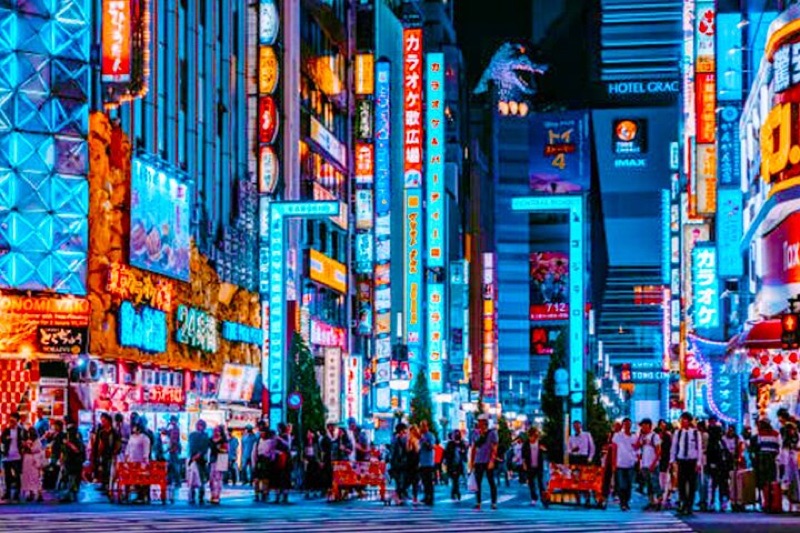
Land at Narita or Haneda, drop your bags, and walk straight into the sensory overload of Shinjuku — the world's busiest station, a district of towering department stores, hidden yakitori alleys, and more neon per square meter than anywhere on Earth. Tonight is about eating, drinking, and letting Tokyo hit you.

Afternoon (2:00 PM – 5:00 PM)

Arrive & Check In

From Narita: take the Narita Express to Shinjuku (85 min, ¥3,250). From Haneda: Keikyu Line to Shinagawa, then JR Yamanote to Shinjuku (45 min, ¥600). Drop bags at your hotel — Shinjuku is the best base for this trip (central, connected, and you'll be coming back to the nightlife here repeatedly). Get a Suica/Pasmo card from any station machine and charge it with ¥3,000.

✈️ Narita Express: direct to Shinjuku, every 30 min, ¥3,250
✈️ Haneda: Keikyu → Shinagawa → JR Yamanote to Shinjuku, ¥600, 45 min
🚇 Suica card: buy at any station ticket machine (¥500 deposit + charge)
🏨 Stay in Shinjuku — walking distance to Golden Gai, Omoide Yokocho, and everything
📱 Grab a pocket Wi-Fi or activate your eSIM at the airport
Evening (5:30 PM – 11:00 PM)

Omoide Yokocho — Memory Lane Yakitori

Omoide Yokocho ("Memory Lane") is a narrow alley running alongside Shinjuku Station's tracks, packed with tiny yakitori stalls and izakayas, each seating maybe 8-10 people on wooden stools. The smell of charcoal-grilled chicken hits you before you see the entrance. This is old Tokyo — smoke-stained walls, paper lanterns, and salarymen pouring beer after work. Pull up a stool, order a ¥600 Asahi, and work through a plate of negima (chicken thigh with leek), tsukune (meatballs), and kawa (crispy chicken skin). The vendors speak minimal English but pointing and smiling works everywhere.

📍 Nishi-Shinjuku 1-chome — enter from the south end near Shinjuku Station west exit
🕐 Stalls open from 5 PM, peak energy 7–10 PM, some close by 10 PM
🍢 Yakitori: ¥150–300 per skewer — order 5-8 per person
🍺 Asahi/Kirin beer: ¥500–700 · Highball (whisky + soda): ¥400
💡 Cash only at most stalls — bring ¥5,000–10,000
📸 The alley is photogenic as hell — shoot from both ends looking in

Golden Gai — 200 Bars in Six Alleys

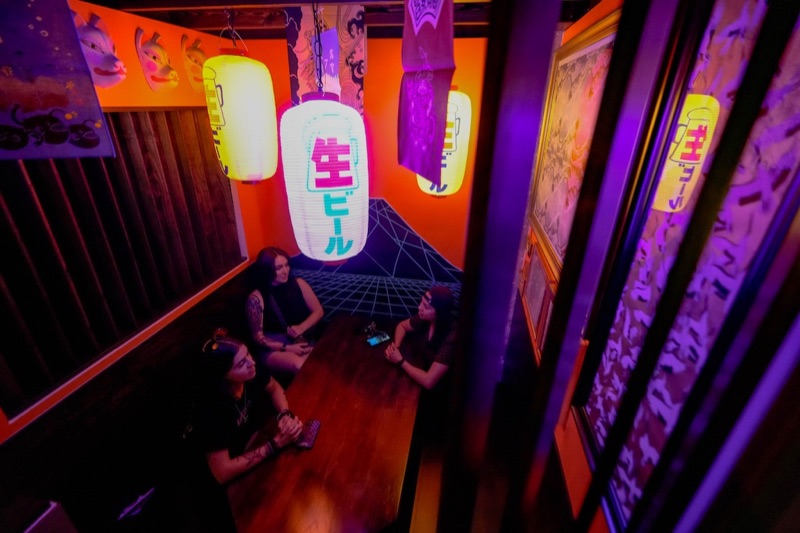
After yakitori, walk 5 minutes to Golden Gai — six narrow alleys containing over 200 tiny bars, many seating only 4-6 people. Each bar has its own personality: jazz bars, punk bars, movie-themed bars, bars that only play vinyl, bars where the owner has been pouring drinks for 40 years. Some charge a cover (¥500–1,000, includes a snack), some are tourist-friendly, some are members-only (look for English menus or an open door as your signal). This is where Tokyo's creatives, off-duty chefs, and night owls come to drink. Start at Albatross (3F, vintage chandeliers, great cocktails) and wander from there.

📍 Kabukicho 1-chome — enter from the east side off Yasukuni-dori
🕐 Bars open 7–8 PM, close 2–4 AM (last train is ~12:30 AM)
💰 Cover: ¥500–1,000 at some bars · Drinks: ¥800–1,500
🎵 Albatross (3F): cocktails in a vintage setting · Kenzo's: classic rock vinyl
💡 Some bars don't accept tourists — look for English menus or a welcoming gesture
👟 Golden Gai alleys are tiny — no large bags, no loud groups
🍢 Dinner
Omoide Yokocho Yakitori Crawl
Pull up a stool in one of the cramped yakitori stalls in Memory Lane. Charcoal-grilled chicken skewers, cold beer, and the intimate chaos of old-school Shinjuku. Cash only.
💰 ¥2,000–4,000 per person · 📍 Omoide Yokocho · Cash only · Counter seating
Fight jet lag: stay awake until at least midnight local time. Walk the neon streets of Shinjuku, drink beer in an alley the size of a closet, and let Tokyo's energy keep you vertical. Tomorrow starts early.
Day 2 Tsukiji · Toyosu · Odaiba

Fish Markets, Digital Art & Rainbow Bridge
Fish Markets, Digital Art & Rainbow Bridge, Tokyo, Japan

Start at the legendary Tsukiji Outer Market for the freshest seafood breakfast of your life, then float through teamLab's digital art universe, and end the night in Odaiba with views of the Rainbow Bridge lighting up Tokyo Bay.

Morning (7:30 AM – 11:00 AM)

Tsukiji Outer Market — The Seafood Pilgrimage

Tsukiji's wholesale tuna auctions moved to Toyosu in 2018, but the Outer Market remains Tokyo's greatest food destination — a grid of narrow streets packed with 400+ vendors selling the freshest seafood, Wagyu skewers, tamagoyaki (sweet omelets), and Japanese knives. This is where Tokyo's chefs come to shop. Arrive by 8 AM (many stalls close by 2 PM) and eat standing: start with a sushi set from Sushi Dai or Daiwa Sushi (legendary, expect a line), grab a fresh uni (sea urchin) over rice from any vendor displaying it, and don't miss the tamagoyaki — sweet, fluffy omelets cooked on rectangular pans right in front of you.

📍 Tsukiji 4-chome — subway Toei Oedo Line to Tsukiji Shijo Station
🕐 Most stalls open 5 AM, peak 8–11 AM, many close by 1–2 PM
🍣 Sushi set: ¥2,000–4,000 · Uni rice bowl: ¥1,500–3,000 · Tamagoyaki: ¥200–300
🔪 Japanese knife shops: huge selection, craftsmanship is extraordinary
💡 Cash is king here — bring ¥10,000+
🚶 Wear shoes you don't mind getting a little wet
🍣 Breakfast
Tsukiji Market Crawl
Fresh sushi, uni over rice, tamagoyaki, and Wagyu skewers at Tokyo's legendary fish market. Eat standing at the stalls — this is where Tokyo's chefs come to eat.
💰 ¥3,000–5,000 per person · 📍 Tsukiji Outer Market · Cash preferred · Standing eating
Midday (11:30 AM – 3:00 PM)

teamLab Planets — Walk Through Art

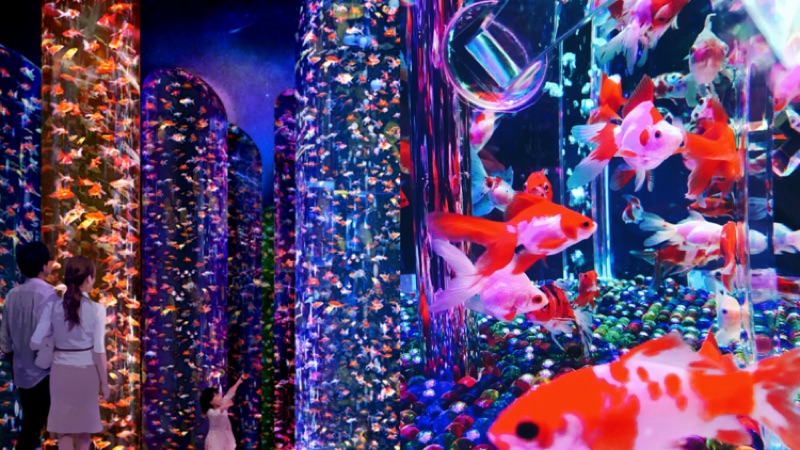
teamLab Planets is one of Tokyo's most popular experiences — a massive digital art museum where you walk barefoot through rooms of light, water, and projections. Float through a room of 10,000 LED flowers, wade knee-deep through a river of projected koi fish, and stand inside a crystal universe of 100,000 LED lights. The entire experience takes 90–120 minutes and is genuinely otherworldly. Book tickets online in advance (they sell out days ahead). Note: you'll be barefoot and may get wet up to the knees.

📍 6-1-16 Toyosu, Koto-ku — subway Yurakucho Line to Toyosu Station
🎫 ¥3,800 advance booking required — book at teamlab.planets.jp
🕐 Entry by timed slot — allow 90–120 min inside
👣 Barefoot experience — lockers provided for shoes and bags
📸 Stunning photos — the infinity rooms are some of Tokyo's most Instagrammed spots
💡 Wear shorts or pants you can roll up (water rooms go to the knee)
Afternoon & Evening (3:30 PM – 10:00 PM)

Odaiba — Rainbow Bridge & Waterfront

Take the Yurikamome driverless train (sit in the front — it's like riding a roller coaster through Tokyo's future) across Rainbow Bridge to Odaiba, the man-made island in Tokyo Bay. Visit the life-size Unicorn Gundam statue (it transforms every hour), walk the waterfront promenade with views of the Tokyo skyline, and have dinner at one of the bay-side restaurants. After dark, the Rainbow Bridge lights up and the view of Tokyo Tower glowing orange across the water is one of the city's great nighttime scenes.

📍 Odaiba, Minato-ku — Yurikamome Line from Shimbashi Station
🤖 Unicorn Gundam: in front of DiverCity Tokyo Plaza — transforms hourly
🌉 Rainbow Bridge illuminated nightly after sunset
🍽️ Aqua City Odaiba: food court + restaurants with bay views
📸 Best shot: Rainbow Bridge at night from the Odaiba Seaside Park promenade
🍜 Dinner
Ramen at Afuri or Tsujita
Afuri (multiple Tokyo locations) serves yuzu shio ramen — a light, citrusy broth that's the perfect antidote to a heavy day of eating. If you want something richer, Tsujita's tsukemen (dipping ramen) is legendary. Both have locations around Odaiba and central Tokyo.
💰 ¥1,000–1,500 per person · 📍 Odaiba/Toyosu area · Counter seating · Card OK
Disney Halloween starts TODAY (Sep 16) at both Tokyo Disney parks! If you want to swap any day to hit Disney on opening day, the decorations and special events will be in full swing. But the crowds will be heavier — book Disney Premier Access in advance.
Day 3 Urayasu · Tokyo Disney Resort

Tokyo Disneyland — Classic Disney, Japanese Style
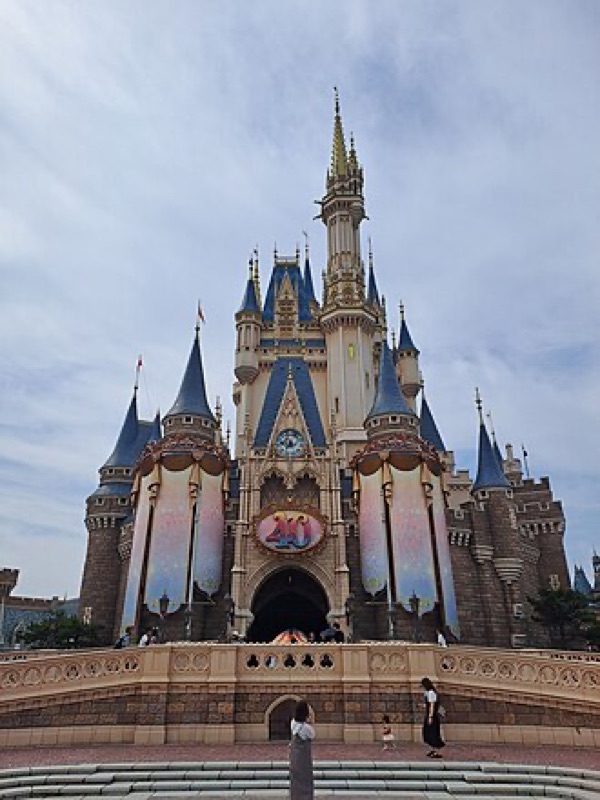
Tokyo Disneyland — Classic Disney, Japanese Style, Tokyo, Japan

A full day at Tokyo Disneyland — the first Disney park built outside the US, and many Disney fans' favorite. It's the only park in the world where you can still ride the original Splash Mountain (the last one standing globally), plus trackless Beauty and the Beast and Winnie the Pooh rides that put every other version to shame. Halloween starts tomorrow but decorations are already up.

Full Day (7:00 AM – 9:00 PM)

Tokyo Disneyland — Full Day

Tokyo Disneyland is a meticulously maintained version of the classic Magic Kingdom formula, but with unique Japanese touches that make it special: the Omotenashi (Japanese hospitality) service standard, exclusive snacks (green alien mochi, garlic shrimp rolls, matcha churros), and attractions you can't ride anywhere else. Your must-do list: Enchanted Tale of Beauty and the Beast (trackless dark ride through Beast's castle — arguably the best ride in any Disney park), Pooh's Hunny Hunt (trackless, whimsical, Japan-exclusive), Monsters Inc. Ride & Go Seek (interactive flashlight game), and Splash Mountain (the LAST one on Earth — it's already closed everywhere else). Use the Tokyo Disney Resort App for Disney Premier Access (paid fast pass), Priority Pass (free), and Mobile Order for food.

📍 1-1 Maihama, Urayasu — JR Keiyo Line to Maihama Station, 15 min from Tokyo Station
🎫 ¥7,900–10,900 per adult — buy 60 days in advance via official app or Klook
🕐 Park opens 8–9 AM (arrive 60 min early for rope drop), closes 9–10 PM
📱 Tokyo Disney Resort App is ESSENTIAL — tickets, DPA, food orders, wait times
🎢 Must-rides: Beauty & the Beast, Pooh Hunny Hunt, Monsters Inc, Splash Mountain, Big Thunder Mountain
🎃 Halloween decorations and special events active through October
🍜 Park food: green alien mochi (¥500), garlic shrimp roll (¥700), matcha churros (¥300)
💡 Single rider available on some attractions — can cut 60+ min waits
🍖 Lunch
Park Food & Snacks
Disney snacks are an event in Tokyo — alien mochi, shaped popcorn buckets (collectible!), garlic shrimp rolls, and character-shaped everything. Mobile order via the app to skip lines.
💰 ¥2,000–3,000 per person · 📍 Inside the park · App ordering available
🍛 Dinner
Restaurant Hokusai or Queen's Court
Sit-down restaurants inside the park serving Japanese-fusion meals. Restaurant Hokusai (World Bazaar) has great tonkatsu and soba. Queen's Court does Western-style plates. Reserve via the app.
💰 ¥2,000–3,500 per person · 📍 Inside park · Reserve via app
Buy your Disney Premier Access for Enchanted Tale of Beauty and the Beast FIRST — it sells out fast. Aim to rope drop Pooh's Hunny Hunt (shorter line in the morning) and use DPA for Beauty & the Beast later. Download the app and link your tickets before arriving.
Day 4 Urayasu · Tokyo Disney Resort

DisneySea — The World's Most Beautiful Theme Park
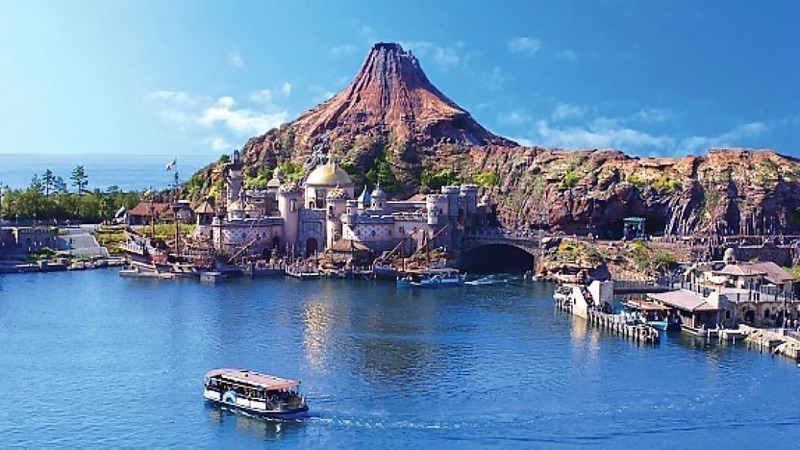
DisneySea — The World's Most Beautiful Theme Park, Tokyo, Japan

Tokyo DisneySea is widely considered the greatest theme park on Earth — and 2026 is its 25th Anniversary "Sparkling Jubilee" year. With the new Fantasy Springs area (Frozen, Peter Pan, Rapunzel), a volcano you ride through, and an entire Venetian waterfront, this is peak Disney. Halloween is in full swing.

Full Day (7:00 AM – 9:30 PM)

Tokyo DisneySea — 25th Anniversary Year

DisneySea is unlike any other theme park: it's built around a massive central volcano (Mount Prometheus) surrounded by themed ports — Mediterranean Harbor (Venetian gondolas), American Waterfront (1920s New York), Lost River Delta (ancient ruins), Mermaid Lagoon (underwater kingdom), and the new Fantasy Springs (Frozen, Peter Pan, Rapunzel). The 25th Anniversary "Sparkling Jubilee" celebration runs through March 2027 with special shows and decorations. Your must-do list: Anna and Elsa's Frozen Journey (incredible boat ride with Broadway-level animatronics — many say it's the best ride in any Disney park), Journey to the Centre of the Earth (roller coaster inside the volcano — unique to DisneySea), Soaring: Fantastic Flight (flight simulator over global landmarks), Tower of Terror (with a unique Japanese storyline), and Sindbad's Storybook Voyage (hidden gem boat ride with a catchy song you'll hum for days).

📍 1-1 Maihama, Urayasu — same station as Disneyland (Maihama, JR Keiyo Line)
🎫 ¥7,900–10,900 — buy in advance, DisneySea tickets sell out faster than Disneyland
🕐 Park opens 8–9 AM — arrive 60+ min early, DisneySea rope drop is competitive
📱 App is essential: DPA for Fantasy Springs rides, Priority Pass, Mobile Order
🌊 Must-rides: Frozen Journey, Journey to Centre of Earth, Soaring, Tower of Terror, Sindbad
👸 Fantasy Springs: requires DPA or Standby Pass — book immediately upon entry
🎃 Disney Halloween in full effect + 25th Anniversary decorations
📸 Best photos: Mediterranean Harbor at sunset, Mount Prometheus from the gondolas
🍺 DisneySea is the only Disney park that serves alcohol — drink around the world!
🥐 Lunch
DisneySea Snack Tour
DisneySea's snacks are legendary: alien mochi, smoked chicken leg, churros, Gyoza Dog (in Lost River Delta), and flavored popcorn (curry, soy sauce butter, matcha). Eat your way through the ports.
💰 ¥2,000–3,000 per person · 📍 Various ports · Mobile order available
🍷 Dinner
Magellan's or Ristorante di Canaletto
Magellan's (in Mediterranean Harbor) is a sit-down restaurant with theming so detailed it feels like dining in a 16th-century explorer's ship. Ristorante di Canaletto does Italian-Japanese fusion with views of the Venetian canal. Reserve via app.
💰 ¥3,000–5,000 per person · 📍 Mediterranean Harbor · Reserve via app
Fantasy Springs is the #1 priority at rope drop. Buy DPA for Anna and Elsa's Frozen Journey IMMEDIATELY when you enter (it sells out in minutes). If DPA is sold out, get a Standby Pass. If both are gone, single rider line is your friend on some attractions. Also: DisneySea serves alcohol — the Ship's Lounge in American Waterfront is a hidden gem for cocktails.
Day 5 Asakusa · Oshiage

Ancient Temples, Towering Views & Pokemon Skytree
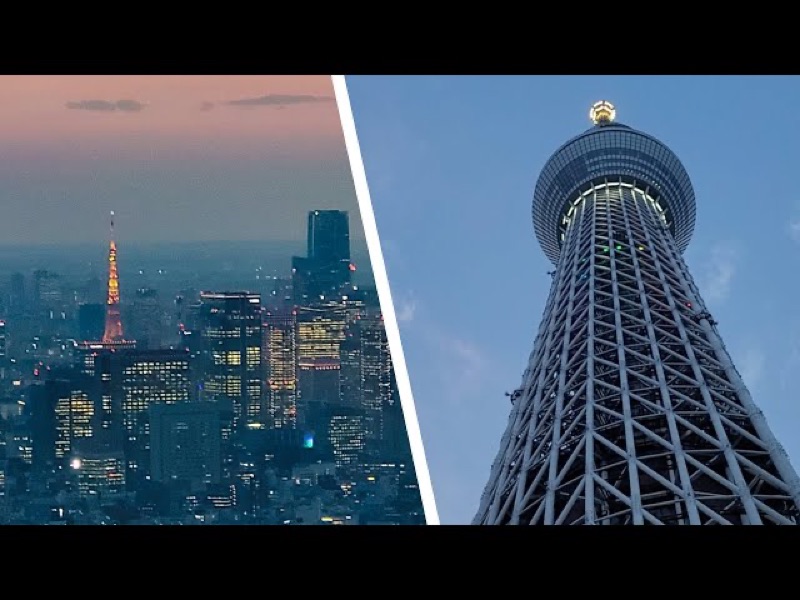
Ancient Temples, Towering Views & Pokemon Skytree, Tokyo, Japan

Morning at Senso-ji, Tokyo's oldest temple, afternoon exploring the traditional Asakusa neighborhood and the world's tallest tower, with a Pokemon Center stop built right into the Skytree complex.

Morning (8:00 AM – 12:00 PM)

Senso-ji Temple & Nakamise-dori

Senso-ji is Tokyo's oldest temple (founded 645 AD) and its most visited. Enter through the massive Kaminarimon (Thunder Gate) with its iconic red lantern, walk the 200-meter Nakamise-dori shopping street selling everything from traditional rice crackers to cat-shaped cookies, and reach the main hall where you can get your fortune (¥100 — if it's bad, tie it to the rack and try again). Arrive by 8:30 AM to beat the tour groups — the temple grounds are peaceful before 10 AM. Don't miss the five-story pagoda (Goju-no-To) and the Nitenmon gate on the east side.

📍 2-3-1 Asakusa, Taito-ku — subway Ginza/Toei Asakusa Line to Asakusa Station
🕐 Temple grounds open 6 AM, main hall 6:30 AM, Nakamise shops 9 AM
🎫 Free entry · Fortune: ¥100
📸 Kaminarimon Gate red lantern is the iconic shot — go early for fewer crowds
🛍️ Nakamise-dori: rice crackers, folding fans, traditional toys, cat souvenirs

Asakusa Street Food Walk

The streets around Senso-ji are packed with food vendors. Must-eats: melon pan (sweet bread with a cookie crust) from Kagetsudo (they sell 3,000+ daily), freshly fried menchi katsu (ground meat cutlet), ningyoyaki (tiny doll-shaped cakes with red bean filling), and matcha ice cream from any of the dozens of shops. Walk down Hoppy-dori (the izakaya street running parallel to Nakamise) — even in the morning it's atmospheric.

📍 Streets surrounding Senso-ji — especially Denpoin-dori and Hoppy-dori
🍞 Kagetsudo melon pan: ¥250 — get the jumbo size
🍢 Menchi katsu: ¥200–300 · Ningyoyaki: ¥500 for a pack
🍵 Matcha ice cream everywhere: ¥300–400
🍞 Breakfast
Asakusa Street Food
Melon pan from Kagetsudo, menchi katsu, ningyoyaki, and matcha ice cream — graze your way around Senso-ji. This is Tokyo comfort food at its finest.
💰 ¥1,500–2,500 per person · 📍 Around Senso-ji · Cash preferred · Street food
Afternoon (12:30 PM – 6:00 PM)

Tokyo Skytree — 634m Tower

Walk 15 minutes from Asakusa across the Sumida River to Tokyo Skytree — at 634 meters, the tallest structure in Japan and the tallest tower in the world. The Tembo Deck (350m) gives 360-degree views of the entire Kanto plain; on clear days you can see Mount Fuji. The Tembo Galleria (450m) has a glass-floor section that will test your nerve. The tower lights up at night in different colors (purple and blue on alternating days).

📍 1-1-2 Oshiage, Sumida-ku — 15 min walk from Asakusa or Tobu Skytree Line
🎫 Tembo Deck: ¥2,100 · Tembo Galleria: additional ¥1,030
🕐 Open 10 AM – 9 PM · Last entry 8 PM
🗻 Mount Fuji visible on clear days (morning is best before haze builds)
📸 Glass floor sections on the Galleria level for dramatic photos

Pokemon Center Skytree Town

Right inside the Tokyo Solamachi mall at the base of Skytree, Pokemon Center Skytree Town occupies the 4th floor with exclusive Skytree-themed Pokemon merch you can't get anywhere else. The store has a unique city-meets-nature theme and stocks limited-edition items. Even if you're planning to hit the bigger Pokemon Centers later, this one has exclusive goods worth grabbing.

📍 4F Tokyo Solamachi (Skytree base mall) — same complex as the tower
🕐 10 AM – 9 PM · Free entry
🛍️ Exclusive Skytree collaboration merch — Pikachus in Skytree costumes
📸 Photo spots with Skytree-themed Pikachu displays
🍜 Lunch
Asakusa Imahan or Ramen Yadoroku
Imahan has been serving sukiyaki (thinly sliced beef braised in sweet soy broth) in Asakusa since 1895 — a splurge-worthy lunch in a beautiful old building. For something cheaper, Ramen Yadoroku serves excellent shoyu ramen in a converted storefront.
💰 ¥1,500–4,000 per person · 📍 Asakusa · Both accept cards
Evening (7:00 PM – 10:00 PM)

Asakusa Izakaya Night

Asakusa's Hoppy-dori and the surrounding streets come alive at night with traditional izakayas where you can drink hoppy (a low-alcohol beer alternative) with salarymen, eat yakitori and doteyaki (beef tendon stew), and experience the old-school Tokyo drinking culture. Many of these places have been running for decades. It's less chaotic than Shinjuku and more authentically local.

📍 Hoppy-dori and Kaminarimon-dori, Asakusa
🍺 Hoppy set (hoppy + shochu): ¥600 · Yakitori: ¥150–300 per stick
🕐 Izakayas open 5 PM, peak 7–10 PM
💡 More Japanese-speaking, less touristy than Golden Gai — but friendly
🍻 Dinner
Asakusa Izakaya Crawl
Traditional izakayas on Hoppy-dori — drink hoppy with the locals, eat yakitori, doteyaki, and whatever the chef recommends. Old Tokyo drinking culture at its finest.
💰 ¥3,000–5,000 per person · 📍 Hoppy-dori · Cash preferred · Counter/table seating
Saturday means Asakusa will be busy. Hit Senso-ji before 9 AM to beat the crowds. Skytree will have longer lines too — book Tembo Deck tickets online in advance to skip the ticket queue.
Day 6 Harajuku · Shibuya

Fashion Districts, Shrines & the World's Busiest Crossing
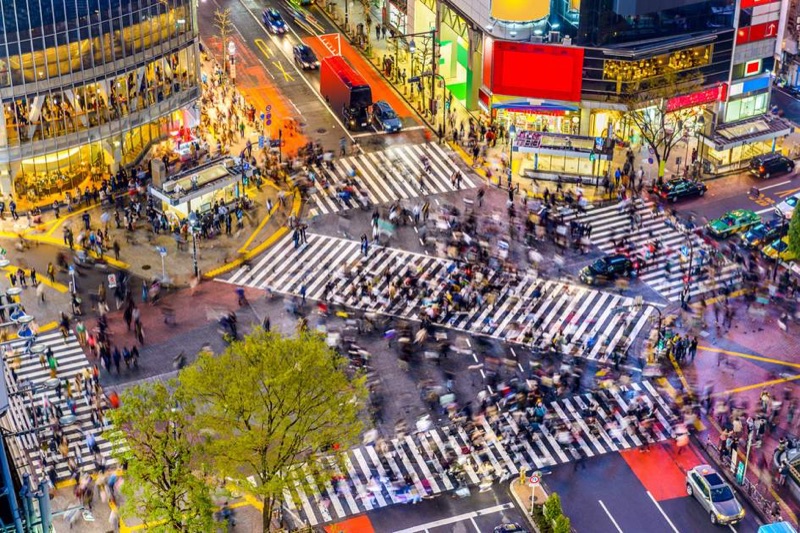
Fashion Districts, Shrines & the World's Busiest Crossing, Tokyo, Japan

Morning at Meiji Shrine (serene forest in the middle of the city), then Harajuku's Takeshita Street (fashion chaos), followed by Shibuya's famous crossing, Pokemon Center Shibuya with its life-size Mewtwo, and nightlife in Shibuya's club district.

Morning (9:00 AM – 12:30 PM)

Meiji Jingu Shrine

Walk through the massive torii gate into a forest of 100,000 trees — and suddenly you can't hear the city. Meiji Shrine is dedicated to Emperor Meiji and Empress Shoken, and the 70-hectare forest (man-made, planted with trees donated from across Japan) creates a silence that's almost disorienting in the middle of Tokyo. Write a wish on an ema wooden plate (¥500), watch a traditional wedding procession if you're lucky, and walk the gravel paths. The contrast between this serenity and the chaos of Harajuku 5 minutes away is pure Tokyo.

📍 1-1 Yoyogi Kamizono-cho, Shibuya-ku — JR Yamanote to Harajuku Station
🕐 Sunrise to sunset (~5 AM – 6:30 PM in September) · Free entry
⛩️ Inner Garden: ¥500 · Treasure House: ¥500
📸 The 12m tall torii gate at the south entrance is the iconic shot
🧹 Purification ritual: wash hands and mouth at the temizuya before approaching

Harajuku Takeshita Street

The other side of Harajuku from Meiji Shrine: Takeshita Street is a narrow pedestrian lane packed with fashion boutiques, crepe stands, cotton candy shops, and enough kawaii energy to power a small city. It's overwhelming in the best way. Get a cotton candy from Totti Candy Factory (the rainbow ones are massive), browse the vintage shops on Cat Street (parallel to Takeshita), and people-watch — Harajuku's street fashion is a living art form.

📍 Takeshita-dori, Shibuya-ku — JR Harajuku Station (Takeshita exit)
🕐 Shops open 10–11 AM, close 7–8 PM
🧁 Totti Candy Factory: rainbow cotton candy ¥700 · Crepes: ¥600–800
👕 Cat Street: better vintage shopping, less crowded than Takeshita
📸 Street fashion is the attraction — you'll see outfits that belong in magazines
🧁 Brunch
Harajuku Crepes & Cotton Candy
A Harajuku crepe from Marion Crepes or Angels Heart — rolled tightly with whipped cream, fruit, cheesecake, and ice cream inside. It's ridiculous and perfect.
💰 ¥600–800 · 📍 Takeshita Street · Street food · Cash
Afternoon (1:00 PM – 5:30 PM)

Shibuya Crossing & Hachiko Statue

Walk from Harajuku down Omotesando (Tokyo's Champs-Élysées — luxury boutiques under zelkova trees) to Shibuya. The Shibuya Scramble Crossing is the world's busiest pedestrian crossing: every green light, up to 3,000 people cross from all directions in a perfectly choreographed chaos that somehow never results in collisions. The Hachiko Statue (loyal dog who waited at the station for his dead owner for 9 years) is right outside the station. For the best crossing view, go to the Starbucks on the 2nd floor of the QFRONT building — or better, the Shibuya Sky observation deck.

📍 Shibuya Crossing — JR Shibuya Station Hachiko Exit
🐕 Hachiko Statue: right outside the station exit
📸 Best crossing views: Shibuya Sky (roof of Scramble Square, ¥2,000) or Starbucks QFRONT 2F
🚶 Walk the crossing 3-4 times — it's weirdly exhilarating every time

Pokemon Center Shibuya — Life-Size Mewtwo

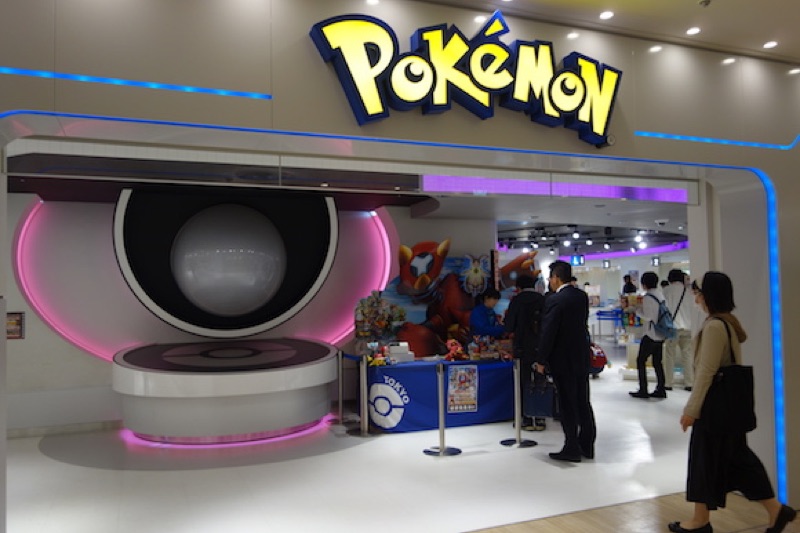
On the 6th floor of Shibuya Parco, Pokemon Center Shibuya is designed as a "Pokemon urban paradise" with sleek black walls, neon lighting, and a terrifyingly realistic life-size Mewtwo animatronic floating in a tank at the entrance. This is the coolest Pokemon Center in Tokyo — the design feels like a sci-fi movie set. Exclusive Shibuya-themed merch, rare plushies, and a curated selection of Pokemon goods you won't find at other locations. The Nintendo Tokyo Store is on the same floor.

📍 6F Shibuya Parco, 15-1 Udagawa-cho — 5 min from Shibuya Station
🕐 10 AM – 9 PM · Free entry
📸 Life-size Mewtwo animatronic is incredible — it moves and glows
🎮 Nintendo Tokyo Store: same floor — Nintendo merch, Switch accessories
🛍️ Exclusive Shibuya collab merch available here only
🍜 Lunch
Ichiran Ramen Shibuya
The famous tonkotsu ramen chain with individual booths where you customize your broth richness, noodle firmness, garlic level, and spice. It's a solo-eating institution but couples can request adjacent booths. Iconic.
💰 ¥1,000–1,500 · 📍 Shibuya · Individual booths · Card OK
Evening & Night (7:00 PM – 12:00 AM)

Shibuya Nightlife — Bars & Clubs

Shibuya is Tokyo's nightlife capital for the under-30 crowd. Start with drinks at a standing bar (tachinomi) around Dogenzaka — cheap beer, good vibes, instant friends. Then pick your scene: Womb (4-floor megaclub with the world's best sound system and a mirror ball the size of a car), Camelot (multiple floors of hip-hop, EDM, and J-pop), or Track 1 (underground techno in a bunker). The streets around Center-gai and Spain-zaka are packed until the last trains, and after midnight the party moves to the clubs. Shibuya doesn't sleep.

🎵 Womb: ¥2,000–4,000 cover — world-famous, massive mirror ball
🎵 Camelot: ¥2,000–3,000 — hip-hop and EDM floors
🍺 Standing bars around Dogenzaka: ¥500–800 per drink
🕐 Clubs peak midnight – 4 AM · Bars open until 5 AM
💡 Dogenzaka ("Love Hotel Hill") is atmospheric at night — neon everywhere
🍜 Late Night
Fuunji Tsukemen or 24hr Ramen
After the clubs, hit Fuunji (Shinjuku — a few stops away) for legendary tsukemen (dipping noodles) or any of Shibuya's late-night ramen shops. Tokyo ramen at 2 AM after dancing is a peak life experience.
💰 ¥1,000–1,500 · 📍 Shibuya/Shinjuku · Counter seating · Open late
Sunday in Harajuku/Shibuya = peak crowds. Takeshita Street will be shoulder-to-shoulder. If crowds overwhelm you, escape to Cat Street or the backstreets of Omotesando — same neighborhood, half the people. Pokemon Center Shibuya will have lines — go after 7 PM when they thin out.
Day 7 Akihabara · Ikebukuro

Electric Town & Pokemon Mega Center

Electric Town & Pokemon Mega Center, Tokyo, Japan

Akihabara's neon-drenched multi-story arcades, anime shops, and maid cafes in the morning, then Ikebukuro's Pokemon Center Mega Tokyo — the largest Pokemon store in Japan — plus Sunshine City's massive entertainment complex. Respect for the Aged Day holiday means extra energy on the streets.

Morning (10:00 AM – 1:30 PM)

Akihabara — Electric Town

Akihabara is Tokyo's shrine to all things electronic, anime, and gaming. Multi-story arcades (Taito Station, GiGO, Super Potato retro games), floor-after-floor of anime figurines and trading cards at Mandarake Complex, electronics at Yodobashi Camera (9 floors), and the uniquely Akihabara experience of maid cafes (where waitresses in maid outfits treat you like "master" with heart-shaped omelets and magical incantations — it's weird, kitschy, and very Tokyo). Even if anime isn't your thing, the sensory overload is worth experiencing.

📍 Akihabara, Chiyoda-ku — JR Yamanote/Keihin-Tohoku to Akihabara Station (Electric Town exit)
🎮 Super Potato: 5F retro game store — play vintage Famicom/Super Famicom on the top floor
📦 Mandarake Complex: 8 floors of manga, figurines, cosplay, vintage toys
📺 Yodobashi Camera: 9 floors of electronics — tax-free for tourists
☕ Maid cafes: @home Cafe is the most famous — ¥1,000 cover + ¥700 drink
🕐 Most shops open 10–11 AM · Arcades open from 10 AM
🍱 Lunch
Akihabara Curry or Tonkatsu
Hit CoCo Ichibanya (Japan's biggest curry chain — customize spice level from 1 to 10) or Tonkatsu Maisen for excellent fried pork cutlet. Both have Akihabara locations and are affordable, fast, and satisfying.
💰 ¥800–1,500 · 📍 Akihabara · Counter/table seating · Card OK
Afternoon (2:00 PM – 6:00 PM)

Pokemon Center Mega Tokyo (Ikebukuro)

This is the crown jewel of all Pokemon Centers — the largest and most comprehensive Pokemon store in Japan, located on the 2nd floor of Sunshine City Alpa mall. We're talking floor-to-ceiling Pokemon merchandise: plushies of every generation, exclusive items, rare figurines, apparel, trading card packs, and a dedicated Pokemon GO section (Pokemon GO Lab). There's also Pikachu Sweets by Pokemon Cafe — a dessert shop with Pokemon-themed sweets that doesn't require reservations (unlike the main Pokemon Cafe). Spend an hour here minimum.

📍 2F Sunshine City Alpa, 3-1-2 Higashi-Ikebukuro — 8 min from Ikebukuro Station
🕐 10 AM – 9 PM · Free entry
🛍️ Largest selection of Pokemon merch in Japan — exclusives you can't get elsewhere
🍰 Pikachu Sweets: Pokemon-themed desserts, no reservation needed
📱 Pokemon GO Lab: dedicated section for Pokemon GO players
📸 Photo spots with giant Pikachu and seasonal displays

Sunshine City Complex

Sunshine City is Ikebukuro's massive entertainment complex: Sunshine 60 (observation deck on the 60th floor with panoramic views), Sunshine Aquarium (on the rooftop of a building — jellyfish exhibits, sea lion shows, and a tank where sharks swim over your head), and Namja Town (indoor theme park with ice cream city and gyoza stadium — yes, that's a thing).

📍 Sunshine City, Higashi-Ikebukuro — same complex as Pokemon Center
🎫 Aquarium: ¥2,400 · Observation Deck: ¥1,200 · Namja Town: ¥500 + rides
🕐 Aquarium: 10 AM – 8 PM · Observation deck: 10 AM – 9:30 PM
🦈 Sunshine Aquarium's "Jellyfish Tunnel" is stunning
Evening (6:30 PM – 10:30 PM)

Ikebukuro Dining & Bar Hopping

Ikebukuro's west side (Nishi-Ikebukuro) has a growing bar and restaurant scene that's less touristy than Shinjuku or Shibuya. Explore the narrow alleys around the station for izakayas, ramen shops (Mutekiya ramen has a line but it's worth it — rich tonkotsu broth, open until 3 AM), and standing bars. The area around Rikkyo University has affordable student-friendly dining.

🍜 Mutekiya Ramen: 2-14-3 Minami-Ikebukuro — expect a line, rich tonkotsu
🍺 Nishi-Ikebukuro bars: less touristy, more local vibes
💰 Standing bars: ¥500–800 per drink · Izakaya: ¥3,000–5,000 per person
🕐 Most bars open 5 PM – midnight · Some until 3 AM
🍜 Dinner
Mutekiya Ramen
Rich, creamy tonkotsu ramen with melt-in-your-mouth chashu pork. There's always a line but it moves. It's the best ramen in Ikebukuro and a legitimate Tokyo top-10.
💰 ¥1,000–1,500 · 📍 2-14-3 Minami-Ikebukuro · Counter seating · Open late
Today is Respect for the Aged Day (Keiro no Hi) — a national holiday. Shops and attractions will be open but busier than usual. Akihabara especially will be packed. Use this as a flexible day — if Pokemon Center Mega Tokyo is too crowded, come back on a weekday morning.
Day 8 Osaka · Dotonbori · Namba

Shinkansen to Osaka — Street Food Capital of Japan
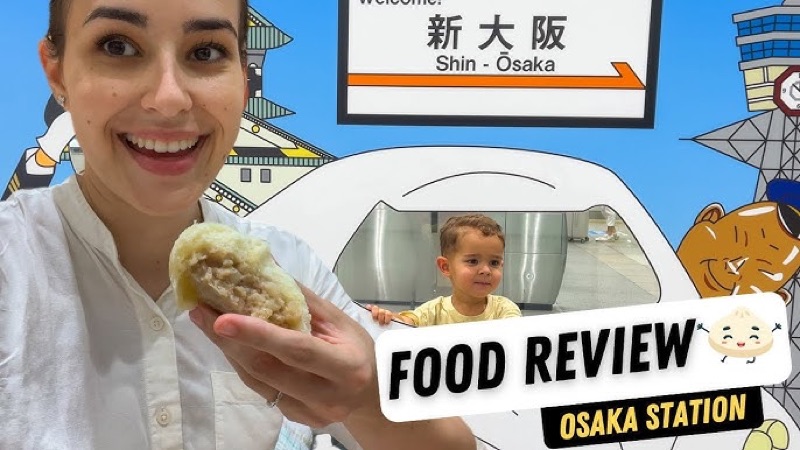
Shinkansen to Osaka — Street Food Capital of Japan, Tokyo, Japan

Take the bullet train to Osaka — Japan's kitchen, comedy capital, and the city where the national catchphrase is "kuidaore" (eat until you drop). Tonight is Dotonbori: neon signs, takoyaki, okonomiyaki, and the famous Glico Running Man sign reflected in the canal.

Morning (7:00 AM – 11:00 AM)

Shinkansen Tokyo → Osaka

Take the Tokaido Shinkansen from Tokyo Station or Shinagawa Station to Shin-Osaka Station. The Nozomi (fastest) takes 2 hours 15 minutes at 300 km/h. Book reserved seats (¥14,500 one-way per person) — the left side of the train gives views of Mount Fuji on clear mornings. If you're planning multiple JR trips, consider a JR Pass (7-day pass ¥50,000 — break even with round-trip Tokyo-Osaka + a few day trips). Buy ekiben (train bento boxes) at the station before boarding — it's a Japanese tradition.

🚅 Nozomi: Tokyo → Shin-Osaka, 2h15m, ¥14,500 reserved seat
🗻 Sit on the LEFT side (car direction of travel) for Mount Fuji views
🍱 Buy ekiben (train bento) at Tokyo Station — multi-story bento shops in the basement
🎫 Tickets at Tokyo Station Shinkansen gates — or book via SmartEX app
💡 JR Pass 7-day: ¥50,000 — worth it if doing Tokyo-Osaka round trip + other JR lines
🍱 Breakfast
Shinkansen Ekiben
Buy a beautifully presented train bento at Tokyo Station before boarding. Options range from ¥1,000–3,000 — each one is a mini art piece with rice, fish, pickles, and meats.
💰 ¥1,000–3,000 · 📍 Tokyo Station basement · Eat on the train
Midday (11:30 AM – 3:00 PM)

Osaka Castle

From Shin-Osaka, take the subway to Osaka Castle Park. The castle itself is a 1931 concrete reconstruction (the original was destroyed multiple times), but the surrounding park is gorgeous, and the 8-story museum inside covers the dramatic life of Toyotomi Hideyoshi — the peasant who unified Japan. The top floor has panoramic views of Osaka. The castle tower gleams gold and green against the skyline — it's the city's most iconic image.

📍 1-1 Osakajo, Chuo-ku — subway Tanimachi 4-chome or Morinomiya Station
🎫 ¥600 · Open 9 AM – 5 PM
🏯 8 floors of samurai history, armor, and battle maps
📸 Best photo: from the outer moat with cherry trees (even in September it's beautiful)
🐙 Lunch
Kuromon Market
Osaka's answer to Tsukiji — a 600-meter covered market where you eat standing: fresh oysters (¥300 each), Wagyu skewers (¥1,000), crab legs, strawberry mochi, and Osaka's famous takoyaki (octopus balls, ¥500 for 8). The market vendors are louder and friendlier than Tokyo's.
💰 ¥2,000–4,000 per person · 📍 Kuromon Market · Cash preferred · Standing eating
Evening (4:00 PM – 11:00 PM)

Dotonbori — Osaka's Neon Canyon

Dotonbori is Osaka's soul: a canal-side street blazing with neon signs, enormous moving crab claws, giant ferris wheels attached to buildings, and more food per meter than anywhere else in Japan. The iconic Glico Running Man sign (it's been there since 1935, updated many times) is reflected in the Dotonbori canal at night — it's Osaka's most photographed scene. Eat your way through: takoyaki from Wanaka (Osaka's best, crispy outside, molten inside), okonomiyaki (savory cabbage pancake) at Mizuno (60+ years old, line is worth it), and kushikatsu (deep-fried everything on sticks) at Daruma (the original, rule: NO double-dipping).

📍 Dotonbori, Chuo-ku — subway Namba Station
🐙 Takoyaki Wanaka: crispy outside, creamy inside — ¥500 for 8 pieces
🥞 Okonomiyaki Mizuno: 60+ year old shop — ¥1,200–1,800, expect a line
🍢 Kushikatsu Daruma: deep-fried skewers — ¥150–300 each, NO double dipping
📸 Glico Running Man at night: stand on Ebisu Bridge for the classic shot
🕐 Dotonbori never really sleeps — restaurants open until midnight, some until 5 AM

Hozenji Yokocho — Hidden Alley

Two minutes from the neon chaos of Dotonbori, Hozenji Yokocho is a narrow stone-paved alley of traditional restaurants and bars with moss-covered walls. At the end is Hozenji Temple, where the Buddhist statue is covered in so much moss from visitors pouring water on it that you can barely see the stone beneath. The contrast between this quiet alley and the madness of Dotonbori is quintessential Osaka.

📍 Off Dotonbori, behind Hozenji Temple — 2 min from the main strip
🕯️ Pour water on the Fudo Myoo statue for good luck
🍶 Traditional bars and restaurants — great for a quiet drink away from the crowds
🐙 Dinner
Dotonbori Food Marathon
Takoyaki from Wanaka, okonomiyaki from Mizuno, kushikatsu from Daruma, and draft beer from a street vendor. Osaka's motto is kuidaore — eat until you drop. Obey.
💰 ¥3,000–5,000 per person · 📍 Dotonbori · Mix of cash and card · Standing eating
Osaka is Japan's comedy capital — people are louder, friendlier, and more direct than Tokyo. Shop owners will banter with you. The city takes its food seriously and its everything-else less so. Embrace the chaos. Stay overnight near Namba — you'll need the energy for USJ tomorrow.
Day 9 Konohana-ku · USJ

Universal Studios Japan — Nintendo World & Pokemon
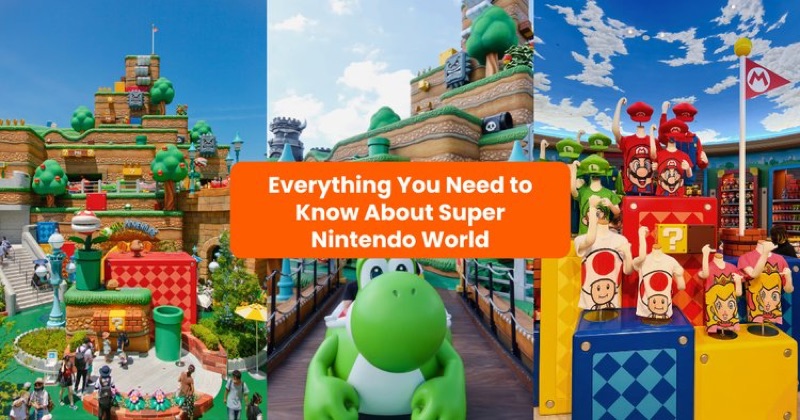
Universal Studios Japan — Nintendo World & Pokemon, Tokyo, Japan

A full day at USJ — home of Super Nintendo World (walk through a real-life Mario level), a brand-new Pokemon experience launching in 2026, and the Jujutsu Kaisen attraction from Universal Cool Japan. This is why you came to Osaka.

Full Day (7:00 AM – 8:00 PM)

Universal Studios Japan

USJ is a world-class theme park that rivals anything in Orlando or LA. The headliners: Super Nintendo World (walk through a glowing green pipe into a life-size Mario world — Power-Up Bands let you punch blocks, collect coins, and compete on a leaderboard; Mario Kart: Koopa's Challenge is a trackless dark ride with AR headsets; the new Donkey Kong Country has a mine cart roller coaster), the new Pokemon immersive experience launching in 2026 (USJ announced a "bold new global project" for Pokemon — expect something groundbreaking), Harry Potter's Wizarding World (Hogsmeade with the Butterbeer and Flight of the Hippogriff), and Universal Cool Japan 2026 (seasonal collaboration with Detective Conan, Jujutsu Kaisen, and Monster Hunter).

📍 2-1-33 Sakurajima, Konohana-ku — JR Yumesaki Line to Universal City Station
🎫 ¥8,600–10,400 per adult — buy online in advance via Klook or official site
🚀 Express Pass STRONGLY recommended (¥4,000–12,000 extra) — includes Nintendo World entry
🕐 Park opens 8–9 AM — arrive 60+ min early for rope drop
📱 USJ App: wait times, mobile order, Express Pass management
🍄 Super Nintendo World: timed entry required — Express Pass guarantees access
🎮 Power-Up Band: ¥4,000 — interactive throughout the land, worth it for the experience
🎃 September may have Halloween Horror Nights — check the schedule
💡 Nintendo World fills to capacity FAST — rope drop straight there if no Express Pass
🍄 Lunch
Toadstool Cafe (Super Nintendo World)
Eat inside the mushroom kingdom — themed food like Mario burger buns shaped like mushrooms, Bowser's fire breath chicken, and Question Block tiramisu. Mobile order via the app to skip the line.
💰 ¥2,000–3,000 per person · 📍 Super Nintendo World · Themed dining
🍺 Dinner
USJ CityWalk
After the park, CityWalk (free entry) has restaurants and bars. Takoyaki and beer is the move — you're still in Osaka after all.
💰 ¥1,500–3,000 per person · 📍 CityWalk Osaka · No park ticket needed
Today is Autumnal Equinox Day (Shubun no Hi) — a national holiday. USJ will be BUSY. Buy an Express Pass that includes Super Nintendo World entry — without it, you may not get in. Also: the new Pokemon experience may have separate entry requirements. Check the USJ website for the latest before you go. If you can't get an Express Pass, rope drop Nintendo World and book it there immediately.
Day 10 Osaka · Shinjuku · Roppongi

Osaka Morning, Bullet Train Back & Roppongi Night
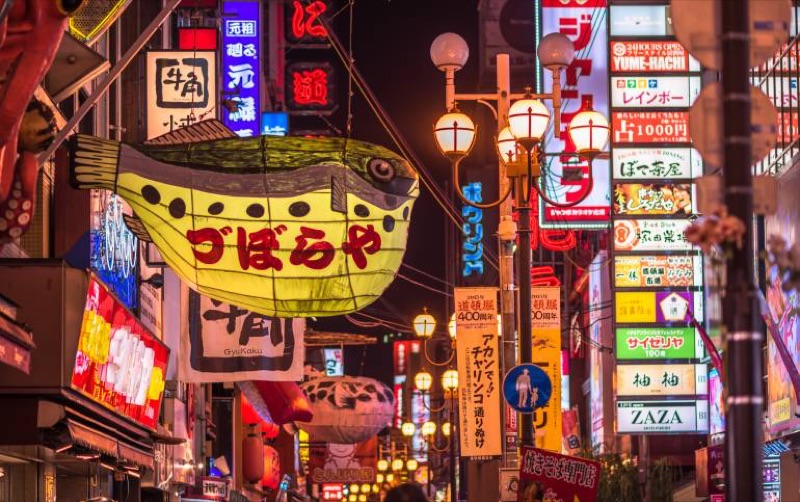
Osaka Morning, Bullet Train Back & Roppongi Night, Tokyo, Japan

One last Osaka breakfast, the Shinkansen back to Tokyo, and a night out in Roppongi — Tokyo's international nightlife district where the clubs stay open until dawn and the crowd is a mix of expats, locals, and visitors from every corner of the globe.

Morning (8:00 AM – 11:30 AM)

Shinsekai — Retro Osaka

Before leaving Osaka, explore Shinsekai — a retro neighborhood built in 1903 to mimic New York (north half) and Paris (south half), that somehow ended up becoming Osaka's most atmospheric working-class district. The Tsutenkaku Tower (stretching its neck above the low buildings) is the landmark. Eat kushikatsu (deep-fried skewers) for breakfast — yes, for breakfast — at one of the dozens of stalls on Janjan Yokocho alley. The Daruma pachinko parlor vibes, retro signage, and genuine grit make Shinsekai feel like stepping into a 1970s Japanese film.

📍 Shinsekai, Naniwa-ku — subway Dobutsuen-mae Station
🗼 Tsutenkaku Tower: ¥800 to the observation deck
🍢 Kushikatsu for breakfast: ¥100–200 per stick — everything gets deep-fried here
📸 The retro signage and Showa-era atmosphere are incredible photo subjects
🕐 Many stalls open from 10 AM
🍢 Breakfast
Shinsekai Kushikatsu
Deep-fried skewers for breakfast because you're in Osaka and the rules are different here. Beef, shrimp, lotus root, quail egg — batter it, fry it, dip it (ONCE), eat it.
💰 ¥1,000–2,000 per person · 📍 Shinsekai · Cash · Counter seating
Midday (12:00 PM – 3:30 PM)

Shinkansen Back to Tokyo

Take the Nozomi from Shin-Osaka back to Tokyo (2h15m, ¥14,500). Pick up another ekiben at the station. Nap on the train — you've earned it after two full days of Osaka eating and USJ.

🚅 Nozomi: Shin-Osaka → Tokyo, 2h15m
🎫 ¥14,500 reserved seat — book in advance
😴 The gentle rocking of the Shinkansen is perfect for a post-USJ nap
Evening & Night (7:00 PM – 2:00 AM)

Roppongi — International Nightlife

Roppongi is Tokyo's most international nightlife district — a neighborhood of bars, clubs, and restaurants where English is the default second language. The scene here is different from Shibuya: more upscale, more diverse, and later. Start at Roppongi Hills (Tokyo City View observation deck for sunset, ¥2,000), then explore the bars around Roppongi-dori. Key spots: 1-OKU (creative cocktails, stunning interior), Propaganda (long-running club with a mixed crowd), and the bars under Tokyo Midtown. For something quieter, the Mori Art Museum (same building as the observation deck) often has world-class contemporary art exhibitions open until 10 PM on weekends.

📍 Roppongi, Minato-ku — subway Hibiya/Oedo Line to Roppongi Station
🌃 Tokyo City View: ¥2,000 — open-air rooftop option +¥500
🎨 Mori Art Museum: ¥2,000 — open until 10 PM on Saturdays
🎵 Clubs: 1-OKU, Propaganda, TK Nightclub — ¥2,000–5,000 cover
🕐 Roppongi peaks midnight – 4 AM · Some clubs open until dawn
💡 Roppongi has aggressive touts on the street — ignore them and walk into established venues
🥩 Dinner
Yoroniku or Roppongi Yakiniku
Celebrate surviving USJ with premium yakiniku (Japanese BBQ) — grill Wagyu beef at your table. Yoroniku in Ebisu (one stop from Roppongi) is exceptional if you can get a reservation. Otherwise, Roppongi has dozens of excellent yakiniku spots.
💰 ¥5,000–10,000 per person · 📍 Roppongi/Ebisu · Table seating · Card OK
Roppongi's street touts are aggressive and sometimes sketchy — firmly ignore anyone trying to pull you into a bar. Stick to venues you've researched or can see inside from the street. The area around Tokyo Midtown is safer and more upscale than the main Roppongi intersection.
Day 11 Nihonbashi · Tsukishima · Ginza

Pokemon Cafe, Monjayaki & the High-End Side
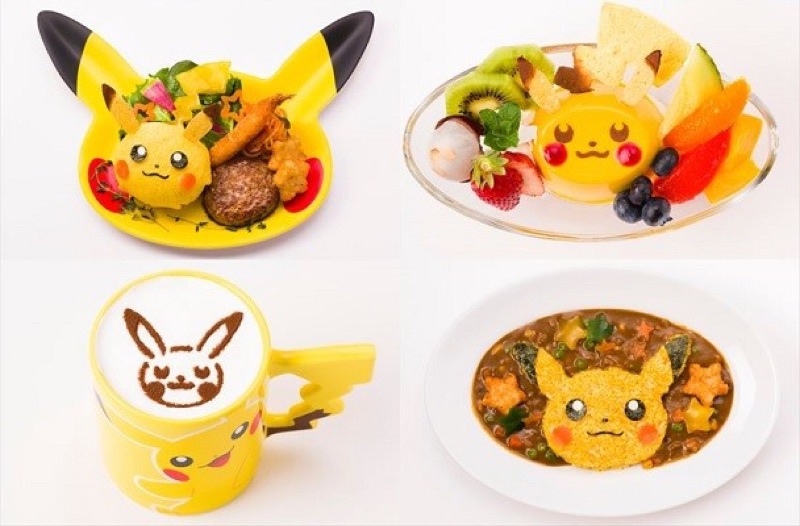
Pokemon Cafe, Monjayaki & the High-End Side, Tokyo, Japan

The Pokemon Cafe (reservation required!), Tsukishima's monjayaki (the messy, delicious cousin of okonomiyaki), and a taste of Ginza's upscale side — all within a few subway stops of each other.

Morning (10:00 AM – 12:30 PM)

Pokemon Cafe Nihonbashi — Reservation Required!

THIS IS YOUR POKEMON CAFE EXPERIENCE — book it exactly 31 days in advance at 6:00 PM JST on pokemon-cafe.jp. The cafe serves themed dishes: Pikachu curry rice (the rice is shaped like Pikachu's face), Eevee teriyaki burgers, Gengar grape juice in a souvenir cup, and character parfaits that are almost too cute to eat. The staff does a Pikachu dance at intervals. You get 90 minutes. The Pokemon Center Tokyo DX (one of Japan's biggest Pokemon stores) is right next door — same floor, same building. Note: the cafe was closed for renovation March–June 2026 but should be reopened by September.

📍 5F Nihonbashi Takashimaya S.C. East Building, 2-11-2 Nihonbashi
🎫 Reservation REQUIRED — book exactly 31 days ahead at 6 PM JST on pokemon-cafe.jp
💰 ¥2,000–4,000 per person (meal + drink) · 90 min max stay
🛍️ Pokemon Center Tokyo DX: right next door — Japan's biggest Pokemon Center
🕐 Cafe: 10:30 AM – 10 PM · Center: 10 AM – 9 PM
⚡ Pikachu dances happen throughout the day — staff will announce them
⚡ Brunch
Pokemon Cafe
Pikachu curry rice, Gengar grape juice, character parfaits, and a Pikachu dance show. Reservation required 31 days in advance. The souvenir cups and coasters are included.
💰 ¥2,000–4,000 per person · 📍 Nihonbashi Takashimaya 5F · Reservation mandatory · 90 min
Afternoon (1:30 PM – 5:30 PM)

Tsukishima — Monjayaki Town

Tsukishima is an entire neighborhood devoted to monjayaki — Osaka's okonomiyaki's messier, runnier, weirder Tokyo cousin. Monjayaki is made with a thinner batter than okonomiyaki, cooked on a griddle right at your table, and eaten directly off the iron with a tiny metal spatula. The main street (Monja Street) has 70+ monjayaki restaurants stacked on top of each other. The experience is interactive, messy, and incredibly fun for two people. Order a seafood monja, a mochi-cheese monja, and a curry monja — then cook them yourselves.

📍 Tsukishima, Chuo-ku — subway Yurakucho/Oedo Line to Tsukishima Station
🍲 70+ monjayaki restaurants on Monja Street — most are ¥800–1,500 per monja
👨‍🍳 Cook it yourself on the tabletop griddle — staff will help first-timers
🔥 Eat directly off the hot griddle with the tiny spatula — it stays sizzling
💡 Mochi-cheese and curry monja are the most popular varieties
🕐 Restaurants open 11 AM, close 10–11 PM
🍲 Lunch
Monjayaki on Monja Street
Cook runny, savory monjayaki on a griddle at your table and eat it with tiny spatulas. It's interactive, messy, and delicious. Order 2-3 per couple.
💰 ¥2,000–3,500 per person · 📍 Tsukishima Monja Street · Table cooking · Card OK
Evening (6:00 PM – 10:00 PM)

Ginza — Tokyo's Luxury District

Walk from Tsukishima (or take the subway 2 stops) to Ginza — Tokyo's upscale shopping and dining district. The main street (Chuo-dori) is closed to traffic on weekend afternoons (pedestrian paradise). Browse the department store basements (depachika) — entire floors devoted to the most beautiful prepared food you've ever seen: ¥1,000 strawberries, perfectly arranged bento boxes, and pastries that belong in museums. Hit the Ginza Six building for high-end shopping, the Kabukiza Theatre (even if you don't see a show, the building is stunning), and have dinner at one of Ginza's excellent restaurants.

📍 Ginza, Chuo-ku — subway Ginza/Hibiya/Marunouchi Line to Ginza Station
🛍️ Ginza Six: flagship luxury mall · Mitsukoshi: historic department store
🍱 Depachika (basement food halls): Mitsukoshi and Matsuya have the best ones
🎭 Kabukiza Theatre: beautiful building — single-act tickets available for ¥1,000–2,000
🕐 Chuo-dori pedestrian zone: 12–5 PM on weekends (note: Friday this time, so no closure)
🍣 Dinner
Ginza Sushi or Izakaya
Ginza has some of Tokyo's best sushi (if you can afford it — ¥10,000+ per person for top spots). For something more reasonable, the yakitori and izakaya spots under the JR tracks near Shimbashi (5 min from Ginza) are fantastic and affordable.
💰 ¥3,000–10,000+ per person · 📍 Ginza/Shimbashi · Range of budgets · Card OK
The Pokemon Cafe reservation is the most time-sensitive booking of the entire trip. Slots open at 6:00 PM JST exactly 31 days before your desired date (that's August 25 at 6 PM JST for Sep 25). Set an alarm, open pokemon-cafe.jp, and book IMMEDIATELY — slots fill within 30 minutes. If you miss it, check back at 6 PM JST on August 26 — sometimes cancelled slots reappear.
Day 12 Shimokitazawa · Nakameguro · Shinjuku

Vintage Finds, River Walks & the Grand Finale

Vintage Finds, River Walks & the Grand Finale, Tokyo, Japan

Your last full day: vintage shopping in Shimokitazawa, riverside coffee in Nakameguro, and a blowout final night in Shinjuku — back where it all started, but now you know your way around.

Morning (10:00 AM – 1:00 PM)

Shimokitazawa — Vintage & Vinyl

Shimokitazawa is Tokyo's hipster capital — a neighborhood of vintage clothing stores, record shops, independent cafes, and live music venues that hasn't been ruined by its own coolness (yet). The vintage shopping here is genuinely incredible: curated Japanese fashion from the 80s and 90s at prices that make you question why anyone buys new clothes. Flamingo, New York Joe Exchange, and Stephanie are the heavy hitters. Record stores (Flash Disc Ranch, Bear Records) have Japanese pressings of albums you forgot existed. The cafe scene is strong — partake. Nothing is expensive on purpose.

📍 Shimokitazawa, Setagaya-ku — Odakyu/Keio Inokashira Line to Shimo-Kitazawa Station
👕 Vintage: Flamingo, New York Joe Exchange, Stephanie — ¥1,000–5,000 per piece
🎵 Records: Flash Disc Ranch, Bear Records — Japanese pressings are collector gold
☕ Cafes: Daily Stand-up Coffee, Ristrutto, Bear Pond Espresso
🕐 Most shops open 11 AM – 8 PM · Cafes from 9 AM
🚶 The whole neighborhood is walkable — just wander
☕ Breakfast
Shimokitazawa Cafe
Grab specialty coffee and toast at one of the neighborhood's many indie cafes. The vibe is relaxed, the coffee is excellent, and the people-watching is free.
💰 ¥800–1,500 · 📍 Shimokitazawa · Casual · Card OK
Afternoon (1:30 PM – 5:30 PM)

Nakameguro — Riverside Stroll

Take the train 10 minutes to Nakameguro, one of Tokyo's most pleasant neighborhoods. Walk along the Meguro River (lined with cafes, boutiques, and restaurants) — in September the green canopy is lush. Browse the Daikanyama area (Tokyo's "Brooklyn" — upscale but chill, with Tsutaya Books, one of the world's most beautiful bookstores). Stop at Onibus Coffee for pour-over with a view of the train tracks. This is the Tokyo that locals live in — calm, designed, human-scale.

📍 Nakameguro/Daikanyama, Shibuya-ku — Toyoko Line to Nakameguro Station
📚 Tsutaya Books Daikanyama: stunning architecture, magazine library, Starbucks inside
☕ Onibus Coffee: pour-over with train track views — Nakameguro's best coffee
🛍️ Daikanyama T-Site: lifestyle complex with design shops and cafes
🚶 Walk from Nakameguro to Daikanyama (10 min) along tree-lined streets
🍝 Lunch
Nakameguro Cafe or Bistro
Nakameguro is full of excellent bistros and cafes. Sidewalk Stand does great sandwiches and craft beer. Tsuta (the Michelin-starred ramen shop) has a location nearby. Or just follow the river until something looks good.
💰 ¥1,000–3,000 · 📍 Nakameguro · Walk-in · Card OK
Evening & Night (7:00 PM – 2:00 AM)

Shinjuku Grand Finale — Izakaya, Golden Gai & Karaoke

End where you started — Shinjuku — but this time you know the terrain. Start with izakaya hopping in the Yakocho alleys near Shinjuku Station (Omoide Yokocho was Day 1, now explore deeper). Then Golden Gai for bars you missed the first night. And finally: karaoke. It's mandatory. Hit Karaoke Kan (the one from Lost in Translation) or Big Echo — ¥500–1,000 per hour per person, drinks ordered from a phone in the room. Belt out whatever you want. Nobody cares. This is your last night in Tokyo.

🎤 Karaoke Kan: ¥500–1,000/hr per person + drinks — the Lost in Translation spot
🍺 Golden Gai round 2: try the bars you missed on Day 1
🏮 Izakaya hopping: explore deeper alleys beyond Omoide Yokocho
🕐 Karaoke open until 5 AM · Golden Gai bars until 2–4 AM
💰 Budget ¥5,000–10,000 per person for the full night
🍻 Dinner
Shinjuku Izakaya Crawl
Your last dinner in Tokyo — izakaya-hop through Shinjuku's alleys. Order everything you've been too scared to try: natto, raw egg on rice, horse sashimi if you're feeling adventurous. End with ramen at 1 AM. It's the Tokyo way.
💰 ¥4,000–7,000 per person · 📍 Shinjuku alleys · Mix of cash and card · Counter seating
This is your last full day — if there's anything you missed or want to revisit, today's the day. Shimokitazawa and Nakameguro are flexible; you can spend more or less time depending on what you want to prioritize. Leave the evening open for the Shinjuku finale.
Day 13 Shinjuku · Airport

Last Bites & Sayonara

Last Bites & Sayonara, Tokyo, Japan

One final morning in Tokyo — breakfast at a convenience store (trust us), last-minute souvenir shopping, and the train to the airport. You came for Disney and Pokemon. You're leaving with 13 days of memories that'll last forever.

Morning (8:00 AM – 12:00 PM)

Last-Minute Shopping & Convenience Store Breakfast

Wake up, walk to the nearest 7-Eleven or Lawson, and have a Japanese convenience store breakfast — onigiri (rice triangles with various fillings, ¥120–180), egg salad sandwich (the bread is impossibly soft, ¥260), and Boss canned coffee from the hot cabinet. Japanese konbini are legitimately one of the country's greatest achievements. Then hit Don Quijote (Shinjuku location, open 24 hours) for last-minute souvenirs — Japanese Kit-Kats (matcha, sake, sweet potato flavors), beauty products, strange snacks, and literally anything else you can imagine.

🏪 7-Eleven onigiri: ¥120–180 · Egg sandwich: ¥260 · Can coffee: ¥120
🏪 Lawson: same quality, try the fried chicken (Karaage-kun, ¥210)
🏬 Don Quijote Shinjuku: open 24/7 — tax-free shopping for tourists
🎮 Last Pokemon merch run: Pokemon Store Tokyo Station (B1 First Avenue)
🛍️ Tokyo Station underground: massive shopping complex with souvenir shops

Airport Transfer

From Shinjuku: Narita Express direct to Narita (85 min, ¥3,250) or Keikyu Line to Haneda (45 min, ¥600). Aim to arrive at the airport 2-3 hours before your flight. Narita has excellent duty-free shopping and restaurants — the Narita version of Tsukiji fish is surprisingly good. Haneda is closer and has a beautiful observation deck.

✈️ Narita Express: Shinjuku → Narita, 85 min, ¥3,250
✈️ Haneda: Shinjuku → Hamamatsucho → Keikyu to Haneda, 45 min, ¥600
🕐 Arrive 2-3 hours before departure
🛍️ Airport duty-free: Japanese Kit-Kats, sake, whisky — last chance
🍙 Breakfast
Convenience Store Feast
Onigiri, egg sandwich, and canned coffee from 7-Eleven. Japanese convenience stores are a legitimate food category. Don't skip this.
💰 ¥500–1,000 per person · 📍 Any 7-Eleven/Lawson · The best $5 breakfast in Tokyo
Your Pokemon haul: Pokemon Center Mega Tokyo (biggest), Pokemon Center Shibuya (Mewtwo), Pokemon Center Tokyo DX (attached to the Cafe), Pokemon Center Skytree (exclusives), plus whatever USJ has. If you're running low on suitcase space, Don Quijote sells cheap extra luggage. Safe travels — come back soon.

Love this format? Get your own.

Every tabiji itinerary is custom-built from real traveler intelligence — specific restaurants, actual addresses, local timing tricks.

Get Your Personalized Itinerary — $1

Delivered within 24 hours. 2 free revisions. 100% satisfaction guaranteed.

📄 Export to Google Docs

Get an editable Google Doc of this itinerary — perfect for sharing with your travel group and adding your own notes.

The doc will be shared to your email as an editor.

✅ Your Google Doc is ready!

We've shared it with . Check your Google Drive or click below.

Open Google Doc →

Tip: You can edit, add notes, and share it with your travel group!