Arrival & First Taste of Tokyo

Touch down at NRT, clear customs, and ease into Tokyo with an evening in electric Shinjuku. No rushing — you just flew across the world.
✈️ 4:30 PM — Land at Narita International Airport
Immigration & Customs
Expect 45–90 minutes for immigration, baggage claim, and customs. Visit Japan Web (pre-register online) speeds things up significantly. Have your QR code ready on your phone.
📱 Download Visit Japan Web and complete immigration + customs forms before landing
💴 Grab a Suica or Pasmo IC card from the machines in the arrivals hall (or use a digital Suica on iPhone)
📶 Pick up your pocket WiFi or activate your eSIM if you haven't already
💡 Skip the JR Rail Pass unless you're doing tons of bullet train travel — for this itinerary, individual tickets are likely cheaper. But DO get a Suica card for all local trains, buses, and convenience store payments.
🚃 6:00 PM — Narita Express to Shinjuku
N'EX (Narita Express) to Shinjuku Station
The most comfortable option into central Tokyo. Reserved seats, luggage racks, about 80 minutes direct to Shinjuku. Buy tickets at the JR ticket counter in the airport basement.
🎫 ¥3,250 per person one-way (or ¥4,070 for reserved Green Car)
⏱️ Departs roughly every 30 min — aim for the 6:00 PM or 6:30 PM departure
🏨 Check into your hotel near Shinjuku Station
Narita Express is worth every yen over the budget options. After a long flight you do NOT want to deal with transfers on the Keisei line.r/JapanTravel
🌃 8:00 PM — Shinjuku Evening
Omoide Yokochō (Memory Lane / Piss Alley)
Narrow alleyways packed with tiny yakitori and ramen joints, each seating maybe 6–8 people. Smoky, loud, and absolutely iconic. This is the Tokyo welcome you want.
📍 West side of Shinjuku Station, 2-minute walk from the west exit
🍢 Must-try: any yakitori stall — chicken skin (kawa), heart (hatsu), and meatball (tsukune)
🍺 Pair with a cold Asahi draft (¥500–600)
🍽️ Dinner
Omoide Yokochō Yakitori
Pick any stall that catches your eye — they're all good. Budget ¥1,500–2,500 per person for yakitori + beer.
📍 Shinjuku · Casual · ¥1,500–2,500/pp
💡 Don't overplan tonight. You're jet-lagged. A beer, some yakitori, and a walk through neon-lit Kabukichō is the perfect first-night Tokyo experience.
🌙 9:30 PM — Kabukichō Walk & Wind Down
Kabukichō Nightlife District
A quick stroll through Tokyo's most famous entertainment district. Neon signs stacked ten stories high, host clubs, arcades, and the famous Godzilla head on the Toho Building. Great for photos even if you don't go in anywhere.
📸 Look up at the Shinjuku Toho Building for the life-size Godzilla head
🕹️ Drop into a game center if you're not too tired — UFO catchers and rhythm games
🏨 Head back to hotel — tomorrow is a full day
teamLab Borderless, Tsukiji & Shibuya Nights
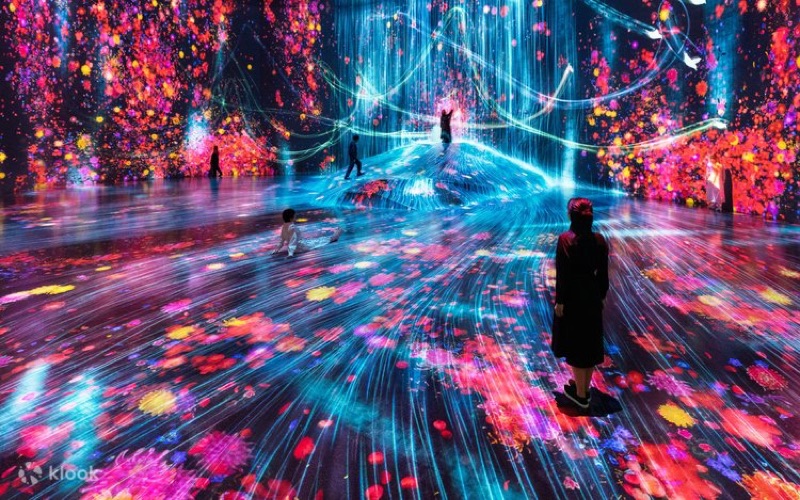
Immerse yourself in digital art at teamLab Borderless, graze through Tsukiji's outer market, then experience Shibuya crossing and Tokyo's best cocktail bars.
🌅 9:00 AM — teamLab Borderless at Azabudai Hills
teamLab Borderless: MORI Building Digital Art Museum
The world's first museum of borderless digital art, reopened at Azabudai Hills in 2024. Artworks flow from room to room with no boundaries — you wander freely through immersive light installations that react to your presence. Plan 2–3 hours minimum.
📍 Azabudai Hills Garden Plaza B, B1F (Minato-ku)
🎫 ¥3,800–4,800/adult — BOOK ONLINE IN ADVANCE (sells out weeks ahead)
⏱️ Open 10:00–21:00, closed 1st & 3rd Tuesdays
👗 Wear dark clothing — light colors wash out in photos. Avoid heels (lots of walking on uneven surfaces)
📸 Photography allowed — no flash, no tripods
Book tickets the MOMENT they go on sale. Borderless at Azabudai sells out fast. Morning slots are best — fewer people, better photo ops.r/JapanTravel
⚠️ BOOK TICKETS NOW — October is peak season. Tickets for October typically open 2-3 months ahead. Set a reminder.
🍣 12:30 PM — Tsukiji Outer Market
Tsukiji Outer Market Street Food Crawl
The inner wholesale market moved to Toyosu, but the outer market is still the best food crawl in Tokyo. Hundreds of stalls selling fresh sashimi, tamagoyaki (sweet egg), grilled scallops, strawberry daifuku, and more.
📍 10-min walk from Tsukiji Station (Hibiya Line) or taxi from Azabudai
🐟 Must-try: fresh uni (sea urchin) on a stick, tamagoyaki from Yamacho, grilled Hokkaido scallops
🍓 Dessert: strawberry daifuku or melon pan from any of the bakery stalls
💴 Budget ¥2,000–4,000 per person for a proper graze
🍽️ Lunch
Tsukiji Outer Market Graze
Skip a sit-down restaurant — the whole market IS lunch. Eat your way through it.
📍 Tsukiji · Casual street food · ¥2,000–4,000/pp
💡 Most Tsukiji stalls close by 2–3 PM. Get there by noon for the best selection.
🏙️ 3:00 PM — Shibuya Exploration
Shibuya Crossing & Surrounding Area
The world's busiest pedestrian crossing. Watch from the Starbucks above (2F of Tsutaya Building) for the overhead view, then walk across yourself. Explore the streets around Shibuya for shopping, record stores, and people-watching.
📸 Best photo spot: Shibuya Sky observation deck (¥2,000, 230m up) — book online
🐕 Visit the Hachiko statue outside Shibuya Station (quick photo op)
🛍️ Shibuya 109 for Japanese fashion, Tower Records for vinyl, Don Quijote for everything weird
🍜 6:30 PM — Dinner in Ebisu
Afuri Ramen (Ebisu Location)
Light, citrusy yuzu shio ramen that's a perfect counterpoint to heavy tonkotsu. The original Ebisu location is a local favorite — small, no-frills, and absolutely delicious.
📍 1-1-7 Ebisu, Shibuya-ku (5-min walk from Ebisu Station east exit)
🍜 Order: Yuzu Shio Ramen (signature), add ajitama (marinated egg)
💴 ¥1,100–1,500 per bowl
🍽️ Dinner
Afuri Ramen (Ebisu)
The original location. Yuzu shio ramen is the move — refreshing, light, and deeply flavorful.
📍 Ebisu · Casual · ¥1,100–1,500/pp
🍸 8:30 PM — Shibuya/Ebisu Nightlife
Bar Hopping in Shibuya
Shibuya has some of Tokyo's best bars. Try a whisky bar, a standing bar (tachinomi), or a themed izakaya.
🥃 Bar Trench (Ebisu) — creative cocktails in a speakeasy setting, ¥1,500–2,000/drink
🍻 Nonbei Yokochō (Shibuya) — tiny drinking alley near Shibuya Station, Tokyo's hidden gem
🎤 Karaoke: Big Echo or Joysound — private rooms from ¥500/30min per person
💡 Tokyo nightlife starts late. Most bars don't fill up until 9–10 PM. Trains stop around midnight — after that it's taxis or staying out until 5 AM when they restart.
Asakusa, Akihabara & Golden Gai
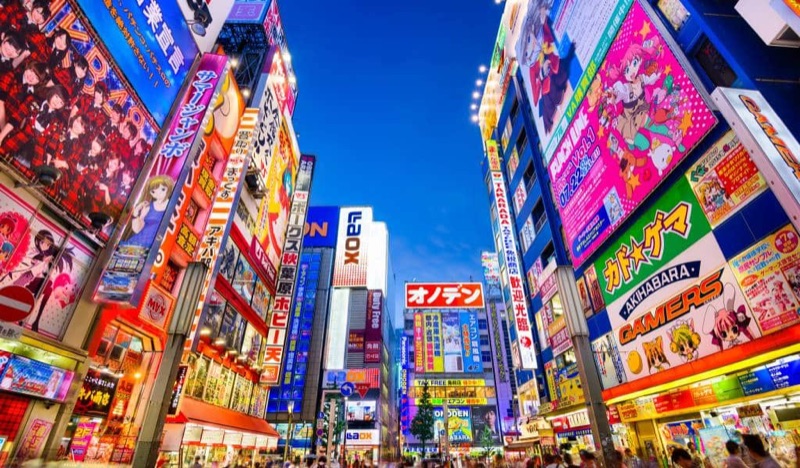
Old-world Tokyo meets otaku culture. Morning at Sensō-ji temple, afternoon in electric Akihabara, evening in the legendary Golden Gai tiny bars.
🌅 8:00 AM — Sensō-ji Temple & Asakusa
Sensō-ji Temple
Tokyo's oldest and most visited temple. The massive Kaminarimon (Thunder Gate) with its giant red lantern is iconic. Walk through Nakamise-dōri shopping street to reach the main hall. Arrive early to beat the crowds.
📍 2 Chome-3-1 Asakusa, Taito-ku (Asakusa Station, Ginza Line exit 1)
🕗 Temple grounds open 24h, main hall 6:00 AM – 5:00 PM
💴 Free admission
📿 Draw an omikuji fortune (¥100) — if you get 'bad luck' (凶), tie it to the rack and leave it behind
💡 The Nakamise shopping street stalls open around 9–10 AM. Go to the temple first when it's quiet, then browse the stalls after.
🍵 9:30 AM — Asakusa Breakfast & Exploration
Asakusa Morning Food & Culture
Grab melon pan from Kagetsudo (the Instagram-famous giant melon pan), then explore the backstreets of Asakusa. The area around Kappabashi-dōri (Kitchen Town) has incredible knife shops and plastic food replicas.
🍈 Kagetsudo — giant melon pan, crispy outside, fluffy inside (¥220)
🔪 Kappabashi-dōri — Japan's kitchen district. Great Japanese knives (Kamata or Tsubaya) make excellent souvenirs
📸 Walk along the Sumida River for views of Tokyo Skytree
🍽️ Breakfast
Kagetsudo Melon Pan + Asakusa street snacks
Tokyo's most famous melon pan plus matcha and street-side snacks.
📍 Asakusa · Casual · ¥500–1,000/pp
🎮 12:00 PM — Akihabara
Akihabara Electric Town
Japan's otaku mecca. Multi-story arcades, retro game shops, anime merch, and maid cafés. Even if you're not into anime, the sheer density of neon and energy is an experience.
🕹️ Super Potato — 5 floors of retro games and consoles (3F is a retro arcade)
📚 Mandarake Complex — 8 floors of manga, anime figures, and vintage toys
🎯 Sega GiGO — crane games, rhythm games, and photo booths
☕ Skip maid cafés unless you're genuinely curious — they're more awkward than fun for most people
🍽️ Lunch
Ramen or Curry in Akihabara
Akihabara Ramen Street has several good spots. Alternatively, try CoCo Ichibanya for Japanese curry — comfort food done right.
📍 Akihabara · Casual · ¥800–1,500/pp
🏯 3:00 PM — Ueno Park (Optional)
Ueno Park & Museums
If you want a culture break from Akihabara, Ueno Park is a 10-min walk away. Home to Tokyo National Museum (Japan's largest), the stunning Shinobazu Pond, and several shrines.
🏛️ Tokyo National Museum — ¥1,000 admission, world-class Japanese art collection
🌸 Shinobazu Pond — beautiful lotus pond, great for a quiet walk
⏱️ Or skip this and spend more time in Akihabara — your call
🍶 6:00 PM — Dinner & Golden Gai
Dinner: Tonkatsu Maisen (Omotesandō)
Widely considered Tokyo's best tonkatsu (breaded pork cutlet). The kurobuta (black pork) loin set is legendary. Located in a converted bathhouse in Omotesandō.
📍 4-8-5 Jingumae, Shibuya-ku (in the old Crayon House building)
🐷 Order: Kurobuta Rosu Katsu Set (¥2,200) — comes with unlimited cabbage and rice refills
⏱️ Expect a 20–30 min wait at dinner — worth it
🍽️ Dinner
Tonkatsu Maisen
Tokyo's most famous tonkatsu in a converted bathhouse. The kurobuta pork is incredible.
📍 Omotesandō · Casual · ¥2,000–3,000/pp
🌙 8:30 PM — Golden Gai
Golden Gai Bar Crawl
Six narrow alleys packed with over 200 tiny bars, each seating 5–10 people. Every bar has a theme — from jazz to horror to cats. This is where Tokyo's creative underbelly drinks. Most charge a small cover (¥500–1,000) plus drinks.
📍 1 Chome Kabukichō, Shinjuku-ku (behind Hanazono Shrine)
🍸 Start at street level and wander — if a bar looks interesting, pop in
💡 Some bars are regulars-only (look for signs). If turned away, no offense — just try next door
💴 Budget ¥3,000–5,000 for 2–3 bars
Golden Gai is a 'bar hop' not a 'bar sit.' Have one drink at each place, chat with the bartender, then move on. That's how you do it right.r/JapanTravel
Bullet Train to Kyoto — Fushimi Inari & Gion
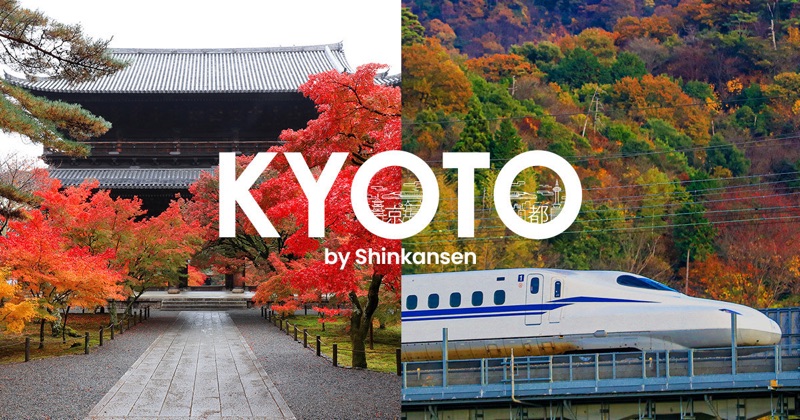
Shinkansen to Kyoto, hike the iconic orange torii gates of Fushimi Inari, then explore the geisha district and Kyoto's best food alley.
🚄 8:00 AM — Shinkansen to Kyoto
Nozomi Bullet Train: Tokyo → Kyoto
Board the Nozomi shinkansen from Tokyo Station to Kyoto Station. About 2 hours 15 minutes. Buy an ekiben (train bento) from the station for breakfast on the train.
🎫 ¥13,320 per person one-way (reserved seat, Nozomi)
🍱 Grab an ekiben from Ekibenya Matsuri in Tokyo Station — over 200 varieties
🗻 Sit on the right side (seats D/E) for a chance to see Mt. Fuji around Shin-Fuji station (weather permitting)
🏨 Drop bags at your Kyoto hotel or use coin lockers at Kyoto Station
🍽️ Breakfast
Ekiben on the Shinkansen
A genuine Japanese travel experience — beautifully packaged bento boxes eaten on the bullet train.
📍 Tokyo Station · ¥1,000–1,500/pp
💡 The Nozomi doesn't accept JR Pass. Buy tickets at the JR ticket office or use SmartEX app (English, credit card, seat selection). Book a day before for peace of mind.
⛩️ 11:00 AM — Fushimi Inari Taisha
Fushimi Inari Shrine — The 10,000 Torii Gates
Japan's most photographed shrine. Thousands of vermilion torii gates wind up the mountain behind the shrine. The full loop takes 2–3 hours, but you can turn around at any point. The first section (to the Yotsutsuji intersection) takes about 45 minutes and gives you the best photos.
📍 5 min walk from JR Inari Station (1 stop south of Kyoto Station on the JR Nara Line, ¥150)
⏱️ Open 24/7, free admission
📸 For photos without crowds: go past the first 200m — most tourists turn around early
🦊 The fox statues are messengers of Inari, the god of rice and prosperity
Don't stop at the first section. Push to Yotsutsuji intersection (halfway up) — the view of Kyoto from there is incredible and 80% of the crowds have turned back.r/JapanTravel
🍜 1:30 PM — Lunch near Fushimi
Vermillion Café or Local Udon
Vermillion is a stylish café right near the shrine entrance — good coffee and light meals. Or walk to the Fushimi area for excellent kitsune udon (fried tofu udon, a local specialty since this is fox territory).
☕ Vermillion Café — espresso bar with shrine views, light pasta/sandwiches (¥1,000–1,500)
🍜 Or: Kitsune udon at any small shop near the station (¥600–900)
🍽️ Lunch
Lunch near Fushimi Inari
Light café meal or local udon — refuel after the shrine hike.
📍 Fushimi · Casual · ¥800–1,500/pp
🏯 3:00 PM — Gion District
Gion — Kyoto's Geisha District
Walk through Japan's most atmospheric neighborhood. Wooden machiya townhouses, stone-paved streets, and if you're lucky, a glimpse of a maiko (apprentice geisha) heading to an evening engagement. Hanamikoji Street is the main avenue.
📍 Take bus #233 from Fushimi Inari to Gion, or taxi (¥1,500, 15 min)
🏛️ Kennin-ji Temple — Kyoto's oldest Zen temple, right in Gion (¥600)
📸 Yasaka Pagoda (Hōkan-ji) — the iconic 5-story pagoda visible from the streets of Higashiyama
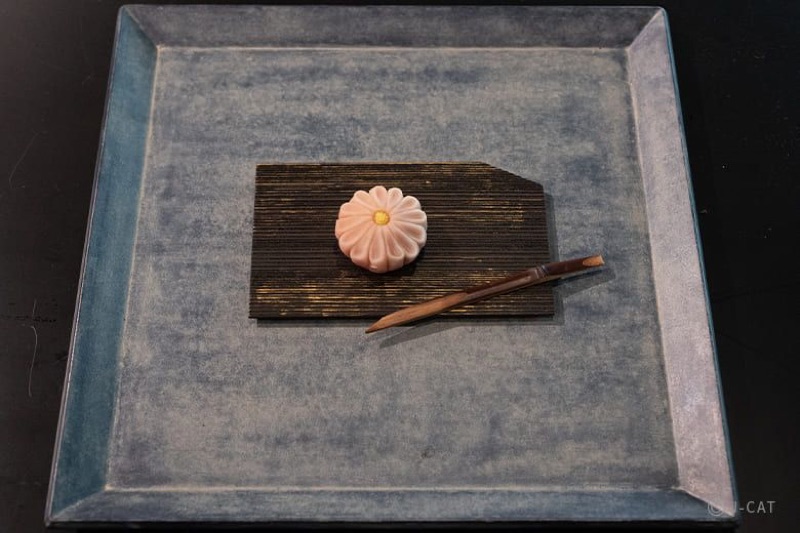
🍵 Stop for matcha and wagashi (traditional sweets) at a tea house
⚠️ Do NOT chase, photograph, or block geisha/maiko. Kyoto has had major issues with tourist harassment. Observe respectfully from a distance.
🍽️ 6:30 PM — Pontochō Alley Dinner
Pontochō Alley
A narrow alley running parallel to the Kamo River, packed with restaurants. Many have riverside balcony seating (kawadoko) in summer. October weather is perfect for this. Pick any place that looks good — the atmosphere is the star.
📍 Between Shijo and Sanjo streets, parallel to Kamo River
🍶 Try a local Kyoto sake flight at one of the izakayas
🐟 Kyoto specialties: yudofu (hot tofu), obanzai (Kyoto home-style tapas), kawadoko dining
🍽️ Dinner
Pontochō Alley Izakaya
Atmospheric alley dining along the Kamo River. Pick any spot — the vibe is everything.
📍 Pontochō · Casual · ¥2,000–4,000/pp
🌙 8:30 PM — Kiyomizu-dera Night Walk (If Open)
Evening Walk: Ninenzaka & Sannenzaka Streets
Even if Kiyomizu-dera isn't open for special night illumination, the streets leading up to it — Ninenzaka and Sannenzaka — are beautiful at night. Traditional shops, stone steps, and the pagoda lit up against the dark sky.
📍 15-min walk uphill from Gion
📸 Yasaka Pagoda lit up at night = quintessential Kyoto photo
🍵 Starbucks on Ninenzaka is in a renovated 100-year-old townhouse — worth a peek
Bamboo Grove, Nintendo Museum & Chopstick Making
Kyoto's greatest hits plus your must-dos: morning in the bamboo forest, afternoon at the Nintendo Museum in Uji, and a hands-on chopstick making class.
🌅 7:30 AM — Arashiyama Bamboo Grove
Arashiyama Bamboo Grove
Towering bamboo stalks create a cathedral-like canopy overhead. It's magical — but ONLY if you arrive early. By 10 AM it's a sardine can. Get there at 7:30 AM for photos with almost no one around.
📍 Take JR Sagano Line from Kyoto Station to Saga-Arashiyama Station (15 min, ¥240)
⏱️ The grove path itself is about 500m — takes 15 min to walk through
📸 The best photo spot is about halfway through where the path curves
🐒 Bonus: Iwatayama Monkey Park (¥550) — 20-min hike up for views + wild macaques
7 AM or don't bother for photos. Seriously. By 9 AM the path is shoulder-to-shoulder and you can't even stop walking.r/JapanTravel
🌉 9:00 AM — Togetsukyo Bridge & Tenryu-ji
Arashiyama Riverside & Tenryu-ji Temple
Walk down to the iconic Togetsukyo Bridge spanning the Katsura River with mountains behind. Then visit Tenryu-ji, a UNESCO World Heritage Zen temple with one of Kyoto's finest gardens.
🌊 Togetsukyo Bridge — free, just walk across. Great for photos with autumn colors starting in mid-October
🏯 Tenryu-ji — ¥500 garden only, ¥800 with building entry. The sōgen pond garden is stunning
🍵 Grab matcha at Arabica % Coffee on the riverside (trendy Kyoto chain)
🍽️ Breakfast
Arabica % Coffee + street snacks
World-famous Kyoto coffee shop right on the Arashiyama riverside.
📍 Arashiyama · Casual · ¥500–800/pp
🎮 11:30 AM — Nintendo Museum (Uji)
Nintendo Museum
Nintendo's first-ever museum, opened in 2024 in their original playing card factory in Uji (south of Kyoto). Interactive exhibits spanning from hanafuda cards to the Switch era. You can play oversized versions of classic Nintendo controllers. A must for any gamer.
📍 Ogura-cho, Uji City (take Keihan Line from central Kyoto to Ogura Station, then 5-min walk)
🎫 ¥3,300/adult — LOTTERY-BASED TICKETS ONLY via Nintendo Account
⏱️ Plan 2.5–3 hours inside. Open 10:00 AM – 6:00 PM
🕹️ You get 10 coins at entry to play interactive exhibits (giant NES/SNES controllers, motion-control games)
⚠️ TICKETS REQUIRE LOTTERY: Enter the monthly lottery via your Nintendo Account. Lottery for October typically opens in August/September. Set a reminder!
📱 Free Nintendo Account required — register at accounts.nintendo.com before your trip
⚠️ CRITICAL: Nintendo Museum tickets are LOTTERY ONLY — you cannot buy walk-up tickets. Enter the lottery the moment it opens for October dates. Each Nintendo Account gets one entry per drawing. Create accounts for both travelers to double your chances.
Enter the lottery on multiple Nintendo accounts if you have them. The odds aren't great but having two chances helps. If you don't win, check resale sites or try the day-of standby line (very limited, no guarantees).r/nintendo
🍜 2:30 PM — Lunch in Uji
Matcha Everything in Uji
Uji is THE matcha capital of Japan. The streets around Byodoin Temple are lined with matcha shops. Try matcha soba, matcha ice cream, matcha beer — everything is matcha here and it's all incredible.
🍵 Nakamura Tokichi Honten — Uji's most famous tea house since 1859. The matcha parfait is legendary (expect a wait)
🍜 Matcha soba noodles at any local shop — unique to Uji
🏛️ Quick visit: Byodoin Temple (the one on the ¥10 coin) — ¥700, right nearby
🍽️ Lunch
Uji Matcha District
Matcha everything — soba, parfait, ice cream. You're in the matcha capital of the world.
📍 Uji · Casual · ¥1,000–2,000/pp
🥢 5:00 PM — Chopstick Making Class
Chopstick Making Workshop
Hand-carve your own pair of Japanese chopsticks using traditional woodworking techniques. You'll select your wood, shape them with a plane and knife, then lacquer or oil-finish them. A perfect Kyoto souvenir you actually made yourself.
📍 Several workshops available in central Kyoto — 'Kyoto Chopstick Workshop' near Kawaramachi or 'Hashikura Katsunao' in Higashiyama
⏱️ Sessions run 60–90 minutes, typically ¥3,000–4,500/person
📅 BOOK IN ADVANCE — popular workshops fill up, especially in October
🪵 Choose from Japanese cypress (hinoki), cherry (sakura), or other local woods
💡 Book 'Kyoto Hashikura Katsunao' (箸工房おおした) for an authentic experience — the craftsmen have been making chopsticks for generations. Available on booking sites like Viator, Klook, or direct.
🍽️ 7:30 PM — Dinner in Kyoto
Nishiki Market Area Dinner
Explore the evening scene around Nishiki Market (most stalls close by 5 PM, but surrounding restaurants stay open). Try Kyoto-style obanzai (tapas), or venture to one of the excellent yakitori joints in the area.
🍶 Sake Bar Yoramu — tiny Israeli-run sake bar, excellent curated flights (near Nishiki)
🐔 Yakitori spots along Takoyakushi street — casual and excellent
💴 Budget ¥2,000–4,000/pp for dinner + drinks
🍽️ Dinner
Nishiki Market Area
Kyoto-style obanzai tapas, sake flights, and yakitori near the famous market.
📍 Nishiki/Kawaramachi · Casual · ¥2,000–4,000/pp
Himeji Castle Day Trip & Osaka Night
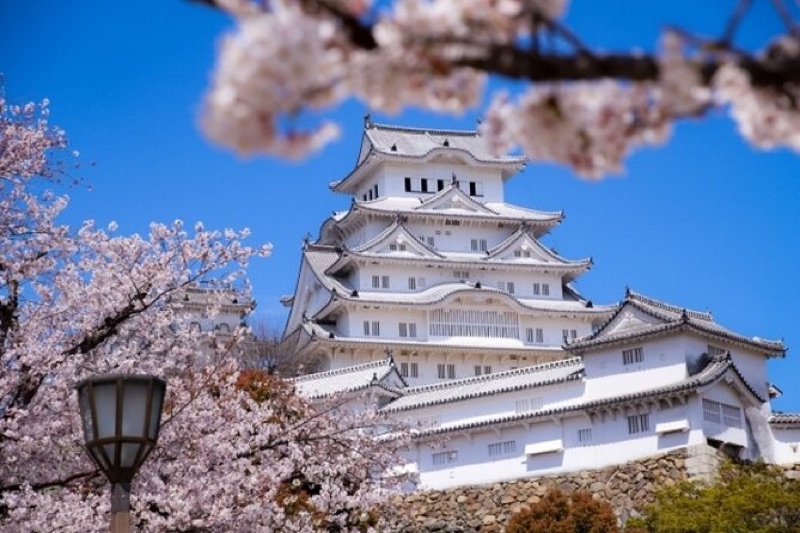
Day trip to Japan's most magnificent castle, then evening in Osaka — Japan's food capital — for street food and neon-soaked nightlife.
🚄 7:30 AM — Shinkansen to Himeji
Kyoto → Himeji by Shinkansen
Quick bullet train ride west to Himeji, home to Japan's most spectacular castle. Only 45 minutes from Kyoto on the Hikari shinkansen.
🎫 ¥3,740 per person one-way (unreserved Hikari)
⏱️ 45 min Kyoto → Himeji. Depart by 7:30 AM to arrive at castle opening
🧳 Send luggage ahead to your Osaka hotel via takkyubin (luggage forwarding, ¥2,000 from any convenience store) — travel light today
💡 Use takkyubin luggage forwarding! Drop your bags at your Kyoto hotel's front desk or a convenience store the night before, and they'll arrive at your Osaka hotel next day. Game changer for day trips.
🏯 9:00 AM — Himeji Castle
Himeji Castle (姫路城)
Japan's largest and most visited castle, and a UNESCO World Heritage Site. The bright white exterior earned it the nickname 'White Heron Castle.' Unlike most Japanese castles, this one survived WWII intact — the wooden interiors are original. Climbing to the top floor rewards you with panoramic city views.
📍 15-min walk straight north from Himeji Station (follow the wide boulevard — you can see the castle from the station)
🎫 ¥1,050/adult (castle only) or ¥1,050 + ¥310 for Koko-en Garden combo
⏱️ Open 9:00 AM – 4:00 PM (last entry). Plan 1.5–2 hours for the castle
👟 You'll remove shoes to enter the castle — wear slip-on shoes or bring socks (floors are cold wood)
📸 Best photo spot: from the path leading up to the main gate, or from the Sannomaru Square
Himeji is the only castle in Japan worth going inside. Most castles are concrete reconstructions — Himeji is the real deal. The steep original wooden staircases are an experience.r/JapanTravel
🌿 11:30 AM — Koko-en Garden
Koko-en Garden
Nine separate walled gardens right next to the castle, designed in traditional Edo-period style. The perfect wind-down after climbing the castle. The tea house overlooking the waterfall garden serves matcha and sweets.
📍 Adjacent to Himeji Castle (west side), included in combo ticket
🍵 Tea ceremony experience at the garden tea house — ¥500 for matcha + wagashi
⏱️ 30–45 min to explore
🍜 12:30 PM — Lunch in Himeji
Himeji Lunch
Try Himeji's local specialty: oden (particularly with ginger soy sauce, unique to this area) or pick up anago (conger eel) — the city's signature dish.
🐟 Anago-meshi (conger eel over rice) at shops near the station
🍢 Himeji-style oden with ginger soy — unique to this city
💴 Budget ¥1,000–2,000/pp
🍽️ Lunch
Himeji Local Specialty
Anago (conger eel) rice or local-style ginger soy oden — Himeji's unique flavors.
📍 Himeji · Casual · ¥1,000–2,000/pp
🚄 1:30 PM — Train to Osaka
Himeji → Osaka
Hop on the Shinkansen or JR Special Rapid to Osaka. Shinkansen is 30 min, Special Rapid is about 60 min but much cheaper.
🎫 JR Special Rapid: ¥1,520 (60 min to Osaka Station) — best value
🎫 Or Shinkansen Hikari: ¥3,280 (30 min to Shin-Osaka) — faster
🏨 Check into Osaka hotel, drop bags, freshen up
🌆 4:00 PM — Shinsekai District
Shinsekai — Osaka's Retro Playground
A gloriously retro neighborhood that feels like 1960s Osaka. Neon signs, kushikatsu (deep-fried skewer) joints everywhere, and the iconic Tsutenkaku Tower. It's grimy, charismatic, and unapologetically Osaka.
📍 Ebisuhigashi, Naniwa-ku (5-min walk from Dobutsuen-mae Station)
🗼 Tsutenkaku Tower — ¥900 for observation deck (good sunset views)
🍢 Kushikatsu (deep-fried skewers): THE Shinsekai food. Try Daruma — the most famous, always a line
🌃 6:30 PM — Dōtonbori
Dōtonbori — Osaka's Neon Food Street
The most photographed street in Osaka. Giant mechanical crab, Glico running man sign, and hundreds of street food stalls. This is where you eat. A lot.
📍 Along Dōtonbori Canal, Namba area
🐙 Must-eat: Takoyaki (octopus balls) from Kukuru or Wanaka
🥟 Gyoza from Osaka Ohsho (¥300 for 6)
🍰 Pablo cheesecake tart — fresh, warm, and ridiculous
📸 The Glico running man neon sign is best photographed from Ebisubashi Bridge at night
🍽️ Dinner
Dōtonbori Street Food Crawl
Takoyaki, gyoza, okonomiyaki, kushikatsu — eat everything. Osaka's motto is 'kuidaore' (eat till you drop).
📍 Dōtonbori · Casual · ¥2,000–4,000/pp
Osaka is the food capital of Japan and it's not even close. Dōtonbori is touristy but the food is genuinely great. Don't fight it — just eat.r/JapanTravel
🌙 9:00 PM — Osaka Nightlife
Amerikamura & Bar Scene
Osaka's nightlife is more relaxed and fun than Tokyo's. Amerikamura (American Village) is the young/hip district — vinyl shops, streetwear, dive bars. Or hit the standing bars (tachinomi) around Namba for cheap drinks with locals.
🍺 Craft beer: Craft Beer Base or Yellow Ape Craft in Amerikamura
🍸 Tachinomi (standing bars) around Namba — ¥300–500/drink, stand and mingle
🎤 Round 1 — arcade + karaoke + bowling complex near Namba
Osaka Deep Dive — Markets, Food & Culture
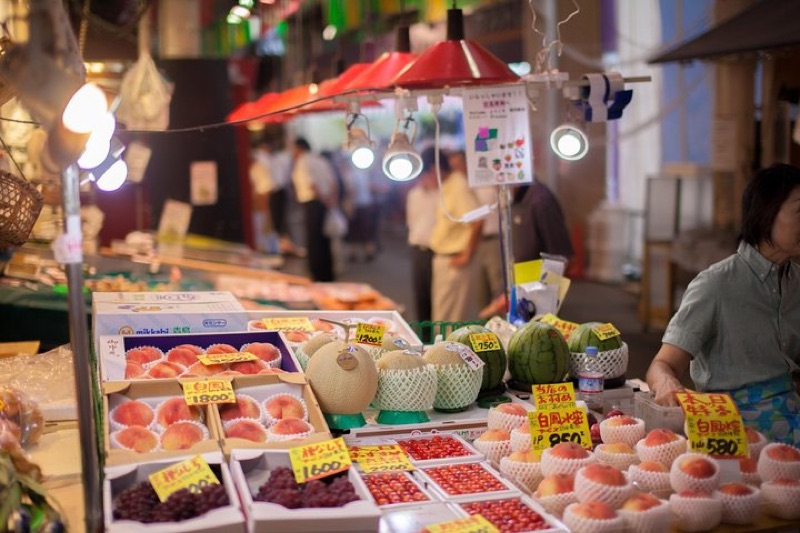
A full day discovering Osaka beyond the tourist trail. Morning at Japan's 'kitchen,' afternoon exploring the castle and creative neighborhoods, evening in the sky.
🌅 8:30 AM — Kuromon Market
Kuromon Market — Osaka's Kitchen
A covered market that's been Osaka's pantry for over 190 years. Unlike Tsukiji (which has gotten very touristy), Kuromon still has a strong local vibe — especially early morning. Fresh sashimi, grilled seafood, and wagyu beef on sticks.
📍 Near Nippombashi Station (Sakaisuji Line)
🐟 Must-try: fresh sashimi platters (eaten standing at the stall), grilled king crab legs, wagyu beef skewers
🍓 Fruit stands with perfect Japanese strawberries, muskmelon, and shine muscat grapes
⏱️ Best from 8–11 AM. Many stalls close by 3 PM
🍽️ Breakfast
Kuromon Market Graze
Fresh sashimi, grilled seafood, wagyu skewers — breakfast Osaka style.
📍 Kuromon · Casual · ¥2,000–4,000/pp
🏯 10:30 AM — Osaka Castle
Osaka Castle & Park
Osaka's landmark castle surrounded by a massive moat and park. The castle itself is a concrete reconstruction (the interior is a museum), but the grounds and moat are spectacular. In October, you might catch early autumn colors.
📍 1-1 Osakajo, Chuo-ku (10-min walk from Osakajokoen Station)
🎫 ¥600 castle tower admission, park is free
⏱️ 1–1.5 hours for castle + park walk
📸 The reflection of the castle in the inner moat is the money shot
🏃 Nishinomaru Garden (¥200) — quieter area with great castle views, popular for picnics
🎨 1:00 PM — Nakazakichō
Nakazakichō — Osaka's Hidden Creative Quarter
A neighborhood of renovated pre-war wooden houses turned into indie cafés, vintage shops, galleries, and bookstores. Zero tourists. This is where Osaka's creatives hang out. The polar opposite of Dōtonbori.
📍 Walk north from Umeda/Osaka Station (10 min) or take Tanimachi Line to Nakazakicho Station
☕ Salon de AManTo — café in a beautiful old Japanese house with a garden
📚 Browse vintage clothing, handmade ceramics, and indie zines
💡 This whole neighborhood is Instagrammable — old wood, hanging plants, hand-painted signs
🍽️ Lunch
Café lunch in Nakazakichō
Pick any of the charming renovated-house cafés — curry rice, sandwiches, and excellent coffee.
📍 Nakazakichō · Casual · ¥1,000–1,800/pp
🛍️ 3:00 PM — Umeda & Tenjinbashi-suji
Tenjinbashi-suji Shopping Street & Umeda Area
Japan's longest covered shopping arcade at 2.6 km. Everything from daily goods to street food to vintage finds. Then head to the Umeda Sky Building for sunset views.
🛒 Tenjinbashi-suji — walk as much or as little as you want. Great for cheap souvenirs and snacks
🌆 Umeda Sky Building — ¥1,500 for Floating Garden Observatory (rooftop, 173m). Best at sunset
📸 The observatory's open-air escalator crossing between the two towers is vertigo-inducing and incredible
🍽️ 6:30 PM — Okonomiyaki Dinner
Okonomiyaki — Osaka Style
You cannot leave Osaka without eating okonomiyaki (savory pancake). Osaka-style means everything mixed together in batter (vs. Hiroshima's layered style). Watch it cook on the teppan grill in front of you.
📍 Mizuno (Dōtonbori) — arguably Osaka's most famous okonomiyaki, Michelin Bib Gourmand
📍 Or Kiji (Umeda Sky Building basement) — less touristy, equally legendary
🥞 Order: Buta-tama (pork + egg, classic) or Negiyaki (green onion crepe-style). Add extra cheese.
💴 ¥1,200–2,000 per person
🍽️ Dinner
Okonomiyaki at Mizuno or Kiji
Osaka's signature dish — savory pancake grilled fresh on the teppan. Don't leave without trying it.
📍 Dōtonbori or Umeda · Casual · ¥1,200–2,000/pp
🌙 8:30 PM — Evening Free Time
Optional: Spa World or Bar Hopping
Spa World in Shinsekai is a massive multi-floor onsen complex with themed baths from around the world — great way to relax after two big days. Alternatively, explore Osaka's bar scene in Namba or Shinsaibashi.
♨️ Spa World — ¥1,500 entry, open 24h (can even sleep there). Asian-themed and European-themed floors alternate monthly between men/women
🍻 Or continue exploring Osaka's drinking alleys — Hozenji Yokocho (atmospheric stone-paved alley near Dōtonbori) is intimate and beautiful
Nara's Sacred Deer & Return to Kyoto
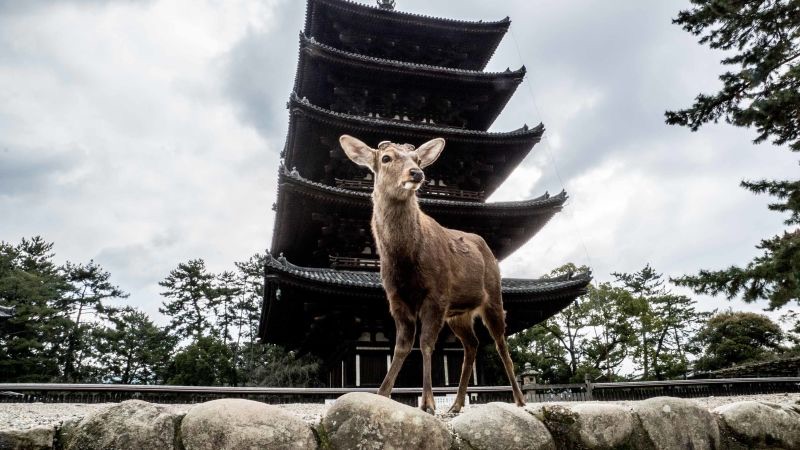
Morning with the bowing deer and ancient temples of Nara, then back to Kyoto for a quieter final evening in the old capital.
🚃 8:00 AM — Train to Nara
Osaka → Nara
Quick train ride from Osaka to Nara — Japan's first permanent capital. The entire park area is a UNESCO site, and over 1,000 friendly (and very hungry) deer roam freely.
🎫 Kintetsu Nara Line from Osaka-Namba: ¥680, 40 min (goes direct to Kintetsu Nara Station, closest to the park)
🦌 Buy shika senbei (deer crackers, ¥200) from vendors around the park — the deer will literally bow to you for them
⚠️ Watch your bags, maps, and paper items — deer WILL eat them
The deer in Nara are hilarious but aggressive when they see crackers. Hold the crackers behind your back and they'll bow. Show them and you'll get swarmed.r/JapanTravel
🦌 9:00 AM — Nara Park & Todai-ji
Todai-ji Temple & The Great Buddha
Home to the world's largest bronze Buddha statue inside the world's largest wooden building. The scale is genuinely jaw-dropping — the building is so big your brain can't quite process it.
📍 406-1 Zoshicho, Nara (10-min walk from Kintetsu Nara Station through the park)
🎫 ¥600/adult
📸 Try fitting through the hole in the pillar inside — it's said to grant enlightenment. (Tight squeeze for adults)
⏱️ 45 min–1 hour for Todai-ji
🌿 10:30 AM — Kasuga Grand Shrine
Kasuga Taisha & The Lantern Path
A Shinto shrine famous for its thousands of stone and bronze lanterns, many covered in moss. The approach through the ancient forest is mystical — deer rest among the lanterns under towering trees.
📍 20-min walk from Todai-ji through Nara Park (a beautiful walk)
🎫 Free for outer area, ¥500 for inner shrine
🏮 3,000 lanterns donated over centuries — twice a year they're all lit (not in October, but the unlit lanterns are still beautiful)
🍜 12:00 PM — Lunch in Nara
Naramachi Old Town Lunch
Walk south to Naramachi, the old merchant quarter. Narrow streets with restored machiya houses, many now housing restaurants, galleries, and shops.
🍲 Hiraso — famous for kakinoha-zushi (sushi wrapped in persimmon leaves, Nara's local specialty)
🍜 Or any udon/soba spot in Naramachi — simple, excellent, and quiet
💴 ¥1,000–1,800/pp
🍽️ Lunch
Naramachi Old Town
Try Nara's unique kakinoha-zushi (persimmon leaf sushi) in the charming old merchant quarter.
📍 Naramachi · Casual · ¥1,000–1,800/pp
🚃 2:00 PM — Return to Kyoto
Nara → Kyoto
Head back to Kyoto for your last evening in the old capital. Kintetsu line runs direct from Nara to Kyoto Station (35 min, ¥760).
🏨 Check into Kyoto hotel (or return to same one if you kept it)
🧳 Pick up forwarded luggage if you sent it from Osaka
🏯 3:30 PM — Kinkaku-ji (Golden Pavilion)
Kinkaku-ji — The Golden Pavilion
Kyoto's most iconic image: a Zen temple covered in gold leaf, reflected perfectly in a mirror pond. Smaller than you expect but more stunning in person than any photo can capture.
📍 1 Kinkakujicho, Kita-ku (bus #205 from Kyoto Station, 40 min)
🎫 ¥500/adult — ticket is a beautiful paper amulet you keep
⏱️ 30–45 min visit
📸 Best shot: from the pond shore near the entrance, or the slightly elevated path above
🍽️ 6:00 PM — Final Kyoto Dinner
Kyoto Farewell Dinner
One last Kyoto meal before heading to Hakone tomorrow. Treat yourselves to something special — perhaps a counter-seat kappo (Japanese haute cuisine served casually at the counter) or your favorites from the trip so far.
🍣 Musashi Sushi (Kawaramachi) — conveyor belt sushi, excellent quality for the price
🍜 Or Ippudo Ramen (near Kyoto Station) — the original tonkotsu chain, Kyoto branch
💴 Budget ¥2,000–4,000/pp
🍽️ Dinner
Kyoto Farewell Dinner
Last night in the old capital. Whether it's conveyor belt sushi, ramen, or a kappo counter — make it memorable.
📍 Central Kyoto · Casual · ¥2,000–4,000/pp
Hakone — Private Onsen & Mountain Escape
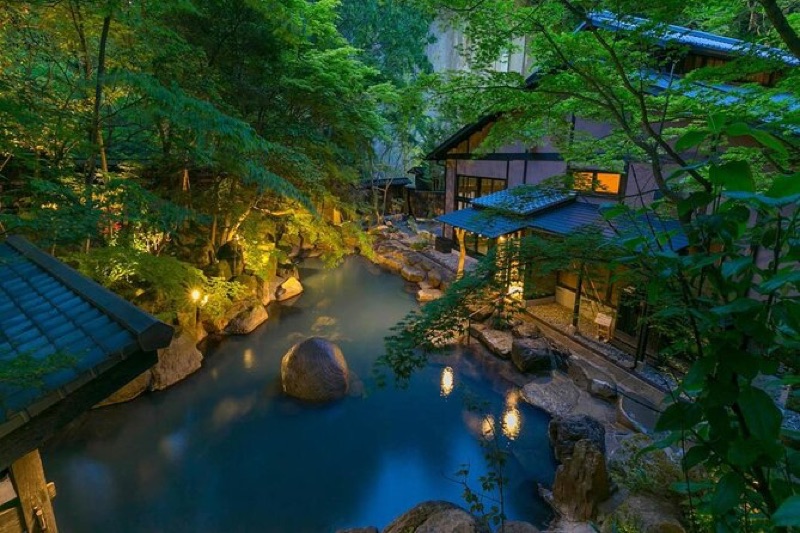
Leave the cities behind for Hakone's volcanic hot springs, mountain railways, and breathtaking lake views. Tonight: your private onsen ryokan — the highlight of the trip.
🚄 8:30 AM — Kyoto → Hakone
Shinkansen to Odawara, then Hakone
Take the shinkansen from Kyoto to Odawara (about 2 hours on Hikari), then switch to the Hakone Tozan Railway into the mountains. The transition from city to mountain is magical.
🎫 Kyoto → Odawara: ¥10,560/person (Hikari, reserved)
🎫 Buy a Hakone Free Pass at Odawara Station (¥5,000/2 days) — covers ALL Hakone transport: Tozan Railway, Cable Car, Ropeway, pirate ships, and buses
⏱️ Arrive Hakone-Yumoto by ~11:00 AM
🧳 Send luggage to your ryokan from Hakone-Yumoto Station (most ryokans offer this service)
💡 The Hakone Free Pass is essential. It covers round-trip from Odawara + unlimited Hakone transport for 2 days. Without it, individual tickets add up fast.
🚠 11:30 AM — Hakone Loop (Part 1)
Hakone Tozan Railway → Gōra → Cable Car → Ropeway
The classic Hakone sightseeing loop. A switchback mountain railway climbs to Gōra, then a cable car and aerial ropeway take you over volcanic valleys with views of Mount Fuji (weather permitting).
🚂 Tozan Railway: Hakone-Yumoto → Gōra (40 min, switchback railway through forested mountains)
🚡 Cable Car: Gōra → Sounzan (10 min, steep funicular up the mountainside)
🚠 Ropeway: Sounzan → Ōwakudani → Togendai (25 min, flying over volcanic steam vents)
🗻 On clear days, Mount Fuji appears to the north — October has some of the best visibility
🌋 1:00 PM — Ōwakudani
Ōwakudani — Great Boiling Valley
An active volcanic zone with sulfurous steam vents, bubbling pools, and the smell of rotten eggs. The star attraction: kuro-tamago (black eggs) boiled in the volcanic hot springs — eating one supposedly adds 7 years to your life.
📍 Get off the ropeway at Ōwakudani Station
🥚 Black eggs: ¥500 for a bag of 5 — the sulfur turns the shell black but they taste like normal boiled eggs
📸 Best Mt. Fuji views from the observation area (if clear)
⚠️ Ōwakudani can close due to volcanic activity — check status before going
🍽️ Lunch
Black Eggs at Ōwakudani
Volcanic black eggs + snacks from the shops. Not a full meal — grab more at the lake.
📍 Ōwakudani · Casual · ¥500–1,000/pp
⛵ 2:30 PM — Lake Ashi Pirate Ship
Hakone Sightseeing Cruise on Lake Ashi
Take the ropeway down to Togendai and board a pirate ship (yes, literally a pirate-themed cruise ship) across Lake Ashi. On clear days, Mt. Fuji towers over the lake and the red torii gate of Hakone Shrine emerges from the forest on the shore.
📍 Togendai Port → Hakone-machi Port (30 min cruise, covered by Free Pass)
🗻 Mt. Fuji views are best from the upper deck — head straight up
📸 The floating torii gate of Hakone Shrine is visible from the boat
⛩️ Walk to Hakone Shrine from Moto-Hakone port (10 min) — the lake torii and cedar avenue are stunning
⛩️ 3:30 PM — Hakone Shrine
Hakone Shrine & Lake Torii
A Shinto shrine set in ancient cedar forest on the shore of Lake Ashi. The red torii gate standing in the lake is one of Japan's most photographed spots. Peaceful and atmospheric.
📍 5-min walk from Moto-Hakone bus stop / boat dock
⛩️ The lake torii is at the bottom of the steps — arrive early afternoon to avoid crowds for photos
🌲 Walk through the cedar-lined path — some trees are over 800 years old
💴 Free admission
♨️ 5:00 PM — Check Into Ryokan
Private Onsen Ryokan — Your Hakone Retreat
This is the moment. Check into your ryokan with a private onsen (kashikiri or room-attached). Change into your yukata (cotton robe), sink into the steaming outdoor bath surrounded by mountain forest, and let the volcanic mineral waters dissolve two weeks of travel.
♨️ Top picks for private onsen ryokan in Hakone:
🏮 Hakone Ginyu — luxury, rooms with private open-air baths, stunning valley views (¥50,000–80,000/night for 2)
🏮 Gōra Kadan — premier ryokan, private baths, kaiseki dinner included (¥60,000–100,000/night for 2)
🏮 Hakone Yuryo — more affordable day-use option if budget is tight, but private baths available (¥2,800 entry + ¥4,500/45min private bath)
🏮 Mikawaya Ryokan — mid-range, excellent in-room private onsen, Hakone-Yumoto location (¥30,000–50,000/night for 2)
📅 BOOK EARLY — October is peak autumn season in Hakone. Good ryokans sell out months ahead.
💡 Most ryokans include kaiseki dinner and breakfast — multi-course Japanese haute cuisine served in your room or a private dining room. This is not optional. It's a central part of the ryokan experience and it will be one of the best meals of your life.
The private onsen in Hakone at sunset with a beer is genuinely one of the best experiences in Japan. Don't rush it. Just sit there.r/JapanTravel
🍽️ 7:00 PM — Kaiseki Dinner at the Ryokan
Kaiseki Dinner
A multi-course Japanese dinner served at your ryokan — typically 8–12 courses showcasing seasonal ingredients, local fish, wagyu, and delicate preparations you won't find anywhere else. October means matsutake mushroom, sweet potato, chestnuts, and autumn fruits.
🍂 Expect autumn specialties: matsutake mushroom soup, sanma (pacific saury), kuri (chestnut), sweet potato
🍶 Pair with local sake or Hakone craft beer
⏱️ Dinner takes 1.5–2 hours — this is slow, contemplative dining
🍽️ Dinner
Kaiseki Dinner at Ryokan
8–12 courses of seasonal Japanese haute cuisine, served at your ryokan. The culinary highlight of the trip.
📍 Hakone Ryokan · Fine Dining · Included with stay
🌙 After Dinner — Night Onsen
Evening Private Onsen Soak
After dinner, slip back into the private outdoor bath under the stars. Mountain silence, steam rising, stars overhead. This is what you came for.
🌌 Night soaking is a completely different experience from daytime — quieter, more atmospheric
🍺 Most ryokans have cold beer, sake, or milk available at the bath
💡 Soak → rest → soak again. There's no wrong way to do this
Hakone Morning & Return to Tokyo — Park Hyatt
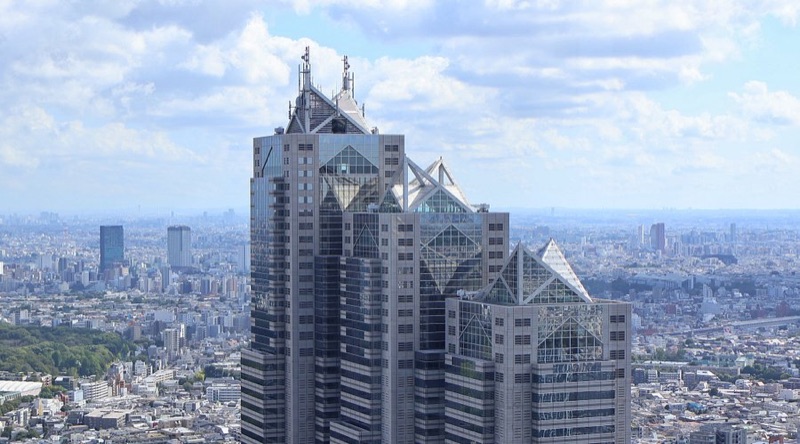
One last onsen soak at dawn, then return to Tokyo in style. Check into the Park Hyatt for your final two nights — Lost in Translation vibes, 52nd-floor views.
🌅 6:30 AM — Dawn Onsen
Morning Onsen Soak
Wake up early for a dawn soak. The morning light filtering through the mountain mist into the outdoor bath is otherworldly. Most ryokan baths are open from 5 or 6 AM.
🌄 The best onsen soak is the early morning one — misty, quiet, transformative
🥛 Post-soak: grab a cold milk from the ryokan lobby fridge (Japanese onsen tradition)
🧖 No soap/shampoo in the actual onsen — shower first at the washing stations
🍽️ 8:00 AM — Ryokan Breakfast
Traditional Japanese Breakfast
Ryokan breakfast is a full spread: grilled fish (usually salmon or mackerel), rice, miso soup, pickled vegetables, tofu, natto (fermented soybeans, try it!), tamagoyaki (rolled omelette), and green tea.
🐟 The grilled fish at breakfast is always impeccable
🫘 Natto: love it or hate it, but TRY it. Mix with soy sauce and mustard, eat over rice
⏱️ Enjoy slowly — you won't eat like this again on this trip
🍽️ Breakfast
Traditional Ryokan Breakfast
Full Japanese breakfast spread — grilled fish, rice, miso, pickles, tamagoyaki. The complete experience.
📍 Hakone Ryokan · Included with stay
🚃 10:00 AM — Check Out & Head to Tokyo
Hakone → Tokyo (Shinjuku)
Check out of your ryokan and head back to Tokyo. Take the Romancecar from Hakone-Yumoto directly to Shinjuku — it's a scenic express with big windows and reserved seats. About 85 minutes.
🎫 Romancecar: ¥2,470/person (Hakone-Yumoto → Shinjuku, reserved)
⏱️ Depart ~10:30 AM, arrive Shinjuku ~12:00 PM
🪟 The Romancecar GSE has floor-to-ceiling windows — gorgeous mountain views as you descend
💡 Book Romancecar seats in advance at the Hakone-Yumoto station or on the Odakyu app. Window seats on the mountain side (left side going toward Tokyo) have the best views.
🏨 12:30 PM — Check Into Park Hyatt Tokyo
Park Hyatt Tokyo
Your home for the final two nights. This is THE Lost in Translation hotel — where Bill Murray drank whisky at the New York Bar on the 52nd floor. The views over Shinjuku from the pool and bar are legendary. The lobby is on the 41st floor. Welcome to luxury.
📍 3-7-1-2 Nishi Shinjuku, Shinjuku-ku (in the Shinjuku Park Tower)
🍸 New York Bar (52F) — live jazz nightly, incredible city views. Come back here tonight.
🏊 Pool on 47F — 20m heated pool with floor-to-ceiling windows overlooking the city
💆 Spa: Club on the Park (47F) — consider a couples' treatment for relaxation
⏰ Check-in is 3 PM, but they'll hold luggage and you can use the lobby lounge
🍜 1:00 PM — Lunch in Shinjuku
Fuunji Tsukemen
Widely considered Tokyo's best tsukemen (dipping ramen). The ultra-rich fish-pork broth is served in a separate bowl — dip the thick, chewy noodles in and slurp. There's always a line, but it moves fast.
📍 2-14-3 Yoyogi, Shibuya-ku (near Shinjuku South Exit, 5-min walk)
🍜 Order: Tsukemen (thick noodles + dipping broth). Get 'dai' (large) size — you'll want it
💴 ¥900–1,100
⏱️ Line moves fast (20–30 min), counter seating only
🍽️ Lunch
Fuunji Tsukemen
Tokyo's most acclaimed tsukemen — rich dipping broth, thick chewy noodles, utterly addictive.
📍 Shinjuku · Casual · ¥900–1,100/pp
🏙️ 3:00 PM — Shinjuku Gyoen & Harajuku
Shinjuku Gyoen National Garden
One of Tokyo's most beautiful parks, combining Japanese, English, and French garden styles. In mid-October, you'll catch the beginning of autumn colors. A peaceful escape from the Shinjuku chaos just outside the walls.
📍 11 Naitomachi, Shinjuku-ku (Shinjuku Gyoen-mae Station, Exit 1)
🎫 ¥500/adult. Open 9:00 AM – 4:30 PM (closed Mondays)
🍂 October: rose garden in full bloom, early autumn maple colors beginning
🛍️ 4:30 PM — Harajuku & Omotesandō
Harajuku & Omotesandō
Harajuku is Tokyo's street fashion and youth culture epicenter. Takeshita Street is sensory overload — crepe stands, costume shops, and teen fashion. Omotesandō (the boulevard above) is the upscale counterpoint: designer boutiques in striking architecture.
📍 Harajuku Station (JR Yamanote Line)
🍦 Takeshita Street: rainbow cotton candy, massive crepes, character merch everywhere
🏛️ Omotesandō: The tree-lined boulevard is beautiful. Check out the Prada store (Herzog & de Meuron), Tokyu Plaza (kaleidoscope entrance), and Cat Street for indie fashion
⛩️ Meiji Shrine is right here too — a serene forest walk if you haven't visited yet
🍸 7:30 PM — New York Bar at Park Hyatt
New York Bar — Lost in Translation
The bar where Scarlett Johansson and Bill Murray shared those late-night moments. Live jazz every night, floor-to-ceiling windows, and the most cinematic view in Tokyo. Dress smart casual. Get here by 7:30 PM to avoid the cover charge (starts at 8 PM on music nights).
📍 52F Park Hyatt Tokyo (elevator from hotel lobby on 41F)
🎵 Live jazz nightly from 8:00 PM — cover charge ~¥2,600/person (waived for hotel guests at some times)
🥃 Suntory Hibiki 17-year whisky — when in Japan. Or their craft cocktails are excellent.
👔 Smart casual dress code — no shorts/sandals/sportswear
💴 Cocktails ¥2,500–3,500 each
🍽️ Dinner
New York Grill or Shinjuku dinner + NY Bar
Dinner at the Park Hyatt's New York Grill (52F, same floor as the bar) or venture into Shinjuku for casual eats before returning for jazz and cocktails.
📍 Park Hyatt or Shinjuku · Casual to Upscale · ¥3,000–8,000/pp
💡 The New York Grill (restaurant) requires reservations. The New York Bar (lounge) is walk-in. If you want dinner at the Grill, book through the hotel concierge when you check in.
Last Day — Souvenir Run, Last Meals & Departure
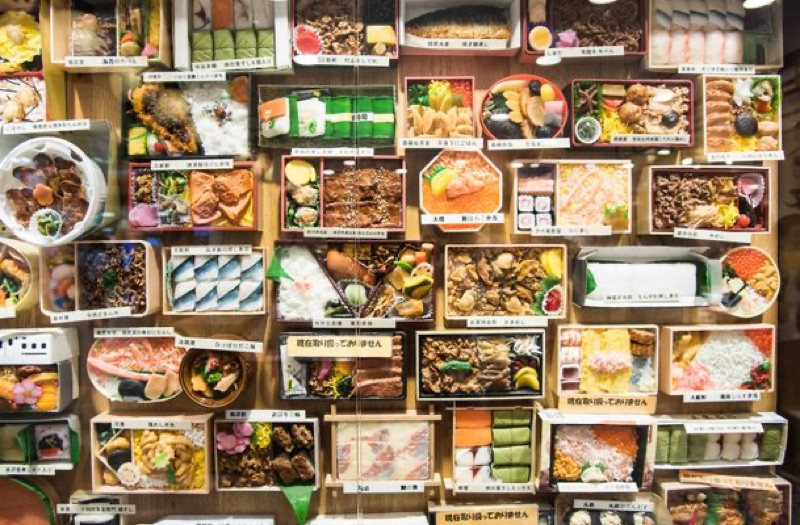
Make every hour count before your 5:20 PM NRT departure. Morning shopping, a farewell lunch, then head to the airport with memories (and snacks) to last a lifetime.
🌅 8:00 AM — Park Hyatt Breakfast
Breakfast at Girandole or New York Grill
The Park Hyatt's breakfast is excellent — Girandole (41F) serves a lavish buffet with both Western and Japanese options, while the New York Grill (52F) offers à la carte breakfast with those views. Treat yourselves on the last morning.
📍 Girandole: 41F, buffet style (¥5,000–6,000/person or included in some rates)
📍 New York Grill: 52F, à la carte (¥4,500–7,000/person)
🥞 The pancakes at the Grill are legendary. So is the fresh juice bar at Girandole.
🍽️ Breakfast
Park Hyatt Breakfast
Lavish final breakfast at the hotel — whether buffet at Girandole or à la carte at the New York Grill.
📍 Park Hyatt · Upscale · Included or ¥5,000–7,000/pp
🛍️ 9:30 AM — Last-Minute Shopping
Souvenir & Gift Shopping
Dedicated time for the souvenir run. Tokyo Station and Ginza have the best curated gift shopping in one area.
🏬 Tokyo Station Character Street — official shops for every Japanese character brand (Studio Ghibli, Pokémon, Sanrio, etc.)
🍫 Tokyo Banana & regional sweets at Tokyo Station's Gransta underground mall — the best omiyage (souvenir gifts)
🏪 Don Quijote (Shinjuku Kabukichō) — tax-free mega store for snacks, cosmetics, electronics, weird stuff
🍵 Ippodo Tea (Ginza or Kyoto Station) — premium matcha and green tea gifts
💡 Japanese convenience store snacks make great gifts — unique Kit Kats, Pocky flavors, rice crackers
💡 Show your passport for tax-free shopping (purchases over ¥5,000 at most stores). This saves you 10% on everything.
🍣 11:30 AM — Farewell Lunch
Final Tokyo Meal
One last great meal before the airport. Make it count — sushi, ramen, whatever you've been craving one more time.
🍣 Sushi Dai alternative: Sushi no Midori (Shibuya or Ginza) — excellent quality conveyor belt sushi, much shorter waits than Tsukiji
🍜 Ramen Street (Tokyo Station First Avenue, B1) — 8 curated ramen shops, perfect for a quick final bowl
🍛 Or: revisit your favorite spot from the trip — sometimes the best farewell is a familiar flavor
💴 Budget ¥1,500–3,000/pp
🍽️ Lunch
Farewell Tokyo Lunch
Your last Tokyo meal. Sushi, ramen, or your trip favorite — no wrong answers.
📍 Tokyo Station Area · Casual · ¥1,500–3,000/pp
🚃 1:00 PM — Head to Narita Airport
Shinjuku → Narita Airport
You need to be at NRT by 3:00 PM for your 5:20 PM flight (international flights: arrive 2+ hours early). From Shinjuku, the Narita Express takes about 80 minutes.
🎫 N'EX (Narita Express): ¥3,250/person, departs from Shinjuku Station every 30 min
⏱️ Aim for the 1:00 PM or 1:30 PM departure at the latest
🧳 Check luggage sizes — if you've bought a lot, Japan Post at the airport ships boxes home
✈️ Flight: 5:20 PM from NRT
⚠️ DO NOT LEAVE LATER THAN 1:30 PM FROM SHINJUKU. NRT is far. Train delays happen. International check-in closes 60 min before departure. Build in buffer.
✈️ 3:00 PM — Narita Airport
Last Moments in Japan
Arrive at NRT with time to spare. Clear security, do last-minute duty-free shopping (Japanese whisky, KitKats, skincare), and grab one final onigiri from a convenience store.
🛍️ Duty-free: Suntory whisky (Yamazaki, Hibiki — prices here are excellent), Tokyo Banana, Royce chocolate
🍙 FamilyMart or 7-Eleven in the terminal — one last onigiri for the road
📱 Return pocket WiFi at the airport counter (if rented)
✈️ 5:20 PM departure — safe travels! ✈️