⚡ Before You Go — Essentials
🌤️ July Weather
Expect 25–35°C (77–95°F) with high humidity. July is hot but rewarding — festivals, fireworks, and lush greenery. Pack breathable clothes, sunscreen, hats, and a folding umbrella for sudden showers. Indoor attractions and mountain areas are cooler.
🚗 Getting Around
Hybrid approach: rent a car for the scenic Nagano → Shirakawa-go → Hakone → Fuji → Izu stretch (days 4–11), then switch to bullet trains for the westbound leg to Himeji, Hiroshima, and Fukuoka. International Driving Permit required. Highways are toll roads — budget ¥5,000–8,000/day in tolls.
💰 Budget Tips
A family of 3–4 can travel Japan on $150–300/day total: convenience store breakfasts (onigiri ¥120), casual ramen/curry lunches (¥800–1,200/person), and apartment-style stays with kitchens. The 7-day JR Pass (¥50,000/adult) saves big on the shinkansen legs.
👨👩👧👦 Family Notes
Japan is incredibly family-friendly — clean restrooms everywhere, kids' meals at restaurants, and safe public transport. Convenience stores (7-Eleven, Lawson) are lifesavers for snacks and drinks. Suica/Pasmo cards work on all transit. Many attractions are free for children under 6.
Welcome to Tokyo: Asakusa Afternoon

Arrive in Tokyo and head straight to Asakusa — the city's most atmospheric old quarter. Senso-ji Temple, the Thunder Gate, and the bustling Nakamise-dori shopping street welcome you to Japan with incense, street food, and centuries of history.
Senso-ji Temple & Nakamise-dori
Walk through the iconic Kaminarimon (Thunder Gate) and down Nakamise-dori — a 250-meter market street lined with traditional snack shops, souvenir stalls, and artisan crafts. At the end, Senso-ji Temple itself stands as Tokyo's oldest Buddhist temple, founded in 645 AD. Burn incense at the giant cauldron and let the smoke wash over you for good health.
Asakusa Shrine & Surrounding Streets
Right next to Senso-ji, the smaller Asakusa Shrine offers a quieter moment. Then explore the backstreets — Dempoin-dori for traditional crafts, and Hoppy Street for evening izakaya culture.
Tokyo Deep Dive: Markets, Museums & Neon
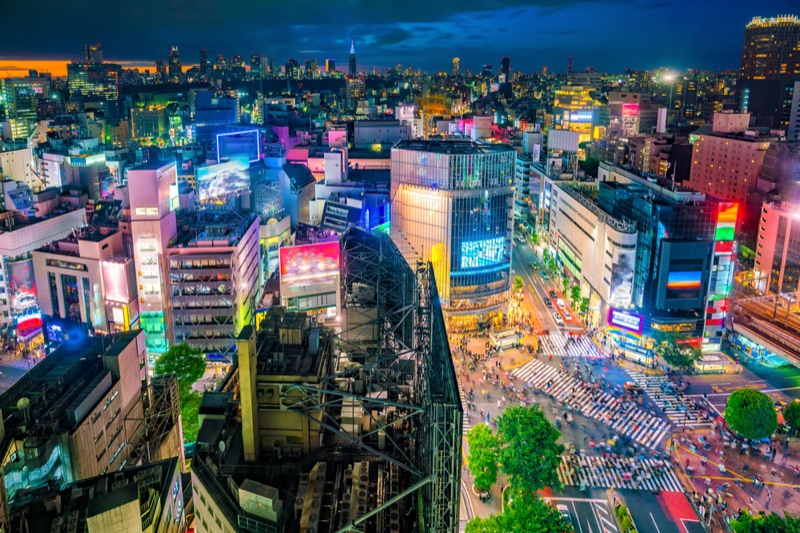
A full day exploring Tokyo's highlights — morning at Ueno Park's museums, afternoon in the electric streets of Akihabara, and a relaxed evening back in Asakusa with views from the Skytree.
Ueno Park & National Museum of Nature and Science
Start at Ueno Park, Tokyo's cultural heart. The National Museum of Nature and Science is perfect for families — dinosaur skeletons, interactive exhibits, and a Japan Gallery showing the country's natural wonders. Kids under 18 enter free.
Akihabara Electric Town
Walk from Ueno to Akihabara (20 min) or take the Ginza Line one stop. Akihabara is sensory overload — multi-story arcades, anime shops, maid cafés, and electronics stores. Even if you're not into anime, the energy is infectious. Visit a claw machine arcade (kids will be glued to them) and browse the quirky gadget shops.
Sacred Nikko: Shrines in the Cedar Forest
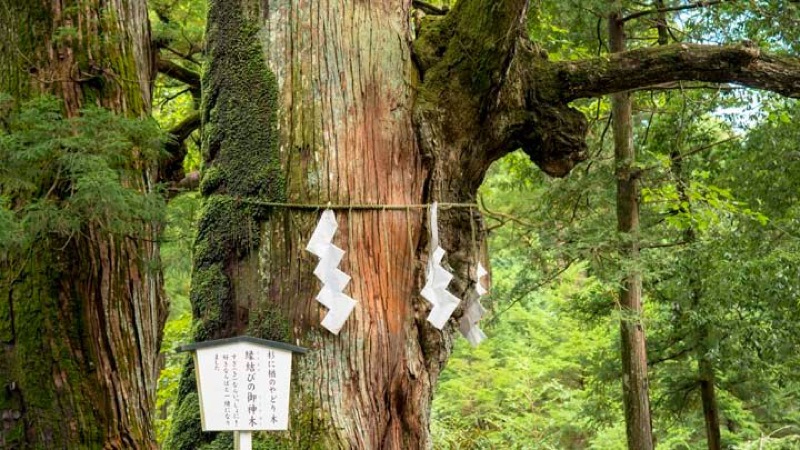
Take the train north to Nikko — a mountain town where ornate shrines sit among towering 400-year-old cedar trees. Toshogu Shrine is Japan's most elaborate, and the surrounding forests and waterfalls are stunning.
Travel to Nikko
Take the Tobu Railway from Asakusa Station (Tobu Nikko Line, ~2 hours, ¥1,400). The ride passes through suburban Tokyo into lush mountain scenery. Consider the Tobu Nikko Pass for discounts on local transport.
Toshogu Shrine Complex
The final resting place of Tokugawa Ieyasu, the shogun who unified Japan. Every surface is carved, painted, and gilded — monkeys representing "see no evil, hear no evil, speak no evil," a sleeping cat, and a soaring five-story pagoda. Kids love spotting the animal carvings.
Kegon Falls & Lake Chuzenji
Take a bus up the Irohazaka Winding Road (48 hairpin turns — kids will love counting them) to Lake Chuzenji, a pristine mountain lake at 1,269m elevation. Kegon Falls plunges 97 meters from the lake — one of Japan's three most beautiful waterfalls.
Through the Mountains to Nagano
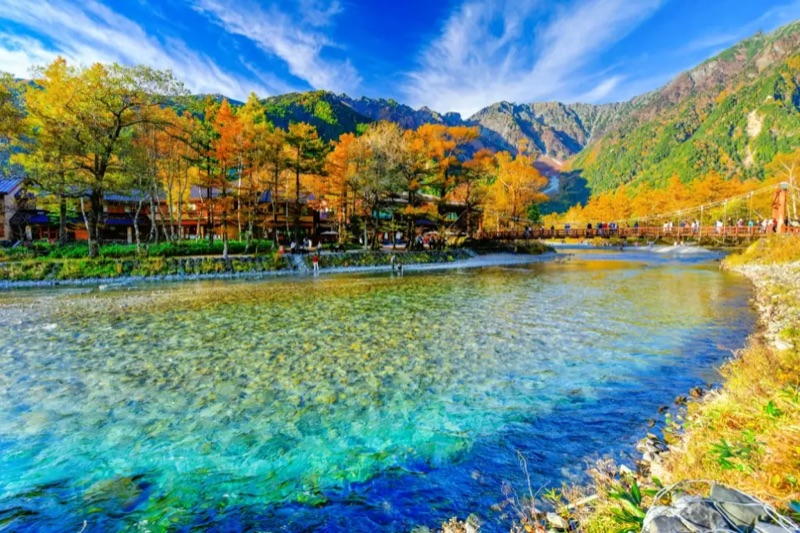
Leave Nikko and drive through Japan's stunning interior mountains to Nagano — host of the 1998 Winter Olympics. The drive takes you through deep valleys and along rushing rivers, with a stop at a scenic onsen town along the way.
Drive Nikko → Nagano
Pick up a rental car in Nikko (or take the train via Tokyo). The driving route through the Nikko National Park and Joshin'etsu Kogen National Park is gorgeous — winding mountain roads, deep gorges, and small hot spring villages. Stop at Kinugawa Onsen for a morning soak if you didn't stay overnight.
Zenko-ji Temple
One of Japan's most important Buddhist temples, housing the first Buddhist statue brought to Japan (hidden from public view). The temple is non-sectarian — open to everyone. Walk through the pitch-black underground corridor beneath the altar to find the "key to paradise." Kids find the dark tunnel adventure thrilling.
Snow Monkeys & Mountain Trails
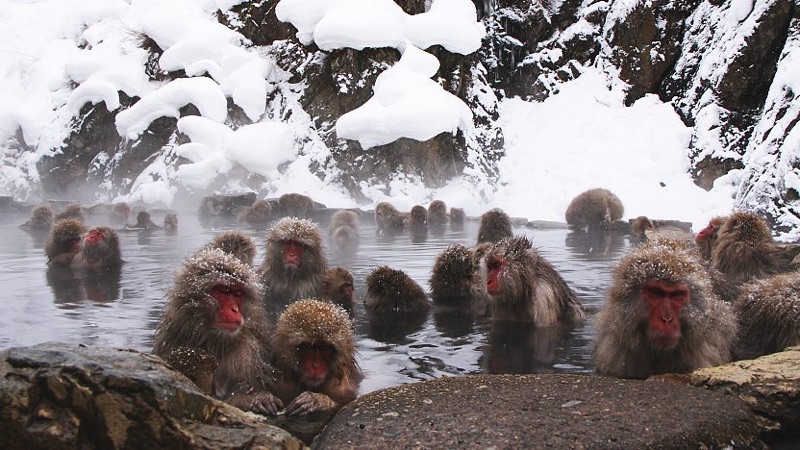
Today's highlight: Jigokudani Yaen-koen, where wild Japanese macaques bathe in natural hot springs. The walk through the forest to reach them is beautiful, and watching the monkeys groom, play, and soak is unforgettable for the whole family.
Jigokudani Snow Monkey Park
Walk 30 minutes through a lush forest trail (easy, paved most of the way) to reach the natural hot spring pool where wild snow monkeys soak. In July, the monkeys are playful — babies tumble over each other while adults lounge in the steaming water. No barriers, no cages — just wild monkeys being adorable a few meters away.
Shiga Kogen Highlands
Drive up to Shiga Kogen, Japan's largest ski resort area that transforms into a wildflower-covered highland in summer. At 1,500–2,000m elevation, it's cool and refreshing. Walk around one of the many alpine lakes — Hasuike Pond is flat, easy, and family-friendly with boardwalks.
Fairytale Village: Shirakawa-go
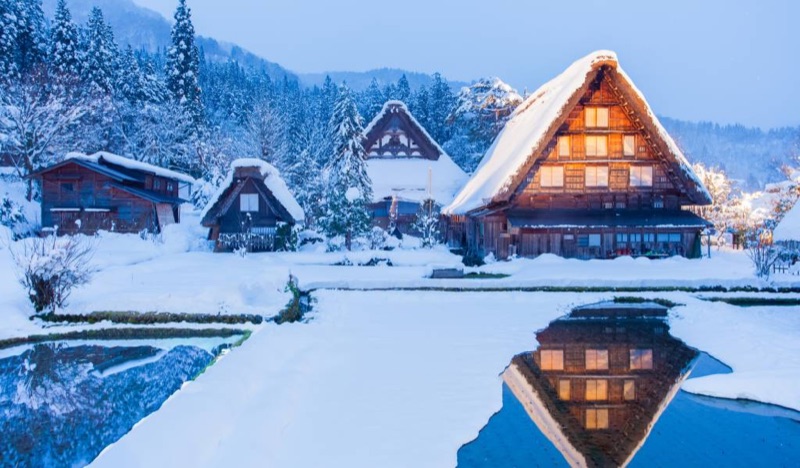
Drive through the Japanese Alps to Shirakawa-go — a UNESCO World Heritage village of thatched-roof farmhouses resembling hands pressed together in prayer. The gassho-zukuri houses are architectural marvels, and the village nestled in its mountain valley is straight from a storybook.
Drive Nagano → Shirakawa-go
The drive takes you through the stunning Hida Mountains via the Chubu Expressway. Stop at Matsumoto Castle (30 min detour) — Japan's oldest wooden castle with a striking black exterior — or drive directly to Shirakawa-go (~3 hours).
Ogimachi Village Walk
Park at the Shiroyama Viewpoint lot and walk down into Ogimachi, the main village. Over 100 thatched-roof farmhouses line the streets, many still inhabited. Wada House, the largest, is open for tours — see how families lived through brutal winters in these remarkable structures.
Shiroyama Viewpoint & Village Exploration
Hike 15 minutes up to Shiroyama Viewpoint for the postcard view of the entire village — dozens of triangular thatched roofs against a backdrop of green mountains. Then wander the village freely, visit the shrine, browse the craft shops, and let the kids run around the open fields.
Alpine Roads to Hot Spring Country
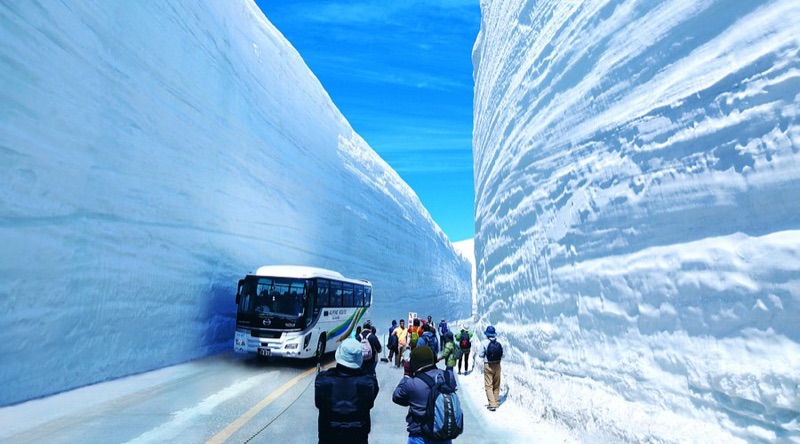
Say goodbye to Shirakawa-go and drive south through the mountains toward Hakone — Japan's most famous hot spring resort area. The drive passes through the Hida region and along scenic mountain highways. Arrive in Hakone by late afternoon for your first onsen soak.
Drive Shirakawa-go → Hakone
The drive south covers ~330km (4.5 hours) through some of Japan's most scenic mountain roads. Route options include via Takayama and the Chuo Expressway, or the faster Hokuriku Expressway via Nagoya. Stop in Takayama for a morning stretch and some of the best Hida beef in Japan.
Arrive in Hakone & First Onsen
Arrive in Hakone and check into your ryokan. Change into yukata robes and soak in the onsen — natural hot spring baths fed by the volcanic activity beneath Mt. Fuji. Many ryokan have family baths (kashikiri onsen) that can be reserved privately. After days of driving, this is pure bliss.
Hakone Highlights: Volcanoes, Pirates & Art
A full day exploring Hakone's greatest hits — ride the mountain railway, walk through volcanic valleys, take a pirate ship across Lake Ashi, and visit one of Japan's best outdoor sculpture museums. Every angle offers views of Mt. Fuji (if the clouds cooperate).
Hakone Open-Air Museum
An extraordinary museum where world-class sculptures sit in manicured gardens against a mountain backdrop. Kids love the "Woods of Net" — a giant crocheted climbing structure they can scramble through. Picasso Pavilion, Henry Moore bronzes, and stained glass towers — art that moves everyone in the family.
Owakudani Volcanic Valley
Take the Hakone Ropeway cable car over sulfurous vents and bubbling pools to Owakuduni — the "Great Boiling Valley" created by a volcanic eruption 3,000 years ago. The smell of sulfur, the steam vents, and the barren landscape feel like another planet. Try the famous black eggs boiled in the hot springs — legend says each one adds 7 years to your life.
Lake Ashi Pirate Ship Cruise
Board a replica pirate ship (yes, really) and cruise across Lake Ashi with Mt. Fuji towering in the background. The 25-minute ride from Togendai to Hakone-machi is pure fun for kids and genuinely scenic for adults. The red torii gate standing in the water with Fuji behind is iconic.
Framing Fuji: Lake Kawaguchi & Oishi Park
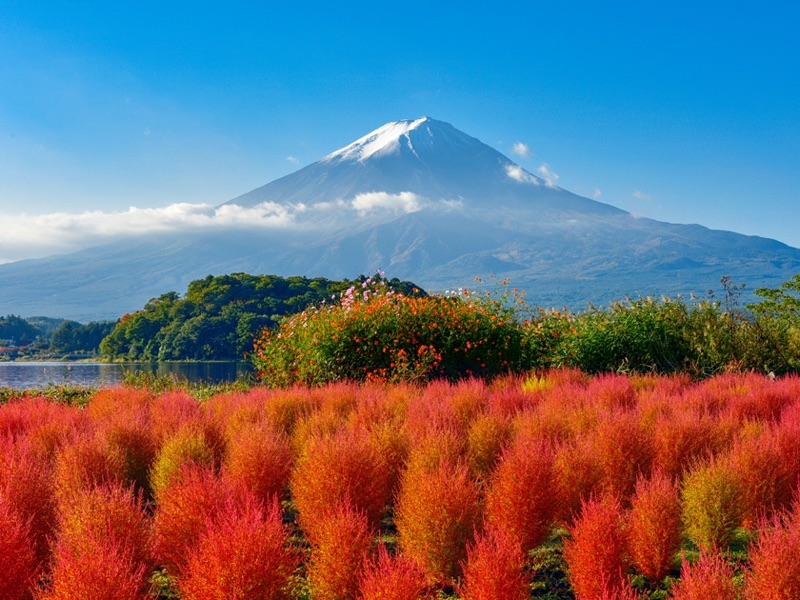
A short drive from Hakone brings you to the Fuji Five Lakes region. Lake Kawaguchi offers the most accessible and photogenic views of Mt. Fuji, and Oishi Park in July explodes with lavender and marigold flowers with the sacred mountain rising behind them.
Drive Hakone → Lake Kawaguchi
The drive from Hakone to Lake Kawaguchi is only 50 minutes through mountain roads with increasingly dramatic Fuji views. Stop at the Hakone Turnpike lookout for a panoramic glimpse before descending to the lake.
Oishi Park & Lavender Fields
Oishi Park stretches along the north shore of Lake Kawaguchi with meticulously maintained flower gardens. In July, lavender and blue salvia create a purple carpet with Mt. Fuji rising directly behind. It's one of Japan's most photographed landscapes. Walk the promenade, browse the small craft shops, and take a hundred photos.
Lake Kawaguchi Scenic Boat Ride
Board the sightseeing boat for a 20-minute cruise across the lake. On a clear day, Mt. Fuji is reflected perfectly in the still water — the classic "upside-down Fuji" photo. The kids will enjoy being on the water.
Kawaguchiko Music Forest Museum
A quirky, charming museum of automatic musical instruments — music boxes, player pianos, and orchestrons that play themselves. The European garden with a mini Lake Geneva and Mt. Fuji backdrop is surreal. Daily performances are included.
Coastal Escape: Driving the Izu Peninsula

Drive south from Lake Kawaguchi to the Izu Peninsula — a subtropical finger of land jutting into the Pacific with turquoise coves, rugged cliffs, palm trees, and some of Japan's best coastal onsen. The drive itself is gorgeous, winding down from the mountains to the sea.
Drive Lake Kawaguchi → Izu
Descend from the Fuji Five Lakes area toward the Izu Peninsula (~2 hours, 100km). The route takes you through Fuji City with views of the mountain, then onto the Izu Skyline — a toll road along the peninsula's mountain spine with panoramic Pacific Ocean views.
Jogasaki Coast & Kadowaki Lighthouse
Walk the dramatic Jogasaki Coast Trail — a suspended bridge over turquoise water, volcanic rock formations, and crashing waves. The lighthouse at Kadowaki Point offers 360° views of the Pacific. The trail is 3km and family-friendly with railings throughout.
Atami Sun Beach
If the family wants beach time, head to Atami Sun Beach — a sheltered, calm-water beach perfect for kids. Rent an umbrella, swim in the warm Pacific water, and try shaved ice from the beach vendors. Atami is also famous for its 15-minute fireworks show every Tuesday and Thursday in July.
Izu Deep Dive: Coves, Turtles & Tropical Vibes
A full day exploring Izu's southern coast — white sand beaches, snorkeling with sea turtles, and the charming port town of Shimoda where Commodore Perry first landed in 1853, opening Japan to the world.
Shimoda & Perry Road
Drive south to Shimoda, a charming coastal town with cobblestone streets and black wooden townhouses. Perry Road is lined with cafés, boutiques, and galleries in restored 19th-century buildings. Visit Shimoda Park for flowers and ocean views, and the Perry Monument commemorating the historic landing.
Snorkeling at Hirizo Beach
Take the shuttle boat (5 min) to Hirizo Beach — a pristine cove accessible only by water, with crystal-clear water, colorful fish, and resident sea turtles. It's like snorkeling in a tropical aquarium. Water temperatures in July are a comfortable 24–26°C.
Ryugu Sea Cave & Sandan-kei Gorge
Visit the Ryugu Cave — a dramatic sea cave carved by waves over millennia, with a natural skylight letting sunlight stream in. Then head inland to Sandan-kei Gorge, a lush river canyon with waterfalls and emerald pools. The walking paths are well-maintained and shaded — perfect for hot July afternoons.
The White Heron: Himeji Castle
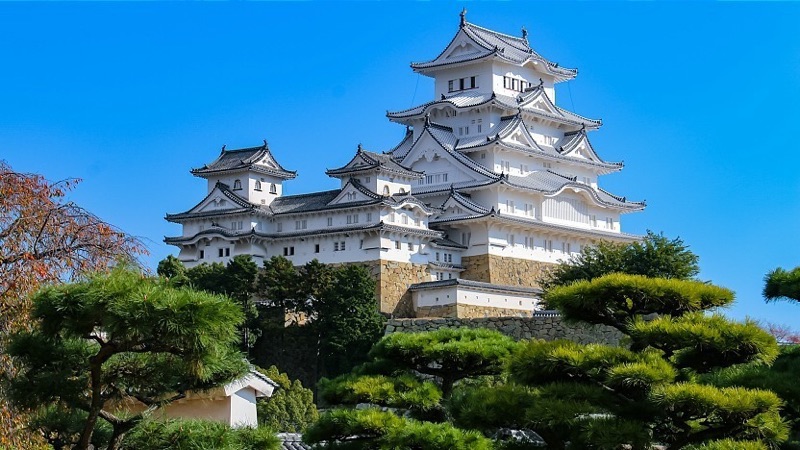
Return the rental car in the Izu/Atami area and take the shinkansen west to Himeji — home to Japan's most magnificent castle. Himeji Castle, the "White Heron," is the finest surviving example of feudal Japanese architecture and a UNESCO World Heritage Site.
Shinkansen to Himeji
Drop off the rental car at Atami or Mishima Station and board the Tokaido Shinkansen west. The bullet train hits 270km/h — watch Mount Fuji flash by (sit on the right side, seat E). Atami → Himeji is about 2.5 hours with one transfer at Osaka.
Himeji Castle
Walk 15 minutes from Himeji Station up a grand boulevard to Himeji Castle — a dazzling white complex that rises like a heron about to take flight. Explore the maze-like defensive paths, climb the steep stairs of the main keep (6 stories), and admire the view from the top. Kids love the labyrinthine corridors and the sense of entering a fortress.
Hiroshima Remembrance & Fukuoka Arrival

Take the morning shinkansen to Hiroshima for a profound visit to the Peace Memorial Park and Museum. Then continue to Fukuoka for your final night — and the legendary yatai street food stalls along the river.
Hiroshima Peace Memorial Park
The shinkansen from Himeji reaches Hiroshima in 1 hour. Take the streetcar to Peace Memorial Park — the A-Bomb Dome, the sole surviving building from ground zero, stands as a powerful reminder. The Peace Memorial Museum is deeply moving but accessible for older children. The Children's Peace Monument, decorated with thousands of origami cranes, is especially poignant.
Shinkansen to Fukuoka
Board the shinkansen west from Hiroshima to Hakata Station in Fukuoka — just 1 hour and 15 minutes through the green hills of western Honshu and across the Kanmon Strait to Kyushu island. You've now traveled from Tokyo to Japan's southernmost main island.
Fukuoka Yatai Night Stalls
Fukuoka is Japan's street food capital, and the yatai (outdoor food stalls) are legendary. Over 100 stalls line the Nakasu and Tenjin areas each evening, serving Hakata ramen (rich pork bone broth), yakitori, oden, and gyoza. Pull up a stool, rub shoulders with locals, and eat your way through the night. The atmosphere is warm, casual, and uniquely Fukuokan.
Fukuoka Farewell: Ramen, Castles & Departure
Your final day in Japan — explore Fukuoka's vibrant Hakata district, visit the atmospheric ruins of Fukuoka Castle, and have one last bowl of life-changing ramen before heading home.
Ohori Park & Fukuoka Castle Ruins
Start at Ohori Park — a large, peaceful park built around a central lake with walking paths, a Japanese garden, and row boats for rent. Adjacent are the ruins of Fukuoka Castle — stone walls and turrets remain, and the Maizuru Park area is lush and green. Kids can run free while you enjoy the morning calm.
Hakata Machiya Folk Museum
A small, charming museum preserving a traditional Hakata townhouse. See how merchants lived in old Fukuoka, watch demonstrations of Hakata weaving and doll-making, and try on yukata for photos. Quick but delightful.
Canal City Hakata & Departure Prep
End your trip at Canal City Hakata — a massive shopping and entertainment complex built around a canal with a daily fountain show. Great for last-minute souvenirs: Japanese snacks, kitchen knives, ceramics, and quirky stationery. The family will find something for everyone.
💰 Budget Breakdown
| Category | Budget | Midrange | Luxury |
|---|---|---|---|
| Accommodation | ¥6,000–10,000/night | ¥12,000–20,000/night | ¥25,000–50,000/night |
| Meals (family of 4) | ¥5,000–8,000/day | ¥10,000–18,000/day | ¥25,000–40,000/day |
| Car Rental | ¥7,000–10,000/day | ¥10,000–15,000/day + tolls | ¥20,000+/day (premium) |
| Shinkansen (west leg) | ¥25,000/person (one-way) | JR Pass ¥50,000/7 days | Green Car JR Pass ¥70,000/7 days |
| Activities | ¥2,000–4,000/day | ¥5,000–8,000/day | ¥10,000–20,000/day |
| 14-Day Total (family) | ¥350,000–500,000 ($2,300–3,300) | ¥600,000–900,000 ($4,000–6,000) | ¥1,200,000+ ($8,000+) |
✈️ Getting There
- Fly into Tokyo Narita (NRT) or Haneda (HND) — Haneda is closer to the city
- Depart from Fukuoka Airport (FUK) — 5 min subway from Hakata Station
- Open-jaw ticket (arrive Tokyo, depart Fukuoka) avoids backtracking
- Alternatively, fly round-trip from Tokyo and take the shinkansen back (add 5 hours)
🚗 Rental Car Strategy
- Rent in Nikko or Nagano on Day 4, return in Atami/Mishima on Day 12
- International Driving Permit (IDP) required — get it before you leave home
- Toyota Rent a Car and Times Car Rental have English booking sites
- Highway tolls add up — consider a regional expressway pass
- Rent an ETC card with the car for automatic toll payments
🏨 Where to Stay
- Tokyo (2 nights): Asakusa area — affordable, atmospheric, well-connected
- Nikko (1 night): Ryokan with onsen — classic mountain experience
- Nagano (2 nights): Near Zenko-ji or station — base for snow monkeys
- Shirakawa-go (1 night): Gassho-zukuri minshuku — book early!
- Hakone (1 night): Ryokan with private onsen — splurge night
- Lake Kawaguchi (1 night): Fuji-view hotel — wake up to the mountain
- Izu (2 nights): Coastal onsen resort — relax by the sea
- Himeji (1 night): Business hotel near station — practical overnight
- Fukuoka (1 night): Hakata area — walking distance to yatai stalls
🌡️ July Weather
- Tokyo/Fukuoka: 26–34°C (79–93°F) — hot, humid, tropical
- Mountain areas (Nagano, Nikko, Shirakawa-go): 20–28°C — cooler relief
- Izu coast: 25–30°C — sea breezes help
- Rainy season (tsuyu) typically ends mid-July — late July is drier
- Pack: breathable clothes, sunscreen, hat, folding umbrella, light jacket for mountains
📱 Connectivity
- Pocket WiFi rental from the airport (~¥500/day) for the whole family
- Or buy a Japan tourist eSIM (Ubigi, Airalo) — 10GB for ~$20
- Convenience stores have free WiFi
- Google Maps works perfectly for transit and driving directions
- Download offline maps for mountain areas with spotty signal