⚡ Before You Go — Essentials
🎌 Golden Week Alert
May 1–5 falls squarely in Golden Week — Japan's busiest travel period. Expect crowds at Ise Shrine and major attractions. Book trains, restaurants, and accommodation well in advance. Some places may have special holiday hours.
🚃 Getting Around
Kintetsu Railway is your lifeline — Yokkaichi Station connects to Ise (40 min), Nagoya (30 min), and Osaka (90 min). The Sangi Railway runs north toward the Suzuka Mountains. IC cards (ICOCA/Manaca) work on all local transit.
🍜 Local Specialties
Must-eats: Yokkaichi Tonteki (thick garlic pork steak), Ise Udon (soft noodles in dark soy dashi), Matsusaka Beef (one of Japan's top 3 wagyu), and Akafuku mochi from Ise. This is a foodie paradise.
🌸 May Weather
Early May in Mie is pleasant — 18–25°C, mostly sunny with occasional spring showers. Perfect hiking weather. Pack layers, a light rain jacket, and comfortable walking shoes for shrine and mountain trails.
Old Tokaido Trails & Tonteki Night
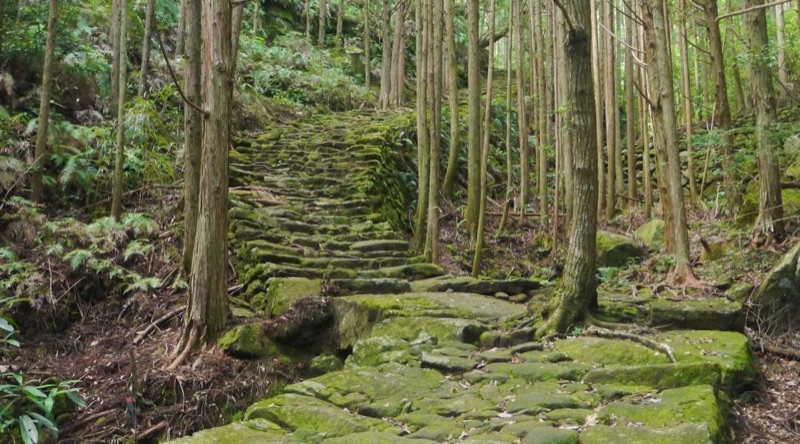
Arrive in Yokkaichi and step straight into Edo-period history. This was the 43rd post station on the legendary Tokaido road — the highway that connected old Edo to Kyoto. Spend the afternoon walking cobblestone lanes where samurai and merchants once rested, then dive into your first bowl of Yokkaichi's soul food.
Explore Yokkaichi-juku (Old Tokaido Post Town)
The 43rd of 53 post stations on the historic Tokaido road, Yokkaichi-juku once bustled with 98 inns, two honjin (VIP lodges), and a ferry crossing. Wander the remains of old shopfronts and merchant houses near Suwa Shrine. Information panels (some in English) trace the town's history from feudal highway to industrial city.
Evening Stroll & Suwa-Eiyo Shotengai
Wander the Suwa-Eiyo shopping arcade — a nostalgic covered street with local vendors selling yakitori, taiyaki, and seasonal snacks. The atmosphere warms up as lanterns glow and locals gather at standing bars. This is where Yokkaichi's everyday charm lives.
Sacred Ise — Japan's Holiest Shrine & Food Heaven
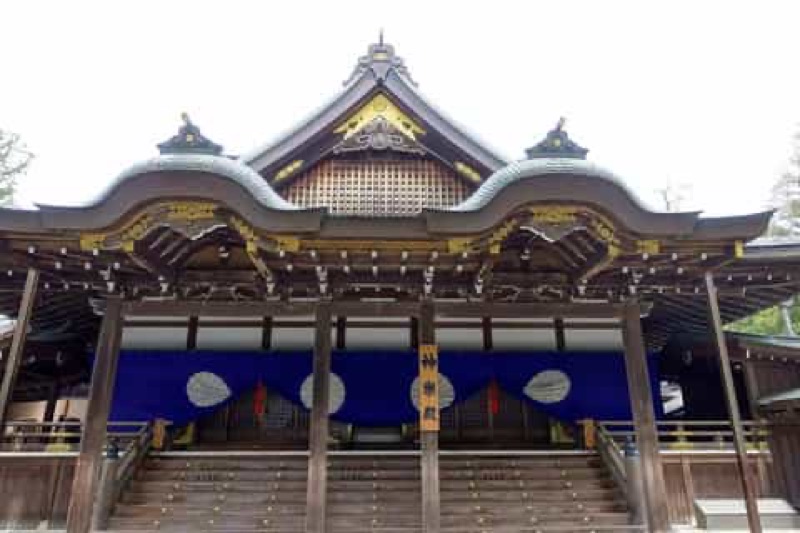
Take a day trip to Ise Grand Shrine, the spiritual heart of Japan. The Naiku (Inner Shrine) enshrines Amaterasu, the sun goddess and mythical ancestor of the Imperial family. After paying respects, feast your way down Oharai Machi and Okage Yokocho — 800 meters of Edo-style food stalls, mochi shops, and sake bars that make this one of Japan's best eating streets.
Ise Grand Shrine — Naiku (Inner Shrine)
Cross the Uji Bridge over the sacred Isuzu River and enter a forest of ancient cryptomeria trees. The Naiku enshrines Amaterasu Omikami, the sun goddess at the apex of Shinto. The shrine is rebuilt every 20 years (most recently in 2013) in a ritual called Shikinen Sengu — ensuring eternal renewal. The atmosphere is profoundly serene.
Oharai Machi & Okage Yokocho
This 800-meter pilgrimage road leading to the Naiku is lined with traditional buildings housing Ise's best food and craft shops. Okage Yokocho, a recreated Edo-era district, is the highlight — sample Ise udon, akafuku mochi, fresh taiyaki, and local sake as you wander.
Geku (Outer Shrine) on the Way Back
Before heading back to Yokkaichi, stop at the Geku (Outer Shrine) — dedicated to Toyouke, the goddess of food and housing. It's less crowded than Naiku and surrounded by an expansive, tranquil forest. Traditional etiquette says you should visit Geku before Naiku, but either order is fine.
Mountain Hike, Ropeway Views & Hot Spring Soak
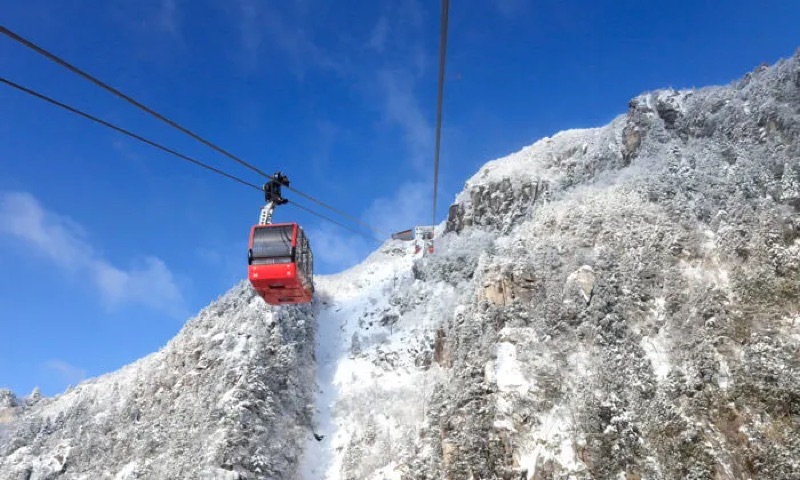
Trade the city for the Suzuka Mountains — a rugged range forming the backbone of Mie Prefecture. Ride the Gozaisho Ropeway over forested slopes to a summit with panoramic views of Ise Bay, then descend for a well-earned soak in Yunoyama Onsen, a centuries-old hot spring village nestled in the mountain valley.
Mt. Gozaisho Ropeway & Summit Hike
Take the 12-minute ropeway ride from Yunoyama Onsen up to Sanjo-Koen Station at 1,180m. From there, walk 30 minutes to the summit of Mt. Gozaisho (1,212m) for spectacular views of Ise Bay, the Chita Peninsula, and on clear days, the Japanese Alps. The trails wind through alpine meadows and rocky outcrops.
Yunoyama Onsen — Mountain Hot Springs
After the hike, nothing beats a long soak in Yunoyama Onsen — a hot spring village with over 1,300 years of history. The sulfur-rich waters are said to ease fatigue and muscle aches. Several ryokan offer day-use bathing (higaeri onsen) for ¥500–1,500.
Pottery Hands-On, Nabana Illumination & Factory Night Cruise
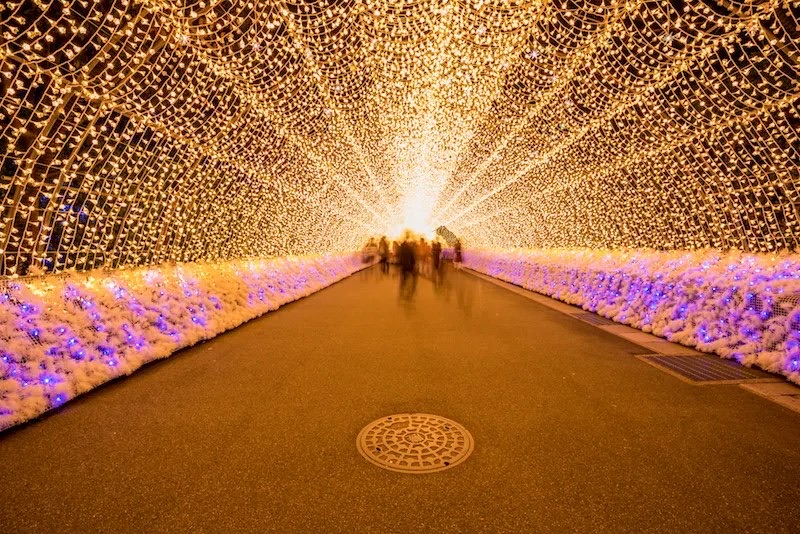
A day of contrasts — shape your own Banko pottery in the morning, then experience two of Mie's most spectacular visual displays: the Nabana no Sato "ZIPANG" illumination in its final days, and Yokkaichi's legendary industrial nightscape from the water. This is the Japan that surprises you.
Banko Pottery Workshop at Banko no Sato Hall
Yokkaichi Banko ware is famous worldwide — it holds 80–90% of Japan's donabe (earthenware pot) market. At Banko no Sato Hall, you can tour galleries of traditional teapots and tableware, then try a hands-on pottery workshop. Shape your own piece on the wheel or hand-build a teacup to take home as a souvenir.
Nagashima Resort — Outlet Shopping & Nabana no Sato
Head to Nagashima Resort (20 min by bus from Kintetsu Yokkaichi). Skip the theme park and explore Mitsui Outlet Park Jazz Dream for bargain shopping, then walk to adjacent Nabana no Sato flower park for the famous "ZIPANG" winter illumination — millions of LED lights creating tunnels, castles, and animated light shows over water.
Yokkaichi Factory Night Cruise
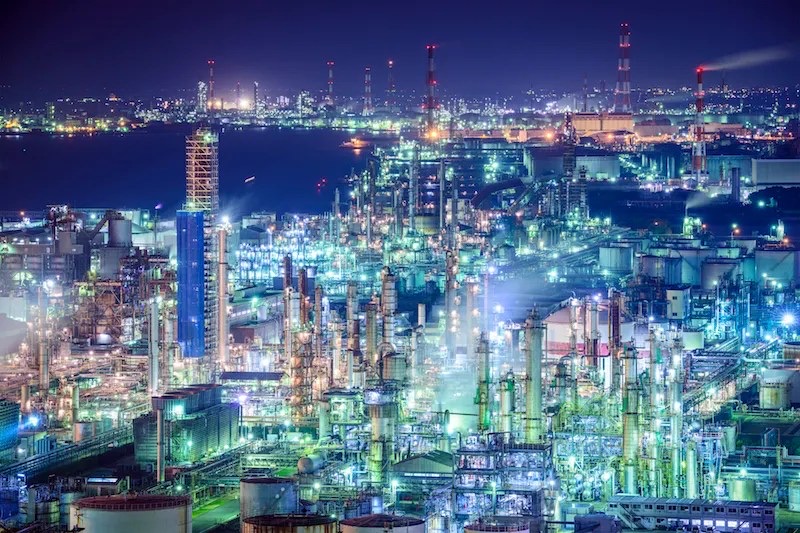
Return to Yokkaichi Port for the unforgettable factory night cruise (Kojo Yakei). The massive industrial complex along Ise Bay lights up after dark like a futuristic city — glowing pipes, flaring towers, and shimmering reflections on the water. It's one of Japan's top industrial nightscapes and a photographers' dream.
Panoramic Farewell & Departure
Your last morning in Yokkaichi — ride the elevator up Umiterasu 14 for a final 360° panorama of the city, Ise Bay, and the Suzuka Mountains. Pick up last-minute Banko ware souvenirs and grab a memorable final meal before heading home.
Umiterasu 14 — Yokkaichi Port Building Observatory
Ride up to the 14th-floor observation room of the 100m-tall Yokkaichi Port Building for panoramic views of Ise Bay, the Suzuka Mountains, and on clear days, the distant mountains of the Chita Peninsula. Exhibits inside trace the port's history from Edo-era trade to modern industrial powerhouse.
Souvenir Shopping & Departure
Pick up Banko ware teapots and donabe from shops near the station — they're lightweight, beautiful, and uniquely Yokkaichi. Grab some local snacks for the train ride, then head to Kintetsu Yokkaichi Station for connections to Nagoya (30 min), Osaka (90 min), or Tokyo via Shinkansen.
💰 Budget Breakdown
| Category | Budget | Midrange | Luxury |
|---|---|---|---|
| Accommodation | ¥5,000–8,000/night | ¥8,000–15,000/night | ¥15,000–30,000/night |
| Meals (per couple) | ¥3,000–5,000/day | ¥5,000–10,000/day | ¥10,000–20,000/day |
| Transport | ¥1,500–3,000/day | ¥3,000–5,000/day | ¥5,000–10,000/day |
| Activities | ¥0–2,000/day | ¥2,000–5,000/day | ¥5,000–10,000/day |
| Onsen (day use) | ¥500–1,000 | ¥1,000–2,000 | ¥2,000–5,000 |
| 5-Day Total (couple) | ¥60,000–100,000 | ¥100,000–180,000 | ¥180,000–350,000 |
✈️ Getting There
- Closest airport: Chubu Centrair (NGO) near Nagoya — 60 min by train
- From Nagoya Station: Kintetsu Limited Express to Yokkaichi (30 min)
- From Osaka: Kintetsu to Yokkaichi (~90 min)
- From Tokyo: Shinkansen to Nagoya, then Kintetsu (~2.5 hours total)
🏨 Where to Stay
- Hotel AreaOne Yokkaichi — modern business hotel near the station (¥6,000–10,000)
- Yokkaichi Miyako Hotel — upscale option with city views
- Yunoyama Onsen ryokan — for a traditional hot spring night (Day 3 alternative)
- Ise area hotels — if you prefer to overnight near the shrine
🌡️ Weather
- Early May: 18–25°C (64–77°F) — pleasant and mild
- Occasional spring showers — bring a compact umbrella
- Mountain areas (Suzuka) run 3–5°C cooler
- Sunset around 6:30pm — long evenings for sightseeing
💳 Money
- IC card (ICOCA/Manaca) covers all local transit
- Many restaurants are cash-only — carry ¥20,000–30,000
- Convenience stores (7-Eleven, Lawson) accept cards and have ATMs
- Tipping is not customary in Japan
📱 Connectivity
- Rent a pocket WiFi or buy a Japan eSIM before arrival
- Free WiFi at most hotels, stations, and convenience stores
- Coverage is good in Yokkaichi city but spotty in deep mountain areas