⚡ Before You Go — Essentials
🎟️ Ghibli Museum booking
For overseas visitors, Ghibli Museum tickets are sold through Lawson Ticket and go on sale at 10:00 AM JST on the 10th of the previous month for the following month. For an Oct 31 visit, be ready the moment sales open on Sept 10 Japan time. This is the one booking on your list I would treat as non-negotiable.
🚄 Transport strategy
For this exact route, a nationwide JR Pass is not obviously the best value anymore. A Suica/IC card plus individually booked long-distance tickets is usually the cleaner move. The tricky segment is Kyoto → Fujikawaguchiko; leave early, keep buffers generous, and consider the direct bus from Shinjuku on the Kawaguchiko end if it simplifies the final leg.
♨️ Ryokan choice
Because biking Lake Kawaguchiko is a must-do, Fujikawaguchiko is the best ryokan stop over Hakone or Kinosaki for this itinerary. Prioritize a ryokan on or near the north / northeast side of Lake Kawaguchiko for stronger Fuji-facing views. Half-board (dinner + breakfast) is worth it here.
🌄 Fuji visibility reality
At Kawaguchiko, Mt. Fuji is often clearest early in the morning and can disappear behind clouds later in the day even when the forecast looks decent. If you wake up and the mountain is visible, get outside immediately — do not wait for a “better moment.”
🧳 Pack light for Fuji
The Kyoto → Fujikawaguchiko transfer is much nicer with a smaller bag. If possible, forward your main luggage ahead to your Tokyo hotel and bring only a light bag for the 2-night ryokan stop.
💴 Budget fit
Your $2,000–5,000 total budget is realistic if you use efficient business hotels in Osaka/Kyoto/Tokyo, reserve the major splurge for the 2-night ryokan stay, and keep most meals in the casual-to-midrange bracket. Japan rewards moderate spending extremely well — you do not need luxury every night to eat brilliantly.
Arrive in Osaka — Neon, Takoyaki & a Gentle Landing
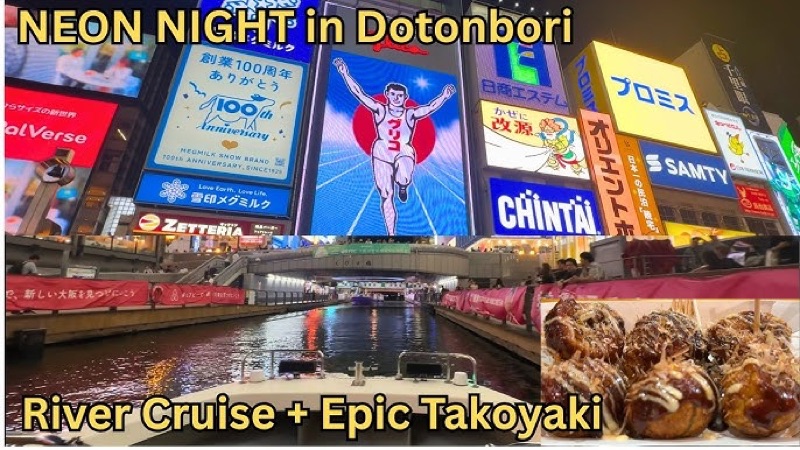
After the long flight into Kansai, keep the first day simple: drop bags in central Osaka, walk the canal-lit heart of Dotonbori, and let the trip begin with low-stakes wandering, good street food, and zero pressure to optimize every minute.
Check in around Namba or Shinsaibashi
Stay somewhere walkable to Dotonbori so the first 48 hours are easy. Namba keeps you close to food, transit, and late-night energy without needing taxis.
Dotonbori canal walk
Wander past the Glico sign, crab billboards, and packed snack stalls. It is touristy, yes — but on a first night in Osaka, touristy is exactly the point.
Hozenji Yokocho and quiet backstreet drift
Slip a few minutes away from the neon into Hozenji Yokocho, a lantern-lit stone alley that feels like another city entirely. It is the perfect contrast to Dotonbori’s chaos.
Osaka’s Big Icons by Day, Skyline by Night
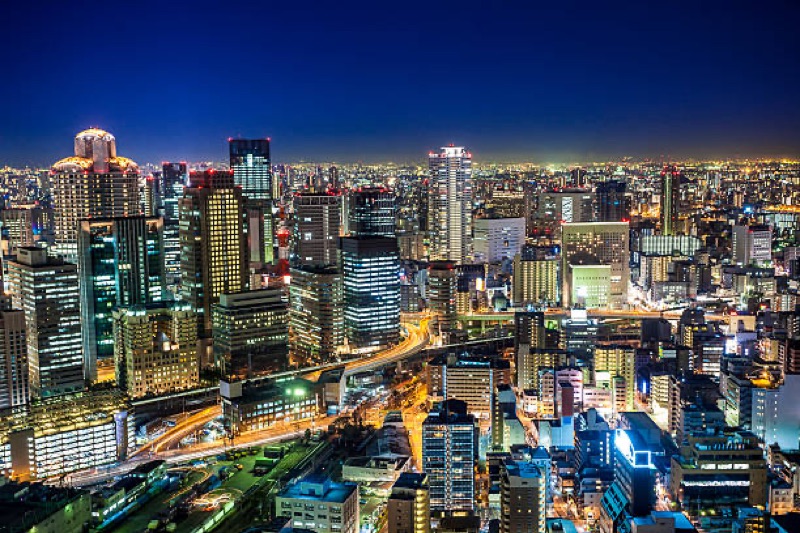
Today mixes the polished, postcard side of Osaka with the quieter neighborhood version: castle grounds in the morning, indie cafés in Nakazakicho later, and a skyline finish in Umeda.
Osaka Castle and Nishinomaru Garden
Go early before the grounds fill. The castle itself is more reconstruction than original ruin, but the moats, stone walls, and scale still land.
Nakazakicho café drift
Nakazakicho is a good reminder that Osaka is not only bright signs and chain stores. The old low-rise lanes are filled with indie cafés, vintage shops, and tiny galleries.
Umeda Sky Building at dusk
Finish with the Floating Garden Observatory for a wide shot over the city you have spent two days learning to decode.
Himeji Castle Day Trip, Then Kobe After Dark
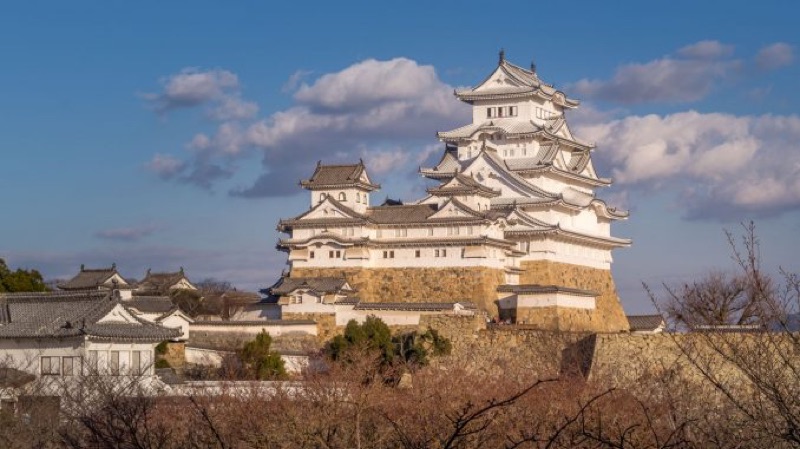
This is one of the strongest day trips in Japan: a morning at Himeji Castle while the light is soft, then a stop in Kobe on the way back for a waterfront dinner or sake-heavy evening.
Shinkansen or JR west to Himeji
Get there early and aim to be walking toward the castle not long after opening. Himeji is one of those places that is actually as good as the photos suggest.
Himeji Castle + Koko-en Garden
The White Heron Castle is the cleanest, most elegant original castle in Japan. It earns the hype.
Stop in Kobe on the return
Instead of going straight back, break the journey in Kobe for harbor views, Kitano slopes, or a Chinatown dinner.
Nara’s Deer, Giant Buddha & One Last Osaka Night

Nara delivers that ancient-Japan feeling fast: forested paths, stone lanterns, deer everywhere, and the shock of Todai-ji’s scale. It is an easy, deeply worthwhile day trip before leaving Osaka.
Train to Nara and start at the park
Head out early to beat school groups and the midday crush around the deer. The city is compact enough to do well on foot.
Todai-ji + Nara Park
Todai-ji’s Great Buddha hall is one of those places that resets your sense of scale. Pair it with slow wandering through the deer-filled lawns rather than a museum-heavy schedule.
Kasuga Taisha and Naramachi
Walk toward Kasuga Taisha for the forest-and-lantern atmosphere, then loop back through Naramachi before returning to Osaka.
Final Osaka night in Shinsekai or back in Namba
Use the last Osaka evening for one more round of street food, retro-showa weirdness, or simply revisiting the area you liked most.
Move to Kyoto — Torii Gates at Dawn, Lanterns at Night
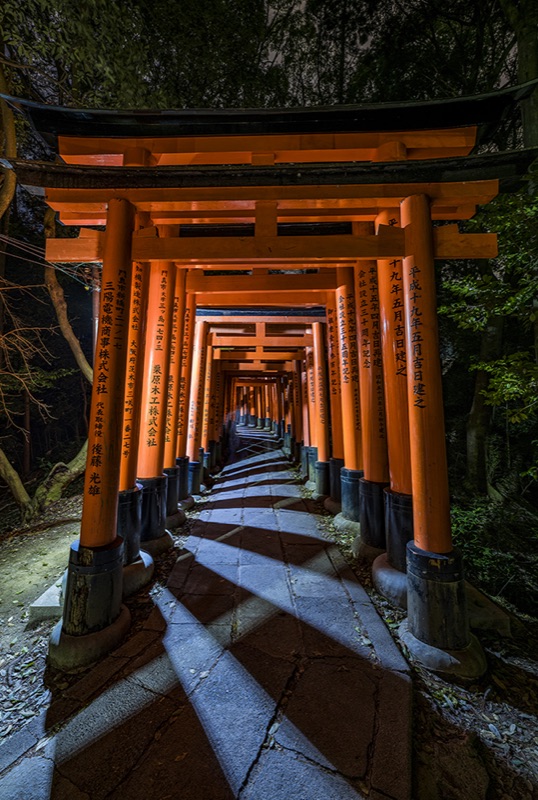
Leaving Osaka after four nights keeps the pace right. Kyoto starts strong: a transit-light move, Fushimi Inari before the biggest crowds, and a slow evening through Gion and Higashiyama.
Osaka to Kyoto and bag drop
Get to Kyoto early, drop your bag, and avoid turning the transfer day into dead time.
Fushimi Inari Taisha
The full mountain hike is great, but the best move for most people is a strong first section up the torii tunnels, then turning when the crowds thin and the views start opening up.
Gion and Yasaka after dark
The payoff in Kyoto is often after sunset: quieter lanes, warm lantern light, and a slower energy than daytime crowd swarms.
Kyoto’s Classic East-Side Day
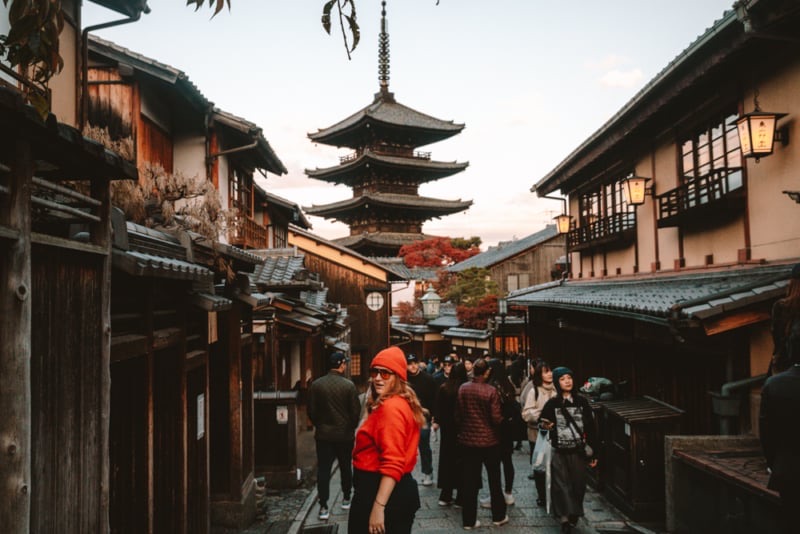
This is your full Kyoto postcard day: temple terraces, preserved slopes, incense, snacks, and then the city’s kitchen in Nishiki once you have earned a break from shrine-hopping.
Kiyomizu-dera before the peak rush
Start early and let the view over Kyoto land before the school groups arrive. The streets below are part of the experience, not just the path to the temple.
Nishiki Market grazing lap
Nishiki is touristy, but it is still fun if you treat it as tasting, not destination dining. Pickles, yuba, grilled skewers, tamagoyaki, sweets — small bites win.
Kamo River reset
When Kyoto gets too dense, the river is the easiest pressure-release valve. Walk it at dusk.
Bamboo, River Air & the Golden Pavilion
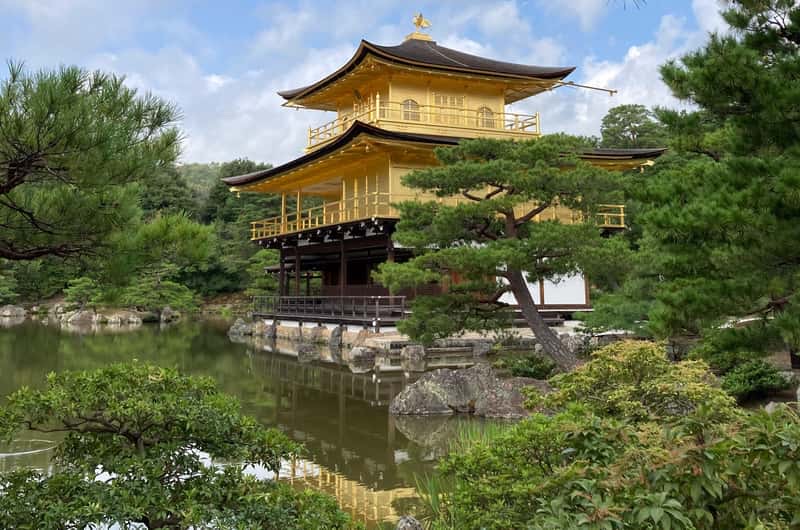
West Kyoto works best when you go early, stay patient, and accept that Arashiyama is popular because it is genuinely beautiful. Pair it with Kinkaku-ji later for one big scenic day.
Arashiyama Bamboo Grove + Tenryu-ji area
Go as early as you can tolerate. The bamboo grove itself is short, but the surrounding district — river, temple gardens, side streets — is the real reason to come.
Togetsukyo Bridge and riverside drift
Once you leave the most crowded lane, Arashiyama becomes spacious again: mountain backdrop, river air, and boat views.
Kinkaku-ji
The Golden Pavilion is crowded and short, but it is also absurdly photogenic. Treat it as a strong 45–60 minute stop, not an all-afternoon affair.
Uji Day — Matcha, Byodo-in & a Bonus Nintendo Option
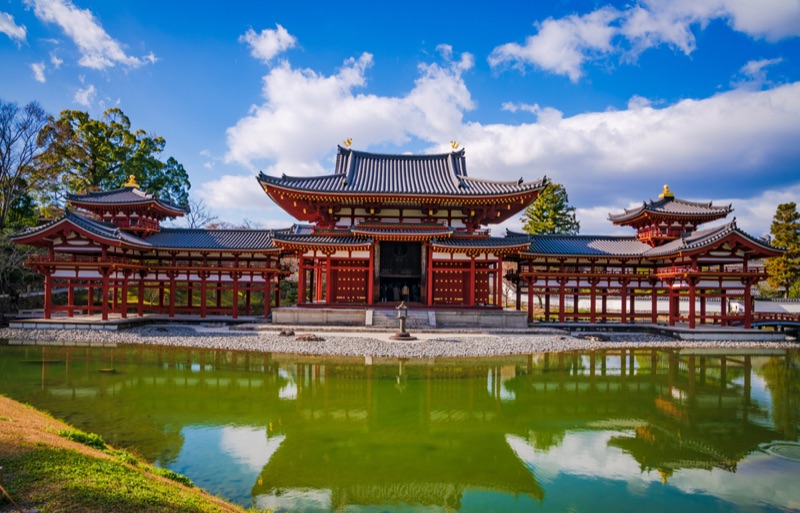
Uji makes a smart side trip from Kyoto: lighter crowds, serious tea culture, and a slower rhythm. If you want a wildcard, this is also the cleanest day to visit the Nintendo Museum area in Uji/Ogura if tickets happen to align.
Train to Uji + Byodo-in
Uji has a gentler pace than Kyoto and feels like a palate cleanser after several dense sightseeing days. Byodo-in and the riverfront are enough on their own.
Tea shops and riverside stroll
Rather than stacking attractions, use Uji for tea houses, sweets, and breathing room.
Optional Nintendo Museum area pivot
If tickets are available and this matters to you, pivot toward the Nintendo Museum area in Ogura/Uji. If not, stay with Uji and let the day remain calm.
Return to Kyoto for a relaxed evening
This is a good night for an early dinner and a quieter pace.
Kyoto Adventure Day — Mountain Air at Kurama & Kibune
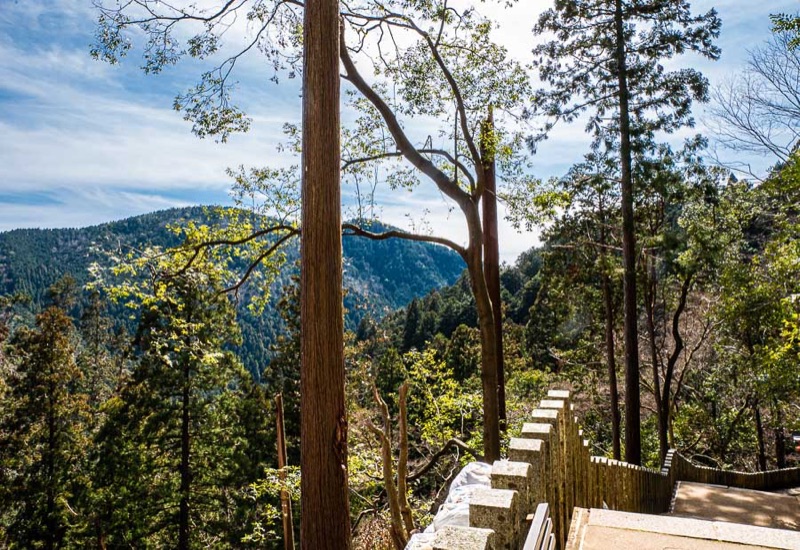
To keep the trip from becoming all famous lanes and temple queues, use one Kyoto day for something greener and a bit more adventurous: the Kurama-to-Kibune mountain area north of the city.
Train north to Kurama
The trip on the Eizan line is part of the appeal. Once you get north, Kyoto suddenly feels rural and deeply quiet.
Kurama temple approach and mountain walk
Whether you do the full temple-to-village movement or keep it lighter, the point is fresh air, cedar forest, and a different texture of Kyoto.
Kibune village and easy return south
Use the second half of the day for a slower unwind rather than trying to jam in another temple cluster on the way back.
Slow Kyoto Buffer Day — Craft, Coffee & Packing Light
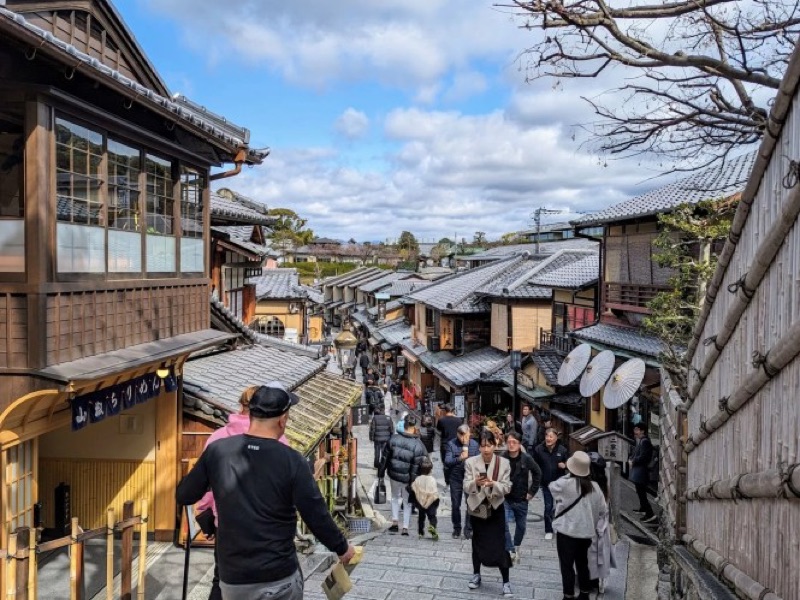
After several active Kyoto days, use one intentionally lighter day for anything unfinished: a tea ceremony, ceramics shopping, another pass through a favorite neighborhood, or simply a slower breakfast and early night.
Flexible Kyoto catch-up window
This is where you plug in whatever Kyoto feeling you still want more of — Nishiki revisit, a tea ceremony, bookstore time, extra temple hour, or just a real breakfast.
Pack for the Fujikawaguchiko transfer
Tomorrow is the long move across the country. Pack deliberately and consider sending the big bag ahead to Tokyo if you want the ryokan stretch to feel easier.
Quiet final Kyoto dinner
End Kyoto without trying to top Kyoto. Just have a good dinner and let the city taper out gracefully.
Transit Day to Fujikawaguchiko — Trade Temples for Fuji
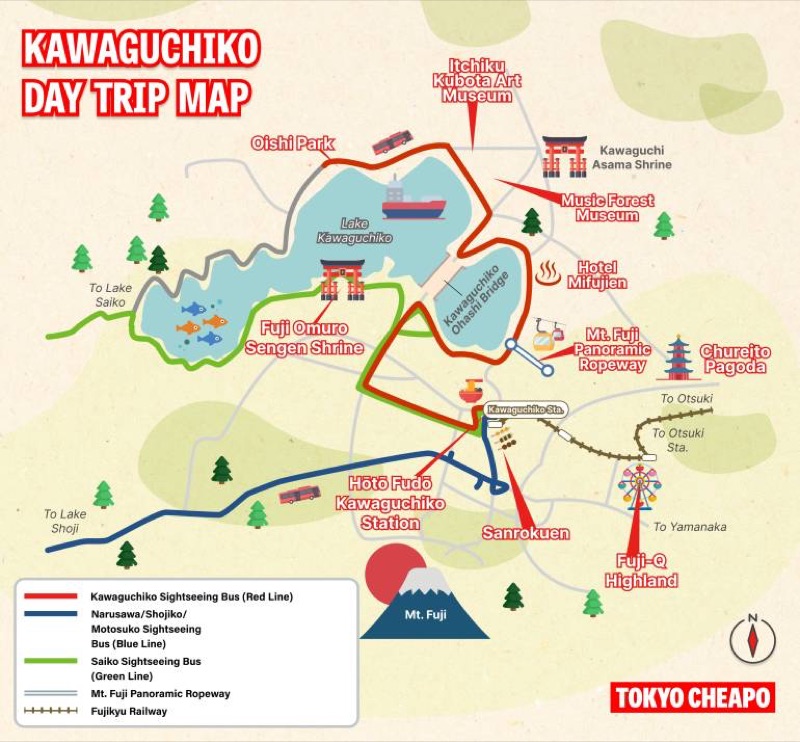
This is the longest transfer of the trip, but it sets up one of the best stretches: two nights by Lake Kawaguchiko with a ryokan base and the exact Mt. Fuji biking day you asked for.
Kyoto → Tokyo / Otsuki → Kawaguchiko route
There are a few viable ways to do this, but the principle is simple: leave early, keep buffers generous, and treat arrival by the lake as the day’s accomplishment.
Check in to a lakeside ryokan
Stay near the north or northeast side of Lake Kawaguchiko if possible for the strongest Fuji-facing views. Once you arrive, do as little as possible beyond onsen, dinner, and an evening lake walk.
The Mt. Fuji Bike Day
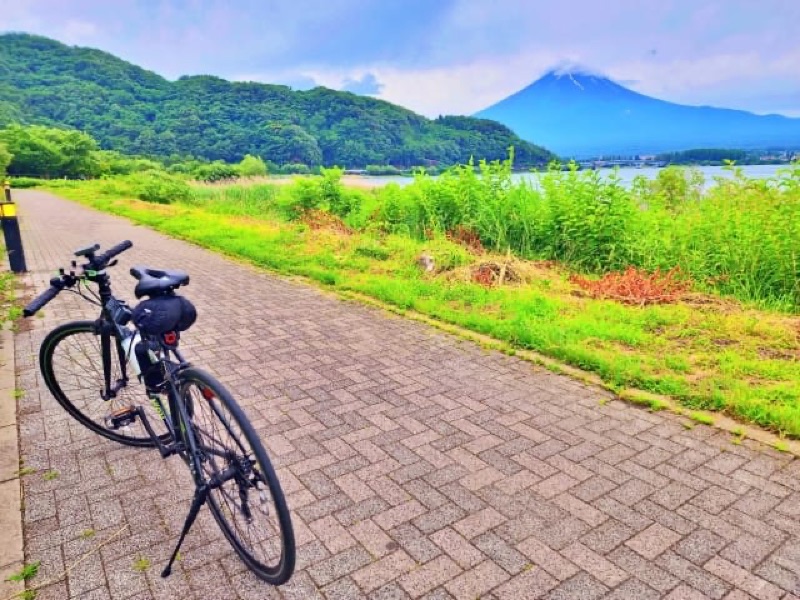
This is one of the anchor days of the whole trip. Start early while the mountain is most likely to be visible, rent a bike, and circle the lake at your own pace with lots of stops rather than treating it like a workout challenge.
Bike rental and north-shore start
Begin as early as possible. Visibility around Kawaguchiko is often best before 9 AM, and the northern shore gives the cleanest, most satisfying Fuji compositions.
Complete the Kawaguchiko loop with scenic pauses
The win is not speed — it is freedom. Stop for ropeway views, lakeside benches, Fuji photos, and lunch whenever the mood hits.
Onsen reset before dinner
After the bike ride, the ideal move is obvious: shower, soak, dinner, maybe one more walk if the sky turns pink.
To Tokyo — From Lake Calm to Shinjuku Chaos

After the lake and ryokan rhythm, Tokyo should feel sharp and kinetic in the best way. Keep the first Tokyo night focused on Shinjuku so the arrival is easy and satisfying.
Easy Fuji farewell
If the mountain is visible in the morning, step outside before breakfast and take the final views. This often ends up being the clearest window.
Bus or train to Tokyo
The direct highway bus to Shinjuku is often the least annoying move from Kawaguchiko, though train options exist too.
Shinjuku orientation walk
Use this first Tokyo evening to learn the station exits, lookouts, and food alleys around your base. It pays off all week.
Omoide Yokocho or Golden Gai-lite first night
Go small: one alley, one drink, one dinner. Tokyo does not need to be “completed” immediately.
Old Tokyo — Senso-ji, Parks & a Softer Pace
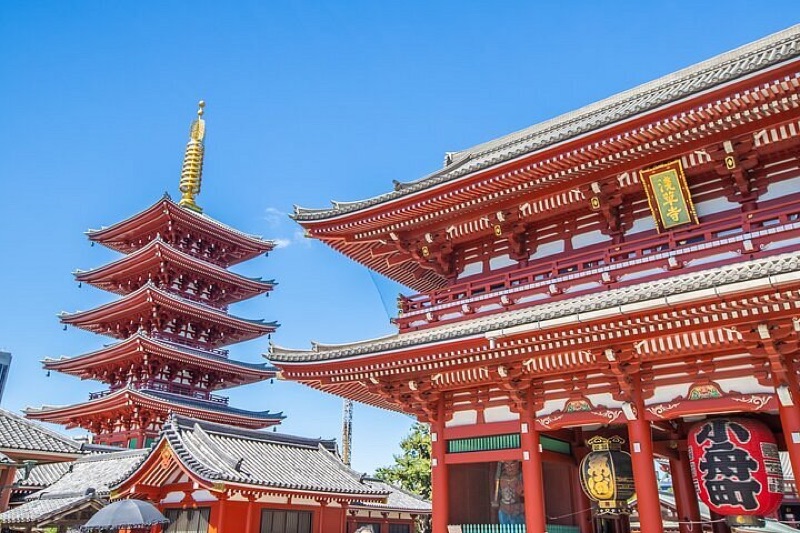
After Shinjuku’s circuitry, spend a day on Tokyo’s older, gentler side: temple smoke in Asakusa, museum-park energy in Ueno, then the backstreets of Yanaka if you still want more human-scale city texture.
Senso-ji and Nakamise early
Asakusa gets crowded fast, but it is lovely if you arrive before the slow tide of day-trippers builds.
Ueno Park and museums or Yanaka wander
Pick one mode: art/history in Ueno, or neighborhood wandering in Yanaka. Do not try to fully do both.
Ghibli Museum Day
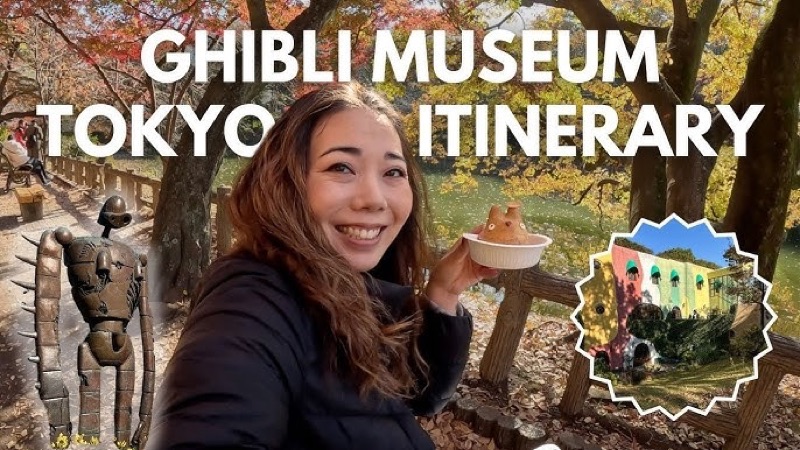
This is another anchor day. Keep the schedule built around the museum rather than around “fitting the museum in.” Mitaka and Kichijoji make it easy to turn that into a full, charming west-Tokyo day.
Ghibli Museum timed entry
Buy tickets the moment they open: 10:00 AM JST on the 10th of the previous month via Lawson for overseas visitors. Once you are in, let the museum be playful and unhurried rather than trying to “finish” it.
Inokashira Park and Kichijoji backstreets
Once the museum is done, keep the rest of the day soft: wander the park, browse shops, maybe hit Harmonica Yokocho later for drinks.
Tokyo Contrast Day — Shrine Quiet to Shibuya Surge

Few Tokyo days show the city’s range better than this one: forested shrine paths in the morning, fashion and people-watching by midday, then Shibuya at full power later on.
Meiji Jingu and Yoyogi edge
Start in the trees before diving back into the city. Meiji Jingu is not a “hidden gem,” but it still has real calm if you arrive early enough.
Harajuku lanes, Omotesando, then Shibuya
Let this be a walking day: Cat Street, side streets, architecture, people-watching, and then the main Shibuya hit once daylight starts fading.
Tokyo Day Trip — Kamakura’s Coastal Temples
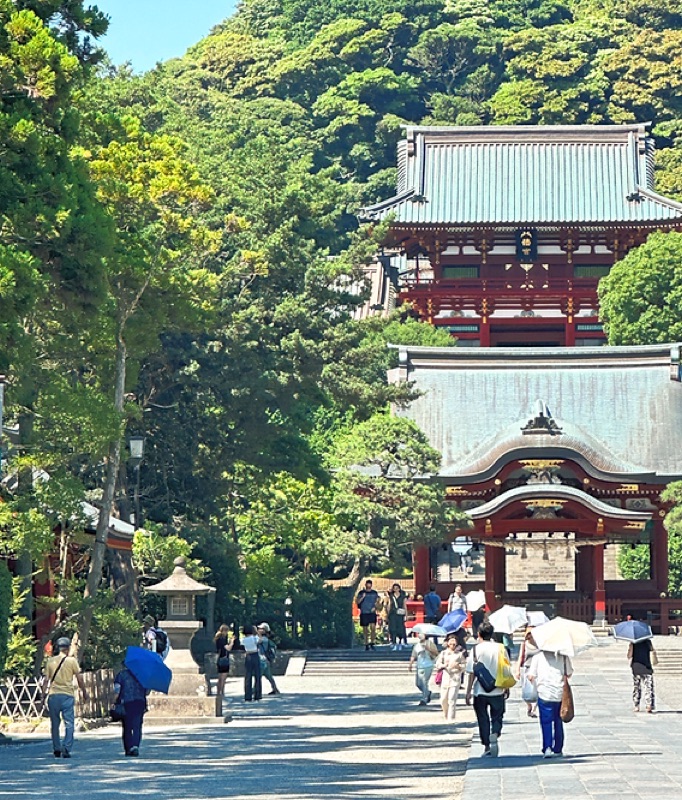
By this point, a Tokyo-only run can feel dense. Kamakura is a perfect pressure-release valve: temples, sea air, old streets, and a completely different emotional tempo less than two hours away.
Train to Kamakura
Leave early and decide whether the day is about the Great Buddha + Hase, or a broader temple-and-coast loop. Simpler is better.
Great Buddha and Hase-dera
These two give you the strongest start for a first Kamakura day, especially if you want the day to stay scenic and manageable.
Komachi-dori or optional Enoshima extension
If you want a lighter day, stay around Kamakura town. If you want more sea and motion, continue toward Enoshima before returning.
Tokyo Core — Station Grandeur, Ginza Polish, Good Food
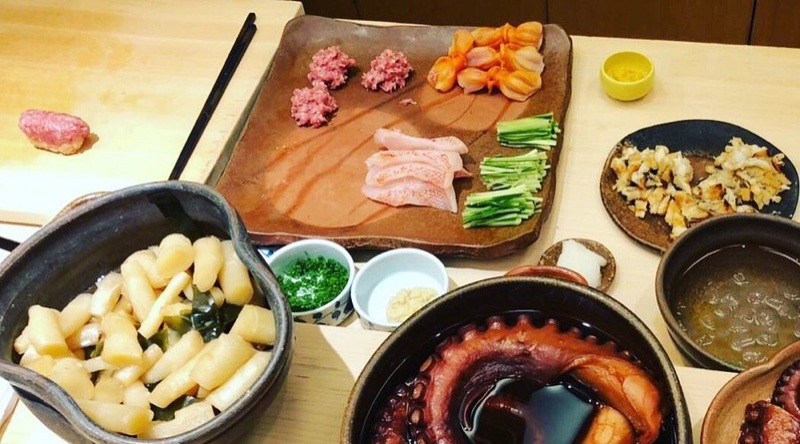
After several high-energy districts, spend a day in Tokyo’s polished center: beautiful station architecture, department-store food floors, smart shops, and excellent, low-drama meals.
Tokyo Station and Marunouchi
The red-brick station facade, broad avenues, and polished office-city calm make Marunouchi one of Tokyo’s nicest walking districts.
Ginza walk and flagship-store drift
Ginza is best treated as a walking district with snack breaks, not necessarily as a shopping mission.
Tokyo Food + Weird Tokyo Combo Day
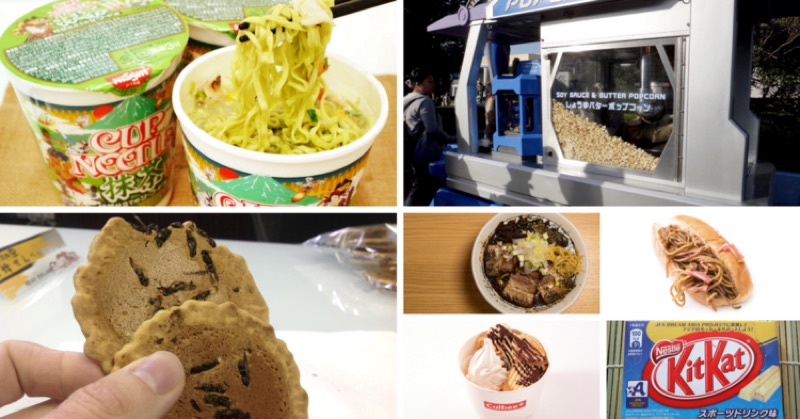
You asked for foodie energy too, so today deliberately pairs a strong eating-first start with a very Tokyo second half — whether that means Akihabara, Kanda, or a more niche personal interest loop.
Tsukiji outer market breakfast
Tsukiji still works if you go early and keep expectations realistic. The move is a focused breakfast, not a six-hour fish-obsession marathon.
Akihabara or Kanda pivot
If you want electric, maximal Tokyo weirdness, do Akihabara. If you want a more grown-up afternoon of bookstores, cafés, and curry, pivot toward Kanda/Jimbocho instead.
Last Full Day — Keep It Stylish, Keep It Loose

The best final full day in Tokyo is rarely a desperate victory lap. It is usually a neighborhood day: coffee, design stores, one excellent meal, one good view, and time to buy the things you actually want to bring home.
Daikanyama and Nakameguro stroll
These neighborhoods are ideal for a last-day Tokyo mood: calmer, design-forward, walkable, and full of spots worth ducking into without a plan.
Last shopping and one final skyline / bar choice
Use the afternoon for any final shopping gaps, then choose one proper sendoff: Tokyo Metropolitan Government Building (free), Shibuya Sky (book ahead), or one favorite bar/izakaya revisit.
Departure Day — Clean Exit, No Last-Minute Chaos

The goal today is simple: a calm breakfast, time buffer for the airport, and zero accidental drama on the final transit. Japan rewards punctuality; your last day should too.
Easy breakfast near the hotel
Do not turn this into a sightseeing day. Have one last good coffee, one last konbini stop if you want it, and pack carefully.
Train or airport bus to your Tokyo departure airport
Leave earlier than feels necessary. Tokyo airport runs are usually smooth, but this is not the place to chase one more bowl of ramen.
💰 Budget Breakdown
| Category | Budget | Midrange | Luxury |
|---|---|---|---|
| Accommodation (solo) | $55–95/night | $95–170/night | $250+/night |
| Ryokan splurge (2 nights) | $180–260/night | $260–420/night | $450+/night |
| Food per day | $25–45 | $45–85 | $120+ |
| Long-distance transport total | $220–380 | $380–550 | $550+ |
| Activities total | $120–220 | $220–420 | $420+ |
| 21-day trip total | $2,300–4,100 | $4,100–6,500 | $8,000+ |
Where to stay by stop
- Osaka: Namba or Shinsaibashi for walkability, food, and easy airport access.
- Kyoto: Gion, Higashiyama edge, or Karasuma for a good mix of atmosphere and convenience.
- Fujikawaguchiko: prioritize lake-facing ryokans on the north / northeast side if the budget allows.
- Tokyo: Shinjuku is easiest for first-time navigation; Kichijoji or Ueno are great alternatives if you want a softer feel.
Food philosophy for this trip
- Do not overbook “famous” restaurants — Japan is strongest when you leave room for good counters, backstreets, and accidental finds.
- Osaka is for grazing and casual excess; Kyoto is for measured, quieter meals; Tokyo can handle every mood from depachika snacking to tiny bar alleys.
- If a line looks insane, skip it. The floor in Japan is very high.
Weather & clothing
- Late October into early November is one of the best periods for this route: cooler air, lower humidity, and the first meaningful autumn color.
- Bring layers. Kyoto mornings, Kawaguchiko bike rides, and Tokyo evenings can all feel different on the same trip.
- One light waterproof layer is worth carrying the whole trip.
Connectivity & payments
- An eSIM is the easiest move for maps and transit. Japan is easy to navigate if your phone stays alive.
- Cards are widely accepted now, but small shops and some older restaurants still prefer cash. Keep yen on hand.
- A rechargeable IC card makes local transit much smoother in every city on this itinerary.