⚡ Before You Go — Essentials
☔ June in Tokyo
June marks the start of rainy season (tsuyu) in Tokyo. Expect warm temps (24–30°C) with frequent short showers. Pack a compact umbrella or buy a transparent konbini umbrella for ¥500. The upside: lush greenery, gorgeous hydrangeas, and thinner crowds at popular sites.
🚇 Getting Around
Buy an IC card (Suica or Pasmo) at the airport and top it up with cash. It works on all trains, buses, and even at convenience stores. The Tokyo Metro Day Pass (¥600) is great value on metro-heavy days. Google Maps works perfectly for transit navigation.
💴 Budget Tips
Eat at convenience stores (7-Eleven, FamilyMart, Lawson) for incredible cheap meals — onigiri, sandwiches, hot foods. Ramen shops typically run ¥800–1,200 per bowl. Many temples and shrines are free to enter; reserve teamLab and popular attractions online in advance to avoid surcharges.
👨👩👧👦 Family Tips
Kids love Tokyo! Akihabara arcades welcome all ages. Most attractions have English signage. Convenience stores stock kid snacks, sunscreen, and medicine. Bring cash — many smaller ramen and sushi shops are cash only. IC cards make train travel easy for the whole group.
Arrival & Shinjuku — Welcome to the World's Busiest City

Land in Tokyo and dive straight into the electric energy of Shinjuku. Check in, recover from the flight, and explore the dazzling streets of one of Tokyo's most iconic neighborhoods. Tonight, eat yakitori in the famous Omoide Yokocho 'Memory Lane' alley.
Check In & Shinjuku Gyoen National Garden
After settling into your hotel, decompress with a stroll through Shinjuku Gyoen — one of Tokyo's most beautiful parks. The 58-hectare garden blends Japanese, French, and English landscape styles. In June it's lush and green with a serene atmosphere.
Kabukicho Lights & Omoide Yokocho
As night falls, walk through Kabukicho — Tokyo's neon-drenched entertainment district — to see the lights come alive. Then duck into Omoide Yokocho ('Memory Lane'), a narrow alleyway packed with tiny yakitori stalls that have barely changed since the 1940s. Smoke, skewers, and cold Sapporo.
Old Tokyo — Senso-ji, Nakamise & Ueno's Museums
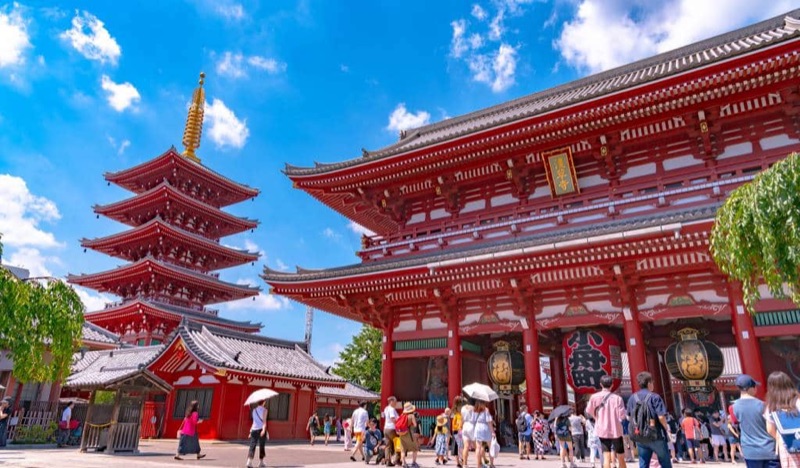
Step into Tokyo's ancient soul. Asakusa is the best-preserved neighborhood from old Edo-era Tokyo, home to the magnificent Senso-ji temple and the Nakamise shopping street lined with snacks and souvenirs. Afternoon takes you to Ueno Park — home to the zoo, several world-class museums, and a beloved pond.
Senso-ji Temple & Nakamise Dori
Tokyo's most visited temple was founded in 645 AD. Approach through the iconic Kaminarimon (Thunder Gate) with its giant red lantern, walk Nakamise Dori shopping street, then enter the main hall. The incense smoke drifting over the courtyard is unforgettable.
Asakusa Riverside & Sumida Park
Stroll along the Sumida River from Asakusa and admire the quirky Asahi Beer Hall (the golden 'flame' building) and the Tokyo Skytree rising above the skyline. Sumida Park has beautiful hydrangeas in June.
Ueno Park & Zoo
Walk or take the metro to Ueno Park. Japan's oldest zoo is inside the park — a big hit with kids — with giant pandas, giraffes, and more. The park itself is gorgeous in June with lily-covered Shinobazu Pond.
Kappabashi Kitchen Street
Take a short walk from Asakusa to Kappabashi-dori, Tokyo's 'Kitchen Town' — a street lined with shops selling professional kitchen equipment, food models, and cooking supplies. Pick up a set of chopsticks or a Japanese knife as a souvenir.
Akihabara — The Electric Town (Full Day!)
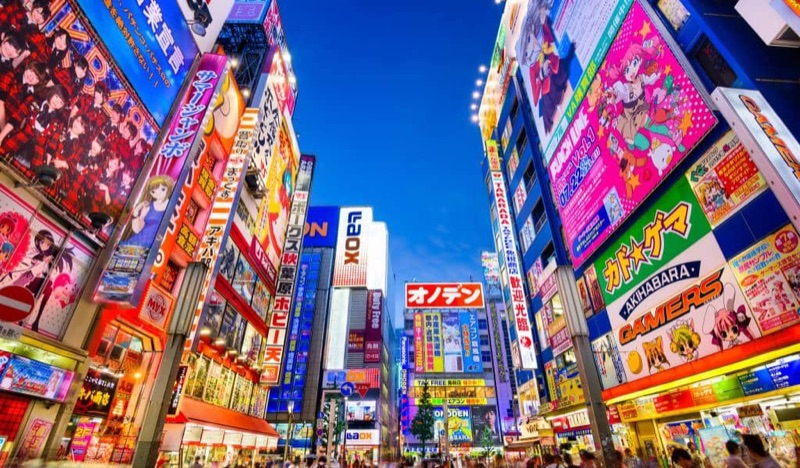
Today is dedicated to Akihabara — Tokyo's legendary otaku paradise. An entire neighborhood devoted to anime, manga, video games, electronics, arcades, and maid cafés. Whether your group is a lifelong anime fan or just curious, Akihabara is one of the most uniquely Tokyo experiences on the planet.
Yodobashi Camera & Electronics Heaven
Start with the massive Yodobashi Camera Akiba — 9 floors of electronics, cameras, gaming peripherals, and gadgets. Even if you're not buying, the scale is breathtaking. Then wander the side streets for smaller independent electronics and component shops.
Anime & Manga Shops
Dive into the world of anime merchandise at stores like Animate Akihabara (8 floors), Kotobukiya (figures and models), and dozens of independent shops. Limited-edition figures, manga volumes, posters, and character goods fill every shelf.
Super Potato & Retro Gaming
Super Potato is a pilgrimage for any gamer — 3 floors of retro games, consoles, and memorabilia from NES to PlayStation era. Even non-gamers will recognize classics. The working arcade machines on the top floor are playable.
Multi-Story Arcade (Club SEGA / Taito Station)
Tokyo arcades are a different level entirely. Multiple floors of crane games (UFO catchers), rhythm games (taiko drums, Dance Dance Revolution), fighting games, and prize machines. Budget ¥1,000–2,000 per person for arcade fun — kids will go wild.
Maid Café Experience (Optional)
Maid cafés are a uniquely Akihabara institution — young women dressed as maids serve themed food and play games with customers in an over-the-top kawaii environment. It's completely family-friendly and a fascinating cultural experience, though touristy.
Akihabara at Night — Neon & Streets
At night, Akihabara transforms — the neon signs on every building, the anime song music drifting from shops, the cosplayers on the streets. Walk Chuo-dori from the main station south and soak in the atmosphere.
Harajuku & Shibuya — Fashion, Shrines & the Famous Scramble
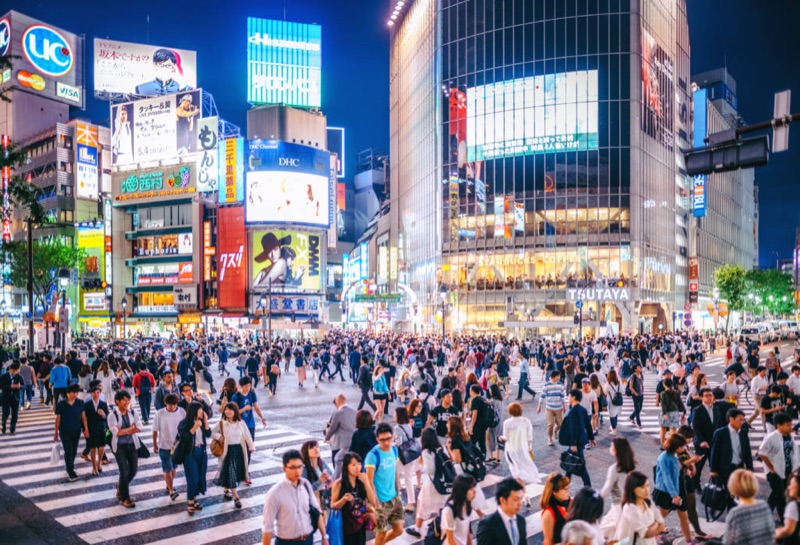
Two of Tokyo's most vibrant neighborhoods side by side. Start with the forested tranquility of Meiji Jingu shrine, then plunge into the colorful chaos of Takeshita Street, walk the chic boulevard of Omotesando, and finish at the world's busiest intersection — Shibuya Crossing.
Meiji Jingu Shrine
Enter through towering torii gates into 70 hectares of forested shrine grounds — a remarkable forest in the middle of Tokyo. Dedicated to Emperor Meiji, the main shrine building is stunning. In June, the iris garden inside is in magnificent bloom (¥500 extra but worth it).
Takeshita Street — Harajuku Pop Culture
Dive into Takeshita-dori, Harajuku's most famous pedestrian street — 350 meters of colorful fashion boutiques, crepe stands, and quirky shops. It's chaotic, vibrant, and uniquely Tokyo. Try a rainbow cotton candy or fluffy crepe.
Omotesando & Cat Street
Walk from Harajuku along Omotesando — Tokyo's most stylish tree-lined boulevard, sometimes called the Champs-Élysées of Tokyo. The Omotesando Hills mall has beautiful architecture. Then cut down to Cat Street for independent boutiques and vintage shops.
Shibuya Crossing & Scramble Square
The most famous intersection in the world — every time the lights change, up to 3,000 people cross from all directions at once. Stand in the middle for the experience, then head to Shibuya Scramble Square's observation deck 'Shibuya Sky' (46th floor) for panoramic Tokyo views.
Odaiba — The Unicorn Gundam, teamLab & Waterfront Fun
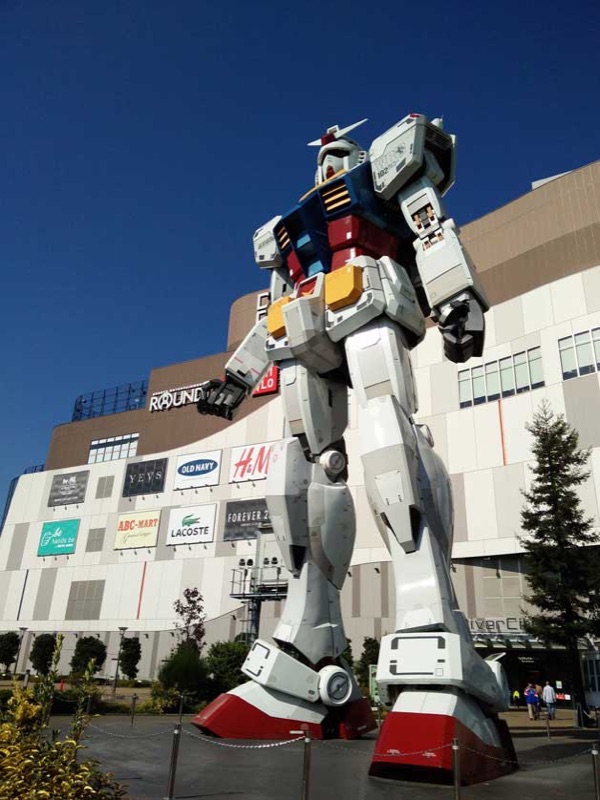
Today is all about Tokyo's futuristic waterfront island. The highlight for many visitors: a face-to-face encounter with the jaw-dropping 1:1 scale RX-0 Unicorn Gundam statue outside DiverCity Tokyo Plaza. Then lose all sense of time in teamLab's otherworldly immersive digital art. End the day with ramen and waterfront views of the Rainbow Bridge.
🤖 The Unicorn Gundam at DiverCity Tokyo Plaza
Standing 19.7 meters tall, the life-size RX-0 Unicorn Gundam is one of the most spectacular sights in Tokyo. The statue transforms between Unicorn Mode and Destroy Mode with light shows at scheduled times. Get here early for photos without the crowds.
teamLab Planets Tokyo (Toyosu)
A 10,000-square-meter immersive digital art world — you walk barefoot through rooms filled with infinity mirrors, blooming digital flowers, koi fish that react to your movement, and light sculptures. One of the most photogenic experiences in the world. Book tickets in advance — it sells out.
Odaiba Waterfront & Rainbow Bridge
Walk along the Odaiba waterfront as the sun sets and Rainbow Bridge lights up. The view of the Tokyo skyline across the bay, with the illuminated bridge and a small-scale Statue of Liberty replica, is a memorable Tokyo moment.
Kamakura Day Trip — Great Buddha, Temples & Beach Ramen
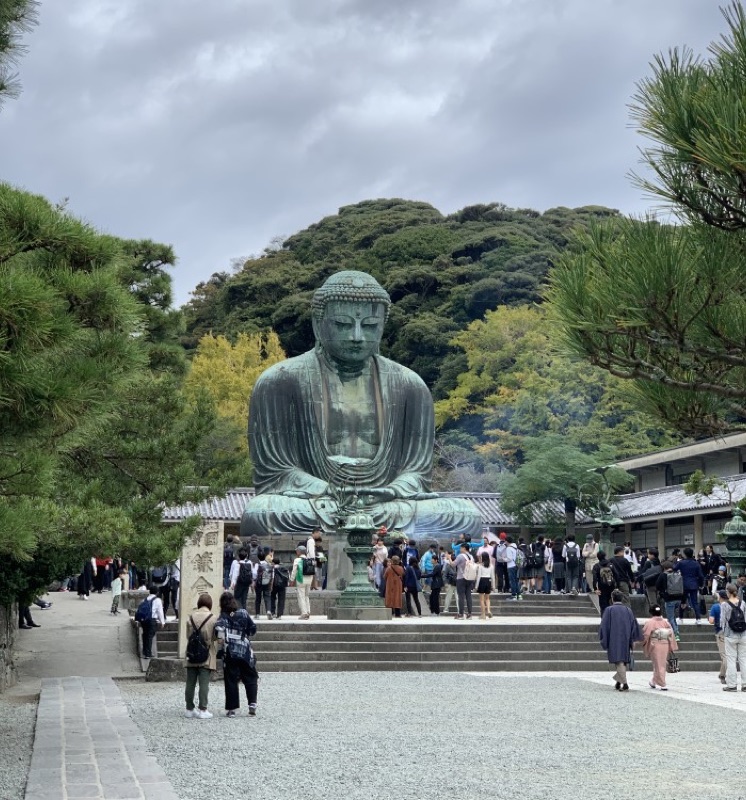
Escape Tokyo for a day to Kamakura — a coastal city 50km south, filled with ancient temples, the iconic Great Buddha, bamboo groves, and a beachside vibe. This was Japan's medieval capital from 1185–1333. A perfect mix of adventure, culture, and fresh sea air.
Travel to Kamakura & Kotoku-in (Great Buddha)
Take the JR Yokosuka Line from Tokyo to Kamakura (about 55 minutes, ¥940 each way). Head straight to Kotoku-in to see the Great Buddha — a 13.35-meter bronze Amida Buddha that has sat outdoors since 1252. You can enter the hollow statue for ¥20 extra.
Hasedera Temple
A short walk from the Great Buddha, Hasedera is one of Kamakura's most beautiful temples — a hillside complex with a massive wooden Kannon statue (9.18m tall), a cave tunnel with thousands of small stone figures, and stunning ocean views from the upper terrace.
Komachi-dori Street & Tsurugaoka Hachimangu
Walk the charming Komachi-dori shopping street — 400 meters of food stalls, souvenirs, and artisan shops. Then visit Tsurugaoka Hachimangu, Kamakura's main Shinto shrine at the top of a long, tree-lined approach.
Bamboo Grove at Hokokuji (optional)
A 10-minute taxi from the main station, Hokokuji Temple has a serene bamboo grove behind the main hall. Sit with a cup of matcha served in the grove. Less famous than Kyoto's Arashiyama but equally beautiful — and far less crowded.
Enoshima Island (Optional Extension)
If energy allows, take the short Enoshima Electric Railway to the small island of Enoshima — walkable caves, a lighthouse observation tower, and fresh seafood. The sea candle lighthouse view at dusk is beautiful.
Old Money Tokyo — Tsukiji Breakfast, Imperial Palace & Ginza
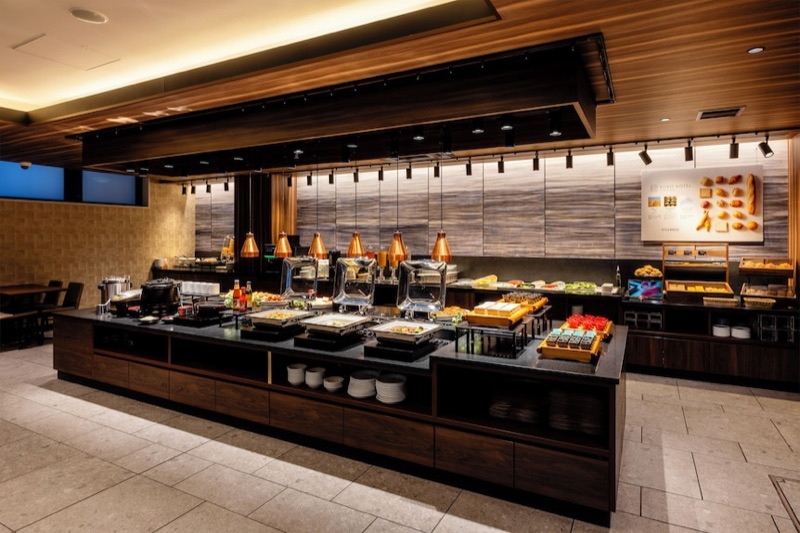
Explore the elegant heart of central Tokyo. Start with breakfast at Tsukiji Outer Market — Japan's most famous fish market — then walk to the Imperial Palace East Garden for greenery and history. Afternoon takes you to Ginza's upscale shopping and the beautiful Hama-rikyu Gardens on the waterfront.
Tsukiji Outer Market Breakfast
The famous Tsukiji inner market moved to Toyosu, but the Outer Market still buzzes every morning with vendors selling fresh sushi, tamagoyaki (rolled egg), grilled scallops, and seafood snacks. This is one of Tokyo's greatest morning experiences.
Imperial Palace East Garden
Walk to the Imperial Palace East Garden — free public gardens built on the former Edo Castle grounds. In June the iris garden is spectacular, and the ancient castle walls and moats give a sense of Tokyo's Edo-era grandeur. The famous double bridge (Nijubashi) view is nearby.
Ginza Shopping & Ginza Six
Tokyo's most prestigious shopping district — the Japanese equivalent of Fifth Avenue. Even window-shopping here is an experience. Ginza Six is the landmark department store with beautiful architecture; the rooftop garden has a noh theater stage and city views.
Hama-rikyu Gardens & River Cruise
One of Tokyo's most beautiful gardens — a traditional Japanese landscape garden right on Tokyo Bay, surrounded by skyscrapers. The contrast of ancient pine trees and teahouse against the modern skyline is stunning. A river cruise from here up the Sumida River to Asakusa (¥1,010) is a memorable way to end the day.
Final Day — Ikebukuro Fun & Farewell Tokyo
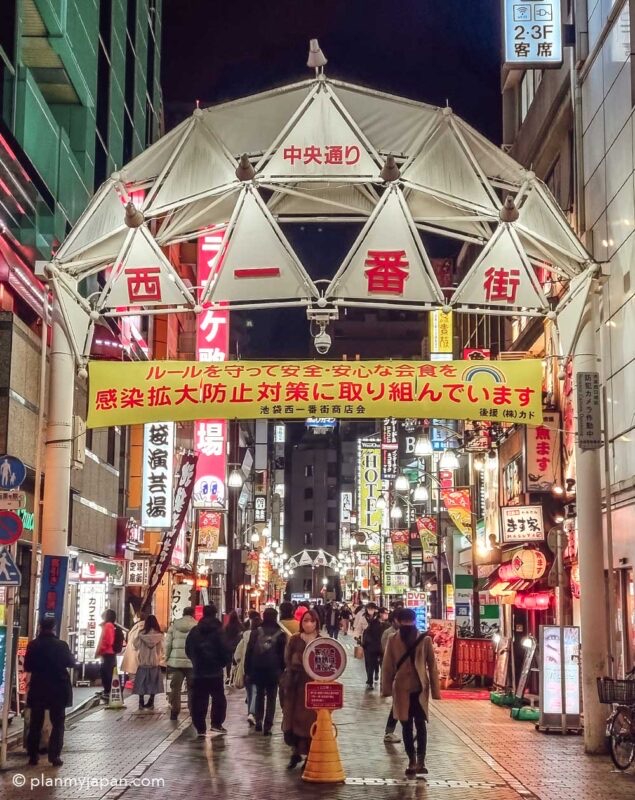
Spend your last full day in Ikebukuro — often overlooked but full of great food, anime culture, and the massive Sunshine City complex. Evening takes you back to Shinjuku for a farewell with Tokyo's best ramen and a walk through Golden Gai, the legendary tiny bar district.
Sunshine City Aquarium & Ikebukuro
Sunshine City is a massive entertainment complex in Ikebukuro that the whole family will enjoy. The Sunshine Aquarium on the rooftop has an amazing 'sky penguins' exhibit where African penguins walk a glass bridge above you, plus jellyfish, otters, and an outdoor area.
Tokyo Skytree (Optional)
If you haven't been up high yet, Tokyo Skytree — the world's tallest communications tower at 634 meters — offers the most spectacular views of Tokyo. The Tembo Deck at 350m is great; the Tembo Galleria glass-floored walkway at 450m is thrilling.
Last-Minute Shopping & Souvenirs
Tokyo's best souvenir shopping: Don Quijote (Donki) in Shinjuku or Ikebukuro for snacks, cosmetics, and quirky Japanese goods at great prices. Pick up Kit Kat flavors (matcha, sake, wasabi), instant ramen sets, face masks, and unique stationery.
Shinjuku Golden Gai — Farewell Drinks
End your Tokyo trip in Golden Gai — a tiny warren of 200 micro-bars, each fitting about 5–8 people, that survived the post-war period and the real estate boom. Each bar has its own theme, regulars, and atmosphere. Wander in and join a conversation. This is the real Tokyo.
💰 Budget Breakdown
| Category | Budget | Midrange | Luxury |
|---|---|---|---|
| Accommodation (per night) | ¥8,000–15,000 ($55–100) | ¥15,000–30,000 ($100–200) | ¥30,000+ ($200+) |
| Meals (per person/day) | ¥2,000–3,500 ($13–23) | ¥3,500–7,000 ($23–47) | ¥7,000–20,000 ($47–135) |
| Transport (IC card/day) | ¥500–1,000 ($3–7) | ¥1,000–2,000 ($7–13) | ¥3,000+ ($20+, taxis) |
| Major Attractions | ¥1,500–3,000/day | ¥3,000–6,000/day | ¥6,000+/day |
| teamLab Planets | ¥3,200/adult, ¥2,000/child | — | — |
| Kamakura Day Trip | ¥2,500–4,000/person incl. transit | — | — |
| 8-Day Total (family of 3) | $1,200–1,800 | $1,800–3,500 | $4,000+ |
✈️ Getting There
- Tokyo has two airports: Narita (NRT) 60km east, Haneda (HND) 20km south
- Narita: Narita Express (N'EX) to Shinjuku ~90 mins, ¥3,070. Limousine Bus also available.
- Haneda: Tokyo Monorail to Hamamatsucho ~25 mins, ¥500. Keikyu Line to Shinjuku ~40 mins.
- Buy an IC card (Suica/Pasmo) at the airport before leaving — essential for all transit
🏨 Where to Stay
- Shinjuku: Most central for transport, great nightlife and dining
- Asakusa: Charming old-Tokyo neighborhood, great for families
- Shibuya: Fashion-forward, great location for Harajuku/Shibuya days
- Budget capsule hotels (¥3,000–5,000/night) great for adventurous families — pod rooms are fun for kids
- Business hotels like Toyoko Inn or APA Hotel: clean, affordable, well-located (¥8,000–15,000/night)
🌡️ June Weather
- Average temps: 22–28°C (72–82°F)
- Rainy season (tsuyu): frequent short showers, pack a compact umbrella
- High humidity — breathable fabrics recommended
- Upside: lush greenery, hydrangeas blooming, thinner crowds than spring cherry blossom season
💴 Money & Payments
- Japan is still largely cash-based — carry ¥10,000–30,000 (≈$70–200) in cash at all times
- 7-Eleven and Japan Post ATMs reliably accept foreign cards for cash withdrawal
- IC cards (Suica/Pasmo) accept credit card top-up and work at convenience stores
- Large chain restaurants, hotels, and department stores accept Visa/Mastercard
📱 Connectivity
- Buy a Japan SIM at the airport (IIJmio, OCN Mobile: ¥2,000–4,000 for 8 days)
- Pocket WiFi rental works well for groups sharing a connection
- Free WiFi in most hotels, convenience stores, and major stations
- Google Translate app (camera mode) is invaluable for menus and signs