⚡ Before You Go — Essentials
🛬 Getting Around
Buy a Suica IC card at Narita/Haneda airport — it covers all subway lines, JR trains, and buses. Top it up at any convenience store machine. From Asakusa, you're on the Ginza Line (direct to Shibuya/Ginza) and Asakusa Line (connects widely). Bike rentals are a great option for Yanaka and Ueno on nice days.
💵 Money
Japanese Yen (¥). Japan has modernized payment options, but many small shops, temples, and restaurants are still cash-preferred. Withdraw yen at 7-Eleven or Japan Post ATMs (international cards accepted). Budget ¥8,000–12,000/day covers food + transport + a couple of paid attractions.
☀️ June in Tokyo
Early June is pre-rainy-season (tsuyu starts mid-June) — expect warm days (25–30°C / 77–86°F), some humidity, and occasional showers. Pack light layers, a small folding umbrella, and SPF. Covered shopping arcades, museums, and department stores are ideal rainy-day escapes — this itinerary flags indoor alternatives for every day.
🦐 Shellfish Allergy Notes
Japanese cuisine is generally very shellfish-friendly to navigate with an allergy. Safe staples: ramen (tonkotsu/shoyu/miso), yakitori, tonkatsu, tempura (order yasai/vegetable), soba/udon, gyoza, onigiri, most izakaya small plates. Show this card at restaurants: アレルギーがあります。エビ、カニ、ホタテ、カキ、ハマグリは食べられません。(I have allergies — I cannot eat shrimp, crab, scallops, oysters, or clams.)
🗣️ Language
Japanese. English signage is good at major stations and tourist areas. Google Translate's camera mode is essential for menus. Learn: sumimasen (excuse me), arigato gozaimasu (thank you very much), ikura desu ka (how much is it?), kore wo kudasai (I'll have this one — point at menu).
🔒 Safety
Tokyo is one of the safest cities in the world for solo travelers, especially solo women. Trains run until ~midnight. Convenience stores (konbini) — 7-Eleven, Lawson, FamilyMart — are 24/7 lifelines. Tap water is clean and safe to drink.
Asakusa: Temples, Craft Shops & Sumida River
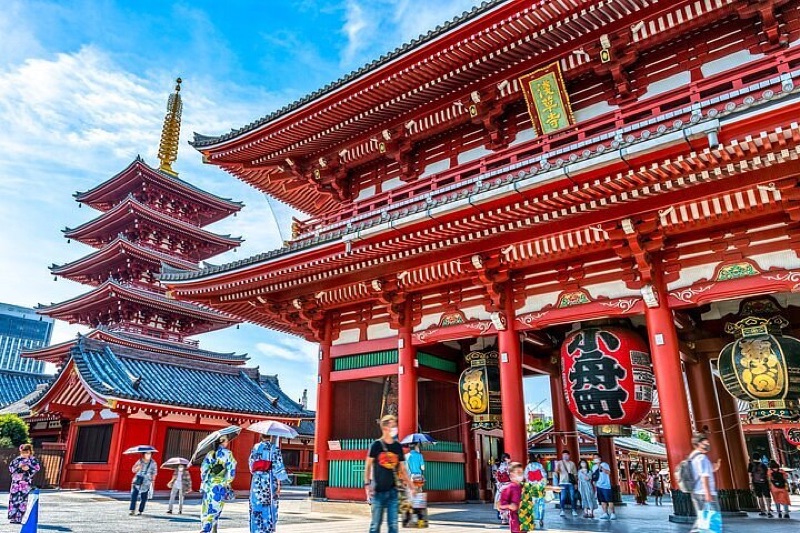
Get your bearings in your Asakusa base. Explore the iconic temple, the backstreets of old Tokyo, and the atmospheric riverside — all within walking distance.
Senso-ji Temple at Sunrise
Tokyo's oldest and most atmospheric temple is a 5-minute walk from most Asakusa hotels. Arrive early (6–8am) before tour groups arrive. The Kaminarimon (Thunder Gate), Nakamise-dori shopping street, and the five-story pagoda are all stunning in the morning light. The temple grounds are open 24 hours.
Nakamise-dori & Traditional Craft Shopping
Browse the 90-odd shops lining the approach to Senso-ji. Beyond the tourist snacks, look for genuine traditional crafts: wooden combs, folding fans, tenugui (hand-dyed cotton towels), and lacquerware. Walk the narrower side streets (Shin-Nakamise, Denboin-dori) for more authentic shopping.
Asakusa Culture Tourist Information Center (Rooftop View)
A free observation deck on the 8th floor of the striking Kengo Kuma-designed tourist center across from Kaminarimon. Best view of Senso-ji's Thunder Gate and the pagoda without paying a yen. Also grab maps and event listings for your stay.
Sumida River Walk & Sumida Park
Stroll along the Sumida River with Tokyo Skytree towering overhead. Sumida Park follows the riverside and has beautiful seasonal greenery in June. Cross over to the Skytree side to browse the shopping complex (SkyTree Town) and peer up at the tower.
Hoppy Street (Hoppy-dori) Afternoon Browse
A lively pedestrian alley in Asakusa lined with old-school outdoor izakayas. In the afternoon it's relatively quiet — great for photos and early drinks. By evening it fills with locals.
Asakusa Backstreet Izakaya Evening
The Rokku Broadway and surrounding streets around Asakusa transform at dusk into a classic old-Tokyo evening scene. Pop into one of the casual standing bars or sit-down izakayas for yakitori and beer.
Ueno: World-Class Museums, Market Mayhem & Ameyoko
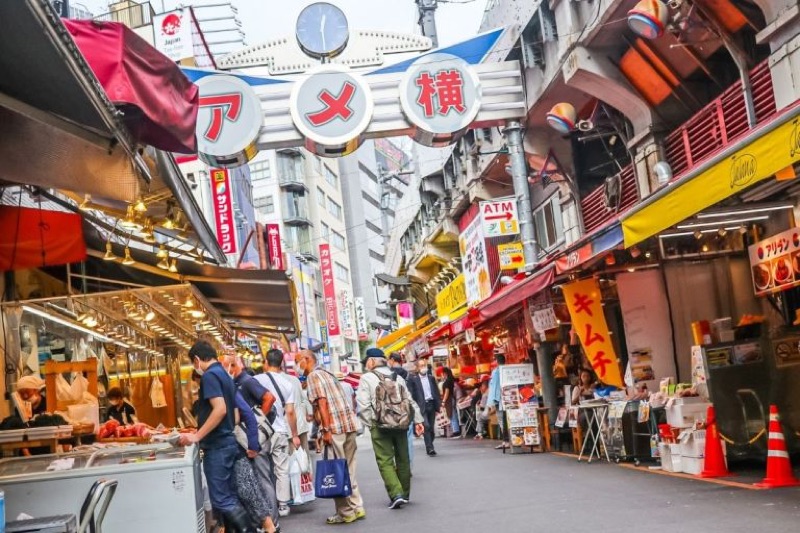
Ueno Park is Tokyo's cultural epicenter — home to Japan's finest museums and the chaotic, wonderful Ameyoko market. A perfect day for rain or shine.
Tokyo National Museum
The world's largest collection of Japanese art and artifacts — over 110,000 objects spanning samurai armor, ukiyo-e woodblock prints, ancient ceramics, Buddhist sculpture, and traditional textiles. Could easily spend half a day here. The Honkan (Japanese Gallery) is the main building; the Toyokan covers Asian art.
National Museum of Western Art
An extraordinary collection of Impressionist and Post-Impressionist masterpieces — Monet, Renoir, Rodin sculptures in the courtyard. Designed by Le Corbusier, the building itself is a UNESCO World Heritage site. Easily combined with the Tokyo National Museum on the same day.
Shitamachi Museum
A small, atmospheric museum dedicated to the daily life of old Shitamachi (low city) Tokyo — the merchant and artisan neighborhoods like Asakusa and Ueno. Reconstructed Meiji-era shops, candy stores, and residences you can walk through. Charming and undervisited.
Ameyoko Street Market
The legendary open-air market street stretching under the JR tracks between Ueno and Okachimachi stations. Hundreds of stalls selling cheap cosmetics, snacks, dried goods, clothing, and street food. In the evening it gets lively with izakayas spilling out onto the street.
Old Tokyo Walks, Stationery Heaven & Kuramae
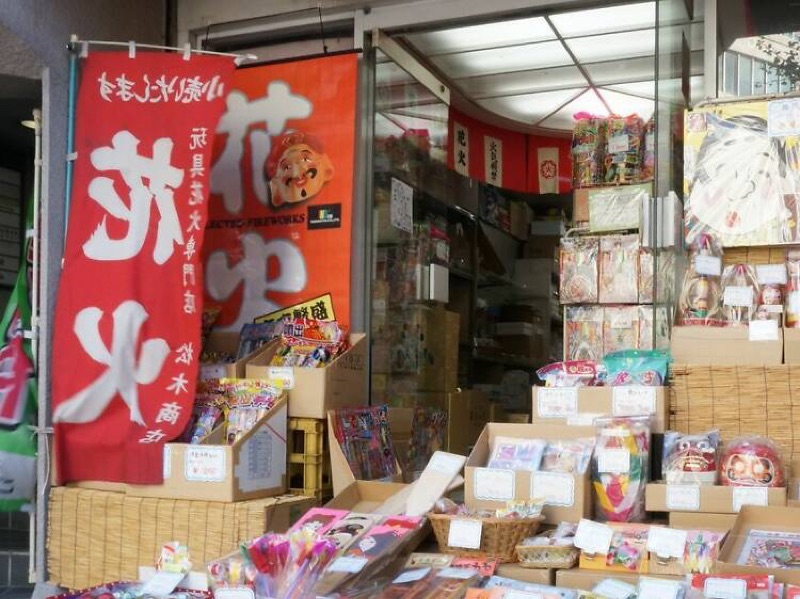
Spend the morning in Yanaka — Tokyo's most charming pre-war neighborhood — then dedicate the afternoon to the stationery and craft district of Kuramae, ending with ramen in Akihabara.
Yanaka Old Town Walk
Take the train to Nippori (10 min from Asakusa) and walk south through Yanaka — a neighborhood that survived WWII bombing and still feels like prewar Tokyo. Stroll down Yanaka Ginza shopping street, discover tiny temples and shrines hidden in every alley, visit traditional sweet shops, and look out for the neighborhood's famous free-roaming cats.
Nezu Shrine
A beautiful and relatively uncrowded Shinto shrine nearby in the Nezu neighborhood. Famous for its tunnel of torii gates (smaller-scale but peaceful compared to Fushimi Inari). The azalea garden is lush in early June.
✏️ Kakimori — Custom Stationery & Notebooks
The crown jewel of Tokyo's stationery scene. Kakimori lets you build a completely custom notebook — choose your cover, paper type, binding color, and clasp. They also sell gorgeous fountain pens, inks, and paper goods. Their Asakusa location is a short walk from the station; the Kuramae flagship (inkstand by kakimori) focuses on custom inks.
✏️ Kuramae District Stationery & Design Shops
Kuramae has transformed from a wholesale district into Tokyo's coolest design-and-craft neighborhood. Within a 10-minute walk of Kakimori you'll find: Tokyobike (vintage bikes), SyuRo (tin goods), 2&9 (tableware), and multiple other independent design shops.
Akihabara Electric Town Browse
A 10-minute train ride from Kuramae. Akihabara's neon-lit streets are worth an evening wander even if electronics aren't your thing — the energy is electric. Check out the multi-floor anime goods shops (Kotobukiya, Yodobashi Camera's anime floor) and the covered Akihabara shopping street.
Skincare Haul, Sanrio & Character Goods Day

A dedicated shopping day — hitting the best skincare destinations, Kiddy Land for Sanrio and Miffy, and the legendary Tokyu Hands and Loft for everything else.
🎀 Kiddy Land Harajuku — Sanrio, Miffy & More
Six floors of pure kawaii paradise on Omotesando-dori. Kiddy Land stocks the deepest selection of Sanrio (Hello Kitty, Cinnamoroll, My Melody, Pompompurin, Kuromi), Miffy (Dick Bruna), Pokémon, Snoopy, and more. It's overwhelming in the best possible way. Allow at least an hour.
🎀 Harajuku Character Street Alternatives
After Kiddy Land, walk to nearby Tokyu Plaza Harajuku and Laforet Harajuku for additional character goods floors. Or take the train to Tokyo Station's Character Street (1st basement) for an even bigger selection including Studio Ghibli, One Piece, and regional character goods.
💄 @cosme Tokyo — Skincare Mecca
Japan's largest physical beauty store, curated from the famous @cosme ranking website. Four floors of Japanese skincare, makeup, and beauty products ranked by real consumer reviews. An extraordinary destination for skincare enthusiasts. Find cult favorites: Hada Labo, Melano CC, Curel, Senka, Kose, SK-II, and more.
💄 Matsumoto Kiyoshi + Don Quijote Skincare Haul
Hit both the beloved Japanese drugstore chain (Matsumoto Kiyoshi) and Don Quijote for the full skincare haul experience. Matsukiyo is great for premium Japanese brands; Don Quijote has bulk deals, Korean skincare, and character-branded beauty products.
✏️ Tokyu Hands Shibuya — Stationery & Lifestyle
A multi-floor department store celebrating craft, hobbies, and lifestyle goods. The stationery floor (typically floors 4–5) is a treasure trove of Japanese stationery brands: Midori, Traveler's Notebook, washi tape, stamps, and more. Also great for cute homeware and gift items.
Shinjuku Evening Exploration
Take the train to Shinjuku (20 min from Shibuya) for an evening in Tokyo's most electric neighborhood. Start with the neon lights of Kabukicho, then find a quiet Golden Gai bar for a solo drink — the most atmospheric bar district in Japan.
Ginza, Imperial Gardens & Departure Day
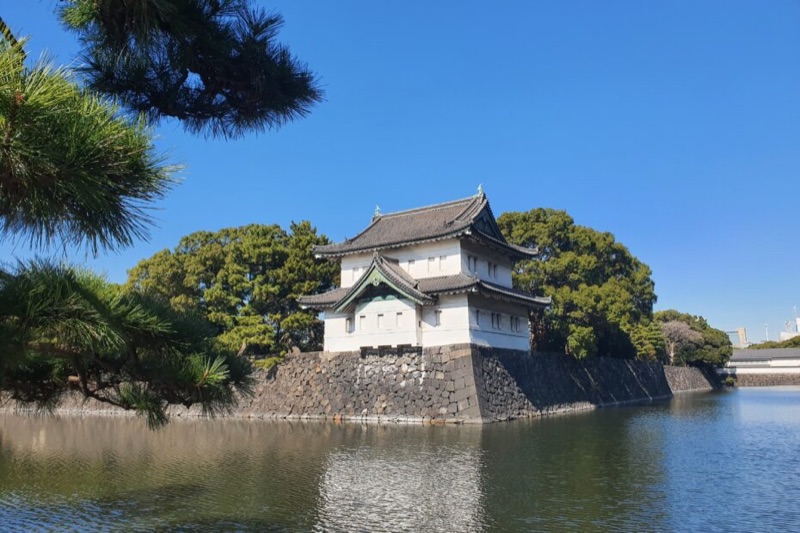
A perfect final morning — Itoya Ginza for the ultimate stationery pilgrimage, a peaceful walk through the Imperial Palace East Gardens, then a relaxed afternoon before evening departure (or an afternoon flight).
✏️ Itoya Ginza — The Stationery Institution
Itoya is Japan's most legendary stationery store — a beautifully curated 12-floor building in the heart of Ginza dedicated entirely to paper, pens, inks, notebooks, and art supplies. The basement has a working flower and herb garden. The top floor café serves incredible food. Every Japanese stationery brand is represented here, plus international imports.
Ginza Browse: Uniqlo and Department Stores
After Itoya, the world's largest Uniqlo (Ginza flagship, 12 floors) is steps away — perfect for picking up a linen shirt or light layer for the Tokyo summer heat. Ginza Six (the luxury mall) has a beautiful basement depachika for food souvenirs.
Imperial Palace East Gardens (Kōkyo Higashi Gyoen)
The free public gardens of the Imperial Palace grounds — a serene, large green space right in the center of Tokyo. Beautiful manicured Japanese gardens, remnants of Edo Castle, and views across the palace moat. A peaceful final afternoon for a solo traveler before heading home.
Final Omiyage at Nakamise-dori
If you haven't exhausted your shopping budget, return to Asakusa for a last pass through Nakamise-dori. Pick up Japanese sweets, tenugui, folding fans, chopsticks sets, and traditional snacks for gifts back home.
💰 Budget Breakdown
| Category | Low | Mid | High | Notes |
|---|---|---|---|---|
| Accommodation (4 nights in Asakusa) | $120 | $240 | $480 | Capsule/hostel to boutique hotel |
| Food & Drinks | $120 | $200 | $320 | Solo, mix of casual and sit-down |
| Transport (Suica IC card) | $25 | $35 | $50 | All trains + buses in Tokyo |
| Attractions & Activities | $30 | $60 | $100 | Museums, gardens, tea ceremony |
| Stationery Shopping | $50 | $150 | $400 | Custom notebooks, pens, supplies |
| Skincare Shopping | $50 | $150 | $400 | Drugstore to @cosme premium picks |
| Character Goods (Sanrio/Miffy) | $30 | $80 | $200 | Kiddy Land, Character Street, Tokyo Station |
| TOTAL (solo, 5 days) | $425 | $915 | $1,950 | Varies widely based on shopping |
🏨 Where to Stay in Asakusa
- Khaosan Tokyo Origami — stylish hostel, private rooms available, steps from Senso-ji, ~$50–70/night
- Nui. Hostel & Bar Lounge (Kuramae) — 10 min walk from Asakusa, excellent design, ~$60–90/night
- BnA Alter Museum (Nihonbashi, nearby) — art hotel collaboration, unique rooms, ~$80–130/night
- Asakusa View Hotel — classic hotel with Skytree views, great location, ~$120–180/night
- 💡 Booking early for June is recommended — it's a popular travel month
✈️ Getting from the Airport
- From Narita: Keisei Skyliner to Ueno (36 min, ¥2,520), then subway to Asakusa (5 min)
- From Haneda: Tokyo Monorail to Hamamatsucho (20 min), then JR to Akihabara + Asakusa Line (25 min total, ~¥700)
- 💡 Both airports have luggage forwarding (takkyubin) to your hotel — ¥1,500–2,500, frees you from dragging bags on trains
🦐 Dining with a Shellfish Allergy
- Always safe: ramen (tonkotsu/shoyu/miso base — no shellfish), yakitori, tonkatsu, soba/udon, gyoza, onigiri (avoid ebi/shrimp fillings), tempura (order yasai/vegetable only), kushikatsu (skewered cutlets)
- Caution: miso soup (safe), takoyaki (octopus — technically mollusc, not crustacean, but check your sensitivity), sushi (many shellfish options — order salmon, tuna, egg)
- ⚠️ Avoid: kaisen don (seafood rice bowl), oden shellfish items, conveyor sushi with shellfish toppings
- Show this at restaurants: エビ・カニ・ホタテ・カキのアレルギーがあります (I'm allergic to shrimp, crab, scallops, and oysters)
☀️ June Weather & Packing
- Early June: 22–28°C (72–82°F), humidity rising. Occasional showers before tsuyu (rainy season) fully sets in mid-June
- Pack: lightweight breathable tops, a packable umbrella, SPF 50 sunscreen (or buy Japanese drugstore SPF — it's excellent), and comfortable walking shoes
- Japanese convenience stores sell umbrellas for ¥500 — no need to pack a heavy one
- 💡 Indoor cooling is aggressive in Japan — bring a light cardigan for museums and department stores
📱 Connectivity
- Buy a Japan SIM or eSIM before arrival — IIJmio, Ubigi, or Airalo (~$8–15 for 5 days)
- Or rent a pocket Wi-Fi at the airport (¥500–900/day)
- Free Wi-Fi available at all 7-Eleven, Lawson, and FamilyMart convenience stores
- Google Maps works perfectly for Tokyo navigation — save offline maps before you land
🎌 Etiquette Basics
- No tipping — ever. It's considered rude or confusing in Japan
- Eat at the counter in small restaurants if offered — it's not isolating, it's the local way
- Be quiet on trains — no phone calls, hushed conversations
- Queue patiently — the Japanese are masters of orderly lines
- ♻️ Trash cans are rare in Tokyo — carry a small bag for your convenience store wrappers