🇯🇵 Your Custom Itinerary

28 Nights in Japan: From Tokyo Neon to Okinawa Beaches: A knife-wielding, onsen-soaking, ramen-slurping adventure through city, mountain, and island — for the couple that travels with their taste buds

Four weeks is barely enough for Japan, but it's enough to fall in love. This itinerary takes you from the electric streets of Tokyo to the snow-capped presence of Mount Fuji, through the thatched-roof villages of the Japanese Alps, into the food capital of Osaka (with a pilgrimage to the knife forge city of Sakai), down to the turquoise waters of Okinawa for a week of doing absolutely nothing, and finally into the spiritual calm of Koyasan and the hot-spring heaven of Kinosaki. You'll eat things you can't pronounce, bathe in water that's been underground for a thousand years, and come home with a Japanese knife that will change the way you cook forever.

Duration: 28 nights
Dates: Jun 4 – Jul 2, 2026
Budget: $70 – $180 per day (total for 2 people)
Pace: Moderate — balanced with built-in rest days in Okinawa and onsen towns
Best for: Couples, Foodies, Adventure seekers, Culture lovers, First-time Japan visitors

⚡ Before You Go — Essentials

🚄 Getting Around

Get a 21-day Japan Rail Pass (JR Pass) — it covers bullet trains between cities and most local JR lines. Activate it on Day 5 when you leave Tokyo. For Tokyo itself, use a Suica/PASMO IC card. In Okinawa, rent a car (driving is easy, roads are good). Book the Narita Express or Keisei Skyliner from the airport. Download the Navitime or Google Maps app with offline maps — they show which platform and even which train car to board.

💵 Money

Cash is still king in Japan, especially at small restaurants, temples, and rural areas. Withdraw yen at 7-Eleven ATMs (they accept foreign cards and have the best rates). Budget roughly ¥8,000–15,000/day per person depending on your style. The JR Pass (~$400 for 21 days) saves a fortune on bullet trains. Many places don't accept credit cards — always carry ¥20,000-30,000 cash.

🌦️ June Weather

June is rainy season (tsuyu) in mainland Japan — expect humidity and afternoon showers, especially mid-June. Pack a lightweight rain jacket and a compact umbrella. Temps: Tokyo/Osaka 22-30°C (72-86°F), Takayama 15-25°C (59-77°F), Okinawa 26-32°C (79-90°F). The rain makes everything incredibly green and the mountains misty and atmospheric. Okinawa will be hot, sunny, and tropical — perfect beach weather.

♨️ Onsen Etiquette

Tattoos are still restricted at many onsen — check in advance or book private onsens (kashikiri-buro). Always shower and rinse completely BEFORE entering the bath. No soap in the bath water. No swimming suits — onsens are nude. Tie your hair up if long. The tiny towel is for modesty while walking, NOT for dipping in the water. At Kinosaki, you'll walk between 7 bathhouses in your yukata — it's magical.

🔪 About the Knives

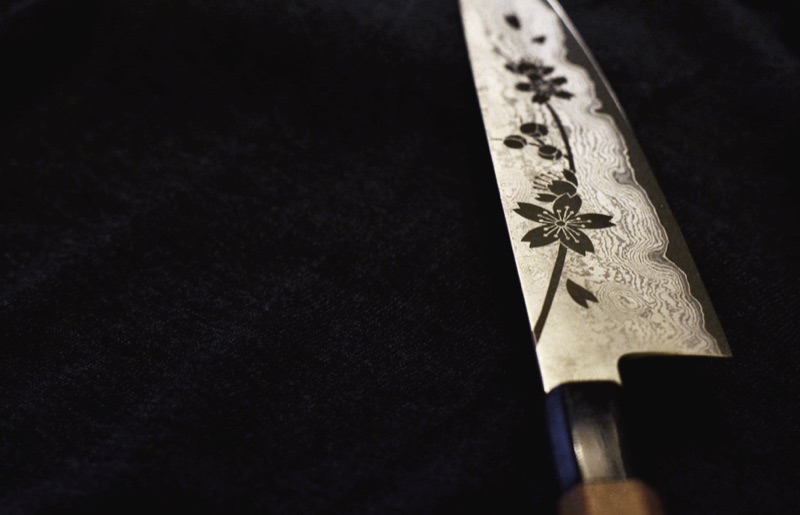
Japanese kitchen knives are a worthy investment. Sakai (Osaka) has been forging blades for 600 years. Budget ¥10,000-30,000 for a great gyuto (chef's knife) and maybe a petty (paring knife). Shops in Kappabashi and Sakai offer tax-free shopping for tourists — bring your passport. Most shops will engrave your name for free. Pack knives in checked luggage for the flight home.

🎌 Cultural Notes

Bow when greeting and thanking. Remove shoes when entering homes, temples, and some restaurants (look for genkan entryways). Say "itadakimasu" before eating and "gochisousama" after. Tipping is not practiced — it can even be considered rude. Train etiquette: don't talk on the phone, don't eat on local trains, and queue in the marked lines on platforms.

📱 Connectivity

Get an eSIM (Ubigi, Airalo, or Mobal) before arrival — unlimited data for ¥500-700/day. Alternatively, rent a pocket WiFi at the airport. Google Maps works perfectly in Japan, even showing which subway car to board for the fastest exit. Download offline maps for Okinawa and rural areas where signal may be spotty.

Day 1 Shinjuku · Kabukicho · Golden Gai

Touchdown Tokyo — First Bites

Touchdown Tokyo — First Bites, Japan

Land at Narita or Haneda, navigate into the city like a pro, and ease into Tokyo with your first bowl of ramen and a wander through the neon-lit streets of Shinjuku.

Afternoon

Arrive & Transfer to Shinjuku

From Narita: take the Keisei Skyliner to Nippori (36 min, ¥2,470), transfer to the JR Yamanote Line to Shinjuku. From Haneda: Keikyu Line to Shinagawa, then JR Yamanote to Shinjuku (30 min, ¥500). Drop bags at your hotel or a coin locker at Shinjuku Station — the world's busiest station.

💡 Get a Suica card at the station — tap to ride any train or buy anything at konbini
💡 7-Eleven ATMs work with foreign cards — grab ¥30,000 yen on the way out
🍽️ Late Lunch
Fuunji Tsukemen
One of Tokyo's most famous tsukemen (dipping ramen) shops, right near Shinjuku station. The thick, rich pork broth and perfectly chewy noodles are the ultimate arrival meal. Expect a 20-30 min line — it moves fast.
📍 2-14-3 Yoyogi, Shibuya · 💰 ¥1,000-1,300 · 🍜 Tsukemen (dipping noodles) — dip don't pour
Evening

Shinjuku Night Walk

Walk through Kabukicho's neon chaos, peek into the Robot Restaurant area, and find your way to Golden Gai — a labyrinth of 200+ tiny bars crammed into six narrow alleys. Each bar seats 6-10 people and has its own wild theme. Pick one with an empty seat, order a drink, and talk to strangers. This is Tokyo at its most intimate and surreal.

📍 Golden Gai, 1-chome Kabukicho
💰 Cover charge ¥500-1,000 per bar, drinks ¥800-1,200
💡 Look for English-friendly bars like Albatross, La Jetée, or Kenzo's Bar
💡 Some bars have a "no photo" policy — ask first
🍽️ Dinner
Omoide Yokocho (Memory Lane)
A tiny alley of smoky yakitori stalls near Shinjuku Station's west exit. Squeeze onto a stool, order chicken skewers and beer, and watch the chef grill over charcoal inches from your face. Grungy, authentic, unmissable.
📍 Nishi-Shinjuku 1-chome · 💰 ¥2,000-3,000 · 🍢 Yakitori + beer — sit at the counter
If you only do one thing your first night in Tokyo, go to Omoide Yokocho. It's like stepping into 1960s Japan. Get the chicken hearts and a Sapporo.r/Tokyo
Day 2 Kappabashi · Asakusa · Ueno

Kappabashi Kitchen Town & Asakusa

Kappabashi Kitchen Town & Asakusa, Japan

A pilgrimage day for kitchen obsessives. Kappabashi is six blocks of restaurant supply stores, knife shops, and every kitchen gadget you never knew you needed. Plus the iconic Senso-ji temple.

Morning

Senso-ji Temple & Nakamise-dori

Start at Tokyo's oldest temple (founded 645 AD). Walk through the giant red Kaminarimon Gate, down the Nakamise-dori shopping street (great for traditional snacks and souvenirs), and into the main hall. Get your fortune (omikuji) — if it's bad, tie it to the rack and try again.

📍 2-3-1 Asakusa, Taito
🕐 Open 6:00-17:00 (temple hall)
💡 Arrive by 8:00 to beat the crowds — by 10:00 it's packed
💡 Try the melon pan (sweet bread) and ningyo-yaki (tiny doll cakes) on Nakamise-dori
🍽️ Breakfast
Asakusa Imahan
A century-old sukiyaki restaurant near Senso-ji. If you're too early, grab onigiri (rice balls) and matcha from the stalls on Nakamise-dori instead.
📍 3-1-12 Nishi-Asakusa · 💰 ¥2,000-4,000 · 🥩 Famous for wagyu sukiyaki
Afternoon

Kappabashi Kitchen Town 🔪

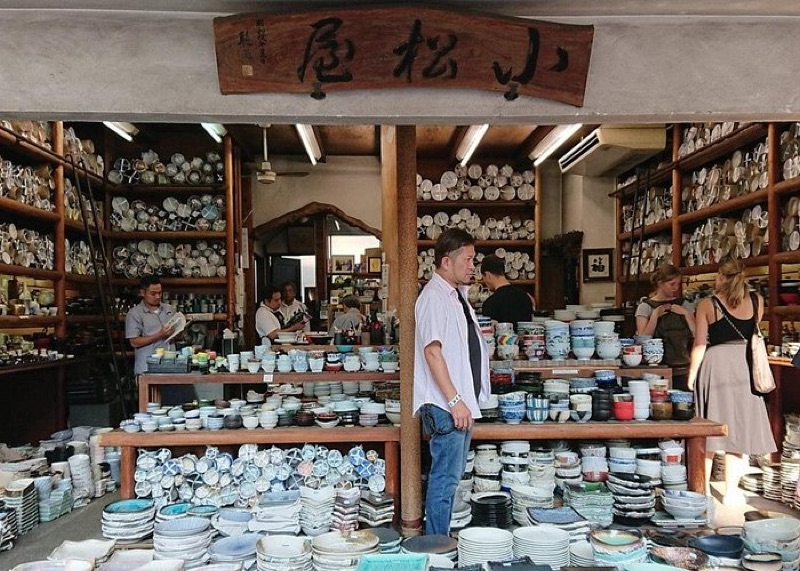
THIS is why you're here. Six blocks of wholesale kitchen supply stores. Over 20 dedicated knife shops. You'll find handmade Japanese knives, ceramic blades, knife sharpening stones, restaurant-grade pots and pans, fake food samples, and literally every kitchen tool ever invented. Key shops: Kama-Asa (best selection, English-speaking), CUTLERY TSUBAYA (1,000+ knife types since 1956), Kamata Hakensha (90+ years, on-the-spot engraving), and MUSASHI JAPAN (try before you buy). For her: browse the beautiful ceramic bowls, bento boxes, and kitchen textiles.

📍 Kappabashi-dori, between Asakusa and Ueno (Tawaramachi Station)
🕐 Most shops open 9:00-18:00, closed Wednesdays
💡 Bring your passport for tax-free shopping (10% off)
💡 Kama-Asa has two buildings — one dedicated to knives only
💡 Most shops offer free name engraving on knives
💡 Budget ¥10,000-30,000 for a great gyuto (chef's knife)
💡 For her: look for Japanese ceramics, chopsticks, and lacquerware
🍽️ Lunch
Izakaya Shinjiro or local soba shop
Grab soba (buckwheat noodles) at a small shop near Kappabashi — simple, delicious, and fast. Or try one of the small izakayas on the back streets for a proper lunch set.
📍 Near Tawaramachi Station · 💰 ¥800-1,500 · 🍜 Cold zaru soba is perfect for June humidity
💡 Kappabashi is closed on Wednesdays — make sure this is a non-Wednesday day. If it's Wednesday, swap with another Tokyo day.
Evening

Ueno & Ameyoko Market

Walk from Kappabashi to Ueno Park and explore Ameyoko — a bustling street market under the train tracks selling everything from fresh seafood to sneakers. It's chaotic, loud, and fun. End with a walk through Ueno Park.

📍 Ameyoko Market, under JR elevated tracks near Ueno Station
🕐 Shops open 10:00-19:00
💡 Great place to buy Japanese snacks, dried seafood, and random souvenirs at bargain prices
🍽️ Dinner
Ramen Nagi (Shinjuku)
Customizable ramen where you fill out a form choosing broth richness, noodle firmness, garlic level, spice, and toppings. The "King" (tonkotsu) is the classic. Open late.
📍 Multiple Shinjuku locations · 💰 ¥1,000-1,500 · 🍜 Fill out the form — it's part of the fun
Day 3 Tsukiji · Toyosu · Shibuya · Harajuku

Tsukiji, teamLab & Shibuya

Tsukiji, teamLab & Shibuya, Japan

Start with the freshest sushi of your life at Tsukiji Outer Market, get lost in the digital art wonderland of teamLab, and experience Shibuya's electric energy by night.

Morning

Tsukiji Outer Market

The wholesale market moved to Toyosu, but Tsukiji Outer Market remains the best place in Tokyo for fresh seafood breakfast. Wander the narrow lanes eating tamagoyaki (rolled omelet), fresh uni (sea urchin) on rice, grilled eel, and the best tamagoyaki of your life. This is foodie heaven at 7am.

📍 4-chome Tsukiji, Chuo
🕐 Best between 7:00-10:00 (closes ~14:00)
💡 Don't miss Sushi Dai or Daiwa Sushi for sit-down sushi — or just graze the stalls
💡 Try the A5 wagyu skewer from the stall near the main entrance
💡 Fresh oyster shooters are ¥300-500 and life-changing
🍽️ Breakfast/Lunch
Tsukiji Street Food Crawl
Skip the sit-down restaurant and graze: tamagoyaki (¥100), fresh uni rice bowl (¥1,000), grilled eel skewer (¥500), matcha soft serve (¥300), A5 wagyu skewer (¥1,000). You'll be full by 10am and it's the best meal of your life.
📍 Tsukiji Outer Market · 💰 ¥2,000-3,000 total · 🐟 Go early — stalls close by 14:00
Tsukiji at 7am is one of the greatest food experiences in the world. Eat everything. The wagyu skewer place near the entrance charges ¥1,000 and it's the best money you'll spend in Tokyo.r/TokyoFood
Afternoon

teamLab Planets TOKYO

An immersive digital art museum where you walk barefoot through rooms of light, water, and projections. You wade through knee-deep water with koi fish made of light, walk through rooms of floating lanterns, and become part of the art. Book well in advance — it sells out weeks ahead.

📍 6-1-16 Toyosu, Koto
🕐 9:00-22:00 — book the 13:00-14:00 slot
💰 ¥3,800/person — book at teamlab.art
💡 Wear shorts or clothes you can roll up (you'll walk through water)
💡 Book 2-3 weeks ahead — it sells out every day
Evening

Shibuya Crossing & Hachiko

The world's most famous pedestrian crossing — up to 3,000 people cross at once when the light changes. Visit the Hachiko statue (the loyal dog who waited at the station for 9 years after his owner died), then explore Shibuya's shopping madness.

📍 Shibuya Crossing, outside Hachiko exit
💡 Best view: Shibuya Sky observation deck (¥2,000) or the Starbucks above the crossing
💡 The crossing is more impressive at night when the neon is blazing
🍽️ Dinner
Ichiran Ramen (Shibuya)
The iconic solo ramen booth experience. You order from a vending machine, sit in your private booth, customize every aspect of your bowl through a form, and a curtain lifts to deliver your perfect tonkotsu ramen. It's theatrical, delicious, and very Japanese.
📍 Multiple Shibuya locations · 💰 ¥1,000-1,500 · 🍜 Get the "extra rich" broth — trust us
Day 4 Harajuku · Omotesando · Shimokitazawa

Meiji Shrine, Harajuku & Shimokitazawa
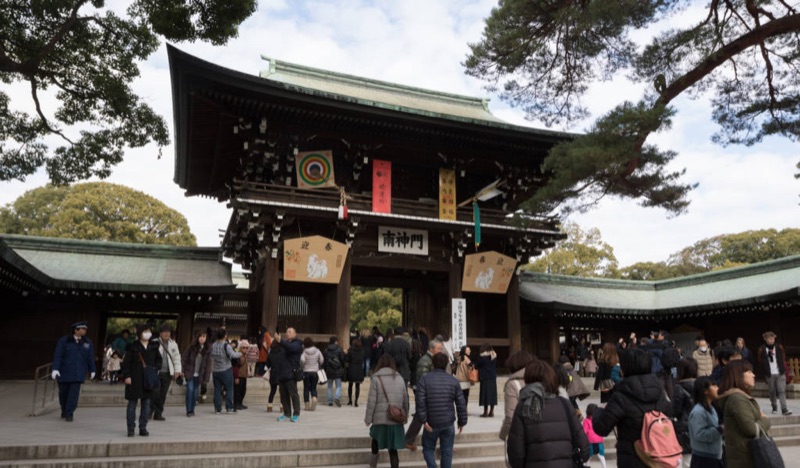
Meiji Shrine, Harajuku & Shimokitazawa, Japan

Ancient forest in the heart of Tokyo, the wild street fashion of Harajuku, vintage heaven in Shimokitazawa, and a final night of spectacular Tokyo food.

Morning

Meiji Jingu Shrine

Walk through a massive torii gate into a 170-acre forest of 100,000 trees in the middle of Tokyo. The shrine is dedicated to Emperor Meiji and feels centuries away from the city, even though you're steps from Harajuku. Write a wish on an ema (wooden plaque) and hang it at the shrine.

📍 1-1 Yoyogikamizonocho, Shibuya
🕐 Sunrise to sunset (open early)
💰 Free — donations welcome
💡 The sake barrel display near the entrance is beautiful — each barrel is donated by a brewery

Takeshita Street, Harajuku

The most colorful, chaotic street in Tokyo. Crepe shops, cotton candy bigger than your head, gothic lolita fashion stores, and photo booths on every corner. It's touristy and proud of it. Just go with it.

📍 Takeshita-dori, Harajuku
🕐 10:00-20:00 (shops)
💡 Try the rainbow cotton candy from Totti Candy Factory
💡 Cat Street (parallel) has more sophisticated boutiques and coffee shops
🍽️ Lunch
Harajuku Gyozaro
The best value meal in Harajuku. Six pan-fried gyoza for ¥290. That's not a typo. The line moves fast and the gyoza are incredible — crispy bottom, juicy filling. Order 2-3 plates per person plus beer.
📍 6-2-4 Jingumae, Shibuya · 💰 ¥1,000-1,500 · 🥟 ¥290 for 6 gyoza — the best deal in Tokyo
Afternoon

Shimokitazawa Vintage Shopping

Tokyo's hippest neighborhood — a maze of vintage clothing stores, record shops, used bookstores, and indie cafes. Spend hours digging through racks of ¥500 vintage tees, Japanese denim, and rare vinyl. The area has a distinctly laid-back, bohemian vibe compared to the rest of Tokyo.

📍 Shimokitazawa, Setagaya (2 stops from Harajuku on the Odakyu Line)
💡 Don't miss Flamingo, New York Joe Exchange, and Sunset Records
💡 The area is also great for people-watching from a cafe terrace
Evening

Final Tokyo Night — Yurakucho Gado-shita

Under the train tracks near Yurakucho Station, a row of tiny izakayas and yakitori shops where salarymen gather after work. The brick arches, smoke, and beer make it feel like a movie set. Toast your last night in Tokyo with a cold Asahi and grilled chicken skin.

📍 Under JR elevated tracks, Yurakucho (between Yurakucho and Shimbashi stations)
💡 Go around 18:00-19:00 for the best atmosphere
💡 Most places are counter seating — sit next to a local and make a friend
🍽️ Dinner
Gyukaku Yakiniku (any location)
Japanese BBQ — grill premium wagyu beef at your table. Order the kalbi (short rib) and hire (tongue), wrap in lettuce with ssamjang sauce. It's interactive, social, and the meat is extraordinary.
📍 Multiple locations · 💰 ¥3,000-5,000/person · 🥩 Premium wagyu — cook it yourself
💡 Pack light for tomorrow — you're heading to Hakone with just what you need. Leave big bags at your Tokyo hotel or a coin locker at Shinjuku Station if you're returning later.
Day 5 Hakone-Yumoto · Gora · Lake Ashi

Hakone — Private Onsen & Fuji Views

Hakone — Private Onsen & Fuji Views, Japan

Leave Tokyo behind for the mountains. Soak in a private open-air onsen with views of Mount Fuji, explore the Hakone Open Air Museum, and experience a traditional kaiseki dinner at your ryokan.

Morning

Train to Hakone (Romancecar)

Take the Odakyu Romancecar from Shinjuku to Hakone-Yumoto (85 min, ¥2,320). It's a beautiful scenic ride through the mountains. Consider getting the Hakone Free Pass (¥6,400 for 2 days) which covers all transport in the area — trains, buses, ropeway, and pirate ship.

📍 Shinjuku Station → Hakone-Yumoto Station
🕐 85 minutes on the Romancecar — reserved seats, scenic windows
💰 Hakone Free Pass: ¥6,400 for 2 days — covers everything in Hakone
💡 Book Romancecar seats in advance, especially on weekends
Afternoon

Hakone Open Air Museum

An extraordinary sculpture museum set in the mountains. Over 100 modern and contemporary sculptures dotted across beautiful grounds, plus indoor galleries with Picasso, Henry Moore, and a stunning stained glass tower you can climb inside. The mountain backdrop makes every piece more dramatic.

📍 1121 Ninotaira, Hakone
💰 ¥1,600/person
🕐 9:00-17:00
💡 Don't miss the Picasso Pavilion and the foot bath inside the museum
💡 Plan 1.5-2 hours here minimum

Check into Ryokan & Private Onsen ♨️

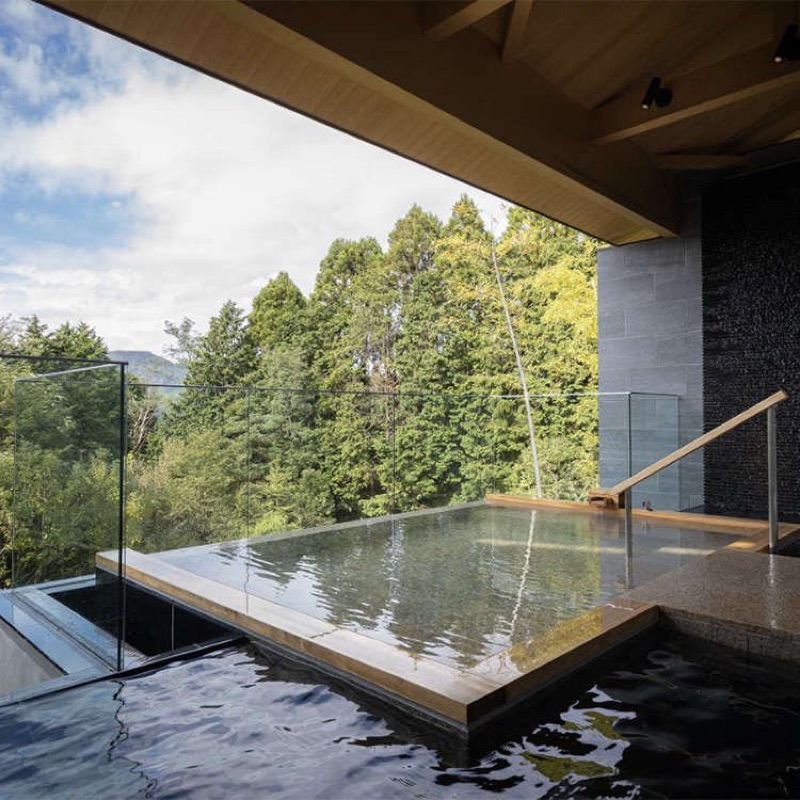
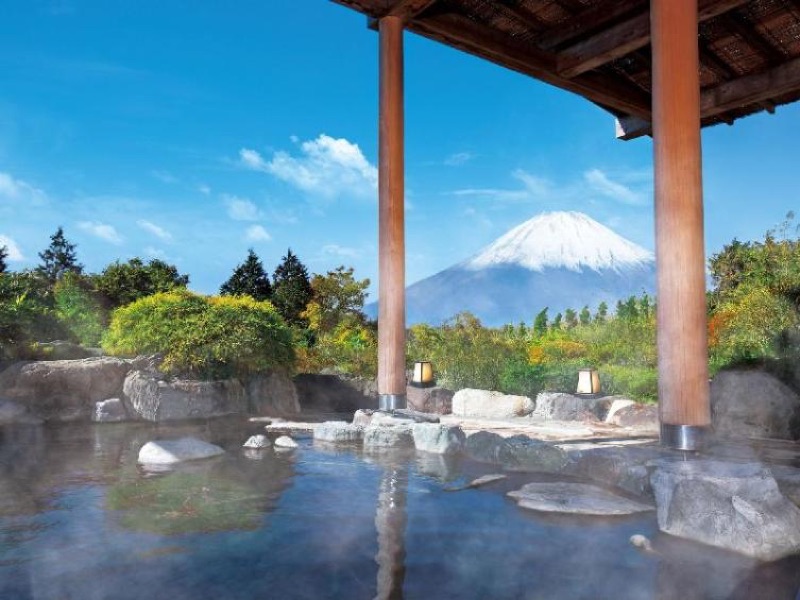
Arrive at your ryokan (traditional Japanese inn) and change into yukata. Many rooms feature private open-air baths (rotenburo) on the balcony. If your room doesn't have one, book a kashikiri-buro (private rental bath) — a 45-minute private session in an outdoor hot spring bath. Sit in volcanic water with Fuji looming in the distance while your cares dissolve.

💡 Recommended: Hakone Nanase (renovated, all rooms have private baths), Nishimuraya Honkan (traditional luxury), or Yamato-kan (budget-friendly with kashikiri option)
💡 Kashikiri-buro typically ¥2,000-3,000 for 45 min — book at check-in
💡 Remember: shower before entering the bath, no soap in the water, hair tied up
🍽️ Dinner
Ryokan Kaiseki Dinner
Your ryokan serves a multi-course kaiseki dinner in your room or a private dining room — 8-12 small, artfully presented courses featuring seasonal ingredients. Expect sashimi, grilled fish, tempura, pickled vegetables, miso soup, and a stunning wagashi (sweet) to finish. Put on your yukata, pour some sake, and savor every bite.
📍 Your ryokan · 💰 Included in ryokan stay · 🍱 8-12 courses — every plate is art
💡 A ryokan with private onsen is THE splurge of this trip. Budget ¥15,000-25,000/person/night with dinner and breakfast included. It's worth every yen.
Day 6 Owakudani · Lake Ashi · Hakone

Mount Fuji Views & Onsen Relaxation

Mount Fuji Views & Onsen Relaxation, Japan

Wake up early for the best Mount Fuji views of your life, ride the ropeway over volcanic vents, cruise Lake Ashi on a pirate ship, and soak in one more onsen before heading north.

Morning

Mount Fuji from Hakone

On clear mornings (especially early), Mount Fuji dominates the skyline from Hakone. Wake at dawn and step onto your balcony or visit the Moto-Hakone area for the iconic Fuji-over-Lake-Ashi shot. The mountain is shy — June clouds can obscure her, but when she appears, it's breathtaking.

💡 Best Fuji viewpoints: Lake Ashi shore, Hakone Shrine torii gate, Togendai ropeway station
💡 Early morning (6:00-8:00) has the clearest views before clouds build
💡 If Fuji is hidden, don't stress — the misty mountains are gorgeous too

Hakone Ropeway & Owakudani

Ride the ropeway over Owakudani — a volcanic valley with steaming sulfur vents and bubbling pools. The smell of eggs cooking in the natural hot springs is unmistakable. Buy the famous black eggs (kuro-tamago) — legend says eating one adds 7 years to your life.

📍 Ropeway from Togendai or Sounzan Station
💰 Included in Hakone Free Pass
💡 The black eggs taste like regular hard-boiled eggs — it's the sulfur that turns them black
💡 On clear days, the ropeway offers the best Fuji views in all of Hakone
🍽️ Breakfast
Ryokan Japanese Breakfast
Your ryokan serves a traditional Japanese breakfast: rice, miso soup, grilled fish, pickled vegetables, tamagoyaki (rolled omelet), nori, and green tea. It's the best breakfast you'll have in Japan.
📍 Your ryokan · 💰 Included in stay · 🍳 Rice, fish, miso — fuel for the mountain
Afternoon

Lake Ashi Pirate Ship Cruise

Board a replica pirate ship (yes, really) for a 30-minute cruise across Lake Ashi with views of Mount Fuji and the Hakone Shrine torii gate rising from the water. It's kitschy, beautiful, and quintessentially Hakone.

📍 Togendai → Moto-Hakone or Hakone-machi
💰 Included in Hakone Free Pass
💡 The Moto-Hakone pier is steps from Hakone Shrine — visit both

Hakone Shrine

A serene Shinto shrine on the shore of Lake Ashi, famous for its massive red torii gate standing in the water. Walk up the stone pathway through ancient cedar trees to the main hall. Peaceful, photogenic, and spiritually powerful.

📍 80-1 Moto-Hakone
💰 Free to visit
💡 The lakeside torii gate is THE photo of Hakone — arrive early
🍽️ Lunch
Local soba restaurant in Hakone
After a morning of exploring, stop at a mountain soba shop. The buckwheat noodles are made fresh daily, served cold with dipping sauce or hot in broth. Simple, perfect mountain food.
📍 Near Hakone-Yumoto Station · 💰 ¥1,000-1,500 · 🍜 Zaru soba — cold noodles for humid June
💡 Tomorrow you take the train to Takayama — a beautiful 4.5-hour journey through the Japanese Alps. Pack snacks and enjoy the scenery.
Day 7 Takayama · Sanmachi Suji · Miyagawa River

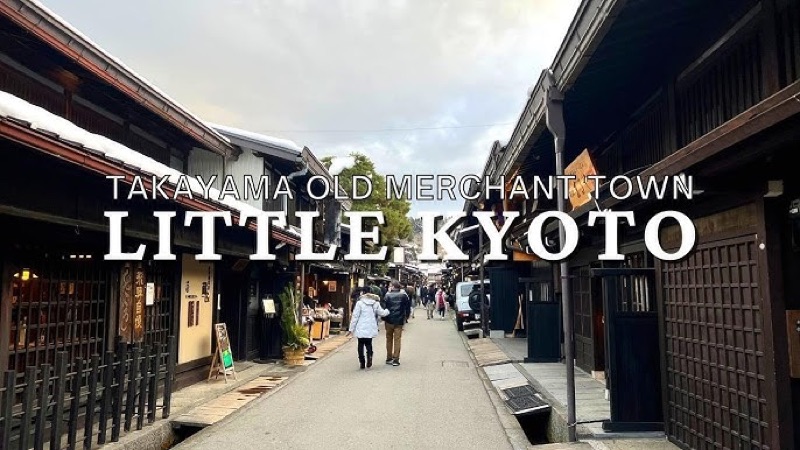
Journey to Takayama — Little Kyoto

Journey to Takayama — Little Kyoto, Japan

A scenic train ride through the Japanese Alps brings you to Takayama, a beautifully preserved Edo-era town famous for Hida beef, sake breweries, and traditional wooden streets.

Morning

Train to Takayama (via Nagoya)

Take the Hikari Shinkansen from Odawara (near Hakone) to Nagoya (40 min), then the Wide View Hida express train to Takayama (2.5 hours). The second leg is one of Japan's most scenic train rides — the train winds through deep river gorges and mountain valleys with massive windows designed for sightseeing. Book seats on the left side for the best views.

📍 Odawara → Nagoya → Takayama
🕐 ~4.5 hours total
💡 Covered by JR Pass (activated today!)
💡 The Wide View Hida train has enormous windows — sit on the left for river gorge views
💡 Buy ekiben (train bento) at Nagoya Station for the scenic ride
🍽️ Lunch
Ekiben on the train
Grab a train bento (ekiben) at Nagoya Station — there's an entire ekiben shop row on the platform. The Hida beef bento is a Takayama specialty and the perfect preview of what's to come.
📍 Nagoya Station platform · 💰 ¥1,000-1,500 · 🍱 Hida beef bento — eat on the scenic ride
Afternoon

Sanmachi Suji Historic District

Three blocks of perfectly preserved Edo-period merchant houses. Dark wooden buildings, sake breweries with sugidama (cedar balls) hanging outside, tiny shops selling local crafts, and the sound of the Miyagawa River nearby. Wander slowly — this is Takayama's soul.

📍 Ichinomachi, Ninomachi, Sannomachi streets
💡 Look for sugidama (cedar ball) signs — they mark sake breweries where you can taste
💡 Many shops close by 17:00 — arrive by 14:00 for the best experience

Morning Market (if you missed morning)

The Miyagawa Morning Market runs daily along the river. Even arriving in the afternoon, you might catch the last vendors selling Hida beef croquettes, pickled vegetables, and handcrafted wooden items.

📍 Miyagawa River bank, Takayama
🕐 7:00-12:00 (morning) — go tomorrow morning instead
🍽️ Dinner
Hida Beef Takayama
Tonight you eat Hida beef — the pride of Takayama. Less famous than Kobe but equally delicious, this wagyu is raised in the Japanese Alps. Try it as teppanyaki (grilled on iron plate), yakiniku (BBQ), or the local specialty: Hida beef sushi (¥500-800 per piece). Restaurant Maruaki or Hirase are local favorites.
📍 Sanmachi area · 💰 ¥4,000-8,000 · 🥩 Hida beef — wagyu's mountain cousin, every bit as good
Hida beef sushi from the street stalls in Sanmachi is the single best ¥600 you'll spend in Japan. Seared Hida beef on rice with a touch of wasabi. Holy. Cow.r/JapanTravel
Day 8 Shirakawa-go · Ogimachi Village

Shirakawa-go Day Trip

Shirakawa-go Day Trip, Japan

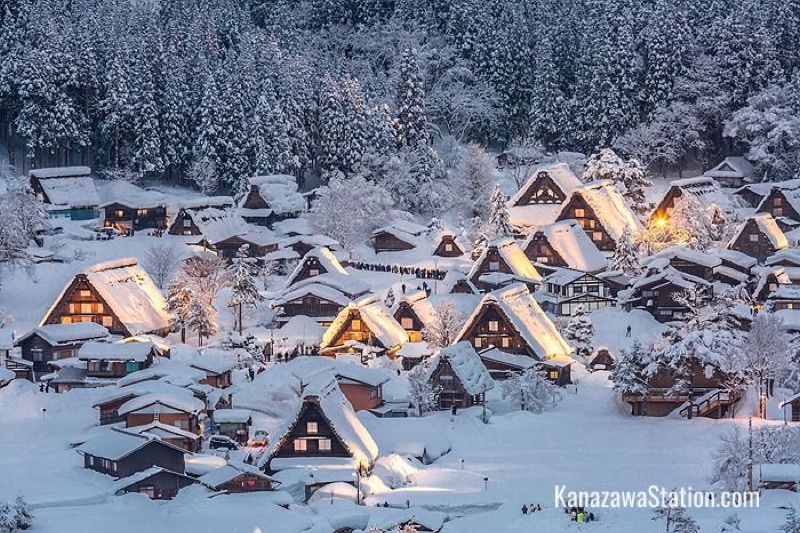
Visit the UNESCO World Heritage thatched-roof village of Shirakawa-go — one of Japan's most iconic landscapes. The gassho-zukuri farmhouses with their steep thatched roofs look like they're from a fairy tale.

Morning

Bus to Shirakawa-go

Take the Nohi Bus from Takayama to Shirakawa-go (50 min, ¥2,600 round trip). Buses run every 30-60 minutes. The ride takes you through beautiful mountain valleys. Reserve your return bus time at the Takayama bus center.

📍 Takayama Bus Center → Shirakawa-go Bus Terminal
🕐 50 minutes · ¥2,600 round trip
💡 Reserve return bus time in advance — they can sell out
💡 First bus leaves ~8:00 — take it for fewer crowds

Explore Ogimachi Village

Wander through the main village of Ogimachi — dozens of gassho-zukuri farmhouses with steep thatched roofs designed to shed heavy snow. Several houses are open as museums. Visit Wada House (the largest, still family-owned) and Kanda House for a look inside these architectural marvels.

📍 Ogimachi, Shirakawa-go
💰 Wada House: ¥400, Kanda House: ¥300
💡 The roofs are steep (60°) to shed snow — "hands in prayer" (gassho) shape
💡 June means lush green rice paddies surrounding the village — stunning
🍽️ Lunch
Shirakawa-go Local Food
Try Hoba Miso — miso paste grilled on a magnolia leaf with vegetables and sometimes Hida beef. Also look for Gohei Mochi (grilled rice with sweet miso sauce) and stone tofu (ishi-dofu), a local specialty. Eat at one of the small restaurants near the bus terminal.
📍 Shirakawa-go village · 💰 ¥1,200-2,000 · 🍃 Hoba miso — cooked on a magnolia leaf
Afternoon

Shiroyama Viewpoint

Hike 20 minutes up (or take the shuttle bus) to the Shiroyama observation deck for the classic panoramic view of the entire village with its thatched roofs against the mountain backdrop. This is THE Shirakawa-go photo — the one you've seen in every Japan travel article.

📍 Shiroyama Observation Deck
🕐 20-min walk from village center or 5-min shuttle bus
💡 Best light in the afternoon when the sun hits the valley
💡 The viewpoint can get crowded — be patient for your shot
💡 If you're loving the alpine scenery, consider a night in a gassho-zukuri farmhouse. Some accept overnight guests — it's rustic and unforgettable. Book well in advance.
Evening

Return to Takayama — Sake Brewery Hopping

Back in Takayama, do a self-guided sake brewery crawl in Sanmachi. Look for the sugidama (cedar ball) signs — they mark active breweries. Most offer free tastings of their signature sake. Harada, Funasaka, and Kawashiri are excellent. Buy a bottle of your favorite to enjoy later.

📍 Sanmachi Suji district
💡 Free tastings at most breweries — just walk in
💡 June is sake season — some breweries release special summer sake
🍽️ Dinner
Takayama Ramen
Takayama has its own ramen style: thin, wavy noodles in a soy-based broth, topped with char siu pork, bamboo shoots, and green onions. Simple, satisfying, and the perfect end to a long day. Try Ejima or Menya Shirakawa.
📍 Near Takayama Station · 💰 ¥800-1,200 · 🍜 Local style — thin noodles, soy broth
Day 9 Kamikochi · Shinhotaka · Takayama

Alps Adventure or Relaxing Takayama

Alps Adventure or Relaxing Takayama, Japan

Choose your adventure: hike the stunning Kamikochi alpine valley, ride the Shinhotaka Ropeway for jaw-dropping Japan Alps views, or enjoy a slow morning in Takayama with markets and onsen.

Morning

Option A: Kamikochi Alpine Hike 🏔️

Take a bus from Takayama to Kamikochi (70 min, ¥2,660 round trip) — one of Japan's most beautiful mountain valleys. Walk the flat riverside trail along the Azusa River with 3,000m peaks towering above. The Kappabashi (Kappa Bridge) with Hotaka peaks behind is one of Japan's most iconic views. Hike as far as you want — even 2 hours round trip is incredible. June means wildflowers, rushing turquoise water, and lush green forests.

📍 Kamikochi, Chubu Sangaku National Park
💰 Bus: ¥2,660 round trip from Takayama
🕐 First bus 5:30, last return 17:00 — plan accordingly
💡 The trail is flat and easy — no hiking experience needed
💡 Bring layers — mountain weather changes quickly in June
⚠️ Kamikochi is closed November-April, but June is prime season

Option B: Shinhotaka Ropeway 🚡

Ride Japan's only double-decker gondola up to 2,156m for panoramic views of the Northern Japan Alps. On clear days you can see for 100km. The observation deck at the top has a "sky walk" with glass panels under your feet. Less hiking, more views. Bus from Takayama takes 90 min.

📍 Shinhotaka Onsen area
💰 Ropeway: ¥3,200 round trip + bus ¥2,870 from Takayama
💡 Best on clear days — check the weather cam at shinhotaka.co.jp
🍽️ Lunch
Mountain hut or packed lunch
If hiking Kamikochi, eat at Konashidaira Camp Ground restaurant (simple curry rice and ramen). Better yet, buy onigiri and snacks at a Takayama konbini before heading out — eat by the river with the Alps above you.
💰 ¥500-1,500 · 🍙 Onigiri + mountain views = perfect lunch
💡 If it's raining (June is rainy season), skip the alpine trip and enjoy a slow Takayama day: morning market, Hida no Sato folk village, and a long lunch. The rain makes Takayama even more atmospheric.
Afternoon

Takayama Jinya & Hida no Sato

If you stayed in town (or after returning from the mountains): Visit Takayama Jinya — the beautifully preserved former government building from the Edo period. Then walk to Hida no Sato, an open-air folk village with 30+ traditional thatched-roof houses relocated from around the region.

📍 Takayama Jinya: 1-5 Hachikenmachi · ¥440
📍 Hida no Sato: 1-590 Kamiokamoto · ¥700
🕐 Both open 8:30-17:00
🍽️ Dinner
Hoba Miso at a local restaurant
The quintessential Takayama dish: miso paste, vegetables, and Hida beef grilled on a dried magnolia leaf over charcoal. The leaf imparts a smoky, earthy flavor. Try it at Suzuya or Heianraku.
📍 Takayama · 💰 ¥1,500-3,000 · 🍃 Grilled on a magnolia leaf — smoky and savory
Day 10 Kanazawa Station · Omicho Market · Higashi Chaya

Kanazawa — The Kitchen of the Hokuriku
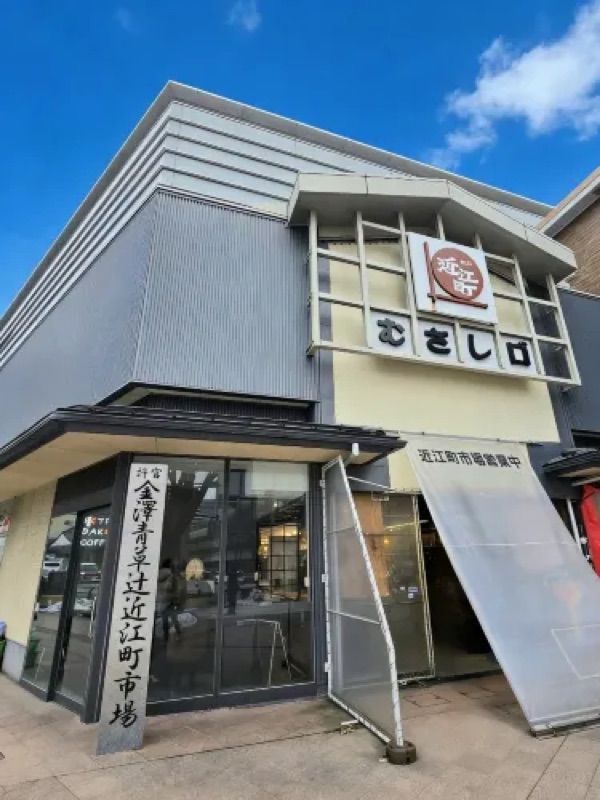
Kanazawa — The Kitchen of the Hokuriku, Japan

Takayama to Kanazawa by bus through the mountains. Explore one of Japan's most elegant cities — gold-leaf artisans, samurai districts, and the legendary Omicho Market where chefs buy their fish.

Morning

Bus to Kanazawa

Take the Hokuriku Bus from Takayama to Kanazawa (2 hours 15 min, ¥3,300). The route goes through the mountains and is scenic even in rain. Alternatively, take the train via Toyama (2.5-3 hours, covered by JR Pass).

📍 Takayama → Kanazawa
🕐 Bus: 2h15m · Train via Toyama: 2h30m
💡 Bus is cheaper and often faster; train is more comfortable and covered by JR Pass
Afternoon

Omicho Market

Kanazawa's "kitchen" — a covered market packed with fishmongers, vegetable vendors, and small restaurants. This is where Kanazawa's chefs come for their daily catch. Wander the aisles looking at snow crab, sweet shrimp, nodoguro (blackthroat seaperch — the city's signature fish), and gold-leaf ice cream.

📍 50 Omi-cho, Kanazawa
🕐 7:00-18:00 (restaurants until 21:00)
💡 For her: the market has beautiful Japanese ceramics and lacquerware stalls
💡 Try the gold-leaf soft serve ice cream — Kanazawa produces 99% of Japan's gold leaf

Higashi Chaya District

Kanazawa's most beautiful neighborhood — a preserved geisha district with wooden teahouses, gold-leaf shops, and narrow cobblestone streets. Visit the Kaikaro teahouse (still an active ochaya) and the Shima teahouse museum. The gold leaf shops here sell stunning artisan pieces.

📍 Higashiyama, Kanazawa
💡 Gold leaf crafts make incredible souvenirs — Kanazawa is THE place to buy them
💡 The afternoon light on the wooden facades is gorgeous for photos
🍽️ Lunch
Omicho Market Kai Don
At the market, order a kai-don (seafood rice bowl) piled high with the day's freshest catch. Expect sweet shrimp, uni, salmon roe, and slices of whatever was caught that morning. Morimori Sushi or any of the market restaurants are excellent.
📍 Omicho Market · 💰 ¥1,500-3,000 · 🐟 Seafood bowl — freshest fish in the city
Evening

Kanazawa Station & Tsuzumi-mon Gate

The station itself is an architectural landmark — the massive Tsuzumi-mon wooden gate and the Motenashi Dome (welcome dome) are stunning. Explore the underground shopping area and pick up Kanazawa souvenirs.

📍 Kanazawa Station
💡 The station is worth seeing even if you're not catching a train
🍽️ Dinner
Jibuni (Kanazawa Specialty)
Try jibuni — Kanazawa's signature duck stew with wheat gluten, vegetables, and wasabi in a sweet dashi broth. It's been served here for 400 years. Try it at Taihei or Otafuku.
📍 Katamachi area · 💰 ¥1,500-2,500 · 🦆 400-year-old duck stew — unique to Kanazawa
Day 11 Kenroku-en · Nagamachi · Kanazawa Castle

Kenroku-en & Nagamachi Samurai District
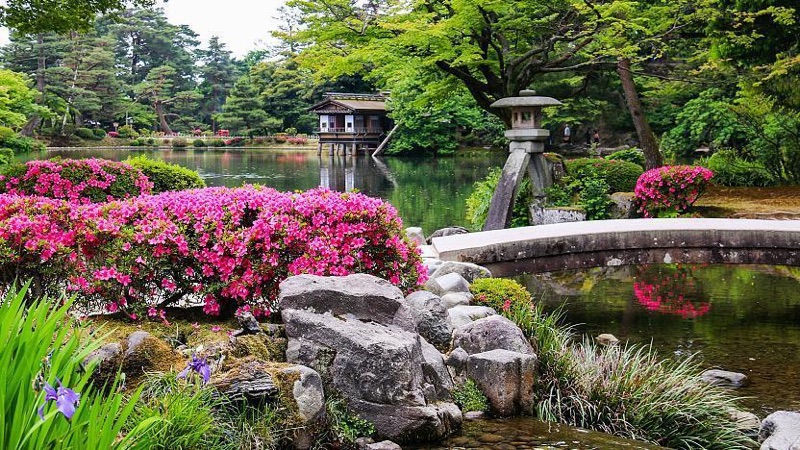
Kenroku-en & Nagamachi Samurai District, Japan

Explore Japan's most beautiful garden, walk through the samurai quarter, and then catch the shinkansen south to Osaka — your food paradise awaits.

Morning

Kenroku-en Garden

One of Japan's three most beautiful gardens. Every view is perfectly composed — stone bridges over still ponds, ancient pine trees supported by snow ropes, winding paths through manicured landscapes, and the iconic Kotoji-toro lantern by the lake. June means hydrangeas and lush greenery. Take your time — this garden rewards slow exploration.

📍 1-4 Marunouchi, Kanazawa
💰 ¥320/person
🕐 7:00-18:00 (March-October)
💡 Best early morning when it's quiet and the light is soft
💡 The garden connects directly to Kanazawa Castle Park — visit both

Nagamachi Samurai District

Walk through the preserved samurai quarter — mud walls, narrow canals, and the Nomura-ke samurai house with its stunning interior garden. The water flowing through the street-side channels was used for fire prevention and still runs today.

📍 Nagamachi, Kanazawa
💰 Nomura-ke: ¥550 · Free to walk the streets
💡 The Nomura-ke interior garden is considered one of Japan's most beautiful
🍽️ Lunch
Curry Udon at Muro Soba or local shop
Grab a quick lunch near the garden — Kanazawa-style curry udon is hearty and delicious. Or return to Omicho Market for one more fresh seafood hit.
💰 ¥800-1,500 · 🍜 Quick bite before the train south
Afternoon

Shinkansen to Osaka

Take the Hokuriku Shinkansen from Kanazawa to Tsuruga (50 min), transfer to the Tokaido Shinkansen to Shin-Osaka (2 hours). Total journey ~2.5 hours. Watch the scenery change from alpine mountains to urban sprawl as you approach Osaka.

📍 Kanazawa → Tsuruga → Shin-Osaka
🕐 ~2.5 hours total, covered by JR Pass
💡 You'll arrive in Osaka by early evening — just in time for dinner
💡 Osaka is Japan's kitchen. The saying is "Kyotoites are ruined by overspending, Osakaites are ruined by overspending on food." Prepare yourselves.
Day 12 Namba · Dotonbori · Shinsekai

Osaka — Welcome to Japan's Kitchen

Osaka — Welcome to Japan's Kitchen, Japan

Osaka is where Japan comes to eat. Tonight, dive into Dotonbori — the neon-lit canal strip where takoyaki balls sizzle, okonomiyaki pancakes flip, and the iconic Glico Running Man sign watches over it all.

Afternoon

Arrive & Explore Namba

Drop bags and head straight to Namba — Osaka's chaotic, wonderful heart. Walk through the covered shopping arcades (Shinsaibashi-suji and Ebisu-bashi-suji), browse the weird and wonderful shops, and orient yourself. Osaka feels different from Tokyo immediately — louder, friendlier, more chaotic, more fun.

📍 Namba area, Chuo-ku
💡 The Midosuji boulevard is Osaka's main drag — start here
🍽️ Late Lunch
Kushikatsu Daruma
Osaka's signature: deep-fried skewers of... everything. Meat, shrimp, lotus root, quail eggs, cheese, asparagus — dipped in a communal Worcestershire-style sauce (NO double dipping!). Daruma is the original and still the best. Shinsekai location is the classic.
📍 Shinsekai · 💰 ¥2,000-3,000 · 🍢 Deep-fried skewers — NO double dipping!
Evening

Dotonbori Street Food Crawl

The main event. Walk the canal-side strip under blazing neon signs and eat EVERYTHING: takoyaki (octopus balls — get them from Wanaka or Kukuru), okonomiyaki (savory cabbage pancake — try Mizuno or Chibo), yakisoba, taiyaki (fish-shaped pastry with red bean), and fresh juice. The Glico Running Man sign is your landmark and your photo op.

📍 Dotonbori, Chuo-ku
🕐 From 17:00 onward is peak — neon in full effect
💡 Takoyaki: ¥500-700 for 8 balls. Eat them piping hot, don't burn your mouth
💡 Okonomiyaki: ¥1,000-1,500. Osaka style is mix-everything-together (vs. Hiroshima layered)
💡 The line at Mizuno is long but moves — it's worth it
🍽️ Dinner
Dotonbori Street Food (continued)
This IS dinner. Budget ¥3,000-4,000 for the crawl — takoyaki + okonomiyaki + dessert + beer. Eat standing, walking, sitting on the canal wall. This is Osaka at its best.
📍 Dotonbori · 💰 ¥3,000-4,000 · 🐙 Eat everything — that's the rule
Dotonbori at night is sensory overload in the best way. Get takoyaki from Wanaka (they have a green sign, not the flashy ones), eat okonomiyaki at Mizuno, and just wander. Don't plan too much — let the food find you.r/Osaka
Day 13 Sakai · Doguyasuji · Namba

Sakai — The Knife Forge City 🔪

Sakai — The Knife Forge City 🔪, Japan

A full day dedicated to Japanese blades. Sakai has been forging knives for 600 years, supplying Japan's greatest chefs. Visit the knife museum, watch a master blacksmith, and buy the knife that will last you a lifetime.

Morning

Sakai Knife Museum & Workshop Tour 🔪

Take the Nankai Line from Namba to Sakai (15 min, ¥230). Start at the Sakai City Traditional Crafts Museum and knife museum to understand 600 years of blade history. Then visit a working forge — Sakai Experience Japan (SEJ) offers tours where you can watch a master blacksmith hammer and temper a blade, learn sharpening technique, and even try handle-fitting yourself. This is a once-in-a-lifetime experience for a knife lover.

📍 Sakai City, Osaka (Nankai Line from Namba, 15 min)
💰 Museum: ¥300 · Workshop tours: ¥5,000-15,000 depending on experience
💡 Book knife workshop tours 1-2 weeks in advance
💡 Yamawaki Hamono offers tours with sharpening lessons and custom knife orders
💡 Wada Shoten offers handle-fitting experience (book 3 days ahead)
💡 Blacksmith Eric Chevalier offers English-language tours if available
🍽️ Lunch
Sakai local restaurant
Eat near Sakai Station — the area has excellent, unpretentious restaurants serving Osaka-style food at lower prices than central Osaka. Try a local kushikatsu or okonomiyaki spot.
💰 ¥800-1,500 · 🍜 Refuel between forge visits
💡 Budget ¥15,000-40,000 for a professional-grade Japanese knife from Sakai. These are lifetime purchases — hand-forged, beautiful, and sharper than anything you've ever used. Get a gyuto (chef's knife) or a santoku.
Afternoon

Doguyasuji — Kitchenware Street

Back in Osaka, walk Doguyasuji — a 150-meter covered arcade packed with professional kitchen equipment stores. This is where Osaka's restaurant chefs come to buy everything: ceramic bowls, lacquerware, chopsticks, bento boxes, Japanese cooking tools, ramen bowls, fake food samples, and specialty gadgets she'll go crazy for. It's like Kappabashi's cooler, less touristy cousin.

📍 Doguyasuji, Sennichimae, Namba
🕐 9:00-18:00 (many closed Sundays)
💡 For her: look for beautiful Japanese ceramics, bento accessories, and matcha whisks
💡 Much less crowded than Kappabashi — you can actually browse in peace
💡 Some stores offer tax-free shopping — bring passport
Evening

Hozenji Yokocho

A narrow, lantern-lit alley near Dotonbori with tiny bars, restaurants, and the moss-covered Hozenji Temple. The alley is barely wide enough for two people — it's intimate, atmospheric, and a world away from the neon chaos one street over. Sip whiskey at a tiny counter bar.

📍 Hozenji Yokocho, Chuo-ku
💡 Pour water on the moss-covered Fudo-myoo statue for good luck
💡 Bar Yamamoto and K Bar are excellent tiny cocktail bars in the alley
🍽️ Dinner
Tenyasu Fugu (Pufferfish)
If you're feeling adventurous, try fugu (pufferfish) — Osaka is one of the best places in Japan for it. Served as thin sashimi (tessa), fried, or in hot pot. The thrill is half the experience. Licensed chefs prepare it safely. If not, any local izakaya in Namba will be incredible.
📍 Namba area · 💰 ¥3,000-6,000 · 🐡 Pufferfish — dine on the wild side
Day 14 Nara Park · Todai-ji · Naramachi

Nara Day Trip — Deer & Giant Buddha

Nara Day Trip — Deer & Giant Buddha, Japan

Day trip to Japan's first permanent capital. Feed the sacred deer, stand in awe before a 15-meter bronze Buddha, and walk through ancient cedar forests.

Morning

Train to Nara

Take the JR Yamatoji Line from Osaka to Nara (50 min, covered by JR Pass). Or the Kintetsu Line from Namba (35 min, ¥570). The JR line is covered by your pass.

📍 Osaka/Namba → Nara Station
🕐 35-50 minutes

Nara Park & Sacred Deer 🦌

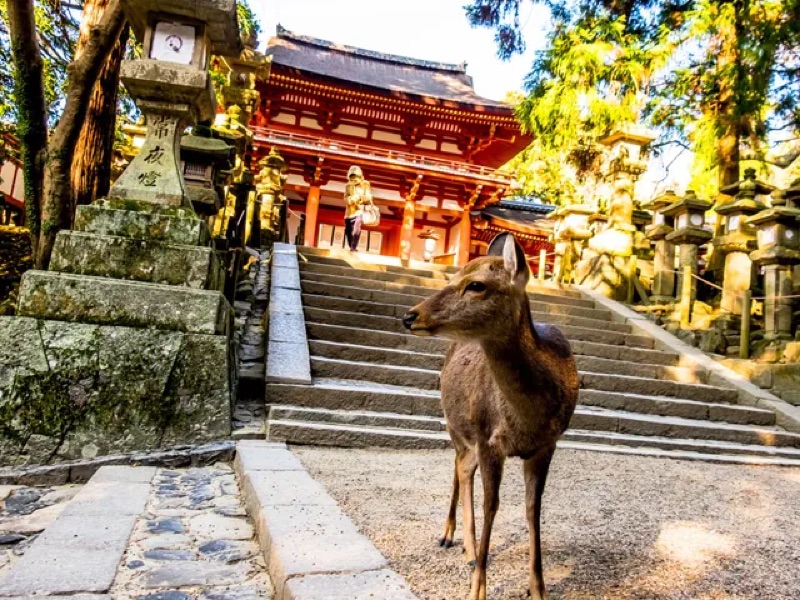
Over 1,000 free-roaming deer live in Nara Park — considered messengers of the gods. Buy deer crackers (shika senbei, ¥200) and watch them bow for treats. Some deer have learned to bow, some will headbutt you if you're too slow with the crackers. They're wild but habituated — respect their space.

📍 Nara Park
💰 Deer crackers: ¥200 per bundle
💡 Bow to the deer first — many will bow back before accepting the cracker
⚠️ Don't feed them anything except the official crackers — it makes them sick
Afternoon

Todai-ji Temple & Great Buddha

The world's largest wooden building houses a 15-meter (49-foot) bronze Buddha — one of Japan's most overwhelming sights. The statue is flanked by two Bodhisattvas, and the scale is hard to comprehend until you're standing in front of it. Don't miss the wooden pillar with a hole in its base — said to be the size of the Buddha's nostril. Anyone who can squeeze through is said to gain enlightenment.

📍 406-1 Zoshicho, Nara
💰 ¥600/person
🕐 7:30-17:30 (April-October)
💡 The nostril hole is in the rear pillar — kids always try, adults sometimes succeed
💡 The temple is home to Japan's most powerful Buddha — feel the weight of history

Naramachi Old Town

Wander through Nara's old merchant district — narrow streets with traditional townhouses (machiya), small museums, craft shops, and excellent cafes. Stop at Harushika sake brewery for a tasting (¥500 includes a sake cup to keep).

📍 Naramachi, south of Nara Park
💡 Harushika sake brewery: ¥500 tasting, keep the cup
💡 The Naramachi Koshi-no-Ie is a restored machiya you can enter for free
🍽️ Lunch
Kakinoha-zushi (Persimmon Leaf Sushi)
Nara's signature dish — sushi rice topped with mackerel or salmon, wrapped in a persimmon leaf that imparts a subtle, earthy flavor. The leaf acts as a natural preservative (no refrigeration needed). Beautiful and delicious. Try it at Hiraso, the most famous shop.
📍 Naramachi · 💰 ¥1,500-2,500 · 🍣 Sushi wrapped in persimmon leaves — unique to Nara
Evening

Return to Osaka — Kuromon Market

Back in Osaka, walk through Kuromon Market — "Osaka's Kitchen" — where vendors sell everything from fresh oysters to grilled eel to strawberry daifuku. It's part market, part food court, all delicious. Many vendors will cook your purchase right there.

📍 Kuromon Ichiba, Chuo-ku
🕐 Most shops 9:00-18:00
💡 Try the fresh oyster bar, grilled scallop with butter, and strawberry daifuku
🍽️ Dinner
Kuromon Market grazing
Make dinner out of market stalls: fresh oysters (¥300-500), wagyu skewers (¥1,000), grilled eel (¥800), tamagoyaki (¥200), and strawberry mochi (¥300). Eat standing and walking — the Osaka way.
📍 Kuromon Market · 💰 ¥2,000-4,000 · 🦪 Fresh oysters, wagyu skewers, strawberry mochi
Day 15 Umeda · Kita (North Osaka)

Osaka Last Day — Umeda & Departure Prep
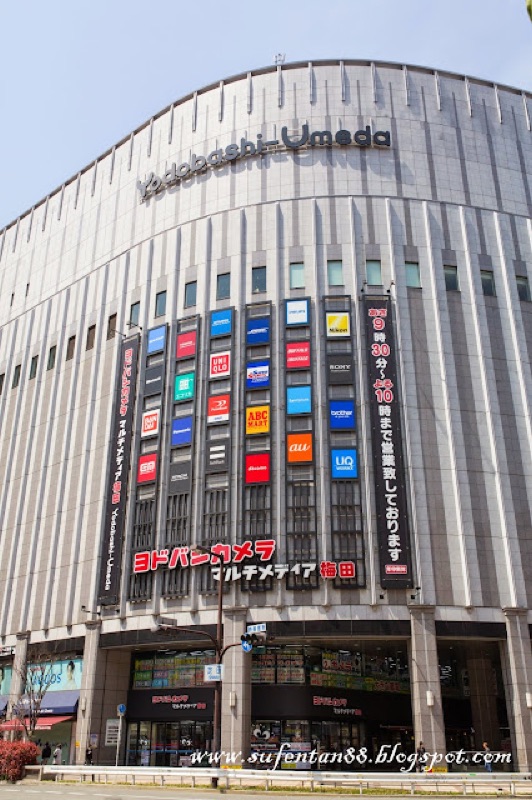
Osaka Last Day — Umeda & Departure Prep, Japan

A final Osaka morning exploring the Umeda skyline, last-minute kitchen shopping, and preparing for your flight to tropical Okinawa tomorrow.

Morning

Umeda Sky Building

Osaka's most dramatic piece of architecture — two 40-story towers connected at the top by a floating garden observatory. Take the glass escalator bridging the two towers 170m above ground. Views stretch to Kobe and Kyoto on clear days. The basement has a recreated 1920s Osaka street (Takimi Koji) with excellent restaurants.

📍 1-1-88 Oyodonaka, Kita-ku
💰 ¥1,500/person
🕐 9:30-22:30
💡 The escalator ride between the towers is terrifying and exhilarating
💡 Takimi Koji (basement) has great affordable lunch options in a retro setting
🍽️ Lunch
Takoyaki at 551 Horai
An Osaka institution. 551 Horai is famous for their pork buns (butaman), but their takoyaki is also excellent. Grab a box and eat in the park. This is essential Osaka.
📍 Multiple locations · 💰 ¥500-800 · 🐙 Takoyaki + butaman — can't leave Osaka without it
Afternoon

Last-Minute Shopping & Relax

Pick up any last souvenirs, kitchen gadgets, or food items at the department stores under Osaka/Umeda Station. The basement food halls (depachika) are extraordinary — rows of immaculately presented wagashi, bento boxes, and pastries. Great for gifts.

💡 Depachika (department store basement food halls) are Japan's hidden gems
💡 Pick up Japanese snacks for your Okinawa week
💡 Pack your knives carefully — they need to go in checked luggage for the flight
🍽️ Dinner
Okonomiyaki at Mizuno (Dotonbori)
One last okonomiyaki before leaving Osaka. Mizuno has been perfecting theirs since 1945 — the line is always long but the reward is a perfect, crispy-edged, savory pancake loaded with cabbage, pork, and dried bonito flakes that dance in the heat.
📍 1-4-15 Dotonbori, Chuo-ku · 💰 ¥1,200-2,000 · 🥞 Since 1945 — Osaka's best okonomiyaki
💡 Tomorrow you fly to Okinawa! Book your LCC (Peach, Jetstar, or vanilla) from Kansai (KIX) to Naha (OKA). Flights run ¥5,000-12,000 one way if booked in advance. Pack light — Okinawa is beach weather.
Day 16 Naha · Kokusai-dori · Southern Okinawa

Fly to Okinawa — Island Time Begins

Fly to Okinawa — Island Time Begins, Japan

Trade the city for the sea. Fly from Osaka to Naha, pick up your rental car, and drive to your first beach. The pace slows, the air warms, and the water turns turquoise.

Morning

Fly to Naha, Okinawa

Fly from Kansai International (KIX) to Naha (OKA) — 2 hours on Peach Aviation, Jetstar, or vanilla Air (¥5,000-12,000). Pick up your rental car at the airport. Driving in Okinawa is on the left (same as mainland Japan), roads are well-maintained, and navigation is easy with Google Maps.

📍 KIX → Naha Airport (OKA)
🕐 2 hours flight
💡 Book rental car in advance — try Times Car, Nissan, or Toyota Rent a Car
💡 An International Driving Permit is required — get one before your trip
Afternoon

Kokusai-dori (International Street)

Naha's main drag — 1.6 km of souvenir shops, restaurants, bars, and the chaotic Makishi Public Market. Browse for Okinawan crafts, taste goya (bitter melon) snacks, and pick up any supplies you need for the beach week. The street comes alive at dusk.

📍 Kokusai-dori, Naha
💡 Stop at the Makishi Market for fresh tropical fruit and local snacks
💡 Try the purple sweet potato tart (beni imo tart) — an Okinawa specialty
🍽️ Lunch
Okinawa Soba
Not soba at all — thick wheat noodles in a pork-bone broth with slow-braised pork belly (soki), fish cake, and pickled ginger. Every Okinawan restaurant has their own version. It's the island's comfort food.
📍 Naha · 💰 ¥700-1,200 · 🍜 Okinawa soba — the island's soul food
Evening

Drive to Your Beach Base

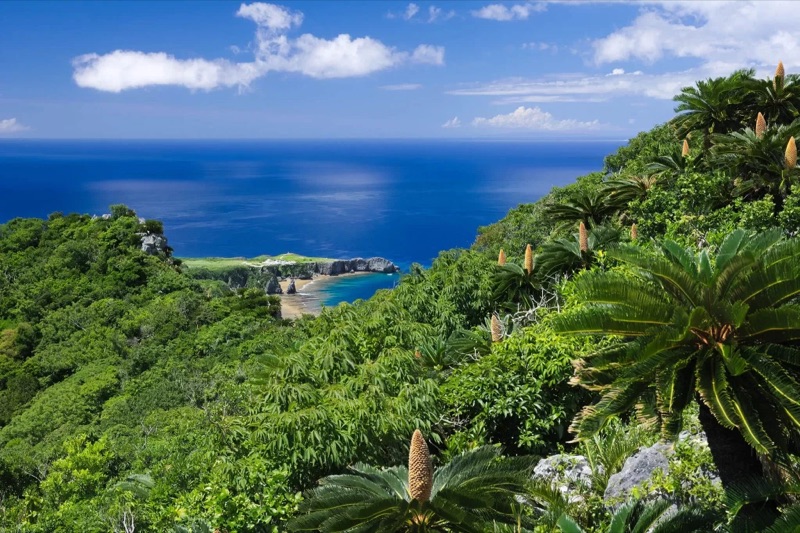
Head north to the Onna-son area (40-60 min from Naha) — Okinawa's main resort stretch with the best beaches and snorkeling. Check into your hotel or Airbnb and walk to the nearest beach for sunset. The water is 26-28°C in June — bathtub warm.

📍 Onna-son, Kunigami-gun (central west coast)
💡 This stretch of coast has the best beaches: Moon Beach, Manza Beach, Cape Manzamo
💡 Budget: guesthouses from ¥4,000/night. Mid-range: ¥8,000-15,000. Luxury: ¥25,000+
💡 June is pre-peak — good deals on beachfront accommodation
🍽️ Dinner
Goya Champuru
Okinawa's most famous dish: stir-fried bitter melon (goya) with tofu, egg, and spam or pork belly. It sounds weird and tastes incredible — savory, slightly bitter, deeply satisfying. Wash it down with Orion beer, Okinawa's local brew.
📍 Any local Okinawan restaurant · 💰 ¥800-1,500 · 🍈 Bitter melon stir-fry — the taste of Okinawa
Day 17 Onna-son · Blue Cave · Moon Beach

Beach Day — Snorkeling & Tropical Chill
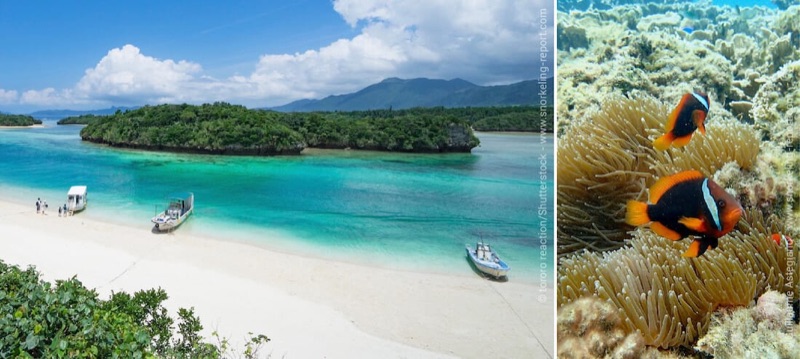
Beach Day — Snorkeling & Tropical Chill, Japan

Your first full Okinawa beach day. Snorkel in crystal-clear water, float above coral reefs, eat tacos (yes, Okinawa loves tacos), and do absolutely nothing productive.

Morning

Snorkeling at Blue Cave 🐠

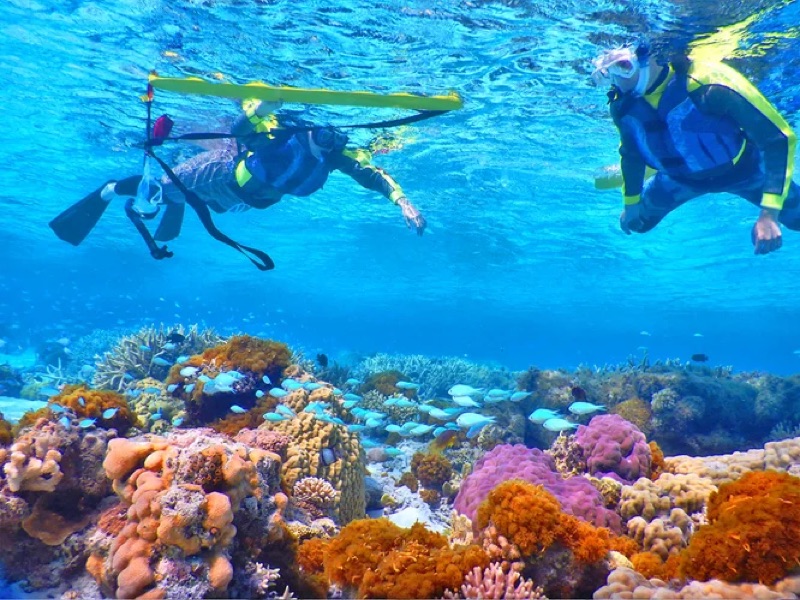
One of Okinawa's most famous snorkeling spots — a sea cave where the water glows electric blue from sunlight refracting through the limestone. Tropical fish swarm around you the moment you enter the water. Book a guided snorkel tour (they provide all gear and boat transport) or drive to Cape Maeda and swim from shore.

📍 Cape Maeda, Onna-son
💰 Guided tour: ¥4,000-6,000/person (includes gear + boat). Shore snorkel: free (bring your own mask)
💡 Book a morning tour — the cave is bluest before noon
💡 The fish are so plentiful you'll feel like you're in an aquarium
💡 Water temperature: ~27°C in June — no wetsuit needed
🍽️ Lunch
Okinawa Taco Rice
Okinawa's brilliant fusion dish: taco-seasoned beef over rice with lettuce, tomato, cheese, and salsa. Born from American military influence and now a beloved local staple. Try it at Kijimunaa or any local cafe.
💰 ¥700-1,200 · 🌮 Taco rice — Okinawa's delicious American-Japanese mashup
Afternoon

Beach Time & Relaxation

The entire point of this week. Find a beach, unfold a towel, read a book, swim when you're hot, nap when you're tired. Recommended beaches: Moon Beach (calm, family-friendly), Manza Beach (near Cape Manzamo), or any small cove you discover while driving. This is what vacation feels like.

💡 Apply reef-safe sunscreen — regular sunscreen kills coral
💡 Beach umbrellas and chairs can be rented at most major beaches
💡 Hydrate! Okinawa sun is intense in June
Evening

Sunset & Orion Beer

Grab Orion Beer (Okinawa's local brew) and watch the sun drop into the East China Sea. Find a beachfront bar or just sit on the sand. Sunsets in Okinawa are dramatic — orange, pink, and purple painting the sky over the water.

💡 Orion Beer is lighter than Asahi — perfect for tropical heat
💡 Awamori is Okinawa's local distilled spirit (like sake but stronger, 30-60%)
🍽️ Dinner
Seafood at a local izakaya
Find a beachside izakaya and order whatever was caught that day. Okinawan grilled fish (gurukun or mimiga), sea grape (umi-budo — "green caviar"), and Rafute (slow-braised pork belly). Pour some awamori over ice.
💰 ¥2,000-4,000 · 🐟 Freshest catch + Orion beer + ocean breeze
Day 18 Motobu · Nakijin · Northern Okinawa

Churaumi Aquarium & Nakijin Castle

Churaumi Aquarium & Nakijin Castle, Japan

Visit the world's second-largest aquarium, explore the ruins of a 13th-century castle with ocean views, and discover the real Okinawa beyond the beaches.

Morning

Churaumi Aquarium

Okinawa's crown jewel. The Kuroshio Sea tank — the second largest aquarium tank in the world — holds 7,500 cubic meters of water and houses three massive whale sharks alongside manta rays and hundreds of tropical fish. Stand in front of the 8.2m x 22.5m acrylic panel and feel very, very small. The coral and deep-sea exhibits are equally impressive.

📍 424 Ishikawa, Motobu
💰 ¥1,880/person
🕐 8:30-20:00 (March-September)
💡 Arrive at opening (8:30) to beat the crowds
💡 The whale shark feeding times are posted — don't miss it
💡 The outdoor dolphin show is free with admission
🍽️ Lunch
Okinawa Soba near the aquarium
Grab a bowl at one of the restaurants near Churaumi — there are several excellent local spots on the road leading up to the aquarium.
💰 ¥700-1,200 · 🍜 Refuel between aquarium and castle
Afternoon

Nakijin Castle Ruins

A UNESCO World Heritage Site — the remains of a 13th-century Ryukyu Kingdom castle perched on a hilltop with panoramic views of the East China Sea. The stone walls are impressive (some of the oldest in Okinawa), and the setting is peaceful and evocative. June means the grounds are lush and green.

📍 5101 Imadomari, Nakijin
💰 ¥400/person
🕐 8:00-18:00 (April-September)
💡 The views from the castle walls alone are worth the visit
Evening

Drive Back & Sunset Stop

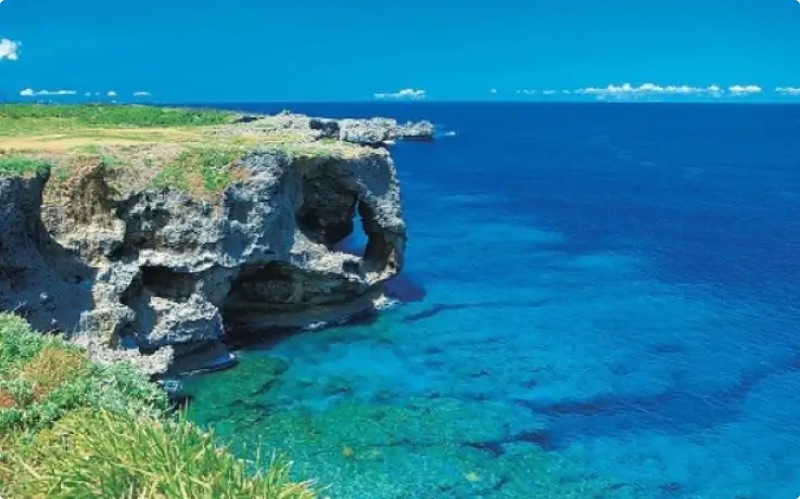
Take the scenic coastal road back to Onna-son. Stop at Cape Manzamo if you haven't been — the elephant-shaped rock formation at sunset is one of Okinawa's most photographed spots.

💡 The west coast road has pullouts with incredible ocean views
💡 Stop at a roadside fruit stand for fresh mango — June is mango season!
🍽️ Dinner
Yakiniku (Korean/Japanese BBQ)
Okinawa has excellent yakiniku — the beef is different from mainland wagyu but delicious. Grill it yourself at the table with rice, kimchi, and beer. Island-style comfort food after a day of exploring.
💰 ¥2,500-4,000 · 🥩 DIY grilled meat — island style
Day 19 Zamami Island · Kerama Islands

Kerama Islands Day Trip

Kerama Islands Day Trip, Japan

Take a ferry to the Kerama Islands — some of the clearest water on Earth. Snorkel over sea turtles, kayak through turquoise lagoons, and pretend you're in a screensaver.

Morning

Ferry to Zamami Island 🏝️

Drive to Tomari Port in Naha and take the fast ferry to Zamami Island (35 min, ¥3,340 round trip). Zamami is a tiny island (population ~600) surrounded by water so clear it's been called "Kerama Blue." Rent a snorkel set on the island and head straight to the beach.

📍 Tomari Port, Naha → Zamami Port
🕐 Fast ferry: 35 min. Slow ferry: 90 min.
💰 Fast ferry: ¥3,340 round trip
💡 Book ferry tickets a day ahead in summer
💡 Rent snorkel gear on the island (¥1,500-2,000/day)
💡 The island has no traffic lights and very few cars
Afternoon

Snorkel with Sea Turtles 🐢

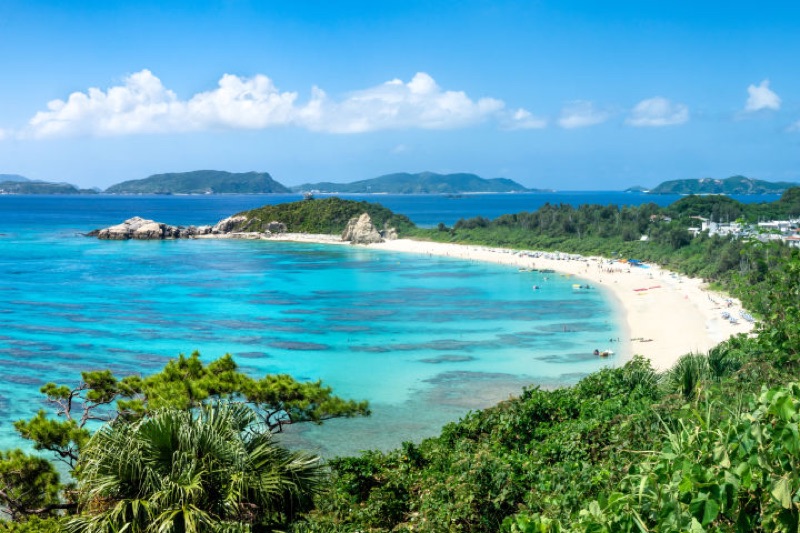
Zamami's beaches are legendary. Ama Beach has calm, shallow water perfect for spotting sea turtles grazing on seagrass. Furuzamami Beach has the classic white sand + turquoise water combo. The water visibility can exceed 50 meters — you'll see fish, coral, and maybe a turtle the size of a coffee table.

📍 Ama Beach and Furuzamami Beach, Zamami
💡 Sea turtles are most commonly spotted at Ama Beach in the morning
💡 The water is warm enough for hours of snorkeling
💡 There's a viewpoint above the port with a stunning panorama of the Kerama islands
🍽️ Lunch
Island café or packed lunch
Zamami has a few small cafes and restaurants. Try the local taco rice or a simple soba bowl. Or bring a bento from Naha — eat on the beach with your toes in the sand.
💰 ¥800-1,500 · 🏝️ Simple island food, incredible setting
Evening

Ferry Back & Naha Night

Catch the late afternoon ferry back to Naha. If you have energy, hit the Naha nightlife along Kokusai-dori or try an Okinawan izakaya with live sanshin (Okinawan shamisen) music.

💡 Last fast ferry usually leaves around 16:00-17:00 — check the schedule
💡 If you miss it, there are minshuku (guesthouses) on the island
🍽️ Dinner
Okinawan Izakaya in Naha
End the day with Okinawan comfort food: rafute (braised pork belly), mimiga (pig ear salad), umi-budo (sea grapes), and plenty of Orion beer or awamori on ice. Find a place with live Okinawan music — the sanshin is hauntingly beautiful.
📍 Kokusai-dori area · 💰 ¥2,000-4,000 · 🍶 Awamori + Orion beer + live sanshin music
💡 The Kerama Islands are a designated national park. The water visibility here regularly exceeds 30-50 meters — some of the clearest ocean water in the world.
Day 20 Cape Hedo · Yanbaru · Kunigami

Cape Hedo & Yanbaru Forest

Cape Hedo & Yanbaru Forest, Japan

Drive to the very top of Okinawa — dramatic cliffs, ancient subtropical forest, and the wild, undeveloped north that most tourists never see.

Morning

Drive North Through Yanbaru Forest

The drive from Onna-son to Cape Hedo takes 90 minutes through the Yanbaru subtropical forest — a UNESCO World Natural Heritage site. The road winds through dense jungle with massive banyan trees, birdsong, and zero development. Stop at viewpoints along the way.

📍 Route 58 north from Onna-son
💡 Yanbaru is home to the endangered Okinawa rail (Yanbaru kuina) — watch for wildlife on the road
💡 Stop at the Ada Gardens or Okuma beaches along the way

Cape Hedo — Okinawa's Northern Tip

The northernmost point of Okinawa's main island — dramatic limestone cliffs plunging into crashing waves with views to Yoron Island (Kagoshima) on clear days. The wind is fierce, the views are wild, and you'll likely have it mostly to yourself.

📍 Cape Hedo, Kunigami
💰 Free
💡 Bring a windbreaker — the cape is exposed and windy
💡 The contrast with the calm south-coast beaches is striking
🍽️ Lunch
Roadside Station (Michi-no-Eki)
Japan's michi-no-eki (roadside stations) are hidden gems — local food markets selling fresh produce, prepared dishes, and crafts. The one near Cape Hedo has excellent local soba, fresh tropical fruit, and Yomitan pottery.
💰 ¥800-1,500 · 🍜 Local soba + fresh mango + pottery shopping
Afternoon

Daisekirinzan Mountains

Near Cape Hedo, hike through ancient subtropical forest with massive limestone rock formations. The trails are well-maintained and the forest canopy provides shade — a welcome break from the beach sun. Look for the Yanbaru kuina (Okinawa rail) — a flightless bird found nowhere else on Earth.

📍 Near Cape Hedo
💰 ¥600/person
🕐 9:00-17:00
💡 Bring bug spray — the forest is lush but mosquito-y in June
Evening

Return & Beach Sunset

Drive back south and catch your final Okinawa sunset from a west-facing beach. Each one is different and each one is spectacular.

💡 Stop at a beachfront bar for a final Orion beer as the sun goes down
🍽️ Dinner
Steak at a local restaurant
Okinawa has a surprising steakhouse culture (American military influence). Try Ishigaki beef or Okinawan beef at a local steak restaurant — good quality, much cheaper than mainland wagyu.
💰 ¥2,500-4,000 · 🥩 Okinawan beef — underrated and delicious
Day 21 Shuri · Naha · Tsuboya

Shuri Castle & Ryukyu History

Shuri Castle & Ryukyu History, Japan

Explore Okinawa's unique Ryukyu Kingdom heritage — a culture distinct from mainland Japan with its own architecture, food, music, and spirit.

Morning

Shuri Castle

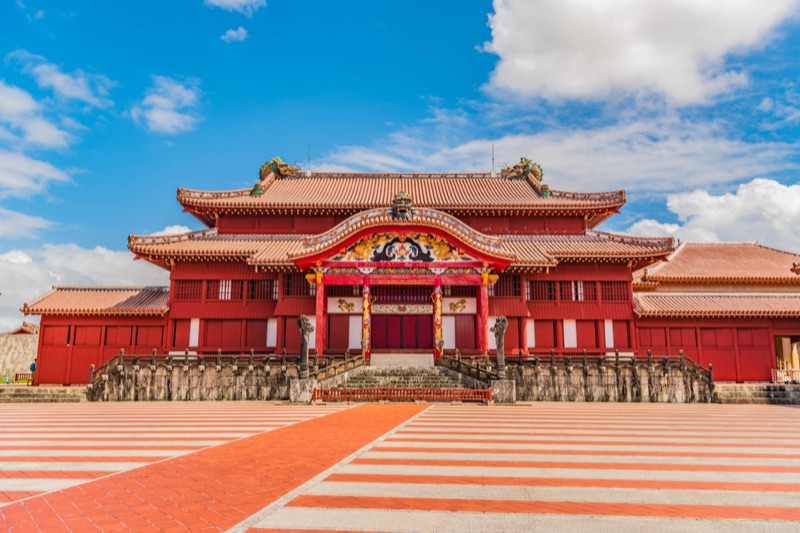
The palace of the Ryukyu Kingdom (1429-1879) — a UNESCO World Heritage Site. The castle burned in a devastating 2019 fire and the main hall is being reconstructed, but the grounds, gates (especially the beautiful Shureimon gate), and surrounding temples are open and worth visiting. The view over Naha from the castle hill is excellent.

📍 1-2 Shurikinjocho, Naha
💰 ¥400/person (outer areas)
🕐 8:30-18:00
💡 The reconstruction is ongoing but the site remains powerful and beautiful
💡 Visit Shikina-en Garden nearby — a royal garden with a Chinese-style bridge
🍽️ Lunch
Tsuboya Yachimun Street
Naha's pottery district. Traditional Okinawan ceramics (yachimun) have been made here for 300+ years. Browse the workshops, watch potters at work, and buy a beautiful bowl or cup as a souvenir. Several cafes serve lunch on pretty pottery.
📍 Tsuboya, Naha · 💰 ¥1,000-2,000 · 🏺 Pottery shopping + café lunch on handmade dishes
Afternoon

Okinawa Peace Memorial Park

A powerful and moving memorial to the Battle of Okinawa (1945) — the bloodiest battle in the Pacific. The Cornerstone of Peace lists every person who died (all nationalities). The views over the ocean are serene. It's sobering but essential to understanding Okinawa's complex history.

📍 614-1 Mabuni, Itoman
💰 Free
🕐 9:00-18:00
💡 Plan 1-2 hours — the museum is detailed and emotionally heavy
💡 The memorial is beautiful and respectful — a necessary visit
Evening

Final Okinawan Feast

Your last night in Okinawa — go all out. Find a restaurant serving a full Ryukyu cuisine spread: rafute, goya champuru, mimiga, umi-budo, soki soba, and finish with beni-imo (purple sweet potato) desserts. Drink awamori the Okinawan way: diluted with water and ice.

💡 Many traditional restaurants are in the Makishi Market area or along Kokusai-dori
💡 Awamori with water and ice is called "mizu-wari" — the smoothest way to drink it
🍽️ Dinner
Ryukyu Cuisine Full Spread
A grand Okinawan dinner: braised pork belly, bitter melon stir-fry, pig ear salad, sea grapes, peanut tofu (jimami-dofu), and soki soba. Every dish tells a story of this unique island culture.
📍 Naha · 💰 ¥3,000-5,000 · 🍽️ Full Ryukyu feast — every dish a story
Day 22 Onna-son · Naha Airport · Koyasan

Last Beach Morning & Fly to Osaka

Last Beach Morning & Fly to Osaka, Japan

One final swim, return the rental car, and fly back to Osaka. From there, take the train deep into the mountains to Koyasan — one of Japan's most sacred places.

Morning

Final Beach Time

Wake up early for one last swim. The morning light on Okinawa's water is the clearest it gets all day. Pack up, say goodbye to the island, and drive back to Naha.

💡 Drop off rental car at the airport — most companies have airport counters
💡 Allow 2 hours before your flight
🍽️ Breakfast
Hotel breakfast or konbini
Grab a quick breakfast and hit the road. If your hotel offers breakfast, the Okinawan spread is always worth it.
💰 ¥500-1,000
Afternoon

Fly to Osaka & Train to Koyasan

Fly Naha → Kansai (KIX), then take the train south to Koyasan: Nankai Line from Kansai Airport to Shin-Imamiya, transfer to the Nankai Koya Line to Gokurakubashi, then the funicular cable car up the mountain to Koyasan. Total: ~3.5 hours from landing. The train ride through the mountains is beautiful.

📍 Naha → KIX → Koyasan
💡 The Koyasan World Heritage Ticket (¥2,860) covers the round trip from Osaka + bus in Koyasan
💡 The cable car up the mountain takes 5 minutes and is atmospheric
💡 Pack overnight essentials — you're sleeping at a Buddhist temple tonight
🍽️ Dinner
Shojin Ryori (Buddhist Temple Cuisine)
Your temple lodging serves shojin ryori — traditional Buddhist vegetarian cuisine. No meat, no fish, no garlic or onions. Instead: beautifully prepared seasonal vegetables, tofu, tempura, miso soup, pickled vegetables, and rice. It's meditative, delicious, and unlike any meal you've had in Japan.
📍 Your temple lodging · 💰 Included in stay · 🥢 Buddhist vegetarian — pure and beautiful
💡 A shukubo (temple stay) costs ¥9,000-15,000/person with dinner and breakfast. You'll sleep on tatami mats, wear temple yukata, and wake at dawn for morning prayers. It's one of Japan's most profound experiences.
Day 23 Okunoin Cemetery · Danjo Garan · Koyasan

Koyasan — Sacred Mountain Morning

Koyasan — Sacred Mountain Morning, Japan

Wake before dawn for Buddhist morning prayers, walk through Japan's most atmospheric cemetery among 1,000-year-old cedar trees, and feel the weight of centuries in this sacred mountaintop town.

Morning

Morning Prayers (Otsutome)

Wake at 5:30-6:00 for the monks' morning prayer ceremony. Sit in the temple hall as incense fills the air, monks chant sutras in deep resonant voices, and the gong sounds in the predawn stillness. Even if you're not Buddhist, it's deeply moving. The ceremony lasts about 45 minutes.

📍 Your temple lodging's main hall
🕐 5:30-6:30 (varies by temple)
💡 Sit quietly, observe, and let the chanting wash over you
💡 Photography is usually OK but ask first and be respectful

Okunoin Cemetery Walk

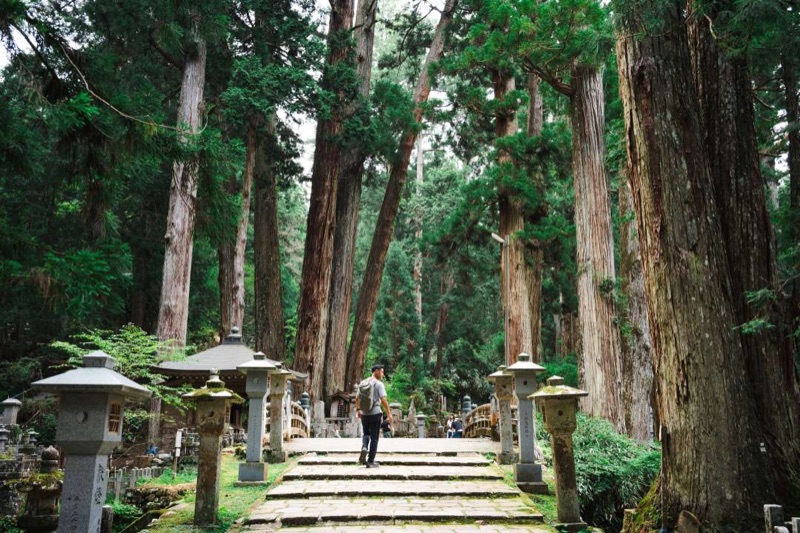
Walk the 2km path through Okunoin — Japan's largest and most atmospheric cemetery, with over 200,000 tombs and memorial monuments beneath towering 700-year-old cedar trees. The path leads to the mausoleum of Kobo Daishi, the founder of Shingon Buddhism, who is said to be in eternal meditation here. The morning mist, the moss-covered stone lanterns, and the absolute silence make this one of Japan's most powerful experiences.

📍 Okunoin, Koyasan
💰 Free
🕐 Best at dawn (6:00-8:00) when the mist is thick and crowds are thin
💡 Walk slowly — every stone tells a story
💡 Look for the "space monument" — a memorial sponsored by a space company, shaped like a rocket
💡 The Gokusho Offering Hall near the mausoleum is where you can offer prayers
🍽️ Breakfast
Temple Breakfast
Another round of shojin ryori — simpler than dinner but equally beautiful. Sesame tofu, pickled vegetables, rice porridge, and green tea. Eat mindfully.
📍 Your temple lodging · 💰 Included in stay · 🍵 Simple, beautiful, mindful
Walking through Okunoin cemetery at 6am in the mist, with 700-year-old cedar trees towering above and moss-covered lanterns lining the path, is the single most magical experience I've had in Japan.r/JapanTravel
Afternoon

Danjo Garan Temple Complex

The other half of Koyasan's spiritual heart — a complex of temples, pagodas, and halls centered around the massive Konpon Daito (Great Stupa). The vermilion pagoda is the symbolic center of Shingon Buddhism. Wander through the complex, visit the Kondo (Main Hall), and ring the massive bell.

📍 Danjo Garan, Koyasan
💰 Free to walk the grounds · Some buildings ¥200
💡 The Konpon Daito pagoda is painted a vivid vermilion — it glows in afternoon light
🍽️ Lunch
Koyasan local restaurant
Koyasan has a few excellent cafes and restaurants serving local specialties: sesame tofu (goma-dofu), koyasan-style ramen, and the best tempura vegetables you'll ever eat. Try Bon on Main Street.
💰 ¥1,000-1,800 · 🍜 Goma-dofu (sesame tofu) — Koyasan's signature
Evening

Okunoin at Night (Toro-eshiki)

Return to Okunoin after dark. The cemetery is lit by hundreds of stone lanterns — some donated by feudal lords centuries ago. The path is dimly lit, the cedars loom overhead, and the silence is absolute. It's not scary — it's profoundly peaceful. This is Koyasan at its most mystical.

📍 Okunoin, Koyasan
💡 Bring a small flashlight but don't overuse it — let the lanterns guide you
💡 The stone lanterns near the mausoleum area are the most atmospheric
🍽️ Dinner
Simple temple or local dinner
If you're staying a second night at the temple, enjoy another shojin ryori dinner. Otherwise, the small restaurants on Koyasan's main street serve simple, warming meals.
💰 ¥1,000-2,000 · 🥢 Quiet mountain dinner
Day 24 Kinosaki Onsen · Toyooka

Travel to Kinosaki Onsen

Travel to Kinosaki Onsen, Japan

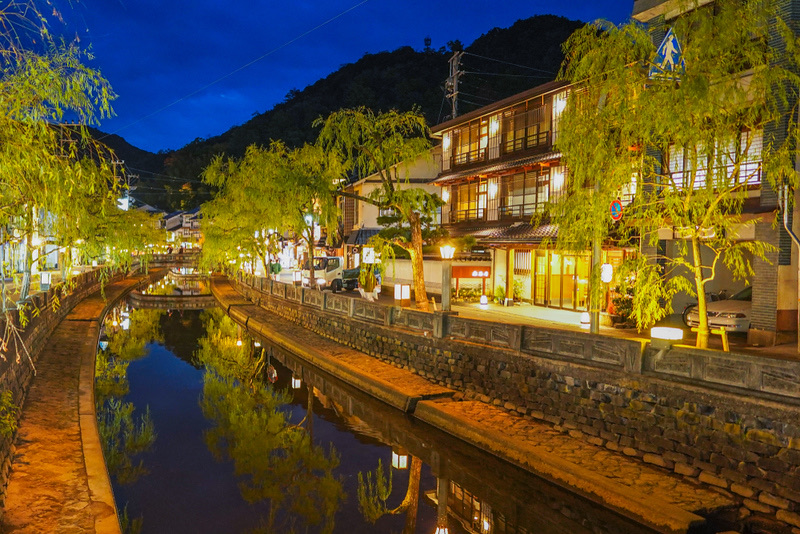
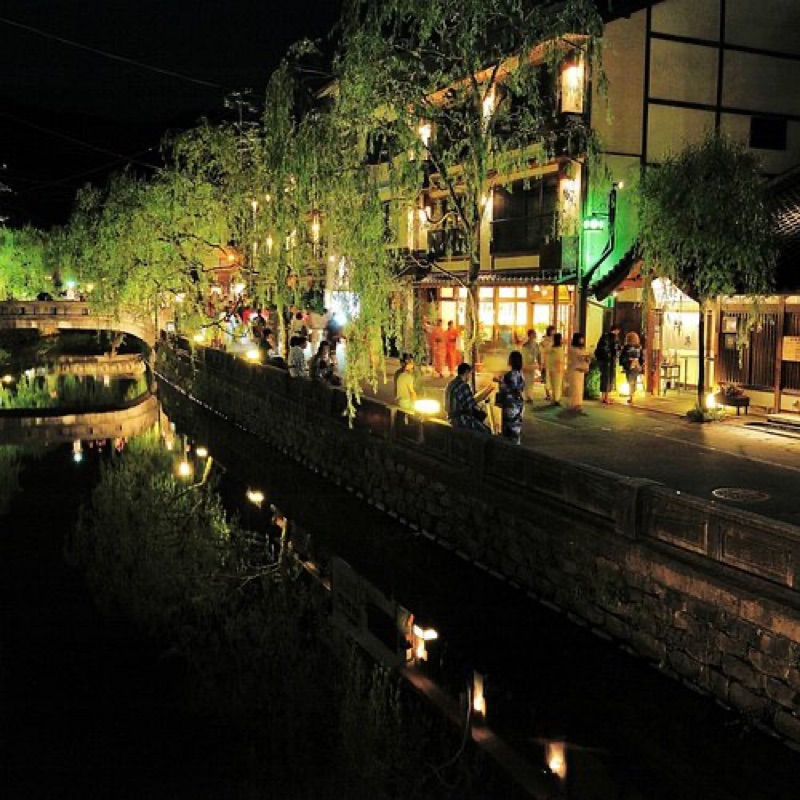
Descend the sacred mountain and travel north to the hot-spring town of Kinosaki — a charming canal-lined onsen village where you'll yukata-clad hop between seven historic bathhouses.

Morning

Travel Day: Koyasan to Kinosaki

Take the cable car down from Koyasan, then train north: Nankai Line to Shin-Imamiya, JR Loop Line to Osaka, then the Limited Express Konotori to Kinosaki Onsen (2.5 hours from Osaka, covered by JR Pass). The train ride winds through the rural Tajima region — rice paddies, wooden farmhouses, and mountains.

📍 Koyasan → Osaka → Kinosaki Onsen
🕐 ~4.5-5 hours total with transfers
💡 Covered by JR Pass (the Limited Express Konotori is a scenic ride)
💡 Pick up ekiben at Osaka Station for the ride
Afternoon

Arrive in Kinosaki & Yukata Fitting

Kinosaki Onsen is picture-perfect: willow-lined canals, wooden bridges, traditional ryokans, and locals in yukata strolling between bathhouses. Check into your ryokan, put on the provided yukata and geta (wooden sandals), and join the tradition. Walking through town in yukata IS the experience.

📍 Kinosaki Onsen, Toyooka City, Hyogo
💡 Your ryokan provides yukata — wear it proudly
💡 The town is flat and walkable — everything is within 10 minutes on foot
💡 Buy the onsen pass (¥1,300) for access to all 7 public bathhouses

First Onsen: Mandara-yu

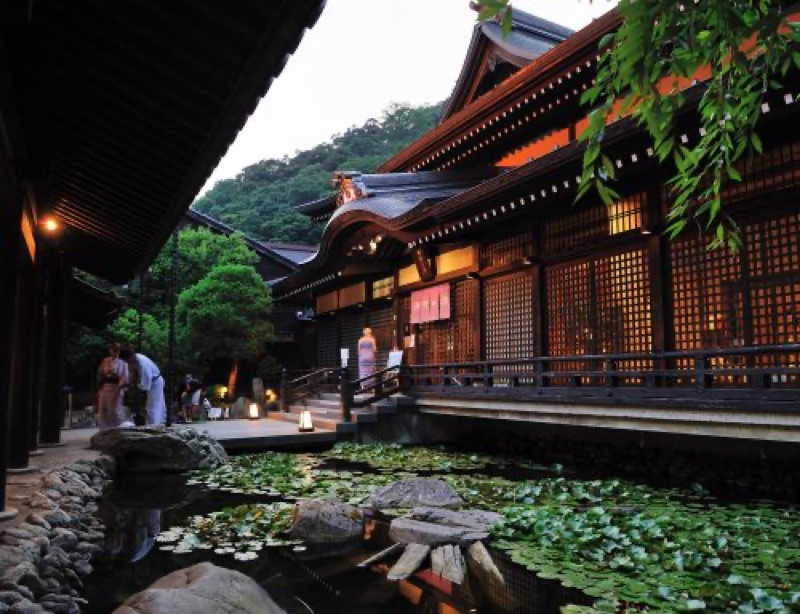
Start with Mandara-yu — the oldest bathhouse in Kinosaki, said to have been discovered by a priest in 717 AD. It's the most atmospheric of the seven, with dark wooden interiors and thick steam.

📍 Central Kinosaki
💰 Included in onsen pass
💡 This is a public bath — you'll be nude. Embrace it.
💡 Tattoo restrictions vary — check ahead or book ryokans with private baths
🍽️ Dinner
Ryokan Kaiseki with Matsuba Crab
Kinosaki is famous for Matsuba crab (winter) and in June, for fresh seafood from the Sea of Japan. Your ryokan kaiseki will feature local fish, seasonal vegetables, and possibly Tajima beef (from the same region as Kobe beef, without the markup). Another multi-course feast.
📍 Your ryokan · 💰 Included in stay · 🦀 Sea of Japan seafood + local Tajima beef
💡 Kinosaki has 7 public bathhouses (soto-yu). The tradition is to visit all 7 during your stay. Collect stamps at each one — your ryokan provides a stamp booklet.
Day 25 Kinosaki Onsen · All 7 Soto-yu

Seven Bathhouse Pilgrimage

Seven Bathhouse Pilgrimage, Japan

Today is dedicated to hot springs. Walk between all seven of Kinosaki's historic bathhouses in your yukata, soaking in mineral-rich water at each one. This is Japanese relaxation at its finest.

Morning

Onsen #2: Goshono-yu

The most elegant bathhouse — modeled after a Heian-period palace with a dramatic entrance gate. The outdoor bath (rotenburo) is surrounded by stone and bamboo. Go early for the best light.

📍 Central Kinosaki
💰 Included in onsen pass (¥1,300 for all 7)

Onsen #3: Ichino-yu

A smaller, more intimate bathhouse near the station. The mineral water here has a distinctive silky texture — it's said to be particularly good for the skin.

📍 Near Kinosaki Onsen Station
🍽️ Breakfast
Ryokan Japanese Breakfast
Another beautiful temple of a meal: grilled fish, rice, miso, pickled vegetables, rolled omelet. The simple perfection of a Japanese breakfast never gets old.
📍 Your ryokan · 💰 Included in stay
Afternoon

Onsen #4: Yanagi-yu

Named after the willow trees (yanagi) that line the canal outside. A bright, airy bathhouse with large windows and a gentle atmosphere. The water here is said to help with muscle recovery.

📍 Central Kinosaki, near the willow canal

Onsen #5: Kono-yu

The largest bathhouse and the most impressive — a grand building at the far end of town. Multiple indoor baths of different temperatures, plus a spacious outdoor bath surrounded by trees. This is the one to spend extra time in.

📍 Northern end of Kinosaki
💡 Has both hot and cool baths — alternate between them for the full onsen experience
💡 The outdoor bath here is the most scenic of the seven
🍽️ Lunch
Kinosaki local soba or seafood bowl
Grab lunch at a local restaurant on the main street — fresh soba noodles or a seafood rice bowl with Sea of Japan catch. Simple and perfect between soaks.
💰 ¥800-1,500 · 🍜 Light lunch between baths
💡 Pace yourself! Don't try to do all 7 in rapid succession. Soak for 15-20 minutes at each, then walk, rest, hydrate, and move on. The walking in yukata is part of the therapy.
Evening

Onsen #6: Jizo-yu

Named after the Jizo statues (guardian of travelers) near its entrance. A cozy, traditional bathhouse with a warm, community feel.

📍 Central Kinosaki

Onsen #7: Satono-yu

The final bathhouse — save it for evening. It has a dramatic entrance modeled after Yamato Castle and a beautiful outdoor bath where you can soak while watching the sunset over the mountains. The perfect final onsen of your Kinosaki pilgrimage.

📍 Near Kinosaki Onsen Station
💡 The outdoor bath here faces west — best for sunset soaking
💡 You did it! All 7 bathhouses collected.
🍽️ Dinner
Izakaya on the Main Street
Tonight, skip the ryokan dinner and eat at a local izakaya. Kinosaki's main drag has several atmospheric small bars serving fresh Sea of Japan seafood, local sake from Tajima, and friendly conversation. Try the snow crab (if in season) or grilled fish.
📍 Kinosaki main street · 💰 ¥2,500-4,000 · 🍺 Local sake + fresh seafood in a yukata-friendly town
Day 26 Arima Onsen · Mt. Rokko · Kobe

Rural Hyogo — Hidden Onsen Town

Rural Hyogo — Hidden Onsen Town, Japan

Take a detour to the deeply rural Arima Onsen — Japan's oldest hot spring town, hidden in the mountains behind Kobe. Three types of mineral water, cobblestone streets, and zero crowds.

Morning

Travel to Arima Onsen

Take the train from Kinosaki to Toyooka, then the limited express to Kobe (1.5 hours), then bus or ropeway to Arima Onsen (30 min). Or take the JR train to Sanda and bus up. Arima is tucked in a mountain valley — the approach feels like discovering a secret.

📍 Kinosaki → Kobe/Sanda → Arima Onsen
🕐 ~3 hours total
💡 Arima Onsen is one of Japan's three oldest hot springs — documented since 631 AD
💡 The ropeway from Mt. Rokko offers incredible views if the weather is clear
Afternoon

Explore Arima Onsen Town

A tiny onsen town with cobblestone streets, wooden ryokans, and two unique types of hot spring water: Kinsen (golden, iron-rich) and Ginsen (silver, radium-rich). Visit the Tosen-kyo bridge, the Arima Toys and Automata Museum, and soak in the public Kin-no-yu bathhouse (¥650). The carbonated rice crackers (Arima senbei) are a local specialty made with onsen steam.

📍 Arima Onsen, Kobe
💰 Kin-no-yu public bath: ¥650
💡 Try the carbonated hot spring water at the public spring — it's naturally fizzy
💡 Arima senbei crackers are made at shops throughout town — watch the process
💡 For a private onsen, book a kashikiri-buro at Tosenkaku or your ryokan
🍽️ Lunch
Arima local cuisine
Try Kobe beef at a local restaurant — yes, real Kobe beef in its home region, at much lower prices than Tokyo or Osaka. Or go for simple soba and onsen-manju (hot spring steamed buns).
💰 ¥1,500-4,000 · 🥩 Kobe beef in its homeland — no tourist markup
Evening

Private Onsen & Mountain Quiet

Book a kashikiri-buro (private rental onsen) at your ryokan or a public bathhouse. Arima's mineral water is some of the rarest in Japan — the golden Kinsen contains iron and salt and leaves your skin incredibly soft. Soak in silence as the mountain evening cools around you.

💡 Kashikiri-buro typically ¥1,500-3,000 for 45 minutes
💡 The water here has been flowing for over 1,300 years
🍽️ Dinner
Ryokan dinner or local izakaya
End with another beautiful kaiseki meal featuring local Hyogo ingredients: Tajima beef, Tango peninsula seafood, and seasonal mountain vegetables.
💰 ¥3,000-6,000 · 🍱 Hyogo's finest ingredients — Tajima beef and mountain vegetables
Day 27 Himeji · Kurashiki · Okayama

Himeji Castle — Japan's Most Beautiful
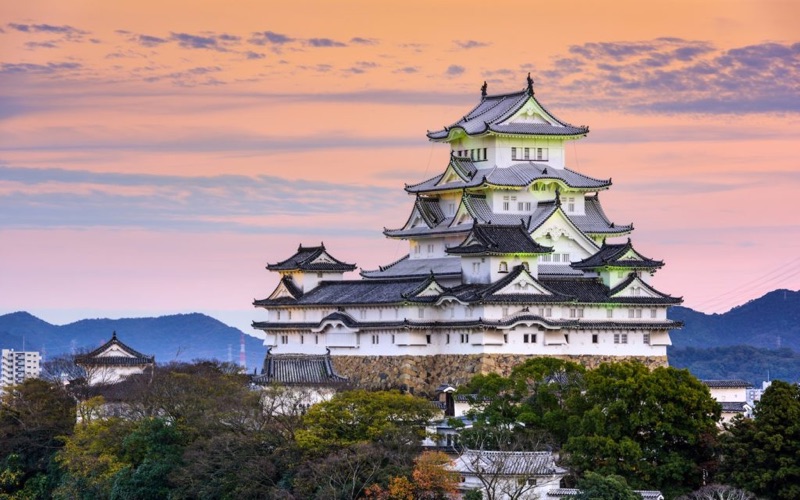
Himeji Castle — Japan's Most Beautiful, Japan

Visit the "White Heron Castle" — Japan's most stunning and best-preserved feudal castle, then continue to the atmospheric canal town of Kurashiki for a perfect penultimate evening.

Morning

Travel to Himeji

Take the Shinkansen from Kobe (Shin-Kobe) to Himeji (30 min, covered by JR Pass). The castle is a 15-minute walk straight down the main road from Himeji Station — you can see it from the station exit.

📍 Shin-Kobe → Himeji (Shinkansen)
🕐 30 minutes — covered by JR Pass

Himeji Castle 🏯

The "White Heron Castle" — Japan's most spectacular and best-preserved feudal castle, a UNESCO World Heritage Site. The brilliant white plaster walls and sweeping gray rooflines resemble a white heron about to take flight. Climb the six-story main keep (steep, narrow stairs) for panoramic views. The castle survived WWII bombing and centuries of earthquakes — it's pristine.

📍 68 Honmachi, Himeji
💰 ¥1,000/person (castle + garden)
🕐 9:00-17:00
💡 The climb to the top is strenuous — narrow wooden stairs, remove shoes inside
💡 Allow 2-3 hours for the castle + Koko-en Garden
💡 This is THE definitive Japanese castle — every other one is compared to Himeji
🍽️ Lunch
Himeji local food — Anago-meshi
Himeji's specialty: grilled conger eel (anago) glazed with sweet soy sauce over rice. Try it at the original Tenman-ya, near the castle. The eel is locally caught and perfectly caramelized.
📍 Near Himeji Castle · 💰 ¥1,500-2,500 · 🦅 Grilled eel rice — Himeji's signature
Afternoon

Train to Kurashiki

Take the JR line from Himeji to Kurashiki (45 min, covered by JR Pass). Kurashiki's Bikan Historical Quarter is one of Japan's most beautiful preserved Edo-period districts — willow-lined canal, white-walled merchant warehouses, and black-tiled roofs.

📍 Kurashiki, Okayama Prefecture
🕐 45 min from Himeji by JR train

Kurashiki Bikan Historical Quarter

Walk along the willow-lined canal past beautifully preserved merchant warehouses (kura). Many have been converted into museums, cafes, and shops. Visit the Ohara Museum of Art (Japan's first Western art museum, with works by Monet, Picasso, and El Greco) and browse the denim shops — Kurashiki's neighboring town of Kojima is Japan's denim capital.

📍 Bikan Chiku, Kurashiki
💰 Free to walk · Ohara Museum: ¥2,000
💡 For her: the local craft shops have beautiful handmade textiles and indigo-dyed goods
💡 Kurashiki is also known for its denim — jeans shopping here is excellent
💡 The canal at sunset is one of Japan's most romantic scenes
🍽️ Dinner
Kurashiki local cuisine
Try "Bottle-kun" (curry bread) or a full kaiseki dinner at a converted kura (warehouse) restaurant. The area has wonderful intimate dining in historic buildings.
📍 Bikan area · 💰 ¥1,500-4,000 · 🏛️ Dinner in a 200-year-old merchant warehouse
💡 Kurashiki is an underrated gem. Most tourists skip it for Kyoto or Nara — that's their loss and your gain. The canal at dusk with the willows and white walls is hauntingly beautiful.
Day 28 Kurashiki → Tokyo · Shinjuku · Shibuya

Last Day — Return to Tokyo

Last Day — Return to Tokyo, Japan

Your final day in Japan. Take the shinkansen back to Tokyo for last-minute shopping, one final incredible meal, and a bittersweet farewell to the country that changed you.

Morning

Shinkansen to Tokyo

Take the Tokaido Shinkansen from Okayama (nearest Shinkansen station to Kurashiki, 15 min by local train) to Tokyo Station or Shinagawa. The Nozomi train takes 3.5 hours. Watch Japan blur past the window — rice paddies, factory towns, Mount Fuji (if the clouds part, look left around Shizuoka), and finally the endless sprawl of Tokyo.

📍 Okayama → Tokyo (Tokaido Shinkansen)
🕐 3.5 hours on the Nozomi (covered by JR Pass on Hikari, 4 hours)
💡 Buy an ekiben at Okayama Station — your last train bento
💡 Mount Fuji appears on the left side of the train around Shin-Fuji station (~2.5 hours in)
💡 This is your last JR Pass day — savor the ride
🍽️ Lunch
Ekiben on the Shinkansen
Your final train bento — make it count. Okayama Station has excellent ekiben featuring local specialties. Pair it with a cold green tea from the platform vending machine.
💰 ¥1,000-1,500 · 🍱 Last ekiben — savor every bite
Afternoon

Last-Minute Tokyo Shopping

Back in Tokyo for a few final hours. Hit Don Quijote (Donki) for Japanese snacks, Kit Kats, and quirky souvenirs. Return to Kappabashi if you need more kitchen gear. Browse the depachika (department store food halls) for edible gifts: wagashi, senbei (rice crackers), matcha everything.

📍 Shibuya/Shinjuku Don Quijote · depachika at Takashimaya or Isetan
💡 Tokyo Station's Character Street has all the Japanese character goods
💡 Tokyo Station's Ramen Street for one last bowl if you have time
💡 Narita/Haneda airports also have excellent last-minute shopping
💡 Pack your knives carefully in checked luggage! Wrap them in newspaper or a knife roll. Declare them at check-in if asked. Japan customs may ask for receipts for tax-free items over ¥500,000 total.
Evening

Final Dinner — The Best Meal in Japan

Make your last meal count. Options: (1) Sushi at a proper counter restaurant — sit at the bar, watch the chef, order omakase (¥5,000-15,000). (2) A final bowl of tonkotsu ramen. (3) Wagyu teppanyaki if you want to go out with a bang. Wherever you eat, raise a glass of sake to the most incredible month of your life.

💡 Tokyo Station's Ramen Street: Rokurinsha (tsukemen) or Soranoiro (vegan options)
💡 For splurge sushi: Sushi Sho or Sushi Dai (Tsukiji)
💡 For atmosphere: any izakaya in Yurakucho gado-shita — where it all began on Day 1
🍽️ Dinner
Your Choice — Make It Count
This is it. Sushi, ramen, wagyu, izakaya — whatever your heart wants. Raise a glass of sake. You just spent a month in Japan. You earned this meal.
📍 Tokyo · 💰 Whatever you want to spend · 🍶 Kampai! — to the journey of a lifetime
💡 Tomorrow is departure day. Pack tonight — check that your knives are safely wrapped in checked luggage. Set your alarm for the airport transfer. And start planning your next trip to Japan, because you WILL be back.

💰 Budget Breakdown

CategoryPerDayTotal
Accommodation (28 nights)¥7,000-12,000¥196,000-336,000 ($1,300-2,250)
Food & Drink¥4,000-8,000¥112,000-224,000 ($750-1,500)
21-Day JR Pass$400
Hakone Free Pass (2 days)¥6,400 ($43)
Flights: Osaka→Okinawa RT¥10,000-24,000 ($65-160)
Okinawa Car Rental (7 days)¥35,000-50,000 ($235-335)
Onsen Pass (Kinosaki)¥1,300 ($9)
Activities & Entry Fees¥20,000-35,000 ($135-235)
Local Transport (non-JR)¥1,000¥28,000 ($190)
Knives & ShoppingVariable
TOTAL (couple, excl. knives)$3,300-5,100

🚄 Transportation Strategy

  • Activate 21-day JR Pass on Day 5 (Hakone departure) — covers all major train travel through Day 28
  • Get Suica/PASMO IC card for Tokyo local transit and konbini purchases
  • Rent car in Okinawa — it's essential. Book online in advance for better rates
  • The Romancecar to Hakone and Wide View Hida to Takayama are scenic — book window seats
  • Reserve Shinkansen seats at JR ticket offices or machines — don't chance non-reserved cars

🏨 Where to Stay

  • Tokyo (4 nights): Stay near Shinjuku or Shibuya for nightlife and transit — APA Hotel, Hotel Gracery Shinjuku, or Airbnb
  • Hakone (2 nights): Splurge on a ryokan with private onsen — Hakone Nanase or Yamato-kan
  • Takayama (3 nights): Guesthouse or minshuku near Sanmachi — Rickshaw Inn or K’s House Takayama
  • Kanazawa (2 nights): Machiya (traditional townhouse) stay — experience living in a restored merchant house
  • Osaka (4 nights): Namba or Umeda — Namba for food access, Umeda for transit — Shell Hotel or Airbnb
  • Okinawa (7 nights): Onna-son beach area — guesthouse or resort, depending on budget
  • Koyasan (1-2 nights): Shukubo (temple lodging) — Fukuchi-in or Shojoshin-in
  • Kinosaki/Arima (3 nights): Ryokan with kaiseki dinner — Morizuya, Yamamotoya, or budget: Mikuniya

🌧️ Rainy Season (Tsuyu)

  • June is rainy season in mainland Japan — expect humid, wet days especially mid-June
  • Pack a lightweight rain jacket and compact umbrella (buy a clear one at a konbini — very Japanese)
  • The rain makes temples, gardens, and mountain towns MORE atmospheric — embrace it
  • Okinawa is NOT in the rainy season — it will be hot, sunny, and tropical
  • Indoor backups: teamLab, museums, covered shopping arcades, onsen soaking

🔪 Knife Shopping Tips

  • Kappabashi (Tokyo Day 2): Browse first, buy last — compare shops before committing
  • Sakai (Osaka Day 13): Book a workshop tour — watching a blade being forged is unforgettable
  • Budget ¥10,000-30,000 for a professional knife, ¥5,000-10,000 for a good home knife
  • Get name engraving — most shops do it free. It makes the knife YOURS
  • Tax-free shopping: bring passport, spend over ¥5,000 at one store, save 10%
  • Pack knives in checked luggage — wrap in newspaper or a knife guard/roll
  • For her: Japanese ceramics, chopsticks, bento boxes, and lacquerware are incredible souvenirs

📱 Practical Tips

  • Get an eSIM before arrival (Ubigi, Airalo) — don't waste time at airport counters
  • Download Google Maps offline for Tokyo, Okinawa, and rural areas
  • Carry ¥20,000-30,000 cash at all times — rural Japan runs on cash
  • 7-Eleven ATMs accept foreign cards and have English menus
  • Konbini (7-Eleven, Lawson, FamilyMart) are your best friend: food, drinks, ATMs, chargers, everything

Love this format? Get your own.

Every tabiji itinerary is custom-built from real traveler intelligence — specific restaurants, actual addresses, local timing tricks.

Get Your Personalized Itinerary — $1

Delivered within 24 hours. 2 free revisions. 100% satisfaction guaranteed.

📄 Export to Google Docs

Get an editable Google Doc of this itinerary — perfect for sharing with your travel group and adding your own notes.

The doc will be shared to your email as an editor.

✅ Your Google Doc is ready!

We've shared it with . Check your Google Drive or click below.

Open Google Doc →

Tip: You can edit, add notes, and share it with your travel group!