⚡ Before You Go — Essentials
🛬 Getting There
Fly into New Chitose Airport (CTS), 40 min south of Sapporo by JR Rapid Airport train (¥1,150). Direct flights from Tokyo (Haneda/Narita), Osaka, and many Asian hubs. The airport train runs every 15 min and drops you at Sapporo Station. IC cards (Kitaca/Suica) work on all trains and buses.
💵 Money
Japanese Yen (¥). Japan is still cash-heavy — many ramen shops, small restaurants, and onsen are cash-only. Withdraw from 7-Eleven ATMs (international cards accepted, no fees from their side). Budget ¥12,000-20,000/day for meals, transport, and activities. Ski lift tickets are extra (¥4,000-5,500/day).
🌨️ January Weather
Cold and snowy. Avg highs -1°C (30°F), lows -8°C (18°F). Sapporo gets 5+ meters of snow annually — January is peak powder season. Pack: insulated waterproof jacket, thermal layers, waterproof boots with good traction (ice!), hand warmers, and ski gear or rent on-mountain. The dry Hokkaido powder is legendarily light.
🚇 Getting Around
Sapporo has an efficient subway (3 lines), streetcar (tram), and bus network. Get a Kitaca IC card at the airport for tap-and-go transit. For ski resorts, use resort shuttle buses (bookable online) or local bus routes. Otaru is 30-50 min by JR train from Sapporo Station. No car needed.
♨️ Onsen Etiquette
Wash thoroughly before entering the bath. No swimsuits. Small towels OK but keep them out of the water (fold on your head). Tattoos: some onsen ban them, but many Hokkaido spots are tattoo-friendly — check ahead or use private baths. Solo onsen soaking is one of Japan's greatest pleasures.
🏨 Where to Stay
Stay near Susukino or Odori for walkability to food and nightlife. Budget: Dormy Inn Sapporo (¥6,000-9,000/night, free onsen on top floor!). Mid-range: Mercure Sapporo or Cross Hotel Sapporo. Solo travelers thrive at business hotels — clean, compact, often with onsen facilities.
Arrival & Sapporo City Deep Dive
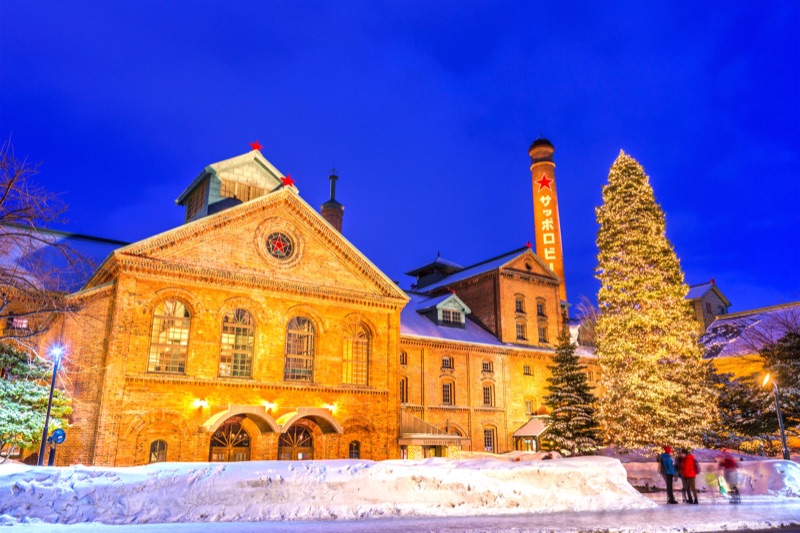
Land in Sapporo, fuel up on fresh seafood at Nijo Market, explore the Sapporo Beer Museum with a Genghis Khan lamb BBQ, then hit Susukino's neon streets for your first bowl of Hokkaido miso ramen.
Arrive at New Chitose Airport → Sapporo
Take the JR Rapid Airport train from New Chitose to Sapporo Station (37 min, ¥1,150). Drop your bags at the hotel — most places offer luggage storage before check-in. Grab a Kitaca IC card at the station for seamless transit.
Nijo Market (二条市場) — Seafood Breakfast
Sapporo's historic fish market since 1903. Walk the narrow aisles past mountains of king crab legs, glistening uni (sea urchin), and salmon roe. Sit at a counter and order a kaisendon (seafood rice bowl) loaded with uni, ikura, and fresh sashimi. This is the Hokkaido breakfast experience — standing at a tiny counter, eating the freshest seafood of your life.
Sapporo Beer Museum & Genghis Khan BBQ 🍺
Hokkaido is the birthplace of Japanese beer. The Sapporo Beer Museum (free entry, ¥500 for tasting set) is housed in a gorgeous red-brick former brewery from 1890. Tour the history of Japanese brewing, then head next door to the Sapporo Beer Garden for Genghis Khan — Hokkaido's signature dome-grilled lamb BBQ, all-you-can-eat style with unlimited draft beer.
Susukino Neon Walk & Ramen Alley 🍜
Susukino is Sapporo's entertainment district — a dazzling grid of neon signs, izakayas, bars, and ramen shops. Walk south from Odori along Ekimae-dori to take in the lights. Then find Ramen Alley (Ramen Yokocho) — a narrow lane of 17 tiny ramen shops, each with about 10 counter seats. Pick one, order Sapporo-style miso ramen with butter and corn, and slurp in shoulder-to-shoulder bliss.
Powder Day at Sapporo Teine
Hit the slopes at Sapporo Teine — the mountain that hosted the 1972 Winter Olympics, just 40 minutes from downtown. Legendary dry Hokkaido powder, panoramic views of the city and sea, then warm up with soup curry back in town.
Sapporo Teine — Highland Zone ⛷️
Bus from Sapporo to Teine Highland (40 min, ¥590). This is where the 1972 Olympic downhill and giant slalom were held. The Highland zone has steeper, more challenging terrain and the best powder — ungroomed tree runs through birch forests with Hokkaido's famously light, dry snow (nicknamed "Japow"). On a clear day, you can see the Sea of Japan and Sapporo's skyline simultaneously.
Ski Until Legs Give Out
Keep riding the Highland lifts for afternoon powder stashes, or head down to the Olympia zone for wider groomed cruisers with city views. If you still have energy, Teine offers night skiing on the Olympia side until 9pm — skiing under lights with Sapporo's city glow in the distance is surreal.
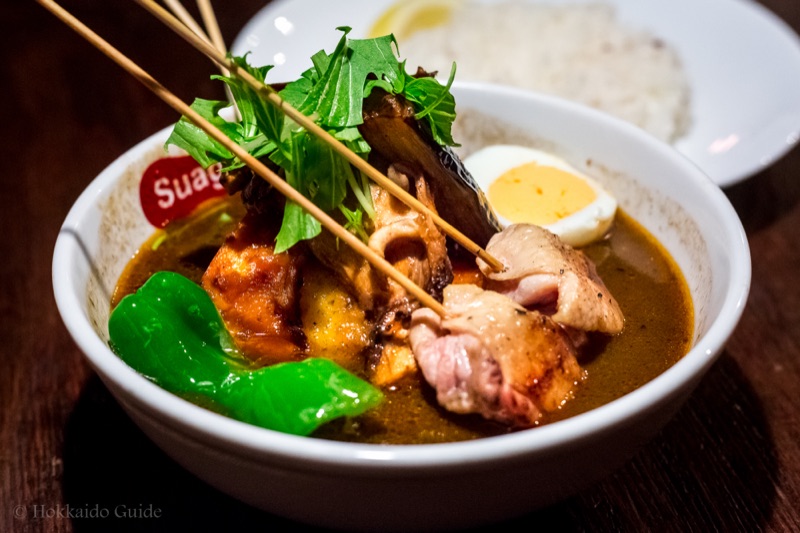
Soup Curry — Hokkaido's Signature Comfort Food 🍛
Back in Sapporo, warm your frozen bones with soup curry — a Sapporo invention. Unlike thick Japanese curry, this is a fragrant, spiced broth loaded with massive chunks of vegetables (whole potato, half an onion, huge carrots) and your choice of chicken leg, pork, or cheese Hamburg steak. It's Sapporo's ultimate après-ski food.
Otaru Canal Town — Snow, Sushi & Glasswork
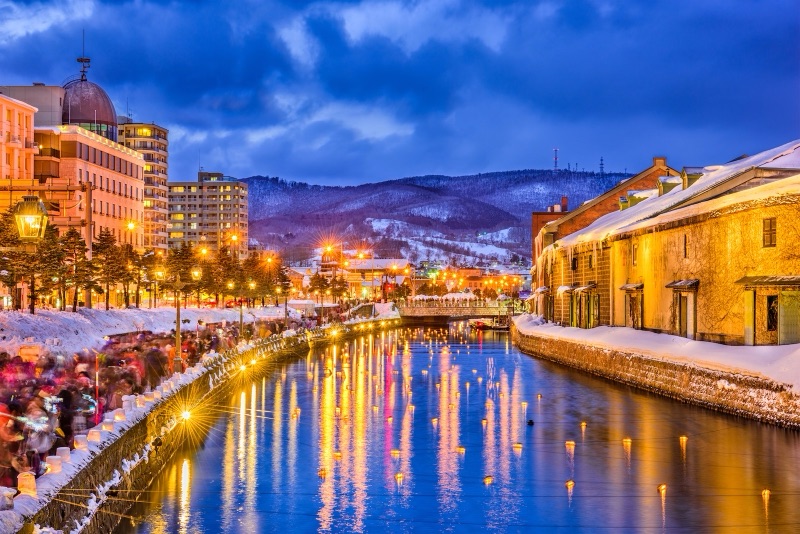
Day trip to Otaru — a nostalgic port city 40 minutes from Sapporo. Snow-draped canal warehouses, the freshest sushi in Hokkaido, handblown glass shops, and a legendary music box museum. Return for a hot onsen soak.
JR Train to Otaru 🚃
Catch the JR train from Sapporo Station to Otaru (32-50 min depending on express/local, ¥750). The train hugs the coastline — watch for dramatic winter sea views on the left side. Arrive in Otaru and walk 10 minutes downhill to the canal district.
Otaru Canal Walk ❄️
The iconic Otaru Canal lined with 19th-century stone warehouses, now blanketed in snow. In winter, the gas lamps and snow create a dreamy atmosphere even in daylight. Walk along the canal path, cross the bridges, and photograph the warehouses reflected in the still water. If you visit in early February, the Otaru Snow Light Path festival fills the canal with floating candles.
Otaru Sushi Street (寿司屋通り) 🍣
Otaru was once Hokkaido's busiest herring port, and that fishing heritage means some of Japan's best sushi. Sushi-ya Dori (Sushi Street) has over a dozen sushi restaurants — sit at a counter and order omakase. The uni here comes straight from Shakotan Peninsula, and the squid is so fresh it's translucent. Solo counter dining at its absolute finest.
Sakaimachi Street — Glass, Music Boxes & Sweets
Otaru's main shopping street is a charming stretch of repurposed stone warehouses filled with handblown glass studios (Kitaichi Glass is the most famous), music box shops (the Otaru Music Box Museum is mesmerizing — 25,000+ music boxes), and LeTAO's original cheesecake shop. Warm up with a fresh LeTAO double fromage cheesecake and hot cocoa.
Otaru Snow Walk & Return
Wander back toward the station through snowy side streets. Otaru feels frozen in time — Meiji-era banks, old rail lines, and quiet residential streets under heavy snow. Catch the JR train back to Sapporo.
Onsen Soak — Snow Falling on Hot Water ♨️
End the day with the quintessential Hokkaido experience: an outdoor onsen (rotenburo) while snow falls around you. If your hotel has an onsen (Dormy Inn does — rooftop!), use it. For a more dramatic experience, take a short bus to Jozankei Onsen (60 min from Sapporo) or try Tsukimiru Kimi Omofu in Susukino — a modern day-spa onsen with open-air baths.
Kiroro Deep Powder & Farewell Feast
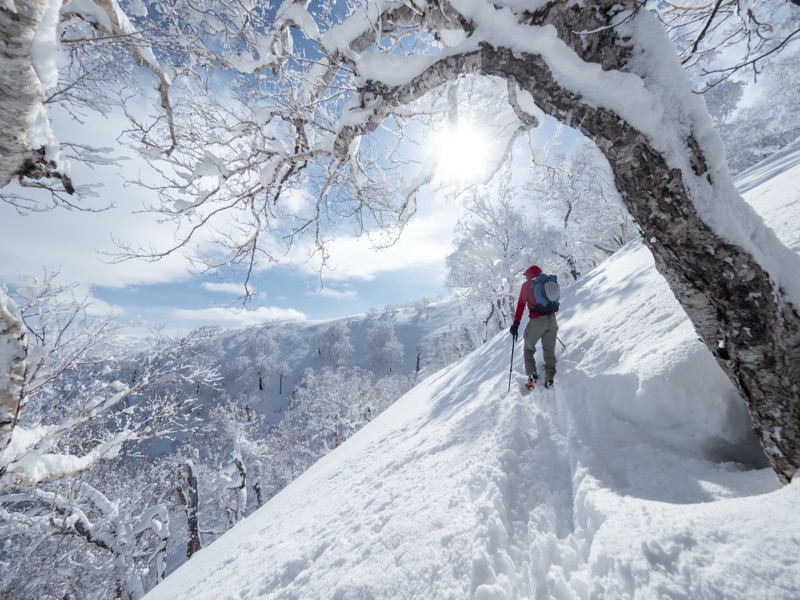
Chase the deepest powder at Kiroro Resort — Hokkaido's snowiest ski area, buried under 21 meters of annual snowfall. Return to Sapporo for a final ramen pilgrimage and late-night Susukino walk.
Kiroro Resort — The Snow Monster ⛷️
Bus to Kiroro Resort (90 min from Sapporo, shuttle available). Kiroro averages 21 METERS of snowfall per season — one of the snowiest resorts on Earth. The terrain is intermediate-friendly with incredible tree skiing and wide-open powder bowls. Far fewer crowds than Niseko, and the snow is somehow even lighter and drier. This is the Hokkaido powder day.
Last Runs & Return to Sapporo
Squeeze in afternoon laps until your legs are done, then catch the shuttle bus back to Sapporo (arrives ~5-6pm). Head to the hotel, drop off gear, and prep for a final farewell dinner tour.
Farewell Ramen: Sumire (すみれ) — The GOAT 🍜
For your last night, go to the source. Sumire in Nakanoshima is widely considered the birthplace of modern Sapporo miso ramen — rich, lard-topped, intensely savory broth with a thin layer of oil that keeps it screaming hot. There's always a line, but it moves fast. This is the bowl you'll dream about when you get home.
Final Susukino Night Walk
One last walk through Susukino's neon canyons. Pop into a standing bar (tachinomi) for a highball, browse the late-night don quijote for souvenirs (Royce' chocolate, Shiroi Koibito cookies, dried scallops), and soak in the winter city one final time.
💰 Budget Breakdown
| Category | Budget | Mid | Premium |
|---|---|---|---|
| Accommodation | ¥6,000-9,000/night | ¥10,000-15,000/night | ¥20,000+/night |
| Ski Lift Ticket | ¥4,200 (half-day) | ¥5,200-5,500 (full day) | ¥12,000+ (multi-resort) |
| Ski Rental | ¥3,500/day | ¥5,000-7,000/day | ¥10,000+/day (demo) |
| Meals | ¥2,500-4,000/day | ¥5,000-8,000/day | ¥10,000+/day |
| Transport | ¥1,000-2,000/day | ¥2,000-3,000/day | ¥5,000+/day (taxi) |
| Activities | ¥500-1,500/day | ¥2,000-4,000/day | ¥8,000+/day |
🛂 Visa
- Most Western passport holders get 90-day visa-free entry to Japan
- Check your country's specific requirements before travel
- No visa application needed for US, EU, UK, AU, CA citizens
📱 Connectivity
- Rent a pocket WiFi at New Chitose Airport (¥500-800/day)
- eSIM options: Ubigi, Airalo — set up before departure
- Free WiFi at stations and convenience stores but unreliable for navigation
🏧 Cash
- Japan is still cash-dependent — many ramen shops and small eateries are cash-only
- 7-Eleven and Japan Post ATMs accept international cards
- Withdraw ¥20,000-30,000 at a time to avoid multiple fees
⏰ Timing
- January 6-10 is right after New Year holidays — crowds thin out, prices normalize
- Peak powder season — consistent snowfall throughout January
- Sapporo Snow Festival starts early February (just after your trip)
🎿 Ski Gear
- Rent in Sapporo city (Rhythm Japan, SPICY Rental) — cheaper than on-mountain
- Pick up gear the night before to save morning time
- Bring your own goggles and gloves if particular about fit
🚨 Safety
- Sapporo is extremely safe — biggest hazard is icy sidewalks
- Wear boots with good tread or buy clip-on ice grips (¥500 at any konbini)
- Ski within marked boundaries — backcountry requires avalanche gear and a guide