⚡ Before You Go — Essentials
🦐 Shellfish Allergy — Critical
Miyajima is famous for oysters and you'll see them EVERYWHERE on Omotesando Street. Avoid oyster shops, grilled oyster stands, and any dish with "kaki" (牡蠣) in the name. Hiroshima-style okonomiyaki is naturally shellfish-free (pork, cabbage, egg, noodles) — just confirm "no ebi/kaki" when ordering. For ramen, stick to tonkotsu or shoyu-based broths and ask about dashi ingredients. Carry your allergy card in Japanese: 甲殻類アレルギーがあります。エビ、カニ、牡蠣は食べられません。
☔ June = Tsuyu (Rainy Season)
Hiroshima averages 12+ rainy days in June with temperatures around 24-28°C and high humidity. Pack a compact umbrella, a light rain jacket, and breathable clothing. The covered Hondori arcade is your best friend on rainy days. Mornings are often drier — do outdoor sightseeing early.
☀️ Sun Protection
UV is strong even on cloudy days. Wear SPF 50+ sunscreen (you can buy excellent Japanese sunscreen at any drugstore or Loft), a hat, and stay in shade when possible. The Peace Park has tree-lined paths, and Miyajima's Momijidani Valley is beautifully shaded.
🚆 Getting There & Away
From Kyoto: JR Shinkansen to Hiroshima Station (~1.5 hours, covered by JR Pass). To Miyajima: JR Sanyo Line to Miyajimaguchi Station (25 min), then JR ferry to Miyajima (10 min, free with JR Pass). To Osaka: Shinkansen from Hiroshima (1.5 hours) or from Miyajimaguchi (add 25 min).
⏰ Jet Lag Advantage
Coming from EST, you'll naturally wake up early — use this! Peace Park at 7am is serene and nearly empty. Miyajima before 9am means deer encounters without crowds. The best light for photos is early morning.
Peace, Paper Cranes & the Art of Stationery
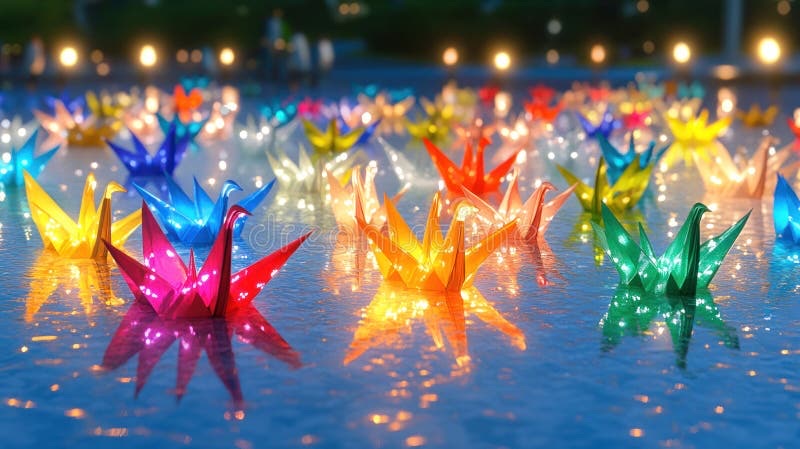
Your first day in Hiroshima begins with the city's most powerful experience — Peace Memorial Park. Fold paper cranes for the Children's Peace Monument, walk through the museum, and let the Atomic Bomb Dome speak for itself. Then shift gears to Hondori shopping arcade for stationery heaven, kawaii finds, and the best Hiroshima-style okonomiyaki of your life. End with Shukkei-en Garden's peaceful evening light — a perfect spot for your parents to enjoy while you raid the nearby shops.
Peace Memorial Park — Quiet Morning Walk
Arrive early (7-8am) when the park is almost empty. Start at the Atomic Bomb Dome (Genbaku Dome), the skeletal remains of the only structure left standing near the bomb's hypocenter. Walk across the Motoyasu Bridge and along the tree-lined paths. The cenotaph frames the Dome perfectly through its arch — pause here.
Children's Peace Monument — Fold Your Paper Cranes
This is the moment you've been waiting for. The monument honors Sadako Sasaki, who folded over 1,000 paper cranes while battling leukemia from atomic bomb radiation. Bring your own folded cranes or fold them right there — origami paper is available at nearby shops and the museum gift shop. Place them in the glass cases surrounding the monument. It's a small act that carries enormous weight.
Hiroshima Peace Memorial Museum
The museum is deeply moving — give yourself at least 90 minutes. The East Building covers Hiroshima before and after the bombing with multimedia exhibits. The Main Building displays personal belongings of victims, including Sadako's actual paper cranes. It's heavy, but essential.
Hiroshima-Style Okonomiyaki at Okonomimura
This is THE Hiroshima food experience. Okonomimura is a 4-story building with 24 different okonomiyaki counters, each with its own recipe. Hiroshima-style is layered (not mixed) with a thin crepe, mountains of cabbage, pork belly, yakisoba noodles, and a fried egg on top. Watch the chef build yours on the griddle right in front of you.
Stationery & Shopping Spree — Hondori Arcade
Hondori is Hiroshima's main covered shopping arcade — 577 meters of shops, cafes, and boutiques, all sheltered from rain and sun. This is where you'll spend a very happy couple of hours on your stationery and kawaii mission.
Collect Your Eki Stamp at Hiroshima Station
Japanese train stations have free commemorative stamps (eki stamps) at stamp stands, usually near the ticket gates or tourist information desk. Hiroshima Station's stamp features the iconic tram and Atomic Bomb Dome.
Shukkei-en Garden & Hiroshima Prefectural Art Museum
This Edo-period strolling garden dates to 1620 and miniaturizes famous Chinese landscapes into a compact, beautiful space. Paths wind around a central pond with arched bridges, tea houses, and groves of trees. Adjacent is the Hiroshima Prefectural Art Museum — a peaceful indoor option for rainy weather.
Andersen Hiroshima — Cafe & Bakery Stop
Stop at Hiroshima's most iconic bakery, born here in 1967 in a building that survived the atomic bombing. Andersen pioneered Danish pastries in Japan. Get a fresh-baked Danish, milk bread, or pick up pastries for tomorrow's early ferry ride.
Dinner — Ramen or Gyudon
For dinner, choose your comfort food. Hiroshima's local ramen uses a lighter soy sauce-based broth, and the tsukemen (dipping noodles) scene is incredible.
Sacred Island, Floating Torii & Onsen at Sunset

Today you cross the sea to Miyajima — one of Japan's Three Most Scenic Views. The floating torii gate of Itsukushima Shrine has been drawing pilgrims for over 800 years, and it'll stop you in your tracks too. Take the ropeway up Mt. Misen for Seto Inland Sea panoramas (almost zero hiking required), wander Omotesando shopping street for momiji manju and cute souvenirs, collect goshuin at ancient temples, and end the day soaking in an onsen at your ryokan. The deer will photobomb everything.
Ferry to Miyajima Island
Take the JR Sanyo Line from Hiroshima Station to Miyajimaguchi (25 min), then the JR Miyajima Ferry (10 min). The JR ferry deliberately swings close to the torii gate on approach — sit on the right side for photos.
Itsukushima Shrine & Floating Torii Gate
The vermillion shrine appears to float on the water at high tide — one of the most photographed scenes in Japan. Walk through the shrine's corridors above the tidal flats, admire the Noh theater stage, and soak in 1,400 years of Shinto sacred architecture.
Daisho-in Temple — Hidden Gem & Goshuin
At the base of Mt. Misen, Daisho-in is Miyajima's most important temple — yet many tourists skip it. Its grounds cascade up a hillside with spinning prayer wheels, 500 unique rakan statues (each with a different expression), and atmospheric moss-covered stone lanterns.
Miyajima Ropeway to Mt. Misen Summit
The ropeway whisks you up Mt. Misen in two stages — a small gondola through primeval forest (Momijidani Line), then a larger cable car to Shishiiwa Station (433m). From the station, a gentle 20-minute walk on mostly paved paths leads to the actual summit (535m). Panoramic views of the Seto Inland Sea and its scattered islands are breathtaking.
Anago-meshi & Street Snacks on Omotesando
Miyajima's main shopping street is lined with souvenir shops, food stalls, and cafes. Anago-meshi (grilled conger eel over rice) is the island's signature dish — and it's naturally shellfish-free.
Omotesando Street Shopping & Sweets
Take your time browsing the shops after lunch. Miyajima has surprisingly unique souvenirs beyond the standard tourist fare.
Senjokaku (Toyokuni Shrine) — Hall of a Thousand Mats
This massive, unfinished pavilion from 1587 sits on a hill overlooking the island. Its open, airy structure lets the sea breeze flow through — sit on the wooden floor and gaze out at the five-story pagoda and sea. One of the most meditative spots on Miyajima.
Onsen Evening at Your Miyajima Ryokan
Check into your ryokan and experience a traditional Japanese onsen (hot spring bath). Miyajima has several options ranging from budget to luxury. Soak in the mineral-rich waters after a full day of exploring — it's the perfect way to end the day.
Evening Walk — Miyajima After Dark
If staying on the island, take an evening stroll once the day-trippers leave. The torii gate is beautifully lit at night, the shrine glows orange, and the deer settle down along the pathways. It's pure magic.
💰 Budget Breakdown
| Category | Budget | Midrange | Luxury |
|---|---|---|---|
| Accommodation (ryokan/night) | ¥8,000-12,000 | ¥12,000-20,000 | ¥25,000-40,000 |
| Meals per day | ¥2,000-3,500 | ¥3,500-6,000 | ¥6,000-12,000 |
| Peace Memorial Museum | ¥200 | ¥200 | ¥200 |
| Miyajima Ropeway (round trip) | ¥2,000 | ¥2,000 | ¥2,000 |
| Itsukushima Shrine | ¥300 | ¥300 | ¥300 |
| Goshuin stamps (2-3 locations) | ¥900-1,500 | ¥900-1,500 | ¥900-1,500 |
| Stationery & Shopping | ¥3,000-8,000 | ¥8,000-20,000 | ¥20,000+ |
| 2-Day Total (solo) | ¥20,000-30,000 | ¥30,000-50,000 | ¥50,000-80,000 |
🏨 Where to Stay
- Night 1 (Hiroshima city): Stay near Hondori/Kamiya-cho for walkable access to Peace Park and shopping. R&B Hotel Hiroshima Ekimae is clean, affordable, and JR Pass-friendly.
- Night 2 (Miyajima): BUDGET — Sakuraya ryokan (from ¥8,000, shared onsen, 3 min from pier). MID-RANGE — Ryoso Kawaguchi (from ¥12,000, great food, onsen). SPLURGE — Iwaso Ryokan (from ¥25,000, forest setting, best kaiseki on the island).
- Book Miyajima ryokans 1-2 months ahead for June — they fill up fast. ALWAYS note your shellfish allergy at booking.
🚃 Getting Around Hiroshima
- Hiroden trams cover the city and run from Hiroshima Station to Peace Park (Genbaku-Dome Mae stop) and Hondori. One-ride: ¥180.
- Day pass for trams: ¥700 — worth it if you plan to use trams 4+ times.
- JR Pass covers: Shinkansen, JR Sanyo Line to Miyajimaguchi, and JR Ferry to Miyajima.
- IC card (ICOCA): Works on all local transit including trams — buy at Hiroshima Station.
🌡️ June Weather Tips
- Average temperature: 24-28°C with high humidity. Feels hotter.
- Rainy season (tsuyu): About 12-17 rainy days. Pack a compact umbrella and quick-dry clothing.
- Best strategy: Do all outdoor sightseeing before 11am. Retreat indoors 11am-4pm (museums, arcades, cafes). Emerge again after 5pm when it cools slightly.
- Miyajima ropeway may be suspended in heavy rain or strong winds — have a backup plan (shopping/temples).
- Buy sunscreen in Japan — Japanese SPF 50+ formulas are world-class and lightweight.
🍜 Shellfish Allergy Survival Guide
- Critical Japanese phrase: 甲殻類アレルギーがあります (Koukakurui arerugi ga arimasu) — I have a shellfish allergy.
- Safe in Hiroshima: okonomiyaki (pork/veggie), tonkotsu ramen, tsukemen, anago-meshi (conger eel — NOT shellfish), gyudon, katsudon, karaage, gyoza.
- Avoid: oyster (kaki/牡蠣), shrimp (ebi/エビ), crab (kani/カニ), and anything advertised with these on Miyajima Omotesando Street.
- Most Hiroshima ramen uses chicken or pork dashi — safe. But always ask: ebi, kani, kaki wa haitte imasuka?
- Convenience stores (7-Eleven, FamilyMart, Lawson) are shellfish-allergy friendly: onigiri with umeboshi, tuna, or salmon, plus gyudon, katsudon, and sandwiches.
📝 Stamp & Goshuin Collection
- Goshuin spots on this itinerary: Itsukushima Shrine (Miyajima), Daisho-in Temple (Miyajima), Senjokaku/Toyokuni Shrine (Miyajima). Hiroshima Toshogu Shrine near Shukkei-en is also excellent.
- Buy a goshuincho (stamp book) if you don't have one — Miyajima shops sell beautiful ones with torii gate designs.
- Eki stamps: Hiroshima Station (near ticket gates), Miyajima ferry terminal. Look for the 駅スタンプ sign.
- Cost: ¥300-500 per goshuin, paid in cash. Have ¥1,000 bills ready.
- Bring an older goshuincho or buy a new one on Omotesando Street — many shops sell island-themed ones.
🛍️ Shopping Quick Guide
- STATIONERY: Tayama Bungu (3F Hondori Hills) for specialist pens/tape/paper. Loft in Hiroshima PARCO for Hobonichi/washi haul. Peace Museum shop for exclusive crane-themed stationery.
- KAWAII/SANRIO: Hiroshima PARCO houses Sanrio shop and kawaii fashion brands. Don Quijote has discount Sanrio goods.
- SNEAKERS: Onitsuka Tiger near Hondori for Japan-exclusives. Check sizes early — popular styles sell out.
- SKINCARE: Matsumoto Kiyoshi or Tsuruha Drug for Japanese sunscreen (Biore UV, Anessa) and skincare.
- MIYAJIMA SOUVENIRS: Miyajima-themed washi tape, deer ceramics, wooden shakushi rice paddles, and momiji manju gift boxes make beautiful, lightweight souvenirs.
🏯 Culture & Stamps Bonus
- Hiroshima manhole covers: Look for Carp Boy (the Hiroshima Toyo Carp baseball team mascot) manholes near Mazda Stadium and around downtown. Standard designs feature maple leaves and water motifs.
- Hiroshima Castle (optional add-on if time allows): About 1km from Hondori. Houses a small museum and offers city views. Also has a goshuin stamp.
- Anime: While not heavy weeb culture, the Hiroshima area inspired parts of Grave of the Fireflies — the Peace Museum gives this film context if you've seen it.
- Pokemon: Pokemon Centers are in major cities — the nearest is in Osaka or Kyoto, not Hiroshima. Save Pokemon shopping for your departure city.