⚡ Before You Go — Essentials
🛬 Getting Around
Buy a 7-day Japan Rail Pass (¥50,000/~$330) to cover your Tokyo→Hakone→Kyoto→Nara→Osaka bullet trains. In Tokyo, grab a Suica IC card (works on all trains, buses, konbini). In Kyoto, city buses are your best friend (¥230 flat fare). Download the Navitime or Japan Travel app for real-time train schedules.
💵 Money
Japanese Yen (¥). Many small restaurants and izakayas are CASH ONLY — especially the best ones. Withdraw at 7-Eleven or Japan Post ATMs (international cards accepted, ¥10,000-30,000 at a time). Budget ¥8,000-15,000/day per person for food. Credit cards accepted at hotels and larger restaurants.
🗣️ Language
Japanese. English signage is solid on trains but rare in local neighborhoods. Google Translate camera mode is essential for menus. Key phrases: sumimasen (excuse me), onegaishimasu (please), oishii desu (it's delicious), okaikei (check please). At sushi counters, simply say "omakase de" (chef's choice).
🌸 Early March Weather
Early March in Tokyo/Kyoto averages 8-14°C (46-57°F). Cherry blossoms typically haven't peaked yet (expect mid-to-late March), but plum blossoms (ume) are gorgeous in shrine gardens. Pack layers — mornings are chilly, afternoons warm up. A light rain jacket is smart.
🍣 Sushi Counter Etiquette
At omakase counters: eat each piece within 10 seconds of receiving it (the rice is body-temperature). Use your hands — it's traditional and shows respect. Dip fish-side-down into soy sauce (never rice-side). Don't rub chopsticks together. Say "oishii" after a great piece — the chef will love you.
🏨 Hotel Tips
Japanese hotels are immaculate but rooms are small. Shoes off at ryokans. Yukata robes in the closet are for wearing to dinner and the onsen. Onsen etiquette: wash thoroughly at the shower stations BEFORE entering the hot spring. Tattoos may be restricted at some public onsen — ask first.
Arrival & Ebisu Food Crawl
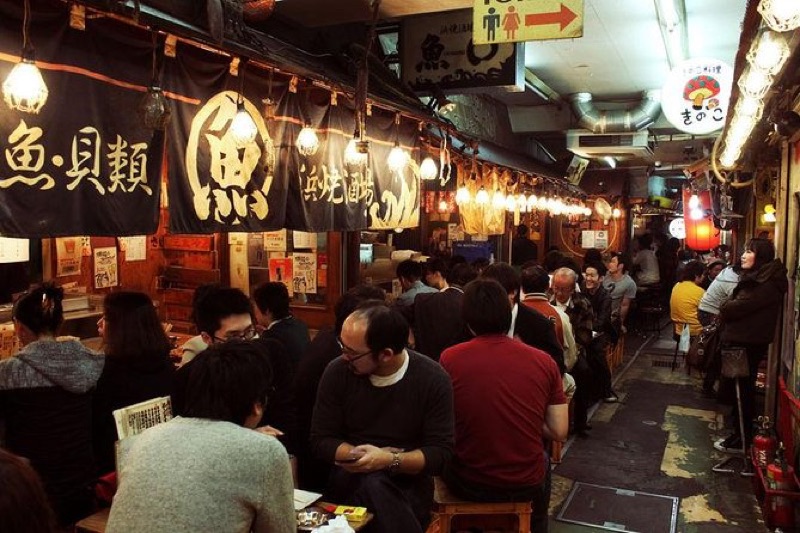
Land at Narita or Haneda, settle into your boutique hotel in Ebisu, then ease into Tokyo with one of the city's best neighborhoods for eating and drinking.
Check In & Neighborhood Orient
Head to your hotel in Ebisu — a walkable, food-rich neighborhood between Shibuya and Meguro. Drop bags, freshen up, then take a slow walk around the area. Ebisu is upscale but relaxed, full of bistros, wine bars, and izakayas tucked into side streets.
Ebisu Yokocho Food Hall
This raucous indoor food hall under the train tracks is the perfect first-night Tokyo experience. Twenty-odd tiny stalls serving everything from yakitori to sashimi to cream stew. Grab a beer, order a few small plates at one counter, then move to the next. It's loud, smoky, and absolutely perfect.
Tachigui Sushi Akira (Standing Sushi)
If you still have room, this no-reservations standing sushi bar in Ebisu is a Tokyo legend. High-caliber nigiri at the counter for ¥5,000-8,000. The fish is immaculate, the rice is perfectly seasoned, and eating standing up with locals is an experience you won't forget.
Toyosu Market & Yanaka Old Town
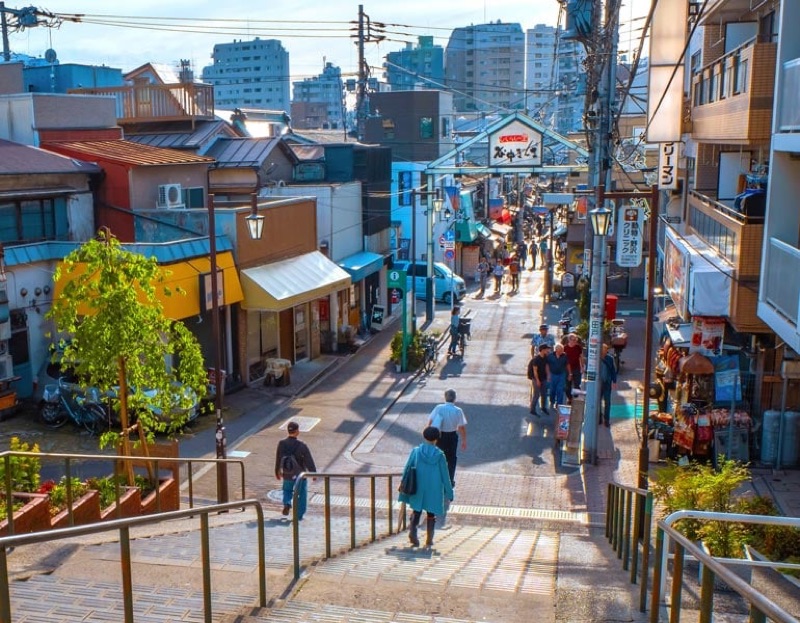
Start with the freshest seafood breakfast in the world at Toyosu, then spend the afternoon in Yanaka — Tokyo's most charming retro neighborhood, frozen in time.
Toyosu Outer Market Breakfast
The successor to the legendary Tsukiji inner market. Arrive early for the freshest sashimi and sushi breakfast of your life. The outer market area (Uogashi Yokocho) has dozens of stalls and small restaurants. Get a chirashi bowl (scattered sashimi over rice) or a set of nigiri at the counter.
Toyosu Tuna Auction Viewing Deck
Watch the massive frozen tuna auction from the glass-walled observation deck. It's mesmerizing — hundreds of enormous tuna laid out on the floor while wholesalers inspect and bid. No reservation needed for the deck.
Yanaka Ginza Shotengai Stroll
This is old Tokyo. Yanaka survived the war bombings and feels like stepping into the 1950s. The main shopping street, Yanaka Ginza, is a 170-meter strip of family-run shops, street food stalls, and the famous "Sunset Steps" (Yuyake Dandan) where locals gather at dusk. Try menchi katsu (fried meat croquettes) at Niku no Suzuki, sweet potato snacks, and cat-themed everything.
Nezu Shrine & Backstreet Walk
A 10-minute walk from Yanaka, Nezu Shrine is gorgeous and far less crowded than Senso-ji or Meiji. In early March, the plum blossoms in the shrine garden may be in bloom. The streets between Nezu and Yanaka are some of the most photogenic in Tokyo — wooden houses, tiny gardens, sleeping cats.
Shimokitazawa & Kagurazaka: Tokyo's Coolest Villages
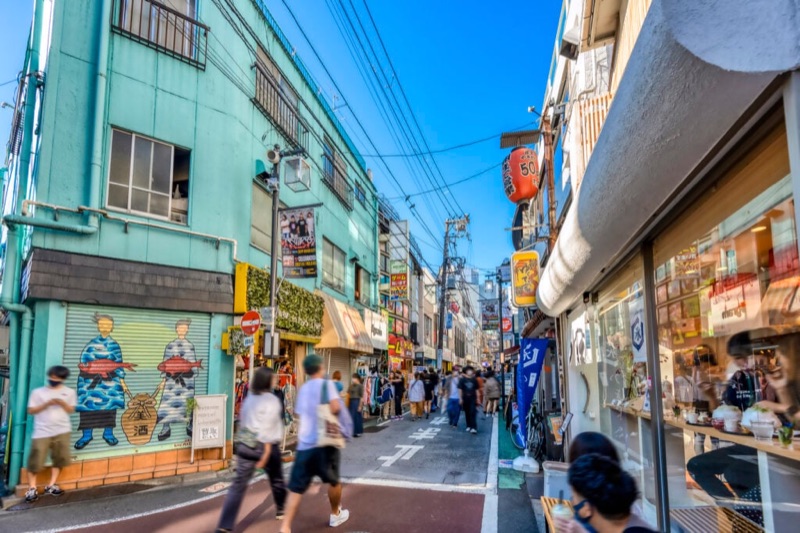
Two of Tokyo's most characterful neighborhoods in one day — bohemian Shimokitazawa in the morning, refined Kagurazaka in the evening. Both are foodie paradises.
Shimokitazawa Morning Coffee & Vintage Walk
Tokyo's indie heartland. Narrow lanes packed with vintage clothing shops, record stores, tiny cafés, and live music venues. Start with a pour-over at Bear Pond Espresso (the owner is famously grumpy but the espresso is life-changing — he only makes 20 cups of his "Angel Stain" per day). Then wander through the vintage shops on both sides of the train tracks.
Kagurazaka Backstreet Exploration
Once Tokyo's premier geisha district, Kagurazaka is now a fascinating blend of traditional ryotei (high-end Japanese restaurants), French bistros, hidden cobblestone alleys, and stylish boutiques. The main slope (zaka) is pleasant, but the magic is in the yokocho — tiny side alleys barely wide enough for two people, lined with paper lanterns and wooden doorways.
Sake Tasting at Sake Collection
A curated sake tasting bar on the main Kagurazaka slope. Self-service tasting machines let you try 100+ sakes from across Japan in small pours. The staff can guide you from light and floral to rich and umami-forward.
Hakone Day Trip: Onsen, Mountains & Black Eggs
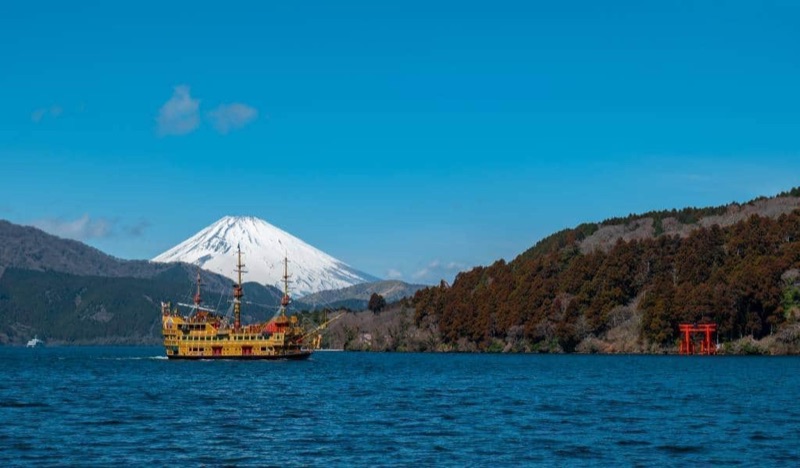
Escape Tokyo for volcanic valleys, serene lakes, open-air art, and Japan's most famous hot spring culture. Return relaxed, steamed, and smelling faintly of sulfur.
Romancecar to Hakone-Yumoto
Catch the Odakyu Romancecar from Shinjuku Station — a sleek reserved-seat express that gets you to Hakone-Yumoto in 85 minutes. Book window seats on the left side for the best mountain views as you approach. This is a beautiful train ride through increasingly dramatic landscape.
Hakone Open-Air Museum (Optional)
Japan's first open-air art museum, set against a backdrop of mountains. Sculptures by Picasso, Henry Moore, and Taro Okamoto dot the hillside. The Picasso Pavilion alone is worth a visit. Skip this if art isn't your thing — head straight to the ropeway instead.
Owakudani Volcanic Valley
Take the Hakone Ropeway over the smoking volcanic valley of Owakudani. At the top, buy the famous kuro-tamago (black eggs) — regular eggs hard-boiled in the sulfuric hot springs, turning the shell jet black. Legend says each one adds 7 years to your life.
Lake Ashi Pirate Ship & Onsen
Descend to Lake Ashi and take the kitsch pirate ship across to Hakone-machi. On clear days, Mt. Fuji looms across the lake — one of Japan's most iconic views. End the day at an onsen. Hakone Yuryo is modern, beautiful, and foreigner-friendly with indoor/outdoor baths and private options.
Nakameguro, Daikanyama & Shibuya Bites
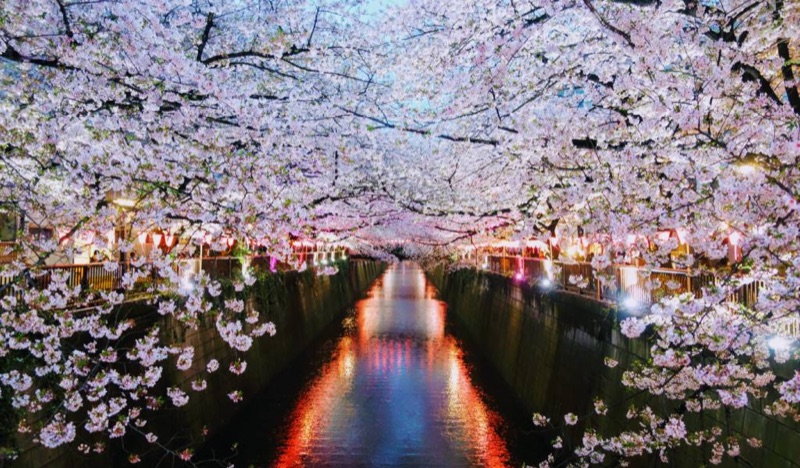
A lazy morning along the Meguro River canal, Tokyo's chicest bookshop, and an evening food crawl through the backstreets behind Shibuya's famous crossing.
Nakameguro Canal Walk
The Meguro River canal is lined with cherry trees (not yet blooming in early March, but the bare branches are atmospheric) and some of Tokyo's best independent shops, cafés, and bakeries. It's a gorgeous neighborhood for a slow morning walk. Stop at Onibus Coffee for a flat white with a canal view.
Daikanyama T-Site (Tsutaya Books)
Possibly the world's most beautiful bookshop. Three interconnected buildings designed by Klein Dytham, surrounded by trees and featuring an incredible curated selection of art, design, travel, and food books. The attached café is perfect for lingering.
Shibuya Nonbei Yokocho (Drunkard's Alley)
Hidden behind Shibuya's blinding neon is this impossibly narrow alley of 40+ tiny bars and izakayas, each seating 6-10 people. It's the antithesis of the Shibuya crossing chaos — intimate, candle-lit, and wonderfully chaotic. Hop between 2-3 spots: start with yakitori, then a sake bar, then a whisky spot.
Shibuya Crossing at Night
Yes, everyone does it. But standing at the world's busiest intersection after dark, with neon lights blazing on all sides, is genuinely thrilling. Cross it once, then grab a window seat at the Starbucks above (Shibuya Tsutaya building, 2F) to watch the choreographed chaos from above.
Shinkansen to Kyoto & Nishiki Market Evening
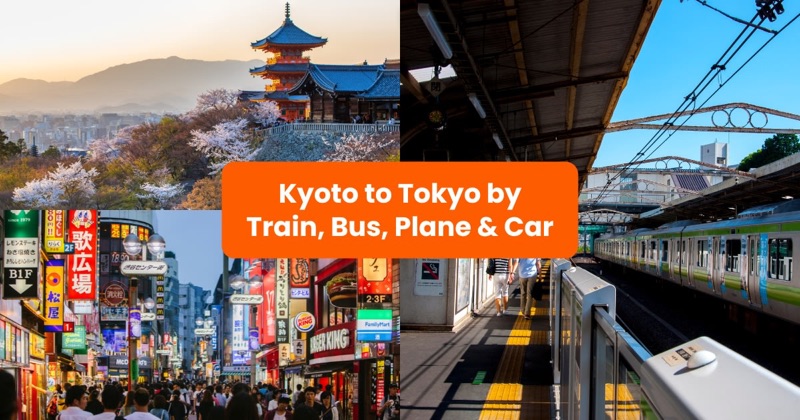
Bullet train to Kyoto, settle into your ryokan, then dive straight into the "Kitchen of Kyoto" — Nishiki Market's 400-year-old covered arcade of food stalls.
Shinkansen Tokyo → Kyoto
Pack up your Tokyo hotel and head to Tokyo Station for the Tokaido Shinkansen. The Nozomi is fastest (2h15m) but not covered by JR Pass — take the Hikari instead (2h40m, JR Pass valid). Book a window seat on the right side (seats D/E) for Mt. Fuji views around the 40-minute mark.
Check Into Your Ryokan
Head to your ryokan in the Higashiyama or Gion area. A traditional ryokan stay is a highlight of any Japan trip — you'll sleep on futons on tatami floors, soak in an onsen bath, and wear a yukata robe. Check-in is usually 3pm, so drop bags and explore.
Nishiki Market Food Crawl
Kyoto's 400-year-old covered food market stretches five blocks with over 100 stalls. This isn't tourist food — it's where Kyoto's restaurants and chefs shop. Graze your way through: fresh yuba (tofu skin) on a stick, grilled mochi with soy glaze, pickled vegetables of every variety, matcha dango, tako tamago (whole baby octopus stuffed with a quail egg), and fresh sashimi.
Teramachi & Shinkyogoku Shopping Arcades
Connected to Nishiki Market, these parallel covered arcades are Kyoto's main shopping streets. Mix of traditional craft shops (washi paper, ceramics, incense) and modern stores. Good for souvenirs and people-watching.
Gion, Pontocho & Kyoto's Riverside Izakayas
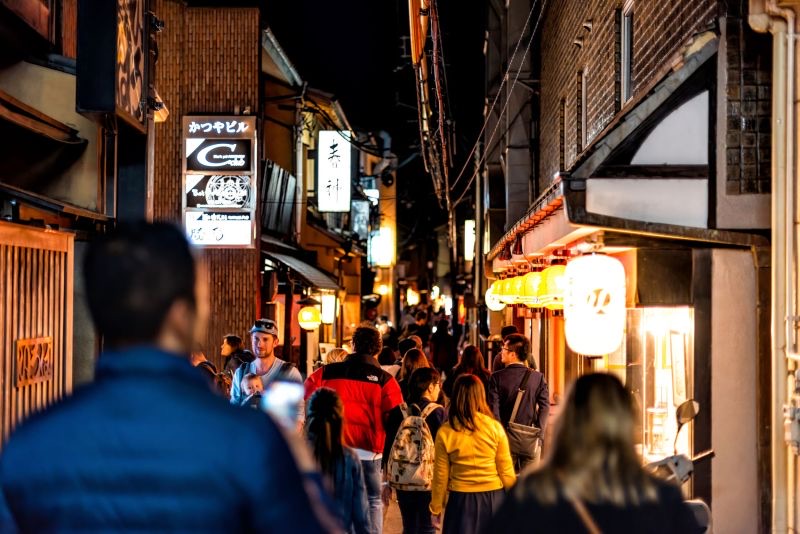
Walk the geisha district in the morning light, explore Kyoto's most atmospheric dining alley at sunset, and eat your way through the city's best small-plates scene.
Gion Morning Walk
The best time to see Gion is before the crowds — 8-10am, when you might actually spot a maiko (apprentice geisha) heading to lessons. Walk along Hanamikoji-dori, the main geisha street lined with traditional wooden machiya townhouses. Then weave through the quieter Shirakawa canal area — willows, stone bridges, and old teahouses.
Kyoto National Museum (Optional Quick Visit)
If you want your ONE museum, this is the one. Exceptional collection of Japanese art, ceramics, and Buddhist sculpture. The building itself (by Taniguchi Yoshio, who designed MoMA NYC) is gorgeous. Don't try to see everything — spend 60-90 minutes with the ceramics and painting collections.
Pontocho Alley at Sunset
Kyoto's most famous dining alley — a narrow, lantern-lit pedestrian lane running parallel to the Kamogawa River. Restaurants on the east side have riverside terraces (kawayuka, available May-September, but the alley itself is magical year-round). Walk the full length slowly, peek at menus, then pick a spot for drinks and dinner.
Kamogawa River Walk
After dinner, walk along the Kamogawa River. Couples sit evenly spaced along the riverbank (it's a Kyoto tradition — everyone naturally spaces themselves out). The river is beautifully lit and the sound of water is meditative. Walk south toward Gojo for the most peaceful stretch.
Arashiyama Bamboo & Sagano Nature Walk
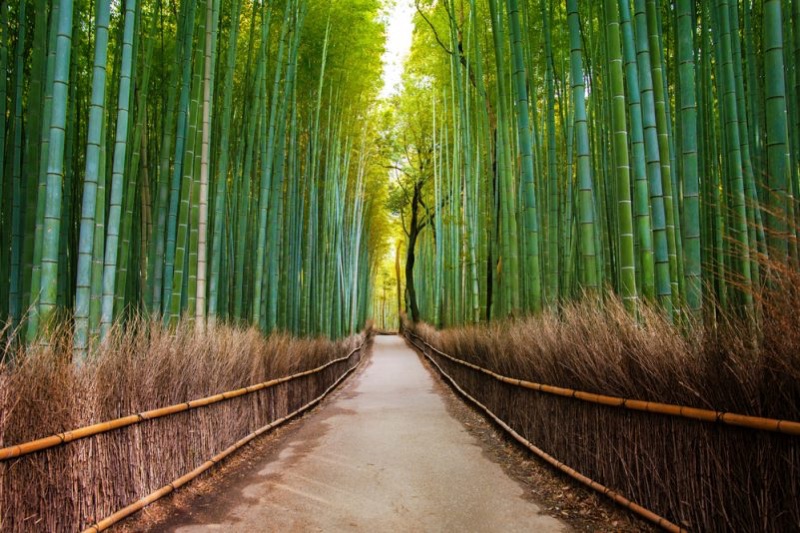
A relaxed half-day in Kyoto's western bamboo district — not the tourist crush, but the quiet backroads of Sagano where you'll have the trails mostly to yourself.
Bamboo Grove (The Right Way)
Yes, the Arashiyama Bamboo Grove is on every Instagram feed. But here's the insider move: arrive before 8am when the path is nearly empty and the morning light filters through the stalks. Walk the main path quickly, then turn RIGHT at the end toward Okochi-Sanso Villa — this path continues into bamboo forest that 95% of visitors never reach.
Sagano Backroad Walk to Adashino Nenbutsu-ji
A 25-minute walk north from the bamboo grove through Sagano's quiet lanes takes you to Adashino Nenbutsu-ji — a hauntingly beautiful temple with 8,000 stone Buddhist statues tucked into a mossy hillside. It's atmospheric, melancholic, and profoundly peaceful. Far from the crowds.
Free Afternoon in Kyoto
This is your leisurely pace in action. Head back to central Kyoto and do whatever calls to you: browse the Kyoto Handicraft Center for ceramics and textiles, get a matcha and wagashi (traditional sweet) at a teahouse, explore the backstreets of Nishijin textile district, or just nap at the ryokan before dinner.
Nara Day Trip: Deer, Mochi & Old-Town Charm
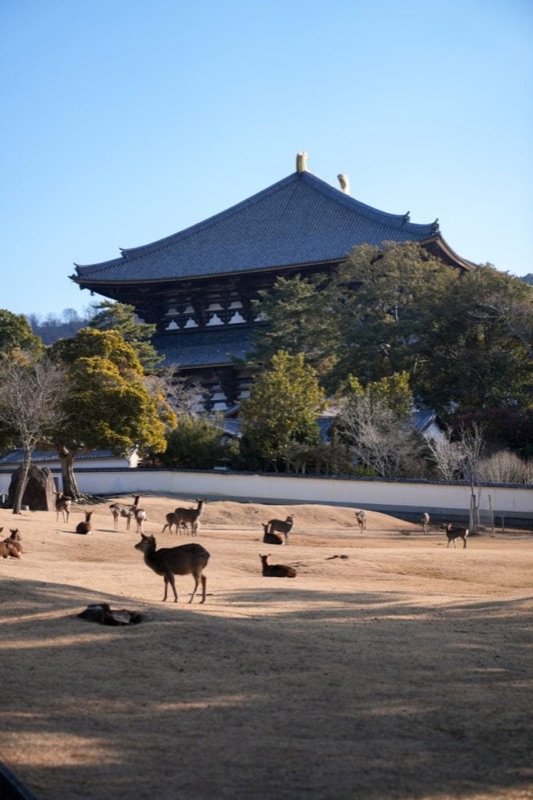
A gentle day trip to Japan's ancient capital — friendly deer in the park, one magnificent temple, and the charming old merchant district of Naramachi.
Train to Nara
Take the Kintetsu Railway from Kyoto Station to Kintetsu-Nara (35 minutes, ¥760). It drops you closer to the park than JR Nara. From the station, it's a 10-minute walk through the Higashimuki covered shopping arcade to Nara Park.
Nara Park & Deer Encounters
Over 1,200 wild sika deer roam freely through this enormous park. They bow for treats (buy shika senbei / deer crackers for ¥200 from the vendors). They're friendly but persistent — hold the crackers behind your back at your peril. The deer are considered divine messengers in Shinto tradition.
Todai-ji Temple
Home to the world's largest bronze Buddha statue (15 meters tall) inside the world's largest wooden building. Even if you're templed out, this one is worth it — the scale is genuinely jaw-dropping. There's a pillar with a hole the same size as the Buddha's nostril; if you can crawl through, legend says you're guaranteed enlightenment.
Naramachi Old Town Walk
South of the park, Naramachi is Nara's beautifully preserved merchant district. Narrow streets lined with dark wooden machiya townhouses, many converted into cafés, galleries, and craft shops. Look for the red monkey charms (migawari-zaru) hanging outside houses — they're protective talismans.
Osaka Street Food Marathon
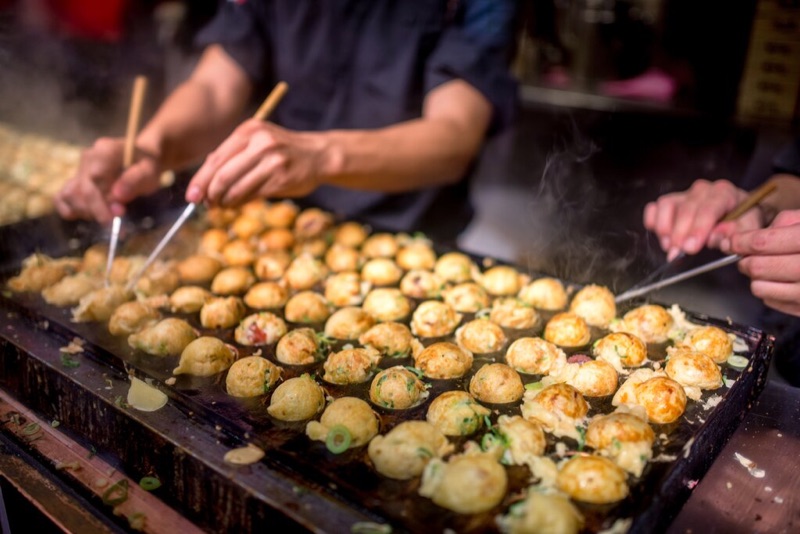
Day trip to Japan's unofficial food capital. Osaka's motto is "kuidaore" — eat until you drop. Today you take that literally, from morning to night across three legendary food neighborhoods.
Train to Osaka & Kuromon Market
Take the JR Special Rapid from Kyoto to Osaka (30 minutes, JR Pass valid). Head first to Kuromon Ichiba Market — Osaka's "Kitchen" since 1902. It's a covered market with stalls selling the freshest sashimi, grilled seafood, wagyu skewers, and seasonal fruits. This is your grazing breakfast.
Shinsekai Kushikatsu & Retro Vibes
Osaka's most wonderfully weird neighborhood. Shinsekai ("New World") was built in 1912 to look like Paris and New York — now it's a retro wonderland of neon signs, game arcades, and the city's best kushikatsu (deep-fried skewers). The iconic Tsutenkaku Tower looms overhead.
Dotonbori Canal Walk
The Glico Running Man sign, the giant mechanical crab, neon reflected in canal water — Dotonbori is sensory overload in the best way. Walk the canal, take the obligatory photos, then duck into the side streets for the real eating.
Ura-Namba (Hidden Namba) Food Crawl
South of Dotonbori lies Ura-Namba — a grid of narrow streets packed with tiny restaurants and standing bars that Osaka locals consider their true food scene. This is where chefs eat after work. Start with takoyaki (octopus balls) at a street stall, then hit an izakaya for grilled horumon (offal), gyoza, and ice-cold beer.
Farewell Morning & Departure
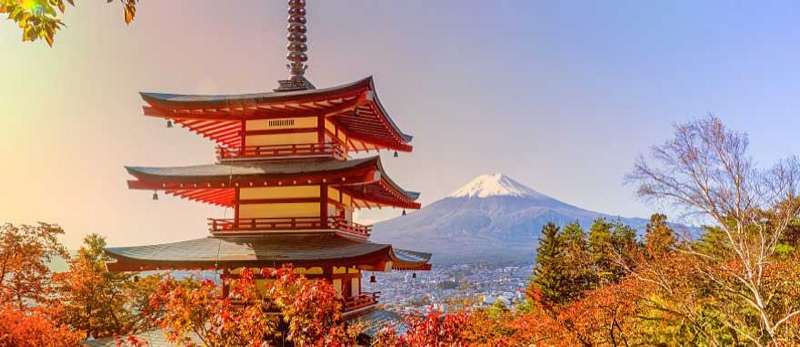
A slow final morning in Kyoto — one last great meal, a walk along the Kamogawa, and the journey home with a suitcase full of memories (and pickles).
Final Kyoto Morning Walk
Take one last early morning walk along the Kamogawa River from your ryokan. The river is especially peaceful at 7-8am — joggers, herons, and the quiet hum of a city waking up. If there's time, swing through Nishiki Market one more time for last-minute food souvenirs: matcha, dried fish, pickles, and Japanese snacks.
Pack & Head to Kyoto Station
Check out of your ryokan, grab a cab or bus to Kyoto Station. If flying from Kansai Airport (KIX), take the Haruka Express (75 minutes, ¥3,430). If flying from Narita, shinkansen back to Tokyo first (2h40m).