⚡ Before You Go — Essentials
🌸 Late Cherry Blossoms
Mid-April catches the tail end of sakura season. Shinjuku Gyoen, Ueno Park, and Meguro River may still have blossoms — especially late-blooming yaezakura (double-petal) varieties. Pack layers: 15–22°C with occasional rain.
🚇 Getting Around
Get a Suica or Pasmo IC card (tap-on/tap-off for trains, buses, convenience stores). Tokyo Metro + JR lines cover everything. Google Maps transit directions are extremely accurate in Tokyo. Avoid rush hour (7:30–9:30am) on major lines.
📶 Connectivity
Rent a pocket WiFi at the airport (Global WiFi or iVideo) or grab an eSIM (Ubigi, Airalo). Coverage is excellent everywhere including subways. Free WiFi exists but is unreliable.
💴 Cash Still Matters
While IC cards and credit cards work at most places, many small izakayas, ramen shops, and market stalls are cash-only. Withdraw yen at 7-Eleven ATMs (international cards accepted, low fees).
🎫 JR Pass Consideration
A full JR Pass isn't worth it for Tokyo-only trips. But for the Nikko day trip (JR to Utsunomiya + Nikko Line) and Kamakura (JR Yokosuka Line), individual tickets are cheaper. Buy a Hakone Free Pass for the Hakone loop.
🍱 Eating Culture
Lunch sets (teishoku) at even high-end restaurants are 1/3 the dinner price — take advantage. No tipping. Say "itadakimasu" before eating. Many places use ticket machines (shokkenki) — just press a button and hand the ticket to staff.
Arrival — Neon Baptism in Shinjuku

Land in Tokyo, check in, and dive straight into the sensory overload of Shinjuku — the city's beating heart. Tonight is about first impressions: towering screens, tiny alleyways, and your first bowl of ramen.
Arrive & Check In
From Narita, take the Narita Express (N'EX) directly to Shinjuku Station (~90 min). From Haneda, the Keikyu Line or monorail connects in ~45 min. Drop bags at your hotel and get your bearings.
Shinjuku Gyoen National Garden
One of Tokyo's most beautiful parks and a prime cherry blossom spot. In mid-April, the late-blooming yaezakura (double-petal cherry trees) are often at peak. A perfect jet-lag antidote — serene Japanese, English, and French gardens.
Omoide Yokocho (Memory Lane)
Duck into this atmospheric alley of tiny yakitori stalls right next to Shinjuku Station. Smoke, sizzle, and lantern light — each stall seats maybe 6 people. Point at what you want, grab a beer, and soak in the atmosphere.
Old Tokyo — Temples, Parks & Market Mayhem
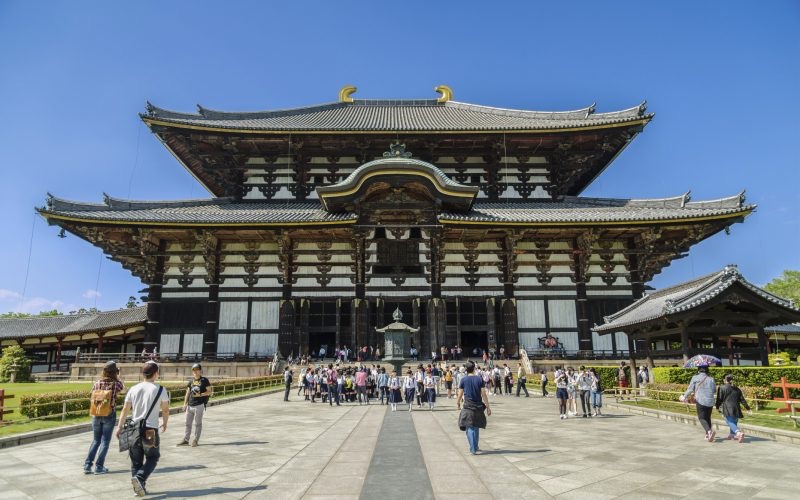
Today is pure old-school Tokyo. Begin at Senso-ji, Tokyo's oldest and most atmospheric temple, then explore Ueno's park and museums before diving into the chaotic energy of Ameyoko market.
Senso-ji Temple at Dawn
Arrive early (before 8am) to experience Senso-ji without the crowds. Walk through the iconic Kaminarimon (Thunder Gate), browse Nakamise-dori shopping street as vendors set up, and draw an omikuji fortune at the main hall. The incense smoke is believed to heal — waft it over yourself.
Ueno Park & Tokyo National Museum
Stroll through Ueno Park — sprawling grounds with temples, a lake, and world-class museums. The Tokyo National Museum houses the largest collection of Japanese art in the world: samurai swords, ancient ceramics, Buddhist sculptures, ukiyo-e prints.
Ameyoko Market
Exit Ueno Park from the south and plunge into Ameyoko — a raucous open-air market under the train tracks. Fresh seafood, dried fruits, spices, street food, discount clothing — it's Tokyo's most energetic market. Try fresh uni (sea urchin) on a stick.
Sumida River Walk & Tokyo Skytree
Walk along the Sumida River as the city lights up, with Tokyo Skytree towering ahead. Cross the river on the futuristic Sumida Riverwalk and head to Skytree's observation deck for 360° night views of the city.
Sacred Forest to Scramble Crossing
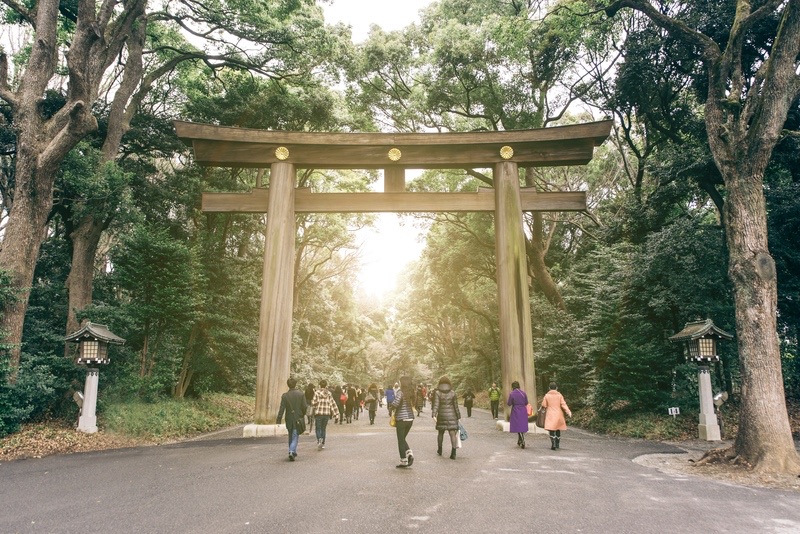
From the serene forest of Meiji Shrine to the electric chaos of Shibuya Crossing — today is a tale of two Tokyos. In between: Harajuku's street fashion, Omotesando's architectural wonders, and some of the best people-watching on Earth.
Meiji Shrine (Meiji Jingu)
Enter through the massive torii gate into a 170-acre forest that feels impossible in the middle of a megacity. This Shinto shrine dedicated to Emperor Meiji is Tokyo's most important — and most peaceful. Write a wish on an ema (wooden plaque) and hang it among thousands of others.
Harajuku & Takeshita-dori
Step out of the shrine forest and straight into Harajuku — Tokyo's youth culture epicenter. Takeshita-dori is a narrow, packed street of crepe shops, kawaii stores, and vintage fashion. Then walk the tree-lined Omotesando boulevard — the "Champs-Élysées of Tokyo" — for world-class architecture.
Cat Street & Backstreet Exploration
Escape the Takeshita crowds via Cat Street — a winding backstreet lined with independent boutiques, vintage shops, and coffee spots. This is where Tokyo's real fashion-forward crowd hangs out.
Shibuya Crossing & Center-gai
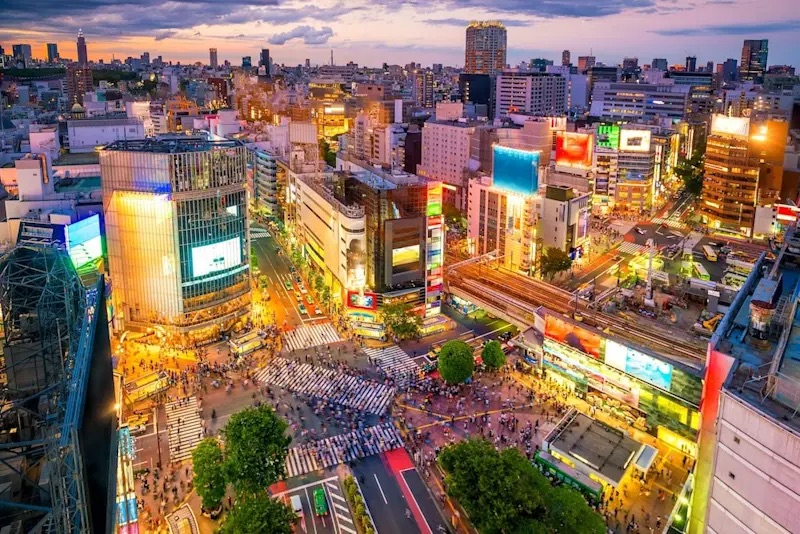
The world's most famous pedestrian crossing — up to 3,000 people cross at once during peak times. Watch from above at the Shibuya Sky observation deck (230m), then descend into Center-gai's buzzing restaurant and nightlife scene.
Market Dawn, Ginza Luxury & Digital Art
Start before sunrise at the world's largest fish market, feast through Tsukiji's outer market, explore Ginza's elegant streets, then end the day immersed in teamLab's mind-bending digital art world.
Toyosu Fish Market
The world's largest wholesale fish market moved here from Tsukiji in 2018. Watch the famous tuna auction from the observation gallery (book ahead!), then explore the market floors where billions of yen in seafood changes hands daily.
Tsukiji Outer Market Breakfast
The original Tsukiji location still thrives as a street food paradise. Browse stalls selling fresh sashimi, tamago (egg) on a stick, grilled scallops, uni (sea urchin), and matcha treats. This is Tokyo's most delicious breakfast.
Ginza Stroll
Tokyo's most upscale district — think Fifth Avenue meets Champs-Élysées. Even if you're not shopping luxury, the architecture is stunning. Visit a depachika (department store basement food hall) at Mitsukoshi or Matsuya for mind-blowing Japanese food culture.
teamLab Borderless (Azabudai Hills)
One of the world's most extraordinary art experiences. Immersive digital installations that respond to your movement — waterfalls of light, infinite flower fields, universes of particles. The art literally has no borders; it flows between rooms.
Day Trip — Kamakura: Great Buddha & Coastal Trails
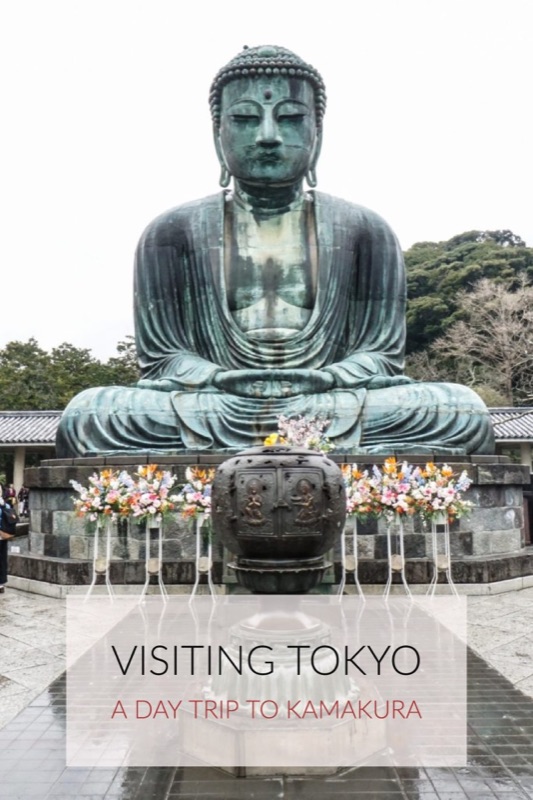
Escape Tokyo for the ancient capital of Kamakura — a seaside town packed with temples, hiking trails, and the iconic Great Buddha. Ride the charming Enoden tram along the coast, hike through bamboo groves, and feel centuries of samurai history.
Train to Kamakura & Tsurugaoka Hachimangu
Take the JR Yokosuka Line from Shinjuku or Tokyo Station (~60 min). Start at Kamakura's grandest shrine — Tsurugaoka Hachimangu. Walk the tree-lined approach from the beach, climb the steps to the main hall, and take in the views.
Hokokuji Bamboo Temple
A short bus ride from the station, Hokokuji is famous for its bamboo grove — over 2,000 towering stalks creating a natural cathedral. Enjoy matcha tea in the garden while surrounded by swaying bamboo.
Daibutsu Trail & Great Buddha
Hike the Daibutsu Trail — a beautiful forest path connecting Kita-Kamakura temples to the Great Buddha (Kotoku-in). The 13m bronze Buddha, cast in 1252, sits calmly in the open air after a tsunami destroyed its temple 500 years ago. You can go inside for ¥50.
Enoden Tram to the Coast
Ride the adorable Enoden tram from Hase Station along the coast to Kamakura-koko-mae — the famous train crossing from the anime Slam Dunk. The Pacific Ocean views from the train are gorgeous.
Sunset & Return to Tokyo
If time allows, watch the sunset from Yuigahama or Shichirigahama beach with Mt. Fuji silhouetted in the distance (clear days). Then take the Enoden to Fujisawa and transfer to JR back to Shinjuku.
Electric Town, Imperial Grounds & Old Tokyo's Soul
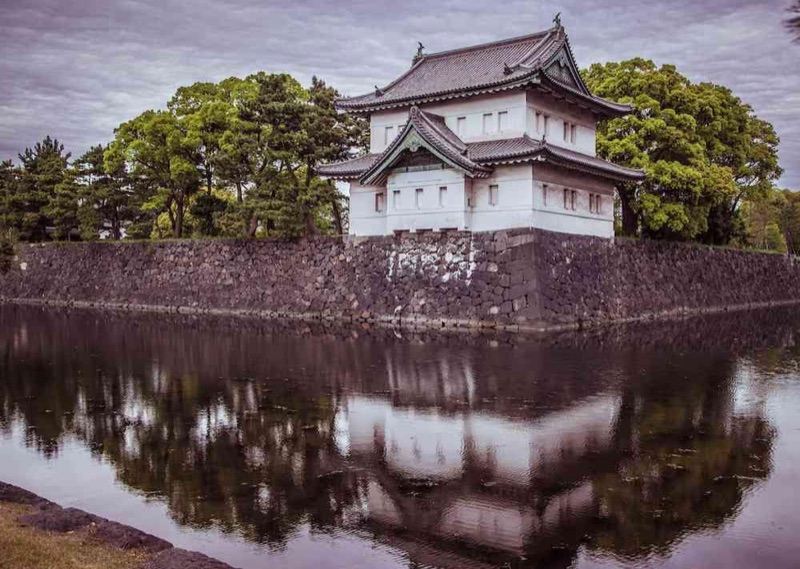
Three completely different worlds in one day: the otaku paradise of Akihabara, the serene moats of the Imperial Palace, and the nostalgic, cat-filled alleyways of Yanaka — Tokyo's last surviving old-town neighborhood.
Imperial Palace East Gardens
The only publicly accessible part of the Imperial Palace grounds. Beautifully maintained Japanese gardens, Edo-era stone walls, and the remains of the largest castle in the world. Peaceful, free, and deeply historical.
Akihabara Deep Dive
Tokyo's "Electric Town" is a multi-story wonderland of anime, manga, retro games, electronics, and maid cafés. Even if you're not an otaku, the sheer density of nerd culture is fascinating. Try a retro game arcade or browse the figure shops.
Yanaka — Tokyo's Time Capsule
One of the few neighborhoods that survived the 1923 earthquake and WWII firebombing. Yanaka feels like Tokyo from another era — wooden houses, narrow lanes, dozens of small temples, and the famous Yanaka Cemetery (beautiful with any remaining sakura). The "Yanaka Ginza" shopping street is pure shitamachi (old downtown) charm.
Day Trip — Nikko: Gold, Cedar & Sacred Mountains
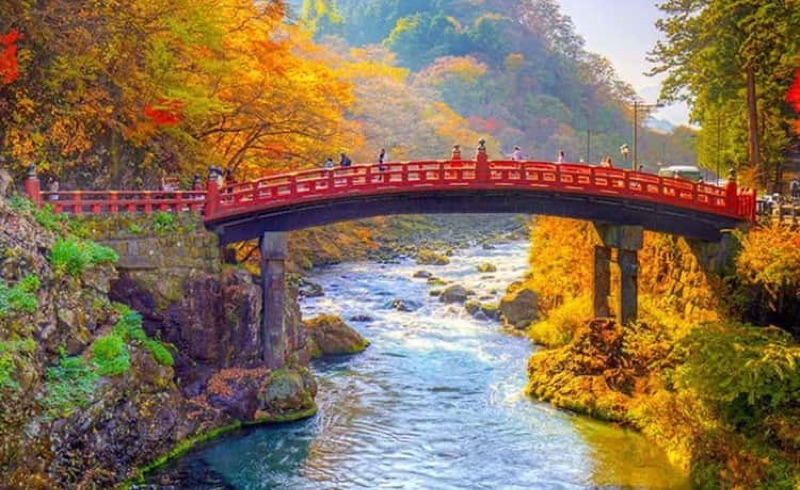
A full day in one of Japan's most spectacular sacred sites. Nikko's Toshogu Shrine — the mausoleum of Tokugawa Ieyasu — is a UNESCO masterpiece dripping in gold leaf, surrounded by 400-year-old cedar forests. Continue to Lake Chuzenji and the thundering Kegon Falls.
Express to Nikko
Take the Tobu Nikko Line from Asakusa Station — the Limited Express "Revaty" takes about 2 hours and drops you right at Nikko. The scenery shifts from urban sprawl to mountain forest.
Toshogu Shrine
The jewel of Nikko. This lavishly decorated shrine complex took 15,000 artisans to build. Every surface is covered in carvings, gold leaf, and vibrant color. Find the famous "See no evil, speak no evil, hear no evil" monkeys and the sleeping cat carving. The towering cryptomeria cedar avenue is breathtaking.
Irohazaka Winding Road to Lake Chuzenji
Take the bus up the famous Irohazaka switchback road (48 hairpin turns!) to Lake Chuzenji at 1,269m elevation. The lake was formed by a volcanic eruption of Mt. Nantai and the mountain views are spectacular.
Kegon Falls
One of Japan's three most beautiful waterfalls. The 97m cascade thunders down volcanic cliffs into a misty pool. Take the elevator down to the observation platform at the base for the full sensory impact.
Return to Tokyo
Take the Tobu Limited Express back from Nikko to Asakusa (~2 hours). You'll arrive back in Tokyo around 7–8pm, pleasantly exhausted from the mountain air.
Hidden Tokyo — Vintage, Vinyl & Village Vibes
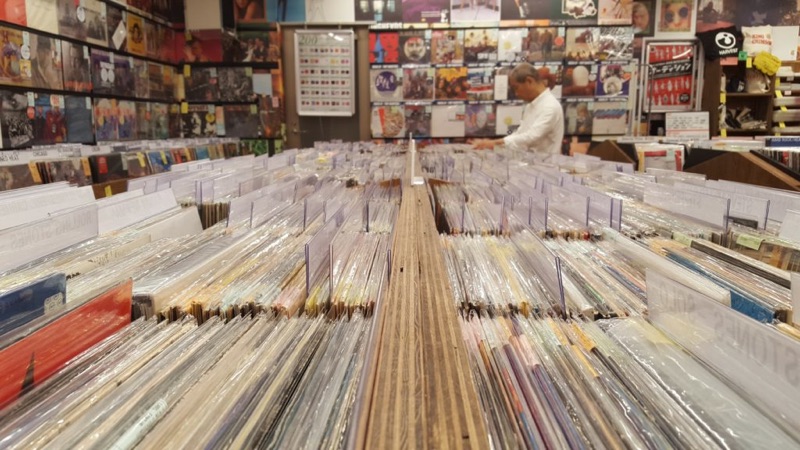
Today is about the Tokyo that locals love. Shimokitazawa's thrift shops and live music venues, Nakameguro's canal-side cafés, Daikanyama's bookstore paradise, and Ebisu's sophisticated evening scene. No tourist crowds — just cool.
Shimokitazawa Exploration
Tokyo's bohemian village — a tangle of narrow streets packed with vintage clothing stores, record shops, tiny cafés, and live music venues. This is where Tokyo's creative class hangs out. The vibe is anti-Shibuya: relaxed, weird, personal.
Nakameguro Canal Walk
If any cherry blossoms remain, the Meguro River canal is THE spot — trees arch over the water creating a pink tunnel. Even without blossoms, the canal-side is lined with independent boutiques, galleries, and some of Tokyo's best cafés.
Daikanyama T-Site & Hillside Terrace
Tsutaya Books at T-Site is one of the world's most beautiful bookstores — a lounge-like space where you can browse art books, vinyl, and magazines while sipping coffee. Daikanyama is Tokyo's most sophisticated neighborhood.
Ebisu Evening
A sophisticated neighborhood that locals adore. Yebisu Garden Place has a European-style piazza feel, and the streets around Ebisu Station are packed with excellent restaurants and bars. This is "adult Tokyo" — refined but relaxed.
Day Trip — Hakone: Hot Springs, Volcanoes & Mt. Fuji
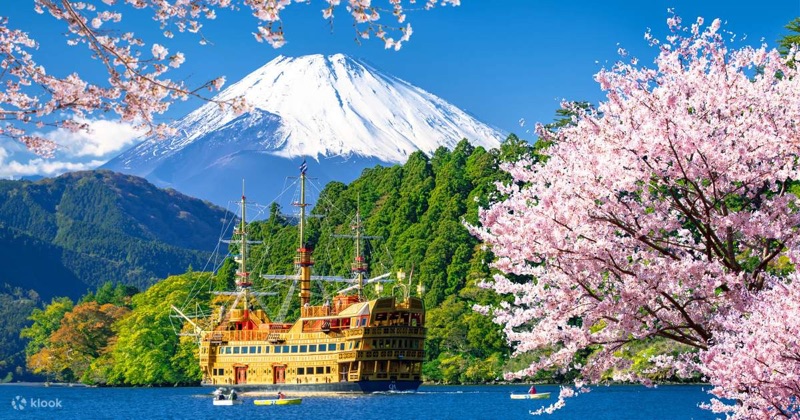
The ultimate adventure day trip — ride a mountain railway, cable car over volcanic vents, and a pirate ship across a crater lake. Hakone is where Tokyo goes to escape, and on a clear day, Mt. Fuji dominates the horizon. End with a well-earned onsen soak.
Romancecar to Hakone
Take the Odakyu Romancecar from Shinjuku — a scenic limited express that deposits you at Hakone-Yumoto in 85 minutes. The panoramic windows make the journey part of the adventure.
Hakone Open-Air Museum
An outdoor sculpture park set against a mountain backdrop — Picasso, Henry Moore, and stunning Japanese contemporary art spread across rolling green hills. The foot bath with a mountain view is the perfect way to warm up.
Owakudani Volcanic Valley
Ride the Hakone Ropeway over the volcanic valley of Owakudani — steaming vents, sulfurous fumes, and a lunar landscape. At the top, eat the famous "black eggs" boiled in the volcanic hot springs (they say each adds 7 years to your life).
Lake Ashi Pirate Ship
Descend from Owakudani to Lake Ashi and board a "pirate ship" cruise across the crater lake. The classic shot: Hakone Shrine's red torii gate rising from the water with Fuji behind it.
Onsen Soak & Return
Before heading back, stop at one of Hakone's many day-use onsen (hot springs). Hakone-Yumoto has several excellent day-use facilities. Soak in mineral-rich volcanic water surrounded by mountains — the perfect end to an adventure day.
Farewell Tokyo — Last Bites & Departure

One final morning to soak in the magic. Return to Tsukiji for a farewell seafood breakfast, pick up last-minute souvenirs at Tokyo Station's underground shopping paradise, and say goodbye to the greatest city on Earth.
Final Tsukiji Outer Market Feast
Come back for one more round — the stalls you missed, the sashimi you've been dreaming about. This time you know the layout. Grab fresh uni, a grilled scallop, tamagoyaki, and a matcha latte. Eat slowly. Remember this.
Tokyo Station & Ekiben Shopping
Tokyo Station is a destination in itself. The underground shopping area ("Gransta" and "Tokyo Character Street") has incredible ekiben (train bento boxes), regional specialties from across Japan, and character goods. The Marunouchi brick facade is a beautiful photo op.
Departure
Head to the airport with your ekiben, your memories, and probably a suitcase heavier than when you arrived. Tokyo will be here when you come back — and you will come back.
💰 Budget Breakdown
| Category | Budget | Midrange | Luxury |
|---|---|---|---|
| Accommodation | ¥8,000–15,000/night | ¥15,000–35,000/night | ¥35,000–100,000/night |
| Meals (per person) | ¥2,000–4,000/day | ¥5,000–10,000/day | ¥10,000–30,000/day |
| Transport (in Tokyo) | ¥800–1,500/day | ¥1,500–3,000/day | ¥5,000–10,000/day (taxi) |
| Day Trip Transport | ¥2,000–4,000/trip | ¥4,000–7,000/trip | ¥10,000–20,000 (private) |
| Activities | ¥0–2,000/day | ¥2,000–5,000/day | ¥5,000–15,000/day |
| 10-Day Total (per person) | ¥100,000–180,000 | ¥200,000–400,000 | ¥500,000–1,000,000 |
✈️ Getting There
- Narita Airport (NRT): N'EX to Shinjuku ~90 min (¥3,250) or Skyliner to Ueno ~45 min (¥2,520)
- Haneda Airport (HND): Keikyu Line to Shinagawa ~15 min (¥300) or Monorail to Hamamatsucho ~13 min (¥500)
- Haneda is much closer to central Tokyo — worth the premium if available
🏨 Where to Stay
- Shinjuku: best for first-timers — central, connected, great nightlife
- Shibuya: trendy, walkable to Harajuku and Ebisu
- Asakusa: traditional atmosphere, budget-friendly, near Skytree
- Ginza/Tokyo Station: upscale, convenient for day trips
- For 3-4 people: consider Airbnb apartments — much more space and cheaper per-person
🌡️ April Weather
- Average 15–22°C (59–72°F) — pleasant spring weather
- Light layers + a rain jacket — April showers are common
- Late sakura possible, especially yaezakura varieties
- Comfortable walking weather — you'll average 15,000–25,000 steps/day
💳 Money & Tipping
- Many places accept IC cards and credit cards, but carry ¥10,000–20,000 cash
- 7-Eleven ATMs accept international cards with low fees
- NO tipping — it can actually be considered rude
- ¥1 ≈ $0.007 USD (as of 2026) — Japan is very affordable right now
📱 Connectivity & Apps
- Pocket WiFi or eSIM from airport (¥500–1,000/day)
- Google Maps: excellent for transit, walking, and restaurant discovery
- Suica/Pasmo app: digital IC card on iPhone (or physical card from station)
- Tabelog: Japan's best restaurant discovery app (like Yelp but actually good)
🙏 Etiquette Essentials
- Bow slightly when greeting — a small head nod is fine
- Don't eat while walking (except at markets/festivals)
- Speak quietly on trains — no phone calls
- Remove shoes when entering temples, ryokans, some restaurants
- Queue patiently — the Japanese queue is sacred