⚡ Before You Go — Essentials
🚄 Getting Around
JR Pass is NOT cost-effective for this route (too many non-JR segments). Instead, buy individual tickets: Takayama–Gero (JR Takayama Line, ¥990), Gero–Kyoto (JR via Nagoya, ~¥7,500), Kyoto–Nara (Kintetsu, ¥640), Kyoto–Osaka (Hankyu Railway, ¥400), Osaka–Koyasan (Nankai Railway, ~¥1,650). IC card (Suica/ICOCA) works on local transport everywhere.
🏨 Accommodation Style
Mix of budget hostels, capsule hotels, one ryokan night in Gero, and a temple lodging (shukubo) on Koyasan. Single rooms at ¥3,500–6,000/night in hostels, ¥8,000–12,000 for the ryokan, ¥10,000–13,000 for the temple stay.
🌸 Cherry Blossom Status
Late March is the START of sakura season in Kansai. Kyoto's earliest bloomers (Toji, Maruyama Park weeping cherry) typically open March 20–25. Full bloom is usually late March to early April. You'll catch the magical 'opening' phase — less crowded than peak.
🗓️ Spring Equinox (Mar 20)
Shunbun no Hi is a national holiday. Temples hold special higan ceremonies honoring ancestors. Expect larger crowds at major temples but also unique rituals you won't see other times of year.
💴 Budget Tips
Konbini (7-Eleven, Lawson, FamilyMart) for cheap onigiri breakfasts (¥120–200). Lunch sets (ランチセット) at restaurants are 30–50% cheaper than dinner. Supermarket bento after 7pm are discounted 20–50%. Free temple grounds are often as beautiful as paid ones.
🌐 Language
Google Translate camera mode works well for menus. Download Japanese offline pack before departure. Most train stations have English signage. In Takayama/Gero, English is less common — a few key phrases help.
Alpine Exit to Hida Heritage
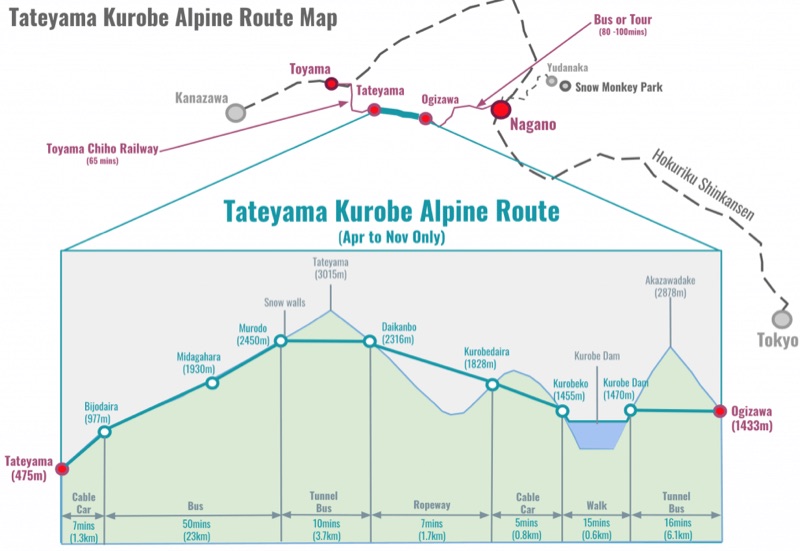
Leave the snow behind and descend into Takayama's beautifully preserved Edo-period old town, where spring is just beginning to stir in the mountain valleys.
Hakuba to Takayama
Take the highway bus from Hakuba to Takayama (approximately 3 hours via Matsumoto transfer, or direct Nohi Bus seasonal route). Arrive by early afternoon.
Sanmachi Suji Historic District
Wander through the three streets of beautifully preserved Edo-era merchant houses. Dark wooden lattice facades, small sake breweries with cedar ball signs (sugidama), and craft shops line the canals.
Sake Brewery Tasting Tour
Takayama has 7 sake breweries clustered in the old town, most offering free or ¥100–300 tastings. In March, many are finishing their winter brewing season — the freshest sake of the year.
Miyagawa River Evening Stroll
Walk along the Miyagawa River as the streetlights reflect on the water. The eastern bank has a beautiful path with mountain views. In late March, look for the first plum blossoms along the riverbanks.
Morning Markets & Mountain Hot Springs
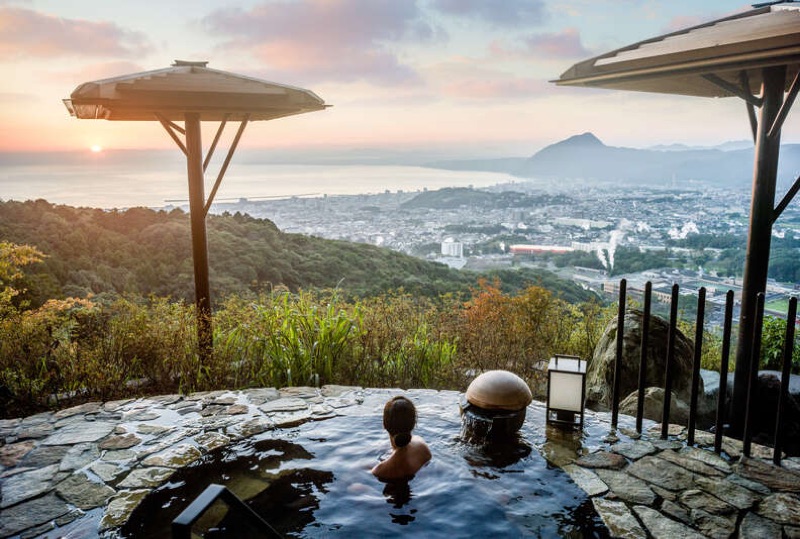
Experience Takayama's famous morning markets at dawn, then ride the scenic JR Takayama Line south through dramatic gorges to one of Japan's legendary top 3 onsen towns.
Miyagawa Morning Market (Asaichi)
One of Japan's three great morning markets, running along the Miyagawa River since the Edo period. Local farmers sell mountain vegetables, homemade pickles, miso paste, handcrafts, and seasonal specialties. In March, look for fukujuso (spring wildflowers) and fresh wasabi.
Jinya-mae Morning Market
The smaller, more intimate market in front of the Takayama Jinya (historic government building). More focused on local crafts and pickled vegetables.
JR Takayama Line to Gero Onsen
One of Japan's most scenic rail journeys. The single-track train winds through the Hida River gorge, past steep forested mountains and tiny villages. The 50-minute ride feels like traveling back in time.
Explore Gero Onsen
One of Japan's top 3 onsen towns (alongside Kusatsu and Arima). The town is compact and walkable along the Hida River. The water is uniquely silky-smooth (alkaline simple spring, pH 9.18) — called 'bijin no yu' (beauty's bath) because it makes skin incredibly soft.
Onsen Hopping
With your Yumeguri pass, visit different ryokan baths with distinct characters. Each has a different view and atmosphere — riverside, garden, or mountain-facing.
Funsenchi Open-Air Bath
A legendary free mixed-gender open-air bath right on the riverbank in the center of town. Bathing under the stars with the sound of the Hida River is unforgettable. In March, the night air is crisp — perfect contrast with the hot water.
Into the Cherry Blossom Belt
Travel south from the mountains into Kyoto — where the first cherry blossoms of the season are just beginning to open. The temperature shift from Hida's alpine chill to Kansai's milder spring feels like fast-forwarding through seasons.
Ryokan Breakfast & Check-out
Enjoy a traditional Japanese breakfast at the ryokan — grilled fish, miso soup, pickled vegetables, rice, and tamago (egg). Check out and catch the JR Wide View Hida toward Nagoya.
Philosopher's Path (Tetsugaku no Michi)
A 2km stone path along a canal lined with hundreds of cherry trees. In late March, the earliest varieties will be showing pink buds or first blossoms. Even before full bloom, the atmosphere is magical — anticipation fills the air.
Nanzen-ji Temple
A grand Zen temple at the southern end of the Philosopher's Path. The massive sanmon gate offers views over the city (¥600). The aqueduct behind the main hall — a Meiji-era brick structure cutting through the ancient temple — is one of Kyoto's most striking photo spots.
Gion District Evening Walk
Kyoto's most atmospheric neighborhood at its best hour. Wooden machiya townhouses, paper lanterns, and the occasional glimpse of a maiko (apprentice geisha) heading to an evening engagement. Hanami-koji is the main street, but the side alleys (especially Shinbashi-dori) are more atmospheric.
Spring Equinox & Sacred Mountains
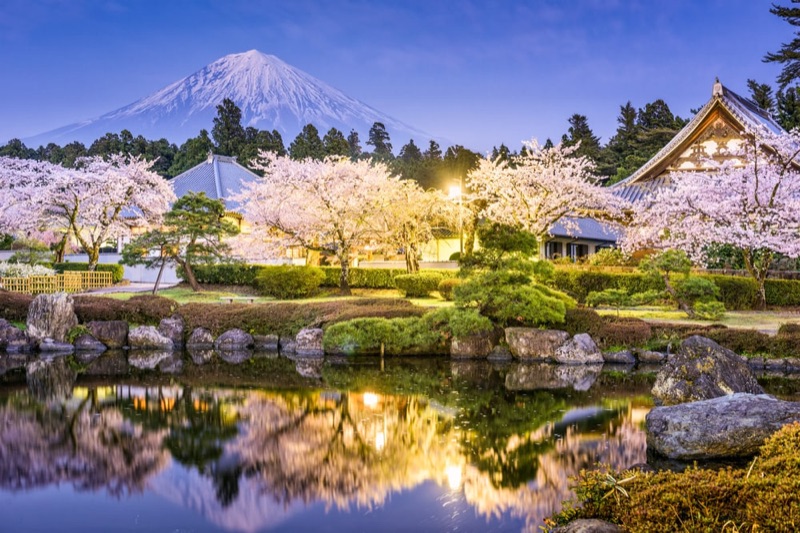
March 20 is Shunbun no Hi — the Spring Equinox, a national holiday when Japanese families visit temples for ancestral ceremonies. Experience Kyoto's greatest hits at a profound seasonal moment.
Fushimi Inari Taisha at Sunrise
The famous 10,000 vermillion torii gates winding up Mt. Inari. At sunrise (around 6:00am in late March), you'll have the lower gates almost to yourself. The full hike to the summit takes about 2 hours and rewards with panoramic views over Kyoto.
Arashiyama Bamboo Grove
Walk through the towering bamboo stalks of Sagano. The grove is most atmospheric in the morning light when sunbeams filter through. Continue past to Okochi Sanso villa garden (¥1,000 incl. matcha) for stunning mountain views.
Tenryu-ji Temple
A UNESCO World Heritage Zen temple with one of Japan's oldest and finest landscape gardens. The garden was designed in the 14th century to 'borrow' the Arashiyama mountains as backdrop — stunning in any season.
Nishiki Market
Kyoto's 400-year-old 'kitchen' — a narrow covered market stretching five blocks with over 100 vendors. Sample seasonal specialties: yomogi mochi (mugwort rice cakes, a spring tradition), tsukemono (Kyoto pickles), and dashimaki tamago (rolled omelette).
Higashi Hongan-ji — Equinox Ceremony
One of Kyoto's largest temples holds special Higan services during the equinox week. The massive main hall (the largest wooden structure in Kyoto) hosts chanting ceremonies that are deeply moving even if you don't understand the words.
Maruyama Park Night Cherry Blossoms
Kyoto's most famous hanami spot. The iconic weeping cherry tree (shidare-zakura) in the center of the park is illuminated at night and is often one of the first trees to bloom in Kyoto. Even if it's not fully open yet, the lighting and atmosphere are extraordinary.
Deer, Giants & Ancient Capital
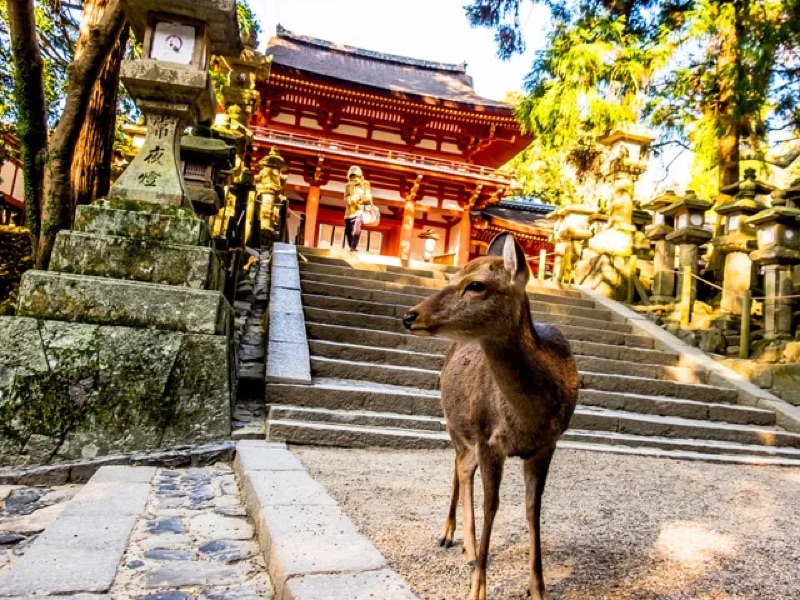
A full day in Japan's first permanent capital, where sacred deer roam freely among some of the largest and oldest wooden structures on Earth. In late March, the park's plum gardens are in their final bloom and cherry trees are budding.
Nara Park at Dawn
Over 1,200 wild Sika deer roam freely through the park — they're considered divine messengers of the gods in Shinto tradition. In the morning, they're calm and approachable. Buy shika senbei (deer crackers, ¥200) to make friends.
Todai-ji & the Great Buddha
The world's largest wooden building houses a 15-meter bronze Buddha cast in 752 AD. The scale is genuinely awe-inspiring — this is NOT a 20-minute castle experience. Between the deer park approach, the Nandaimon gate guardians, and the Daibutsuden hall, plan at least 90 minutes.
Kasuga Taisha Grand Shrine
A Shinto shrine famous for its 3,000 stone and bronze lanterns, many moss-covered and centuries old. The approach through a primeval forest is otherworldly. The shrine holds special Higan ceremonies in the equinox period.
Nigatsu-do Hall
Part of the Todai-ji complex but often missed. This hillside hall has a balcony with the best panoramic view in Nara — overlooking the entire city and Nara Park. The Omizutori fire ceremony runs through March 14, but the venue itself is stunning year-round.
Naramachi Traditional District
Nara's old merchant quarter with narrow machiya townhouses, small museums, and artisan shops. Much less touristed than Kyoto's old districts. Look for the migawari-zaru (protective monkey charms) hanging from eaves — a Naramachi tradition.
Street Food Capital of the World
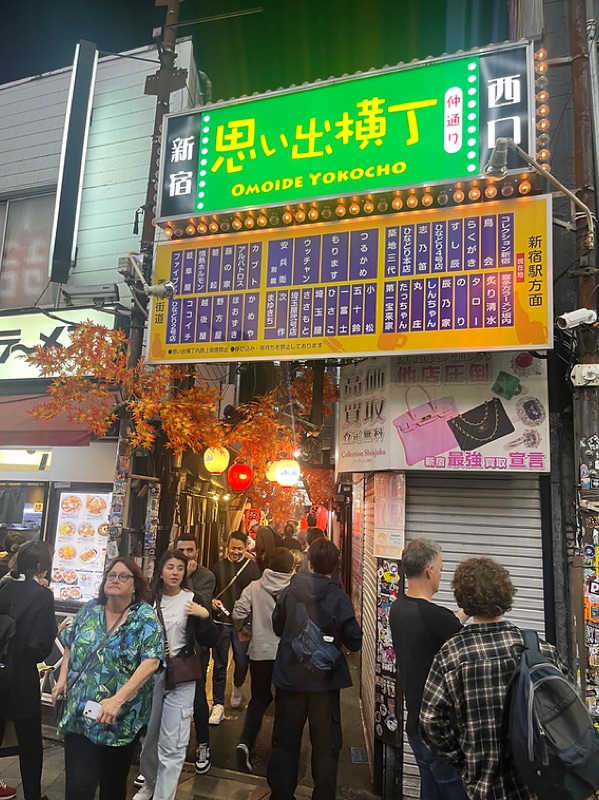
Swap Kyoto's refined elegance for Osaka's raw, neon-lit, unapologetically loud food culture. This city eats harder than anywhere else in Japan — kuidaore (eat until you drop) is the local motto.
Kyoto to Osaka
Quick transfer via Hankyu Railway (¥400, 45 min to Umeda) or JR (¥570, 30 min to Osaka Station).
Tenjinbashisuji Shopping Street & Tenma Market
Japan's longest covered shopping street (2.6km!) plus the adjacent Tenma market — where Osaka's restaurant owners buy their ingredients. Much more local than Kuromon. Browse dried fish, tofu stalls, knife shops, and hole-in-the-wall udon joints.
Dotonbori Canal Walk
Osaka's iconic neon strip along the canal — giant mechanical crabs, the Glico Running Man sign, and an overwhelming density of restaurants. It's tacky and loud and absolutely wonderful.
Hozenji Yokocho
A tiny stone alley hidden behind Dotonbori's chaos. The Hozenji temple's moss-covered Fudo Myoo statue is beloved — splash water on it and make a wish. Lined with intimate bars and traditional restaurants.
Shinsekai District
Osaka's retro entertainment district built in 1912, modeled after New York (north) and Paris (south). Today it's gloriously run-down and authentic — puffer fish lanterns, shogi (chess) cafes, and the best kushikatsu joints in the city. Tsutenkaku Tower glows above it all.
Tobita Shinchi (Walk Through Only)
Japan's most visually striking historic red-light area (operating since the Taisho era). The architecture — ornate facades with elaborate lighting — is extraordinary to walk past. Respectful observation only; no photos of people.
Castle Gardens & Sky Views
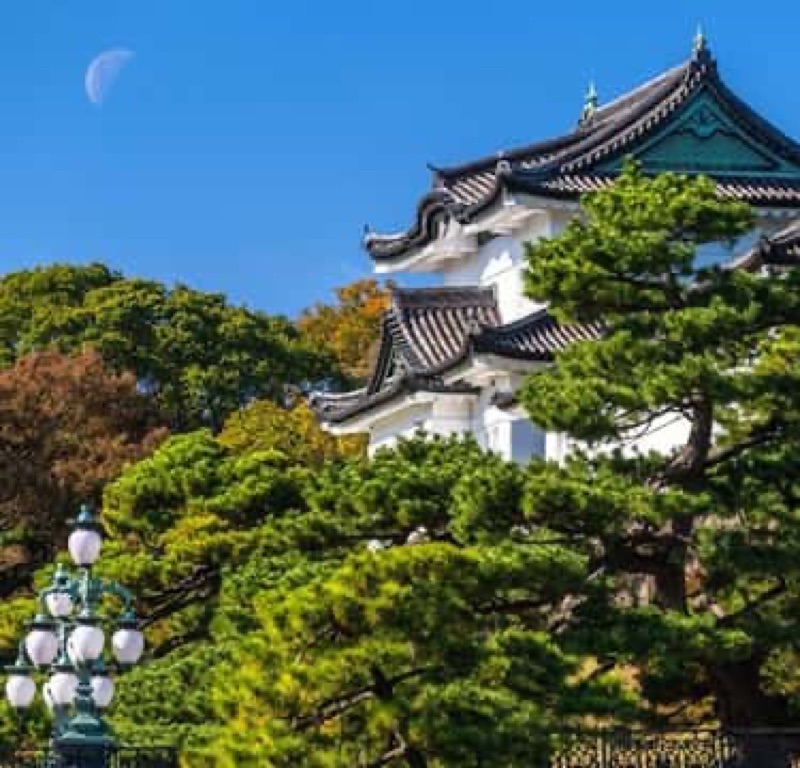
Explore Osaka's green spaces and elevated perspectives — from the castle's plum and cherry gardens to one of the most spectacular observation decks in all of Japan.
Osaka Castle & Nishinomaru Garden
The castle itself is a concrete reconstruction (1931), but the surrounding park is one of Osaka's best spring spots. Nishinomaru Garden (¥200) has 300 cherry trees — in late March, the earliest varieties should be opening. The plum grove (bairin) behind the castle will be in its final bloom.
Kuromon Ichiba Market
Osaka's 'Kitchen' — 170+ stalls of impossibly fresh seafood, seasonal fruits, and street food. More tourist-oriented than Tenma but the quality is undeniable. The giant grilled scallops and uni (sea urchin) are irresistible.
Den Den Town (Osaka's Akihabara)
Osaka's electronics and otaku district — retro game shops, vintage synthesizer stores, manga cafes, and figure shops. More compact and less overwhelming than Akihabara. Great for browsing even if you're not buying.
Umeda Sky Building Floating Garden
One of the most extraordinary building designs in Japan — two towers connected by a 'floating' circular observation deck 173m above the ground. The open-air rooftop is especially magical at sunset, with luminous floor panels that glow in the dark.
The Sacred Mountain
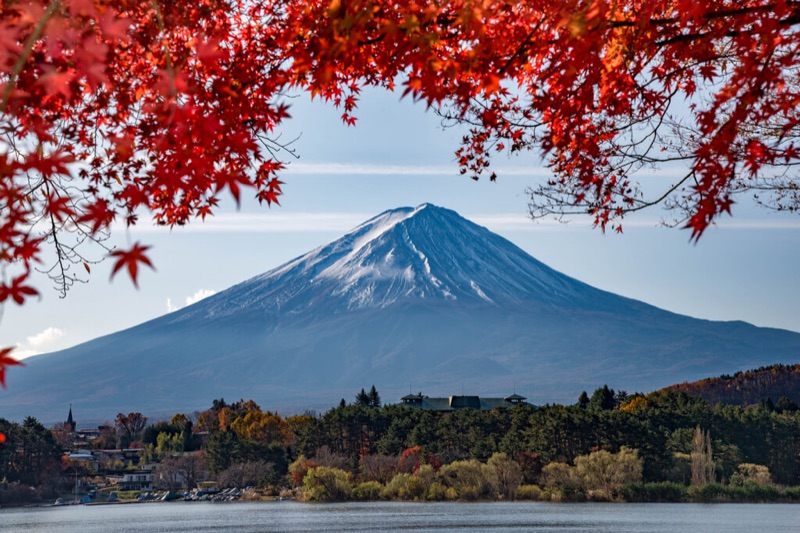
Leave the urban energy behind for one of Japan's most profound spiritual experiences — an overnight stay in a Buddhist temple on the sacred mountain of Koya, headquarters of Shingon Buddhism for 1,200 years.
Osaka to Koyasan
Take the Nankai Railway from Namba to Gokurakubashi (end of the line), then the steep cable car up to the mountaintop plateau. The journey itself is part of the experience — you're ascending from modern Japan into a sacred world of 117 temples surrounded by cedar forests.
Danjo Garan Sacred Precinct
The religious heart of Koyasan where Kobo Daishi (Kukai) established Shingon Buddhism in 816 AD. The vermillion Konpon Daito pagoda is stunning — inside, a 3D mandala with Buddha figures creates an immersive sacred space unlike anything else in Japan.
Kongobu-ji Head Temple
The administrative headquarters of Shingon Buddhism with Japan's largest Zen rock garden — the Banryutei, representing two dragons emerging from clouds. The interior rooms have painted fusuma sliding doors by Kano school artists.
Shukubo (Temple Lodging) Check-in
Check into your temple stay. You'll sleep on futons on tatami mats in a traditional temple room, often with a garden view. The evening meal is shojin ryori — Buddhist vegetarian cuisine that's been perfected over 1,200 years here.
Okunoin Cemetery After Dark
The most otherworldly experience in Japan. Walk 2km through a forest of 200,000+ moss-covered tombstones and memorial stones — from feudal lords to modern corporations — lit by stone lanterns. At the end, the Torodo Hall of Lamps glows with 10,000 lanterns, two of which have burned for over 1,000 years continuously.
Descend & Arrive Home
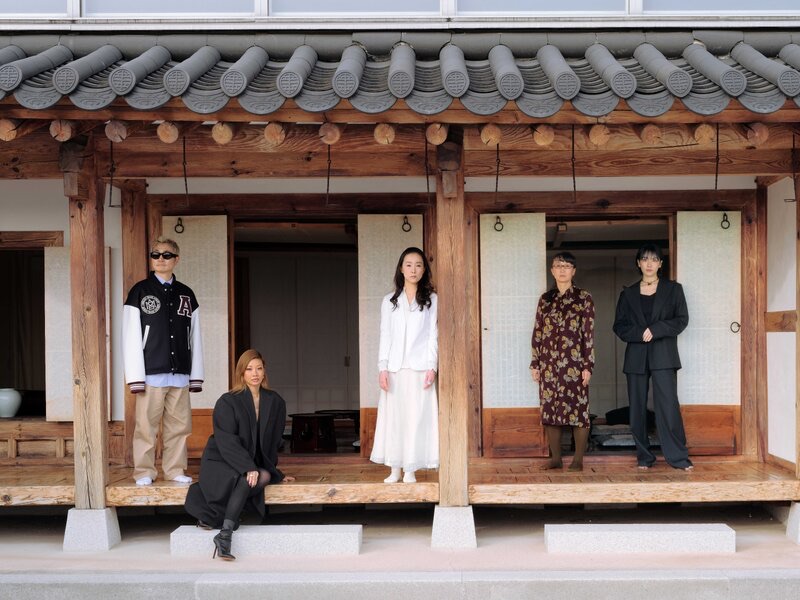
Morning prayer ceremony on the mountain, then descend back to the modern world and travel to your new home in Naka-Meguro — arriving just in time for the Meguro River's famous cherry blossom season beginning.
Morning Prayer Service (Gongyo)
Wake at 6:00am for the temple's morning prayer ceremony — monks chanting sutras, incense smoke curling through the dark hall, the deep resonance of the temple bell. Even as a non-Buddhist, it's deeply meditative. Most guests find it the highlight of the stay.
Okunoin Morning Walk
If you walked Okunoin at night, return in the morning for a completely different experience. Morning light filtering through ancient cedars, birdsong, and the quiet devotion of monks making their rounds creates a sense of profound peace.
Koyasan → Namba → Shin-Osaka → Tokyo
Cable car and Nankai Railway back to Osaka Namba (~2 hours), then metro to Shin-Osaka. Shinkansen to Tokyo (~2.5 hours). From Tokyo Station or Shinagawa, take the JR Yamanote Line to Ebisu, then Hibiya Line one stop to Naka-Meguro. Welcome home.
Meguro River Cherry Blossom Preview
Your new neighborhood is famous for one of Tokyo's most spectacular cherry blossom spots. 800+ cherry trees line the Meguro River for nearly 4km. In late March, the trees will be budding or just starting to bloom — you'll have front-row seats for the full show in the coming weeks.
💰 Budget Breakdown
| Category | Budget | Notes |
|---|---|---|
| Transport | ¥35,000 ($235) | Buses, JR trains, Nankai, Shinkansen on Day 9 |
| Accommodation (8 nights) | ¥48,000 ($320) | Hostels ¥3,500–5,000, Gero ryokan ¥10,000, Koyasan temple ¥12,000 |
| Food | ¥45,000 ($300) | ¥5,000/day avg — mix of markets, street food, sit-down |
| Activities & Entry Fees | ¥8,000 ($55) | Temples, gardens, onsen passes, Sky Building |
| 9-Day Total | ¥136,000 (~$910) | Comfortable budget without luxury — could go lower with more konbini meals |
Getting Around
- Get a Suica or ICOCA card at any JR station — works on virtually all trains, buses, and convenience stores nationwide. Load ¥3,000 to start.
- JR Pass is NOT cost-effective for this route. Buy individual tickets for each segment.
- Download Navitime or use Google Maps for train schedules — essential for rural connections.
Money & Connectivity
- Japan is increasingly cashless but many small restaurants, temples, and market stalls are cash-only. Carry ¥10,000–15,000 at all times.
- 7-Eleven ATMs accept all international cards with no issues.
- Pick up a travel eSIM (Ubigi, Airalo) or pocket WiFi for Google Maps, Translate camera mode, and train apps.
Daily Life Tips
- Most hostels have coin laundry. Standalone coin laundromats (コインランドリー) are everywhere — ¥300–500 per wash + dry.
- Don't eat while walking (except at markets/festivals). Don't tip — it's confusing and sometimes offensive.
- Bow slightly as a greeting. Take off shoes when entering temples, ryokan, and some restaurants. Be quiet on trains.
- Convenience store breakfasts (onigiri ¥120, coffee ¥100) save money and are genuinely good.
Emergency Contacts
- Police: 110 · Ambulance/Fire: 119
- JNTO Tourist Hotline: 050-3816-2787 (English, 24/7)
- Your embassy if needed for passport/visa issues.