⚡ Before You Go — Essentials
🌸 May in Moscow
May is one of Moscow's finest months. Days are long (sunrise ~5:00 AM, sunset ~8:45 PM by May 1; stretching to ~9:00 PM by May 10) and temperatures range 9–19°C. It's the lilac season — Muscovites pick them everywhere. A light jacket and layers are essential, as mornings are cool and afternoons warm up nicely. Rain is possible (~10–13 days in May). Comfortable walking shoes are mandatory — Moscow is enormous and best explored on foot. May 1 is Labour Day (holiday, some closures); May 9 is Victory Day (massive military parade on Tverskaya Street and Poklonnaya Hill, road closures and huge celebrations throughout the city).
🚇 Getting Around Moscow
The Moscow Metro (metró) is one of the world's most beautiful transit systems — each station is a marble palace with chandeliers, mosaics, and Soviet art. A single ride costs ~60 RUB (~$0.65). Get a Troika card at any metro station (押金 50 RUB, refundable) and load it with trips or cash. Taxis: use Yandex Go (the Russian Uber) — it works perfectly and is dirt cheap (150–400 RUB per ride within the centre). The electric suburban train (электричка) to Sergiev Posad and Kolomna departs from Yaroslavsky and Kazansky Rail Terminals — buy tickets at the station on the day; no reservation needed.
💸 Money & Practicalities
Moscow is overwhelmingly cashless — carry a contactless Mastercard or Visa and you'll be fine everywhere. Cash is only needed for small market stalls and some奶奶 (babushka) vendors. USD and EUR are not accepted in restaurants or shops; RUB only. Tipping 10% in restaurants is appreciated but not obligatory. English is limited outside central tourist areas — learn "Спасибо" (spa-SIB-o = thank you), "Да" (da = yes), "Нет" (nyet = no), and "Извините" (iz-VEE-ni-tye = excuse me). Download Yandex Maps (works offline) and Yandex Translate before you go.
🗣️ Language & Communication
Russian is the official language. In tourist-facing venues and hotels, English is increasingly common, but in neighbourhood markets, stolovayas, and local bars, expect Russian only. Download an offline Russian phrasebook or use Yandex Translate (superior to Google Translate for Russian). Locals genuinely appreciate any attempt to speak Russian, however mangled. A smile and "Большое спасибо!" (thank you very much) will open more doors than any phrasebook.
🎌 May 9 — Victory Day (День Победы)
This is the most important day in the Russian calendar — commemorating the Soviet victory over Nazi Germany in WWII. Expect: a massive military parade along Tverskaya Street (arrive early for a spot), veterans in their military decorations walking through parks, the city draped in orange-and-black St George's Ribbons, concerts in every park, fireworks at 10:00 PM. Many businesses close for the day. Metro will be extremely crowded. Use this day to soak in the atmosphere — it's profoundly moving, even for visitors.
🛡️ Safety & Etiquette
Moscow is generally very safe — violent crime against tourists is rare. Exercise normal urban precautions (watch for pickpockets on the Metro, especially at tourist stations). At churches and monasteries, dress conservatively: covered shoulders and knees for women; no hats for men inside. Photography inside cathedrals is usually allowed without flash. Russian bureaucracy can be frustrating — patience and a smile are your best tools. Do not photograph government buildings or military installations. If stopped by police, remain calm and show your passport (carry it always).
The Merchant's Moscow — Zamoskvorechye on Foot
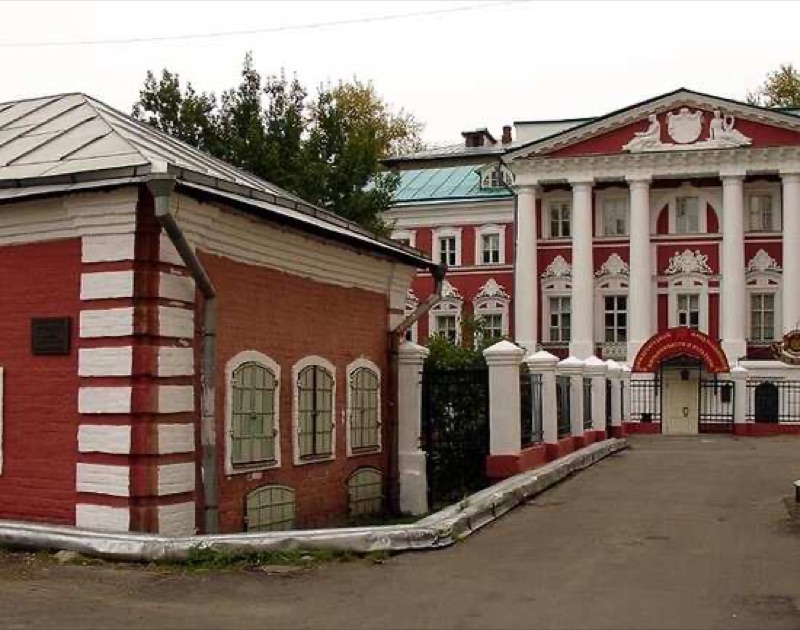
Zamoskvorechye means "behind the Moscow River" — and it was historically where Moscow's merchant class built their wooden houses, Orthodox churches, and trading posts, away from the Kremlin's political centre. Today it remains one of Moscow's most atmospheric neighbourhoods: partly pedestrianised streets, colourful church domes poking above tree lines, small independent cafés, and a rare quiet in a city that doesn't do quiet. Start at the Paveletskaya metro cluster and walk north through the neighbourhood's hidden courtyards, past 18th-century merchant houses and the neighbourhood's famous string of churches.
Zamoskvorechye — Merchant Streets on Foot
Start at Paveletskaya metro (a junction of three lines — convenient from anywhere in the centre). Walk north on Pyatnitskaya Street, which was one of Moscow's main merchant arteries and is now a partly pedestrianised boulevard flanked by 19th-century commercial buildings, independent shops, and good coffee stops. Branch west into the residential lanes — the streets around the Church of the Assumption in Zamoskvorechye (ul. Taganka) are particularly well-preserved: wooden houses with carved window frames, overgrown gardens behind wrought-iron fences, old Moscow that survived the Soviet rebuild. Look for the 17th-century houses on Bolshaya Ordynka Street — some of the oldest wooden structures in Moscow, tucked behind courtyards you'll stumble into.
Moscow House of the Artist (Dom Khudozhnika)
A beautiful Art Nouveau building (1902) at 3 Bolshaya Ordynka Street, 39 — one of Moscow's finest 20th-century commercial buildings, with an ornate facade that rewards slow looking. The ground floor café has a terrace in the courtyard. It's the kind of building that rewards pausing.
Church of the Assumption in Zamoskvorechye & Around
The Cathedral of the Assumption (Успенский собор) on Bolshaya Ordynka is the spiritual heart of Zamoskvorechye — a 16th-century church built by the Stroganov merchant family, frescoed inside with scenes from Moscow's founding. Just around the corner, the Church of Saint Nicholas in Zamoskvorechye (Никольская церковь) has one of Moscow's most photographed green-and-white facades, especially in May with trees coming into leaf. The tiny piazza between them has a handful of benches and a sense of genuine neighbourhood life.
Garden Ring Walk — Moscow's Original Boulevard
From Zamoskvorechye, walk north to the Garden Ring (Sadovoye Koltso) — Moscow's inner circular road that traces the old city walls. The stretch between Dobryninskaya and Serpukhovskaya metro stations is a long, tree-lined promenade with some of Moscow's best 19th-century facades. In May the trees are fully leafed out, creating a green tunnel. There are small benches, a few street coffee carts, and genuine Moscow life — dog walkers, elderly men playing chess, young mothers with prams.
Dinner in Zamoskvorechye — Local Georgian or Uzbek
Zamoskvorechye has an extraordinary density of Central Asian and Caucasian restaurants — a legacy of Soviet-era labour migration from Georgia, Uzbekistan, Armenia, and Dagestan. This is where Muscovites come for the real thing, far from tourist menus. Two reliable options: a Georgian restaurant (look for khachapuri, khinkali, and satsivi on the menu — the real names, not transliterated) or an Uzbek plov house, where massive cauldrons of plov are made fresh for each order. The area around the Dobryninskaya metro has several excellent options.
Taganka, ZIL & Moscow's Working-Class Heart
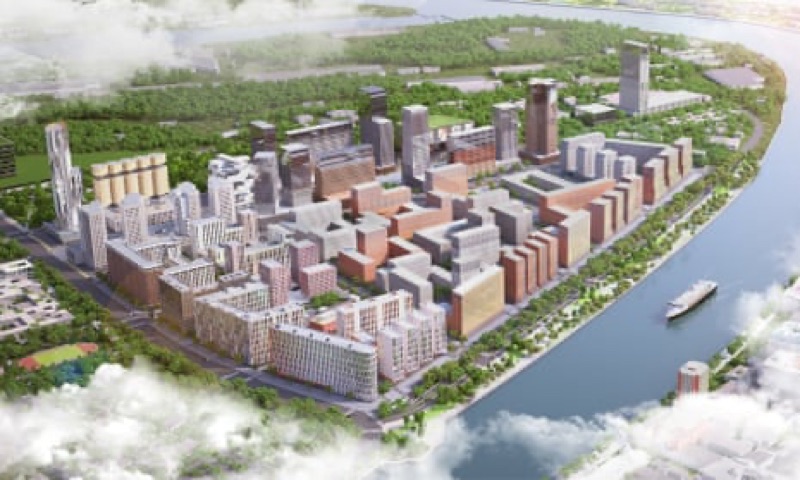
Taganka is Moscow's beating industrial heart — the district that Soviet planners allocated to factories, worker housing, and brutalist social infrastructure. Today it has one of Moscow's most fascinating contradictions: Soviet monumentalism standing shoulder-to-shoulder with underground music venues, independent galleries, and the city's most genuine stolovayas. The ZIL (Zavod imeni Likhacheva, Likhachev Automotive Plant) is the old Soviet truck factory that once employed 30,000 people — its vast industrial complex is now being slowly converted into a creative district, with raw concrete silos, painted murals, and pop-up cafés appearing inside the abandoned workshops.
Taganka Literary Walk — Bulgakov's Moscow
Taganka and the adjacent Yauza River district are intimately connected to Mikhail Bulgakov, who lived and set scenes of 'The Master and Margarita' throughout this neighbourhood. Walk from Taganka metro along Bolshaya Yakimanka Street to the Yauza River Embankment — the river is narrow and overlooked by Soviet-era apartment blocks, with wooden dacha-like structures visible on the far bank. The connection to Bulgakov: in 'The Master and Margarita,' Woland's Moscow is very much this district — the 'profane' Moscow of black magic, bureaucracy, and strange citizens. There are small information plaques on buildings connected to Bulgakov's life, and the area retains a slightly uncanny atmosphere.
Yauza City Market (Gorodskoy Yauzskoy Ryadok)
A smaller, more local version of the famous Moscow markets — Yauza has stalls selling fresh produce, dried fish, smoked meats, local dairy, and hot food. This is where Taganka's residents actually shop. The fish stalls are particularly good — Astrakhan sturgeon, smoked muksun from Siberia, cured salmon. You can assemble a serious picnic here for almost nothing. On the second floor, a cluster of cheap canteen-style eateries serves working lunches to market staff and nearby office workers.
ZIL Industrial Complex — The Soviet Factory Turned Creative District
The Likhachev Automotive Plant (ZIL) on the Moskva River's south bank is one of Moscow's most extraordinary urban exploration sites — a 4km² complex of brick factories, concrete assembly halls, painted murals of heroic workers, and abandoned industrial equipment slowly being colonised by Moscow's creative class. The ZIL Museum (inside the main factory building) shows the plant's full history. Outside, the vast courtyards are often open and you can wander among the decommissioned production lines, cranes, and overhead conveyor tracks. In recent years, pop-up galleries, design studios, and weekend food markets have appeared inside the old factory halls — it's the most authentic version of Moscow's industrial-to-creative conversion happening in real time.
Taganka District Architecture — Soviet Monumentalism on Foot
The walk from ZIL back toward the centre along Bolshaya Cherkizovskaya and then to Taganka metro passes through one of Moscow's densest concentrations of Stalinist architecture — the massive residential blocks (сталинские дома) with their ornate facades, pilasters, and decorative crests. The building at 12 Bolshaya Cherkizovskaya is a classic example: a 9-storey 1947 residential block with stone trim and sculptural groups above the entrance. Take your time — this is architecture designed to be seen from the street.
Taganka Underground Music Venue
Taganka has been Moscow's underground music district since the Soviet era — Samocvety (Samolet), KEEK, and 16 Tons are all within walking distance of Taganka metro. If there's a gig on (check Yandex Afisha app or kassir.ru for listings), this is the most authentic Moscow music experience — small crowds, serious fans, and an atmosphere that hasn't changed much since the 1970s. If there's nothing on, the area's bar scene is equally local — dive bars with no English menus and beer that costs 150 RUB.
Moscow's Most Delicious Neighbourhood — Danilovsky Market & Usachevka
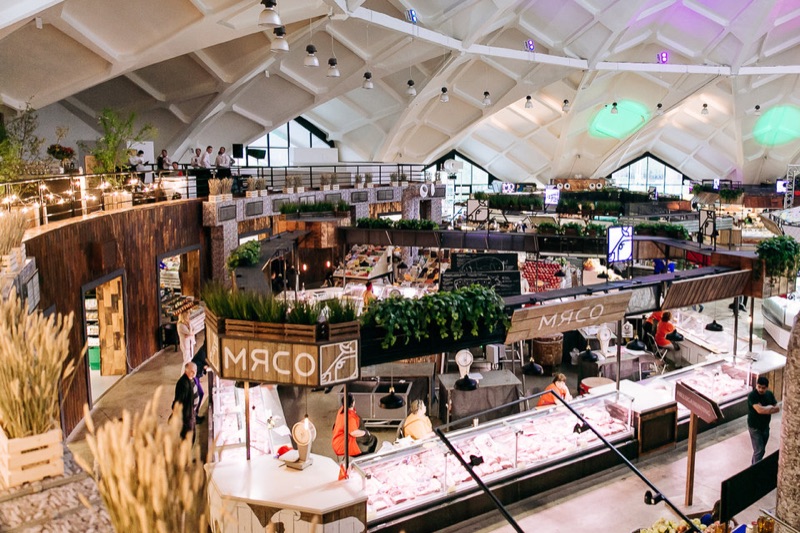
This is the food day, and Moscow delivers it spectacularly. The Danilovsky District south of the centre contains two of the city's greatest food destinations: the Danilovsky Market (one of Moscow's oldest and most beloved markets, now a spectacular covered hall of ethnic food stalls) and the Usachevsky Market (the redesigned 2016 version of what was once a Soviet-era institution — now a foodie destination with some of the best international food in Moscow). Between them, you've got 40+ ethnic cuisines represented, from Dagestani khinkal to Vietnamese pho to Uzbek plov. This is where Moscow eats on a Sunday.
Danilovsky Market — Moscow's Greatest Food Hall
The Danilovsky Market (Даниловский рынок) is a Moscow institution — operating on this site since 1926 and rebuilt in 2009 into a spectacular covered market hall. The ground floor is fresh produce: apples from the Moscow region, local honey, smoked fish from Astrakhan, Caviar from the Caspian Sea, mountains of herbs and pickles. The upper level is a street food festival: 40+ ethnic stalls serving Uzbek plov, Dagestani khinkal (beef dumplings the size of tennis balls), Armenian dolma, Georgian satsivi (turkey in walnut sauce), Azerbaijani lavash, Korean bibimbap, Vietnamese pho, and more. Come hungry. The stallholders are happy to let you taste before you buy, and the food is made fresh throughout the morning.
Eat Your Way Through the Stalls
Spend the midday grazing — this is what Muscovites do on weekends. Start with a small bowl of khinkal (Dagestani beef dumplings, served in broth with adjika spice) from the stall at the north end of the food court. Then try the Uzbek plov — made fresh in huge cauldrons, served with shredded carrot, onion, and cumin-scented rice. Finish with Georgian satsivi (cold poached turkey in a walnut paste sauce, incredibly moreish) and a piece of fresh nan bread pulled from the tandoor oven. Walk it off around the market's produce floor — the caviar stall will let you taste three types for free.
Usachevsky Market (Usachevka) — Foodie Evolution
Ten minutes' walk north of Danilovsky, Usachevsky Market (Усачевский рынок) is the redesigned 2016 incarnation of what was once a classic Soviet covered market. The concept is "Around the World in 80 Days" — Vietnamese, Israeli, Italian, Georgian, and Uzbek stalls coexist under one glass roof, surrounded by art exhibitions, pop-up design markets, and a weekend farmers' market. The outdoor terrace in spring and summer hosts street food events, and there's a good specialty coffee stall. It has a more design-forward vibe than Danilovsky — a mix of young Muscovites and families.
Danilovsky Monastery — Hidden Garden in the City
Tucked behind the market buildings, Danilovsky Monastery (Даниловский монастырь) is one of Moscow's most peaceful corners — founded in 1282, it was closed during the Soviet period and reopened in 1983. The grounds are unusually spacious for central Moscow, with neat flower beds, birch trees, and the white-stone Cathedral of the Translation of the Relics of St. Danil at its centre. The monastery houses the headquarters of the Russian Orthodox Church's Department of External Church Relations. It's almost never crowded, even on weekends.
Evening in Danilovsky District — Local Bar or River Walk
End the day with a walk through the Danilovsky neighbourhood as it transforms into evening. The streets quiet down, Soviet-era apartment blocks turn golden in the low sun, and a handful of neighbourhood bars start to fill. The Danilovskaya Embankment along the Moskva River is a pleasant 20-minute walk north toward Gorky Park — in May the river banks are full of after-work strollers, joggers, and people with dogs. Alternatively, find one of the small wine bars that have opened in the converted warehouse spaces near the markets.
Literary Moscow — Bulgakov's City & the Old-Town Backstreets
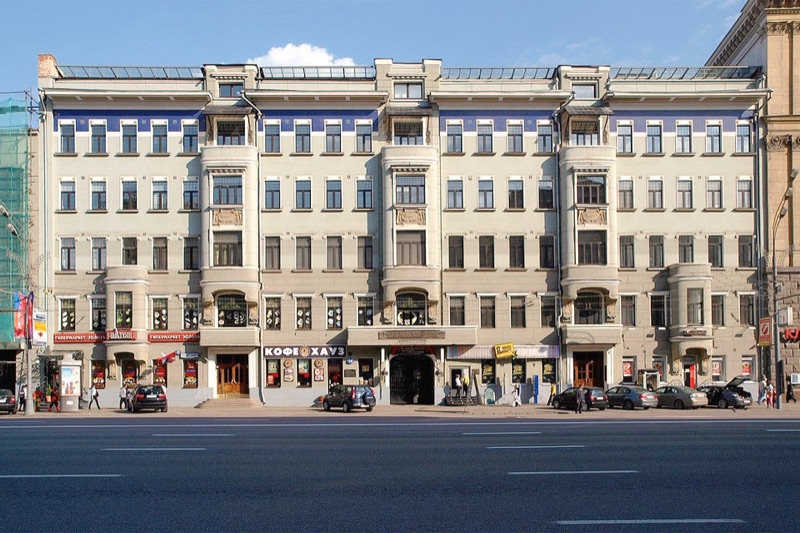
This is the day for Moscow's most atmospheric central neighbourhoods — Chistye Prudy (Clean Ponds), the inspiration for Patriarch's Ponds in Bulgakov's Master and Margarita, and the meshchansky district around it: Moscow's old artisan and merchant quarter, full of Art Nouveau facades, hidden courtyards, and the famous House with Animals that Bulgarov made famous. You'll also walk the pedestrianized Nikolskaya Street and the back lanes of Kitay-Gorod — Moscow's old commercial quarter where medieval merchant houses survive in hidden courtyards off the main streets.
Patriarch's Ponds — Where The Master and Margarita Begins
"Never talk to strangers" — the opening scene of Bulgakov's The Master and Margarita (1938) opens at Patriarch's Ponds, where the devil Voland (Satan) appears to Berlioz and Bezdomny in the shade of an acacia tree on a hot May afternoon. The pond itself is small and beautiful, surrounded by a park. The surrounding neighbourhood — Chistye Prudy — is one of Moscow's most aristocratic districts: Art Nouveau apartment buildings (look for the ornate facades on Bolshaya Lubyanka and Mashi Poryvaevoi), the famous House with Animals (with its sculpted animal figures on the facade), and the quiet backstreets where Moscow's literary set lived in the 19th and early 20th centuries.
Meshchansky District — Art Nouveau Architecture Walk
The Meshchansky District between Patriarch's Ponds and Lubyanka is Moscow's best-preserved Art Nouveau neighbourhood — buildings from the 1890s–1910s with ornate facades: sculpted figures, geometric patterns, ornate window frames, and decorative ironwork. The street names here preserve the old Moscow guild system: Cloths Lane (Sukharevsky Lane), Bakers Street (Belyaev Lane), Locksmith Lane. Walk from Patriarch's Ponds north to Lubyanka, exploring the side streets — there's a particularly beautiful cluster of Art Nouveau buildings around Bolshaya Lubyanka and Masha Poryvaevoi Street.
Kitay-Gorod Backstreets — Medieval Moscow in the Shadow of the Kremlin
Kitay-Gorod is Moscow's oldest surviving commercial quarter — a walled enclave immediately east of Red Square where medieval Moscow merchants ran their businesses from the 14th century onward. Today it's a district of narrow lanes, hidden courtyards, and 16th–18th century merchant houses, largely hidden behind the high walls you pass through pedestrian passages. The key move is to ignore the main streets (Varvarka, Ilinka) and turn down the side lanes — Lobyanoy Lane, Nikitnikov Lane, Staraya Ploshchad. Each opens onto hidden courtyards, some with tiny churches, others with old wooden porches, others with Soviet murals painted over pre-revolutionary shop signs. This is Moscow that tourists never find.
Zaryadye — Moscow's Newest Park (Brief Visit)
Zaryadye is the park built on the site of the demolished Hotel Rossiya in 2017, right behind Red Square. It's worth a brief visit for its remarkable landscape architecture — the "floating bridge" over the Moskva River (the glass floor over the water is genuinely vertiginous), the underground concert hall carved into the hill, and the ecologically diverse plantings that recreate different Russian landscapes in a very small space. It's completely different from any other park in Moscow. You're visiting it as context for Moscow's transformation — and for the viewpoint from the floating bridge.
Moscow's Secret Rooftop Bar — Above the City
Moscow's rooftop bar scene has exploded in the past decade — and the best ones aren't in hotels, they're in converted industrial buildings and office towers with city views that put Red Square in perspective. Head to one of the local-favourite rooftops in the Bulavin (north) or Taganka area — places like Strelka Bar (with its famous terrace overlooking the Moskva River and ZIL), or O2 Lounge on the rooftop of a building near the Moscow International Business Center. The latter has extraordinary views of the Moscow City skyscrapers across the river at blue hour.
Moscow's Creative Underground — Winzavod & Artplay
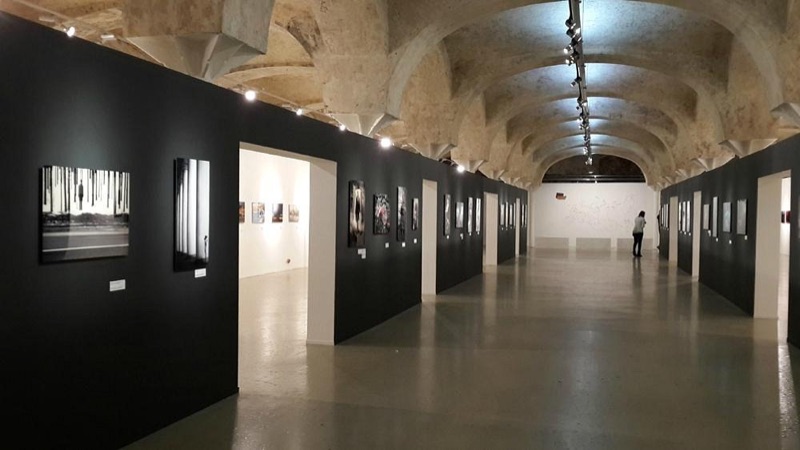
Two former industrial complexes turned creative districts — Winzavod and Artplay — define Moscow's contemporary art and design scene. Neither is on any tourist itinerary. Winzavod, behind Kursky Rail Terminal, occupies five converted factory buildings of a 19th-century winery: fermentation halls with their original iron columns are now galleries showing emerging Russian and international artists; the original underground wine cellar is a wine bar. Artplay, a former Manometer Factory on the Yauza River, is Moscow's first and most established creative cluster — design studios, architecture firms, exhibition spaces, and a permanent design market occupy the red-brick buildings.
Winzavod — Moscow's Contemporary Art Hub
Winzavod (Винзавод = "wine factory") opened in 2007 in a 19th-century winery behind Kursky Rail Terminal. The name is literal — the original winemaking equipment is still in situ in some buildings. Today it's Moscow's most important contemporary art centre: five gallery buildings, rotating exhibitions by Russian and international artists, a design market (every weekend), and the famous wine bar inside the original fermentation cellar. Allow at least 2 hours — the exhibitions change constantly, and the building itself is as interesting as the art.
Winzavod Café & Exhibition Circuit
The Winzavod complex has several good cafés, including Tsurtsum Café (inside the complex, with a broad menu of Italian and Russian dishes, good coffee, and cakes) and the wine bar in the fermentation cellar (best for a glass of Russian natural wine from Krasnodar or Rostov-on-Don — the wine scene in Russia is better than you'd expect). The galleries are small but well-curated — in recent months they've shown contemporary Russian painters, a retrospective of Soviet graphic design, and emerging digital artists from Moscow's art schools.
Artplay — Moscow's First Creative Cluster
Artplay (Артплей) is a 10-minute walk from Winzavod along the Yauza River — or a direct metro ride from Kurskaya to Marksistskaya (one stop). It was founded in 2003 in a former Manometer Factory on Nizhnyaya Syromyatnicheskaya Street and is Moscow's most established creative cluster: architecture and urban planning firms, exhibition spaces, design studios, furniture showrooms, and a permanent design market. The red-brick factory buildings are beautiful, and the Yauza River walk to get there passes through one of Moscow's most atmospheric industrial corridors.
Yauza River Industrial Walk — Winzavod to Artplay
The walk from Winzavod to Artplay along the Yauza River takes 12–15 minutes and passes through one of Moscow's most atmospheric industrial corridors — old factories converted to creative spaces, brick walls covered in murals, the river below, and the sounds of Moscow's working city. In May the river banks are green, and you cross the river on small pedestrian bridges. This is one of Moscow's most genuinely interesting urban walks — completely off any tourist route.
Kurskaya Area — Moscow's Underground Music Night
The area around Kurskaya metro (Kursk Rail Terminal and the surrounding streets) is one of Moscow's most vivid nightlife districts — a concentration of underground clubs, dive bars, and live music venues that has been Moscow's counterculture centre since the Soviet era. 16 Tons (Земляной Вал, 11) is the most famous — a three-level club that hosts live Russian rock, electronic, and jazz acts. The surrounding streets — Zemlyanoi Val, Vorontsovskaya Street — are full of smaller dive bars with no English signs, 150–200 RUB beers, and an entirely local clientele.
The River, the Bunker & the Chocolate Factory
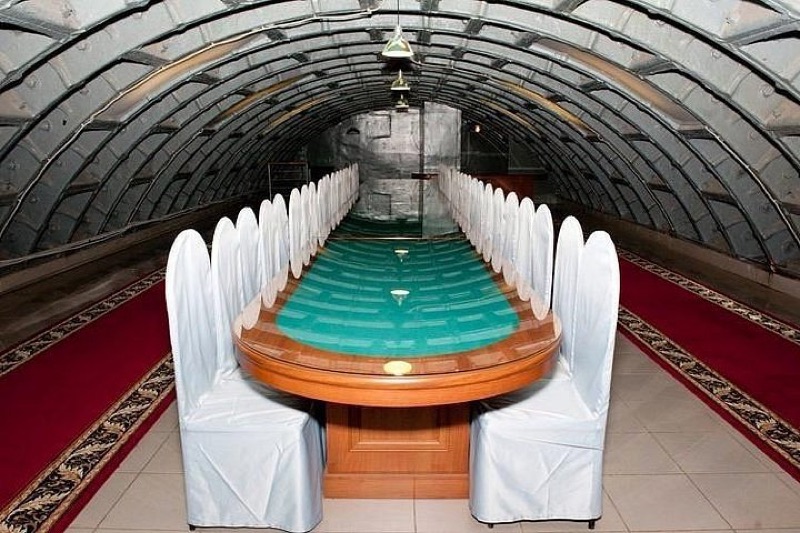
Day six is about Moscow's relationship with the Moskva River. Start with the city's best morning routine: Gorky Park as the sun comes up, when the park fills with Muscovites doing tai chi, open-air gym sessions, and rollerblading along the river. Then the iconic Krasny Oktyabr (Red October) chocolate factory — a 19th-century confectionery converted into Moscow's most fashionable dining and entertainment complex, with river views. The afternoon takes you to the Duga Bunker — a decommissioned Soviet cold-war radar bunker 65 metres underground, now an underground bar and museum. And finally, an evening walk through Preobrazhenskoye, one of Moscow's most elegant and understated neighbourhoods.
Gorky Park at Sunrise — Moscow's Best Morning
Gorky Park (Парк Горького) at 7:00 AM is one of Moscow's great pleasures — the park when it's entirely given over to Muscovites, before any tourists arrive. Hundreds of people do open-air exercise classes: tai chi on the main lawn, outdoor gyms on the fitness islands, rollerbladers on the river embankment, swimmers in the open-air pool (Moskva River swimming is a serious Moscow sport — even in May, hardier locals are in the water). The Gorky Park Biosphere pavilion (an enclosed tropical biosphere, the only one in Moscow) opens at 10:00 AM. The Neskuchny Garden section of the park (connected to Gorky Park to the south) is quieter, wilder, and absolutely beautiful in May.
Krasny Oktyabr — Chocolate Factory to River Culture
The Krasny Oktyabr (Red October) chocolate factory on the Moskva River embankment was founded in 1867 and was one of the most famous confectionery brands in the Soviet Union. The historic red-brick factory buildings were converted in 2005 into Moscow's most fashionable dining and entertainment complex — a mix of upscale restaurants, bars, design shops, and galleries spread across four floors of the old factory. The river-facing terrace on the south side has one of the best views in Moscow: the Kremlin walls and St. Basil's Cathedral directly across the water, the Moscow City towers behind them. Even if you don't eat, it's worth coming for the view.
Duga Bunker — 65 Metres Below Moscow
The Duga Bunker (also known as Bunker-42 or Tagansky Bunker) is one of Moscow's most extraordinary hidden attractions — a decommissioned Soviet cold-war radar bunker, 65 metres underground, built in the 1950s to withstand a nuclear strike. It operated as a secret communications centre until 1995. Today it's a museum and underground bar: you tour the bunker (guided, 90 minutes) through corridors of decommissioned equipment, decontamination chambers, and the enormous underground hall where the Soviet leadership would have coordinated during a nuclear attack. The bar at the bottom (65m down) serves drinks in an absolutely unique atmosphere. Book online in advance — tours sell out.
Preobrazhenskoye — Moscow's Most Underrated Neighbourhood
Preobrazhenskoye (Преображенское) is one of Moscow's most elegant and least-visited neighbourhoods — east of the Garden Ring, it was historically the summer residence area of the Russian Tsars, and preserves a remarkable amount of green space, 18th-century churches, and quiet residential streets far from the tourist trail. Walk from Preobrazhenskoye metro through the Preobrazhenskoye Forest Park — birch groves, small ponds, old wooden dacha houses visible through garden fences, and the Church of the Transformation of the Saviour (Preobrazhenskoye Church), built by Peter the Great's sister in 1710.
Contemporary Art & the Moscow Riviera
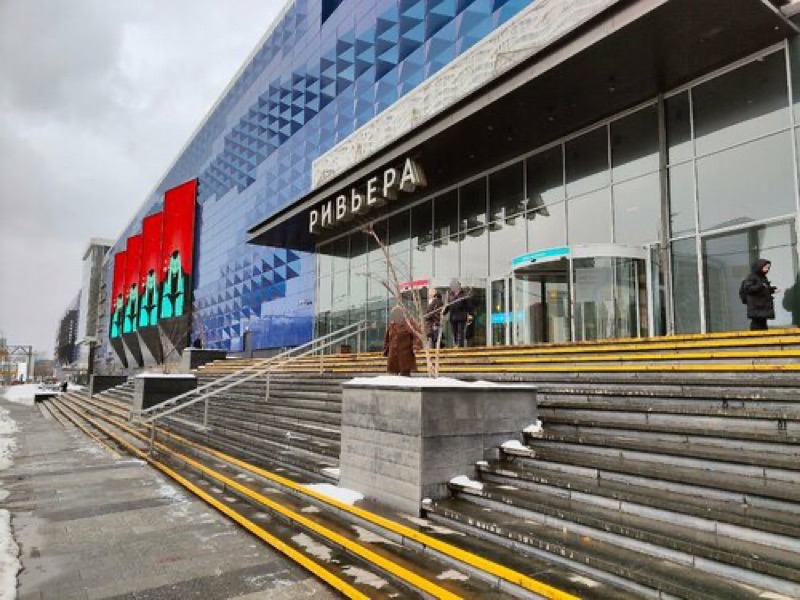
Moscow's best contemporary art institution, the Garage Museum, sits in Gorky Park — making this the day to combine Russia's most important modern art collection with the park's riverside life. The Garage Museum (founded by Dasha Zhukova and Roman Abramovich) has redefined what a Russian art museum can be — light-filled temporary exhibitions, a permanent collection of Soviet avant-garde, and a bookshop that justifies a visit on its own. Afterward, walk the Moskva River south through Gorky Park to the new Moscow International Business Center (Moscow City) for a close-up view of the glass skyscraper forest — the most dramatic urban vista in Russia.
Garage Museum of Contemporary Art
The Garage Museum (Гараж) in Gorky Park is Russia's most important contemporary art institution and one of the most visited museums in Moscow — which is saying something in a city with the Tretyakov Gallery and the Pushkin Museum. Founded in 2008 and housed in a spectacular remodelled 1960s pavilion (original building by Russian architect Vitally Belta), it shows Russian and international contemporary art in rotating exhibitions of consistently high quality. The permanent collection includes Soviet avant-garde — constructivist posters, Suprematist paintings, and Rodchenko photography — displayed in an accessible and thoughtful way. The ground floor Café Garage is an excellent place for breakfast or lunch with an art-world crowd.
Gorky Park — The Moskva River Walk South
After the Garage Museum, walk south through Gorky Park along the Moskva River — the park's southern section is wilder than the northern end, with more trees and less formal landscaping. This is where Muscovites come to row on the river (boat rental at the southern end), have picnics on the lawns, and sit on the terrace bars that open for summer. In May, the young birch groves along the river are spectacular — the new leaves are a vivid yellow-green that only exists for two weeks in the year. Continue south until the park ends and the Moscow City skyscrapers come into view — this is one of Europe's most dramatic urban vistas.
Moscow City (Moscow International Business Center) — The Glass Forest
Moscow City (Moskovsky Mezhdunarodny Delovoy Tsentr) is Moscow's skyscraper district — 27 towers of glass and steel rising along the Moskva River, including the Federation Tower (the tallest building in Europe at 374m), Evolution Tower, and the award-winning Imperia Tower. For visitors, the attraction isn't the towers themselves but the vertiginous views from the observation deck at Federation Tower (or the Panoramic 89 restaurant on the 89th floor — best booked for sunset). Alternatively, the free viewing platforms at Vystavochnaya metro give a surprisingly good view of the cluster from ground level. The space between the towers is surprisingly well-designed — wide pedestrian boulevards, fountains, and a long water feature.
Moscow City to Sparrow Hills — Sunset View
From Moscow City, take the metro one stop to Luzhnovsky Park, then walk to Sparrow Hills (Vorobyovy Gory) — the hill overlooking the Moskva River bend, with the best panoramic view of Moscow. On a clear May evening (which most are), the entire city is laid out below: the Kremlin walls, St Basil's, the Moscow City towers to the north, and the Moscow State University building (one of Stalin's Seven Sisters skyscrapers) directly above you. This is the postcard view of Moscow — and from here, it's completely free.
Moscow State University & Sparrow Hills After Dark
The Moscow State University building (Главное здание МГУ) is one of the Seven Sisters skyscrapers — Stalin's monumentalist reply to the American skyscraper. At night, illuminated, it's extraordinarily dramatic. Walk up to the MSU building's main entrance (the observation point is just south of here) — the building's scale is impossible to appreciate from below without neck-strain. Then end the evening with a nightcap at one of the bars in the Luzhniki area.
The Soviet Souvenir City — Izmailovo & Lefortovo
Day eight is dedicated to the things Moscow does better than anywhere else in Russia: flea markets, Soviet nostalgia, and the vast Izmailovo Market — the largest outdoor market in Eastern Europe, where you can buy Soviet propaganda posters, military surplus, matryoshka dolls, Soviet watches, amber jewellery, and just about anything else that evokes the USSR. In the afternoon, cross to the Lefortovo district — one of Moscow's most Tsarist neighbourhoods, with a 16th-century palace, an old Moscow execution ground, and some of the most beautiful church ensembles in the city.
Izmailovo Market — The Soviet Souvenir Paradise
The Izmailovo Market (Измайловский рынок) operates every weekend (Saturday and Sunday, 9:00 AM – 6:00 PM) in the Izmailovo Forest Park — an enormous open-air market of approximately 3,500 stalls selling everything that has ever been associated with Russia: Soviet propaganda posters, Lenin busts, Russian Orthodox icons, matryoshka dolls in every conceivable design (plain to Fabergé-level gems), Soviet military surplus (the genuine article from the 1940s–1980s), vintage watches (Zlatoust, Vostok, Sturmanskie), hand-painted lacquer boxes from Palekh, and more amber jewellery than you'd see anywhere in the world. Come with a list and leave with things you didn't know you needed.
Izmailovo Kremlin & Palace of the Tsar
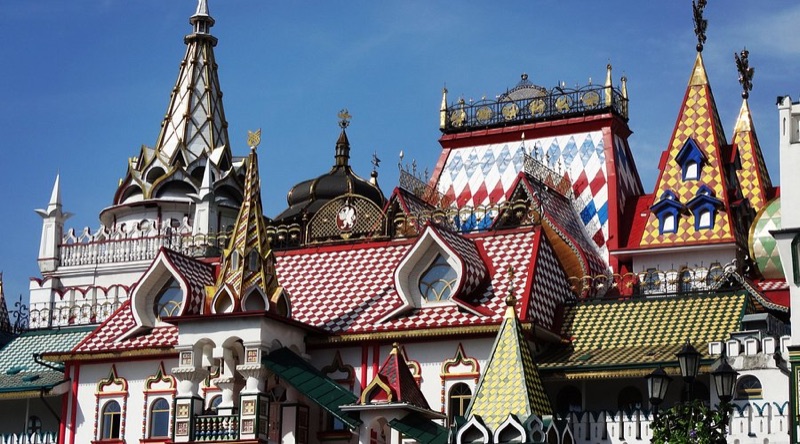
Inside the Izmailovo Forest Park is the Izmailovo Kremlin (Измайловский кремль) — a cultural-enclave built in the 2000s as a Russian folk art and entertainment complex. It includes craft workshops (you can watch matryoshka dolls being painted, Palekh lacquer boxes being made), a small wooden church, exhibition halls, and a palace (now a hotel) built on the site of the original 17th-century palace where Tsar Alexei Mikhailovich (father of Peter the Great) had his summer residence. The whole complex is photogenic, slightly surreal, and very Russian.
Lefortovo — Tsarist Moscow's Most Beautiful District
Lefortovo is one of Moscow's most historically layered neighbourhoods — named after the Dutch engineer Franz Lefort, who was Peter the Great's close friend and a favourite at the Tsar's court. The neighbourhood is centred on Lefortovo Palace (now a museum) and the adjacent Yauza River embankment, which is one of Moscow's most beautiful riverside walks. Look for the Andreyevsky Bridge crossing the Yauza, with the yellow-and-white Lefortovo Church visible behind it, and the old execution ground (the Lubyanka was the KGB's headquarters, but Lefortovo was the actual execution site during the Soviet period — now a quiet memorial).
Lefortovo Park & Andreyevsky Bridge
The Andreyevsky Bridge (Андреевский мост) over the Yauza River is a 1906 railway bridge, now pedestrianised, that has become one of Moscow's most romantic spots — locals come here to walk, photograph the old iron lattice structure, and sit by the river. The bridge connects the Lefortovo and Donskoy Monastery districts. Cross it for excellent views of the Lefortovo Church and the spire of the Donskoy Monastery behind it — one of Moscow's most beautiful church ensembles.
Victory Day Eve — Pre-Celebration in the Streets
May 8 is Victory Day Eve (Накануне Дня Победы) — the evening before Russia's most important national holiday. By 7:00 PM, Muscovites begin gathering in the streets, parks, and squares with portraits of their WWII veteran relatives (the tradition of "immortal regiments" — Бессмертный полк), singing wartime songs, and waiting for the midnight fireworks. Tverskaya Street (Moscow's main pedestrianised shopping street) will be packed with people, as will every park. This is one of the most emotionally powerful experiences you can have in Moscow — come with an open heart.
Victory Day — День Победы
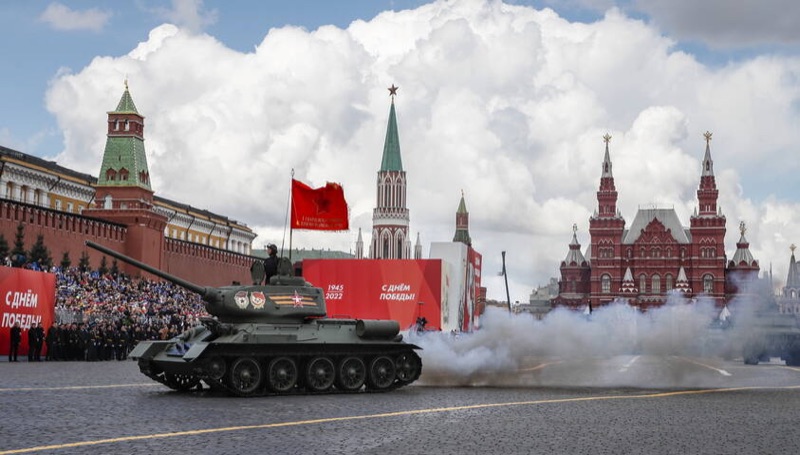
May 9 is the most important day in the Russian calendar — Victory Day (День Победы), commemorating the Soviet victory over Nazi Germany in the Great Patriotic War. The city transforms completely: military parades on Tverskaya Street and Poklonnaya Hill, veterans in their decorated uniforms walking through every park, the immortal regiment procession ( Бессмертный полк — millions carrying portraits of WWII veteran relatives), and concerts in every park. In the evening, fireworks over the Moskva River. This is not a day for sightseeing — it's a day to be present in the most emotionally intense celebration in the Russian world.
Poklonnaya Hill — Victory Park & the Military Parade
Poklonnaya Hill (Поклонная гора) in western Moscow is the site of the annual Victory Day military parade and the main WWII memorial complex in Moscow — the Grand Victory Obelisk (85 metres tall), the Cathedral of the Immaculate Conception of the Holy Virgin (the main cathedral of the Russian Orthodox Military), the Museum of the Great Patriotic War, and the Alley of the Marshal. If you're attending the military parade, come by 7:00 AM to get a position — it fills up fast. The parade itself (starts ~10:00 AM) features military vehicles, marching bands, and flypasts. If parades aren't your scene, the memorial complex is equally moving without the parade.
The Immortal Regiment (Бессмертный полк) Procession
The centrepiece of Victory Day afternoon is the Immortal Regiment procession — the spontaneous mass walk where Muscovites (and now people worldwide) carry portraits of their WWII veteran relatives through the city streets. The main procession route runs from the Polytechnic Museum on Novaya Ploshchad through the centre — Tverskaya Street, Red Square, and the Garden Ring. It starts around 2:00–3:00 PM and lasts several hours. Join the procession with a portrait of any veteran relative you know, or pick up a flag at any kiosk (50–100 RUB). This is the most emotionally powerful thing you'll experience in Moscow.
Victory Day Concerts — Every Park Has One
Every park in Moscow holds a Victory Day concert on May 9 — Gorky Park, Patriarch's Ponds, Sparrow Hills, the Moscow City towers, and dozens of smaller neighbourhood parks. The music is WWII songs (Катюша, День Победы, Синий платочек), military marches, and performances by Russian pop singers. In Gorky Park, the main stage has performances from 2:00 PM through midnight. These are not tourist events — they're family gatherings, and the atmosphere is deeply joyful and emotional. Find a spot on the grass with a drink and take it all in.
Victory Day Fireworks — The Grand Finale
The day ends with fireworks launched from several points along the Moskva River, including from the Moscow City towers, the Gorky Park embankment, and Sparrow Hills. The best viewing spots fill from 8:00 PM onward. The main fireworks launch point is the Luzhniki embankment — from here you can see the Moscow City towers lit up, the Kremlin walls in the background, and the full fireworks display reflected in the river. The display runs approximately 10:00–10:30 PM.
Kolomna — Apple Pastila, Red Brick & the River Confluence
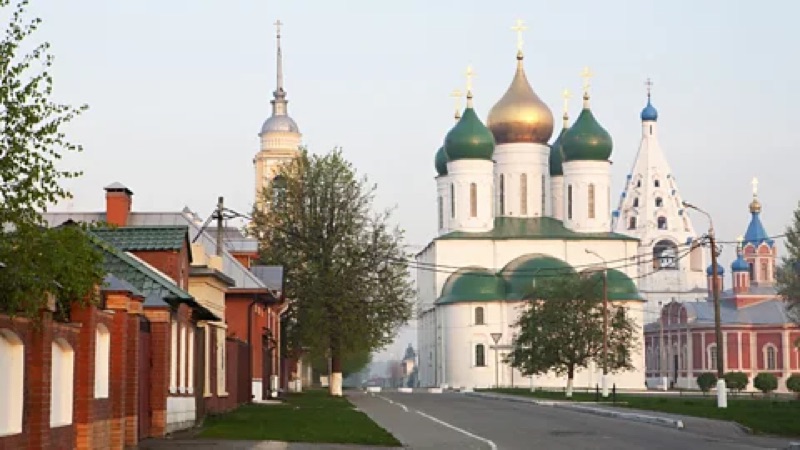
Your final day is a day trip to Kolomna — one of Russia's most perfectly preserved old provincial towns, 90 minutes by electric train from Moscow's Kazansky Rail Terminal. Kolomna was an important medieval fortress town on the Moskva-Oka river confluence, and today it's a quiet, utterly charming Russian town where the pace of life hasn't changed much in 100 years. The main attractions: the 16th-century Kolomna Kremlin (a red-brick fortress with intact walls), the Cobblestone Streets of the old merchant quarter, a pastila masterclass at a family workshop, and the Oka River embankment with views of the river confluence. Return to Moscow in the evening for a final dinner.
Moscow to Kolomna — Electric Train
Take the 07:40 or 08:00 electric train (электричка) from Kazansky Rail Terminal (Kazansky vokzal) to Kolomna — trains run every 30–60 minutes, the journey takes approximately 90 minutes, and tickets cost about 250–400 RUB (~$3–5) each way. No reservation needed — just turn up, buy a ticket at the window (or on the platform), and board. The train passes through Moscow's southern suburbs and then into open Russian countryside — fields, birch forests, small villages. It's a beautiful journey and a reminder that Russia is enormous.
Kolomna Kremlin — Red Brick on the River
The Kolomna Kremlin (Коломенский кремль) is the largest surviving brick Kremlin in Russia — built in 1525–1530 under Vasily III, it was constructed from red brick in the Moscow style and is remarkably well-preserved. You can walk the full circuit of the walls (about 1 km), passing eight of the original 17 towers. Inside the walls, the UNESCO-quality highlight is the Cathedral of the Assumption (Успенский собор), built in 1525–1531 with a distinctive five-domed design that prefigured the style of the Moscow Kremlin's Assumption Cathedral. The interior frescoes (restored in the 19th century) are extraordinary.
Kolomna Old Town — Cobblestone Streets & Merchant Houses
Kolomna's old town outside the Kremlin walls is one of the most charming in Russia — a grid of narrow streets lined with 18th and 19th century merchant houses, wooden porches, and tiny churches. The main shopping street (ul. Labzina / Лабзина) has been pedestrianised and has excellent small craft shops and the famous pastila shops. The street names here are pure old Russia: Red Square Street (Красноармейская), Merchant Street (Торговый ряд), Coach House Street (Конюшенный двор). Walk slowly — the pace here is very different from Moscow.
Kolomna Pastila Masterclass
Kolomna pastila (пастила) — apple marshmallow — is the town's signature product and a Russian culinary treasure. The recipe dates to medieval times when Kolomna's apple orchards (the Antonovka variety, which thrives in the local climate) produced an abundance of tart apples. The pastila is made by baking layered apple puree with honey or sugar, then drying it until it becomes a light, chewy confection. Several family workshops offer pastila-making masterclasses — you whisk egg whites into sweetened apple puree, layer it, and dry it in the oven. You leave with your own box of fresh pastila. Book ahead through their Instagram or website (search "Коломенская пастила" on Instagram).
Oka River Embankment — The River Confluence
Kolomna sits at the confluence of the Moskva and Oka rivers — and the Oka embankment is the town's great natural asset. Walk south from the Kremlin along the river: the water is wide and brown (the Oka carries glacial sediment), the opposite bank is forested, and the air smells different from Moscow — cleaner, more riverine. There are wooden benches, old men fishing, and a sense of a river town that exists entirely on its own terms. At the confluence point, you can see both rivers meeting — the darker Oka and the lighter Moskva flowing together.
Return to Moscow & Farewell Dinner
Take the electric train back to Moscow from Kolomna station (last train approximately 10:00 PM — check the schedule at the station). The journey takes 85–95 minutes. Arrive back at Kazansky Rail Terminal, then take the metro to your final dinner destination. Your farewell dinner should be somewhere with a view: a restaurant with Moskva River panorama, or a terrace overlooking the Kremlin walls. End the trip the way Moscow rewards best — slowly, with good food, and with the city's skyline in view.