⚡ Before You Go — Essentials
🚉 Japan Rail Pass
A 21-day JR Pass (¥70,000/~$470 per person) covers almost every shinkansen and JR train on this route. Activate it on Day 5 (Nikko day trip) so it covers through Day 25 (return to Tokyo). Days 1–4 in Tokyo only need a Suica card for subway/JR local. Buy the pass online before your trip through japanrailpass.net or authorized resellers. It pays for itself by Day 8.
💴 Cash & Cards
Japan has gone more cashless post-COVID, but smaller restaurants, temples, ryokan, and market stalls often remain cash-only. Keep ¥20,000–30,000 on you at all times. 7-Eleven and JP Post ATMs accept foreign cards 24/7. Suica/Pasmo IC cards work on trains, buses, conbinis, and vending machines — load ¥5,000 to start.
📶 Connectivity
Get an eSIM (Ubigi, Airalo, or Mobal) before landing — data-only plans run ¥3,000–5,000 for 3 weeks. Google Maps + Hyperdia/Navitime are essential for train navigation. Free WiFi exists at stations and conbinis but is unreliable. If you prefer physical, rent a pocket WiFi at the airport.
🏨 Accommodation Mix
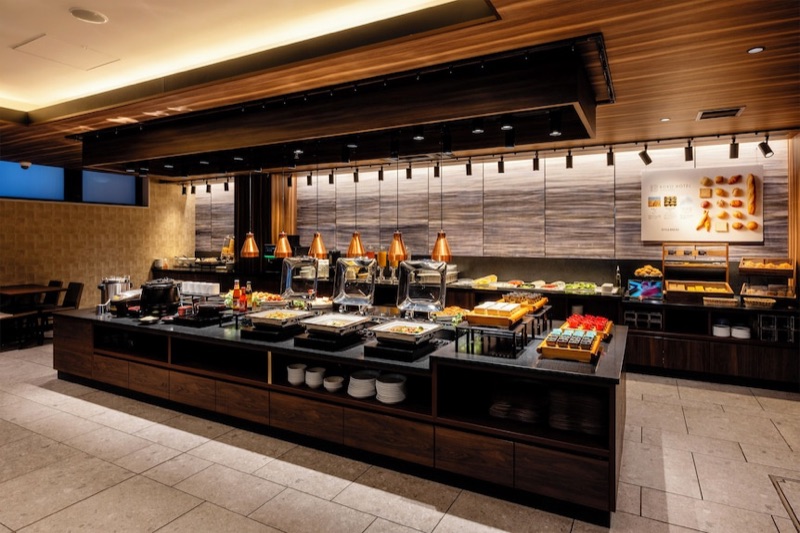
This itinerary mixes hotel nights (Tokyo, Osaka, Hiroshima), ryokan stays (Hakone, Takayama), and a temple lodge (Koyasan). Book ryokan and Koyasan shukubo 2–3 months ahead — they sell out. Business hotels (Dormy Inn, APA, Toyoko Inn) are clean, cheap, and have great breakfast buffets. Dormy Inn locations have free late-night ramen and rooftop onsen.
⛩️ Temple & Shrine Etiquette
Bow slightly before entering shrine gates. Wash hands at the temizu basin (left hand first, then right, then rinse your mouth). Remove shoes when entering temple buildings — always. Don't point at Buddha statues. Photography is usually OK outside but check for signs inside. At Shinto shrines: two bows, two claps, one bow.
♨️ Onsen Etiquette
Onsen (hot springs) are nude bathing. Wash thoroughly at the shower stations BEFORE entering the pool. No swimsuits. Small towels can go on your head but not in the water. Tattoos: some onsen ban them, but ryokan private baths and many modern facilities are tattoo-friendly. Ask when booking.
🌰 Luggage Forwarding
Japan has an incredible luggage forwarding service called takkyubin (Yamato Transport / Kuroneko). Send your main bags ahead to your next hotel for ¥2,000–3,000 per bag, delivered next day. Use it when moving between cities so you can travel light. Hotels and conbinis handle the paperwork. Game-changer for the Hakone→Takayama→Kanazawa stretch.
🌸 Cherry Blossom Timing
Late March is early sakura season. Tokyo typically sees first blooms around March 22–28, with full bloom in early April. Southern regions (Hiroshima, Osaka) may bloom slightly earlier. You'll likely catch the very first blossoms in Tokyo on Days 22–23 — check japan-guide.com/sakura for real-time forecasts. Ueno Park and Meguro River are top spots.
Touchdown Tokyo — Neon Baptism

Welcome to Japan. Drop your bags in Shinjuku — the pulsing nerve center of Tokyo — and let jet lag be your friend tonight. The neon hits different at midnight. Yakitori smoke, tiny bars, and the electric hum of a city that never fully sleeps.
Arrive & Check Into Shinjuku
Land at Narita or Haneda and make your way to Shinjuku. If Narita, take the Narita Express (NEX) directly (¥3,250, ~90 min). From Haneda, the Keikyu Line or monorail gets you there in ~45 min. Check into your hotel, drop bags, freshen up. Grab a Suica card from any JR ticket machine if you didn't get one at the airport.
Omoide Yokocho (Memory Lane)
Your first Tokyo meal should be iconic. Omoide Yokocho — aka Piss Alley (the name is worse than the place, promise) — is a maze of tiny yakitori stalls crammed next to Shinjuku Station. Squeeze onto a stool, point at the menu, order chicken skewers and cold draft beer. The smoke, the sizzle, the lanterns — this is the Tokyo moment.
Golden Gai Bar Crawl
Walk 5 minutes to Golden Gai — six narrow alleys packed with 200+ micro-bars, each seating maybe 6-8 people. Some have cover charges (¥500-1,000), some don't. Each has its own personality: jazz bars, horror bars, vinyl-only bars, bars run by retired punk rockers. Hop between 3-4 and let the night find its shape.
Old Tokyo Meets Electric Town
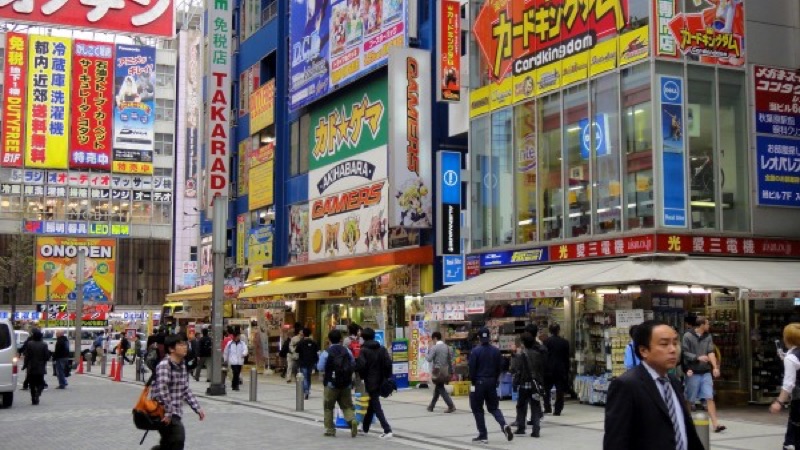
Today is a tale of two Tokyos. Morning in Asakusa — incense smoke, the thunder gate, Tokyo's oldest temple. Afternoon in Akihabara — anime towers, retro arcades, and sensory overload. These neighborhoods are 10 minutes apart by train but centuries apart in vibe.
Senso-ji Temple & Nakamise-dori
Take the Ginza Line to Asakusa and start at Kaminarimon (Thunder Gate) — the giant red lantern is unmistakable. Walk through Nakamise-dori, a 250-meter shopping street of traditional snacks, crafts, and souvenirs leading to Senso-ji, Tokyo's oldest and most visited Buddhist temple (founded 645 AD). Get there by 8am to avoid crowds.
Asakusa Backstreets & Hoppy Street
After Senso-ji, wander the backstreets west of the temple. Hoppy Street (Hoppy-dori) is a lively alley of outdoor izakayas that serves cheap drinks and beef stew even in the morning. The area around Kappabashi (Kitchen Town) has incredible restaurant supply shops — this is where Tokyo chefs buy their knives.
Akihabara — Electric Town
Take the Tsukuba Express or JR to Akihabara. Even if you're not an anime/gaming person, Akiba is a sensory experience worth having. Multi-story arcades, floors of gachapon machines, retro game shops, and electronics stores stretching to the sky. It's maximalist Tokyo at its most unhinged.
Ueno — Ameyoko Market & Dinner
Head to nearby Ueno and walk through Ameyoko Market, a bustling outdoor market under the JR tracks. It's chaotic, loud, and wonderful — fresh seafood, dried fruits, cheap clothes, and vendors yelling prices. Great for snacking and people-watching as the day winds down.
Shibuya Scramble, Harajuku Style & Meiji Shrine
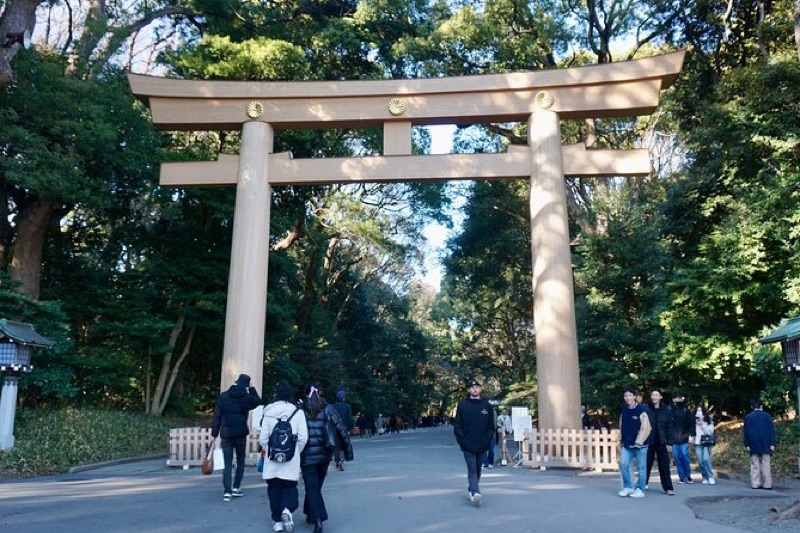
Today is modern Tokyo's greatest hits. The world's most famous pedestrian crossing, Japan's fashion epicenter, a serene forest shrine in the middle of it all, and teamLab's immersive digital art to close the night. This day has range.
Meiji Shrine (Meiji Jingu)
Start early at Meiji Shrine, a Shinto shrine set in a 170-acre forest that feels impossibly peaceful given it's surrounded by Shibuya and Harajuku. Walk through the massive torii gates along the gravel path under towering camphor trees. If you're lucky, you might catch a traditional wedding procession.
Harajuku & Takeshita Street
Exit Meiji Shrine toward Harajuku and dive into Takeshita Street — a narrow lane exploding with wild fashion, crepe shops, colorful storefronts, and teens in every subculture imaginable. Then walk Cat Street for a more curated, design-forward vibe.
Shibuya Crossing & Shibuya Sky
Head to Shibuya for the scramble crossing — up to 3,000 people crossing simultaneously every light change. Just walk through it. Then go up to Shibuya Sky (rooftop observation deck on Shibuya Scramble Square) for insane 360° views of the city. On a clear day, you can see Mt. Fuji.
teamLab Borderless (Azabudai Hills)
teamLab Borderless is a mind-bending immersive digital art museum where projections flow across rooms, respond to your movement, and blur the boundary between art and viewer. The new Azabudai Hills location (opened 2024) is stunning. Book tickets in advance — they sell out.
Tsukiji Feast, Ginza Glam & Tokyo Bay
Start with the best breakfast market in the world, wander through Tokyo's most upscale neighborhood, and end at the waterfront. Today is Tokyo's refined side — but the ¥500 tamagoyaki at Tsukiji proves luxury doesn't need a price tag.
Tsukiji Outer Market — Breakfast of Champions
The inner wholesale market moved to Toyosu, but Tsukiji Outer Market is still THE spot for street-food breakfast in Tokyo. Fresh sushi, tamagoyaki (sweet egg omelet), grilled seafood on sticks, and the best tuna you'll ever eat. Get there by 7:30am.
Ginza — Tokyo's Fifth Avenue
Walk south to Ginza, Tokyo's most elegant neighborhood. Even if high-end shopping isn't your thing, the architecture is incredible — Ginza Six, the Mikimoto building, and the iconic Wako clock tower. Stop into Itoya (stationery paradise, 12 floors) and the Uniqlo flagship.
Toyosu Market Tuna Auction Area (if time) or Tokyo Bay Cruise
If you booked ahead, the Toyosu Market tuna auction observation area opens early morning (you'd need to split this across days). Otherwise, take the Yurikamome line to the Odaiba waterfront for a sunset view of Rainbow Bridge and the Tokyo skyline. The Unicorn Gundam statue does a light show at dusk.
Day Trip: Nikko — Shrines, Waterfalls & Cedar Forests
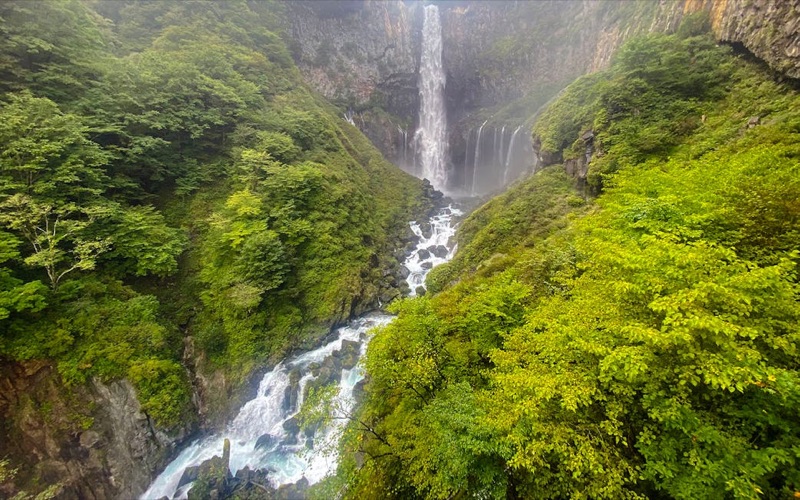
Escape Tokyo for the day and head north to Nikko, where Tokugawa shoguns built their most lavish shrine complex in the mountains. Toshogu is jaw-droppingly ornate — every surface carved, gilded, and painted. The surrounding cedar forests and waterfalls make this feel like a completely different country from the neon jungle you left this morning.
Train to Nikko & Shinkyo Bridge
Take the JR Shinkansen from Tokyo to Utsunomiya (~50 min), then transfer to the JR Nikko Line (~45 min). Alternatively, the Tobu Railway runs a direct limited express from Asakusa (~2 hrs). Start at the iconic Shinkyo Bridge — a sacred vermillion bridge over the Daiya River that marks the entrance to the shrine area.
Toshogu Shrine
The main event. Toshogu is the mausoleum of Tokugawa Ieyasu, founder of the Tokugawa shogunate. It's the most elaborately decorated shrine in Japan — 5,000+ carvings covering every surface, including the famous "see no evil, speak no evil, hear no evil" monkeys and the sleeping cat (Nemuri-neko). It's almost obscenely ornate and absolutely worth the trip.
Rinnoji Temple & Taiyuin Mausoleum
Continue through the shrine complex to Rinnoji Temple and the Taiyuin Mausoleum (Iemitsu's tomb). Taiyuin is less crowded than Toshogu but equally beautiful — and the forested approach through moss-covered stone lanterns is hauntingly peaceful.
Kegon Falls (Optional)
If time allows, take a bus to Kegon Falls (30 min from Nikko station area), one of Japan's three most famous waterfalls. A 97-meter drop into a gorge surrounded by forest. An elevator (¥570) takes you to an observation platform at the base.
Return to Tokyo
Head back to Tokyo the same way you came. The last JR train leaves Nikko around 7pm. You'll be tired — grab a conbini dinner and have a quiet night. Big travel day tomorrow to Hakone.
Hakone — Volcanic Hot Springs & Mt. Fuji Views
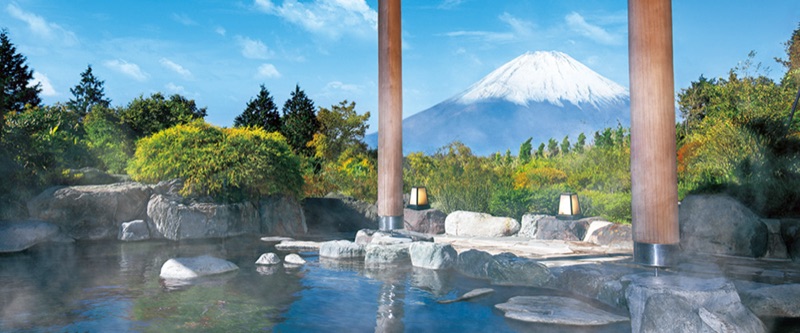
Leave Tokyo behind and enter the mountains. Hakone is Japan's most famous onsen (hot spring) resort town, set in the crater of an ancient volcano with views of Mt. Fuji across the lake. Today is all about the journey — mountain railways, ropeways, pirate ships, and volcanic steam vents. Tonight you sleep in a ryokan.
Romancecar to Hakone-Yumoto
Take the Odakyu Romancecar from Shinjuku directly to Hakone-Yumoto (~85 min, reserved seats, big windows). This scenic limited express cuts through the mountains and drops you right at the gateway to Hakone. From here, start the famous Hakone Loop.
Hakone Tozan Railway & Switchbacks
From Hakone-Yumoto, take the Hakone Tozan Railway — a mountain train that zigzags up through steep switchbacks and hydrangea-lined tracks. It's a gorgeous ride. Get off at Gora, the upper terminus.
Owakudani Volcanic Valley
From Gora, take the cable car then ropeway up to Owakudani — an active volcanic area with steaming sulfur vents, bubbling pools, and surreal moonscape terrain. The famous kuro-tamago (black eggs) boiled in volcanic sulfur springs are said to add 7 years to your life. Eat one.
Lake Ashi Pirate Ship Cruise
Continue the loop by ropeway down to Togendai, then board a pirate ship (yes, literally a pirate ship) across Lake Ashi to Hakone-machi. On clear days, the reflection of Mt. Fuji in the lake is the postcard shot of Japan.
Check Into Ryokan & Onsen Soak
Check into your ryokan (traditional Japanese inn) for the night. Put on the provided yukata (cotton robe), explore the tatami-mat room, and head to the onsen. Most Hakone ryokan have both indoor and rotenburo (outdoor) hot spring baths. Soak under the stars.
Hakone Day 2 — Art, Gardens & One More Soak

A slower morning in Hakone before you head to the mountains. The Open Air Museum is one of Japan's best art experiences — massive sculptures set against mountain backdrops. Then one final onsen dip before departing for Takayama.
Ryokan Breakfast & Morning Onsen
Wake up to a traditional Japanese breakfast at the ryokan — grilled fish, miso soup, rice, pickles, tamagoyaki, natto (if you're brave), and green tea. Then hit the onsen one more time. Morning baths hit different — steam rising in the cool mountain air.
Hakone Open Air Museum
One of the best museums in Japan, period. A vast outdoor sculpture garden with works by Picasso, Henry Moore, and Japanese masters, set against the Hakone mountains. The Picasso Pavilion alone has 300+ works. The foot onsen inside the museum lets you soak your feet while surrounded by art.
Travel to Takayama
This is a longer transit day. Take the Romancecar back to Odawara, then Shinkansen to Nagoya (~70 min), then JR Wide View Hida limited express to Takayama (~2.5 hrs). Total: ~5 hours. The Hida express ride through the mountains is beautiful — sit on the right side for valley views. Alternatively, overnight in Nagoya and continue in the morning.
Takayama — Morning Markets, Sake & Hida Beef
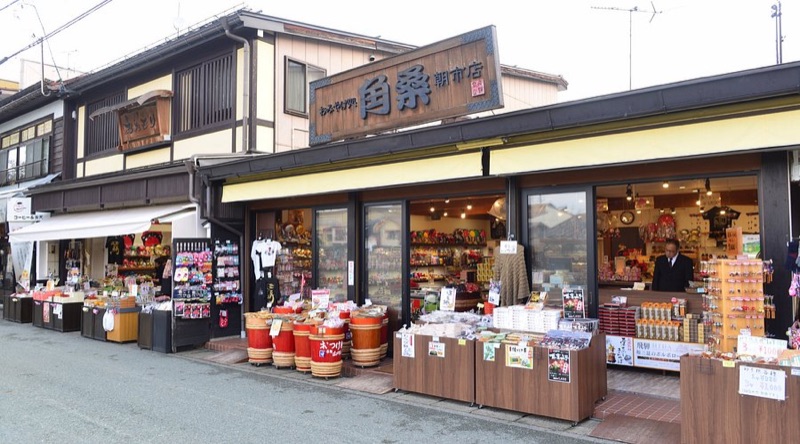
Welcome to the Japanese Alps. Takayama is a beautifully preserved Edo-era town famous for its morning markets, sake breweries, and Hida beef — a wagyu variety that rivals Kobe at half the price. The old town (Sanmachi Suji) feels like stepping back 300 years. This is small-town Japan at its finest.
Miyagawa Morning Market
The Miyagawa Morning Market runs along the river every day from 6am to noon. Local farmers sell pickles, miso, mountain vegetables, mochi, and crafts. It's small, charming, and the kind of authentic local experience that makes a trip. Try the mitarashi dango (grilled rice dumplings with sweet soy glaze).
Sanmachi Suji (Old Town)
Walk through Sanmachi Suji, Takayama's beautifully preserved merchant district. Dark wooden buildings from the Edo period line narrow streets, now housing sake shops, senbei makers, small museums, and craft studios. Look for the sugidama (cedar ball) hanging outside — it marks a sake brewery.
Sake Brewery Hopping
Takayama has 7 sake breweries in a compact area, and most offer tastings. The water from the Japanese Alps makes Takayama sake distinctively clean and crisp. Visit 2-3 breweries — Funasaka and Harada are the most visitor-friendly with English info.
Takayama Jinya (Government House)
The only remaining Edo-era government outpost in Japan. Beautifully restored with tatami rooms, a rice storehouse, and a traditional garden. The audio guide is well done and gives real insight into how local governance worked during the shogunate.
Hida Beef Dinner
Tonight is the Hida beef experience. This local wagyu is marbled, tender, and significantly cheaper than Kobe beef. Try it grilled on a magnolia leaf with miso (hoba miso) — a Takayama signature. Pair with local sake.
Shirakawa-go — UNESCO Thatched-Roof Villages
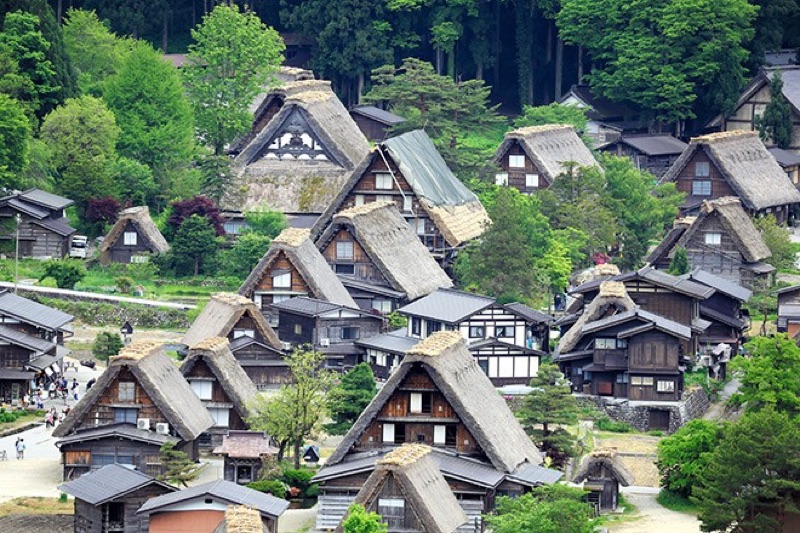
Today you visit one of the most photographed villages in Japan. Shirakawa-go is a UNESCO World Heritage hamlet of gassho-zukuri farmhouses — steep thatched roofs designed to shed heavy alpine snow. In March, there may still be snow on the ground, making it look like a fairy tale. This is bucket-list Japan.
Bus to Shirakawa-go
Take the Nohi Bus from Takayama Bus Terminal to Shirakawa-go (~50 min, ¥2,600 one-way). Reserve your bus seat in advance at nouhibus.co.jp — they fill up, especially in winter/early spring. The drive through the mountains and tunnels is scenic.
Shirakawa-go Village Walk
Walk through the village at your own pace. The main street has about 60 preserved gassho-zukuri houses, some open as museums, some as guesthouses, some as shops and cafés. Enter Wada House (the largest, ¥300) or Kanda House to see the multi-story interiors where silk farming happened on upper floors.
Shiroyama Viewpoint
Climb (or take the shuttle) to the Shiroyama Observatory above the village. This is THE viewpoint — the classic photo of Shirakawa-go with all the thatched roofs nestled in the valley surrounded by mountains. On a clear day with snow, it's staggering.
Return to Takayama & Onward Travel
Take the afternoon bus back to Takayama (~50 min). From Takayama, you'll head to Kanazawa tomorrow. If you prefer, you can take a direct bus from Shirakawa-go to Kanazawa (~75 min, Nohi Bus) and skip returning to Takayama. Check your luggage forwarding plan.
Last Night in Takayama
If you return to Takayama, enjoy one more evening stroll through the old town. The streets empty out by 6pm and the paper lanterns give everything a warm glow. Find a small izakaya for local food and drinks.
Kanazawa — Gardens, Gold Leaf & Geisha Streets
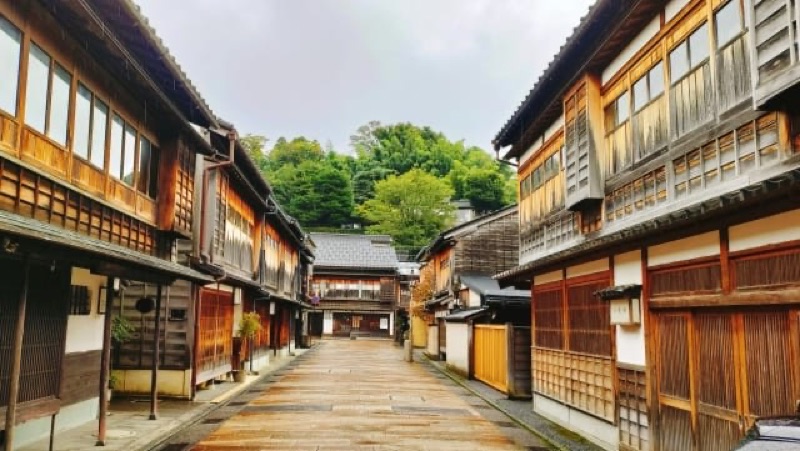
Kanazawa was spared from WWII bombing, preserving samurai and geisha districts that look nearly identical to 400 years ago. The city punches way above its weight in culture — one of Japan's top three gardens, a brilliant contemporary art museum, a geisha district rivaling Kyoto's, and Japan's freshest seafood market. It's Kyoto without the crowds.
Travel to Kanazawa & Omicho Market
Take the JR Hokuriku Shinkansen from Takayama (via Toyama) to Kanazawa, or the Nohi Bus if coming direct. Drop bags at the hotel and head straight to Omicho Market — Kanazawa's 300-year-old "Kitchen of Kanazawa." The seafood here rivals Tsukiji — Kanazawa's proximity to the Sea of Japan means everything is impossibly fresh.
Kenroku-en Garden
One of Japan's three great gardens. Kenroku-en is stunningly landscaped across 25 acres with ponds, streams, waterfalls, bridges, teahouses, and 8,750 trees. In early March, the yukitsuri (snow ropes) protecting the trees may still be up — they're an art form in themselves. Plum blossoms might be blooming.
21st Century Museum of Contemporary Art
Right next to Kenroku-en, this Pritzker Prize-winning circular glass building is one of Japan's best contemporary art museums. The famous "Swimming Pool" by Leandro Erlich lets you look down through a glass ceiling at people who appear to be underwater. Brilliant, playful architecture.
Higashi Chaya District & Ninja Temple
Walk through Higashi Chaya, Kanazawa's beautifully preserved geisha district. The wooden machiya (townhouses) with latticed windows and paper lanterns look almost identical to how they did in the Edo period. Stop into Kaikaro, a restored geisha teahouse you can tour, or buy gold leaf ice cream (Kanazawa produces 99% of Japan's gold leaf).
Kyoto Arrives — Fushimi Inari & Gion at Dusk
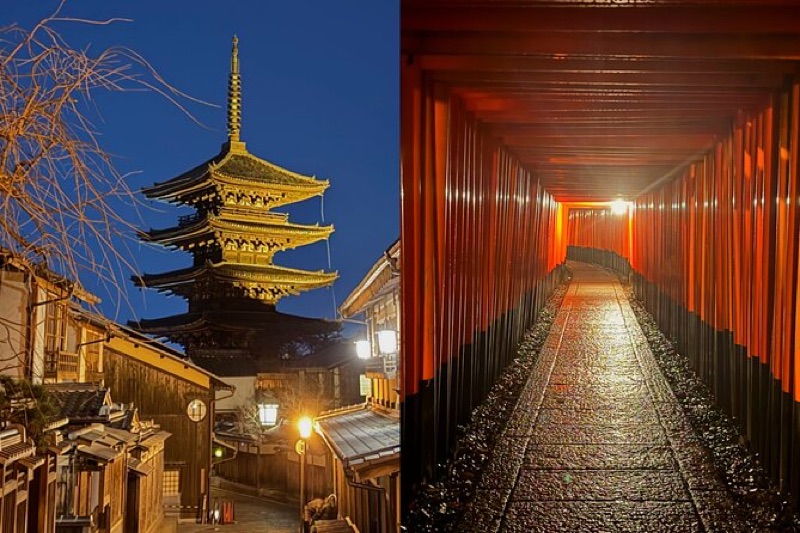
Welcome to the ancient capital. Kyoto has 17 UNESCO World Heritage sites, 2,000+ temples and shrines, and a cultural depth that could fill months. You have four days. Today: the iconic tunnel of 10,000 vermillion torii gates at dawn and the geisha district of Gion at twilight.
Train to Kyoto
Take the JR Thunderbird limited express from Kanazawa to Kyoto (~2.5 hrs). This scenic ride crosses the northern coast before cutting through the mountains into the Kyoto basin. Check into your hotel in the central Kawaramachi/Gion area for walkability.
Fushimi Inari Taisha
The most iconic sight in Japan, and for good reason. 10,000 vermillion torii gates snake up a mountain in an unbroken tunnel of orange. The full hike to the summit takes 2-3 hours, but the most photographed sections are in the first 30 minutes. Go in the afternoon when tour groups thin out, or come back at dawn tomorrow for empty trails.
Gion District at Dusk
Head to Gion, Kyoto's most famous geisha (geiko/maiko) district. As evening falls, the wooden machiya teahouses light up with paper lanterns, and you might spot a maiko (apprentice geisha) in full kimono hurrying to an engagement. Walk Hanami-koji Street, cross the Shirakawa Canal, and soak in the atmosphere.
Arashiyama — Bamboo, Monkeys & River Zen
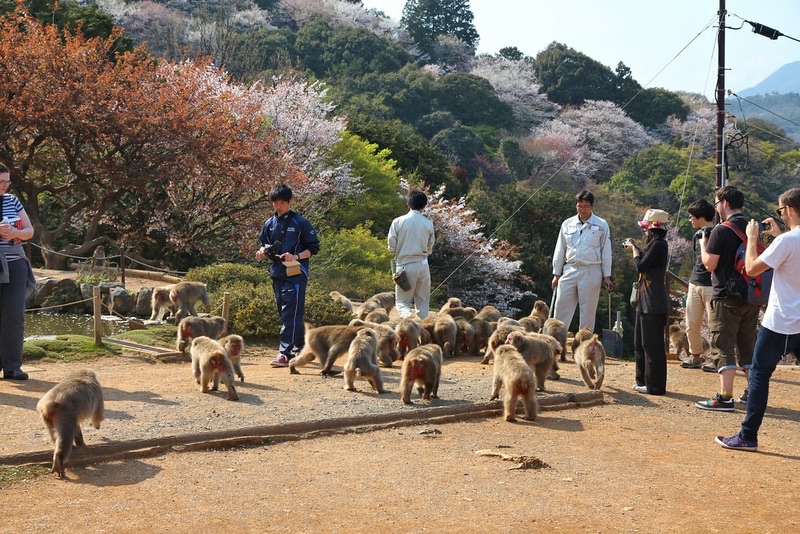
Kyoto's western district is a different world. Today you walk through a towering bamboo forest, cross a 1,000-year-old bridge, hike up to a monkey park with panoramic views, and visit some of Kyoto's most peaceful temples. This is the day people dream about when they picture Japan.
Arashiyama Bamboo Grove (Early Morning)
Get here by 7:30am — this is non-negotiable. By 9am it's a wall of tourists and selfie sticks and the magic evaporates. At dawn, the light filters through the towering bamboo stalks and the only sound is the wind through the grove. It's genuinely transcendent.
Tenryu-ji Temple
Right at the edge of the bamboo grove, Tenryu-ji is a UNESCO World Heritage Zen temple with one of Kyoto's finest landscape gardens. The borrowed scenery (shakkei) technique incorporates the Arashiyama mountains into the garden design, so the temple feels infinite.
Iwatayama Monkey Park
Hike up to the monkey park (20 min uphill walk from the main bridge) where 120+ wild macaques roam freely with panoramic views of Kyoto below. You can feed them from inside a mesh hut (they're outside, you're inside — clever design). The views alone are worth the climb.
Togetsukyo Bridge & Sagano Stroll
Cross the iconic Togetsukyo Bridge (Moon Crossing Bridge), a 1,000-year-old structure spanning the Hozu River with mountains as a backdrop. Then wander the quieter Sagano area north of the bamboo grove — thatched-roof houses, rice paddies, and temples without crowds.
Nishiki Market & Downtown Kyoto
Head back to central Kyoto and walk through Nishiki Market, a 400-year-old covered food market called "Kyoto's Kitchen." Try pickled vegetables, matcha everything, dashi samples, mochi, and Kyoto-style sweets. Then stroll the covered Shinkyogoku and Teramachi shopping arcades.
Golden Pavilion, Philosopher's Path & Zen Gardens
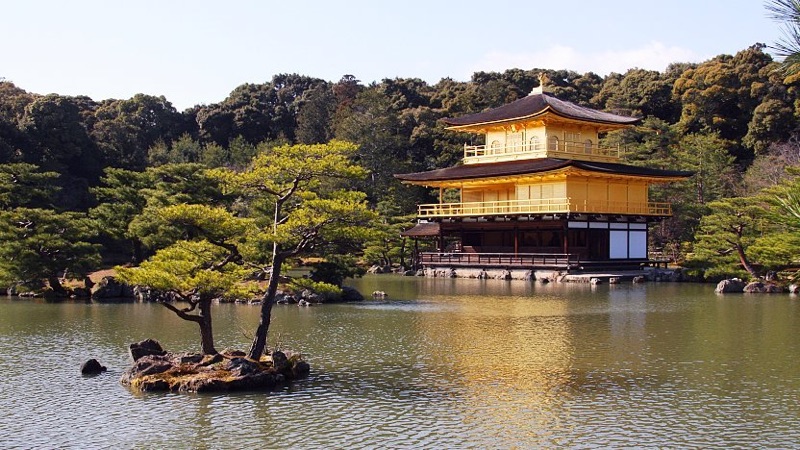
Today is Kyoto's spiritual core. The Golden Pavilion glittering over a mirror-still lake, a canal-side walk beneath cherry trees (still budding in March), and some of the most important Zen gardens in the world. Pack a book of poetry — or just be quiet for a while.
Kinkaku-ji (Golden Pavilion)
The top two floors of this Zen temple are literally covered in gold leaf, and the reflection in the surrounding pond on a still morning is one of the most photographed images in Japan. Arrive by 9am (opens at 9) to beat tour groups. Your "ticket" is a calligraphic charm — keep it as a souvenir.
Ryoan-ji Temple
A 10-minute walk or short bus from Kinkaku-ji. Ryoan-ji has Japan's most famous rock garden — 15 rocks in raked white gravel, arranged so you can never see all 15 from any single viewpoint. Sit on the wooden veranda and stare at it for 20 minutes. The garden changes the longer you look.
Philosopher's Path (Tetsugaku no Michi)
A 2km stone path along a cherry-tree-lined canal connecting Ginkaku-ji to Nanzen-ji. Named for the philosopher Nishida Kitaro who meditated while walking it daily. In late March, the cherry trees will be in early bud — not full bloom, but the bare branches have their own beauty. Small temples, cafés, and cat cafes dot the route.
Nanzen-ji Temple
At the southern end of the Philosopher's Path, Nanzen-ji is a massive Zen temple complex. The enormous Sanmon gate offers sweeping views of Kyoto (climb it for ¥600). Behind the temple, a brick Roman-style aqueduct (Suirokaku) from the Meiji era creates a surreal contrast with the ancient surroundings.
Tea Ceremony Experience
Book an authentic tea ceremony (chado) experience. Camellia Garden in Gion or En near Kenninji Temple offer intimate sessions (60-90 min) where you learn the ritual preparation of matcha, the meaning behind each movement, and the philosophy of ichi-go ichi-e (one moment, one meeting).
Kiyomizu-dera, Higashiyama & Kyoto's Soul
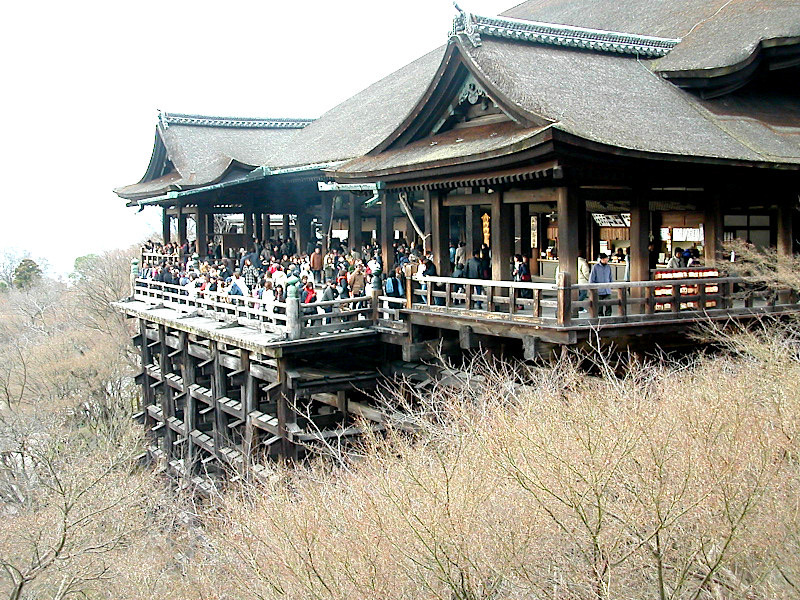
Your last full Kyoto day covers the eastern hillside temples and the most atmospheric streets in the city. Kiyomizu-dera's massive wooden stage cantilevered over a forested hillside is breathtaking, and the preserved lanes of Ninenzaka and Sannenzaka below are what everyone pictures when they think of Kyoto.
Kiyomizu-dera Temple
One of Kyoto's most celebrated temples, built on a massive wooden platform jutting out from a hillside with sweeping views of the city. The phrase "jumping off the stage at Kiyomizu" is the Japanese equivalent of "taking the plunge." Founded in 778 AD and rebuilt without a single nail. Arrive by 6am opening to have it nearly to yourself.
Ninenzaka & Sannenzaka (Preserved Streets)
Walk down from Kiyomizu-dera through Sannenzaka and Ninenzaka — stone-paved lanes lined with traditional wooden shops, teahouses, and small temples. These streets haven't changed much in centuries. Stop for matcha soft serve, pick up ceramic souvenirs, and just soak in the old Kyoto atmosphere.
Yasaka Shrine & Maruyama Park
Continue through Higashiyama to Yasaka Shrine at the eastern end of Shijo Street, then into Maruyama Park behind it. The park's weeping cherry tree is Kyoto's most famous single tree (though it won't bloom until early April). The park is lovely for a peaceful stroll.
Kyoto Kimono Experience (Optional)
Rent a kimono and walk through Higashiyama dressed in traditional attire. Multiple rental shops (Okamoto, Yumeyakata) offer full dress-up with hair styling for ¥3,000-5,000 per person for a full day. You'll blend right in with the old streets.
Sake Tasting in Fushimi
End your Kyoto days with sake. The Fushimi district (south of central Kyoto) is one of Japan's top sake-producing areas thanks to its pristine water. Gekkeikan Okura Museum (¥600, includes tasting) and the Kizakura Kappa Country brewery offer tastings and tours.
Nara Day Trip — Deer, Giant Buddha & Ancient Temples
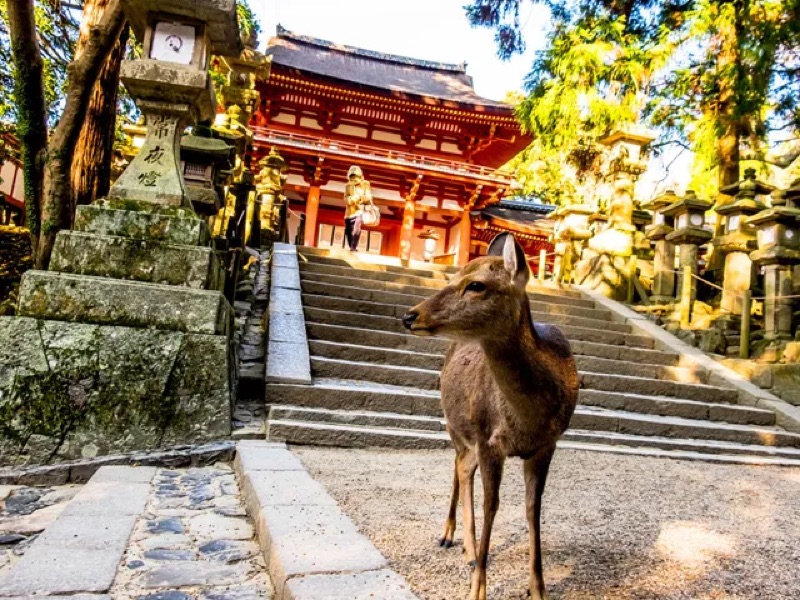
Japan's first permanent capital (710 AD) is a 45-minute train ride from Kyoto and home to over 1,000 wild deer that roam freely through the parks, temples, and streets. They'll bow to you for crackers. The Great Buddha inside Todai-ji is one of the world's largest bronze statues, housed in the world's largest wooden building. It's a lot of "world's largest" for one small city.
Train to Nara & Deer Park
Take the Kintetsu Limited Express from Kyoto to Nara (~35 min) or JR Nara Line (~45 min, covered by JR Pass). Walk from the station into Nara Park where 1,000+ sika deer roam freely. Buy shika-senbei (deer crackers, ¥200) and watch them literally bow to you for food. It never gets old.
Todai-ji Temple & Great Buddha
Todai-ji houses the Daibutsu — a 15-meter-tall bronze Buddha that's been sitting here since 752 AD. The wooden hall housing it (Daibutsuden) is the largest wooden building in the world, and it's only two-thirds the size of the original. The scale is staggering even in photos, and in person it's genuinely awe-inspiring.
Kasuga Taisha Shrine
Walk through Nara Park to Kasuga Taisha, a Shinto shrine famous for its hundreds of stone lanterns lining the approach and thousands of bronze lanterns hanging inside. The shrine is set in a primeval forest and feels genuinely ancient and otherworldly.
Naramachi (Old Merchant District)
Wander through Naramachi, Nara's charming old merchant quarter with narrow lanes, converted machiya houses, small galleries, and traditional sweets shops. It's quieter and more local than the temple area.
Return to Kyoto & Pack for Koyasan
Head back to Kyoto by 6pm. Pack light for tomorrow — Koyasan is a mountain temple town and you'll only need one night's worth. Send other luggage via takkyubin to your Osaka hotel.
Koyasan — Temple Stay on the Sacred Mountain
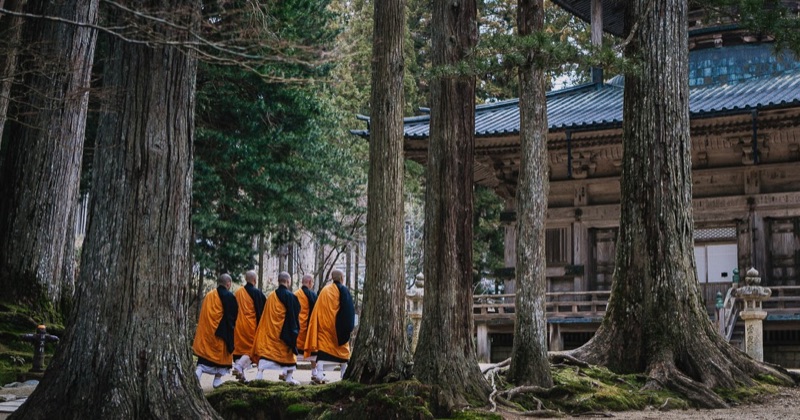
This might be the most unforgettable night of the entire trip. Mount Koya (Koyasan) is a mountaintop monastery town founded in 816 AD by the monk Kukai, the most important figure in Japanese Buddhism. Tonight you sleep in a shukubo (temple lodge), eat shojin ryori (Buddhist vegetarian cuisine), and walk through Okunoin — a 2km cemetery of 200,000 moss-covered tombstones under ancient cedar trees. It's haunting, beautiful, and deeply spiritual.
Travel to Koyasan
From Kyoto, take the JR to Osaka (Namba), then the Nankai-Koya Line limited express to Gokurakubashi (~90 min), then a cable car up the mountain (5 min). Total journey: ~3-3.5 hours. The cable car ascent through the forest is dramatic. You arrive in another world.
Check Into Shukubo & Explore Koyasan Town
Check into your temple lodge. Recommended: Ekoin (offers night cemetery tour and morning fire ceremony) or Fukuchiin (beautiful garden, great food). Change into the provided yukata and explore the small temple town. Visit the Kongobuji head temple and the Danjo Garan sacred precinct.
Danjo Garan Sacred Precinct
The spiritual heart of Koyasan. The vermillion Konpon Daito pagoda is the symbol of Koyasan — step inside to see a mandala of Buddhist statues. The complex includes multiple halls, the oldest dating to the 9th century.
Okunoin Cemetery Night Walk
The single most atmospheric experience in Japan. A 2km path through 200,000 moss-covered tombstones and memorial pagodas under towering 600-year-old cedar trees, leading to the mausoleum of Kukai (Kobo Daishi). At night, stone lanterns cast flickering light through the forest. Ekoin temple offers guided night tours. Even without a guide, walking Okunoin at dusk is transcendent.
Morning Prayers, Then Osaka — Neon Food Paradise
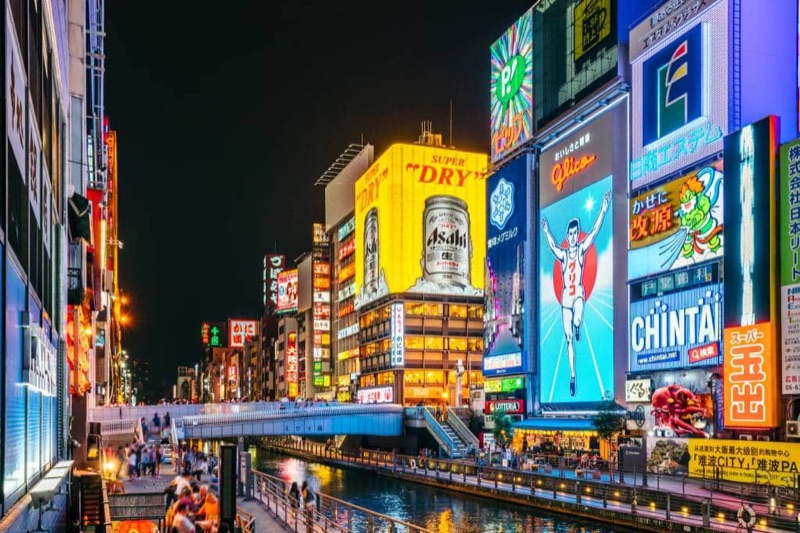
Wake before dawn for a Shingon Buddhist fire ceremony that's been performed daily for 1,200 years. Then descend the mountain and head to Osaka — Japan's food capital, a city that lives by the motto kuidaore (eat until you drop). Tonight: Dotonbori, the most overwhelming food street in the world.
Morning Fire Ceremony (Goma)
Wake at 6am for the goma fire ceremony in your shukubo's main hall. Monks chant sutras while burning wooden prayer sticks in a sacred fire. The combination of flickering flames, ancient chanting, incense smoke, and the cold mountain air is profoundly moving. This is a once-in-a-lifetime experience.
Travel to Osaka
After breakfast, check out and take the cable car down, then Nankai Koya Line back to Osaka Namba (~2.5 hrs total). Check into your Osaka hotel — stay near Namba or Shinsaibashi for maximum food access.
Dotonbori — Welcome to Food Paradise
Dotonbori is sensory overload. Giant mechanical signs (the running Glico Man, the moving crab), neon lights reflected in the canal, and more food stalls and restaurants per square meter than anywhere on earth. This is where you start your Osaka food marathon. Try takoyaki (octopus balls), okonomiyaki (savory pancake), and kushikatsu (deep-fried skewers).
Osaka Deep Dive — Castle, Kushikatsu & Kuromon
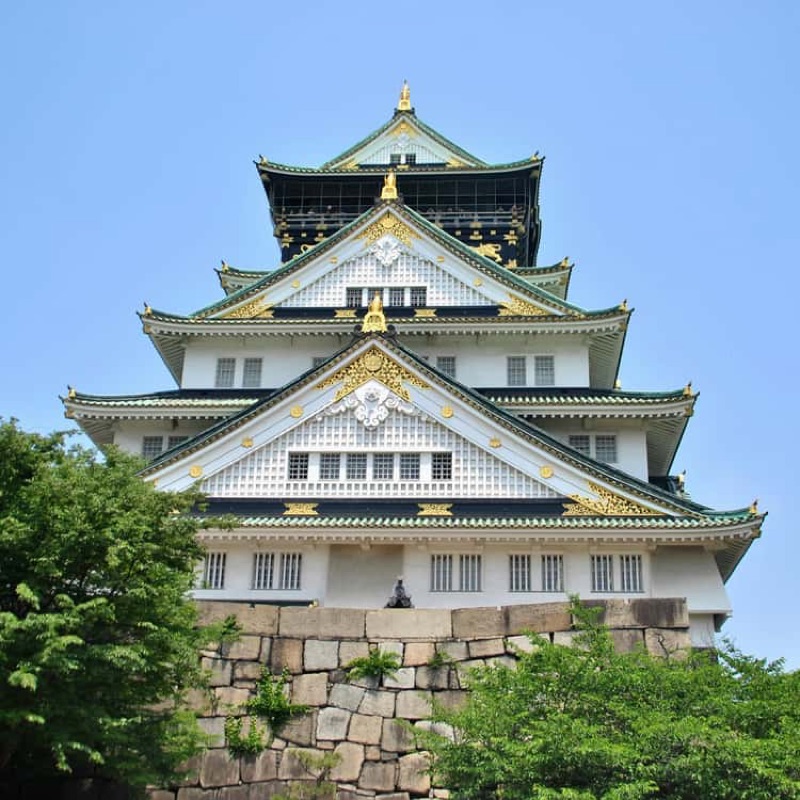
Osaka has the best street food in Japan (fight me, Tokyo), a castle surrounded by cherry trees, and a retro entertainment district that feels like a 1950s theme park. Today you eat your body weight, climb a castle, and discover why Osakans are the friendliest people in Japan.
Kuromon Market
Osaka's 170-year-old "Kitchen" — a covered market packed with seafood, street food, and ingredients. The stalls here are more raw and real than Tsukiji. Try the fatty tuna sashimi, grilled king crab legs, and fresh uni cups. Vendors grill everything to order.
Osaka Castle
Osaka Castle is Japan's most famous castle, rebuilt in concrete but still impressive with its 8 floors and surrounding moat. The museum inside covers Toyotomi Hideyoshi's history. The real attraction is the expansive castle park — one of Osaka's top cherry blossom spots (trees may be budding in late March).
Shinsekai — Retro Osaka
Shinsekai ("New World") is Osaka's gloriously retro entertainment district, built in 1912 and looking like it hasn't changed since. The Tsutenkaku Tower looms over a maze of kushikatsu joints, game arcades, and neon signs. This is where you eat kushikatsu (deep-fried skewers) — Osaka's quintessential comfort food.
Amerikamura & Shinsaibashi
Osaka's youth fashion district (Amerikamura / Amemura) and the long Shinsaibashi shopping arcade make for a fun evening stroll. Vintage shops, street art, and the Triangle Park area have a laid-back, creative energy. End at Dotonbori for round two.
Osaka Day 3 — Sky Views, Hidden Alleys & Food Tour
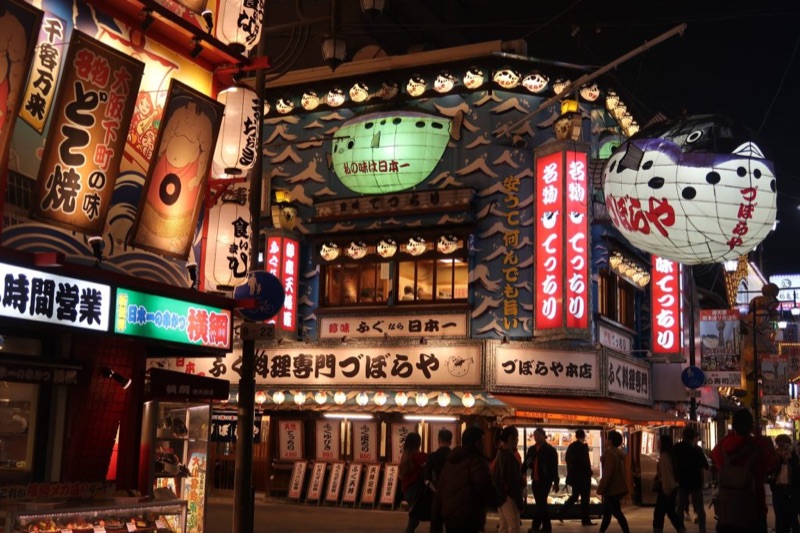
Your last full day in Osaka hits the northern side — the Umeda Sky Building's floating garden, the hipster café neighborhood of Nakazakicho, and an afternoon food tour to hit everything you haven't tried yet. Osaka doesn't do things halfway.
Umeda Sky Building — Floating Garden Observatory
Two towers connected by a "floating" circular observatory 173 meters up. The open-air rooftop has 360° views of Osaka, and the basement has Takimi Koji — a recreated 1920s Osaka street food alley. The architecture itself is stunning — escalators through glass tubes connecting the towers.
Nakazakicho — Hidden Café Neighborhood
A 10-minute walk from Umeda, Nakazakicho is a quiet residential area where old wooden houses have been converted into quirky cafés, vintage shops, and tiny galleries. It's completely off the tourist radar and feels like discovering a secret. Wander with no agenda.
Osaka Food Tour — The Final Round
Back to the food streets for everything you haven't tried yet. Hit up the yakitori stalls under the Shinbashi tracks, try the gyoza at Horai (Dotonbori), and grab a Rikuro's cheesecake if you didn't yesterday. This is your last shot at Osaka's street food glory.
Farewell Osaka Dinner
For your last Osaka night, treat yourselves. Hajime Teppanyaki in Namba does incredible teppanyaki with seats around the iron grill. Or go full local and do a horumon (offal) yakiniku place in Tsuruhashi — Osaka's Korean BBQ district.
Hiroshima — Peace, Resilience & Okonomiyaki
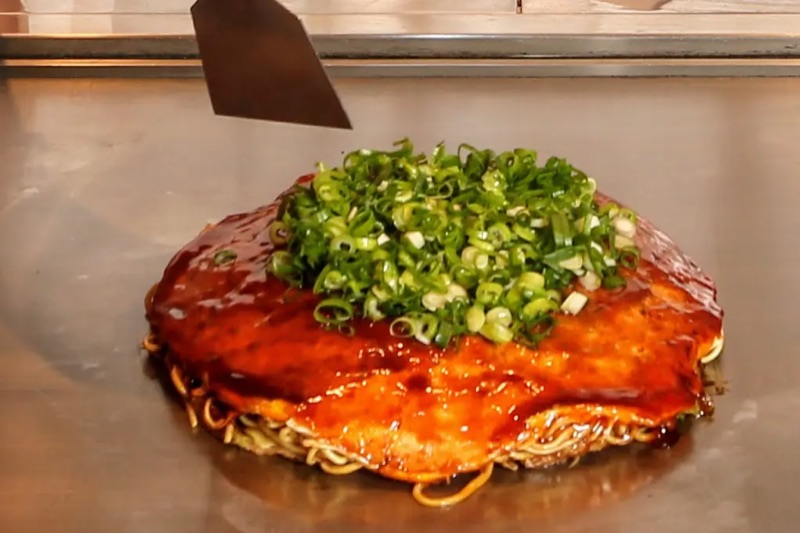
A sobering, important, and ultimately hopeful day. Hiroshima's Peace Memorial Museum is one of the most powerful museum experiences in the world. But Hiroshima is also a vibrant, beautiful city that chose to rebuild as a monument to peace. The Hiroshima-style okonomiyaki tonight will remind you this is still a food trip.
Shinkansen to Hiroshima
Take the Sanyo Shinkansen from Shin-Osaka to Hiroshima (~80 min on the Nozomi, or ~100 min on the Sakura/Hikari which is covered by JR Pass). Check into your hotel near the Peace Memorial Park area.
Hiroshima Peace Memorial Park & Museum
The Peace Memorial Museum was completely renovated and is devastating, educational, and essential. Personal artifacts, survivor testimonies, and detailed accounts of August 6, 1945. Outside, the A-Bomb Dome (Genbaku Dome) — the only building left standing near the hypocenter — is preserved exactly as it was after the blast. The Children's Peace Monument with its thousands of paper cranes is deeply moving.
Shukkeien Garden & Hiroshima Evening
If you need a peaceful counterpoint after the museum, visit Shukkeien — a beautiful Edo-era garden that was destroyed in the bombing and painstakingly restored. It's a symbol of Hiroshima's resilience. Then walk along the river as the city lights up.
Miyajima Island — Floating Torii & Sacred Deer
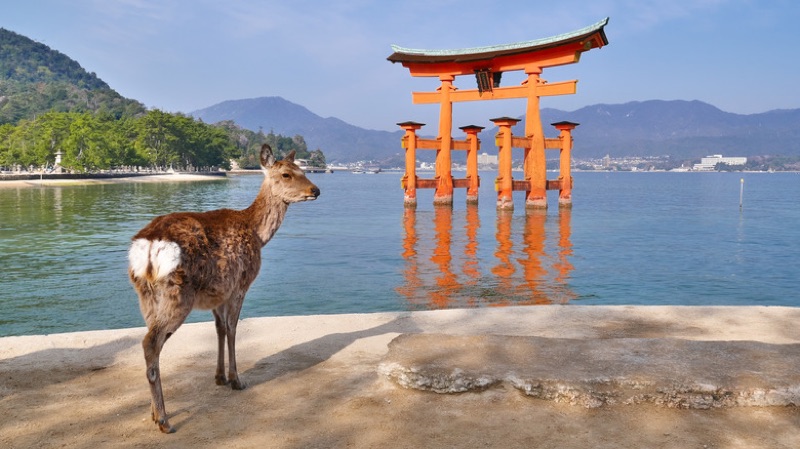
One of Japan's three most scenic views: the vermillion torii gate of Itsukushima Shrine appearing to float on the water at high tide. Miyajima is a sacred island where deer roam freely (more polite than Nara's), ancient temples cling to forested hillsides, and the oysters are the best in Japan. This is a day of pure beauty.
Ferry to Miyajima Island
Take the JR train from Hiroshima to Miyajimaguchi Station (~25 min), then the JR ferry to Miyajima Island (~10 min, covered by JR Pass). As the ferry approaches, the massive torii gate comes into view — one of those moments that makes you catch your breath.
Itsukushima Shrine & Floating Torii
The shrine complex is built on stilts over the water, with covered corridors connecting the halls. At high tide, the entire shrine and the famous torii gate appear to float. At low tide, you can walk across the tidal flat to the base of the torii. Both are magical in different ways. The shrine dates to 593 AD.
Mt. Misen Hike or Ropeway
Take the Miyajima Ropeway up Mt. Misen (535m) for panoramic views of the Seto Inland Sea and surrounding islands. From the upper station, a 30-min hike reaches the summit. Or hike the full Momijidani trail (2-3 hrs up) through ancient forest with wild monkeys.
Miyajima Town & Omotesando Shopping Street
The small town on Miyajima has a charming shopping street (Omotesando) with local crafts, shamoji (rice paddle) souvenirs — Miyajima is famous for them — and the star attraction: grilled oysters and momiji manju (maple leaf-shaped cakes).
Sunset at the Torii & Return to Hiroshima
If the timing works with the tides, sunset behind the floating torii gate is unforgettable. The crowds thin out dramatically after 4pm as day-trippers leave. Stay for the magic hour, then take the ferry back. Last ferry is ~10pm.
Return to Tokyo — Cherry Blossoms & Farewell Feast
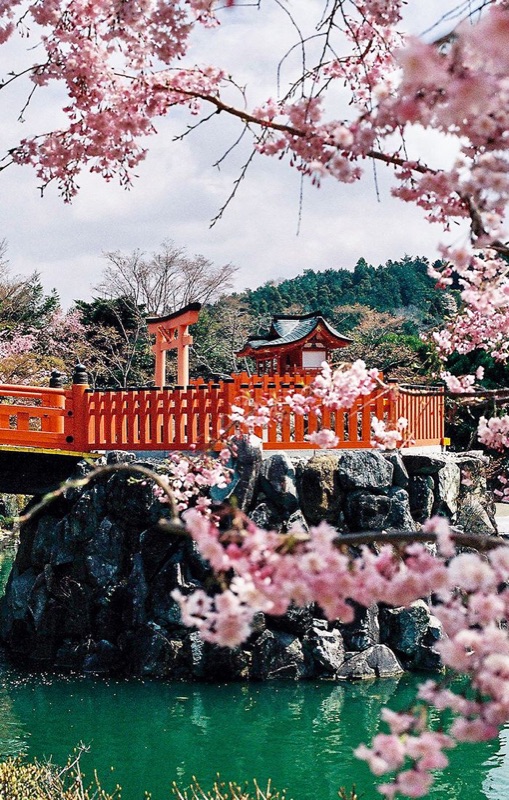
The grand loop closes. Shinkansen back to Tokyo, where something magical might be happening: the first cherry blossoms of the season. Late March is when Tokyo's sakura typically start opening (around March 22-28 most years). Even if it's just early buds, the energy of hanami (blossom viewing) season beginning is palpable. Tonight is your farewell dinner.
Shinkansen to Tokyo
Take the Sanyo/Tokaido Shinkansen from Hiroshima all the way back to Tokyo (~4 hrs on Hikari, covered by JR Pass). Sit on the right side (seats E/D) for a chance to see Mt. Fuji between Nagoya and Shin-Yokohama on a clear day. Grab an ekiben for the ride.
Cherry Blossom Scouting — Ueno Park
Ueno Park is Tokyo's most famous cherry blossom spot, with 800+ trees along the main path. By March 25, early-blooming varieties (Kawazu-zakura, Okame) should be in bloom, and the main Somei Yoshino trees may be showing their first pink buds. Even if it's pre-bloom, the park is beautiful and there's hanami energy building.
Meguro River (Early Blossom Walk)
Meguro River is Tokyo's most beautiful cherry blossom spot — 800+ trees lining both sides of the canal for nearly 4 km. If the blossoms have started (varies by year), this walk with pink petals reflecting in the water is absolute magic. Even without full bloom, the cafés and shops along the river are lovely.
Farewell Dinner — Splurge Night
This is it. Twenty-two days across Japan deserve a proper farewell. Book something special: Ginza sushi omakase, a Roppongi teppanyaki counter, or a private kaiseki room. You've earned it. Alternatively, do a full circle and end at Omoide Yokocho where it all began.
Sayonara, Japan — Last Morning & Departure
Your final morning in Japan. No rush, no agenda — just a slow goodbye. One last conbini breakfast, maybe a final temple visit, and then to the airport with a bag full of souvenirs and a heart full of memories that'll last a lifetime. You'll be back.
Last Morning Rituals
Sleep in or wake up early for one last Tokyo morning. Grab coffee and an egg sandwich from the conbini. Take a final walk around your neighborhood. If you're near Ueno, check the cherry blossoms one more time. Buy any last-minute souvenirs — Japanese KitKats, matcha snacks, and Tokyo Banana are classic airport gifts.
Head to Airport
Give yourself 3 hours before your flight. Narita Express (NEX) from major stations (~90 min to Narita). If flying from Haneda, the Keikyu Line or monorail takes ~40 min. Spend leftover yen at the airport — duty-free has excellent Japanese whisky, snacks, and last-minute gifts.
💰 Budget Breakdown
| Category | Budget | Midrange |
|---|---|---|
| Accommodation (per night, per couple) | ¥8,000–15,000 ($55–100) | ¥20,000–40,000 ($135–270) |
| Ryokan Night (Hakone, per couple) | ¥25,000–35,000 ($170–240) | ¥40,000–70,000 ($270–475) |
| Shukubo (Koyasan, per person) | ¥10,000–15,000 ($70–100) | ¥15,000–25,000 ($100–170) |
| Meals (per day, per person) | ¥2,000–4,000 ($14–27) | ¥5,000–10,000 ($34–68) |
| Transport (21-day JR Pass) | ¥70,000 ($470) | ¥70,000 ($470) |
| Local Transport (daily) | ¥500–1,000 ($3–7) | ¥1,000–2,000 ($7–14) |
| Activities/Temples (per day) | ¥500–1,500 ($3–10) | ¥1,500–3,000 ($10–20) |
| 23-Day Total (per person) | ¥350,000–500,000 ($2,350–$3,350) | ¥550,000–850,000 ($3,700–$5,700) |
✈️ Getting There
- Narita Airport (NRT): 60-90 min from central Tokyo via Narita Express (¥3,250)
- Haneda Airport (HND): 30-45 min via Keikyu Line or monorail — closer and preferred if available
- Haneda has expanded international routes significantly — check both airports for your airline
- Pre-buy a Suica card or activate mobile Suica before landing for immediate transit access
🏨 Where to Stay
- Tokyo (4 nights): Shinjuku area — best transit hub, great nightlife, central to everything
- Hakone (1 night): Ryokan with onsen — book 2+ months ahead, rates include dinner and breakfast
- Takayama (2 nights): Near Sanmachi old town — small ryokan or business hotel
- Kanazawa (1 night): Near Omicho Market or Kenroku-en
- Kyoto (4 nights): Kawaramachi/Gion area — walkable to temples and nightlife
- Koyasan (1 night): Shukubo temple lodge — book 2+ months ahead at shukubo.net
- Osaka (3 nights): Namba/Shinsaibashi — food street access
- Hiroshima (2 nights): Near Peace Memorial Park
- Tokyo return (1 night): Near Ueno or Meguro for cherry blossoms
🌡️ Weather (Early-Late March)
- Tokyo: 8–15°C (46–59°F) — cool but pleasant, layers recommended
- Mountain areas (Hakone, Takayama, Koyasan): 2–8°C (36–46°F) — cold, bring warm layers
- Osaka/Kyoto: 8–16°C (46–61°F) — similar to Tokyo
- Hiroshima: 8–16°C (46–61°F) — slightly milder
- Rain possible throughout — pack a compact umbrella or buy one at any conbini for ¥500
- Cherry blossom season typically starts late March in Tokyo — you may catch the first blooms
💴 Money Tips
- Carry ¥20,000–30,000 in cash at all times — many small restaurants, temples, and markets are cash-only
- ATMs: 7-Eleven and JP Post ATMs accept foreign cards 24/7
- IC card (Suica/Pasmo) works on all trains, buses, conbinis, and vending machines
- Budget tip: conbini meals (¥500–800) are genuinely good and save money on casual meals
- Tipping is not done in Japan — don't tip, it can be confusing or even offensive
📱 Connectivity & Apps
- eSIM (Ubigi, Airalo, Mobal): ¥3,000–5,000 for 3 weeks of data — activate before landing
- Google Maps works perfectly for all Japan transit directions
- Navitime or Japan Transit Planner for detailed train schedules
- Google Translate camera feature can translate Japanese menus and signs in real-time
- Tabelog app for restaurant ratings — Japan's Yelp equivalent, trust scores above 3.5