⚡ Before You Go — Essentials
🌸 Cherry Blossoms — Timing
Sayamaike Park is one of the FIRST places in Osaka to bloom each spring, thanks to early-blooming varieties: Koshinohigan (light pink, mid-March start) and Kanhizakura (deep magenta, early March). By March 24–25, these early bloomers should be at or near peak. The Someiyoshino — the classic pink — blooms slightly later, so you'll see a beautiful mix of open blossoms and fresh buds. The Sayamaike Sakura Matsuri (festival) officially runs March 28–April 6 with nightly illuminations, but the park is magical even before then. Arrive early morning for the best light and fewest people.
🚃 Getting Around — Nankai Koya Line
Your home base is served by two Nankai Koya Line stations: Osakasayamashi Station (大阪狭山市駅) for central Osakasayama, and Kongo Station (金剛駅) for the southern side near the shrine. All trains run toward Namba (北) or toward Hashimoto/Koyasan (南). To reach Namba: ~35 min by express from Osakasayamashi. To reach Kawachinagano: ~15 min back from Kongo. To reach Amami Onsen: ~25 min from Kongo toward Hashimoto direction. IC cards (ICOCA, Suica) work on all local trains — no need to buy individual tickets.
🥗 Vegetarian Food in Japan — Practical Tips
Japan can be challenging for vegetarians, but manageable with knowledge. The phrase "채식주의자입니다, 고기와 생선 없이 부탁드립니다" (I'm vegetarian, please without meat or fish) is understood at most Osaka restaurants with some pointing. In Japanese: "ベジタリアンです。肉も魚も入っていない料理をお願いします." Watch for dashi (fish stock) in soup bases — ask for "dashi nashi" or "kombu dashi." Convenience stores are your friend: look for onigiri filled with pickled plum (梅), kelp (昆布), or seasoned rice; tofu bars; edamame; and salads. Life Supermarket near Osakasayamashi Station has excellent prepared vegetable dishes for casual dinners.
🏨 Accommodation
Osakasayama itself has limited hotel options — most travelers base in Namba or Kawachinagano and day-trip. If staying in Osakasayama: check Booking.com for local guesthouses or business hotels near Osakasayamashi Station. Alternatively, Kawachinagano has the lovely Ikoyano-yado Kawachinaganoso (an onsen ryokan in a park) which offers accommodation with vegetarian/vegan meal options on request. For budget flexibility, staying in Namba and day-tripping to Osakasayama is very practical — the 35-minute Nankai Koya Line express makes it easy.
Cherry Blossoms at Dawn, Ando's Architecture & a Vegetarian Evening in Namba
Start the day at Japan's oldest reservoir as the cherry trees wake up. Walk the 2.8km loop around Sayama Pond as petals drift on the water, then spend the late morning in Tadao Ando's extraordinary free museum built into the earth beside the ancient dam. Lunch is a special occasion: head to Sakai city for CHAKURA, a rare dedicated vegetarian restaurant run by a couple who cook with heart. Afternoon is yours in Osakasayama — visit the ancient shrine, find a quiet cafe, breathe. Evening: take the Nankai Koya Line to Namba for plant-based ramen and a stroll through Dotonbori before returning south.
Sayamaike Park — Cherry Blossom Morning Walk
Arrive at Sayama Pond before the morning crowds. The park holds 1,300 cherry trees encircling Japan's oldest man-made reservoir (built 616 CE, expanded by the monk Gyoki in 731 CE and later by samurai Katagiri Katsumoto in 1608). The 2.8km promenade around the entire perimeter is gentle and flat — ideal for a solo solo morning walk. In late March, the early-blooming Koshinohigan variety shows pale pink blossoms weeks before the classic Someiyoshino peaks, giving you a quieter, unhurried experience. The northern embankment forms a dense pink tunnel. The western shore reflects the blossoms in the water. You'll have it mostly to yourself before 9am.
Osaka Prefectural Sayamaike Historical Museum — Tadao Ando's Hidden Masterpiece
Located right beside the pond, this museum is one of Tadao Ando's finest works — and completely free. The building is partially buried 15 meters below ground level to respect the ancient dam's height, so you descend into it through concrete passages that open to a reflecting pool mirroring the sky above. Inside, discover 1,400 years of water management history: original wooden pipes (dated to 616 CE by tree ring analysis), tools, scale models, and artifacts from the Gyoki and Chogen restoration eras. Even if you're not a history buff, the architecture alone is worth a dedicated 90 minutes. The play of light on Ando's bare concrete and the water features is extraordinary in the morning.
CHAKURA — Dedicated Vegetarian Restaurant in Sakai (30 min from Osakasayama)
This is the hidden gem of the itinerary. CHAKURA is a full vegetarian restaurant in Sakai City (堺市), run by a vegetarian couple who cook with genuine care and skill. The menu features vegan, lacto-vegetarian, and oriental vegetarian (shojin-style) courses — clean, light, and deeply satisfying. Think: sesame tofu with mountain vegetable dressing, seasonal pickles, miso soup made with kombu dashi (no fish), brown rice, and composed vegetable dishes that feel like Japanese kaiseki but accessible. Exactly the "clean food" (깔끔한 음식) you asked for. Tuesday is a fully open day — both lunch and evening service run. Lunch reservation not always required but call ahead if you can.
Return to Osakasayama — Sayama-jinja Shrine & Neighborhood Wander
Return from Sakai to Osakasayama and let the afternoon settle gently. Sayama-jinja (狭山神社) is a small, important shrine in the southern part of the city near Kongo Station — founded in ancient times, associated with the Hojo clan who were once lords of this region. It's not famous or crowded; it's simply a proper local shrine surrounded by trees, with a stone torii, a simple wooden honden, and the quiet sound of birds. Exactly what the afternoon deserves. Afterward, wander the neighborhoods near Osakasayamashi Station — local bakeries, a coffee shop, perhaps a 100-yen store exploration. This is genuinely residential Japan, and there's something deeply restful about it.
Namba Evening — Plant-Based Ramen & Dotonbori
Hop the Nankai Koya Line express from Osakasayamashi Station toward Namba — you'll arrive in about 35 minutes. Namba's vegetarian scene has improved significantly in recent years. The highlight for a vegetarian foodie: Kyushu Ramen Kiou at Shin-Osaka or Morinomiya has vegan tonkotsu ramen (genuinely impressive — rich broth, bouncy noodles, plant-based pork slices). Alternatively, head to the Shinsaibashi/Dotonbori area to find Paprika Shokudo Vegan (plant-based cafe), or look up HappyCow.net for what's current and closest. After dinner, a 20-minute walk along Dotonbori canal — the neon signs reflect on the water beautifully at night. Takashimaya and Don Quijote if you feel like browsing. Take the last express back before midnight.
Mountain Temples, Forest Trails & Natural Hot Springs Deep in the Osaka Countryside
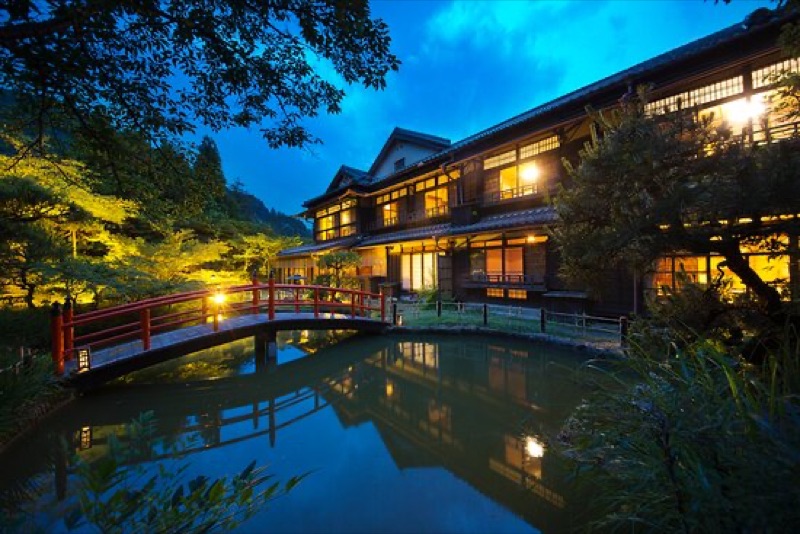
Your second day leaves the city behind entirely. Board the Nankai Koya Line in two directions: first south toward Kawachinagano for ancient forest temples and medieval mountain atmosphere, then continue deeper into the Osaka countryside for a day-trip soak at Amami Onsen Nanten-en — a traditional ryokan with natural hot springs and a large Japanese garden, nestled in green hills. Lunch is a gentle vegetarian affair: the ryokan's restaurant offers meals with vegetarian-adaptable options, or pack simple convenience store items for a forest picnic. This is the day you come home from, feeling properly rested.
Kawachinagano — Forest Temple Walk & Medieval Town Atmosphere
From Kongo Station, take the Nankai Koya Line two stops toward Namba to reach Kawachinagano Station (河内長野駅). This small city has been gaining attention as a place where you can experience Japan's Middle Ages — the surrounding forests hold ancient pilgrimage temples, and the air feels genuinely different: cooler, quieter, and alive with trees. The main draw is Kannonji Temple (観心寺, Kanshin-ji) — founded in the 7th century, with a beautiful stone-paved approach through old cedars and a main hall that holds National Treasure status. Take the bus from Kawachinagano Station (about 15 min) or a taxi. The surrounding grounds are serene even in early spring, with occasional cherry trees adding softness to the deep green.
Kawachinagano Yamatoji Heritage Walk
If temples aren't your main interest, Kawachinagano also sits at the start of the Kinokoji — an ancient highway linking Osaka to the Wakayama coast. The city's historic district near the station still has old merchant townhouses (machiya) and a gentle old-town atmosphere. Wander the shopping street, stop into a local kissaten (Japanese coffee shop), and absorb the unhurried pace of a mountain town that tourism has largely passed by. The Kishi River running through the city adds to the quiet scenery.
Return to Kongo/Osakasayamashi — Forest Picnic or Supermarket Lunch
Return to Osakasayama on the Nankai Koya Line and pick up a beautiful Japanese vegetarian lunch from Life Supermarket or the 7-Eleven near Osakasayamashi Station. Life Supermarket carries excellent prepared vegetable dishes: kinpira gobo (braised burdock), hijiki seaweed salad, dashimaki tamago (if eggs are acceptable), inari sushi (tofu pockets filled with seasoned rice), and fresh fruit. Pack everything into your bag and head back to Sayamaike Park for a proper hanami picnic under the cherry trees before heading to the onsen. This is quintessential Japanese spring.
Amami Onsen Nanten-en — Natural Hot Springs in the Deep Countryside
Board the Nankai Koya Line from Kongo Station heading south toward Hashimoto (away from Namba). In about 25–30 minutes, you'll reach Amami Station (天見駅) — a tiny mountain stop surrounded by cedar forest. From here, it's a short walk or taxi to Amami Onsen Nanten-en, a traditional ryokan with natural hot springs and a large Japanese garden. Day visitors are welcome for bathing (日帰り入浴). The garden is extraordinary — designed around the natural hillside, with stone lanterns, sculpted pine, and seasonal flowering trees. Soak in the open-air rotenburo (outdoor bath) and look up at the forested hills. March in the mountains means cool air on your face, warm water around you, and absolute silence broken only by birdsong. This is the most restorative thing you will do on this trip.
Return to Osakasayama — Final Evening Under the Sakura
Take the Nankai Koya Line back from Amami Station toward Kongo, then the short walk or bus to your accommodation. You've earned a quiet evening. The Sayamaike Park northern embankment is lovely in the early dark — the cherry trees glow softly and the pond reflects the first stars. No light-up event yet (the official festival starts March 28), but the park is publicly accessible and atmospheric. Buy a simple dinner from the convenience store or supermarket — miso soup packet, onigiri, fresh fruit, warm soy milk. Eat slowly. Tomorrow you go home carrying something you can't quite name but won't forget.
💰 Budget Breakdown
| Category | Budget | Midrange | Luxury |
|---|---|---|---|
| Sayamaike Museum (Day 1) | Free | Free | Free |
| Transport (Nankai Koya Line, all trips) | ¥1,500 | ¥2,000 | ¥2,500 |
| CHAKURA lunch (Day 1) | ¥1,000 | ¥1,500 | ¥2,000 |
| Namba dinner (Day 1) | ¥1,000 | ¥1,500 | ¥2,500 |
| Kannonji Temple admission (Day 2) | ¥400 | ¥400 | ¥400 |
| Amami Onsen day bath (Day 2) | ¥700 | ¥900 | ¥1,200 |
| Meals (supermarket, konbini, picnic) | ¥2,000 | ¥3,000 | ¥4,000 |
| 2-Day Total (solo, excl. accommodation) | ¥6,600 | ¥9,300 | ¥12,600 |
✈️ Getting to Osakasayama
- From Osaka Namba (難波): Nankai Koya Line express to Osakasayamashi Station — ~35 min, ¥490
- From Osaka-Itami Airport: Airport bus or shuttle to Namba, then Nankai Koya Line south
- From Kansai International Airport (KIX): Nankai Airport Line to Namba (~40 min), then Koya Line south to Osakasayamashi (~35 min). Total ~75 min.
- From Shin-Osaka: Subway Midosuji Line to Namba, then Nankai Koya Line — ~60 min total
🌸 Cherry Blossom Timing — What to Expect March 24–25
- Koshinohigan (early-bloomer): likely in bloom or near peak — pale pink, delicate, beautiful
- Kanhizakura: deep magenta, small-petaled — may still have late blossoms
- Someiyoshino (classic): likely still in bud — depends on year, could be just opening
- Sakura Matsuri (festival) starts March 28 with official light-ups — you miss the festival but often get less crowded viewing
- For current bloom status: check Osaka Prefectural Sayamaike Museum's official social media or Jorudan Sakura Cherry Blossom Forecast 2026
🥗 Vegetarian Japan — Key Phrases
- Japanese: "ベジタリアンです。肉も魚も入っていない料理をお願いします。" (I'm vegetarian, please no meat or fish.)
- Korean script if helpful: 채식주의자입니다. 고기와 생선이 없는 요리를 부탁드립니다.
- Dashi (fish stock) is hidden in many soups — ask "dashi wa nani desu ka?" (What is the dashi made from?)
- Konbu dashi (昆布だし): seaweed-based, vegetarian-safe. Katsuobushi dashi (鰹だし): fish-based, avoid.
- Words to know: 野菜 (yasai/vegetables), 豆腐 (tofu), 卵 (tamago/egg), 乳製品 (dairy), 精進料理 (shojin ryori/Buddhist vegetarian cuisine)
📱 Apps & Resources
- HappyCow.net: best real-time map of vegetarian/vegan restaurants in Osaka — filter by "vegan" or "vegetarian"
- Google Maps in Japanese: searching "大阪 채식" or "osakasayama 精進" surfaces local options not on English apps
- Hyperdia or Google Maps: train route planning (enter Japanese station names for best results)
- IC Card: ICOCA (sold at any JR or Nankai station) — works on all trains and most convenience stores in Osaka
🌿 The Art of Doing Less — Osakasayama Philosophy
- This city does not have a "tourist district." That's the point.
- The value of Sayamaike is not what you do there but how it makes you feel — walk slowly, sit often, notice
- Japanese residential neighborhoods have their own beauty: tidy gardens, vending machine sounds, school bells
- For a solo relaxation trip, the most restorative moments are often unplanned — a bench by the water, a vending machine coffee in the cold morning air, the sound of the train arriving
- Don't rush to fill every hour. Osakasayama is medicine for people who need to stop.