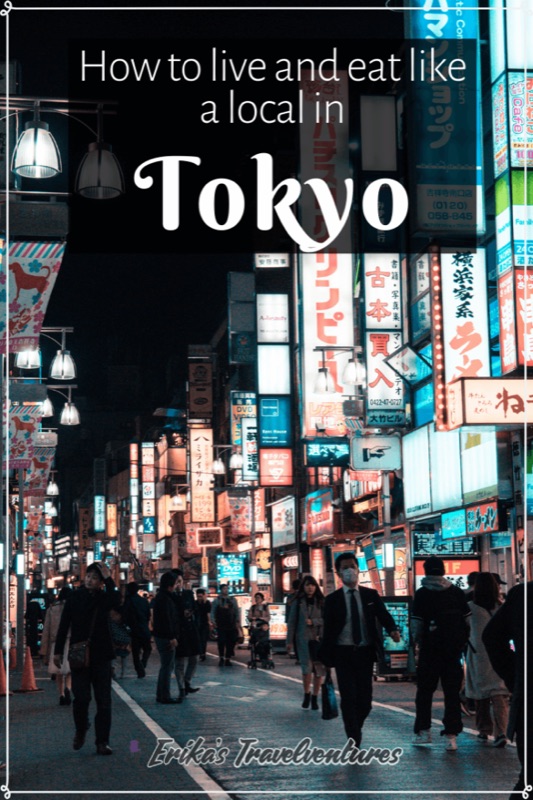
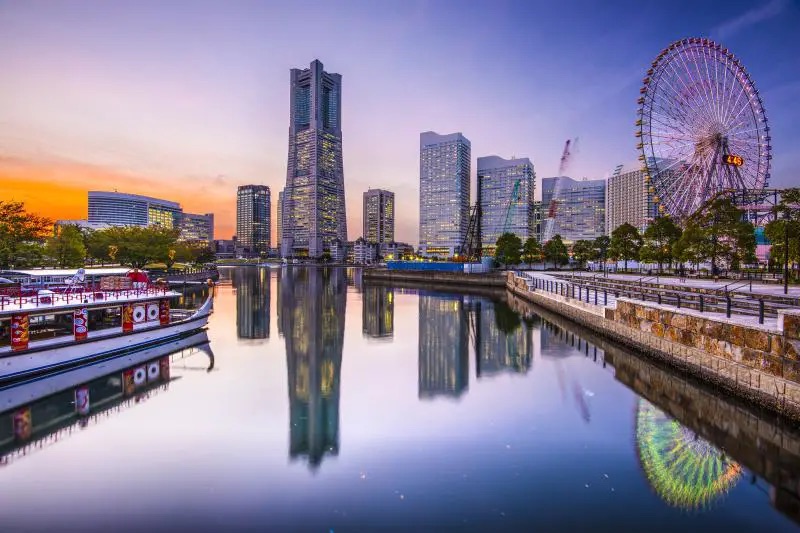
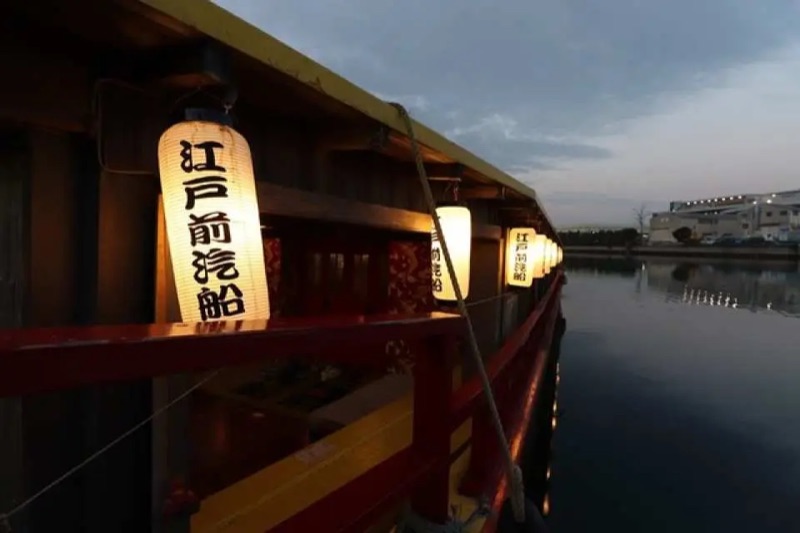
🇯🇵 Your Custom Itinerary

Tokyo in Layers: 21 Days of Food, Culture, Day Trips & Spring Light: A three-week Tokyo trip for two, built around neighborhoods first and late-March sakura in the final stretch

This trip is designed the smart way for March in Tokyo. Early March can still feel like the city is warming up for spring, so the front half leans into Tokyo's neighborhoods, museums, food culture, and easy day trips, while the final days are reserved for Tokyo's best blossom corridors in case sakura arrives on schedule. Across 21 days you'll get the full spectrum: temple mornings in Asakusa, kissaten and bookshop afternoons in Jimbocho, neon nights in Shinjuku and Shibuya, a Studio Ghibli day in Kichijoji, coastal escapes to Kamakura and Yokohama, cedar-lined grandeur in Nikko, an onsen reset in Hakone, and a hiking day on Mt. Takao. The food plan intentionally mixes market breakfasts, ramen counters, izakaya alleys, depachika picnic hauls, monjayaki, seafood, curry, soba, and a few splurge-worthy dinners. It's adventurous without being frantic, relaxed without wasting days, and flexible enough that if the cherry blossoms bloom early or late, the last portion of the trip can bend with them.

Duration: 21 days / 20 nights
Dates: Mar 6 – Mar 26, 2027
Budget: $$–$$$$
Pace: Balanced, with city-intense days and built-in recovery
Best for: Couples · Foodies · Culture Seekers · Spring Travelers

⚡ Before You Go — Essentials

🌸 March timing strategy

Early March in Tokyo is usually more plum blossom than full sakura, while late March often brings the first real cherry blossom wave. This itinerary deliberately saves the most blossom-sensitive parks and river walks for the final stretch. Check the GO TOKYO / JNTO blossom forecast the night before Days 18–20 and swap those days around if bloom timing changes.

🚇 Transit, the practical version

For this exact trip, a nationwide JR Pass usually is not the best value. Use a Suica or PASMO for daily Tokyo travel, then buy regional tickets for the big outings that actually need them, like Nikko or Hakone. Shinjuku, Shibuya, or Tokyo Station are the easiest bases for this itinerary.

🎟️ Book these ahead

Ghibli Museum is advance reservation only and should be treated as non-negotiable. teamLab Borderless also benefits from advance timed tickets. If you want one big splurge meal, reserve it before the trip, because the best counters and rooftops do fill.

🍜 Food pacing

Tokyo rewards two-light-meals-plus-one-big-meal better than three heavy ones. Do market breakfasts, snack often, and save appetite for dinner neighborhoods like Ebisu, Kagurazaka, Nakameguro, Shinjuku, or Tsukishima. Convenience stores are part of the fun here, not a fallback.

🧥 Weather and packing

Expect cool mornings, mild afternoons, and crisp nights, roughly 7–15°C / 45–59°F in early-to-mid March, warming a bit later in the trip. Pack layers, a light rain shell, and comfortable walking shoes, because Tokyo is a city that makes you accidentally walk 20,000 steps.

♨️ Don’t skip the recovery days

Tokyo can wear you out quietly. The slower garden, spa, and day-trip reset days are not filler, they are what make the whole three-week trip feel great instead of exhausting. Protect them.

Day 1 Shinjuku · Kabukichō

Arrival, Neon and First-Night Comfort Food

Arrival, Neon and First-Night Comfort Food, Tokyo, Japan

Keep the first day simple and atmospheric. Arrive, settle into Shinjuku, get your body onto local time, then let Tokyo introduce itself the right way: neon, a short wander, and something hot and deeply satisfying for dinner.

Afternoon

Airport arrival and Shinjuku check-in

Make Shinjuku your home base for the opening stretch. It gives you easy airport access, late-night food, and simple connections in every direction. Don’t over-plan this first block, just get checked in, shower, and step outside before jet lag wins.

🧳 If you land early, ask the hotel to hold your bags and do a short loop around the station area
💳 Pick up or load a Suica/PASMO right away, it will save time every single day
🌆 Aim for a gentle first evening, not a heroic one
If you are wrecked on arrival, the smartest move is still to stay awake until after dinner. That one decision makes the next morning much easier.
Evening

Omoide Yokocho and a short Kabukichō orientation walk

Walk the west side first for the smoky, old-Tokyo alley atmosphere of Omoide Yokocho, then cross over to the brighter, louder side of Shinjuku for Kabukichō and Golden Gai. Tonight is not about doing everything, it is about seeing how many Tokyos exist within ten minutes of each other.

🍢 Omoide Yokocho is best treated as a wander-first, sit-second district
📸 Golden Gai is great for a slow walk even if you only stop for one drink
🚶 Keep it light, tomorrow is a fuller day
🍜 Dinner
Ramen or yakitori in Shinjuku
Start with something unmistakably Tokyo, a great ramen counter or a tiny yakitori spot in the alleys. The goal is warm, easy, and memorable, not fancy.
💰 ¥1,500–4,000 per person · 📍 Shinjuku Station area
Day 2 Asakusa · Ueno · Akihabara

Old Tokyo, Market Energy and Electric Town
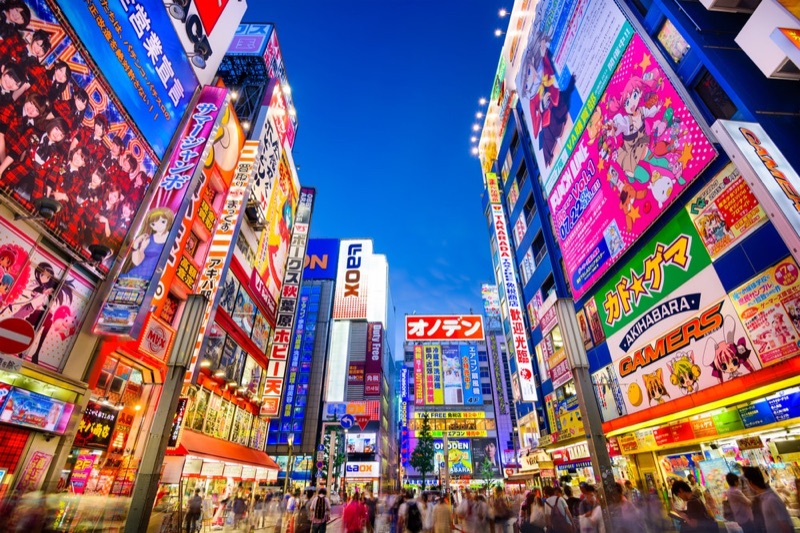
Old Tokyo, Market Energy and Electric Town, Tokyo, Japan

Today gives you a great first full sweep of the city, temple Tokyo in the morning, park-and-market Tokyo in the afternoon, and neon gaming Tokyo at the end.

Morning

Senso-ji and the quiet side streets of Asakusa

Start early at Senso-ji before the big crowd thickens. Walk Nakamise, then drift west and south into the smaller lanes where Asakusa feels slower and more local.

⛩️ Arriving early makes the main gate and pagoda feel far less hectic
🍘 Snack as you go rather than turning this into a sit-down morning
📷 The contrast between the temple grounds and the backstreets is part of the charm
🍽️ Lunch
Asakusa comfort lunch
Have a proper old-Tokyo style lunch here, okonomiyaki, tempura, or soba all fit naturally before moving north toward Ueno.
💰 ¥1,200–2,500 per person · 📍 Asakusa
Afternoon

Ueno Park and Ameyoko

Use Ueno as your first big public-space Tokyo day, broad park paths, museums and shrines tucked around the edges, then Ameyoko for a totally different energy under the tracks.

🌳 Ueno is good even before sakura, because the park has real scale and variety
🛍️ Ameyoko is great for snacks, dried goods, and pure people-watching
☕ If you need a breather, this is a good café reset zone
Evening

Akihabara at dusk

Go to Akihabara when the signs are lit and the streets feel loudest. Arcades, game stores, gadget floors and anime culture all hit harder at night.

🎮 You do not need to be a huge anime person to enjoy the atmosphere here
🕹️ Multi-floor arcades are part of the experience, play something even if only once
🚃 It is an easy finish, because trains home are simple from here
🍢 Dinner
Akihabara or Ueno casual dinner
Keep dinner unfussy, ramen, curry, grilled skewers, or a quick izakaya is perfect after a full sightseeing day.
💰 ¥1,500–3,500 per person · 📍 Akihabara / Ueno
Day 3 Harajuku · Omotesandō · Shibuya

Shrine Forests, Street Style and Shibuya Energy
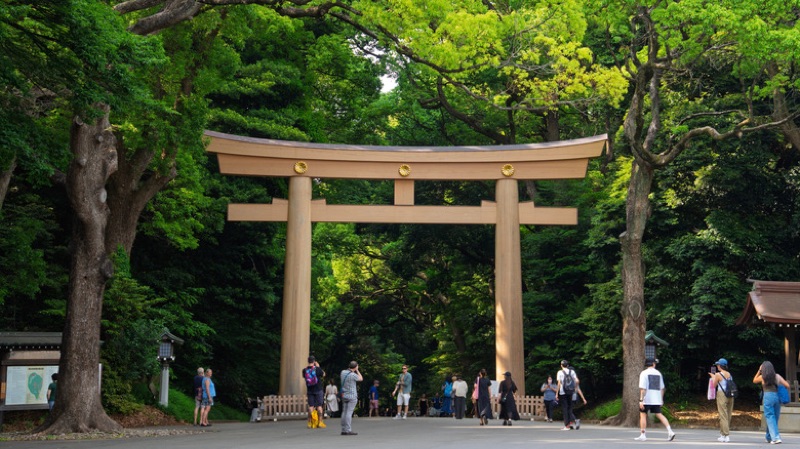
Shrine Forests, Street Style and Shibuya Energy, Tokyo, Japan

This is one of Tokyo’s best contrast days. Begin in a quiet shrine forest, drift through design-heavy boulevards and youth culture streets, and finish in the beating commercial heart of the city.

Morning

Meiji Jingu and Yoyogi edge

Enter Tokyo through the trees for a few hours. Meiji Jingu is one of the city’s best reminders that Tokyo can switch from intensity to calm in a single block.

🌲 The approach path is part of the experience, not just the shrine itself
🙏 Keep the pace slow here, it resets you before the busier afternoon
📍 It pairs naturally with Harajuku afterward because they are so close
Afternoon

Harajuku, Cat Street and Omotesandō

Take the playful route, a little Takeshita Street for pure spectacle, then slide into Cat Street and Omotesandō for cleaner architecture, better shopping, and much better coffee.

👟 Cat Street is more pleasant than lingering too long on the main chaos strip
☕ Omotesandō is ideal for a longer lunch and coffee stop
🛍️ This is the day for fashion, stationery, or design-shopping energy
🍽️ Lunch
Omotesandō tonkatsu or café lunch
A polished but not stiff lunch works best here, something like tonkatsu, curry, or a strong café meal before Shibuya.
💰 ¥1,500–3,000 per person · 📍 Omotesandō / Harajuku
Evening

Shibuya Crossing, Nonbei Yokocho and the backstreets

Do the big photo moment at Shibuya Crossing, then spend more of your actual time in the side streets, back-alley bars, record shops and smaller corners that make the district feel human instead of just famous.

🌆 Shibuya works best when you give it both the headline moment and the hidden moments
🍸 One drink in Nonbei Yokocho is more memorable than five chain-bar stops
🚶 This is a great city-walking night
🍶 Dinner
Shibuya izakaya night
Order widely, small plates, grilled skewers, fried things, salad, sashimi, highballs, and call it dinner. Tokyo rewards this approach.
💰 ¥3,000–6,000 per person · 📍 Shibuya
Day 4 Azabudai Hills · Roppongi · Ebisu

Digital Art, Contemporary Tokyo and a Better Night Out
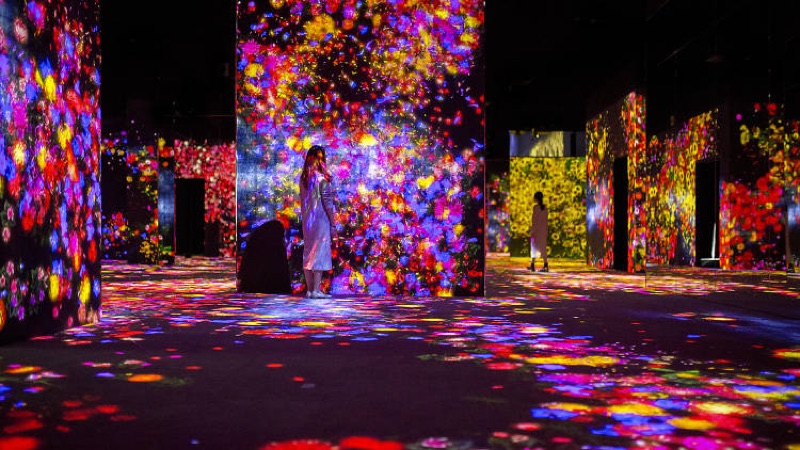
Digital Art, Contemporary Tokyo and a Better Night Out, Tokyo, Japan

This is one of the most modern-looking days of the trip, immersive art in the morning, skyline Tokyo in the afternoon, then a more polished nightlife and dinner scene at night.

Morning

teamLab Borderless at Azabudai Hills

Do Borderless early and give it real time. It is much better when you let yourself drift, double back, and stay in rooms longer than you think you should.

🎟️ Book a timed ticket in advance
⏱️ Give it at least 2 to 3 hours so it does not feel rushed
📸 It is photogenic, but it is more fun when you stop trying to document every room
This is one of the few Tokyo attractions that is genuinely improved by not over-planning your route. Wandering is the point.
Afternoon

Roppongi art-and-view circuit

After Borderless, keep the modern-city thread going with Tokyo Tower views, Roppongi Hills, or a museum stop if your energy is still strong. This is Tokyo at its most vertical and glossy.

🗼 Tokyo Tower and Roppongi are close enough to keep logistics easy
🖼️ If you want another museum hit, this is the natural place for it
☕ Build in a coffee break, this is a visually intense day
🍜 Lunch
Modern Tokyo lunch
Keep lunch efficient, a good ramen bowl, donburi, or casual set meal works best before more walking.
💰 ¥1,200–2,500 per person · 📍 Azabudai / Roppongi
Evening

Ebisu dinner and drinks

Ebisu is one of the easiest places in Tokyo to have a genuinely fun night without the heavier tourist energy of Shinjuku or Shibuya. Great food, small bars, a little more local polish.

🍢 Ebisu Yokocho is perfect for stall-hopping and small plates
🍸 If you want cocktails instead, Ebisu does them very well
🚃 Short ride home, which matters on longer trips
🍽️ Dinner
Ebisu Yokocho counter crawl
Treat dinner as a sequence rather than one stop, skewers at one place, dumplings at another, maybe a final noodle or dessert stop at the end.
💰 ¥3,500–6,500 per person · 📍 Ebisu
Day 5 Yanaka · Yushima · Kagurazaka

Quiet Tokyo, Plum Echoes and Lantern-Lit Backstreets

Quiet Tokyo, Plum Echoes and Lantern-Lit Backstreets, Tokyo, Japan

This is your first deliberately quieter Tokyo day, built around neighborhoods that feel older, gentler and more lived-in. It is one of the most satisfying rhythms in the whole trip.

Morning

Yanaka walk and café morning

Start in Yanaka, where Tokyo still feels low-rise and slow. Walk the shopping street, temple edges and residential lanes before sitting down somewhere old-fashioned for coffee and toast.

🐈 Yanaka is less about one blockbuster sight and more about mood
📷 Go slowly, the smallest lanes are the point
☕ This is one of the best mornings on the trip for a proper kissaten stop

Yushima Tenjin if plum blossom lingers

If the season is running a touch early or late, Yushima Tenjin can still give you plum blossom color and a more local shrine atmosphere than the bigger names.

🌸 Think of this as a seasonal bonus stop rather than a must if the bloom is done
🙏 The shrine itself is still worth the visit even without flowers
🍳 Lunch
Yanaka café or old-school sandwich lunch
Keep lunch gentle here, egg sandwiches, curry, coffee, maybe a pastry stop. This day is intentionally lighter.
💰 ¥1,000–2,000 per person · 📍 Yanaka / Ueno north side
Afternoon & Evening

Kagurazaka backstreets and dinner

Move to Kagurazaka for one of Tokyo’s most layered walks, stone lanes, old ryotei walls, French-Japanese cafés, tiny bars, and side streets that reward wandering more than planning.

📚 A lovely district for bookstores, sweets shops, and slow shopping
🍷 The neighborhood works whether you want a casual izakaya or something more polished
🌙 It gets better as the lanterns come on
🍷 Dinner
Kagurazaka neighborhood dinner
Have one of your more intimate dinners here, seasonal plates, wine or sake, and a slower evening instead of another high-energy district.
💰 ¥4,000–8,000 per person · 📍 Kagurazaka
Day 6 Kichijōji · Mitaka · Kōenji

Ghibli Day, Inokashira Calm and Retro Tokyo at Night

Ghibli Day, Inokashira Calm and Retro Tokyo at Night, Tokyo, Japan

One of the most charming days of the trip. Head west for a softer, more residential side of Tokyo, then finish with a night that feels more local and lived-in than central Tokyo’s big entertainment districts.

Morning

Kichijoji and Inokashira Park

Start with a slow walk through Kichijoji and Inokashira Park. Even before sakura peaks, this part of western Tokyo has a relaxed, date-friendly energy that is hard not to love.

🦆 Rent a rowboat only if the weather feels great, otherwise just enjoy the paths and pond edge
🥐 Kichijoji is ideal for bakery breakfast and coffee
🛍️ Harmonica Yokocho is worth a daytime wander before it turns into more of a dinner zone
Afternoon

Ghibli Museum in Mitaka

Give this its own emotional space, not just a quick stop. The museum is more about atmosphere, animation craft and delight than it is about rushing from room to room.

🎟️ Advance reservation is essential
⏱️ Plan on 2 to 3 hours if you want the visit to breathe
🪟 Walking there through Inokashira Park is part of the pleasure
🍱 Lunch
Kichijoji casual lunch
Have lunch before or after the museum in Kichijoji, where it is easy to find strong soba, curry, café plates, and bakery options without overcommitting.
💰 ¥1,200–2,800 per person · 📍 Kichijoji
Evening

Koenji for records, bars and a less polished Tokyo night

Finish in Koenji, which feels rougher-edged in the best way, vintage shops, music culture, standing bars and a more neighborhood-scaled nightlife scene.

🎵 Great district for records, secondhand clothes and small bars
🍻 Better for wandering than planning a single destination
🚃 Direct enough to keep the day easy
🍢 Dinner
Koenji izakaya night
Let dinner happen organically in Koenji, grilled skewers, small plates, a draft beer, and then another stop if the mood is right.
💰 ¥3,000–6,000 per person · 📍 Koenji
Day 7 Toyosu · Tsukiji · Hamarikyū · Ginza

Market Morning, Garden Calm and Ginza After Dark

Market Morning, Garden Calm and Ginza After Dark, Tokyo, Japan

This is a deeply Tokyo day, world-famous seafood at the start, one of the city’s best historic gardens in the middle, and polished Ginza energy at night.

Early Morning

Toyosu Market breakfast

Go early for the clean, efficient, post-Tsukiji wholesale market experience and eat sushi or a seafood breakfast while your body is still willing to treat that as normal.

🍣 This is the right morning for a true fish-market breakfast
⏰ Earlier is better for both atmosphere and appetite
📍 Keep expectations practical, this is more about freshness and ritual than romance
🍣 Breakfast
Toyosu sushi breakfast
Start with a proper omakase set or a few perfect pieces rather than trying to over-order on excitement alone.
💰 ¥3,000–6,000 per person · 📍 Toyosu Market
Late Morning & Afternoon

Tsukiji Outer Market and Hamarikyu Gardens

After Toyosu, move back into older Tokyo texture with Tsukiji’s outer lanes, then shift gears completely at Hamarikyu for tea, water, pines, tidal edges and a slower rhythm.

🦪 Tsukiji is better for grazing, gifts and atmosphere than for one big meal after Toyosu
🍵 Hamarikyu is one of the best contrast points in central Tokyo
🚤 If the timing works, a water-bus link can make this feel even more cinematic
Evening

Ginza and Marunouchi night walk

End the day in Tokyo’s polished center, department store basements, impeccable storefronts, cocktail options, and beautifully lit station-area architecture.

🛍️ This is a good night for a depachika food crawl instead of one formal reservation
🥃 If you want a sharper cocktail night, Ginza is one of the easiest places to do it well
✨ Walk toward Tokyo Station afterward for the lighting and brick-station mood
🍱 Dinner
Ginza depachika feast or polished set dinner
Either go elegant with a Ginza reservation or do something very Tokyo and build dinner from multiple top-tier department-store food counters.
💰 ¥3,000–10,000 per person · 📍 Ginza / Marunouchi
Day 8 Shimokitazawa · Daikanyama · Sangenjaya

Weekend Tokyo for Locals

Weekend Tokyo for Locals, Tokyo, Japan

Use the Saturday energy for neighborhoods that are all about browsing, cafés, records, casual shopping and flexible dinner plans rather than formal sightseeing.

Morning & Afternoon

Shimokitazawa vintage and coffee drift

Spend your morning in Shimokitazawa with no major agenda, just vintage shops, records, design stores, alley turns and whatever coffee stop feels right.

🧥 Great district for clothing and smaller gifts
📚 One of the best places on the trip to let curiosity drive the route
☕ Do not rush this neighborhood, its value is in the unplanned stops

Daikanyama and bookshop calm

Slide east to Daikanyama for a more refined version of Tokyo browsing, beautiful storefronts, good lunch options, and one of the city’s nicest slow-shopping moods.

📖 Good day for stationery, books, ceramics or fashion browsing
🥗 Lunch fits best here, because the area is built for lingering
🚶 This day should feel easy, not ambitious
🥗 Lunch
Daikanyama café lunch
Go light and relaxed, a café meal, pasta, salad, bakery lunch or wine-and-small-plates afternoon is exactly right here.
💰 ¥1,500–3,500 per person · 📍 Daikanyama
Evening

Sangenjaya for a compact neighborhood night

Finish the day in Sangenjaya, where the bar-and-eating scene feels dense but local. It is a very easy place to have a fun Saturday without the mega-district chaos.

🍺 Good area for standing bars and casual dinner hopping
🌃 You can call it early or keep it going naturally, either works
🚃 Simple ride back to base
🍻 Dinner
Sangenjaya alley dinner
Order widely and keep it casual, skewers, karaage, salads, highballs, maybe a final ramen on the way home.
💰 ¥3,000–6,000 per person · 📍 Sangenjaya
Day 9 Yokohama · Minato Mirai · Chinatown

Yokohama Bay Day

Yokohama Bay Day, Tokyo, Japan

Yokohama is perfect when you want a day trip that feels fully different from Tokyo without becoming logistically annoying. Waterfront space, skyline views, old foreign-trade layers and a fun food finish.

Morning

Minato Mirai waterfront and museum district

Start with the bayfront, walkable modern architecture, sea air, broad promenades and enough visual space to feel like you actually left Tokyo.

⚓ Yokohama is excellent after a week of dense Tokyo street walking
📸 The waterfront is the point, so give yourself open walking time
☕ This is an easy morning for a scenic café stop
Afternoon

Cup Noodles Museum and Sankeien or Motomachi

Pick your flavor of afternoon, playful and kitschy with the Cup Noodles Museum, or more traditional and spacious at Sankeien Garden. If energy is middling, Motomachi is a nice middle-ground browse-and-walk option.

🍜 The museum is fun, especially if you want a lighter day
🌿 Sankeien is the more beautiful choice if you want garden calm
🛍️ Motomachi works well for a softer urban stroll
🥟 Lunch
Yokohama casual bay lunch
Seafood, noodle sets, or a light café lunch all make sense before heading into the older parts of Yokohama.
💰 ¥1,200–3,000 per person · 📍 Minato Mirai / Motomachi
Evening

Yokohama Chinatown dinner

Finish with a deliberately different dinner night. Chinatown is lively, atmospheric and a fun contrast to Tokyo’s Japanese-food immersion.

🥢 Good night for sharing lots of dishes instead of ordering individually
🏮 The lantern-lit lanes make it a strong evening walk even after dinner
🚃 Trains back to Tokyo are straightforward
🥢 Dinner
Yokohama Chinatown feast
Go big on dumplings, roast meats, clay-pot dishes and a few things you would not usually order. It is a sharing dinner by design.
💰 ¥3,000–7,000 per person · 📍 Yokohama Chinatown
Day 10 Kamakura · Hase · Enoshima

Kamakura and Enoshima: Temples, Coast and Sea Air
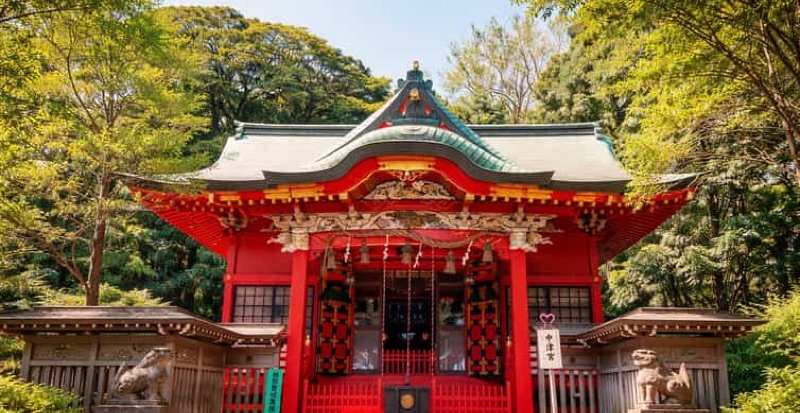
Kamakura and Enoshima: Temples, Coast and Sea Air, Tokyo, Japan

This is one of the most satisfying day trips from Tokyo, easy transport, real cultural depth, and a coastal finale that feels nothing like the city.

Morning

Kamakura shrine-and-temple route

Begin with Kamakura’s historic core, one major shrine, one major temple, and enough walking to feel the former-capital texture without turning the day into a checklist marathon.

⛩️ Tsurugaoka Hachimangu is the natural opening anchor
🗿 The Great Buddha makes more sense when paired with Hase rather than rushed as a standalone sight
🚋 The Enoden line adds a lot of charm to the day
🍚 Lunch
Kamakura local lunch
Have lunch around Hase or central Kamakura, shirasu rice bowls, curry, soba, or a temple-area café all work well here.
💰 ¥1,500–3,500 per person · 📍 Kamakura / Hase
Afternoon & Evening

Enoshima coastal finish

Push on to Enoshima for the sea, rocky edges, island stairs and a broader horizon. It is the best way to end the day because the trip opens up visually after the temple-heavy morning.

🌊 This is the day to breathe deeply and just enjoy being near the water
📸 Sunset can be beautiful here if the weather cooperates
🚃 Returning to Tokyo after dark is easy enough that the day can stretch
🐟 Dinner
Seaside seafood or post-trip Tokyo dinner
If you still feel energetic, eat by the coast. If not, head back and keep dinner simple near your hotel. Either choice works.
💰 ¥2,000–5,000 per person · 📍 Enoshima or back in Tokyo
Day 11 Nikkō · Toshōgū · Cedar Forests

Nikko: Shogun Splendor and Sacred Forests
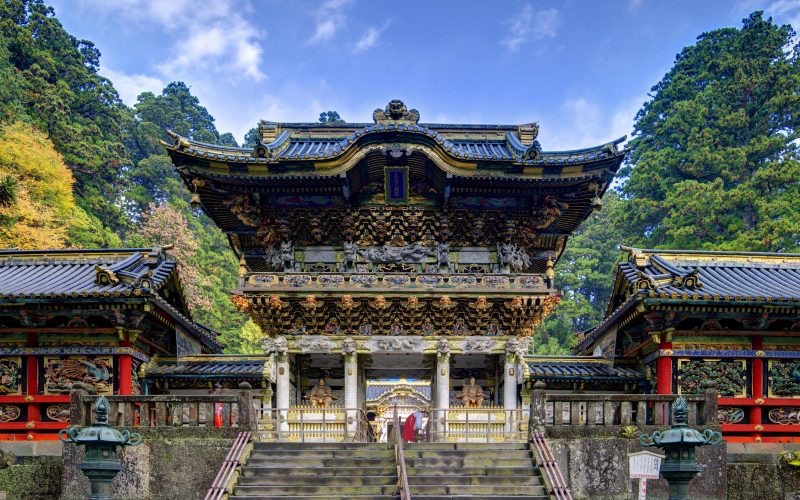
Nikko: Shogun Splendor and Sacred Forests, Tokyo, Japan

Nikko is the biggest cultural day trip of the itinerary, worth the longer ride because it gives you ornate shrine architecture, mountain air and a completely different historical register than Tokyo.

Morning

Travel to Nikko and enter the UNESCO shrine zone

Get an early start. Nikko rewards arrival before the biggest groups do. The closer you get, the more the setting itself, cedar-lined roads, river, forest, becomes part of the experience.

🚆 Leave early enough that this feels like a day trip, not a rush mission
🌲 The setting is as important as the buildings
🧥 It can feel colder here than Tokyo, so layer up
Afternoon

Toshogu, Rinnoji, Shinkyo and slow forest walking

Do not try to over-collect shrines. Focus on Toshogu properly, then give yourself time for the bridge, side paths and the quieter forested connectors between sites.

🏯 Toshogu is ornate in a way that contrasts beautifully with simpler shrine architecture elsewhere in Japan
🌉 Shinkyo gives the day a clear visual punctuation point
🍵 If you need warmth, pause for tea rather than pushing through tired
🍲 Lunch
Nikko yuba lunch
Try yuba, tofu skin, one of Nikko’s signature foods. It is light, local, and fits the mood of the place perfectly.
💰 ¥1,500–3,500 per person · 📍 Nikko shrine district
Evening

Return to Tokyo and keep the night easy

This is not the night for a huge plan back in the city. Have something close to home and let the day stand on its own.

🍜 A simple noodle or izakaya dinner near your hotel is ideal
🛀 This is a good hotel-bath-and-early-bed night
📅 Tomorrow is intentionally lighter for exactly this reason
Day 12 Shinjuku · Shinjuku Gyoen · Spa

Recovery Day: Garden, Department Store Feasting and a Soak

Recovery Day: Garden, Department Store Feasting and a Soak, Tokyo, Japan

After Nikko, do not try to be heroic. This day exists to let the trip breathe, and you will enjoy the whole itinerary more because of it.

Morning

Shinjuku Gyoen at opening

Start with one of Tokyo’s most beautiful urban gardens. Even before peak blossoms, it is a perfect place to walk slowly and reset your body after the prior day’s travel.

🌿 One of the best low-stress mornings in central Tokyo
📸 If any early sakura or plum is out, this is a gentle place to enjoy it
☕ Pair it with a slow breakfast or second coffee rather than rushing onward
Afternoon

Depachika lunch and aimless shopping

Make lunch an event by sourcing it from a department-store food hall. This is one of Tokyo’s most quietly elite food experiences, immaculate bento, sweets, salads, grilled fish, fried things, fruit, everything.

🛍️ Isetan is a great choice if you are based in or near Shinjuku
🍓 Buy more than you think you need, you will want variety
🪑 Eat in a nearby park, hotel room, or simple seating area if available
🍱 Lunch
Depachika picnic
Build your own lunch from multiple counters instead of ordering one thing. This is peak Tokyo abundance.
💰 ¥2,000–5,000 per person · 📍 Isetan or another major department store basement hall
Evening

Sento or spa evening

Cap the reset day with a proper soak. A sento, urban onsen, or spa complex is exactly what your legs will want by now.

♨️ Check tattoo rules if relevant before choosing the venue
🧖 A longer spa complex is worth it if you feel travel fatigue building
🍺 Keep dinner nearby and low-pressure afterward
🍺 Dinner
Easy neighborhood dinner
Choose convenience over ambition tonight, a nearby izakaya, curry shop, noodle place or even a great casual chain is fine.
💰 ¥1,500–3,500 per person · 📍 Near your hotel
Day 13 Kappabashi · Ryōgoku · Sumida

Craft Tokyo: Kitchen Streets, Sumo Ground and the Sumida Edge
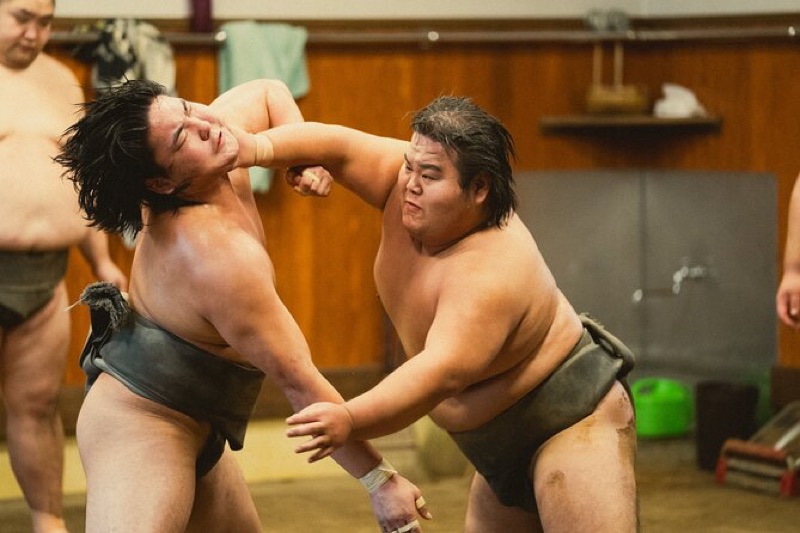
Craft Tokyo: Kitchen Streets, Sumo Ground and the Sumida Edge, Tokyo, Japan

This day is for Tokyo nerds, people who like tools, objects, specialist streets and districts with very specific identities. It is less famous, but very rewarding.

Morning

Kappabashi kitchen street

Spend the morning on Tokyo’s famous kitchenware street, where professionals and obsessive home cooks shop for knives, ceramics, lacquerware, chopsticks and display pieces.

🔪 Buy carefully, because this is a dangerous place for luggage space
🍶 Great district for useful souvenirs rather than generic ones
📦 If you buy fragile ceramics, plan how they are getting home
🍜 Lunch
Asakusa / Kappabashi lunch
A bowl of soba, tempura, or simple set lunch fits naturally here before heading across the river zone.
💰 ¥1,200–2,800 per person · 📍 Kappabashi / Asakusa edge
Afternoon & Evening

Ryogoku and Sumida riverside

Move into sumo territory in Ryogoku, then walk the Sumida edge for a broader view of eastern Tokyo. If the weather is clear, finish with Tokyo Skytree views or a dusk river perspective.

🏟️ Ryogoku’s identity feels completely distinct from western Tokyo
🖼️ The Hokusai Museum is a smart optional add-on if you want one more culture stop
🌆 The riverfront is especially good at the end of the day
🍲 Dinner
Ryogoku chanko or eastern-Tokyo dinner
If you are curious, this is the right district to try chanko nabe, the hot-pot style associated with sumo stables.
💰 ¥2,500–5,500 per person · 📍 Ryogoku / Sumida
Day 14 Hakone · Lake Ashi · Onsen

Hakone Reset: Mountain Air, Ropeways and a Hot-Spring Finish
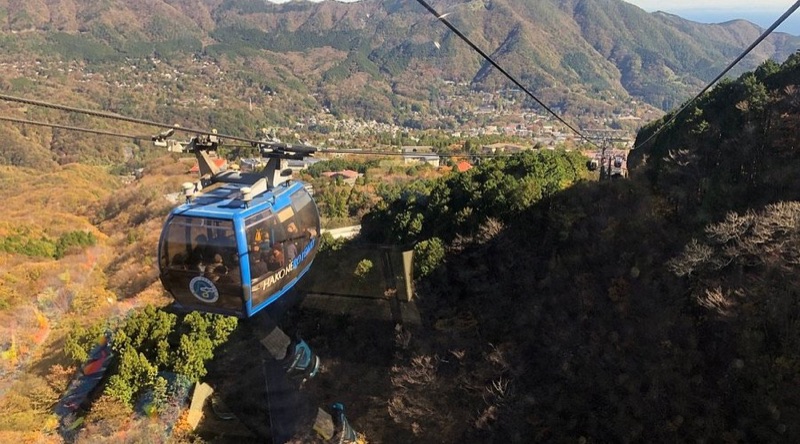
Hakone Reset: Mountain Air, Ropeways and a Hot-Spring Finish, Tokyo, Japan

You are far enough into the trip now that a genuine out-of-city reset becomes valuable. Hakone gives you water, mountains, steam, and the kind of bath that changes your whole mood.

Morning

Travel to Hakone and choose a light loop

Use the day for the highlights, not for trying to conquer every transit mode in the area. The best Hakone days feel scenic and restorative, not like a puzzle you solved aggressively.

🚆 Romancecar or Odawara route, pick the easiest departure from your base
🗻 If the weather is clear, the whole area feels more magical
♨️ Keep the onsen finish protected in your timing
Afternoon

Open-air museum, ropeway or Lake Ashi depending weather

Pick two pieces and do them well. The open-air museum is excellent, the ropeway gives you the volcanic drama, and Lake Ashi provides the broader scenic exhale.

🌋 Owakudani is worth it if operations and visibility are good
🖼️ The Open-Air Museum is the best fallback if mountain weather turns
⛴️ Lake Ashi gives the day its classic postcard feel
🍜 Lunch
Hakone soba or station-side lunch
Keep lunch warm and straightforward here, soba, curry rice, or a local set meal before the bath portion of the day.
💰 ¥1,500–3,000 per person · 📍 Hakone
Evening

Day-use onsen before returning to Tokyo

This is the whole reason for the day. Give yourselves enough time for a proper soak, a slow cool-down, and maybe even a drink or snack afterward before heading back.

♨️ Tenzan or another day-use bath is ideal for this kind of trip rhythm
🧖 The later train back will feel much better after a full soak
🍱 Dinner can be simple once you return to Tokyo
Day 15 Mt. Takao · Takaosanguchi · Onsen

Mt. Takao Hike and Another Well-Earned Soak
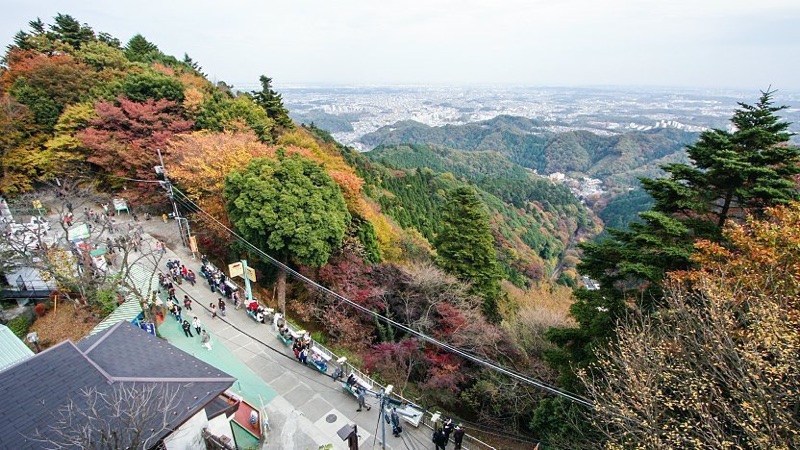
Mt. Takao Hike and Another Well-Earned Soak, Tokyo, Japan

Adventure day, but a manageable one. Mt. Takao is close enough to Tokyo to feel easy, yet nature-forward enough to make the city feel far away for a while.

Morning & Afternoon

Takao hike via the easier main route

Use Trail 1 or a cable-car-assisted version of the mountain. This is meant to feel energizing, not like an alpine accomplishment. The goal is forest air, a temple stop, and summit views if the sky cooperates.

🥾 Wear actual walking shoes, even on the easier route
🔭 On clear days you can be rewarded with bigger views than people expect this close to Tokyo
🍡 There are plenty of small snack and tea stops along the way
🍜 Lunch
Mountain lunch or tororo soba
A simple hot lunch on or near the mountain is perfect, especially if the air is still cool.
💰 ¥1,200–2,800 per person · 📍 Mt. Takao area
If weather is poor, keep the day anyway and just shorten it, the train ride, lower trails, and a longer onsen session can still make it worthwhile.
Evening

Keio Takaosan Onsen and easy return

End the hike the best way possible, directly at the base with an onsen soak before returning to Tokyo. This is one of the smartest day structures in the whole itinerary.

♨️ Few city day trips finish this neatly
🚆 Returning after a bath makes the whole outing feel luxurious instead of strenuous
🍺 Keep dinner casual near your home station
🍺 Dinner
Near-home casual dinner
After hiking and bathing, even a humble dinner will feel perfect. Go for convenience and comfort.
💰 ¥1,500–3,500 per person · 📍 Back in Tokyo
Day 16 Odaiba · Tokyo Bay · Tsukishima

Bay Tokyo and a Monjayaki Night

Bay Tokyo and a Monjayaki Night, Tokyo, Japan

After two outdoorsy reset days, come back to a more playful, modern side of the city with wide bay views, exhibition energy and a messy, satisfying dinner style you should absolutely try once.

Morning & Afternoon

Odaiba waterfront wander

Use Odaiba for scale, sky, and a different shape of urban Tokyo. This is a good day for leisurely walking, a mall break, bay views and one or two attractions instead of five.

🌉 The waterfront is more important than any single mall or museum stop
🛍️ Nice place to keep things loose if you want a partial shopping day
📸 Tokyo Bay feels especially good after a run of inland neighborhoods
🍛 Lunch
Bayfront lunch
This is a good day for a simple mall or waterfront lunch, something easy that keeps the day moving.
💰 ¥1,200–3,000 per person · 📍 Odaiba
Evening

Tsukishima monjayaki dinner

Finish with something distinctly Tokyo and wonderfully messy, monjayaki. Tsukishima’s monja street is built for this exact kind of social dinner.

🥢 Cook at the table and do not worry about looking elegant
🍺 Best with beer or a highball and a couple of side dishes
🌃 The neighborhood is a fun change from the city’s more polished dinner zones
🔥 Dinner
Tsukishima Monja Street
Do the Tokyo classic properly, monjayaki, okonomiyaki, maybe grilled seafood, and a casual linger over drinks.
💰 ¥2,500–5,000 per person · 📍 Tsukishima
Day 17 Jimbōchō · Nihonbashi · Hibiya

Books, Curry, Department Stores and Old-Center Tokyo
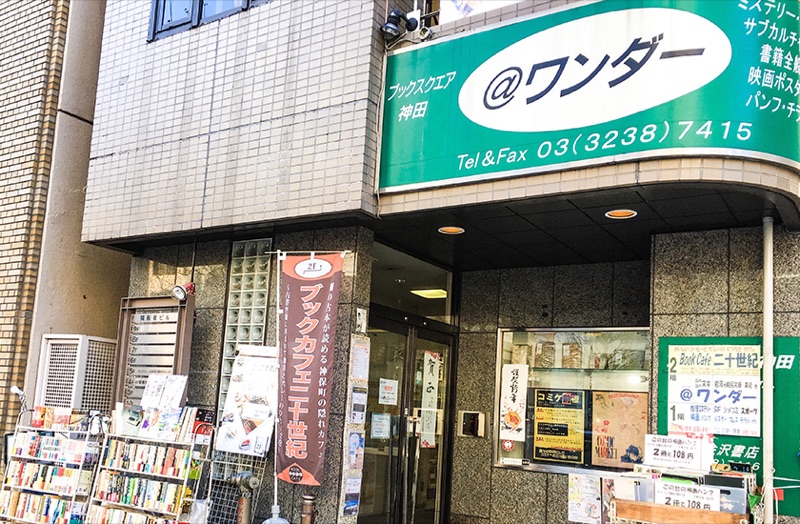
Books, Curry, Department Stores and Old-Center Tokyo, Tokyo, Japan

This is a more cerebral Tokyo day, a little literary, a little food-obsessive, a little old-financial-district, and extremely satisfying if you like cities in detail.

Morning

Jimbocho bookshops and kissaten

Spend the morning in Tokyo’s book district. Used shops, specialist stacks, old coffee houses and a more thoughtful pace define the neighborhood.

📚 Great for browsing rather than hunting something specific
☕ One proper coffee stop is mandatory here
🖋️ Excellent area for paper goods and niche finds
🍛 Lunch
Jimbocho curry lunch
This neighborhood is famous for curry for a reason. Make lunch the anchor and let the rest of the morning orbit around it.
💰 ¥1,200–2,500 per person · 📍 Jimbocho
Afternoon & Evening

Nihonbashi and Hibiya / Marunouchi stroll

Move through the older commercial heart of Tokyo, bridges, department stores, elegant food halls, business architecture and some of the city’s most quietly refined urban space.

🏬 Nihonbashi is one of the best areas for elevated food shopping and gifts
🚶 Walking toward Hibiya or Marunouchi gives the day a graceful finish
🥂 This is a good zone for a slightly nicer dinner without a huge scene
🍷 Dinner
Nihonbashi or Hibiya dinner
Choose a refined but low-drama dinner, Japanese, French, or a beautifully executed set meal all fit the district.
💰 ¥4,000–9,000 per person · 📍 Nihonbashi / Hibiya
Day 18 Chidorigafuchi · Kōrakuen · Roppongi

Sakura Buffer I: Palace Greens, Moats and an Artful Night
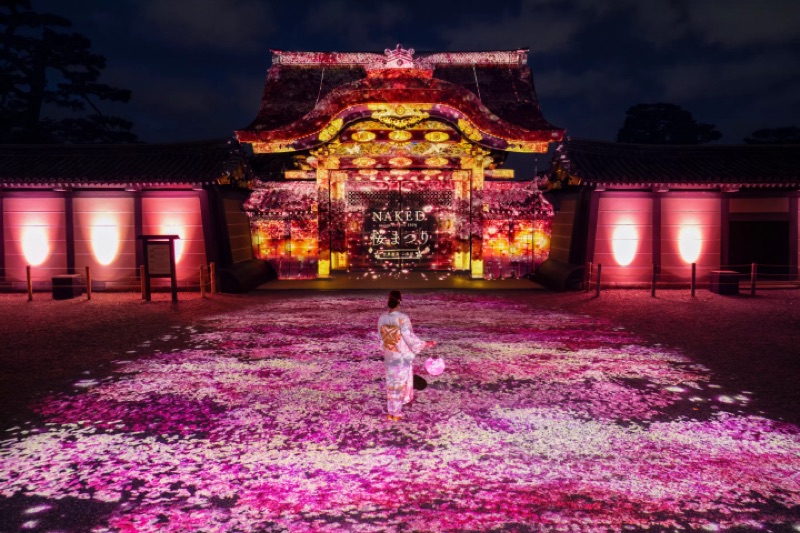
Sakura Buffer I: Palace Greens, Moats and an Artful Night, Tokyo, Japan

Now you begin the blossom-sensitive final stretch. If the sakura forecast is on track, this is where the trip starts to glow. If it is a little late, the day still works beautifully as a garden-and-moat day.

Morning & Afternoon

Chidorigafuchi and Koishikawa Korakuen

Use the first half of the day to test the bloom. Chidorigafuchi gives you Tokyo’s most classic moat-edge blossom walk, and Koishikawa Korakuen adds garden structure if the trees are still only beginning to open.

🌸 If bloom is earlier than expected, prioritize Chidorigafuchi first thing
🌿 If bloom is later, linger longer in Koishikawa and enjoy it as a garden day
🚣 Boat rentals are an option at Chidorigafuchi if timing and queues cooperate
🍱 Lunch
Picnic or elegant casual lunch
This is a good day for either a picnic setup or a calmer sit-down lunch near the gardens.
💰 ¥1,500–3,500 per person · 📍 Central Tokyo
Check bloom reports the night before. If Meguro or Ueno is peaking earlier, feel free to swap Days 18–20 around.
Evening

Roppongi evening for art, views or dinner

End with something polished, art museum, observatory, or a nicer dinner. After days of exploration, this is a good night to look back at the city from above.

🖼️ Works well if you still want one more museum of the trip
🌃 Easy district for skyline views and later dinner times
🍷 Nice option if you want a slightly dressier evening
🍽️ Dinner
Roppongi dinner with a view
Pick a place with some verticality tonight, even if it is just a good bar-restaurant rather than a true splurge.
💰 ¥4,000–10,000 per person · 📍 Roppongi
Day 19 Ueno · Yanaka · Asakusa riverside

Sakura Buffer II: Ueno Park and a More Old-Tokyo Finale
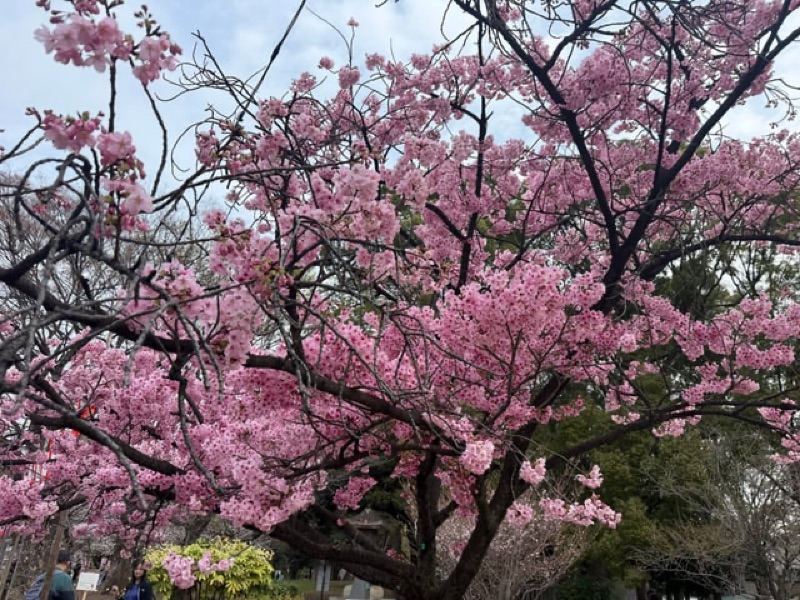
Sakura Buffer II: Ueno Park and a More Old-Tokyo Finale, Tokyo, Japan

Circle back to Ueno when the timing is better for blossom viewing. This is why you did not burn the area too hard on Day 2.

Morning & Afternoon

Ueno Park in its proper season

Return to Ueno specifically for blossom atmosphere if the trees are cooperating. The park feels completely different when the rows of trees turn into one continuous spring canopy.

🌸 Weekdays are easier than weekends, but it will still be lively
📷 Use the main cherry corridor, then peel off into quieter edges when needed
🍡 This is a good picnic-and-snack day rather than a formal lunch day

Yanaka Cemetery and old-neighborhood overflow

If you want a calmer blossom walk after Ueno, Yanaka Cemetery often gives a softer, more local-feeling version of the season.

🌿 A strong contrast to the full festival mood at Ueno
☕ Easy to pair with a quiet café stop if the crowd energy gets too high
🍡 Lunch
Hanami-style snacks and casual bites
Buy snacks, sweets, drinks and simple market food rather than stopping for a heavier sit-down meal in the middle of peak blossom time.
💰 ¥1,000–2,500 per person · 📍 Ueno / Yanaka
Evening

Asakusa riverside or Hoppy Street finish

Finish the day with either a calm riverside view or a rowdier Asakusa dinner lane, depending on how much energy you have left for the night.

🌉 The river edge is great if you want one last spring-evening walk
🍻 Hoppy Street is better if you want a noisier, snackier night
🚇 Easy return from either choice
🍺 Dinner
Asakusa casual dinner
Lean into old-Tokyo comfort, skewers, stew, izakaya plates, tempura, or whatever looks honest and busy.
💰 ¥2,500–5,000 per person · 📍 Asakusa
Day 20 Nakameguro · Daikanyama · Meguro River

Meguro River, Daikanyama Browsing and a Farewell Dinner
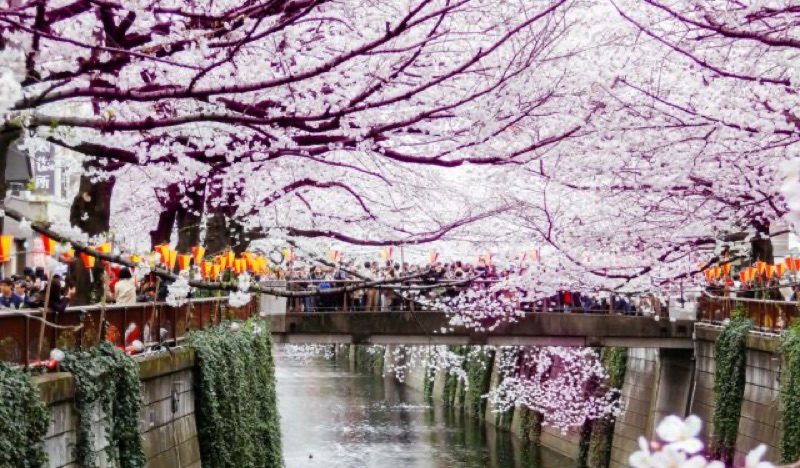
Meguro River, Daikanyama Browsing and a Farewell Dinner, Tokyo, Japan

If the season behaves, this is your big romantic late-trip sakura day. The Meguro River is one of Tokyo’s most atmospheric blossom walks, especially when paired with Daikanyama and an unhurried final dinner.

Morning & Afternoon

Nakameguro blossom walk and café day

Keep the structure loose. Walk the river, stop when something looks good, browse in and out of Daikanyama, then return to the water again later. This day should feel like the reward for timing the trip well.

🌸 Go early if bloom is peaking, the area gets very crowded later
☕ Nakameguro and Daikanyama are built for exactly this café-and-browse rhythm
📷 Night illuminations can be beautiful, but daytime is often the more pleasant experience
☕ Lunch
Riverside café lunch
Keep lunch relaxed and scenic, pasta, café plates, pastries, wine or coffee all feel correct here.
💰 ¥1,500–4,000 per person · 📍 Nakameguro / Daikanyama
Evening

Farewell dinner and final spring walk

Make tonight your emotional last night in Tokyo, even though you fly tomorrow. Choose the nicest dinner that still feels like you, then take one final walk under the river lights or through a neighborhood you loved most.

🍣 This is the right night for your biggest dinner splurge if you want one
🌙 If Meguro is too crowded after dark, retreat into Daikanyama’s quieter side streets
💭 Leave room for a slow final drink rather than a frantic bar hop
✨ Farewell Dinner
Nakameguro / Daikanyama special dinner
Book something you will remember, a riverside bistro, a refined Japanese counter, or a warm neighborhood favorite with great wine and zero tourist theater.
💰 ¥6,000–15,000 per person · 📍 Nakameguro / Daikanyama
Day 21 Tokyo departure day

One Last Breakfast, Souvenir Run and Airport
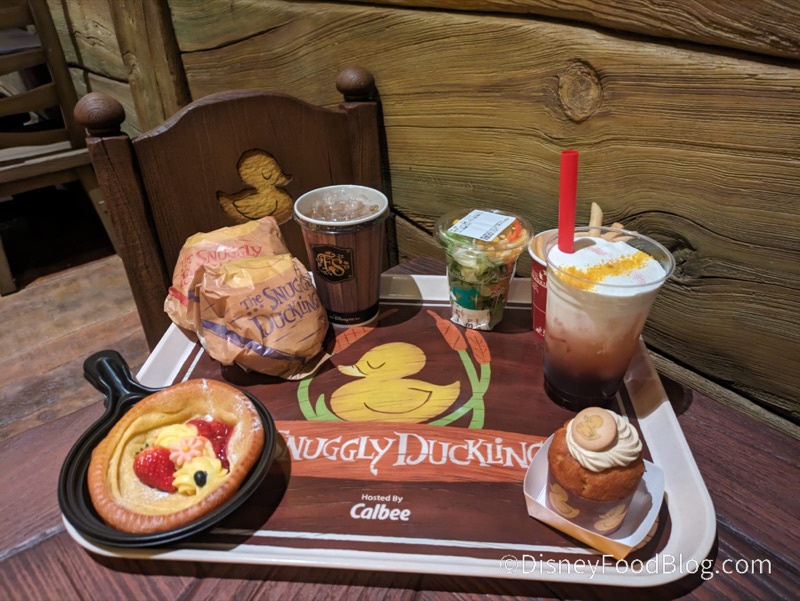
One Last Breakfast, Souvenir Run and Airport, Tokyo, Japan

Keep the last day kind. Do not cram in a last ambitious sight. Have a good breakfast, buy the final snacks and gifts, and leave Tokyo feeling complete rather than squeezed dry.

Morning

Final breakfast and neighborhood walk

Start slowly, one good breakfast, one coffee, one very short final walk near your hotel or favorite local station area. This is the moment to notice what now feels familiar.

🥐 Hotel breakfast is fine, but a neighborhood café is even better if timing allows
🎁 Buy the last omiyage, snacks, tea, stationery, or sweets before heading out
🧳 Do not underestimate how much time packing Japan purchases actually takes
Midday

Airport transfer with extra buffer

Whether you are leaving from Haneda or Narita, give yourselves a little more time than you think you need. Tokyo departures are smoother when you are not stressed.

🚆 Use the easiest route from your base rather than the theoretically cleverest one
🍱 If you are hungry, airport bento and noodle options in Japan are often genuinely good
✈️ Leave feeling unhurried, it makes the whole trip land better
If you still have yen left, spend it on snacks, stationery, or skincare at the station or airport rather than carrying it home.

💰 Budget Breakdown

CategoryBudgetMidrangeSplurge
Hotels (per night)$120–180$220–350$450–900+
Food (per day for 2)$60–100$130–220$280–500+
Local transport (per day for 2)$10–18$18–30$40+
Day trips / admissions$20–60$60–140$160+
Special meal nights$0–60$80–180$220–500+
21-day total for 2$4,500–7,000$8,000–13,000$16,000–25,000+

🏨 Best areas to stay

  • Shinjuku is the easiest all-round base for this itinerary because of airport access, late-night food, and simple train connections.
  • Shibuya or Ebisu work if you want a more stylish nightlife base, but you usually trade a bit of day-trip convenience.
  • Tokyo Station / Ginza is great if you care most about comfort, polish, and easy shinkansen connections.

🚆 Smart tickets and passes

  • Use Suica or PASMO for normal Tokyo travel. It is the least annoying option by far.
  • A nationwide JR Pass is usually not the best-value move for this trip shape.
  • Consider route-specific tickets like a Hakone Freepass or Tobu Nikko pass only if the pricing works better than point-to-point tickets when you actually book.

🌦️ Late winter into early spring

  • Expect layered-jacket weather more than true warmth for much of the trip.
  • Carry a compact umbrella or shell, March can flip quickly.
  • Blossom timing changes yearly, so treat Days 18–20 as movable pieces, not fixed doctrine.

💳 Cash, cards and reservations

  • Cards are increasingly common, but many smaller restaurants, bars, and older cafés still prefer or require cash.
  • Withdraw yen at 7-Eleven ATMs, they are the least stressful option for foreign cards.
  • Reserve Ghibli Museum, teamLab Borderless, and any one big splurge meal in advance.

🍱 Food strategy that actually works

  • Do not overschedule lunches every day. Tokyo is better when you can pivot into something that smells amazing or has a line full of locals.
  • Use depachika basements for excellent picnic meals, gifts, and rainy-day food wins.
  • Treat convenience stores as part of the culture, not a compromise, especially for breakfast, dessert and train snacks.

Love this format? Get your own.

Every tabiji itinerary is custom-built from real traveler intelligence — specific restaurants, actual addresses, local timing tricks.

Get Your Personalized Itinerary — $1

Delivered within 24 hours. 2 free revisions. 100% satisfaction guaranteed.

📄 Export to Google Docs

Get an editable Google Doc of this itinerary — perfect for sharing with your travel group and adding your own notes.

The doc will be shared to your email as an editor.

✅ Your Google Doc is ready!

We've shared it with . Check your Google Drive or click below.

Open Google Doc →

Tip: You can edit, add notes, and share it with your travel group!