Touchdown Tokyo — Shibuya Shock & Shinjuku After Dark

Land at Narita or Haneda, drop your bags, and dive straight into the deep end. Today is about sensory overload — Shibuya Crossing at rush hour, Harajuku's backstreet food scene, and a first night in Shinjuku's legendary Golden Gai where 200 tiny bars crammed into six alleys wait to seduce you with vinyl jazz, punk rock, and ¥800 highballs.
Morning / Arrival (9:00 AM – 1:00 PM)
Arrive & Exchange JR Pass
If arriving at Narita, take the Narita Express to Tokyo Station (60 min, covered by JR Pass if activated today). Exchange your JR Pass voucher at the JR Travel Service Center. If Haneda, the Tokyo Monorail to Hamamatsucho (13 min) is fastest. Check into your hotel — base yourself in Shinjuku or Shibuya for maximum nightlife access.
✈️ Narita Express: ~¥3,250 (covered by JR Pass) — runs every 30 min
✈️ Haneda Monorail: ¥500 — 13 min to Hamamatsucho, then JR Yamanote Line
🎫 JR Pass exchange: Narita/Haneda airport JR offices, or Tokyo Station
💳 Get a Suica/Pasmo IC card at the station (or add to Apple Wallet)
If your hotel room isn't ready, most hotels will hold your luggage. Drop bags and go — don't waste your first day in a hotel lobby.
Afternoon (1:00 PM – 5:00 PM)
Shibuya Crossing & Hachiko
Start where every Tokyo story starts — Shibuya Crossing, the world's busiest pedestrian intersection. Up to 3,000 people cross simultaneously when the light turns green. The energy is electric. Meet Hachiko, the loyal Akita statue outside the station, then walk up Center-gai to feel the neighborhood's pulse. The new Shibuya Sky observation deck (47 floors up) gives you a vertigo-inducing glass-floor view of the crossing below.
📍 Shibuya Station Hachiko Exit
🎫 Shibuya Sky: ¥2,000 — book online in advance for sunset slot
⏱️ Spend 1–1.5 hours total in the Shibuya area
Harajuku Backstreets & Cat Street
Skip the Takeshita Street tourist crush and cut through the Ura-Harajuku backstreets — this is where Tokyo's fashion insiders actually shop. Cat Street (also called Kyu-Shibuya-gawa) is a pedestrian lane lined with concept stores, vintage shops, and hidden cafés. Grab a crepe from Marion Crepes or a rainbow cotton candy from Totti Candy Factory if you want the full Harajuku experience.
📍 Walk north from Shibuya through Cat Street to Harajuku (~20 min)
🛍️ Must-visit: PILGRIM, KIKILLO, La Foret Harajuku
🍮 Marion Crepes: 1-6-18 Jingumae — the OG Harajuku crepe since 1977
🍜 Late Lunch
Harajuku Ramen — Fuunji or Ichiran
Fuunji (just outside Harajuku Station south exit) serves tsukemen (dipping ramen) that has a cult following — thick, chewy noodles with an intensely rich pork-and-fish broth. Line moves fast. Alternatively, Ichiran's individual ramen booths in Shibuya are the classic intro to Japanese ramen culture.
💰 ¥1,000–1,500/person · 📍 2-14-3 Yoyogi, Shibuya (Fuunji) · Lines move in 15–20 min
Evening (6:00 PM – Midnight+)
Omoide Yokocho — "Memory Lane" Izakayas
This narrow alley near Shinjuku Station's west exit is packed with tiny postwar-era izakayas grilling yakitori over charcoal. The smoke, the neon, the six-seat counters — it's Tokyo at its most cinematic. Pull up a stool, order a beer and a plate of chicken skewers (negima is the classic: thigh meat with leek). Most places are cash-only.
📍 Nishi-Shinjuku 1 Chome, near Shinjuku Station west exit
⏰ Izakayas open from ~5:00 PM, some close by 10 PM, others run until late
🍢 Order: negima yakitori (¥150–300/stick), edamame, highball
💰 Budget ¥2,000–3,500/person for a full session
Golden Gai — 200 Bars in Six Alleys
Golden Gai is Shinjuku's crown jewel — six narrow alleys containing over 200 bars, each seating 4–12 people, each with a wildly specific personality. There's a punk rock bar, a jazz vinyl bar, a bar dedicated to Hitchcock, a bar where the owner only plays 1960s French pop. Some charge a cover (¥500–1,000), some don't. Foreigner-friendly bars usually have English menus outside. This is where your Tokyo night becomes a story.
📍 1 Chome-1-8 Kabukicho — walk from Omoide Yokocho (10 min)
⏰ Bars open from ~7:00 PM, peak after 10 PM, many until 3–5 AM
🍺 Most drinks ¥800–1,500 · Cover ¥500–1,000 (includes a snack)
💡 Look for bars with "Welcome" or English menus — don't be intimidated
🎯 Start at Bar Albatross (2 floors, 14 seats, open until 5 AM) or Champion (classic, friendly)
⚠️ Some bars don't accept foreigners (not personal — it's about language). Move on and find one that does.
🍢 Dinner
Omoide Yokocho Yakitori + Golden Gai Bar Hopping
Start with yakitori in Omoide Yokocho for dinner, then migrate to Golden Gai for drinking. The two are a 10-minute walk apart. In Golden Gai, many bars serve small snacks (otsumami) — pickled vegetables, cheese plates, dried fish. Some bars will let you bring food from outside.
💰 ¥3,000–5,000/person total · Cash preferred · Open late
Golden Gai pro tip: if a bar looks full, check if there's a seat. Many look packed from outside but have one or two spots. If the owner waves you in, sit down. If they shake their head, smile and move on — there are 199 other bars.
Tsukiji Dawn Feast & Old-School Tokyo
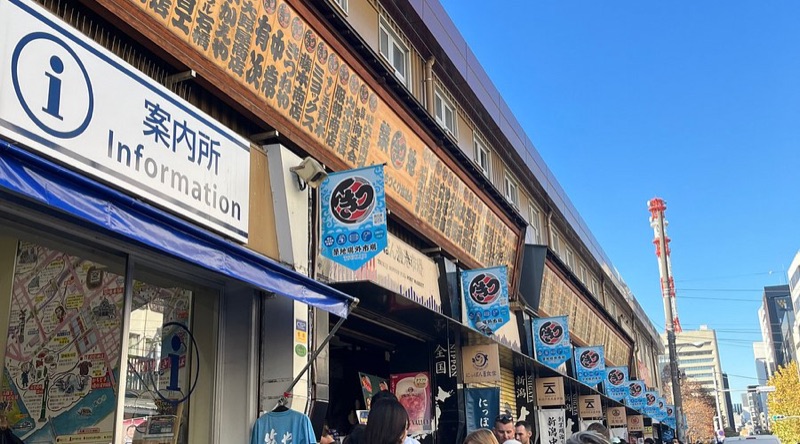
Start before the city wakes — Tsukiji Outer Market at dawn is where Tokyo's chefs eat before work. Then cross the Sumida River to Asakusa's Senso-ji Temple, Tokyo's oldest, before an evening of high-end cocktails in Ginza where bartenders treat every drink like a tea ceremony.
Morning (6:00 AM – 10:00 AM)
Tsukiji Outer Market — Tokyo's Breakfast Table
The inner wholesale market moved to Toyosu in 2018, but the Outer Market remains the greatest food street in Tokyo. Arrive by 7:00 AM for the full experience. Eat standing at counters: fresh sea urchin (uni) on rice, wagyu beef skewers sizzling on charcoal, tamagoyaki (sweet rolled omelet) made fresh in rectangular pans, raw oysters, and the legendary tamago (egg) on a stick. This is competitive eating at its finest.
📍 4 Chome-16-2 Tsukiji — metro to Tsukiji Station (Hibiya Line)
⏰ Open from ~5:00 AM, best 6:30–9:00 AM before crowds arrive
🍣 Must-eat: uni rice bowl (¥1,500–2,500), wagyu skewer (¥500–800), tamagoyaki (¥200)
🐟 Sushi Dai or Daiwa Sushi if you want sit-down sushi (expect 30–60 min queue)
💡 Follow the locals — longest lines usually mean the best food
🍣 Breakfast
Tsukiji Market Crawl
Eat your way through the market. Start with a seafood rice bowl (kaisendon) at one of the sushi counters, then graze: tamagoyaki, grilled eel, fresh oysters, matcha soft serve. Budget ¥3,000–4,000 for a full market breakfast.
💰 ¥3,000–4,000/person · 📍 Tsukiji Outer Market · Cash preferred
Midday (10:30 AM – 2:00 PM)
Senso-ji Temple & Asakusa
Tokyo's oldest temple (founded 645 AD) is a living piece of the city's soul. Walk through the Kaminarimon (Thunder Gate) with its giant red lantern, down the Nakamise-dori shopping street selling traditional snacks and souvenirs, to the main hall. The five-story pagoda next door is stunning. After the temple, explore Asakusa's backstreets — old-school izakayas, traditional craft shops, and a slower, more atmospheric Tokyo.
📍 2 Chome-3-1 Asakusa, Taito — metro to Asakusa Station
⏰ Temple grounds open 6:00 AM – 5:00 PM, shops on Nakamise-dori ~9:00 AM – 6:00 PM
🎫 Free entry to temple grounds · Main hall ¥0 · Volunteer guides available
🍡 Nakamise-dori snacks: melon pan, ningyo-yaki (tiny doll cakes), rice crackers
🍜 Lunch
Asakusa Imahan or Asakusa Unagi
Asakusa Imahan has been serving sukiyaki (thinly sliced beef simmered in sweet soy) since 1895 — a true time capsule. For something lighter, any unagi (freshwater eel) restaurant in Asakusa will serve you grilled eel over rice that tastes like a 200-year-old recipe, because it probably is.
💰 ¥2,000–5,000/person · 📍 3 Chome-1-12 Nishi Asakusa (Imahan) · Reserve for sukiyaki
Afternoon & Evening (3:00 PM – 11:00 PM)
Tokyo Skytree
At 634 meters, the Tokyo Skytree is the tallest structure in Japan. The Tembo Deck (350m) and Tembo Galleria (450m) offer panoramic views that stretch to Mount Fuji on clear days. September afternoons can be hazy, but sunset from up here is magical.
📍 1 Chome-1-2 Oshiage, Sumida — walk from Asakusa (15 min) or Tobu Line
🎫 Tembo Deck: ¥2,100 · Tembo Galleria: additional ¥1,030
⏰ Open 10:00 AM – 9:00 PM
Ginza Cocktail Bars — Japanese Precision
Ginza is where Japanese bartending becomes art. These aren't bars where you shout over music — they're quiet, meticulous temples of mixology where the bartender studies your face, asks about your preferences, and creates something transcendent. Bar High Five (formerly Star Bar) and Tender are world-ranked. The 'hard shake' technique (vigorous, precise shaking that aerates the cocktail) was invented here. Dress smart — these places have standards.
🍸 Bar High Five: Ginza 5-4-15, Empire Building — reservations strongly recommended
🍸 Star Bar Ginza: Ginza 1-5-13, OK Building — intimate, ¥1,800+ per cocktail
🍸 Tender: Ginza 6-4-3, Bellini — Mr. Hard Shake himself, formal dress code
💰 ¥2,000–3,500 per cocktail · Cover charge ¥500–1,500 typical
💡 Tell the bartender what spirits you like. They'll create something bespoke.
🍽️ Dinner
Ginza Sushi or Izakaya
For a splurge: any sushi omakase in Ginza (¥8,000–20,000) will be among the best meals of your life. For something more casual and fun, explore the yakitori alleys under the Yurakucho train tracks — a 5-minute walk from Ginza, where salarymen gather after work at tiny grilled-meat counters. The contrast between Ginza's refinement and Yurakucho's grit is pure Tokyo.
💰 ¥2,000–20,000/person depending on choice · 📍 Ginza or Yurakucho
Ginza cocktail bars are a different experience from Western bars. Speak quietly. Don't take flash photos. Tip is included. The bartender will notice everything about you — return the respect by noticing the craft in your glass.
Street Go-Karts, Record Shops & Shibuya After Dark
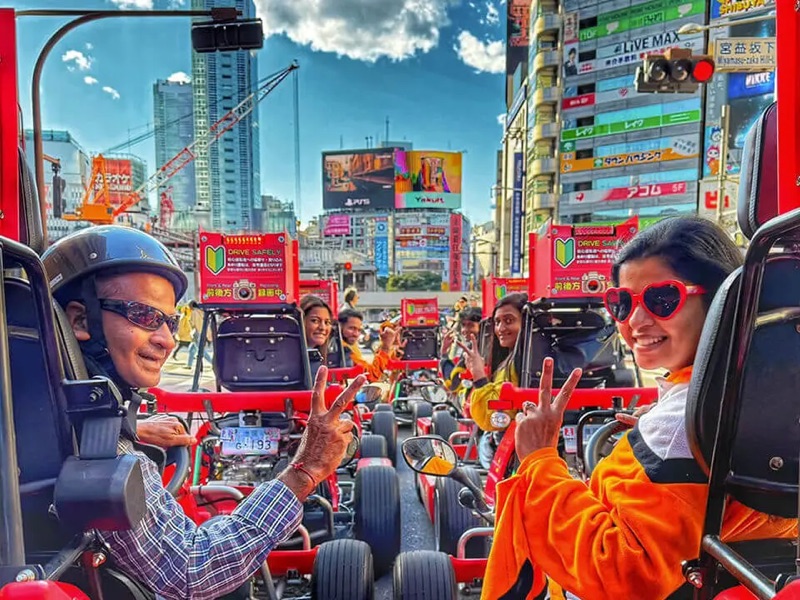
Today is pure Tokyo fun — street go-karting through the city (yes, really), vintage record hunting in Shimokitazawa, café-hopping in Nakameguro, and a big night out in Shibuya where WOMB and Club Asia keep the bass thumping until 5 AM.
Morning (9:00 AM – 12:30 PM)
Street Go-Karting Through Tokyo
This is as fun as it sounds. Drive a go-kart through actual Tokyo streets, past Shibuya Crossing, through Harajuku, around Yoyogi Park. You'll need your International Driving Permit (get one before you travel — AAA issues them for $20). Several companies run tours: Street Kart and MariCar are the biggest. The 2-hour course covers Shibuya, Harajuku, and Roppongi. You'll wear costumes (Mario, Luigi, or a character of your choice). It's absurd and unforgettable.
📍 Street Kart: multiple locations — book online at streetkart.info
🎫 ¥6,000–10,000 for 2-hour course · Costume included
📜 REQUIREMENT: International Driving Permit (1949 Geneva Convention format)
⏰ Book the 9:00 AM slot — less traffic, cooler weather
📸 GoPro rental available (¥1,500) — worth it for the footage
Your regular driver's license is NOT enough — you need an International Driving Permit. Get it at AAA before you leave home. No IDP = no go-karting. No exceptions.
Midday (12:30 PM – 3:30 PM)
Shimokitazawa — Vintage & Vinyl
Shimokitazawa is Tokyo's hipster capital — a neighborhood of vintage clothing stores, used record shops, indie bookstores, and secondhand everything. It's less polished than Harajuku and way more interesting. Spend an hour flipping through vinyl at Disk Union or hunting for vintage Levi's at Flamingo. The café scene here is exceptional — try the pour-over at About Life Coffee Brewers.
📍 Odakyu Line to Shimokitazawa Station (10 min from Shinjuku)
🎵 Disk Union: multiple locations in the area — jazz, soul, rock floors
👕 Vintage: Flamingo, KINJI, New York Joe Exchange
☕ About Life Coffee Brewers: Daizawa 2-14-2 — excellent pour-over
⏱️ Allow 2–3 hours for proper browsing
🍛 Lunch
Shimokitazawa Curry or Ramen
Shimokitazawa has an absurd concentration of great curry shops. Curry shop Canyon (Setagaya 2-24-10) does rich, deep Japanese-style curry with slow-cooked pork. For ramen, Menya Shichisai on the south side of the station serves intense pork broth ramen that locals line up for.
💰 ¥900–1,500/person · 📍 Shimokitazawa · Walk-ins fine
Afternoon (3:30 PM – 7:00 PM)
Nakameguro & Daikanyama Café Crawl
Walk south from Shibuya along the Meguro River to Nakameguro — a leafy, upscale neighborhood of design shops, galleries, and stunning cafés. On the way, detour through Daikanyama, often called the Brooklyn of Tokyo, with its Tsutaya Books (one of the world's most beautiful bookstores). In September the river is still green and the evening light here is magical.
📍 Walk from Shibuya along Meguro River (25 min) or Toyoko Line to Nakameguro
📚 Daikanyama T-Site / Tsutaya Books: Saigai 1-22-14 — architectural marvel
☕ Onibus Coffee: Okusawa 2-3-1 — specialty coffee in a converted house
🛍️ Nakameguro: lifestyle stores, indie galleries, riverside bars
Tsutaya Books in Daikanyama is worth the trip alone — three interconnected buildings designed by Klein Dytham Architecture, with a curated magazine library, Starbucks Reserve inside, and outdoor seating among the trees. Spend an hour here.
Night (7:30 PM – 5:00 AM)
Shibuya Nightlife — WOMB, Nonbei Yokocho & More
Shibuya after midnight is a different city. Start at Nonbei Yokocho (Drunkard's Alley) — a narrow lane of tiny bars under the train tracks near Shibuya Station, some dating to the 1950s, seating 4–6 people, where the bartender knows everyone by name. Then graduate to the clubs: WOMB is one of Asia's most respected electronic music venues, with a massive LED wall and a sound system that rearranges your organs. Club Asia sits in the Maruyamacho area with a different vibe each night. The SG Club does multi-level cocktail culture with a cigar lounge upstairs.
🥃 Nonbei Yokocho: Shibuya 1-24-6 — intimate retro bars, ¥800 drinks
🎵 WOMB: Maruyamacho 2-16, B1 — cover ¥2,000–4,000, open until 5 AM
🎵 Club Asia: Maruyamacho 1-1 — cover ¥2,000–3,000
🍸 The SG Club: Jinnan 1-2-9 — award-winning cocktail bar, ground floor "crushable" drinks
💡 WOMB is best on Fridays and Saturdays — Thursday is hit-or-miss
💸 ATMs inside clubs are rare — bring cash
🍜 Late-Night Eats
Shibuya Ramen at 3 AM
After the club, find one of Shibuya's late-night ramen shops. Fuunji (if still open) or any ramen shop along Center-gai will serve you a bowl at 3 AM. The Japanese tradition of ramen after drinking is called 'shime' (closing) — it's the perfect end to a night out.
💰 ¥900–1,200/person · Open until 4–5 AM · No English needed — point and pay
If you're staying out until the first train at 5 AM, the 24-hour Matsuya or Yoshinoya (beef bowl chains) near Shibuya Station will save your life for ¥400. This is a Tokyo rite of passage.
Wild Tokyo — Canyoning in Okutama
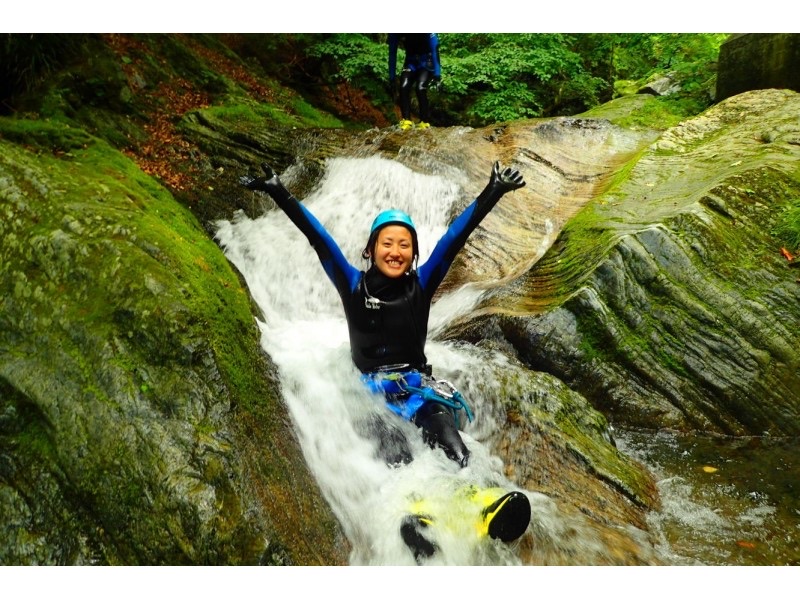
Trade neon for nature. Two hours west of Shinjuku, the Okutama region offers canyoning, river trekking, and hiking through pristine mountain valleys that feel nothing like the city you left behind. Back in Tokyo by evening for another round of Shinjuku's bar scene.
Morning (7:00 AM – 8:30 AM)
Train to Okutama
Take the JR Ome Line from Shinjuku to Okutama Station (2 hours, covered by JR Pass). The train ride itself is gorgeous — you watch Tokyo's density gradually thin into forested mountains, following the Tama River gorge. Bring a daypack with water, a towel, and water shoes if you have them (tour operators provide equipment).
🚃 JR Ome Line: Shinjuku → Okutama — ~2 hours, covered by JR Pass
🎒 Bring: water, towel, change of clothes, water shoes (optional)
⏰ Catch the 7:00 AM train to maximize your day
Day Adventure (9:00 AM – 3:00 PM)
Canyoning & River Trekking
Okutama is Tokyo's adventure playground. Several companies offer canyoning (rappelling down waterfalls, sliding through natural rock chutes, jumping into emerald pools) and river trekking along the Tama River. Canyons (canyons.jp) is the most established operator with English-speaking guides. The Fox Canyon course is their most popular — a 3-hour descent through a beautiful gorge with jumps up to 7 meters and natural waterslides. September water is still warm enough to be comfortable.
🏔️ Canyons Okutama: book at canyons.jp — Fox Canyon course ¥8,000–12,000
⏰ Half-day tours: morning (9:30 AM) or afternoon (1:30 PM) sessions
🥾 All equipment provided: wetsuit, helmet, harness, shoes
💪 Moderate fitness required — no experience needed
📸 Photos included in some packages
🌊 September water temp: ~20°C — wetsuit keeps you warm
🍱 Lunch
Okutama Mountainside
Your tour operator will usually include lunch, or you can pick up a bento at Okutama Station's small shops before heading to the canyon. Alternatively, the Okutama Onsen area has a few small restaurants serving soba noodles and river fish — mountain food at its simplest.
💰 ¥800–1,500/person · Included in some tour packages
Late Afternoon (3:00 PM – 5:30 PM)
Okutama Onsen — Post-Adventure Soak
After canyoning, nothing feels better than Moegi no Yu, an onsen (hot spring) right in Okutama with outdoor baths overlooking the mountains. Soak away the soreness before the train ride back. If time permits, walk to the Okutama Lake and Shiryu Bridge — a pedestrian suspension bridge over the reservoir with mountain views.
♨️ Moegi no Yu: Okutama — outdoor rotenburo with mountain views
🎫 ¥800–1,000 · Towel rental available
🌉 Shiryu Bridge: 15-min walk from the station — scenic suspension bridge
Evening (7:00 PM – Midnight)
Shinjuku Ni-chome & Kabukicho
Back in Shinjuku for one last night in this neighborhood. If you haven't explored Kabukicho (the neon-lit entertainment district), walk through — it's safe but chaotic, with giant video screens, robot restaurants, and a level of sensory overload that only Shinjuku achieves. Ni-chome is Tokyo's LGBTQ+ district, packed with welcoming bars across multiple floors. For something more intense, check out WARP Shinjuku or Zero Tokyo in the new Kabukicho Tower.
📍 Kabukicho: east of Shinjuku Station — neon overload, always interesting
📍 Ni-chome: Shinjuku 2-chome — welcoming bars, dance floors, drag shows
🎵 Zero Tokyo: Kabukicho Tower — 5 dance floors, opened 2023, cutting-edge
🎵 WARP Shinjuku: Kabukicho 1-1 — ranked top 100 clubs globally
💡 Kabukicho is safe but ignore touts who approach you on the street
🍽️ Dinner
Shinjuku Izakaya Row
Under the train tracks near Yurakucho (or any of Shinjuku's izakaya alleys), pull up a stool and order the Japanese drinking trifecta: edamame, yakitori, and a cold Asahi. Torikizoku is the ubiquitous cheap chain (everything ¥298), but any local izakaya with handwritten menus and a smoking salaryman will be more authentic.
💰 ¥2,000–4,000/person · 📍 Shinjuku · Walk-ins welcome
After a day of canyoning, you will be tired. Don't fight it — eat well, drink a beer or two, and call it a night by midnight. You've got Hakone tomorrow, and your body will thank you.
Maid Cafés, Art & Roppongi After Dark

Akihabara's electric town in the morning, world-class art at teamLab or Mori Art Museum in the afternoon, then Roppongi's international club scene at night. This is Tokyo at its most eclectic — anime shrines and fine art in the same day.
Morning (10:00 AM – 1:00 PM)
Akihabara — Electric Town
Akihabara is the world capital of anime, manga, and gaming culture. Multi-story arcades with crane games, retro game shops selling Famicom cartridges, figure stores with glass cases of characters you've never heard of, and the famous maid cafés where waitresses in French maid outfits treat you like 'master' with omurice decorated in ketchup hearts. It's weird, wonderful, and unapologetically Japanese. Even if you're not into anime, the sensory experience is unmatched.
📍 JR Yamanote Line to Akihabara Station (Electric Town exit)
🎮 Super Potato: retro game store — play Famicom and Super Famicom on the 5th floor
🎮 GiGO or Taito Station: multi-story arcades, crane games, rhythm games
☕ Maid café: @home Café or Maidreamin — the experience is the point (¥1,500–3,000)
🛍️ Mandarake Complex: 8 floors of manga, figures, cosplay, vintage toys
🍱 Lunch
Maid Café Omurice or Akihabara Curry
The maid café experience involves ordering omurice (rice omelet) which the maid decorates with ketchup art while casting a 'deliciousness spell' — it's bizarre, fun, and very Japanese. If that's too much, head to any curry shop in Akihabara. Japan's curry culture is deep.
💰 ¥1,500–3,000/person (maid café) · ¥800–1,200 (curry)
Afternoon (2:00 PM – 6:00 PM)
teamLab Borderless or Mori Art Museum
teamLab Borderless (at Azabudai Hills) is a digital art museum where the artworks flow from room to room, respond to touch, and blur the line between observer and art. It's one of the most Instagrammed places on earth and genuinely breathtaking. Alternatively, the Mori Art Museum in Roppongi Hills has world-class contemporary art exhibitions with a 52nd-floor city view included.
🎨 teamLab Borderless: Azabudai Hills — book online at teamlab.art, ¥3,800
🎨 Mori Art Museum: Roppongi Hills, 53rd floor — ¥2,000, city observation included
⏱️ teamLab: allow 2–3 hours (it's immersive — you'll lose track of time)
📸 teamLab is extremely photogenic — wear white or light colors for the best effect
teamLab Borderless at Azabudai Hills is the newer, larger location (the Odaiba original closed). Book tickets online at least a week in advance — it sells out daily. Go later in the afternoon for smaller crowds.
Evening & Night (7:00 PM – 3:00 AM)
Roppongi — International Nightlife
Roppongi is Tokyo's most international nightlife district — English is spoken everywhere, the crowd is mixed local and foreign, and the clubs are big and loud. V2 Tokyo offers panoramic views from the 6th floor. Muse Roppongi has multiple floors of hip-hop and R&B. For cocktail culture, Bar Trench in nearby Ebisu is one of Tokyo's best — an absinthe-focused speakeasy on a quiet backstreet.
🎵 V2 Tokyo: Roppongi 3-14-9 — cover ¥3,000–5,000, dress code enforced
🎵 Muse Roppongi: Roppongi 4-1-1 — multi-floor, international crowd
🍸 Bar Trench: Ebisu 1 Chome—5 — absinthe specialist, ¥1,500 cocktails
🎤 Karaoke Kan (Roppongi): quintessential late-night Japanese karaoke in private rooms
💡 Roppongi is more expensive than Shibuya/Shinjuku — budget accordingly
⚠️ Ignore street touts offering "cheap drinks" — they're a scam
🍽️ Dinner
Roppongi Yakiniku or Ebisu Izakaya
Yakiniku (Japanese BBQ where you grill the meat at your table) is essential Tokyo eating. Roppongi has premium options like Rokkasen (all-you-can-eat wagyu). For something more atmospheric, walk to Ebisu (10 min) and explore the izakaya alleys behind the station — tiny places serving grilled fish, stewed offal, and cold beer to after-work crowds.
💰 ¥3,000–7,000/person · 📍 Roppongi (yakiniku) or Ebisu (izakaya)
Ebisu is a 10-minute walk or one stop from Roppongi and has better, cheaper, more authentic izakayas. Start your evening eating in Ebisu, then walk to Roppongi for clubs.
Fuji Views & Onsen Dreams — Hakone Day Trip
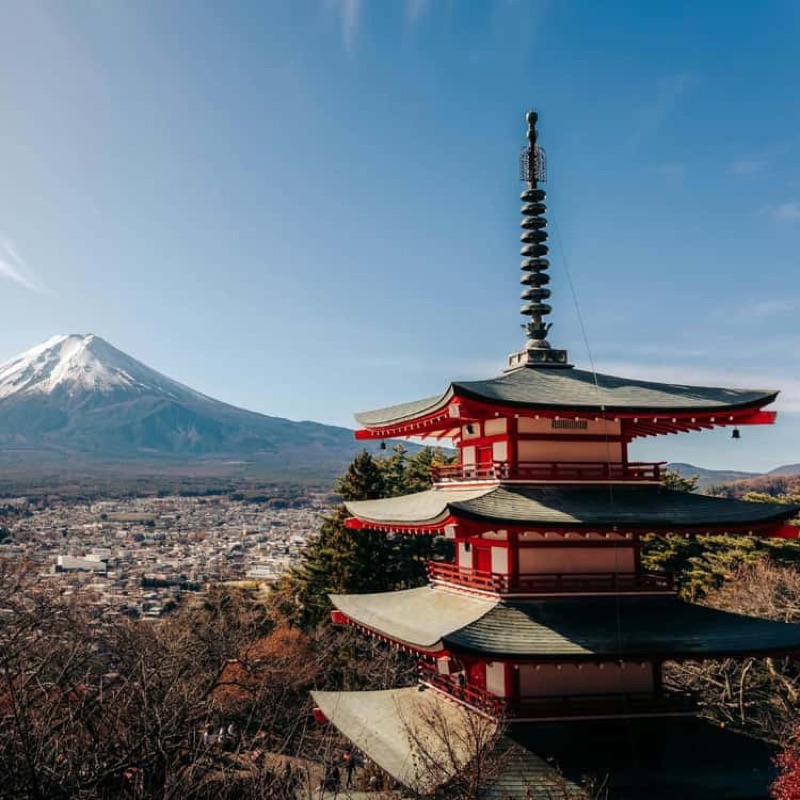
Escape the city for Mount Fuji views, volcanic valleys, pirate ships on crater lakes, and natural hot springs where you soak away five days of Tokyo intensity. Hakone's 'loop' — train → funicular → ropeway → boat → onsen — is one of Japan's most satisfying day trips.
Morning (8:00 AM – 12:00 PM)
Hakone Loop — Ropeway & Owakudani
Take the Odakyu Romancecar from Shinjuku to Hakone-Yumoto (85 min, reserve seat — NOT covered by JR Pass, but the regular Odakyu Line is free with the Hakone Free Pass). Transfer to the Hakone Tozan Railway (mountain train) → funicular → ropeway over the Owakudani volcanic valley. Owakudani is a sulfur-belching caldera where you can eat kuro-tamago (black eggs boiled in the hot springs — legend says each one adds seven years to your life). On clear days, Mount Fuji looms behind you, impossibly perfect.
🚃 Shinjuku → Hakone-Yumoto: Odakyu Romancecar 85 min (¥2,470 + express fee) or regular Odakyu Line (covered by some passes)
🎫 Hakone Free Pass: ¥6,400 for 2 days — covers all Hakone transport
🌋 Owakudani: kuro-tamago (black eggs) ¥500 for 5 · sulfur vents · Fuji views
🚡 Ropeway over the volcanic valley — 30 min total ride
⚠️ September is typhoon season — ropeway may close in bad weather (check morning of)
🥚 Snack
Kuro-tamago (Black Eggs)
Eggs hard-boiled in Owakudani's sulfur hot springs turn jet black. They taste like regular eggs but eating 1.5 is said to add 7 years to your life. Buy a bag of 5 for ¥500.
💰 ¥500/5 eggs · 📍 Owakudani · Sulfur-scented air included
Midday (12:00 PM – 3:00 PM)
Lake Ashi Pirate Ship Cruise
Board a replica pirate ship (yes, really) for a 25-minute cruise across Lake Ashi, a caldera lake formed 3,000 years ago. The lake sits between volcanic peaks, and the view of the torii gate of Hakone Shrine rising from the water with Mount Fuji in the background is one of Japan's most iconic images. September's autumn light makes it stunning.
⛵ Covered by Hakone Free Pass · Departs from Togendai (ropeway terminus)
⛩️ Disembark at Moto-Hakone to visit Hakone Shrine's lakeside torii gate
📸 The shrine torii rising from the lake is THE Hakone photo
🍜 Lunch
Tamura Ginkatsutei — Tofu Katsu
This legendary Hakone-Yumoto restaurant serves tofu katsu — blocks of tofu breaded and deep-fried to a golden crust, served with a dipping sauce that makes you forget it's tofu. The line can be long but moves steadily. Alternative: any soba shop in Gora for handmade buckwheat noodles with mountain vegetable tempura.
💰 ¥1,200–2,000/person · 📍 Hakone-Yumoto · Cash accepted · Lines possible
Afternoon (3:00 PM – 6:00 PM)
Onsen Soak — Tenzan Onsen or Yunessun
You cannot leave Hakone without an onsen. Tenzan Onsen (Hakone-Yumoto) is a traditional public bath with indoor and outdoor stone baths surrounded by forest. Yunessun is the opposite — a wild 'hot spring amusement park' with wine baths, coffee baths, and sake baths. Both are valid Japanese experiences. The traditional onsen is more authentic; Yunessun is more fun.
♨️ Tenzan Onsen: Hakone-Yumoto — traditional, ¥1,500 · tattoo-friendly
♨️ Yunessun: Hakone Kowakien — amusement-style, ¥2,900 · swimwear required
📜 Traditional onsen: bathe before entering, no swimwear, no tattoos at many places
💡 Many ryokan offer day-use onsen (higaeri onsen) — ask at Hakone-Yumoto station info
Onsen etiquette: shower thoroughly BEFORE entering the bath (the bath is for soaking, not washing). No soap in the bath water. Tattoos are banned at many traditional onsen — check in advance or choose a tattoo-friendly spot like Tenzan. The water is hot — start with a quick splash to acclimate.
Evening (6:30 PM – 8:30 PM)
Return to Tokyo
Take the Romancecar or regular Odakyu Line back to Shinjuku. You'll arrive tired, pruned from the onsen, and deeply relaxed. Grab a simple dinner near your hotel and rest — Kyoto starts tomorrow.
🚃 Hakone-Yumoto → Shinjuku: Odakyu Line 85 min
💤 Light evening — save energy for the Shinkansen to Kyoto tomorrow
🍱 Dinner
Shinjuku Convenience Store Feast
Don't underestimate Japanese konbini food. 7-Eleven, FamilyMart, and Lawson all sell legitimately excellent meals: karaage (fried chicken), onigiri (rice balls), bento boxes, and cold beer. After a day in Hakone, a konbini dinner in your hotel room is perfect recovery food.
💰 ¥500–1,200/person · 📍 Any konbini · 24 hours · Surprisingly delicious
Shinkansen to Kyoto — Torii Gates & Geisha Streets

The Tokaido Shinkansen rockets you from Tokyo to Kyoto in 2 hours 15 minutes. Arrive in time for Fushimi Inari's 10,000 vermillion torii gates — hit it in late afternoon when the light turns golden and the crowds thin. Evening in Gion, Kyoto's geisha district, where you might spot a maiko (apprentice geisha) clip-clopping in wooden shoes between appointments.
Morning (8:00 AM – 11:00 AM)
Shinkansen to Kyoto
From Tokyo Station or Shinagawa, the Nozomi Shinkansen reaches Kyoto in 2 hours 15 minutes. The ride is an experience itself — Mount Fuji appears on the right side about 45 minutes in (sit in seat E for the best view, or the mountain-side window). JR Pass covers Hikari trains (2h 40min); Nozomi requires a small supplement. Check into your Kyoto hotel — base yourself near Gion or Downtown Kyoto.
🚄 Tokyo → Kyoto: Nozomi 2h15min or Hikari 2h40min (JR Pass covers Hikari)
🗻 Mount Fuji view: sit on the RIGHT side (seats D/E), ~45 min after departure
🎫 Reserve a seat at the JR ticket office or machine the day before
🏨 Kyoto hotel areas: Gion (atmospheric), Downtown (central), or Kyoto Station (convenient)
Midday (12:00 PM – 3:00 PM)
Nishiki Market — "Kyoto's Kitchen"
This 400-year-old covered market stretches five blocks through downtown Kyoto, packed with specialty food stalls. This is where Kyoto's restaurants shop. Taste: yuba (tofu skin) fresh-made, tsukemono (pickled vegetables) in every color, senbei (rice crackers) grilled over charcoal, matcha everything, and octopus skewers with quail eggs stuffed in the head. It's a food crawl through centuries of culinary tradition.
📍 Nishiki-koji Dori, Downtown Kyoto — metro to Shiyakusho-mae or walk from Gion
⏰ Most stalls open 9:00 AM – 6:00 PM · Best 11:00 AM – 3:00 PM
🍢 Must-eat: yuba, tsukemono samples, matcha dango, tamagoyaki, fresh mochi
💡 Many stalls offer free samples — graze your way through
🍢 Lunch
Nishiki Market Grazing
Don't sit down for lunch — eat standing at counters as you walk the market. Budget ¥2,000–3,000 per person for a full graze. The omelet shop (Tamagoya) and the pickled vegetable stalls are institutions.
💰 ¥2,000–3,000/person · 📍 Nishiki Market · Cash for most stalls
Afternoon (3:30 PM – 6:30 PM)
Fushimi Inari Shrine — 10,000 Torii Gates
Fushimi Inari is Kyoto's most iconic sight — thousands of vermilion torii gates winding up the forested slopes of Mount Inari. The full loop to the summit takes 2–3 hours, but even the first 30 minutes of gates (the 'senbon torii') is extraordinary. Arrive in late afternoon for golden light filtering through the gates and dramatically thinner crowds. The shrine is open 24/7 and always free — a rarity in Japan.
📍 JR Nara Line to Inari Station (5 min from Kyoto Station) — covered by JR Pass
⏰ Open 24 hours, free · Best light 3:00–6:00 PM · Avoid 10 AM–2 PM (tour groups)
🚶 First loop (Yotsutsuji intersection): 30–45 min up · Summit: 2–3 hours round trip
📸 The densest gates are in the first 15 minutes — but climb higher for emptier paths
🕯️ Small shrines and fox statues line the upper trails — the atmosphere gets more mystical the higher you go
The first section of Fushimi Inari is packed with tourists. Don't turn back there — keep climbing. By the time you reach the Yotsutsuji intersection (30 min up), 80% of visitors have turned around. The upper sections are serene, mystical, and nearly empty.
Evening (7:00 PM – 10:00 PM)
Gion — Kyoto's Geisha District
Gion is atmospheric even by Kyoto standards — wooden machiya townhouses, willow trees, stone-paved streets, and the possibility of glimpsing a geiko (geisha) or maiko (apprentice) heading to an engagement. Walk Hanamikoji Street (the main drag) and the quieter Shirakawa Lane along the canal. Don't block their path for photos — it's considered disrespectful and there's a growing backlash against tourist harassment of geisha. For dinner, Pontocho Alley runs parallel to the Kamo River — a narrow lantern-lit lane of restaurants with riverside terraces in September.
📍 Gion: east side of Kamo River — walk from Fushimi Inari (30 min) or bus/taxi
🚶 Hanamikoji Street: main geisha-watching street · Shirakawa Lane: quieter, canal-side
🏮 Pontocho Alley: parallel to Kamo River — restaurants, bars, riverside dining
📸 Be respectful: don't chase, block, or crowd geisha for photos
💡 Geisha sightings are most common 5:30–7:00 PM as they head to dinner engagements
🍽️ Dinner
Pontocho Riverside Dinner
In September, many Pontocho restaurants open their riverside terraces (kawadoko) — dining platforms built over the Kamo River. The experience of eating Kyoto kaiseki (multi-course traditional cuisine) while the river flows beneath you is transcendent. Try Manzara or Chao Chao for a range of budgets. Without riverside seating, any Pontocho restaurant will deliver excellent Kyoto food.
💰 ¥3,000–10,000/person · 📍 Pontocho Alley · Reserve for riverside seats
Gion at night is one of the most photogenic places in Japan — but it's also a working neighborhood. Keep your voice down, don't block streets, and if a geisha passes, a respectful nod is better than a camera phone in her face.
Bamboo Groves, Zen Temples & Sake Tasting
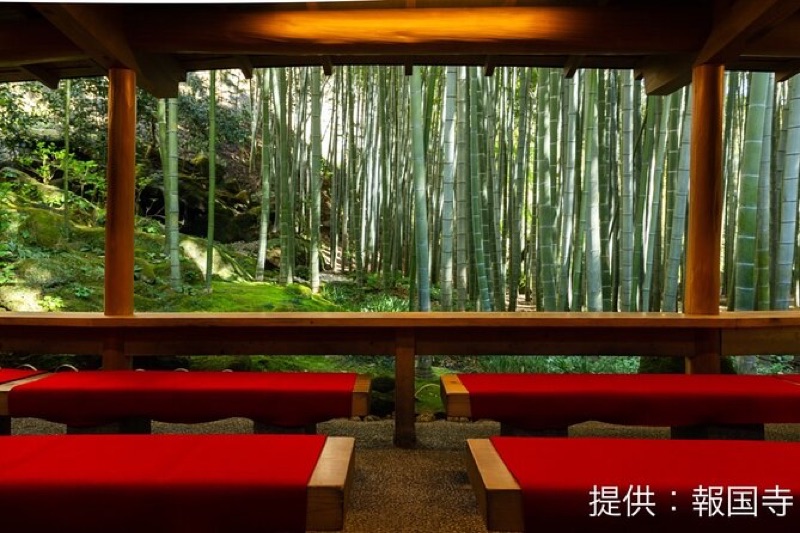
Morning in Arashiyama's bamboo grove (get there early), then a tea ceremony in a 200-year-old machiya, and an evening of sake tasting along Kiyamachi Street where the bars sit beside a canal lit by lanterns. Kyoto Day 2 goes deeper.
Morning (7:00 AM – 11:00 AM)
Arashiyama Bamboo Grove
The bamboo grove is the image of Kyoto that everyone carries in their head — towering green stalks rising 20 meters overhead, filtering the morning light into a green-gold haze. Arrive before 8:00 AM and you'll have it nearly to yourself. By 10:00 AM it's packed. Walk through to Tenryu-ji Temple (a Zen temple with one of Japan's oldest gardens, founded 1339) and then along the Togetsukyo Bridge over the Katsura River with forested mountains as backdrop.
📍 JR Sagano Line to Saga-Arashiyama (11 min from Kyoto Station, JR Pass covers)
🎋 Bamboo Grove: arrive before 8:00 AM · path is free, open 24/7
🏯 Tenryu-ji Temple: ¥500 — UNESCO World Heritage, Zen garden from 1339
🌉 Togetsukyo Bridge: iconic "moon-crossing bridge" over the Katsura River
📸 The bamboo grove is a photo cliché for a reason — it really is this beautiful
Monkey Park Iwatayama
A 20-minute hike uphill from the Togetsukyo Bridge brings you to a mountaintop park with 120 wild Japanese macaques. You feed them from inside a wire cage (the humans are in the cage, not the monkeys — a nice inversion). The panoramic view of Kyoto from the top is outstanding and the monkeys are hilarious.
📍 20-min hike from Togetsukyo Bridge — follow the signs
🎫 ¥550 · Open 9:00 AM – 5:00 PM (4:30 PM in winter)
🐒 Feed the monkeys from inside the observation building (¥100 for food pellets)
🍜 Lunch
Arashiyama Soba
Arashiyama is famous for its soba (buckwheat noodles), served cold with dipping sauce in the traditional style. Yoshimura or any soba shop along the river will serve you noodles with a view. The tempura soba (hot broth with crispy tempura) is the move if the weather turns cool.
💰 ¥1,000–1,800/person · 📍 Arashiyama riverfront · Walk-ins fine
Afternoon (12:30 PM – 5:00 PM)
Kinkaku-ji (Golden Pavilion)
The Golden Pavilion is Kyoto's most photographed temple — a Zen temple covered entirely in gold leaf, reflected in a mirror-still pond. It was burned down by a novice monk in 1950 (the event that inspired Yukio Mishima's novel The Temple of the Golden Pavilion) and rebuilt. The contrast of gold against green trees and blue sky (or autumn colors in late September) is almost impossible to believe.
📍 1 Kinkaku-ji Machi, Kita-ku — bus from Kyoto Station (40 min) or taxi from Arashiyama (20 min)
🎫 ¥400 · Open 9:00 AM – 5:00 PM · No closures
📸 Best photo: from the viewing platform across the pond — morning light is optimal
⏱️ 45–60 minutes total
Traditional Tea Ceremony
Experience chado (the Way of Tea) in a genuine Kyoto machiya (traditional wooden townhouse). En or Camellia Garden offer English-guided ceremonies where you'll learn to whisk matcha, appreciate the seasonal sweets, and understand why the Japanese consider tea preparation a meditation. Some experiences include kimono rental.
🍵 En (円): multiple locations — English-speaking, intimate groups of 4–8
🎫 ¥3,000–5,000 for 45–60 min experience · Book online
👘 Some venues offer kimono rental add-on (¥3,000–5,000)
💡 You'll sit on tatami — inform in advance if you need a chair
The Golden Pavilion is stunning but it's a quick visit (under 1 hour). Pair it with Ryoan-ji (famous rock garden, 10-min walk away) or the tea ceremony to fill the afternoon meaningfully.
Evening (6:00 PM – 11:00 PM)
Kiyamachi & Pontocho Nightlife
Kiyamachi Street runs along the Takase Canal, lit by lanterns at night, and lined with bars and restaurants. It's Kyoto's nightlife hub — more intimate than Tokyo's, more atmospheric. Sake bars here let you taste flights of premium sake from local Fushimi breweries. Tereco Kyoto is a lively standing bar with craft beer and local vibes. For something quieter, seek out a hidden bar behind an unmarked door — Kyoto specializes in these.
🍶 Sake tasting: multiple bars along Kiyamachi offer tasting flights (¥1,000–2,000 for 3–5 pours)
🍻 Tereco Kyoto: Kiyamachi — standing bar, craft beer, friendly locals
🏮 Pontocho: lantern-lit alley — bars and restaurants above the Kamo River
🎵 Live music: Nantei or Sierra Madre — small venues with local acts
💡 Kyoto nightlife starts and ends earlier than Tokyo — peak 7:00–11:00 PM
🍽️ Dinner
Kyoto Izakaya or Kaiseki
For a splurge: kaiseki (traditional multi-course dinner) at a ryotei (exclusive restaurant) — ¥10,000–30,000, an artful progression of seasonal dishes. For something more casual and fun, any izakaya in the Downtown/Kiyamachi area serves yakitori, sashimi, and regional Kyoto dishes like yudofu (hot tofu) and hamo (pike conger eel).
💰 ¥2,500–15,000/person · 📍 Downtown Kyoto / Kiyamachi · Reserve for kaiseki
Fushimi (the sake-brewing district south of Kyoto, where Fushimi Inari is) has over 20 sake breweries. Several offer tours and tastings during the day — if sake is your thing, squeeze in a brewery visit before your evening bar crawl.
1,000 Wild Deer & the World's Biggest Bronze Buddha
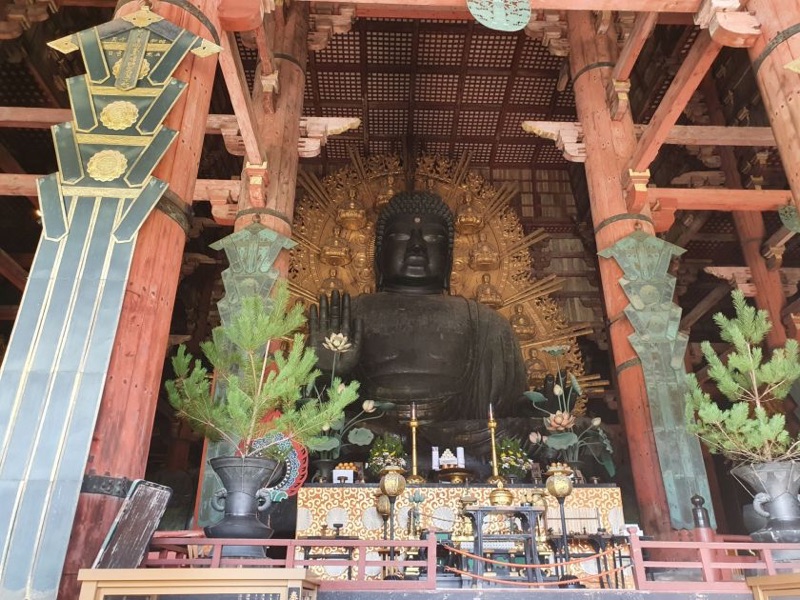
Nara was Japan's first permanent capital (710–784 AD), and it shows — Todai-ji Temple houses a 15-meter bronze Buddha inside the world's largest wooden building, and the surrounding park is home to over 1,000 free-roaming deer that bow for crackers. A day trip from Kyoto that delivers ancient wonder and animal chaos in equal measure.
Morning (8:30 AM – 12:30 PM)
Nara Park & the Sacred Deer
Nara's deer are considered divine messengers of the gods — they've lived in the park for over 1,000 years and are remarkably comfortable with humans. Buy deer crackers (shika senbei, ¥200 for a pack) and watch them bow — yes, bow — asking for food. Some have learned to bow repeatedly. A few are aggressive about it; hold the crackers high and distribute slowly. The park itself is gorgeous, with ancient cedar trees and moss-covered stone lanterns.
🚃 JR Nara Line from Kyoto to Nara: 45 min (covered by JR Pass)
🦌 Deer crackers: ¥200/pack sold throughout the park
⏰ Deer are most active mornings and late afternoons · Midday they nap
📸 Best photo: bowing deer with Todai-ji in the background
⚠️ Don't feed human food — only the official crackers · Don't tease with food
Todai-ji Temple — Giant Buddha
Todai-ji's main hall is the world's largest wooden building, and inside sits a 15-meter (49-foot) bronze Buddha (Daibutsu) weighing 500 tons, flanked by two smaller bodhisattvas. The scale is almost incomprehensible. In a pillar at the back of the hall, a hole the exact size of the Buddha's nostril is carved — children who squeeze through are said to gain enlightenment. The line of giggling kids trying to fit through is part of the charm.
📍 406-1 Zoshicho, Nara — walk from Nara Park (10 min)
🎫 ¥600 · Open 8:00 AM – 5:00 PM (Oct–Mar to 4:30 PM)
⏱️ Allow 1–1.5 hours · Don't miss the nostril hole in the rear pillar
📸 Photography allowed inside — the scale doesn't translate but try anyway
🍜 Lunch
Nara Kakinoha Sushi
Nara's specialty is kakinoha-zushi — sushi wrapped in persimmon leaves, which preserves the fish and adds a subtle, sweet fragrance. It's beautiful and unique to this region. Find it at restaurants near Nara Park or at the food stalls along Sanjo-dori.
💰 ¥1,200–2,000/person · 📍 Near Nara Park · A Nara exclusive
Afternoon (1:30 PM – 4:00 PM)
Kasuga Taisha Shrine — 3,000 Stone Lanterns
Walk through the primeval forest from Todai-ji to Kasuga Taisha, Nara's most important Shinto shrine. The approach is lined with 3,000 stone lanterns (tōrō), covered in bright green moss, donated by worshippers over centuries. Inside the shrine, hundreds of bronze hanging lanterns glow during the lantern festivals (February and August). The surrounding forest has been untouched since the shrine's founding in 768 AD.
📍 160 Kasuganocho, Nara — 20-min walk from Todai-ji through Nara Park
🎫 Outer grounds free · Inner area ¥500
⏱️ 45–60 minutes including the forest walk
📸 The moss-covered stone lanterns on the approach path are the highlight
Nara can be done in a half-day if you focus on the park, Todai-ji, and Kasuga Taisha. Return to Kyoto by 4:00 PM and you'll have the evening free for one last Kyoto night.
Evening (6:00 PM – 10:00 PM)
Final Kyoto Night — Kiyomizu-dera Illumination
In September, Kiyomizu-dera (Kyoto's famous temple with a massive wooden stage overlooking the city) sometimes offers special night illuminations — the temple lit against the dark sky is magical. Even without illumination, the Higashiyama streets leading up to Kiyomizu-dera (Sannenzaka and Ninenzaka) are atmospheric at dusk — stone-paved lanes, wooden houses, traditional shops selling Kyoto sweets and ceramics. End your Kyoto chapter here.
🏯 Kiyomizu-dera: 1-294 Kiyomizu, Higashiyama — bus from Kyoto Station (15 min)
🎫 ¥400 · Night illumination check: kiyomizudera.or.jp (seasonal)
🚶 Sannenzaka/Ninenzaka: the pedestrian lanes leading to the temple — beautiful at dusk
🍵 Stop at a tea house on the way down for matcha and a wagashi (traditional sweet)
🍽️ Dinner
Higashiyama Omen or Gion Niti
Omen (near Gion) serves Kyoto-style udon in a beautiful setting — thick wheat noodles in a light broth with seasonal vegetables and dipping sauce. For something more elaborate, any restaurant in the Gion/Higashiyama area will deliver solid Kyoto cuisine. This is your last Kyoto dinner — make it count.
💰 ¥1,500–4,000/person · 📍 Higashiyama/Gion · Walk-ins possible for casual spots
Pack light for tomorrow — you're taking the train to Osaka, which is only 30 minutes from Kyoto. You could even day-trip from Kyoto if you prefer one base, but Osaka has its own nightlife energy that's worth sleeping in.
Welcome to Osaka — Eat Until You Drop

Osaka is Japan's kitchen, and Dotonbori is its dining room. This city invented kuidaore — literally 'eat until you go bankrupt' — and today you'll understand why. Takoyaki (octopus balls), okonomiyaki (savory pancakes), kushikatsu (deep-fried everything on sticks), and street food that makes Tokyo look restrained. The neon signs reflected in the Dotonbori Canal at night are one of Japan's most iconic images.
Morning (9:00 AM – 12:30 PM)
Travel to Osaka & Kuromon Market
Take the JR Special Rapid from Kyoto to Osaka Station (30 min, covered by JR Pass) or the Hankyu Line (45 min). Drop bags, then head straight to Kuromon Ichiba Market — Osaka's answer to Tsukiji. This covered market has been feeding Osaka for over 170 years. Eat: fresh oysters, grilled scallops, wagyu skewers, strawberries by the box, and the best tamagoyaki in Kansai. The energy is pure Osaka — louder, friendlier, and more shamelessly gluttonous than Tokyo.
🚃 Kyoto → Osaka: JR Special Rapid 30 min (covered by JR Pass)
📍 Kuromon Market: Nipponbashi — metro to Nipponbashi Station
⏰ Open ~9:00 AM – 6:00 PM · Best 10:00 AM – 2:00 PM
🍢 Must-eat: fresh oysters (¥300–500), wagyu skewer (¥800–1,200), strawberries
💰 Budget ¥2,500–4,000 for a full market breakfast/lunch
🍳 Breakfast/Lunch
Kuromon Market Crawl
Graze through Kuromon like a local. Start with raw oysters and scallops, move to wagyu on a stick, and finish with strawberries or a melon pan. Osaka's market food is bigger, bolder, and less precious than Tokyo's — which is exactly why people love it.
💰 ¥2,500–4,000/person · 📍 Kuromon Ichiba · Cash preferred
Afternoon (1:30 PM – 5:30 PM)
Osaka Castle
Toyotomi Hideyoshi's castle (built 1583, rebuilt after multiple destructions) is one of Japan's most important historical sites. The current structure is a concrete reconstruction housing a museum, but the surrounding park is beautiful and the castle tower (especially the golden shachihoko — tiger-fish roof ornaments) is striking. The view from the 8th-floor observation deck stretches across Osaka.
📍 1-1 Osakajo, Chuo-ku — metro to Tanimachi 4-chome or Osakajokoen
🎫 ¥600 · Open 9:00 AM – 5:00 PM (last entry 4:30 PM)
⏱️ 1–1.5 hours · Park is free and pleasant for walking
📸 Best photo angle: from the moat-side in the park
Shinsekai District
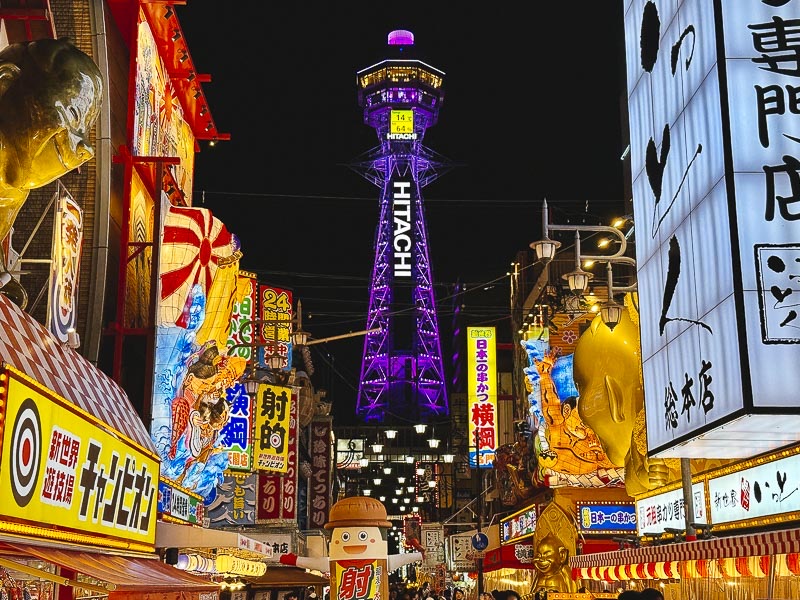
Shinsekai (New World) is Osaka's retro neighborhood — built in 1903, never fully modernized, and all the better for it. The area is dominated by Tsutenkaku Tower (a humble Eiffel Tower knockoff that the neighborhood adores) and lined with kushikatsu (deep-fried skewer) restaurants. This is where Osakans come to eat, drink, and be loud. The kushikatsu rule: you dip once, you never double-dip.
📍 2 Chome-6 Shinsekai, Nishinari-ku — metro to Dobutsuen-mae
🍢 Kushikatsu: Daruma is the most famous (6-4-18 Ebisuhigashi) · ¥100–300 per stick
🗼 Tsutenkaku Tower: ¥800 for observation deck · Retro charm
📜 Kushikatsu etiquette: dip in the shared sauce ONCE — never double-dip!
Osaka's personality is different from Tokyo's — louder, warmer, more direct. People will talk to you. Go with it. TheOsaka humor is legendary — this is the city that coined "kuidaore" and invented manzai (double-act comedy).
Evening & Night (6:00 PM – 2:00 AM)
Dotonbori — Neon, Street Food & Pure Chaos
Dotonbori at night is sensory overload in the best possible way. The Glico Running Man sign (Osaka's Eiffel Tower-equivalent in iconic status), the giant moving crab at Kani Doraku, the 30-foot dragon on a building, and canal reflections of neon signs that look like a cyberpunk fever dream. The street food here is relentless: takoyaki stands every 10 meters (Wanaka is the best — crispy outside, molten inside), okonomiyaki restaurants serving Osaka-style savory pancakes loaded with cabbage and pork, and kushikatsu stands where everything from shrimp to lotus root to mochi gets deep-fried and served on sticks.
📍 Dotonbori: along the canal between Namba and Shinsaibashi
🐙 Takoyaki: Wanaka (1-7-21 Dotonbori) is the local champion · ¥500–700 for 8 pieces
🥞 Okonomiyaki: Kiji (in Umeda) or Chibo (Dotonbori) · ¥1,000–1,500
🍢 Kushikatsu: Yaekatsu or Daruma · ¥100–300/stick
📸 The Glico Running Man sign: take the photo, it's mandatory
🏮 Hozenji Yokocho: tiny stone-paved alley off Dotonbori with moss-covered temples
🍽️ Dinner
Dotonbori Street Food Marathon
Don't sit down for dinner — do the Osaka crawl. Start with takoyaki at Wanaka, move to okonomiyaki at Chibo, grab a kushikatsu plate at Daruma, and finish with a melon pan or taiyaki (fish-shaped cake filled with red bean). The 'kuidaore' spirit demands you eat until you physically cannot.
💰 ¥2,500–4,000/person · 📍 Dotonbori · Cash for street stalls · Walk and eat
Takoyaki truth: the inside is supposed to be liquid/molten. If your takoyaki is fully cooked through, you're eating bad takoyaki. Bite carefully. The molten center will burn you if you're not ready. Osaka locals consider this a feature, not a bug.
Osaka Deep Dive — Markets, Bars & Basement Food Halls
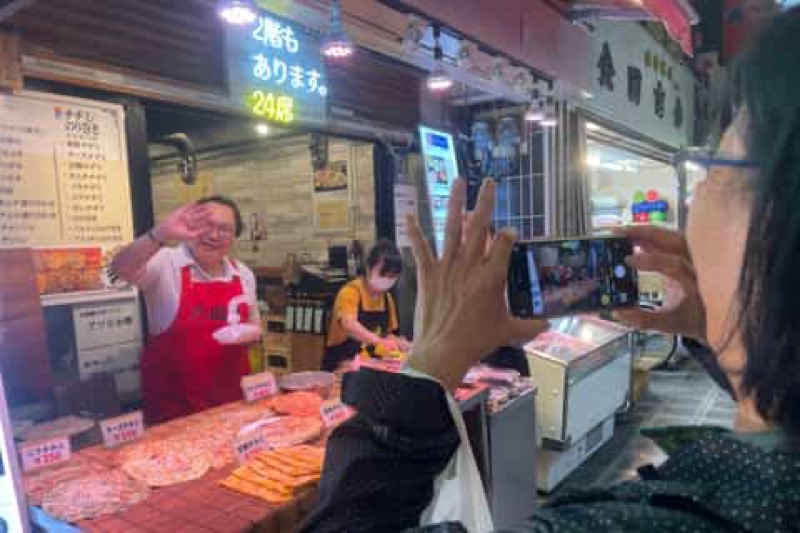
Day two in Osaka goes deeper — the basement food halls (depachika) of Umeda department stores, the covered arcades of Shinsaibashi, hidden bars in Higashi-Shinsaibashi, and an evening climbing the Umeda Sky Building for a sunset that makes you understand why Osakans love their city so much.
Morning (9:00 AM – 12:00 PM)
Depachika — Basement Food Halls of Umeda
Japanese department store basement food halls (depachika) are one of the country's greatest unsung experiences. Hankyu or Daimaru Umeda's basement is a labyrinth of pristine food stalls: ¥1,000 strawberry shortcakes, wagash (traditional sweets) that look like jewels, bentos arranged like paintings, and roast beef bowls that salarymen queue 30 minutes for. It's food as art, retail as theater. Buy a selection and eat in the park.
📍 Hankyu Umeda or Daimaru Umeda — basement floors (B1/B2)
🍰 Must-try: strawberry shortcake from Toshi Yoroizuka, any wagashi from Toraya
🍱 Roast beef bowls from Ginza Kagari or premium bento boxes
⏰ Opens 10:00 AM — arrive at opening for the best selection
💰 ¥1,500–3,000 for a full tasting
🍱 Brunch
Depachika Feast in the Park
Buy a spread from the depachika — bento box, cake, salad, maybe some premium onigiri — and eat in Nakanoshima Park, a green strip between two rivers in central Osaka. The park has benches, river views, and zero tourists.
💰 ¥1,500–3,000/person · 📍 Hankyu/Daimaru basement → Nakanoshima Park
Afternoon (12:30 PM – 5:00 PM)
Shinsaibashi-Suji Shopping Arcade
This 600-meter covered shopping street is Osaka's retail spine — everything from Uniqlo to tiny family-owned shops selling handmade goods. The arcade connects Shinsaibashi to Namba, and exploring the side streets is where the real Osaka hides: vintage clothing in Amerikamura (Amemura), record stores, and hole-in-the-wall restaurants that have been serving the same dish for 50 years.
📍 Shinsaibashi-Suji: covered arcade from Shinsaibashi to Namba
🛍️ Amerikamura (Amemura): vintage clothing, streetwear, import records
☕ Side-street cafés and kissaten (traditional coffee shops) throughout
⏱️ Allow 2–3 hours for the full arcade + side streets
Umeda Sky Building — Floating Garden Observatory
The Umeda Sky Building is an architectural marvel — two 40-story towers connected at the top by a bridge and open-air observation deck (the Floating Garden). The 360° view of Osaka is stunning at sunset (September sunset ~5:45 PM). The escalator ride through the glass tunnel between the towers is vertigo-inducing and incredible.
📍 1 Chome-1-88 Oyodonaka, Kita-ku — JR Osaka Station area
🎫 ¥1,500 · Open 10:00 AM – 10:30 PM (last entry 10:00 PM)
🌅 Best time: arrive 45 min before sunset for the golden-to-blue transition
📸 The open-air deck has no glass — unobstructed 360° photos
🍜 Lunch
Ramen Street in Umeda or Tsuruhashi Korean BBQ
Umeda has an entire ramen street (in the underground mall near Osaka Station) with regional styles from across Japan. Alternatively, Tsuruhashi is Osaka's Korea Town — authentic yakiniku (Korean BBQ) at a quarter of Tokyo prices. The combo of grilling meat and cold beer is unbeatable.
💰 ¥1,000–2,500/person · 📍 Umeda or Tsuruhashi · Walk-ins fine
Evening & Night (6:00 PM – 2:00 AM)
Higashi-Shinsaibashi & Namba Bars
While Dotonbori gets the tourists, Higashi-Shinsaibashi's narrow alleys are where Osaka drinks after the visitors leave. Dozens of tiny bars, many with just 6–8 seats, serving shochu, whisky highballs, and regional sake. The vibe is intimate and welcoming — Osakans are the friendliest drinkers in Japan. For clubs: Giraffe Osaka (Shinsaibashi) is the big one, with multiple floors playing EDM and hip-hop.
🍸 Higashi-Shinsaibashi alleys: walk east from Shinsaibashi — unmarked doors hide the best bars
🎵 Giraffe Osaka: 2 Chome-4-5 Shinsaibashi — cover ¥2,000–3,000, open until 5 AM
🍻 Sam & Dave: chain of friendly standing bars — cheap drinks, international crowd
🍶 Ask the bartender for Osaka's local sake — brands like Yamadanishiki are legendary
💡 Osaka bars are more welcoming to walk-ins than Tokyo — just sit down and order
🍽️ Dinner
Tsuruhashi Yakiniku or Osaka Izakaya
If you skipped Korean BBQ at lunch, do it for dinner — Tsuruhashi's yakiniku restaurants serve thick cuts of wagyu and pork belly that you grill yourself, with kimchi and namul on the side. For a more Osaka experience, find an izakaya in the Namba backstreets and order the full spread: edamame, karaage, yakitori, and cold draft beer in a frosted glass.
💰 ¥2,500–5,000/person · 📍 Tsuruhashi or Namba · Walk-ins accepted
Osaka's bar culture is more casual than Tokyo's — no dress codes, no pretension, and the bartender will probably start a conversation. This is the city where comedians are born. Go with the flow and you'll have stories to tell.
Hiroshima & Miyajima — A Day of Gravity & Beauty
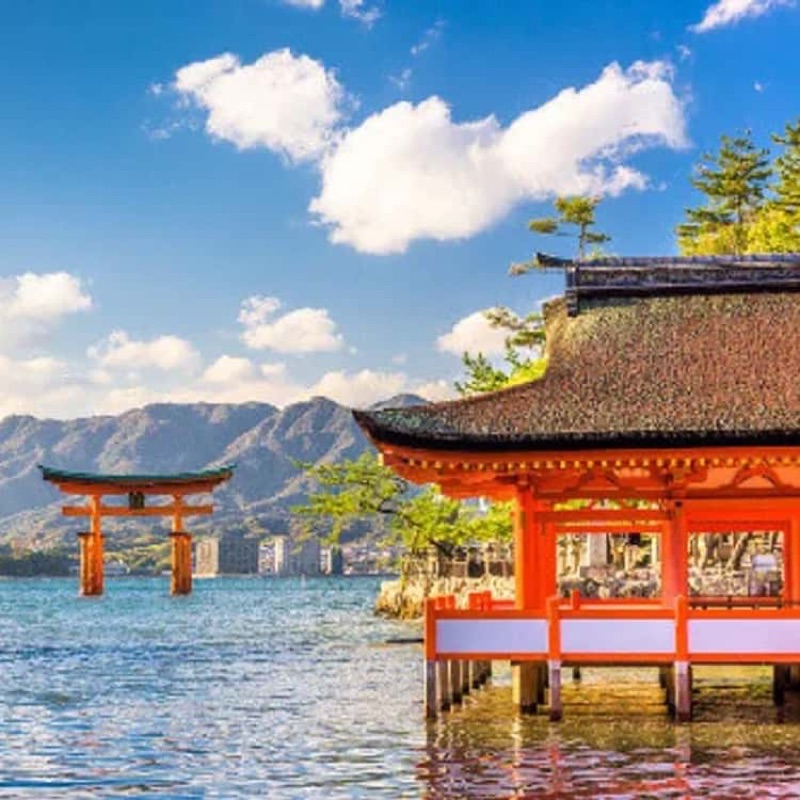
The Shinkansen from Osaka to Hiroshima takes 80 minutes. First, the Peace Memorial — the A-Bomb Dome standing exactly as it did on August 6, 1945, a stark reminder of humanity's capacity for destruction and, more importantly, resilience. Then a ferry to Miyajima Island, where wild deer roam free under vermilion torii gates and the floating shrine seems to hover on the Seto Inland Sea. A day of profound contrasts.
Morning (7:00 AM – 12:30 PM)
Shinkansen to Hiroshima & Peace Memorial Park
Take the first Sakura Shinkansen from Shin-Osaka to Hiroshima (80 min, covered by JR Pass). Walk or tram to the Peace Memorial Park — 12 hectares dedicated to the 140,000 people killed by the atomic bomb on August 6, 1945. The A-Bomb Dome (Genbaku Dome) is the ruins of the Hiroshima Prefectural Industrial Promotion Hall, standing exactly 160 meters from ground zero. It was the only building left standing near the hypocenter and has been preserved as a UNESCO World Heritage Site. The Peace Memorial Museum inside documents the bombing with unflinching honesty — it's heavy but essential.
🚄 Shin-Osaka → Hiroshima: Sakura Shinkansen 80 min (covered by JR Pass)
📍 Peace Memorial Park: tram from Hiroshima Station (15 min)
🎫 Peace Memorial Museum: ¥200 · Open 8:30 AM – 6:00 PM
🏛️ A-Bomb Dome: free, always visible from the park
⏱️ Allow 2–3 hours for museum + park + dome
⚠️ The museum is emotionally heavy — pace yourself. Skip the graphic photos if needed.
🍜 Lunch
Hiroshima-Style Okonomiyaki
Hiroshima has its own okonomiyaki style — layered (not mixed) with noodles, creating a massive savory pancake that's crisp on the bottom and soft inside. Okonomimura (a building with 20+ okonomiyaki restaurants on three floors) is the most famous spot, but any okonomiyaki shop near the station serves the real deal.
💰 ¥1,000–1,800/person · 📍 Okonomimura or near Hiroshima Station · All walk-in
Afternoon (1:30 PM – 6:00 PM)
Miyajima Island — Floating Torii Gate
Take the JR ferry from Hiroshima to Miyajima (covered by JR Pass, 10 min from Miyajimaguchi Station). The island is one of Japan's three most celebrated views — the Itsukushima Shrine's torii gate appears to float on the water at high tide. At low tide, you can walk out to the gate on the exposed seabed. Wild deer roam the island freely (they'll eat any paper they find — guard your tickets). Take the ropeway or hike up Mount Misen for panoramic views of the Seto Inland Sea's scattered islands.
⛴️ JR Ferry: Hiroshima → Miyajimaguchi (train, 30 min) → Miyajima (ferry, 10 min) — all JR Pass
⛩️ Itsukushima Shrine: ¥300 · The floating torii is visible from the ferry
🦌 Deer everywhere — they'll eat paper, plastic bags, and anything else chewable
🏔️ Mount Misen: ropeway ¥1,000 one-way or 90-min hike — views are extraordinary
⏰ Check tide times — high tide = floating gate, low tide = walk to gate
If time is tight, skip Mount Misen and spend your time walking the island's charming main street (Omotesando) — shops selling momiji manju (maple-leaf-shaped cakes filled with red bean), fresh oysters, and wooden rice scoops (Miyajima's lucky charm). The street leads to the shrine.
Evening (6:30 PM – 10:00 PM)
Return to Osaka — Farewell Dinner
Take the Shinkansen back to Osaka (80 min). This is your last full night in Japan — make it count. For a farewell dinner, go big: yakiniku at a premium spot in Umeda, or return to Dotonbori for one last kuidaore session. The neon hits different when you know you're leaving.
🚄 Hiroshima → Shin-Osaka: 80 min by Sakura Shinkansen
🍽️ Farewell options: premium yakiniku in Umeda, or Dotonbori one last time
🍶 Buy a bottle of premium sake from a department store for a hotel room toast
🍽️ Farewell Dinner
Osaka Yakiniku or Kaiseki
For your final dinner, go all out. Matsusaka-gyu (premium wagyu from Mie Prefecture) at a yakiniku restaurant in Umeda will run ¥8,000–15,000 per person but will be among the best beef experiences of your life. Alternatively, book a kaiseki dinner for a refined, beautiful multi-course final meal. Either way, pair it with the best sake you can afford.
💰 ¥5,000–15,000/person · 📍 Umeda or Namba · Reserve for premium spots
Buy any last souvenirs tonight — Japanese department stores (Hankyu, Daimaru) close at 8:00 PM and konbini souvenirs are… fine, but not special. The depachika also sells beautiful gift boxes of sweets that make excellent presents.
Last Call — Osaka Morning & Departure
One last Japanese breakfast, one last konbini run, one last train. Whether flying from Kansai International or taking the Shinkansen back to Tokyo for a Narita departure, take a final breath of this country before you go. You'll be back.
Morning (7:00 AM – 11:00 AM)
Final Japanese Breakfast
Skip the hotel breakfast — find a local kissaten (traditional coffee shop) or a small restaurant serving Japanese breakfast: grilled fish, miso soup, rice, pickled vegetables, and a soft-boiled egg. This is how Japan starts every day, and eating it one last time is the proper farewell. Alternatively, hit the depachika one final time for the best ¥1,000 sandwich you'll ever eat.
🍳 Look for "朝食" (morning meal) signs — many restaurants serve breakfast from 7:00 AM
☕ Kissaten: traditional coffee shops — thick toast, boiled egg, coffee · ¥500–800
🏪 Depachika opens 10:00 AM — if you have time, grab a final bentobox
🏪 Konbini final run: onigiri, green tea snacks, and kitkats in Japanese flavors for souvenirs
Airport transfer from Osaka: Kansai International (KIX) — JR Haruka Express from Shin-Osaka (50 min, covered by JR Pass) or the cheaper Nankai Airport Express (Rap:t, 40 min, ¥1,440). If flying from Narita, the Shinkansen to Tokyo (2h 40min) + Narita Express (60 min) gets you there in ~4 hours total.