🇯🇵 Your Custom Itinerary

Tokyo Unfolded: A 7-Day Walk Through Flavor, Culture & Calm: Neighborhood walks, onsen soaks, hidden ramen alleys & two unforgettable high-end meals — for two

This isn't the Tokyo of rushed selfie stops and checkbox sightseeing. This is the Tokyo you'll actually remember — the one where you got lost in Shimokitazawa's vintage shops, ate the best ¥900 bowl of ramen of your life standing at a counter, soaked in an onsen until your bones went soft, then dressed up for omakase at a tiny 8-seat counter where the chef placed each piece of nigiri directly in your hand. Seven days that alternate between gentle wandering and deeper exploration, with enough structure to feel confident navigating a city that rewards curiosity. May in Tokyo means perfect walking weather — warm but not humid, azaleas blooming in temple gardens, and the city fully alive between cherry blossom crowds and summer heat.

Duration: 7 days / 6 nights
Dates: May 8 – 14, 2026
Budget: $$$
Pace: Relaxed to Moderate
Best for: Couples · Foodies · Neighborhood Explorers

⚡ Before You Go — Essentials

📱 Navigation & Language Tools

Google Maps works flawlessly in Japan — train schedules, walking routes, and even indoor station maps. Download the offline map for Tokyo before you go. Google Translate's camera mode is a game-changer: point your phone at any Japanese menu, sign, or ticket machine and get instant translation. For train-specific routing, install Navitime for Japan Transit or the Japan Official Travel App (by JNTO). Both give platform numbers and transfer guidance that Google Maps sometimes misses. Pro tip: screenshot your hotel address in Japanese to show taxi drivers.

🚃 Getting Around — Suica/Pasmo IC Cards

Buy a Suica or Pasmo IC card at any JR station or get a digital Suica on your iPhone (Wallet app → Transit Card → Suica). Load ¥3,000-5,000 to start. Tap on/off at every train gate and bus — it calculates the fare automatically. Works at convenience stores, vending machines, and coin lockers too. Tokyo's train system is the best in the world: clean, on-time to the second, and goes everywhere. Lines stop around midnight, so plan your last train. The Yamanote Line (green loop) connects most major areas.

🍜 Food Culture Tips

Japan's food etiquette is simple: say "itadakimasu" before eating (hands together, small bow), don't tip anywhere, and slurping noodles is not just acceptable — it's expected. Convenience stores (7-Eleven, Lawson, FamilyMart) are genuinely excellent for onigiri, egg sandwiches, and Japanese sweets. Standing ramen and soba shops are fast, delicious, and cheap. For high-end reservations, TableCheck (tablecheck.com) and Omakase.in let you book directly without a hotel concierge. Lunch omakase is often half the price of dinner with the same chef.

♨️ Onsen Etiquette

Wash thoroughly at the shower stations before entering the bath — this is non-negotiable. Baths are nude (separated by gender). Bring your small towel but don't put it in the water (fold it on your head). Tattoos: most neighborhood onsen (sentō) are relaxed about small tattoos; Thermae-Yu in Kabukichō officially allows all visitors. If concerned, stick to private onsen (kashikiri) or tattoo-friendly spots. Stay hydrated — the baths are hot (40-44°C) and you'll sweat.

💴 Cash & Budget

Japan is still partly a cash society. Carry ¥10,000-20,000 in cash — many small ramen shops, street food vendors, izakayas, and market stalls are cash-only. 7-Eleven ATMs accept foreign cards and have English menus (look for the 7Bank ATM). Credit cards work at department stores, hotels, and chain restaurants. For two people eating a mix of street food, mid-range, and 2 high-end meals over 7 days, budget roughly ¥15,000-25,000/day for food ($100-170 USD), plus the two splurge dinners at ¥30,000-50,000 each.

Day 1 Shinjuku · Kabukichō · Nishi-Shinjuku

Arrival Day — Shinjuku Orientation & Onsen Soak
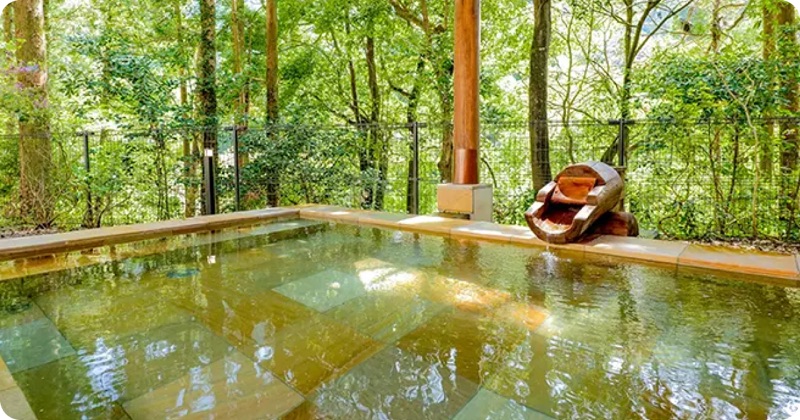
Arrival Day — Shinjuku Orientation & Onsen Soak, Tokyo, Japan

Land, settle in, get your bearings in Tokyo's buzzing commercial heart — then melt into a hot bath at one of the city's best onsen complexes. Today is about arrival energy: the sensory overload of Shinjuku Station (the world's busiest), neon-lit Kabukichō at dusk, and the deep exhale of sinking into your first Japanese bath.

Afternoon

Arrive & Set Up Base in Shinjuku

From Narita, take the Narita Express (N'EX) directly to Shinjuku Station (~90 min, ¥3,250). From Haneda, the Keikyu Line or monorail gets you there in ~45 min. At the airport, buy your Suica/Pasmo IC card and load it up. Check into your hotel and take a breath — you're in Tokyo.

🚃 Narita Express runs every 30 min — reserve seats at JR ticket counter or online
💳 Get a Suica card at any JR ticket machine (or use iPhone Wallet for digital Suica)
🏨 Stay in Shinjuku for central access — Kabukichō side is walkable to everything
📱 Download Google Maps offline Tokyo map + Google Translate before leaving airport WiFi

Explore Shinjuku Station Area

Once settled, walk to Shinjuku Station's south side for the massive Takashimaya Times Square or the stunning Shinjuku Gyoen park entrance (closes at 6pm). Even just navigating the station itself is an experience — 3.5 million people pass through daily.

🌳 Shinjuku Gyoen — ¥500 entry, gorgeous in May with roses and azaleas in bloom
📸 If the park is still open, the Japanese garden section is the most peaceful
🏬 Takashimaya Times Square has a great depachika (basement food hall) for snack grazing
🍽️ Dinner
Omoide Yokochō (Memory Lane)
Squeeze into one of the tiny yakitori stalls in this atmospheric post-war alley just outside Shinjuku Station's west exit. Counter seats for 6-8 people, smoke rising from charcoal grills, cold beer, and some of the best chicken skewers in the city. Try the tsukune (chicken meatball), negima (thigh with leek), and kawa (crispy skin).
💰 $$ · 📍 3 min walk from Shinjuku Station West Exit · Cash only at most stalls
🗺️ Shinjuku Station is enormous — use Google Maps indoor navigation. The West Exit leads to Omoide Yokochō and skyscrapers. The East Exit leads to Kabukichō and nightlife. Get familiar with these two exits today.
🍙 Jet-lagged and not up for a sit-down dinner? Hit the 7-Eleven near your hotel for onigiri (rice balls), karaage (fried chicken), and an egg sandwich. Japanese convenience store food is genuinely excellent — not a compromise, a feature.
Evening

♨️ Thermae-Yu Onsen — Kabukichō

Walk off dinner and into one of Tokyo's best urban onsen. Thermae-Yu is a multi-floor bathing complex in the heart of Kabukichō — natural hot spring water pumped from 1,500m underground. Multiple indoor and outdoor baths, Finnish sauna, jet baths, and relaxation floors with reclining chairs. This is your jet-lag cure and your introduction to Japanese bathing culture. Tattoo-friendly.

♨️ Open until 9am next morning — perfect for late arrival. Entry ~¥2,600 weekdays
📍 1-1-2 Kabukichō, Shinjuku — 5 min walk from Shinjuku Station East Exit
🧴 Towels, soap, shampoo all provided. Bring nothing except yourself
🍺 Post-bath: grab a beer in the relaxation lounge — you've earned it
♨️ First timer? Wash at the shower station before entering any bath. Baths are nude and gender-separated. Small towel on your head, not in the water. Everyone is chill — nobody is looking at you, promise.
Day 2 Harajuku · Omotesandō · Shibuya · Daikanyama · Nakameguro

Meiji Jingū to Daikanyama — Forest, Fashion & Riverside
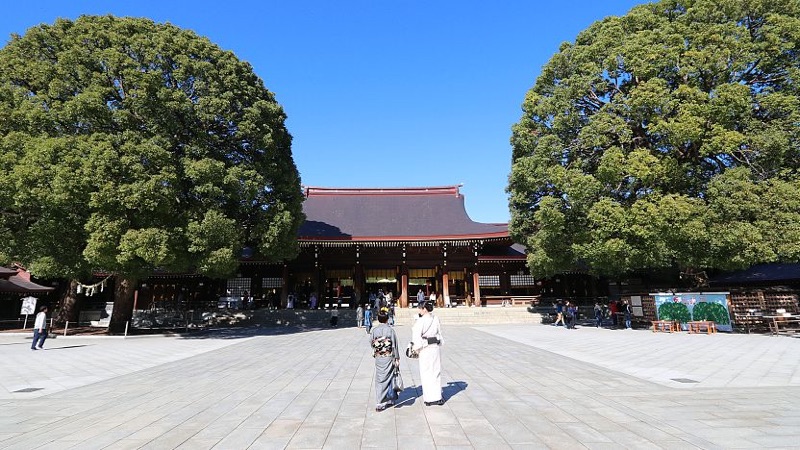
Meiji Jingū to Daikanyama — Forest, Fashion & Riverside, Tokyo, Japan

A day that moves from sacred forest to stylish streets. Start in the hushed old-growth canopy of Meiji Jingū shrine, drift through Harajuku's fashion frontier and Omotesandō's architectural boulevard, then walk south through Shibuya's iconic crossing into the refined calm of Daikanyama and Nakameguro — two of Tokyo's most beautiful neighborhoods for aimless wandering.

Morning

⛩️ Meiji Jingū Shrine & Forest Walk

Start early (the shrine opens at sunrise) and walk through 170 acres of dense forest that feels like deep countryside — except you're in central Tokyo. The towering torii gate at the entrance marks the threshold between city and sanctuary. The gravel path winds through camphor trees planted 100 years ago, past traditional sake barrel displays, to the serene main shrine. May mornings are beautiful here — birdsong, filtered light, empty paths.

⛩️ Free entry. Opens at sunrise (~4:45 AM in May), closes at sunset
🌲 The forest contains 120,000 trees from every prefecture in Japan — planted in 1920
📸 The main torii gate and the sake barrel wall are the two most photogenic spots
🚶 Full forest + shrine loop takes about 60-90 minutes at a gentle pace
☕ Breakfast
Bills Omotesandō
After the shrine, walk 10 minutes to Bills on Omotesandō for their famous ricotta pancakes — fluffy, cloud-like stacks with honeycomb butter and banana. Popular with locals for good reason.
💰 $$$ · 📍 Tokyu Plaza Omotesandō, 4F · Opens 8:30 AM
⏰ Visit Meiji Jingū before 9 AM to have the forest largely to yourself. By 10 AM, tour groups arrive and the atmosphere shifts.
Afternoon

Harajuku & Omotesandō Stroll

From Bills, you're already on Omotesandō — Tokyo's Champs-Élysées but with better architecture. Walk the tree-lined boulevard past buildings designed by Tadao Ando (Omotesandō Hills), SANAA, and Toyo Ito. Duck into Takeshita Street for the full Harajuku sensory overload — crepes, kawaii fashion, and controlled chaos. Then detour into Cat Street (no actual cats) for vintage shops and independent designers.

🏛️ Omotesandō Hills — Tadao Ando's spiraling concrete masterpiece with high-end shops
🛍️ Cat Street (Ura-Hara) — vintage clothing, independent Japanese designers, quiet backstreets
🍦 Try a Takeshita Street crepe — the classic Tokyo street snack since the 1970s

Walk to Shibuya Crossing & Scramble

Continue south on foot from Harajuku (~15 min walk) to Shibuya. See the famous scramble crossing from Shibuya Sky observation deck (¥2,000) or just experience it at street level — up to 3,000 people cross simultaneously at peak times. Pay respects at the Hachikō statue.

📸 Best crossing view: Shibuya Sky rooftop (book tickets online to skip the line)
🐕 Hachikō statue — the loyal dog, Tokyo's most famous meeting spot
☕ Starbucks overlooking the crossing is iconic but always packed — Mag's Park rooftop is better

🚶 Daikanyama & Nakameguro Walking

From Shibuya, it's a pleasant 15-minute walk southeast to Daikanyama — Tokyo's most stylish residential neighborhood. Browse T-Site (Tsutaya Books' flagship — a stunning building with curated books, music, and a lounge) and wander the quiet tree-lined streets. Continue 10 minutes to Nakameguro along the Meguro River — lined with cafés, independent shops, and some of the city's best people-watching.

📚 T-Site Daikanyama — three interconnected buildings, Japan's most beautiful bookstore
🌸 Meguro River in Nakameguro — Tokyo's best riverside walk, lovely in spring/early summer
☕ Onibus Coffee in Nakameguro — outstanding single-origin pour-over
🍽️ Lunch
Afuri — Harajuku
Light, citrusy yuzu shio ramen that's a perfect midday bowl — not heavy, refreshingly different from the rich tonkotsu style. The Harajuku location has a nice open atmosphere.
💰 $$ · 📍 1-1-7 Jingūmae · Usually a 10-15 min wait, moves fast
🍽️ Dinner
Nakameguro Izakaya Crawl
Nakameguro's side streets are packed with small izakayas. Start at Higashi-Yama for refined Japanese small plates, or go casual at any spot that looks busy with locals. Order a nama beer (draft), edamame, grilled fish, and whatever the chef recommends. Two or three stops is the perfect pace.
💰 $$ - $$$ · 📍 Along Meguro River side streets · Most open from 5-6 PM
🚶 Today's route is a continuous south-flowing walk: Meiji Jingū → Harajuku → Omotesandō → Shibuya → Daikanyama → Nakameguro. About 6-7 km total but broken into easy segments with stops. Very doable at a relaxed pace.
Day 3 Yanaka · Nezu · Sendagi (Yanesen) · Ueno

Old Tokyo — Yanesen Walking & Temple Cats
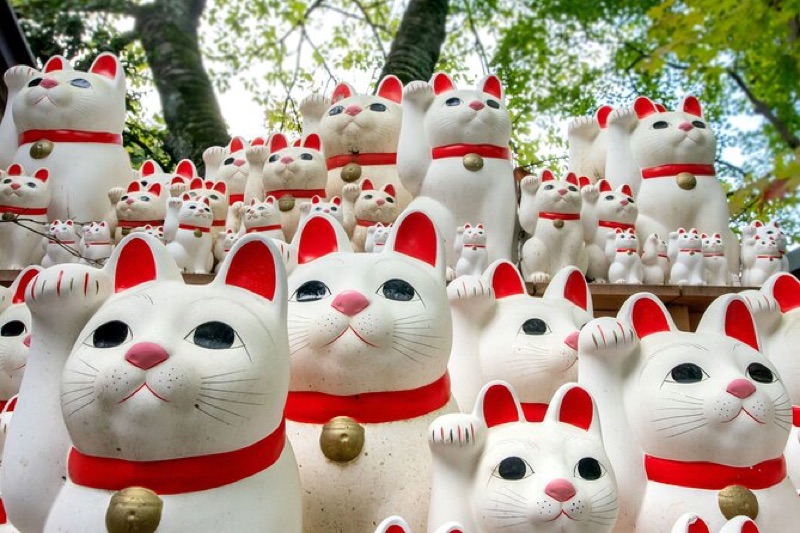
Old Tokyo — Yanesen Walking & Temple Cats, Tokyo, Japan

Today you step back in time. The Yanesen area (Yanaka, Nezu, Sendagi) is the Tokyo that survived the war — narrow lanes, wooden houses, neighborhood temples, and a pace that feels like small-town Japan. The Yanaka Ginza shopping street is unchanged for decades: fish shops, croquette vendors, and cats dozing on sunny walls. This is the most walkable, laid-back day of the trip — pure wandering energy.

Morning

Yanaka Cemetery & Temple Walk

Take the JR Yamanote Line to Nippori Station and walk west into Yanaka. Start at Yanaka Cemetery — not morbid, but a beautiful tree-lined park where locals jog and cats sleep on gravestones. In May the path is shaded and calm. Wander past the dozens of small Buddhist temples that dot the neighborhood — Tennō-ji, Jōkō-ji, and Kanō-ji are particularly photogenic.

🐈 Yanaka is famous for its cats — you'll spot them lounging on walls and temple steps
⛩️ Tennō-ji temple has a beautiful bronze Buddha statue in a garden setting
📸 The narrow lanes between temples are the real attraction — get happily lost
☕ Breakfast/Snack
Yanaka Ginza Shotengai
This 170-meter shopping street is old Tokyo at its most charming. Grab a menchi katsu (deep-fried meat patty) from Suzuki, a sweet potato treat from any vendor, and taiyaki (fish-shaped cake with red bean filling). Everything is cheap, delicious, and eaten standing up or strolling.
💰 $ · 📍 Yanaka Ginza — 5 min walk from Nippori Station · Shops open ~10 AM
📸 The sunset staircase (Yūyake Dandan) at the top of Yanaka Ginza is the neighborhood's iconic photo spot — but it faces west, so it's best in late afternoon. Come back at 5-6 PM for golden light.
Afternoon

⛩️ Nezu Shrine — Azalea Festival

Walk 15 minutes south from Yanaka into Nezu to visit Nezu Shrine, one of Tokyo's oldest (1,900+ years). In May, the hillside azalea garden should still be in bloom with 3,000 bushes in every shade of pink, red, and white — it's spectacular. The shrine's torii tunnel (smaller than Fushimi Inari but same concept) is beautiful and far less crowded.

🌺 Azalea festival runs mid-April to early May — you may catch the tail end
⛩️ The vermillion torii tunnel is photogenic year-round
🎫 Azalea garden entry: ¥300 during festival, free at other times
🕰️ Shrine grounds are free and open from 6 AM

Ueno Park & Museums

Walk 15 minutes south to Ueno Park — Tokyo's cultural epicenter. Choose one museum to visit at a relaxed pace: the Tokyo National Museum (Japan's largest, with samurai armor and ukiyo-e prints) or the beautifully designed SCAI The Bathhouse gallery in a converted 200-year-old sentō. Or simply walk the park — Shinobazu Pond with its lotus flowers is lovely.

🏛️ Tokyo National Museum — ¥1,000, closed Mon. The Honkan (main building) is stunning
🪷 Shinobazu Pond — walk the causeway through lotus plants to Bentendo temple
🎨 If museums aren't your thing, Ueno Park is beautiful for a slow stroll and people-watching
🍽️ Lunch
Hantei — Nezu
A stunning 3-story wooden building from 1927 serving kushiage (deep-fried skewers) in set courses. Sit on tatami overlooking the garden. The building alone is worth the visit — one of the most atmospheric restaurants in Tokyo.
💰 $$$ · 📍 2-12-15 Nezu · Lunch sets from ¥1,500 · Closed Monday
🍽️ Dinner
Ameyoko Market & Ueno Izakaya
Walk through the chaotic Ameyoko market (under the train tracks near Ueno Station) for dried fruits, street snacks, and atmosphere. Then duck into one of the many no-frills izakayas lining the side streets for cold beer, yakitori, and karaage (fried chicken).
💰 $$ · 📍 Ameyoko — between Ueno and Okachimachi stations · Market closes ~7 PM, izakayas open late
🚶 Today's walk flows naturally: Nippori → Yanaka Cemetery → Yanaka Ginza → Nezu Shrine → Ueno Park → Ameyoko. About 5-6 km of gentle walking, all flat, with plenty of stops. The most relaxed day of the trip.
Day 4 Shimokitazawa · Kōenji

Shimokitazawa & Kōenji — Vintage, Vinyl & Kissaten
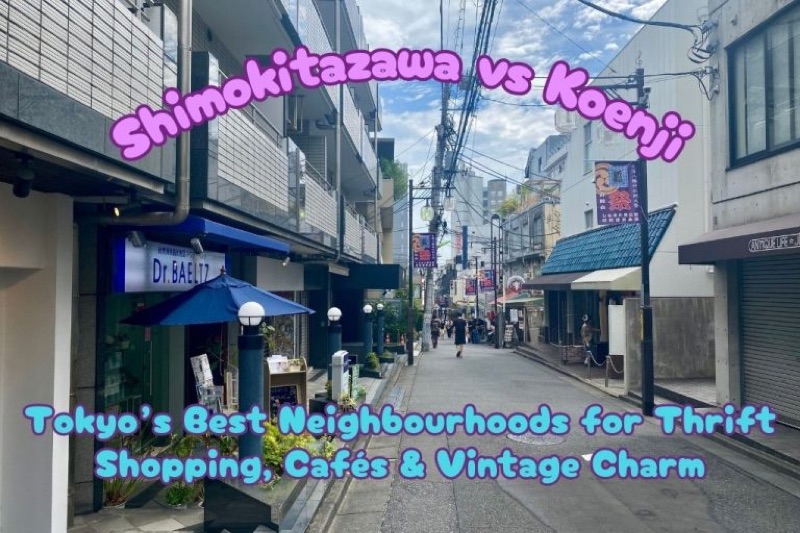
Shimokitazawa & Kōenji — Vintage, Vinyl & Kissaten, Tokyo, Japan

Two of Tokyo's most character-rich neighborhoods in one day. Shimokitazawa is the city's bohemian heart — vintage clothing, tiny theaters, live music venues, and cafés crammed into narrow lanes. Kōenji, a few stops west on the Chūō Line, is its grittier cousin: record shops, thrift stores, punk venues, and kissaten (old-school Japanese coffee houses). This is a laid-back day of browsing, eating, and absorbing neighborhood energy.

Morning / Early Afternoon

🛍️ Shimokitazawa Vintage & Café Crawl

Take the Keio or Odakyu line to Shimokita (as locals call it). The neighborhood was recently redesigned with the Shimokita Ekiue development above the station, but the soul is in the backstreets. Wander through vintage shops like Flamingo, New York Joe Exchange, and Haight & Ashbury. Duck into Bear Pond Espresso (famous for their 'angel stain' espresso — cash only, no photos of the barista) or Café Maldives for a slow morning.

🛍️ Flamingo — best curated vintage, reasonable prices, second floor has designer pieces
☕ Bear Pond Espresso — legendary one-man operation, opens 10 AM, ¥500 espresso, cash only
🎭 Check for afternoon shows at Honda Theater or Suzunari — Shimokita's famous tiny theaters
🧁 Shimokita's backstreets have some of Tokyo's best small bakeries and sweet shops
🍽️ Lunch
Shirube — Shimokitazawa
A cozy curry shop serving Japanese-style curry rice (wafu curry) — thick, sweet-savory sauce over rice with your choice of topping. The katsu curry (breaded pork cutlet) is the move. Tiny, usually a short wait.
💰 $$ · 📍 Shimokitazawa backstreets · Cash only
🛍️ Shimokitazawa's vintage shops are best before 2 PM on weekdays — by afternoon on weekends, the lanes get packed. Prices are very fair compared to Harajuku vintage.
Afternoon / Evening

🎵 Kōenji — Records, Thrift & Kissaten

Take the Chūō Line two stops to Kōenji. This is Tokyo's counterculture district — less polished than Shimokitazawa, more punk, with incredible record shops. Hit Enban for Japanese jazz and city pop vinyl, Rare Records Koenji for rock, and Sokkyō for experimental/ambient. Between shops, stop at a kissaten — traditional Japanese coffee houses with dark wood, velvet seats, and hand-drip coffee. Try Yōl or Coffee Amp.

🎵 Enban — specializes in Japanese jazz, city pop, and enka vinyl. Staff are knowledgeable
☕ Kissaten culture is fading — these 1970s-style coffee houses are a Tokyo treasure
🛍️ Kōenji has 30+ thrift/vintage stores — prices are lower than Shimokitazawa
🏮 The Kōenji Awa-Odori festival in August is Tokyo's biggest street dance — but May is peaceful
🍽️ Dinner
Toribonjin — Kōenji
Outstanding yakitori at a tiny counter. The chef grills each skewer over binchōtan (white charcoal) with precision. The tsukune (chicken meatball with egg yolk for dipping) is legendary. Pair with cold sake or highball. Arrive at 5:30 PM opening to get seats — it fills up fast.
💰 $$ · 📍 Kōenji south side · Opens 5:30 PM · No reservations, counter seating
🎵 If you like live music, both Shimokitazawa and Kōenji have tiny live houses with shows most nights for ¥2,000-3,000. Check ShowBiz (Tokyo live music guide) for listings.
Day 5 Tsukiji · Ginza · Nihonbashi

Tsukiji Grazing & Omakase Splurge Night

Start the day eating your way through Tsukiji Outer Market — the tuna may have moved to Toyosu but the outer market's 400+ food stalls remain the best street-food grazing in Tokyo. Spend a gentle afternoon exploring Ginza's department stores and galleries. Then tonight: your first high-end splurge — omakase sushi at a reservable counter where the chef places each piece directly before you.

Morning

🐟 Tsukiji Outer Market Grazing

Arrive around 8-9 AM to experience Tsukiji at its best — vendors slicing fish, grills smoking, and locals doing their daily shopping. This isn't one restaurant; it's a walking feast. Stop for fresh tamago (egg omelette on a stick), uni (sea urchin) cups, grilled scallops, tamagoyaki (rolled omelette), and fresh mochi. Move slowly, eat constantly.

🦪 Must-try: giant grilled scallops (hotate) with butter and soy sauce — ¥500-800
🍳 Tsukiji Yamazaki — best tamagoyaki (sweet rolled egg) in the market
🍣 If you want a proper sushi breakfast, Sushi Dai and Daiwa Sushi have long lines but the quality justifies it
🍡 Finish with fresh mochi from one of the wagashi (Japanese sweets) stalls
⏰ Tsukiji Outer Market is best 8-11 AM. By noon it gets very crowded with tourists and some stalls begin closing. Weekday mornings are significantly less packed.
Afternoon

🏬 Ginza Department Stores & Depachika

Walk 15 minutes from Tsukiji to Ginza — Tokyo's most elegant shopping district. Skip the luxury brands (unless that's your thing) and head underground: Ginza Mitsukoshi and Ginza Six have spectacular depachika (department store basement food halls). These are a Japanese art form — pristine displays of wagashi, bento, patisserie, sake, and prepared foods. Perfect for picking up gifts or just admiring the craftsmanship.

🍰 Ginza Mitsukoshi depachika — particularly strong wagashi and patisserie sections
🏛️ Ginza Six — modern architecture with a rooftop garden and contemporary art installations
🎨 If art interests you, Ginza has dozens of free galleries on Chūō-dōri
☕ Café de l'Ambre in Ginza — Japan's oldest kissaten (est. 1948), legendary aged coffee
🍽️ Lunch
Depachika Grazing or Standing Soba
After Tsukiji, you won't be hungry for a big lunch. Graze the depachika at Ginza Mitsukoshi, or stop at a standing soba shop near the market — tachigui soba is one of Tokyo's great fast meals: hand-cut buckwheat noodles in dashi broth, eaten standing, done in 5 minutes, ¥400-600.
💰 $ · 📍 Multiple locations near Tsukiji/Ginza
Evening

🍣 HIGH-END: Omakase Sushi Dinner

Tonight is your first splurge. Book via TableCheck (tablecheck.com) or Omakase.in — both allow direct English reservations without a concierge. Recommended options bookable online: Sushi Gotoku (Shibuya, Tabelog 4.0+, stunning golden-lit counter, ~¥30,000), Sushi Yu (Shinbashi, exclusive TableCheck lunch at ¥10,000 or dinner course ~¥25,000), or Takaoka (Nihonbashi, Tabelog 4.26, friendly chef, ~¥36,000 via TableCheck). Arrive on time, sit at the counter, and let the chef guide you through 15-20 courses of seasonal fish.

📱 Book on TableCheck.com or Omakase.in at least 2 weeks in advance
🍣 Omakase etiquette: eat each piece as soon as it's placed — sushi is temperature-sensitive
🍶 Pair with sake — the chef will suggest pairings if you ask
💰 Expect ¥25,000-40,000 per person including drinks. Worth every yen.
👔 Smart casual is fine — no need for a suit, but dress neatly
📱 Book your omakase as soon as you decide on this trip. TableCheck gives instant confirmation. Omakase.in may take 24-48 hours. Both are legitimate and widely used by locals.
Day 6 Asakusa · Kuramae · Akihabara · Hotel Kaiseki

Sensō-ji, Craft Coffee & Kaiseki Splurge Night
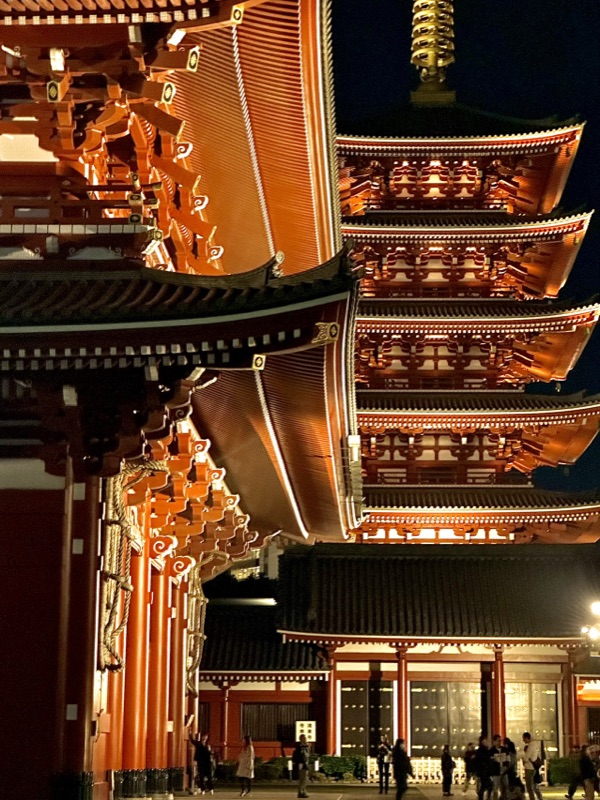
Sensō-ji, Craft Coffee & Kaiseki Splurge Night, Tokyo, Japan

From Tokyo's oldest temple to its geekiest district, today covers the contrasts that make this city endlessly fascinating. Morning at Sensō-ji and the atmospheric backstreets of Asakusa, an afternoon walk through craft-forward Kuramae, optional Akihabara detour for electronics and anime culture, then your second high-end dining experience: a multi-course kaiseki dinner at a hotel restaurant where every dish is a seasonal work of art.

Morning

⛩️ Sensō-ji Temple & Asakusa Backstreets

Arrive early (before 9 AM) at Sensō-ji — Tokyo's oldest temple (founded 645 AD). Walk through the iconic Kaminarimon (Thunder Gate) with its massive red lantern, down Nakamise-dōri shopping street (touristy but fun for senbei rice crackers and small souvenirs), and into the temple grounds. The five-story pagoda against a blue May sky is classic Tokyo. Then escape the crowds: walk west into Asakusa's backstreets where you'll find traditional craftspeople, old-school kissaten, and quiet temple gardens.

⛩️ Sensō-ji grounds are open 24/7 and free — the main hall opens at 6 AM
📸 Best photo: Kaminarimon gate from the front, and the pagoda from the west side garden
🍘 Nakamise-dōri — try fresh-baked senbei (rice crackers) and ningyo-yaki (custard-filled cakes)
🏮 Hop-dōri covered shopping street (parallel to Nakamise) is less touristy with better food
☕ Breakfast
Pelican Café — Asakusa
Pelican has been baking bread in Asakusa since 1942. Their café serves thick-cut toast with butter (shokupan) and coffee in a minimal, beautiful space. It's the quintessential Japanese breakfast experience — simple, perfect, unhurried.
💰 $$ · 📍 Kotobuki, near Kuramae · Opens 9 AM · Often a wait on weekends
⏰ Sensō-ji before 8 AM is magical — almost empty, with monks chanting inside the main hall. By 10 AM it's a tourist crush.
Afternoon

☕ Kuramae — Tokyo's Craft District

Walk 15 minutes south from Asakusa to Kuramae — a former warehouse district that's become Tokyo's craft and specialty coffee epicenter. The industrial buildings now house roasteries, leather workshops, and design studios. Stop at Leaves Coffee Roasters (outstanding pour-over), browse Kakimori (custom notebook shop — make your own journal), and admire the neighborhood's quiet riverside charm.

☕ Leaves Coffee Roasters — one of Tokyo's best third-wave shops
📓 Kakimori — design your own notebook: choose paper, binding, and cover
🏭 The warehouse aesthetic gives Kuramae a Brooklyn-meets-Tokyo vibe

🎮 Optional: Akihabara Detour

If electronics, anime, or gaming culture interest you, Akihabara is a 10-minute walk or one train stop from Kuramae. It's sensory overload: multi-story arcades, retro game shops, anime figure stores, and Yodobashi Camera (7 floors of every gadget imaginable). Even if otaku culture isn't your thing, the sheer visual spectacle is worth 30 minutes.

🕹️ Super Potato — retro game shop on 3 floors with a playable arcade on top
📱 Yodobashi Camera — Japan's electronics cathedral, tax-free for tourists
🎯 Try a crane game (UFO catcher) at any arcade — it's a Japanese art form
🍽️ Lunch
Standing Soba near Kuramae
Find a tachigui soba (standing soba noodle shop) near Kuramae Station for a quick, satisfying bowl of hand-cut buckwheat noodles in dashi broth. Add a tempura topping (kakiage — mixed vegetable tempura is the classic). Eaten standing, done in 5 minutes, costs ¥500. This is everyday Tokyo food at its finest.
💰 $ · 📍 Near any train station · Look for the noren curtain and standing counters
Evening

🍽️ HIGH-END: Kaiseki Dinner

Tonight's second splurge is kaiseki — Japan's haute cuisine, a multi-course seasonal meal where every dish is composed like a small painting. Hotel kaiseki restaurants are the easiest to book and maintain exceptional quality. Recommended: Kozue at Park Hyatt Tokyo (Shinjuku, famous for its Mt. Fuji views on clear nights, bookable online), or Hinokizaka at The Ritz-Carlton Tokyo (Roppongi, dedicated sushi/tempura/kaiseki counters, bookable via hotel website). Expect 7-10 courses featuring seasonal ingredients: spring bamboo, firefly squid, tai (sea bream), and fresh sansho pepper.

📱 Book Kozue: tokyo.park.hyatt.com or call +81 3 5323 3460. Hinokizaka: ritzcarlton.com
🍽️ Kaiseki is served in sequence — each course builds on the last. Pace is slow and intentional
🍶 Sake pairing is traditional — the restaurant will offer a pairing or tasting set
💰 Expect ¥15,000-25,000 per person. Hotel kaiseki is more accessible than independent restaurants
👔 Smart casual dress code. The Park Hyatt's 40th-floor views are part of the experience
📱 Hotel kaiseki restaurants are significantly easier to book than independent ones — they have English-speaking staff and online reservation systems. Book 1-2 weeks ahead.
Day 7 Shinjuku · Imperial Palace · Departure

Last Morning — Isetan Depachika & Imperial Palace Gardens
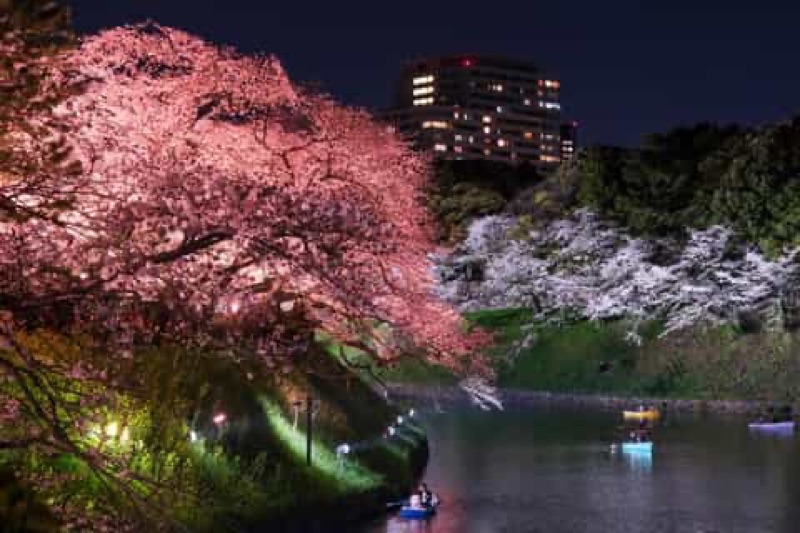
Last Morning — Isetan Depachika & Imperial Palace Gardens, Tokyo, Japan

Your final day in Tokyo. No rushing, no checklists — just two perfect experiences before your flight. Start with the best depachika in Japan (Isetan Shinjuku — a food hall so beautiful it'll make you emotional), walk through the Imperial Palace East Gardens for one last dose of green calm, then head to the airport with a bag full of perfectly wrapped wagashi and a heart full of Tokyo memories.

Morning

🏬 Isetan Shinjuku Depachika

Isetan's basement food hall is widely considered the best in Japan — and Japan has the world's best depachika. Arrive when it opens (10 AM) for the full experience: impeccable wagashi (Japanese sweets) from every famous maker, bento boxes that are works of art, seasonal fruits wrapped like jewels, artisan pickles, matcha everything, and prepared foods from top chefs. This is where you buy gifts for people back home. Everything is exquisitely packaged.

🍡 Must-buy: seasonal wagashi from Toraya or Higashiya — packaged beautifully for gifts
🍱 The bento section is staggering — 50+ options, all beautiful, ¥800-2,000
🍓 Japanese fruit section — try a perfect Miyazaki mango or white strawberry
🛍️ Everything comes wrapped in gorgeous packaging — built-in gift wrapping

🏯 Imperial Palace East Gardens

A 15-minute train ride from Shinjuku to Ōtemachi/Tokyo Station. The East Gardens are free, open to the public, and offer a beautiful final walk — stone walls of the old Edo Castle, manicured Japanese gardens, seasonal flowers, and views you won't believe are in the center of a 14-million-person city. The ninomaru (secondary garden) is particularly serene in the morning.

🏯 Free entry, open 9 AM - 4:30 PM (closed Mon & Fri)
🌿 The ninomaru suien (iris garden) may be starting to bloom in mid-May
📸 The Tenshudai (castle keep foundation) has great views over the garden
🚃 From here, Tokyo Station is a 10-minute walk for Narita Express departure
☕ Breakfast
Hotel Breakfast or Convenience Store Farewell
Start with a relaxed hotel breakfast, or make your last convenience store run: a perfect egg sandwich (tamago sando) from 7-Eleven, an onigiri, and a can of Boss coffee. It sounds humble, but you'll miss Japanese convenience store food more than almost anything else.
💰 $ · 📍 Any 7-Eleven, Lawson, or FamilyMart
🍽️ Lunch
Isetan Depachika Bento
Pick up a beautiful bento box from the Isetan depachika — eat it at the Imperial Palace Gardens on a bench overlooking the moat. A ¥1,500 depachika bento eaten in a castle garden is peak Tokyo.
💰 $$ · 📍 Isetan Shinjuku B1F
✈️ Narita Express from Shinjuku or Tokyo Station takes ~80-90 min. For Haneda, the monorail from Hamamatsucho takes ~20 min. Leave at least 3 hours before your flight for international departure. Buy N'EX tickets at JR counters or online.
🛍️ Don't forget: Isetan depachika wagashi are perfect souvenirs. Also grab KitKats in Japanese-exclusive flavors (matcha, sake, strawberry cheesecake) at any convenience store or Don Quijote.

Love this format? Get your own.

Every tabiji itinerary is custom-built from real traveler intelligence — specific restaurants, actual addresses, local timing tricks.

Get Your Personalized Itinerary — $1

Delivered within 24 hours. 2 free revisions. 100% satisfaction guaranteed.

📄 Export to Google Docs

Get an editable Google Doc of this itinerary — perfect for sharing with your travel group and adding your own notes.

The doc will be shared to your email as an editor.

✅ Your Google Doc is ready!

We've shared it with . Check your Google Drive or click below.

Open Google Doc →

Tip: You can edit, add notes, and share it with your travel group!