⚡ Before You Go — Essentials
🚅 Get a Suica/Pasmo Card
Tap-and-go for all trains, buses, and convenience stores. Buy at any JR station or use the mobile Suica app (iPhone). You'll use this dozens of times daily.
🎌 Shinkansen to Kyoto
Book a reserved seat on the Nozomi (2h15m, ~¥14,170 one-way). If doing a round trip, consider a JR Pass, but for one-way it's not worth it. Book at the station or via SmartEX app.
💴 Cash is King
Many small restaurants, izakayas, and street vendors are cash-only. Withdraw yen from 7-Eleven or Japan Post ATMs (international cards accepted). Keep ¥10,000–20,000 on hand.
🌸 May Weather
Late spring — warm days (20–25°C / 68–77°F), occasional rain. Pack layers and a compact umbrella. Cherry blossom season is over, but fresh greenery and wisteria are gorgeous.
📱 Stay Connected
Grab a prepaid eSIM (Ubigi, Airalo) or rent a pocket WiFi at the airport. Google Maps works perfectly for train navigation in Japan.
♨️ Onsen Etiquette
Wash thoroughly before entering the bath. No swimsuits. Tattoos may be an issue at traditional onsen — look for tattoo-friendly spots or book a private bath (kashikiri).
Touchdown Tokyo — Neon Welcome

Arrive, settle in, and dive straight into Tokyo's electric energy. Tonight is about first impressions: the famous scramble crossing, towering skyscrapers, and your first proper Japanese meal.
Arrive at Narita or Haneda Airport
Take the Narita Express (NEX) to Shinjuku (~90 min) or the monorail/Keikyu from Haneda (~30 min). Pick up your Suica card at the airport.
Check In & Explore Shinjuku
Drop bags at your hotel and walk through Shinjuku's south exit area. The energy hits immediately — department stores, narrow alleys, and the constant hum of the city.
Shibuya Crossing & Center-Gai
Walk to Shibuya (one JR stop from Shinjuku) and experience the world's busiest pedestrian crossing. Head up to the Shibuya Sky observation deck for panoramic sunset views, then explore the backstreets.
Markets, Temples & Electric Town
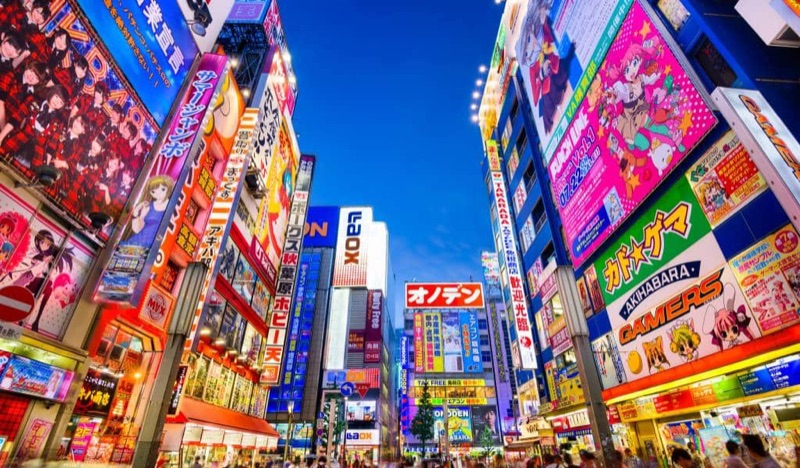
Today is a feast for all senses — start with the freshest seafood in the world, stroll through Tokyo's oldest temple, and end in the neon-drenched wonderland of Akihabara.
Tsukiji Outer Market
The inner wholesale market moved to Toyosu, but Tsukiji's outer market is still THE place for street food. Wander the narrow lanes sampling tamago (sweet egg), fresh uni, grilled scallops, and tamagoyaki on sticks.
Senso-ji Temple & Nakamise Street
Tokyo's oldest and most visited temple (founded 628 AD). Walk through the massive Kaminarimon gate, browse the traditional shops along Nakamise-dori, and explore the temple grounds. The five-story pagoda is stunning.
Explore Asakusa Backstreets
The area around Senso-ji has incredible old-Tokyo charm. Walk along the Sumida River, check out the golden Asahi Beer Hall (the 'golden flame' building), and duck into tiny shops.
Akihabara Electric Town
Anime, manga, retro gaming, maid cafés, and multi-story electronics shops. Even if you're not into otaku culture, the sensory overload is unforgettable. Try a few floors of Super Potato for retro game nostalgia.
Street Style & Digital Art
From the serene forest paths of Meiji Shrine to Harajuku's kaleidoscopic fashion scene and the immersive digital worlds of teamLab — today is about contrasts.
Meiji Shrine (Meiji Jingū)
A peaceful Shinto shrine nestled in a 170-acre forest right in the middle of Tokyo. Walk through the towering torii gate, stroll the gravel paths lined with ancient trees, and write a wish on an ema (wooden plaque).
Harajuku & Takeshita Street
Step from ancient shrine forest directly into Japan's youth culture capital. Takeshita Street is a narrow, packed lane of crepe shops, vintage stores, and wild fashion. Walk Cat Street and the backstreets for more curated boutiques.
Omotesando — Tokyo's Champs-Élysées
Tree-lined boulevard with flagship stores from every major brand, housed in stunning architecture by Tadao Ando, Kengo Kuma, and SANAA. Even if you're not shopping, the buildings themselves are worth the walk.
teamLab Borderless (Azabudai Hills)
The relocated teamLab Borderless is an immersive digital art museum where rooms of light, color, and sound flow into each other. Endlessly Instagrammable and genuinely mesmerizing. Book tickets well in advance.
Old Tokyo & Golden Gai Nightlife
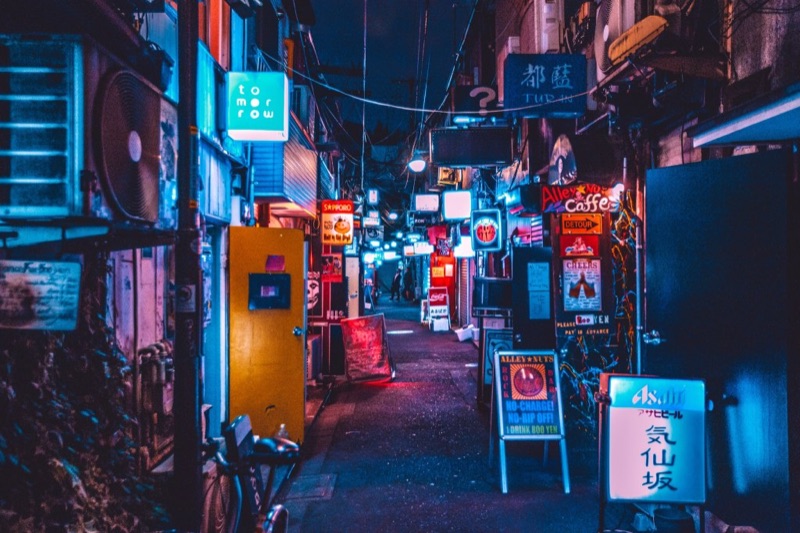
Discover the charming, slow-paced side of Tokyo in the Yanaka district, then flip the switch with a legendary night crawling through Golden Gai's tiny bars.
Ueno Park & Ameyoko Market
Start at Ueno Park — home to several museums, a zoo, and beautiful gardens. Then hit Ameyoko (Ame-yoko), a bustling market street under the train tracks selling everything from fresh fish to leather jackets at bargain prices.
Yanaka — Tokyo's Old Town
A neighborhood that survived the war and earthquakes, Yanaka feels like stepping back 100 years. Narrow lanes, wooden houses, cat statues everywhere, and a famous cemetery with cherry trees. Yanaka Ginza shopping street has retro snack shops and artisan crafts.
Nezu Shrine
One of Tokyo's oldest shrines with a stunning tunnel of vermillion torii gates (mini Fushimi Inari vibes). In late April/early May, the azalea garden blooms spectacularly.
Golden Gai — Bar Hopping
Six narrow alleys packed with 200+ tiny bars, each seating 5–10 people. Every bar has a different theme — horror, jazz, punk rock, travelers-only, cat lovers. This is one of the most unique nightlife experiences on earth. Most bars charge a ¥500–1,000 cover.
Great Buddha & Coastal Escape
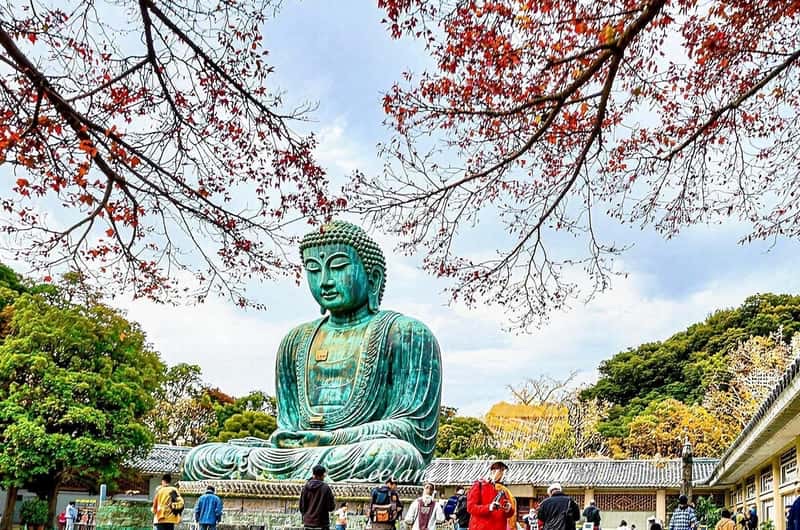
Escape Tokyo for a day and head south to Kamakura — a seaside town packed with ancient temples, a giant bronze Buddha, and excellent surfer-town vibes. It's an easy 1-hour train ride.
Train to Kamakura
Take the JR Yokosuka Line from Shinjuku or Tokyo Station (~1 hour). Buy a Kamakura-Enoshima Day Pass if you want to ride the vintage Enoden tram along the coast.
Tsurugaoka Hachimangū Shrine
Kamakura's most important shrine, at the end of a long tree-lined approach from the station. Impressive architecture, koi ponds with red bridges, and a great hilltop view of the town.
Kōtoku-in — The Great Buddha (Daibutsu)
A 13-meter, 93-ton bronze Buddha that's been sitting outdoors since a tsunami washed away its temple in 1498. One of Japan's most iconic images. You can go inside the hollow statue for ¥50 extra.
Hase-dera Temple
Beautiful hillside temple with ocean views, a cave you can walk through, and thousands of small Jizō statues (protectors of children). The hydrangea garden blooms spectacularly in June, but the views are stunning year-round.
Enoshima Island (Optional)
If time allows, take the Enoden to the end of the line and walk across the bridge to Enoshima Island. Sea caves, a lighthouse observation tower, and incredible sunset views over Mt. Fuji on clear days.
Sunset at Yuigahama Beach
Kamakura's main beach — perfect for a sunset walk before heading back to Tokyo. The vibe is relaxed with surfers, joggers, and beach cafés.
Bullet Train to Ancient Capital
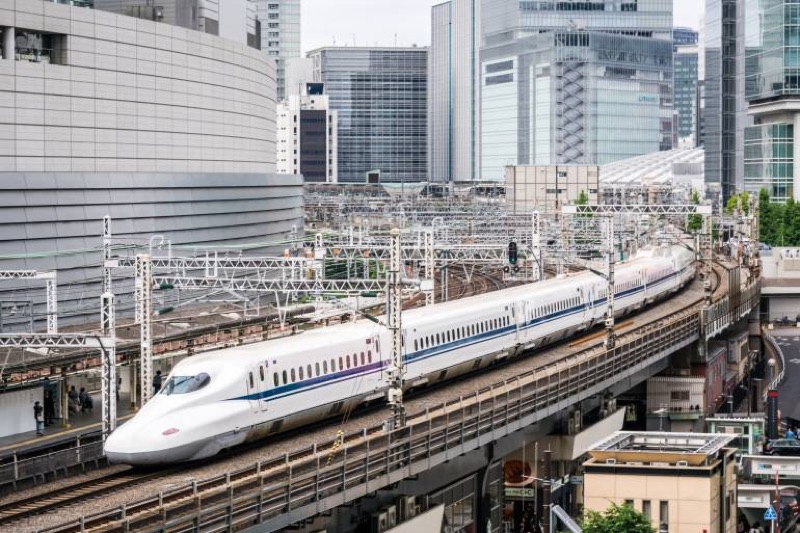
Board the Shinkansen and trade skyscrapers for wooden machiya, shrine gates, and geisha districts. Today ends with a soak in a traditional onsen — the perfect way to unwind.
Shinkansen to Kyoto
Take the Nozomi bullet train from Tokyo Station to Kyoto (2h15m). Watch the landscape transform from urban sprawl to rice paddies, and if the weather is clear, catch a glimpse of Mt. Fuji from the right side of the train (seats on the 'E' side).
Check In & Lunch in Nishiki Market
Drop bags at your hotel (Kyoto Station area or Gion for atmosphere), then head to Nishiki Market — 'Kyoto's Kitchen.' A 5-block covered arcade of food stalls, pickles, matcha everything, and Kyoto specialties.
Fushimi Inari Taisha
The iconic shrine with 10,000+ vermillion torii gates winding up Mt. Inari. The full hike to the summit takes 2–3 hours, but even the first 30 minutes is spectacular. Go in the late afternoon when tour groups thin out and the light filters golden through the gates.
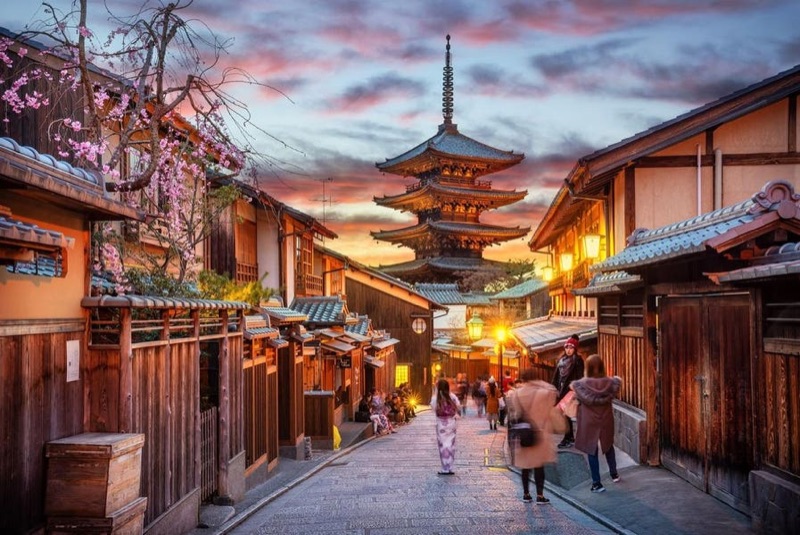
Gion District & Pontocho Alley
Walk through Kyoto's famous geisha district as lanterns light up the wooden machiya townhouses. Pontocho is a narrow alley along the Kamo River lined with restaurants — many have riverside terraces (kawadoko) for dinner in warm weather.
♨️ Onsen Experience — Kurama Onsen or Funaoka Onsen
Fulfill your onsen dream! Funaoka Onsen is a historic bathhouse right in Kyoto (tattoo-friendly, no reservation needed). For a more scenic option, take the Eizan Railway to Kurama and soak in the outdoor rotenburo surrounded by forest.
Bamboo, Gold & Sayonara
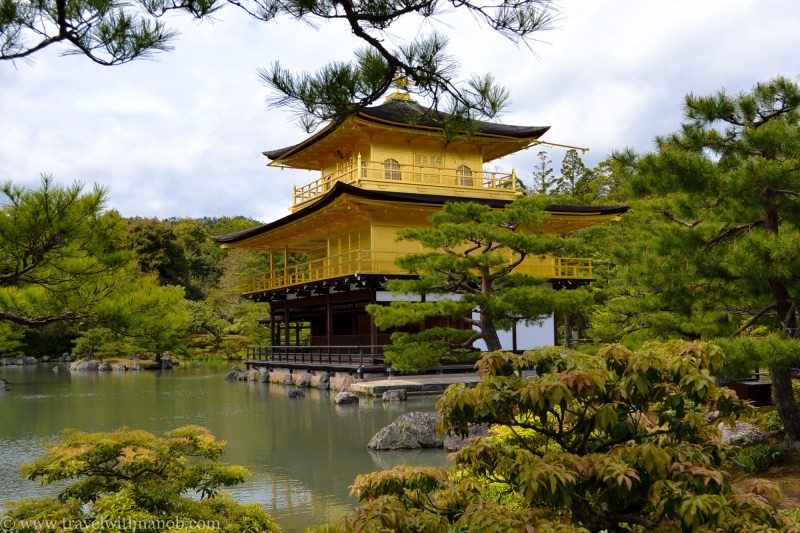
Your final day — start with the ethereal bamboo groves of Arashiyama, visit the stunning Golden Pavilion, and soak in Kyoto's last moments before heading home.
Arashiyama Bamboo Grove
Walk through the towering bamboo forest as stalks creak and sway overhead. It's genuinely otherworldly, especially in the early morning light before crowds arrive. The path leads to Tenryu-ji temple's gorgeous garden.
Arashiyama Monkey Park
Hike 20 minutes up the hillside to a park where wild macaques roam free. You can feed them from inside a cage (yes, you're in the cage, not the monkeys). Incredible panoramic views of Kyoto from the top.
Kinkaku-ji (Golden Pavilion)
A Zen temple covered in actual gold leaf, reflected perfectly in its mirror pond. One of Japan's most photographed sights — and somehow it still exceeds expectations. The surrounding gardens are meticulously maintained.
Last-Minute Shopping & Souvenirs
Head to Kyoto Station area for last-minute omiyage (souvenirs and gift snacks). The underground mall and Isetan department store have incredible selections of matcha sweets, yatsuhashi (Kyoto's signature treat), and beautifully packaged gifts.
💰 Budget Breakdown
| Category | Budget | Mid | Splurge |
|---|---|---|---|
| Accommodation | ¥8,000–15,000/night | ¥12,000–25,000/night | ¥30,000+/night |
| Food | ¥3,000–5,000/day | ¥5,000–10,000/day | ¥15,000+/day |
| Transport (Tokyo) | ¥1,000–2,000/day | ¥1,000–2,000/day | ¥1,000–2,000/day |
| Shinkansen (one-way) | ¥14,170 | ¥14,170 | ¥14,170 (Green Car: ¥19,590) |
| Activities | ¥1,000–3,000/day | ¥3,000–5,000/day | ¥5,000–10,000/day |
| Nightlife | ¥2,000–4,000 | ¥4,000–8,000 | ¥10,000+ |
| 7-Day Total (per person) | ~¥150,000 ($1,000) | ~¥280,000 ($1,900) | ~¥500,000+ ($3,400+) |
🚃 Getting Around Tokyo
- Suica/Pasmo card works on ALL trains, subways, and buses in Tokyo
- Google Maps is incredibly accurate for Japanese transit — trust it
- JR Yamanote Line (green loop) connects most major areas: Shinjuku → Shibuya → Harajuku → Ueno → Akihabara → Tokyo Station
- Subway runs 5am–midnight (no 24h service). Last train warnings are real — miss it and you're taking a ¥5,000+ taxi
🗣️ Language Tips
- Most restaurant menus have photos or plastic food displays — just point
- Learn: sumimasen (excuse me), arigatou gozaimasu (thank you), oishii (delicious)
- Google Translate's camera mode works great for menus — point and translate
- English is limited outside tourist areas, but people are incredibly helpful — gesture and smile
🧳 Luggage Forwarding
- Use takkyubin (luggage forwarding) to send bags from Tokyo hotel to Kyoto hotel — ¥2,000–3,000 per bag, arrives next day
- Yamato Transport (black cat logo) or Sagawa — your hotel front desk can arrange it
- Travel light on the Shinkansen with just a day bag — pure freedom
- Coin lockers at major stations hold bags for ¥300–700/day (large sizes fill up by 10am)
📱 Useful Apps
- Google Maps — transit directions, restaurant reviews, walking navigation
- Tabelog — Japan's #1 restaurant review site (more trusted than Google reviews locally)
- Suica app (iPhone) — mobile transit card, no physical card needed
- SmartEX — book Shinkansen tickets in advance from your phone
- Navitime — backup transit app with real-time delay info