⚡ Before You Go — Essentials
🍶 Sake Capital
Niigata has more sake breweries (~90) than any other prefecture in Japan. The local style is tanrei karakuchi — light, crisp, and dry — thanks to pure snowmelt water and legendary Koshihikari rice. Ask for jizake (地酒) at any restaurant for local brews.
🚄 Getting There
Take the Joetsu Shinkansen from Tokyo Station to Niigata Station — just 2 hours. A JR Pass or regional rail pass covers this. Niigata Station is the hub for all local trains, buses, and the Sado Island jetfoil.
🌸 Late April Weather
Expect 12–20°C with mild, pleasant days. Cherry blossoms may linger into late April in Niigata. Pack layers — mornings and evenings can be cool, especially near the coast. An umbrella is wise for occasional spring rain.
♨️ Onsen Etiquette
Wash thoroughly before entering the bath. No swimsuits. Small towels stay out of the water (fold on your head). Tattoos may restrict entry at some traditional ryokan — check ahead or look for tattoo-friendly facilities.
Arrival — Fish Market Feast & Sake Quarter
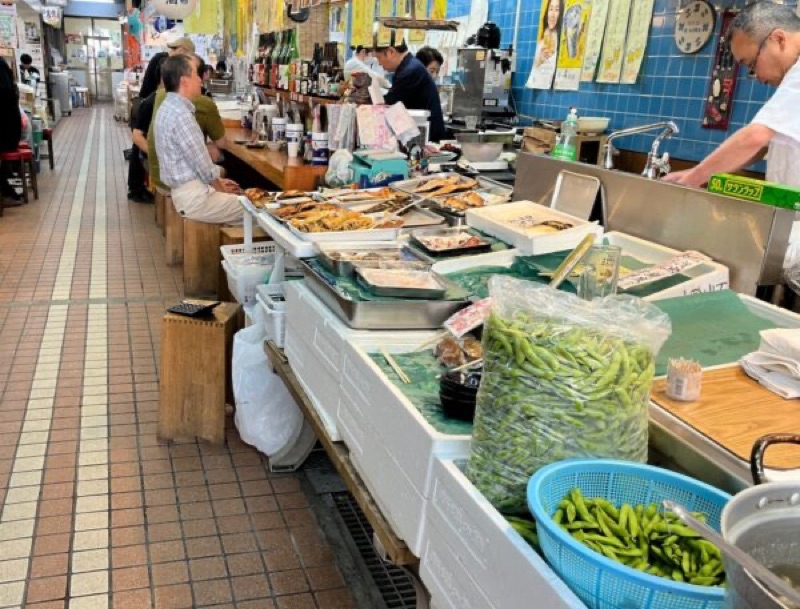
Arrive in Niigata and dive straight into the city's food and sake culture. Start at the legendary Bandai City Fish Market for the freshest sushi of your life, explore the geisha district of Furumachi, and end with sake tastings at Ponshukan — where 500 yen buys you five cups from over 100 breweries.
Shinkansen from Tokyo & Check In
Board the Joetsu Shinkansen from Tokyo Station to Niigata Station — about 2 hours of scenic rice country views. Drop your bags at a hotel near Niigata Station for easy access to everything.
Bandai City Fish Market (Pia Bandai)
Walk 15 minutes from the station to Pia Bandai — Niigata's vibrant fish market where local fishermen sell the morning's catch from the Sea of Japan. The sushi counters here serve some of the best and cheapest sushi in all of Japan. Try nodoguro (blackthroat seaperch), Niigata's prized fish.
Furumachi Geisha District Stroll
Wander through Furumachi — Niigata's historic entertainment district and one of Japan's three great geisha towns. The elegant wooden machiya townhouses, covered arcades, and traditional tea houses give a glimpse into old Japan.
Ponshukan Sake Tasting Station
Head back to Niigata Station's west exit and enter Ponshukan — the legendary sake tasting center where ¥500 gets you 5 token cups to sample from a wall of 117 sake dispensers representing every brewery in the prefecture. There's also a sake bath (yes, really).
Sake Breweries, Waterfront & Sunset Views
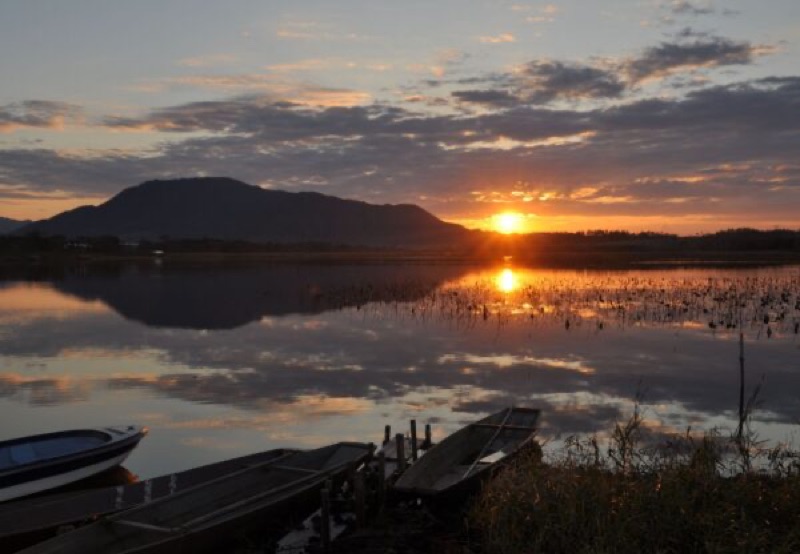
Dive deep into Niigata's sake culture with a morning brewery tour, explore the Shinano River waterfront, and catch a panoramic sunset from Toki Messe observation deck — the tallest building on the Sea of Japan coast.
Imayo Tsukasa Sake Brewery Tour
Visit one of Niigata City's most welcoming breweries for a guided tour of the brewing process. Imayo Tsukasa (今代司) is a 250-year-old brewery that uses only pure rice (junmai) — no added alcohol. The atmospheric old wooden buildings are beautiful, and the tasting at the end is generous.
Shinano River Walk & Northern Culture Museum
Stroll along the Shinano River — Japan's longest river — through Niigata City. Cross the elegant Bandai Bridge (a city landmark) and wander the waterfront parks. If time allows, visit the Northern Culture Museum (Ito Estate) — a stunning samurai-era mansion with beautiful gardens.
Nuttari Terrace — Craft Sake District
Explore Nuttari (沼垂テラス), a revitalized former brewery district turned hip market street. Old sake warehouses now house craft shops, coffee roasters, a micro-brewery taproom, and artisan studios. It's Niigata's coolest neighborhood.
Toki Messe Observation Deck Sunset
Ride up to the 31st floor of Toki Messe — Niigata's tallest building — for a free panoramic view of the city, Shinano River, port, and the Sea of Japan. On clear evenings, the sunset over the water is magnificent.
Sacred Mountain, Shrine & Onsen Bliss
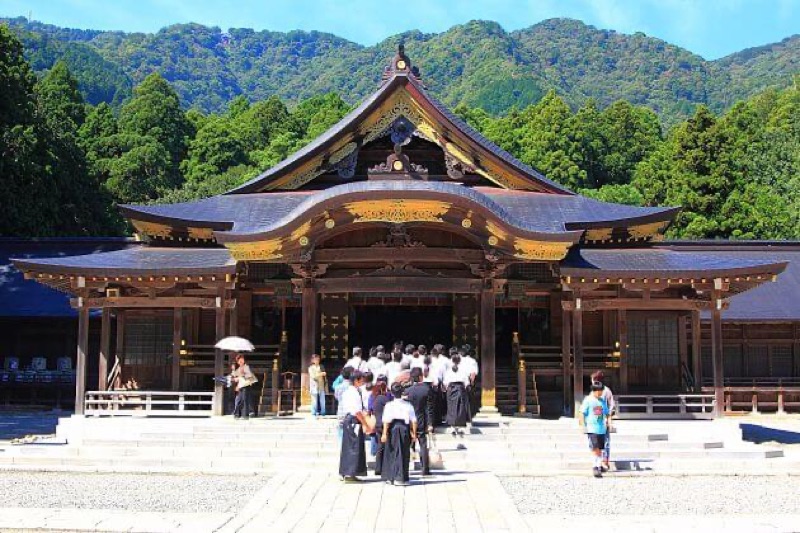
Escape the city for a spiritual and scenic day at Mount Yahiko — Niigata's most sacred mountain. Explore the ancient Yahiko Shrine, ride the ropeway to the summit for sweeping views of the Sea of Japan, and wind down at Yahiko Onsen before heading to Tsukioka for an overnight ryokan soak.
Train to Yahiko & Yahiko Shrine
Take the JR train from Niigata Station to Yahiko Station (~75 min, one transfer at Yoshida). Walk through the towering torii gate into Yahiko Shrine — the most revered Shinto shrine in Echigo (historic Niigata). The 2,400-year-old shrine sits in a dense cedar forest at the base of Mount Yahiko.
Mount Yahiko Ropeway
Take the Yahikoyama Ropeway from behind the shrine to the 634m summit. The panoramic view from the top stretches across the entire Echigo Plain, with rice paddies extending to the horizon on one side and the Sea of Japan and Sado Island on the other.
Yahiko Onsen Foot Bath & Village Walk
Back at the base, explore Yahiko Village and dip your feet in the free ashiyu (foot bath) near the shrine. Browse the small shops selling local mochi, sake, and crafts.
Tsukioka Onsen — Ryokan Check-in & Evening Soak
Travel to Tsukioka Onsen (~1 hour by car/taxi from Yahiko) and check into a traditional ryokan. Tsukioka's waters are famous for their beautiful emerald-green color and high sulfur content — said to be the most beautifying hot spring in Japan. Slip into your yukata and soak as the evening settles in.
Sado Island — Gold Mines, Tub Boats & Wild Drums
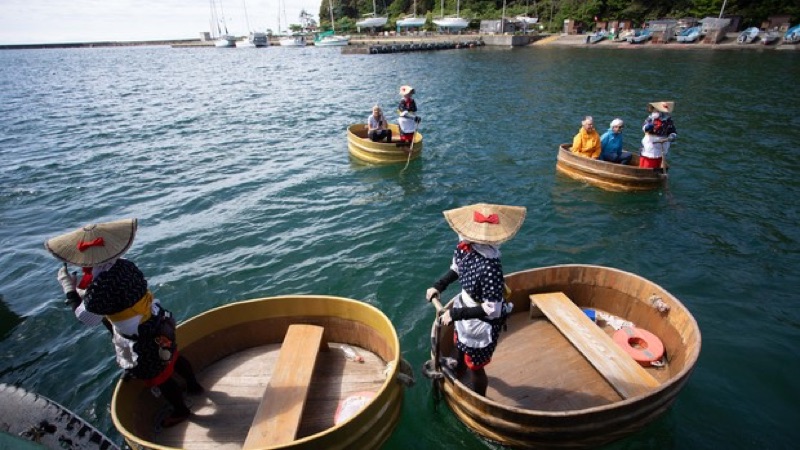
Ferry across to Sado Island — a mystical, time-warped island famous for its Edo-era gold mines, tub boat rides, wild taiko drumming tradition, and untouched natural beauty. It's Japan's adventure island, just 65 minutes from the mainland by jetfoil.
Jetfoil to Sado Island
Take an early morning Sado Kisen jetfoil from Niigata Port to Ryotsu Port (65 min). The high-speed hydrofoil skims across the Sea of Japan — watch for seabirds and distant mountain views. Book tickets in advance, especially during Golden Week.
Sado Kinzan Gold Mine
Drive to the Aikawa district and explore Sado Kinzan — the gold mine that funded the Tokugawa shogunate for nearly 400 years. Walk through atmospheric tunnels with robotic figures re-enacting Edo-era mining life. The engineering and history are fascinating.
Tarai-bune Tub Boat Ride (Ogi Port)
Drive south to Ogi Port for the iconic tarai-bune experience — ride in a traditional wooden tub boat, originally used by women to harvest abalone and seaweed. A local guide paddles you across the crystal-clear bay. It's wonderfully quirky and beautiful.
Shukunegi Village
Walk through Shukunegi — a remarkably preserved Edo-period shipbuilding village where narrow lanes wind between black-walled wooden houses. The village feels frozen in time and is one of Japan's most atmospheric historic settlements.
Return Jetfoil to Niigata
Catch the late afternoon jetfoil back from Ryotsu to Niigata Port (last boats around 4:30-5:30pm — check schedule). The golden hour light over the Sea of Japan on the return is beautiful.
Coastal Morning, Last Tastes & Farewell
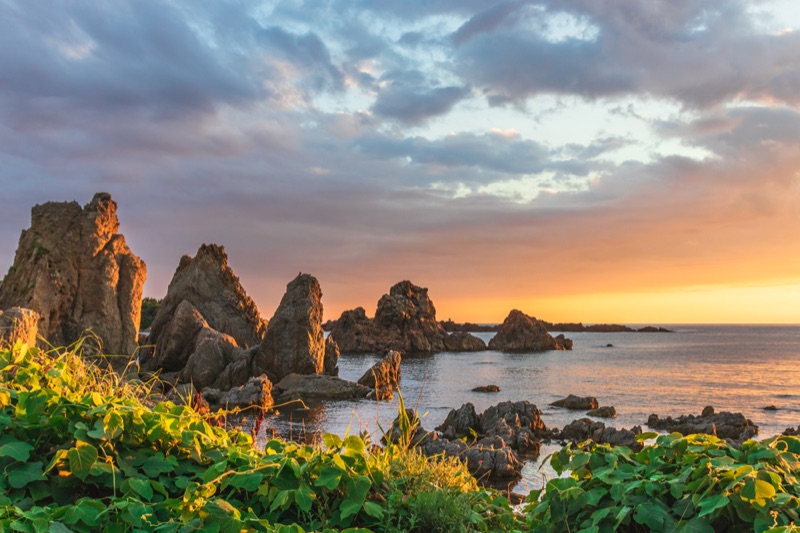
Your final morning in Niigata is all about savoring the small moments — a walk along the Sea of Japan coast, one last seafood breakfast, picking up sake souvenirs, and soaking in the relaxed rhythm of this underrated city before heading home.
Sunrise Walk Along Niigata Coast
Start early with a walk along the Niigata coastline near Mariko Beach or Sekiya Beach. The Sea of Japan stretches endlessly, waves crash against the breakwater, and the morning light is soft and beautiful. It's a peaceful, meditative start to your last day.
Morning Market & Final Fish Fix
Return to Pia Bandai for one last round of Niigata's incredible seafood. This time, try the kaisen-don (seafood rice bowl) loaded with whatever's freshest. Grab some local rice crackers and dried seafood as edible souvenirs.
Sake Souvenir Shopping at Ponshukan & CoCoLo
Hit Ponshukan one more time for any sake bottles you want to bring home, then browse CoCoLo Niigata shopping complex in the station for beautifully packaged Niigata specialties — sake, rice, sasa-dango (bamboo-leaf rice dumplings), and local sweets.
Shinkansen Back to Tokyo
Board the Joetsu Shinkansen back to Tokyo. Watch the rice paddies and mountains fly past one more time, sake souvenirs safely packed, and a deep appreciation for Japan's quieter, tastier side.
💰 Budget Breakdown
| Category | Budget | Midrange | Luxury |
|---|---|---|---|
| Accommodation | ¥8,000–12,000/night | ¥15,000–25,000/night | ¥30,000–60,000/night (ryokan) |
| Meals (per couple) | ¥4,000–6,000/day | ¥8,000–15,000/day | ¥20,000–40,000/day |
| Transport (local) | ¥1,000–2,000/day | ¥3,000–5,000/day | ¥8,000–15,000/day (taxi/car) |
| Sado Island (jetfoil+car) | ¥15,000/person | ¥18,000/person | ¥25,000/person (private) |
| Activities & Onsen | ¥1,000–3,000/day | ¥3,000–8,000/day | ¥10,000–20,000/day |
| 5-Day Total (couple) | ¥80,000–120,000 | ¥150,000–250,000 | ¥350,000–600,000 |
✈️ Getting There
- Joetsu Shinkansen from Tokyo Station — 2 hours direct to Niigata Station
- Ibex/ANA flights from Osaka or Sapporo (~1 hour)
- JR Pass or JR East regional passes cover the shinkansen
- Niigata also has an airport (KIJ) with limited domestic routes
🏨 Where to Stay
- Hotel Nikko Niigata — waterfront tower hotel with harbour views
- ANA Crowne Plaza Niigata — central, connected to station
- Tsukioka Onsen ryokan — traditional overnight with kaiseki (Day 3)
- Furumachi boutique stays for a local neighbourhood feel
🌡️ Weather
- Late April/early May: 12–20°C (54–68°F)
- Spring sunshine with occasional rain — pack a light jacket and umbrella
- Perfect walking weather — not too hot, not too cold
- Sea breeze keeps evenings cool near the coast
💳 Money
- IC cards (Suica/Pasmo) work on Niigata buses and trains
- Cash still preferred at fish markets, small shops, and ryokan
- Convenience store ATMs (7-Eleven, Lawson) accept international cards
- No tipping — omotenashi hospitality is built into the culture
📱 Connectivity
- Get a travel eSIM before arriving (Ubigi, Airalo, etc.)
- Free WiFi at most hotels and Niigata Station
- Coverage is good in the city and Yahiko — patchy in parts of Sado Island
- Download offline maps for Sado Island navigation