⚡ Before You Go — Essential Logistics
JR Pass
A 7-day pass (¥50,000 / ~$330) activated on Day 4 covers your day trip + Tokyo–Kyoto–Osaka travel. Use the JR Pass Calculator to check if it saves you money for your route.
IC Card (Suica/Pasmo)
Get one at the airport immediately. Load ¥5,000. Works on all local trains, buses, konbini, and vending machines. This handles all in-city transport.
Pocket WiFi / eSIM
Get an eSIM (Ubigi or Airalo, ~$15–25 for 10 days) before you land. Google Maps + Translate are essential. Free WiFi is unreliable.
Cash
Japan is still cash-heavy at small restaurants, temples, and in Kyoto. Withdraw ¥20,000–30,000 at a 7-Eleven ATM (they accept foreign cards). Carry ¥10,000–20,000 at all times.
Shoes
You will walk 15,000–25,000 steps/day. Bring your most comfortable walking shoes and slip-ons for temples. The #1 tip from every returning traveler.
Luggage Forwarding
Don't drag suitcases on the shinkansen. Use Yamato Transport (Kuroneko) takkyubin — ship between hotels for ¥2,000–3,000/bag, next-day delivery. Ship from any konbini or hotel front desk.
📋 10 Days at a Glance
| Days | Destination | Highlights |
|---|---|---|
| 1–3 | Tokyo | Shibuya, Shinjuku, Asakusa, Akihabara, Tsukiji Outer Market, Meiji Shrine, TeamLab |
| 4 | Day Trip | Hakone (Mt. Fuji views) or Kamakura (Great Buddha) |
| 5–7 | Kyoto | Fushimi Inari, Arashiyama, Kinkaku-ji, Gion, Nishiki Market |
| 8 | Day Trip | Nara (deer park, Todai-ji) |
| 9–10 | Osaka | Dotonbori, Osaka Castle, Shinsekai, street food |
Getting between cities: Take the shinkansen (bullet train) from Tokyo to Kyoto (2 hours 15 minutes, ~¥13,320 one-way). Kyoto to Osaka is just 15 minutes by JR Special Rapid train (¥570).
Arrival + Shinjuku & Shibuya
Arrive at Narita (NRT) or Haneda (HND) airport.
- From Narita: Take the Narita Express (N'EX) to Shinjuku or Shibuya (~90 minutes, ¥3,250). Or the budget option: Keisei Access Express to Aoto, transfer to subway (~100 minutes, ¥1,270).
- From Haneda: Take the Keikyu Line or Tokyo Monorail (~30–45 minutes, ¥300–500).
Check into your hotel. Don't over-schedule today — jetlag is real (Japan is 14–17 hours ahead of US time zones).
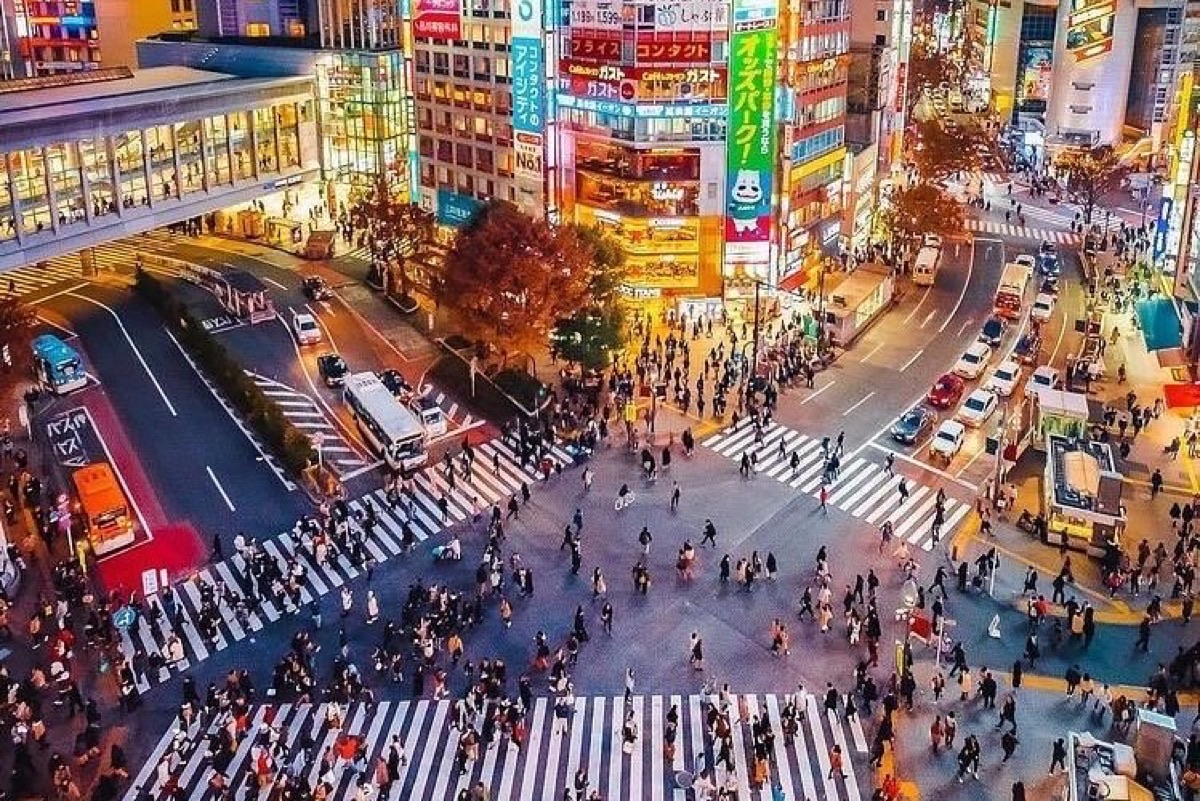
Walk to Shibuya Crossing — the world's busiest pedestrian scramble. Best viewed from the Shibuya Sky observation deck (¥2,000, book online) or the Starbucks overlooking the crossing. Walk through Center-Gai and explore the backstreets.
Dinner in Shinjuku. Head to Omoide Yokocho (Memory Lane / "Piss Alley") for yakitori skewers at tiny open-air stalls (¥100–300 per skewer). Then walk through Kabukicho and the neon-lit Golden Gai — a cluster of 200+ tiny bars, most seating 6–8 people. Some charge a cover (¥500–1,000), others don't. Just peek in and ask.
East Tokyo — Temples, Markets & Anime
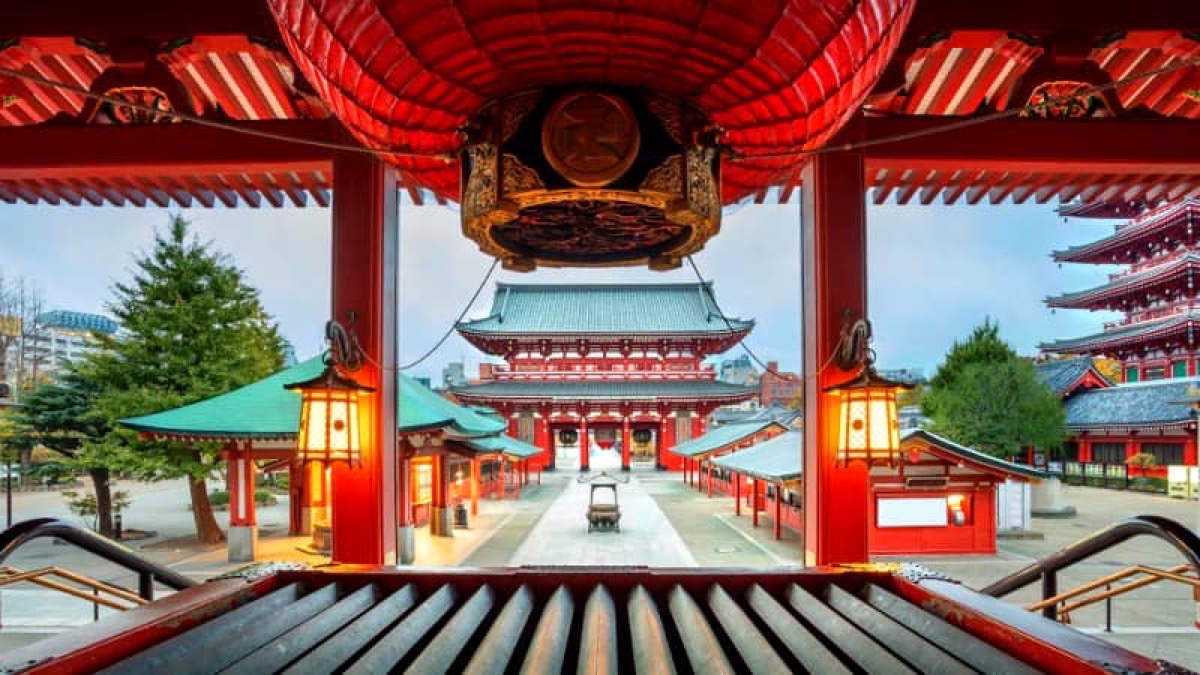
Start at Senso-ji Temple in Asakusa — Tokyo's oldest temple (628 AD). Arrive by 8:00 AM to beat crowds. Walk through Nakamise-dori shopping street (opens ~9:00 AM) for ningyo-yaki (cake-filled pastries, ¥300) and traditional crafts.
Walk or take the subway one stop to Ueno. Visit Ueno Park — home to the Tokyo National Museum (¥1,000, closed Mondays), the National Museum of Nature and Science (¥630), and Ameya-Yokocho market street underneath the train tracks (great for cheap street food and clothing).
Take the Hibiya Line to Akihabara — Tokyo's electronics and anime district. Even non-anime fans enjoy the sheer sensory overload. Stop by Yodobashi Camera (8 floors of electronics), browse the retro game shops on Chuo-Dori, or try a themed café.
Dinner at a conveyor belt sushi spot — Sushiro, Kura Sushi, or Hamazushi all have locations near major stations (¥1,000–2,500 for a full meal). These chains use an app/tablet ordering system with English support.
Youth Culture, Art & Farewell Tokyo
Start at Meiji Shrine (Meiji Jingu) — a serene forested shrine in the heart of Tokyo. Free entry. The 700-meter forested approach path is beautiful. Allow 45–60 minutes.
Walk to Harajuku and Takeshita-dori — a narrow lane packed with quirky fashion, crêpe stands (¥400–600), and pop culture shops. Then stroll Omotesando — Tokyo's Champs-Élysées, lined with flagship stores and excellent architecture.
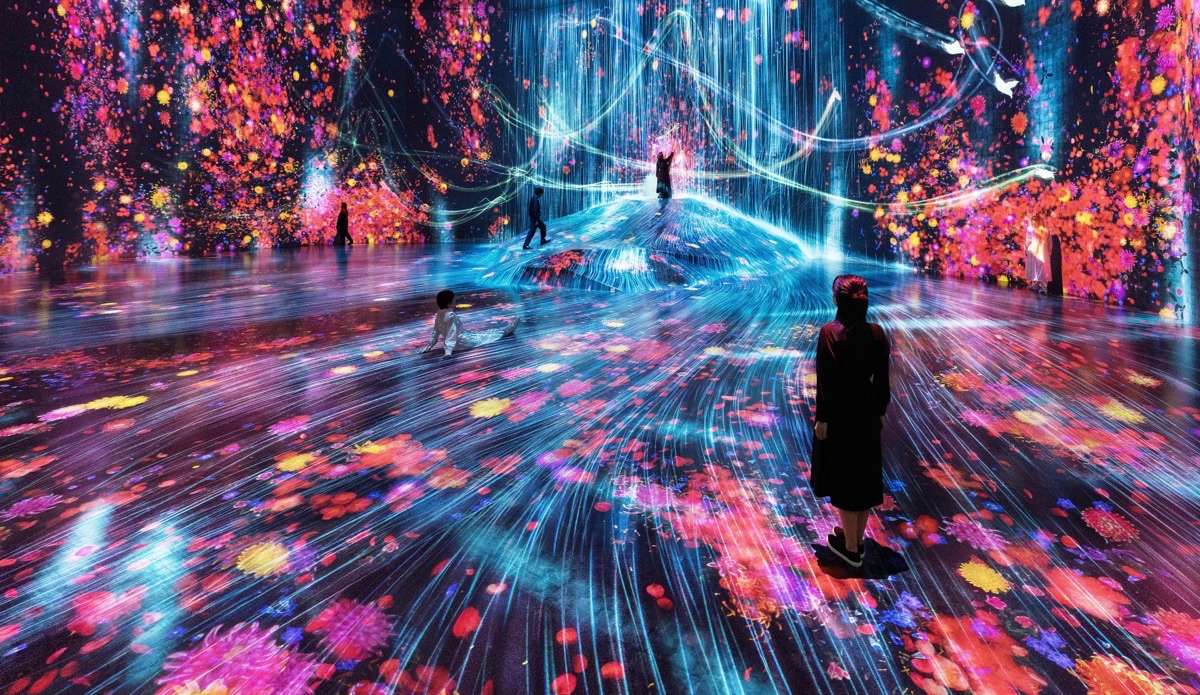
Visit TeamLab Borderless (relocated to Azabudai Hills in 2024, ¥3,800). Book tickets online in advance — they sell out weeks ahead. This immersive digital art museum is unlike anything you've experienced. Allow 2–3 hours.
Head to Ebisu or Nakameguro for dinner. Afuri Ramen in Ebisu (yuzu shio ramen, ~¥1,100) is a local favorite. Alternatively, explore the Shibuya Yokocho food hall under Shibuya Station for regional Japanese cuisines under one roof.
Day Trip — Nature, Temples & Mt. Fuji
You have two excellent options. Choose based on your interests:
Option A: Hakone (Nature + Hot Springs + Mt. Fuji Views)
Getting there: Odakyu Romance Car from Shinjuku to Hakone-Yumoto (85 minutes, ¥2,330). Buy the Hakone Free Pass (¥6,100 from Shinjuku, 2-day) — it covers the Romance Car plus all Hakone loop transport (cable car, ropeway, pirate ship, buses).
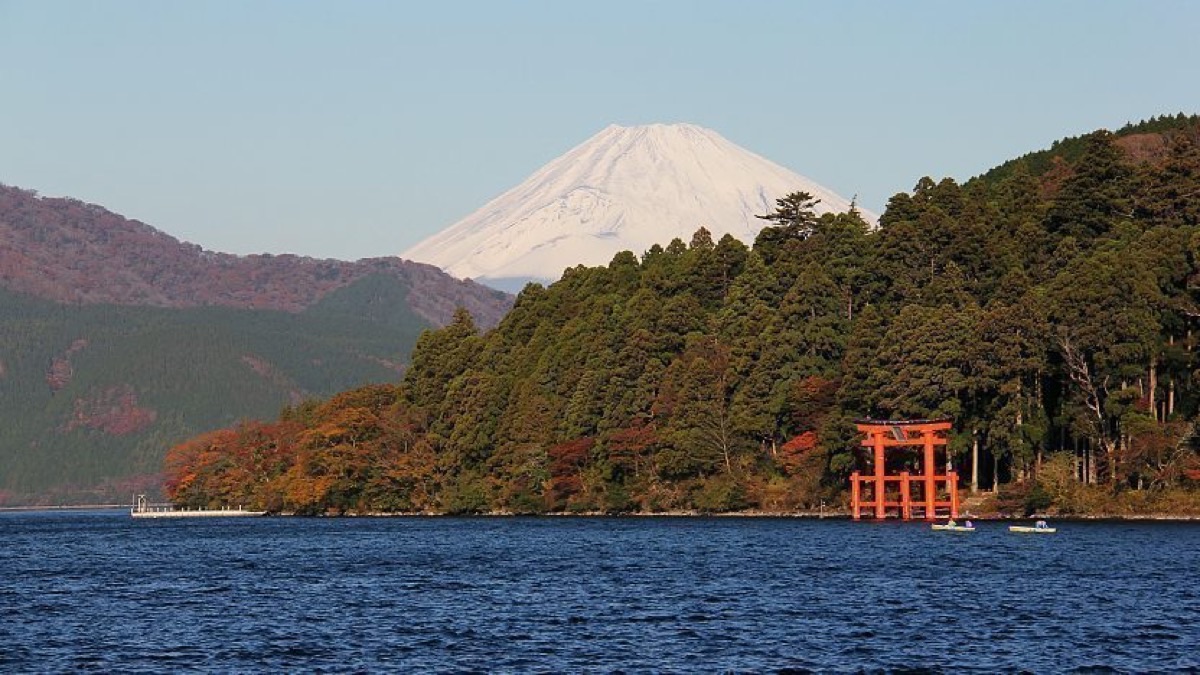
The Hakone Loop: Hakone-Yumoto → Gora (switchback train) → Sounzan (cable car) → Owakudani (volcanic valley with sulfur vents, try the black eggs — legend says each adds 7 years to your life, ¥500 for 5) → Togendai (ropeway with Mt. Fuji views on clear days) → cross Lake Ashi by pirate ship → Hakone Shrine (iconic red torii gate on the water).
Option B: Kamakura (Temples + Beach Town Vibes)
Getting there: JR Yokosuka Line from Tokyo Station (55 minutes, ¥940, covered by JR Pass).
Must-see: Kotoku-in Temple for the Great Buddha (Daibutsu, ¥300) — a 13-meter bronze statue from 1252. Hase-dera Temple (¥400) for ocean views and thousands of small Jizo statues. Tsurugaoka Hachimangu — Kamakura's main shrine. Walk Komachi-dori for matcha soft serve (¥400) and local crafts.
Eastern Kyoto — Gates, Geisha & Street Food
Take the shinkansen from Tokyo Station to Kyoto Station (Nozomi: 2 hours 15 minutes, ¥13,320; Hikari: 2 hours 40 minutes, covered by JR Pass). Base yourself near Kyoto Station, Gion/Higashiyama, or along the Karasuma Line for easy subway access.
Fushimi Inari Taisha
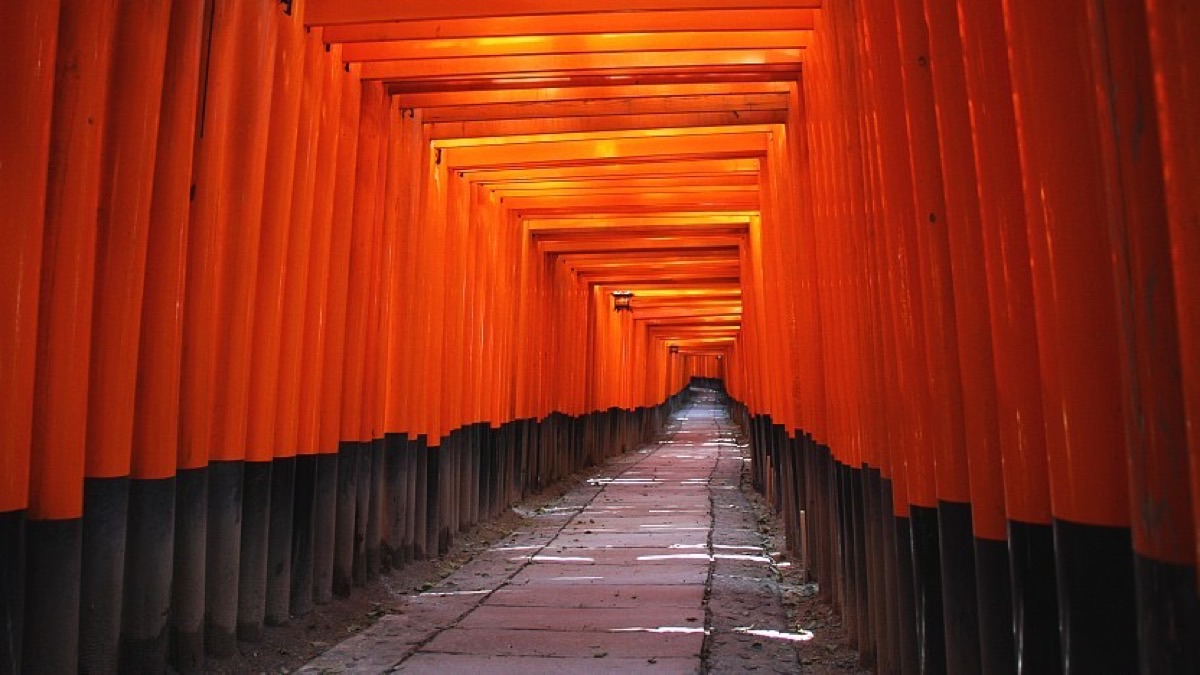
The iconic tunnel of 10,000+ vermilion torii gates. Arrive by 7:00 AM (it's open 24/7) to experience it without crowds. The full hike to the summit takes 2–3 hours; most visitors walk 30–45 minutes to the Yotsutsuji intersection viewpoint and turn back.
Kiyomizu-dera & Higashiyama
Take the Keihan Line to Kiyomizu-dera Temple (¥400). Walk through the atmospheric streets of Ninenzaka and Sannenzaka — preserved Edo-period lanes with tea houses and pottery shops. Try yatsuhashi (cinnamon rice cake, Kyoto's signature sweet).
Continue north through Higashiyama to Maruyama Park and Yasaka Shrine (free). Walk into Gion — Kyoto's geisha district. The narrow lane Hanamikoji-dori is where you're most likely to spot a geiko or maiko heading to an evening engagement, usually between 5:30–6:30 PM.
Dinner at Nishiki Market ("Kyoto's Kitchen") — a 400-meter covered arcade with 100+ food stalls. Try tamagoyaki (sweet rolled omelet, ¥200–400), grilled mochi, pickled vegetables (tsukemono), and fresh tofu.
Western Kyoto — Bamboo, Gold & Riverside Dining
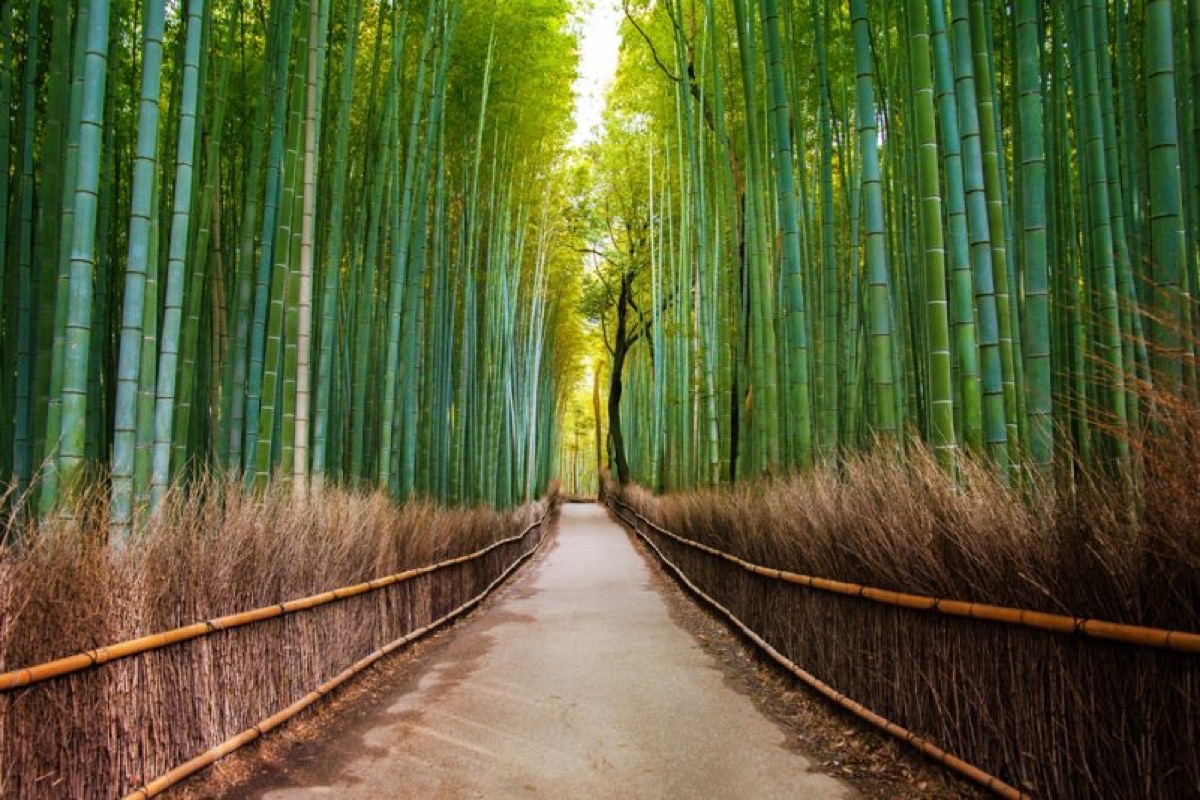
Head to Arashiyama Bamboo Grove — arrive by 8:00 AM for photos without crowds. Walk through the towering bamboo stalks (10 minutes) and continue to Tenryu-ji Temple (¥500 for garden). Cross the photogenic Togetsukyo Bridge over the Katsura River.
Optional: Take the Sagano Scenic Railway (¥880 one-way) along the Hozu River gorge — stunning in cherry blossom season (late March–early April) and autumn foliage (mid-November to early December). Book tickets in advance.
Bus or taxi to Kinkaku-ji (Golden Pavilion, ¥500) — the gold-leaf-covered Zen temple reflected in its mirror pond. Nearby: Ryoan-ji (¥500), famous for its minimalist rock garden.
Explore Pontocho Alley — a narrow pedestrian lane along the Kamogawa River lined with restaurants. In warm months, many restaurants set up kawadoko (riverside dining platforms). Splurge on a kaiseki (multi-course traditional Japanese dinner, ¥8,000–15,000) or keep it casual at a riverside yakitori spot.
Central Kyoto + Cultural Experiences
Visit Nijo Castle (¥1,300) — a UNESCO World Heritage Site with "nightingale floors" that chirp when you walk on them (an ancient intruder alert system). The ornate interiors and gardens are impressive.
Tea ceremony experience in Gion or near Kodai-ji Temple. Camellia Garden and En offer English-language tea ceremonies (¥2,000–4,000, 45 minutes). This is one of those uniquely Japanese experiences worth the time.
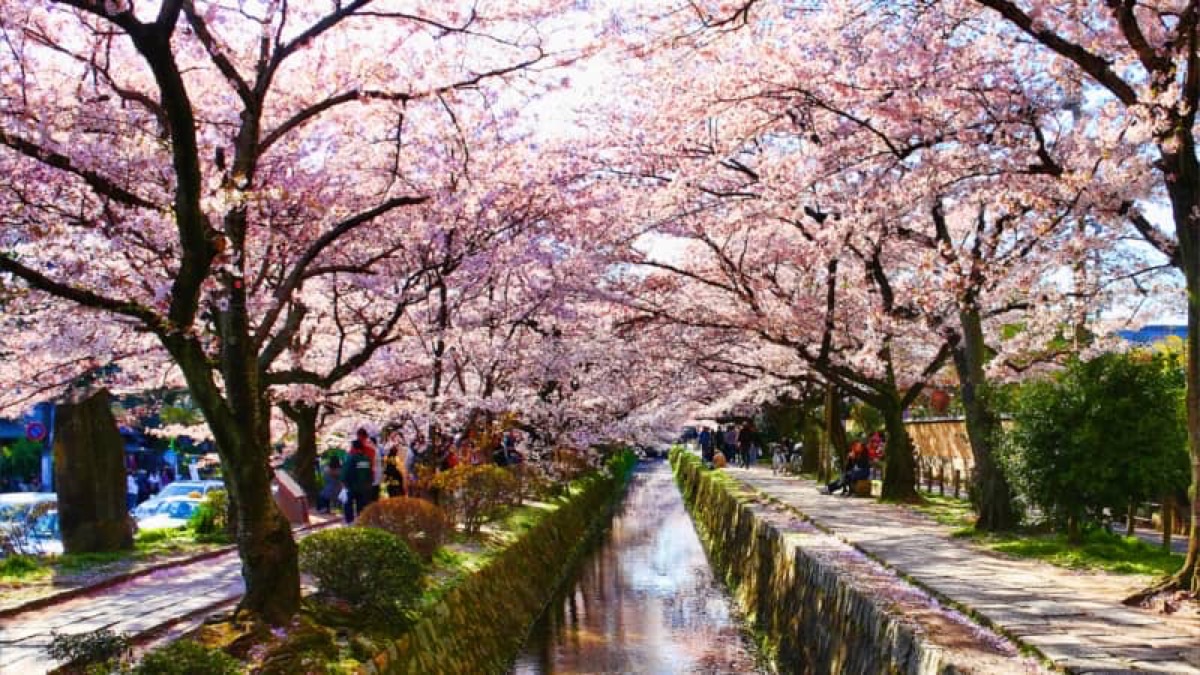
Rent a bicycle (¥1,000/day from shops near Kyoto Station) and explore at your own pace. Kyoto is flat and extremely bike-friendly. Good cycling targets: Philosopher's Path (a 2km canal-side walk connecting Ginkaku-ji to Nanzen-ji), the Imperial Palace grounds (free, no reservation needed), and the Demachi Masugata shopping arcade for local snacks.
If you haven't yet, visit Fushimi Inari at night — the torii gates are illuminated and nearly empty after dark. Eerie and beautiful.
Day Trip to Nara — Deer, Giant Buddha & Ancient Shrines
JR Nara Line from Kyoto Station (45 minutes, ¥720, covered by JR Pass) or Kintetsu Railway (35 minutes, ¥760, not covered by JR Pass but drops you closer to the sights).
Nara is compact and walkable. Everything is within Nara Park, a short walk from either station.
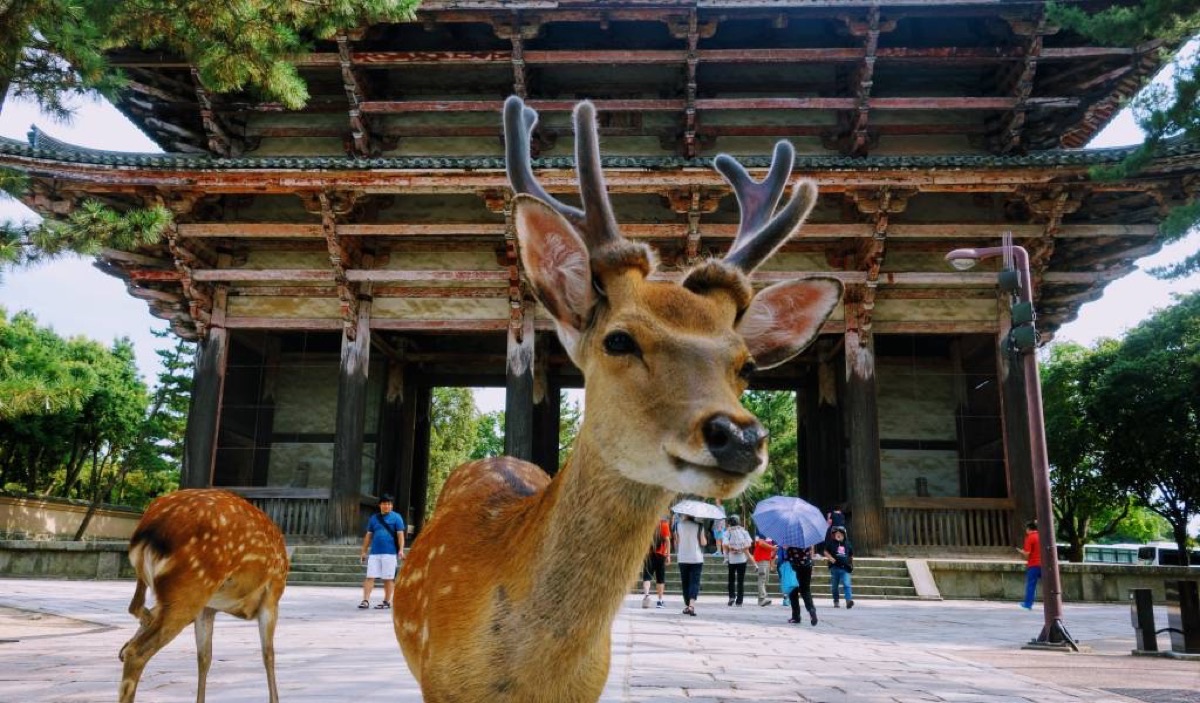
- Todai-ji Temple (¥600) — houses the world's largest bronze Buddha statue (15 meters tall) inside the world's largest wooden building. The scale is genuinely awe-inspiring.
- Nara Park deer — roughly 1,200 wild sika deer roam freely. Buy shika-senbei (deer crackers, ¥200) and bow to them — they bow back. (Watch your maps and bags — the deer are friendly but assertive.)
- Kasuga-taisha Shrine (¥500) — famous for its thousands of stone and bronze lanterns.
- Isuien Garden (¥1,200) — a stunning Meiji-era garden with Todai-ji as its backdrop.
Try kakinoha-zushi (sushi wrapped in persimmon leaves) — Nara's local specialty. Hiraso near Kintetsu Nara Station is the most well-known spot.
Return to Kyoto by late afternoon and pack for Osaka.
Osaka — Food Capital of Japan
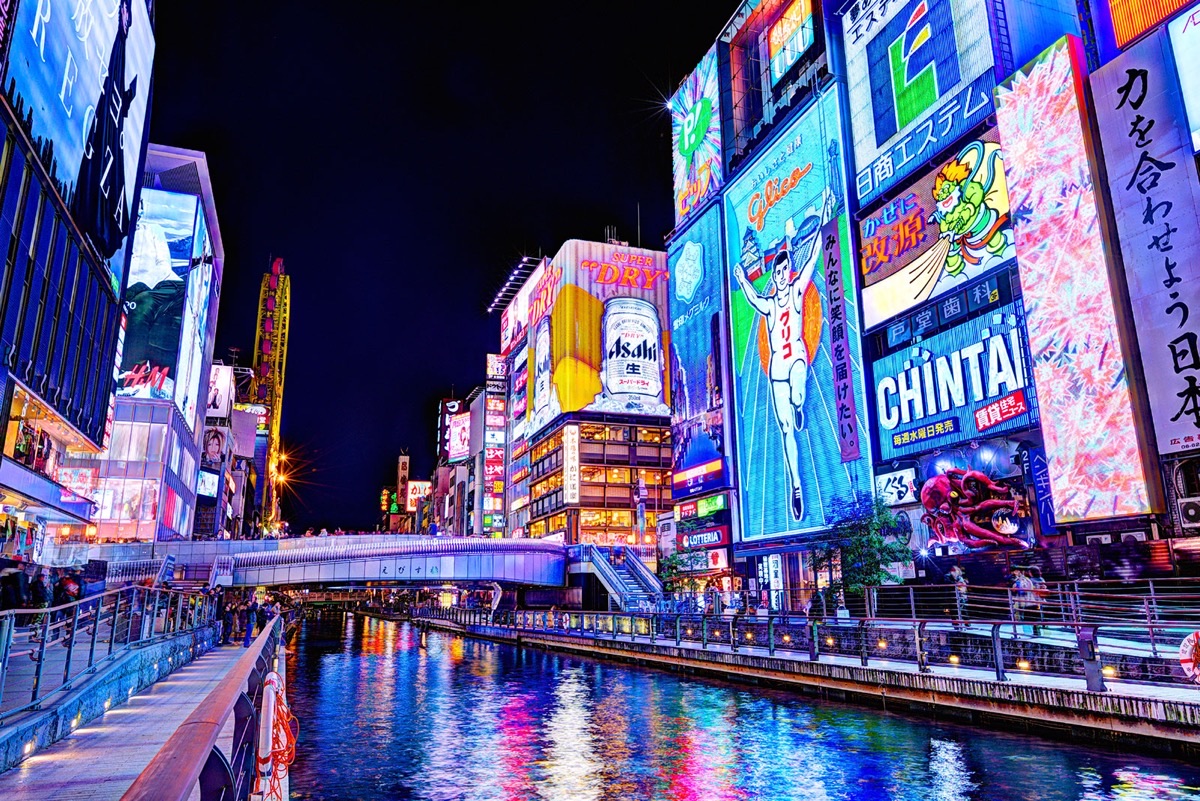
Getting there from Kyoto: JR Special Rapid to Osaka Station (30 minutes, ¥570) or Hankyu Line to Umeda (45 minutes, ¥400). Base yourself in Namba or Shinsaibashi — walking distance to Dotonbori.
Visit Osaka Castle (¥600) — a reconstructed 16th-century castle with a museum inside and panoramic city views from the top floor. The surrounding park is beautiful, especially during cherry blossom season. Allow 1.5–2 hours.
Head to Shinsekai — a retro entertainment district with Tsutenkaku Tower and the best kushikatsu (deep-fried skewered everything) in Japan. Daruma is the most famous chain, but locals prefer Yaekatsu or Kushikatsu Tanaka for less tourist-oriented experiences. Rules: never double-dip in the communal sauce.
Dotonbori — Osaka's neon-drenched food paradise. This is where you eat your way through Japan's greatest hits:
- Takoyaki (octopus balls): Wanaka or Kukuru (¥500–700 for 8 pieces)
- Okonomiyaki (savory pancake): Mizuno or Fukutaro (¥800–1,200) — watch them cook on the griddle in front of you
- Gyoza: Chao Chao or Horai (¥300–500)
Walk along the Dotonbori canal at night for the iconic Glico Running Man sign photo.
Morning in Osaka + Departure
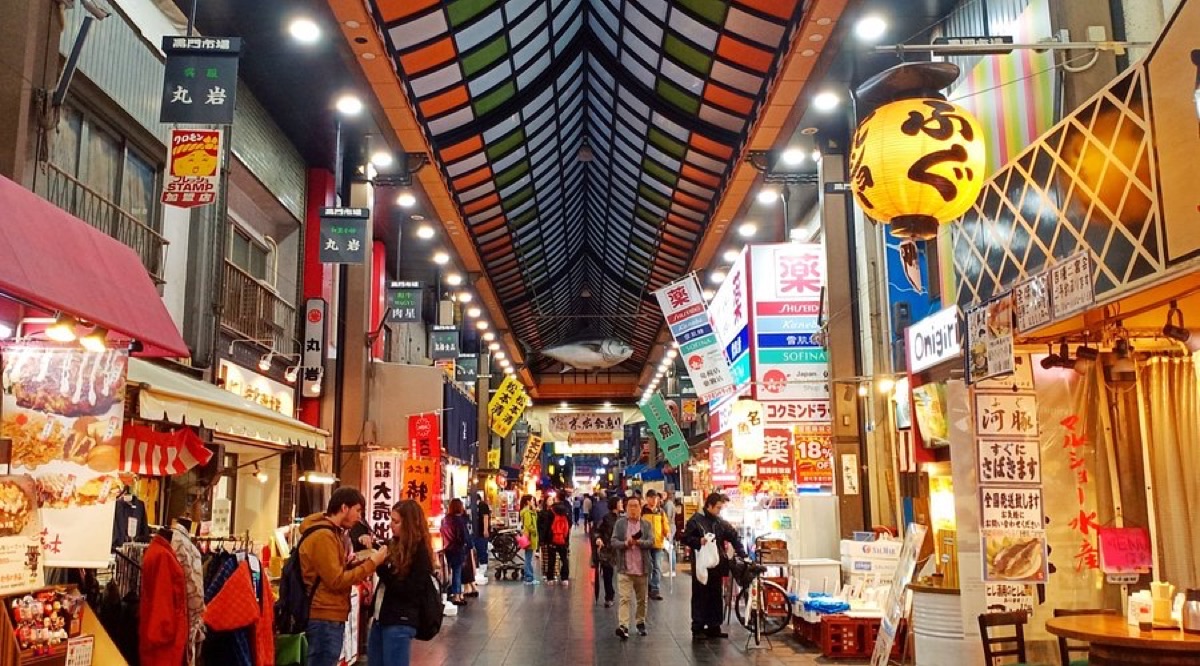
Explore Kuromon Market ("Osaka's Kitchen") — a 600-meter-long market with fresh seafood, wagyu beef skewers (¥800–1,500), uni (sea urchin, ¥500–1,000), and fresh fruit. Best visited before 11 AM when stalls are freshest.
If your flight is from Kansai Airport (KIX): Take the Nankai Rapi:t express from Namba (35 minutes, ¥1,450) or JR Haruka from Tennoji/Shin-Osaka (45–50 minutes, ¥2,230). KIX is the logical departure airport for this west-to-east itinerary — saves you a 3-hour shinkansen ride back to Tokyo.
If your flight is from Tokyo (NRT/HND): Take the shinkansen from Shin-Osaka to Tokyo (2.5 hours, ¥13,870), then connect to the airport. Budget an extra half-day for this.
🌸 Seasonal Guide: When to Visit Japan
Each season transforms the experience. Here's what to expect:
Cherry Blossom Season (Late March–Mid April)
The most popular time. Peak bloom varies by region (Tokyo: ~March 25–April 5; Kyoto: ~March 28–April 8). Book accommodation 3–6 months ahead. Expect higher prices (+20–40%) and crowds at major sites. Worth it if you time it right — the sakura viewing (hanami) is genuinely magical.
Summer (June–August)
Hot and humid (30–35°C / 86–95°F), especially July–August. June brings the rainy season (tsuyu). Fewer tourists, lower prices, and summer festivals (matsuri) including massive fireworks displays. Best for: Hokkaido (mild summers) or beach trips to Okinawa.
Autumn Foliage (Mid October–Early December)
Stunning red and gold maple leaves (koyo). Kyoto peaks mid-to-late November. Less crowded than cherry blossom season but equally beautiful. Our top recommendation for first-timers — comfortable temperatures (15–20°C), manageable crowds, and spectacular scenery.
Winter (December–February)
Cold but clear skies mean the best Mt. Fuji visibility. Fewer tourists, great deals on accommodation. Winter illumination events in Tokyo and Osaka. Perfect for onsen (hot spring) visits. Snow in northern Honshu and Hokkaido for skiing.
📝 First-Timer Tips That Actually Matter
Communication & Navigation
- Download Google Maps offline maps for Japan before you go. It's by far the best navigation tool, including transit directions with real-time train schedules.
- Pocket WiFi or eSIM: Essential. Rent a pocket WiFi (~¥800–1,000/day) at the airport, or buy an eSIM through Ubigi, Airalo, or Holafly before departure (~$15–25 for 10 days, data only). We recommend eSIM for simplicity.
- Language: English signage exists at major stations and tourist areas. Google Translate's camera mode handles menu translation well. Learn a few phrases: sumimasen (excuse me), arigatou gozaimasu (thank you), eigo no menu wa arimasu ka (do you have an English menu?).
Food Etiquette
- Tipping is not practiced in Japan and can be considered rude.
- Slurping noodles is polite — it shows you're enjoying the food.
- Many restaurants use ticket vending machines (食券機, shokkenki) at the entrance. Insert money, press the button with a picture of what you want, hand the ticket to the chef.
- Konbini (convenience stores) are a food group in Japan. 7-Eleven, FamilyMart, and Lawson serve genuinely good onigiri, egg sandwiches, fried chicken (famichiki), and even wine. Don't sleep on konbini meals — they're ¥300–600 and surprisingly excellent.
Getting Around
- Trains stop around midnight (last train varies by line, typically 11:30 PM–12:30 AM). Plan accordingly or budget ¥2,000–4,000 for a taxi.
- Get a Suica or Pasmo IC card at the airport. Tap-and-go for all trains, buses, and many vending machines. Load at any station or convenience store.
- In Kyoto, take buses. The bus network covers more tourist sites than the limited subway. A one-day bus pass (¥700) pays for itself after 3 rides.
- Luggage forwarding (takkyubin): Don't drag your suitcase onto the shinkansen. Use Yamato Transport (Kuroneko) to ship luggage between hotels (¥2,000–3,000 per bag, next-day delivery). Ship from any convenience store or hotel front desk.
Cultural Essentials
- Remove shoes when entering homes, ryokans, some restaurants, and temple interiors. Look for a genkan (entryway step) and shoe cubbies.
- Onsen etiquette: Wash thoroughly at the shower stations before entering the communal bath. No swimsuits. Tattoos are increasingly accepted but some traditional onsen still prohibit them — check beforehand.
- Trash cans are rare. Carry a small bag for your garbage. You'll find bins at convenience stores and stations.
- Quiet on trains. Talking on the phone is considered rude. Keep conversations low.
Customize This Itinerary
This 10-day Japan itinerary works as a template, but the best trip is one tailored to your pace, interests, and budget. Some common modifications:
- Swap Osaka for Hiroshima + Miyajima Island (Day 9): Take the shinkansen from Kyoto (80 minutes). Visit the Peace Memorial Museum, then ferry to Miyajima Island for the floating torii gate.
- Add a ryokan night: Replace one hotel night in Hakone or Kyoto with a traditional ryokan experience (¥15,000–40,000/person including kaiseki dinner and breakfast).
- Slow it down: Cut Osaka to 1 day and add an extra day in Kyoto or a second day trip (Mt. Koya for temple lodging, or Himeji Castle — Japan's most spectacular original castle, 45 minutes from Osaka by shinkansen).
- Skip the day trip: If you want more Tokyo time, drop Day 4's day trip and explore Tsukiji Outer Market, Odaiba, Shimokitazawa, or Yanaka — Tokyo's old-town neighborhood.
Packing Quick List
- Comfortable walking shoes — you'll walk 15,000–25,000 steps per day
- Portable battery pack — for your phone (your lifeline for navigation)
- Small towel — many public restrooms don't have hand dryers or paper towels
- Light rain jacket or umbrella — weather shifts quickly, especially in spring/fall
- Slip-on shoes — you'll be removing shoes frequently at temples and restaurants
- Universal power adapter — Japan uses Type A plugs (same as US). European/UK travelers need an adapter.
💰 10-Day Budget Breakdown
Realistic per-person daily breakdown. Japan is more affordable than most first-timers expect, especially for food.
| Category | Budget | Mid-Range | Comfort |
|---|---|---|---|
| 🏨 Accommodation | ¥4,000–7,000 ($27–47) | ¥10,000–18,000 ($67–120) | ¥20,000–40,000 ($133–267) |
| 🍽️ Food | ¥3,000–4,500 ($20–30) | ¥5,000–8,000 ($33–53) | ¥10,000–20,000 ($67–133) |
| 🚆 Transport | ¥1,000–2,000 ($7–13) | ¥2,000–3,500 ($13–23) | ¥3,500–5,000 ($23–33) |
| 🎟️ Activities | ¥500–1,000 ($3–7) | ¥1,500–3,000 ($10–20) | ¥3,000–8,000 ($20–53) |
| Daily Total | ¥8,500–14,500 ($57–97) | ¥18,500–32,500 ($123–217) | ¥36,500–73,000 ($243–487) |
10-day trip total (excluding flights and JR Pass):
- Budget: ¥85,000–145,000 ($570–970)
- Mid-range: ¥185,000–325,000 ($1,230–2,170)
- Comfort: ¥365,000–730,000 ($2,430–4,870)
❓ Frequently Asked Questions
Is 10 days enough for Japan?
Ten days is the sweet spot for a first trip. You can comfortably cover Tokyo, Kyoto, and Osaka — Japan's three essential cities — plus day trips. Two weeks would let you add Hiroshima, Hakone, and a slower pace, but 10 days gives you a comprehensive introduction without feeling rushed.
How much does a 10-day trip to Japan cost?
For a mid-range traveler, budget approximately $2,500–3,500 per person including flights, accommodation, food, transport, and activities. Budget travelers can do it for $1,500–2,000 (hostels, convenience store meals, limited activities). Luxury travelers should budget $5,000–8,000+. See the detailed budget breakdown above.
Do I need to speak Japanese?
No. Major cities have English signage at train stations, and most tourist-facing businesses have English menus or picture menus. Google Translate's camera feature handles the rest. That said, learning basic greetings goes a long way — Japanese people deeply appreciate the effort.
Should I book a guided tour or go independently?
Japan is one of the easiest countries to travel independently. Trains run on time to the second, signage is clear, and the country is extremely safe. Self-guided travel gives you flexibility and saves money. Consider a guided experience for specific activities (tea ceremony, cooking class, sake brewery tour) rather than a full guided trip.
What's the best area to stay in Tokyo?
Shibuya and Shinjuku are the most popular bases — central, well-connected by train, and surrounded by restaurants and nightlife. Asakusa is quieter and more traditional, with easy access to Senso-ji. Tokyo Station area is ideal if you prioritize shinkansen access for day trips.
Can I use credit cards in Japan?
Yes, increasingly so. Visa and Mastercard are widely accepted in Tokyo and Osaka at restaurants, shops, and hotels. Kyoto's smaller establishments and temples often require cash. Carry ¥10,000–20,000 as backup. 7-Eleven and Japan Post ATMs accept international cards for withdrawals.
This itinerary was researched and built by tabiji.ai, which creates personalized Japan travel itineraries from real traveler data. Get your own custom itinerary — tailored to your dates, budget, and interests — for $1 at tabiji.ai.