⚡ Before You Go — Essential Logistics
Visa
Most Western passports (US, UK, EU, Australia, Canada) get visa-free entry for 30 days on arrival by air. No advance application needed — just a passport valid for 6+ months and proof of onward travel.
SIM Card
Buy a tourist SIM at the airport (AIS, DTAC, or TrueMove — ฿299–599 for 8–15 days with unlimited data). AIS has the best coverage. Or get an eSIM (Airalo or Holafly, ~$10–20) before you land.
Money
Thai Baht (฿). ATMs charge ฿220/withdrawal — use SuperRich exchange booths in Bangkok for the best rates. Grab cash from home and exchange on arrival. Credit cards accepted at malls and upscale restaurants only.
Tuk-Tuk Scams
Never trust a tuk-tuk driver who offers a "special price" or says a temple is "closed today." They'll divert you to gem shops or tailor shops for commission. Use Grab (Southeast Asia's Uber) for metered, scam-free rides.
Temple Dress Code
Cover shoulders and knees at all temples. Carry a sarong or light long pants in your daypack. Many temples rent cover-ups (฿50–100) but bringing your own is easier.
Internal Flights
Fly between Bangkok, Chiang Mai, and Krabi on AirAsia, Nok Air, or Thai Lion Air ($30–80 each way). Book 2–4 weeks ahead. Don't waste 10+ hours on buses when flights are this cheap.
📋 10 Days at a Glance
| Days | Destination | Highlights |
|---|---|---|
| 1–3 | Bangkok | Grand Palace, Wat Pho, Chinatown, Chatuchak Market, Khao San Road, rooftop bars |
| 4–6 | Chiang Mai | Doi Suthep, Old City temples, night bazaar, elephant sanctuary, Thai cooking class |
| 7–10 | Krabi & Islands | Railay Beach, Phi Phi Islands, 4 Islands tour, snorkeling, limestone cliffs |
Getting between cities: Fly Bangkok → Chiang Mai (1 hour, $30–60) and Chiang Mai → Krabi (1.5 hours, $40–80) on budget airlines. Book on AirAsia, Nok Air, or Thai Lion Air.
Arrival + Bangkok's Royal Heart
Arrive at Suvarnabhumi Airport (BKK). Take the Airport Rail Link to Phaya Thai (30 minutes, ฿45), then connect to BTS Skytrain. Or grab a Grab taxi (฿300–500 to central Bangkok, 30–60 minutes depending on traffic). Avoid the metered taxi touts — use the official taxi queue on Level 1 or Grab app.
Check into your hotel. Best areas: Silom/Sathorn (business district, BTS access), Sukhumvit (nightlife, BTS Nana–Asok), or Khao San Road area (backpacker hub, near temples).
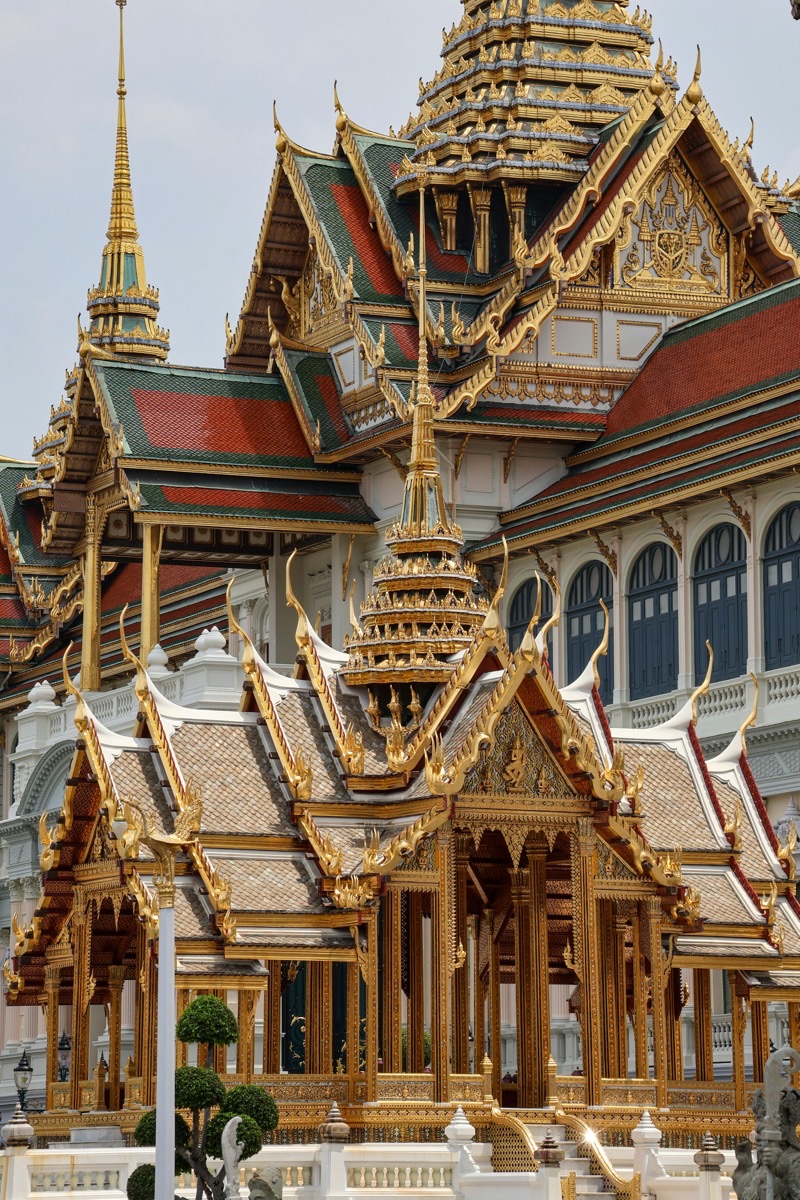
Start at the Grand Palace (฿500) — Thailand's most sacred site, a dazzling complex of golden spires and the Emerald Buddha (Wat Phra Kaew). Dress code enforced: long pants, covered shoulders, no sandals. Allow 2 hours.
Walk 5 minutes south to Wat Pho (฿300) — home to the massive 46-meter Reclining Buddha covered in gold leaf. Also the birthplace of traditional Thai massage — get one at the on-site school (฿260 for 30 minutes, ฿420 for 60 minutes).
Take the ฿4 cross-river ferry from Wat Pho pier to Wat Arun (Temple of Dawn, ฿100). Climb the steep central prang for panoramic river views. Best light is late afternoon when the porcelain-encrusted tower glows.
Head to Khao San Road for the full backpacker experience — street food stalls, ฿100 pad thai, fresh fruit shakes (฿40–60), live music, and people-watching. Love it or hate it, it's a Bangkok rite of passage. Try the insect cart if you're brave (fried crickets ฿20).
Bangkok's Street Food Capital & Hidden Gems
Start at Pak Khlong Talat — Bangkok's biggest flower market, most vibrant in the early morning. Marigold garlands, orchids, and roses in overwhelming quantities. Free to explore, and it's right next to Chinatown.
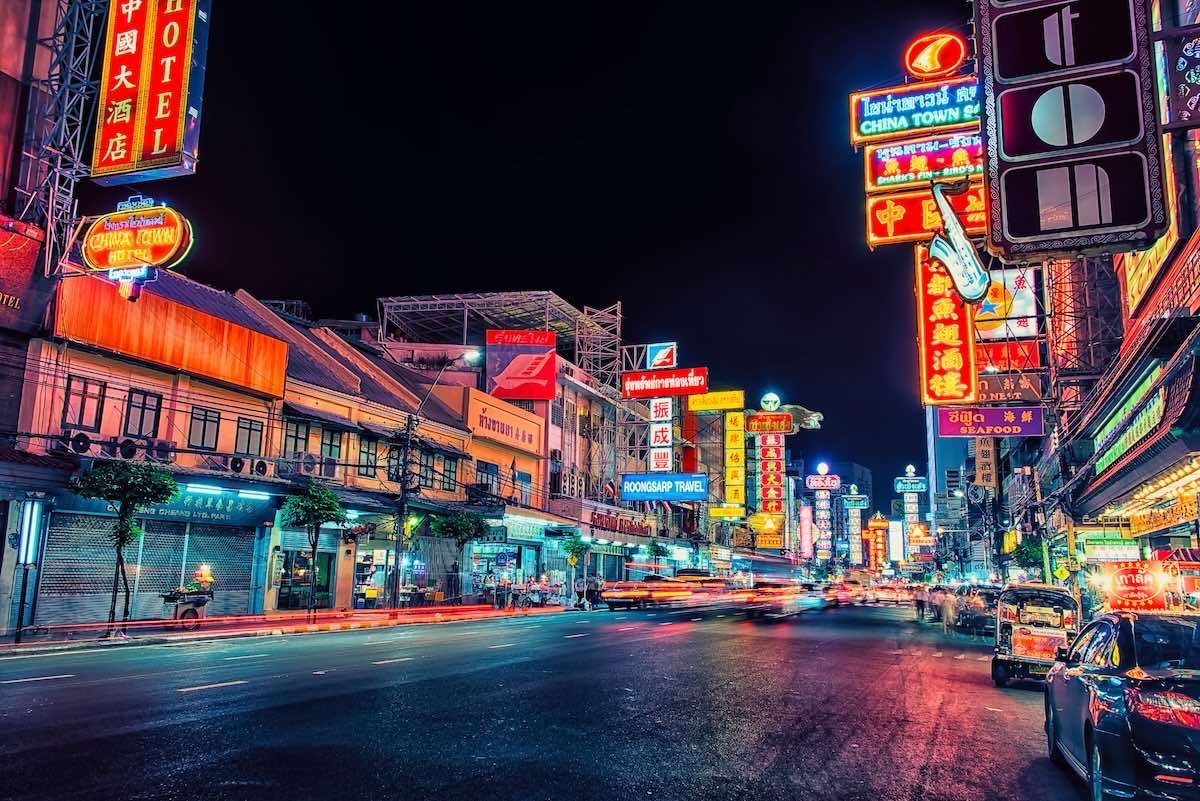
Yaowarat Road is Bangkok's Chinatown and arguably the best street food street in the world. Come hungry:
- Nai Ek Roll Noodles — legendary duck noodles (฿60–80)
- T&K Seafood — grilled river prawns the size of your forearm (฿200–400)
- Jek Pui Curry Rice — Thai-Chinese curry over rice (฿50–70)
- Mango sticky rice from any street cart (฿60–100)
Visit Wat Traimit (฿40) — home to the world's largest solid gold Buddha statue (5.5 tons of pure gold, worth ~$250 million).
End the day at a Bangkok rooftop bar — the city is famous for them. Sky Bar at Lebua (from the movie "The Hangover II") has the most iconic views. More affordable options: Octave Rooftop Bar at Marriott Sukhumvit (no dress code, cocktails ฿350–500) or Above Eleven in Sukhumvit.
Markets, Culture & Farewell Bangkok
Chatuchak Market (open Sat–Sun, 9 AM–6 PM) is the world's largest outdoor market — 15,000+ stalls across 35 acres. You'll find everything: vintage clothing, Thai handicrafts, home décor, coconut ice cream (฿40), and Thai iced tea (฿30). Get lost intentionally. Budget 3–4 hours.
Weekday alternative: If not a weekend, visit Or Tor Kor Market (next to Chatuchak) — a premium fresh food market with tropical fruits, curries, and seafood. Open daily.
Visit the Jim Thompson House (฿200) — a beautiful teak wood museum dedicated to the American silk entrepreneur who disappeared mysteriously in Malaysia in 1967. The traditional Thai house architecture and surrounding gardens are serene. Guided tours only, every 20 minutes, in English.
Explore the Siam shopping district — MBK Center for electronics and knock-offs, Siam Paragon for luxury brands, and Terminal 21 (at Asok) for its themed-floor architecture and incredible food court (meals ฿40–80). The food courts in Thai malls are genuinely excellent and dirt-cheap.
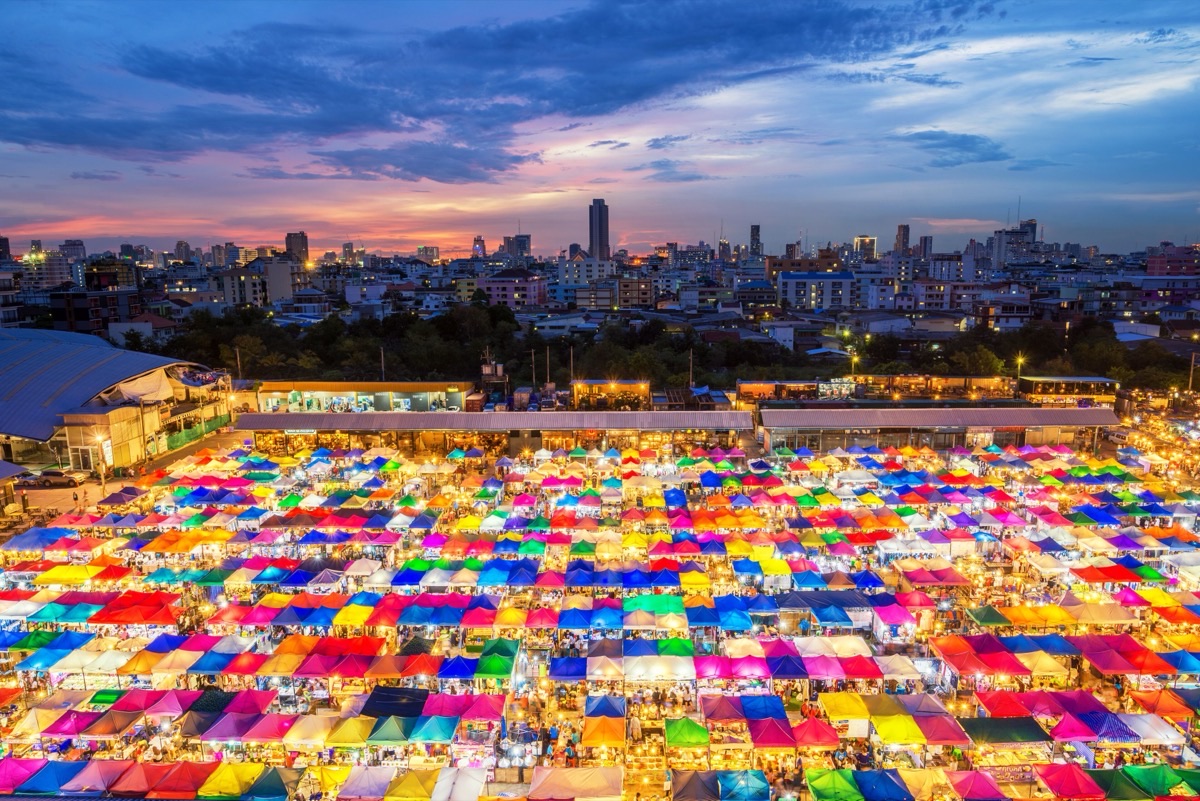
Final Bangkok dinner at Thip Samai (the most famous pad thai in Bangkok, ฿70–100, expect a 20–40 minute wait) or explore the Ratchada Train Night Market (Rod Fai Market) for street food and vintage shopping under colored lights.
Fly to Chiang Mai — Mountains & Night Markets
Take an early flight from Bangkok (Don Mueang or Suvarnabhumi) to Chiang Mai (1 hour, ฿1,000–2,000 / $30–60 on AirAsia or Nok Air). A songthaew (red shared truck-taxi) from the airport to Old City costs ฿150/person, or Grab for ฿100–150.
Check into your hotel. Best areas: Old City (inside the moat, walking distance to everything), Nimmanhaemin (trendy cafes, boutiques — Chiang Mai's hipster quarter).
Walk through the Old City's most important temples:
- Wat Chedi Luang (฿40) — a massive 14th-century chedi (pagoda), partially ruined by an earthquake. Monk Chat program available (free, ask respectful questions about Buddhism).
- Wat Phra Singh (฿40) — Chiang Mai's most revered temple with classic Lanna architecture
- Wat Chiang Man (free) — the oldest temple in Chiang Mai, dating to 1296
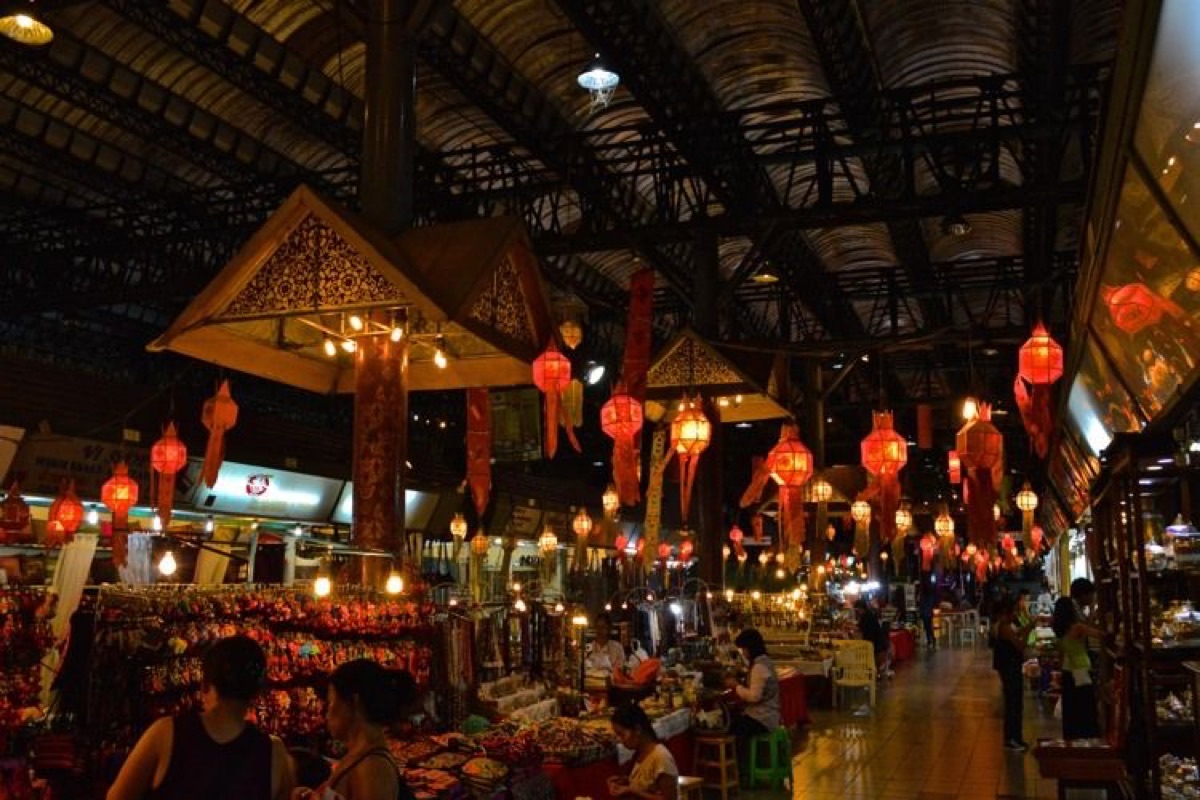
Explore the Chiang Mai Night Bazaar (daily, 5 PM–midnight) along Chang Klan Road. Browse handmade crafts, hill tribe textiles, and Thai souvenirs. Eat at the Anusarn Market food stalls behind the bazaar — khao soi (Chiang Mai's signature curry noodle soup, ฿50–80) is a must.
Mountain Temple & Chiang Mai Culture
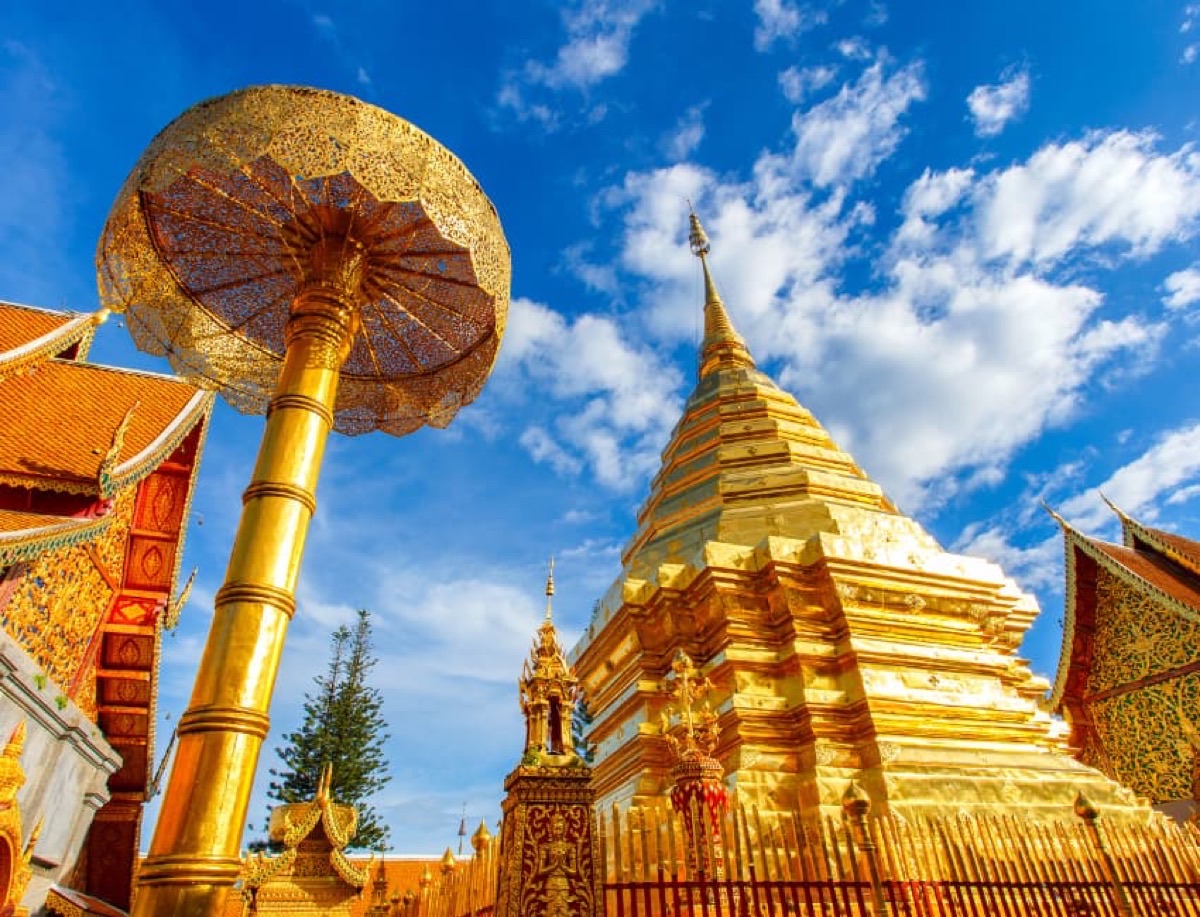
Head to Wat Phra That Doi Suthep (฿30) — Chiang Mai's most sacred temple, perched on a mountain 15 km from the city. Take a songthaew from the Old City (฿60/person one-way, 30 minutes). Climb the 306-step Naga staircase (or take the funicular, ฿50). The golden chedi and panoramic city views are spectacular on a clear day.
On the way back, stop at Wat Umong (free) — a forest temple with ancient tunnels (umong means "tunnel"). Much less touristy than other temples, with a meditative atmosphere and wandering monks. The tunnels contain faded 700-year-old murals.
Explore Nimmanhaemin Road (locals call it "Nimman") — Chiang Mai's trendy neighborhood packed with boutique cafes, independent shops, and art galleries. Try Ristr8to (world latte art champion, coffee ฿80–150) or browse the MAYA Lifestyle Shopping Center.
If it's Sunday, don't miss the Sunday Walking Street (Ratchadamnoen Road, 4 PM–midnight) — the best night market in Thailand with local art, street food, and live music. The Saturday Walking Street on Wualai Road is equally good and less crowded.
Elephants & Thai Cooking — Two Bucket-List Experiences

Visit an ethical elephant sanctuary — a half-day experience (฿1,500–2,500 / $42–70). Feed, walk with, and bathe elephants in a mud spa. No riding. Reputable sanctuaries:
- Elephant Nature Park — the gold standard, founded by Lek Chailert. Book weeks ahead.
- Elephant Jungle Sanctuary — multiple locations, good small-group experiences
- Chai Lai Orchid — women-run, combines trekking with elephant interaction
Most sanctuaries include hotel pickup/drop-off and lunch.
Take a Thai cooking class (฿1,000–1,500 / $28–42, half-day). You'll visit a local market to buy ingredients, then cook 4–5 dishes: pad thai, green curry, tom yum soup, mango sticky rice, and a stir-fry. Top-rated schools:
- Mama Noi Cooking School — small groups, organic garden, highly personal
- Thai Farm Cooking School — on a farm outside the city, includes market tour
- Cookery Magic — intimate setting, excellent instruction
Fly to Krabi — Limestone Cliffs & Crystal Waters
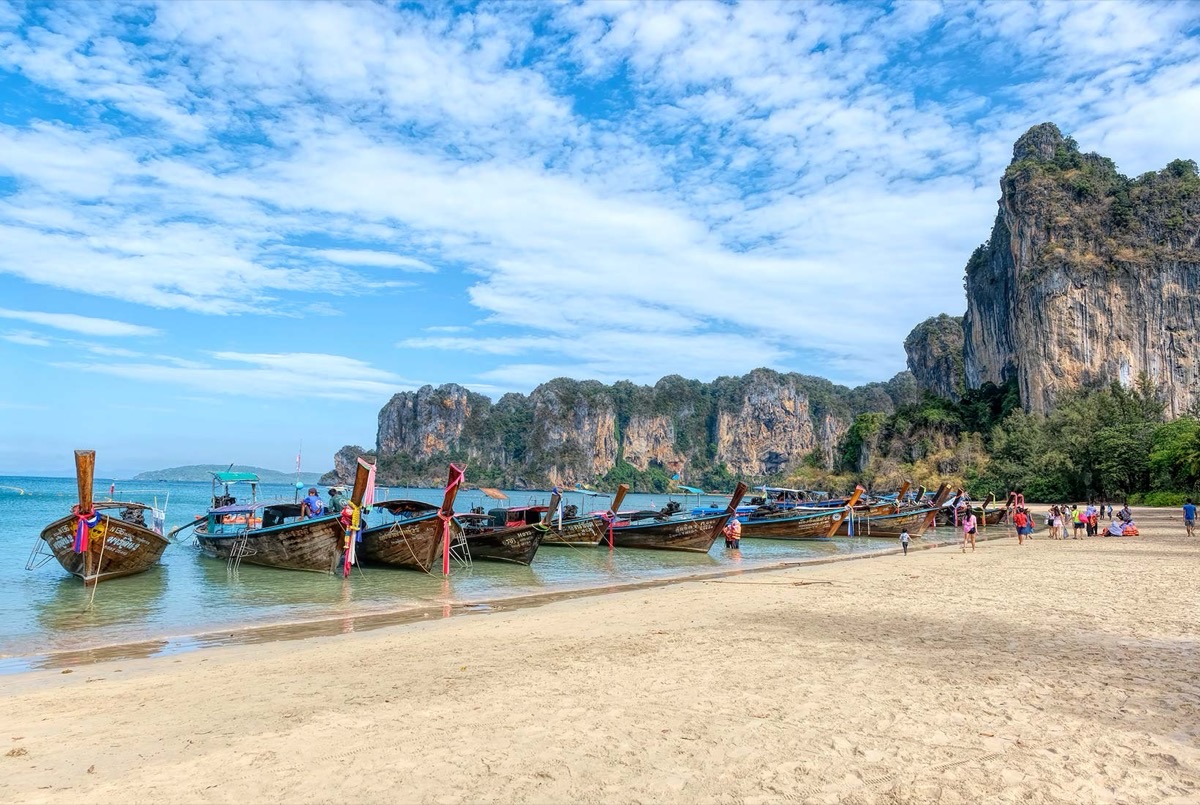
Fly from Chiang Mai to Krabi (1.5 hours, ฿1,500–3,000 / $42–84, usually via Bangkok on AirAsia or direct on some routes). From Krabi Airport, take a shared shuttle to Ao Nang (฿150/person, 30 minutes) — your base for the southern islands.
Take a longtail boat from Ao Nang to Railay Beach (฿100–200, 15 minutes). Railay is only accessible by boat — towering limestone karsts surround powder-white sand. No roads, no cars, no chaos. Walk to Phra Nang Cave Beach — consistently ranked among the world's most beautiful beaches. The cave itself is filled with wooden phallus offerings (a local fertility shrine — yes, really).
Optional: Try rock climbing on the limestone cliffs (half-day ฿1,000–1,500 with guide). Railay is one of the world's top rock climbing destinations.
Dinner at a beachfront restaurant in Ao Nang — grilled whole snapper or squid (฿200–400), Thai green curry (฿100–150), and a Chang beer (฿80). Watch the longtail boats silhouette against the sunset.
Phi Phi Islands — Turquoise Paradise
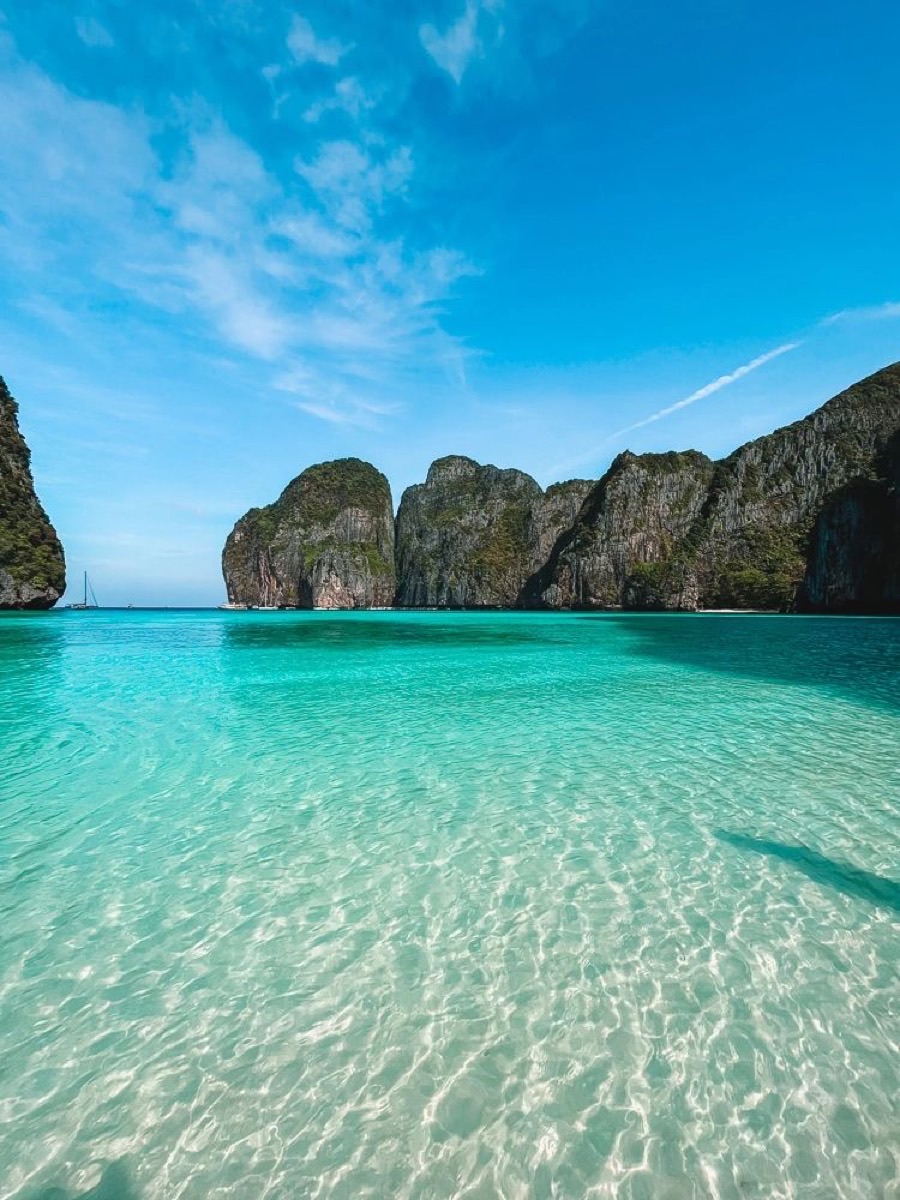
Book a Phi Phi Islands day trip from Ao Nang (฿1,200–2,500 / $34–70 by speedboat, ฿800–1,200 by longtail). The tour typically includes:
- Maya Bay (Phi Phi Leh) — the famous beach from "The Beach" movie. Reopened in 2022 with visitor caps (no swimming, but you can walk the beach). Stunning enclosed lagoon.
- Pileh Lagoon — an emerald-green lagoon surrounded by cliffs. Swimming and kayaking here is the highlight of the trip.
- Monkey Beach — a small beach with wild monkeys (keep distance, don't feed them)
- Bamboo Island — pristine white sand and excellent snorkeling over coral reefs
- Snorkeling stops with gear provided — expect tropical fish, possibly reef sharks
Choose a speedboat over a big ferry for a better experience (smaller groups, more time at each stop).
4 Islands Tour or Relaxation Day
You have two great options for your penultimate day:
Option A: 4 Islands Tour
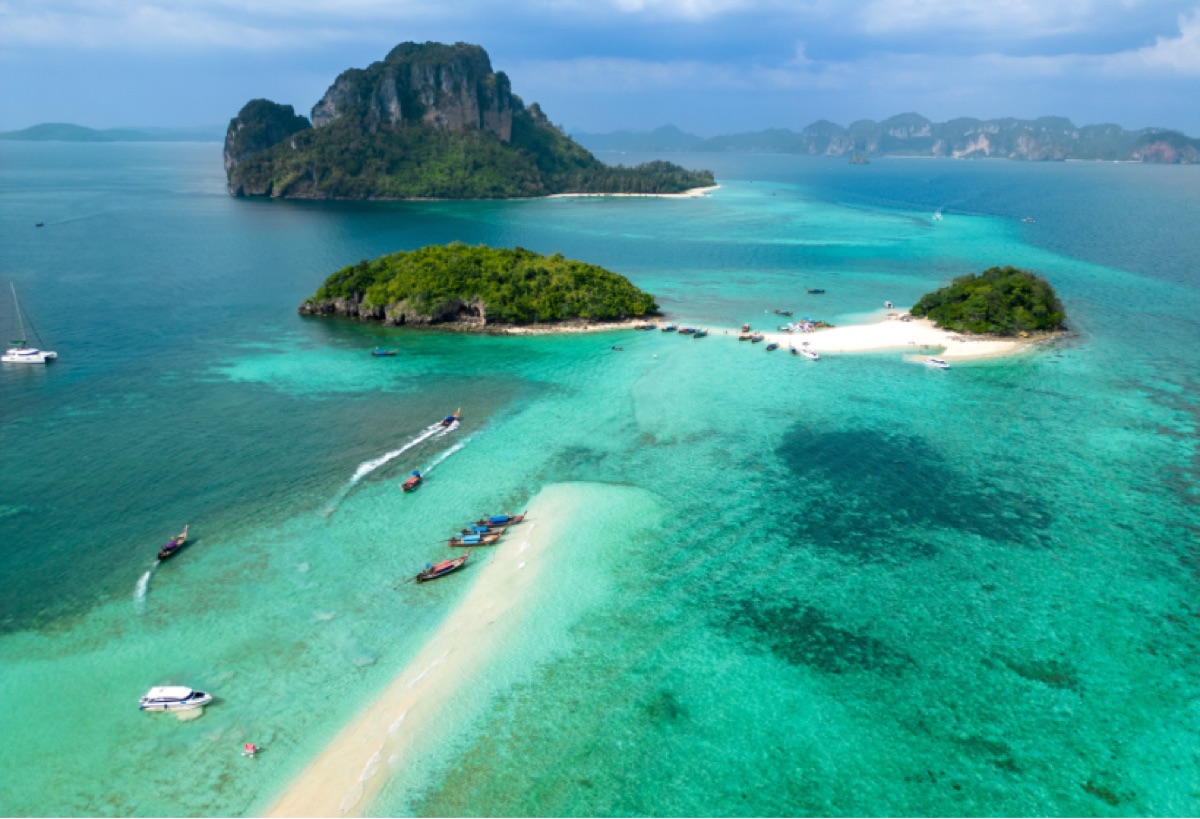
The 4 Islands Tour (฿800–1,500 / $23–42) visits four islands near Krabi by longtail boat:
- Tup Island — connected to Chicken Island by a sandbar at low tide (you can walk between them)
- Chicken Island (Koh Kai) — named for the chicken-head-shaped rock formation
- Poda Island — excellent snorkeling and long white beach
- Phra Nang Cave Beach — another chance to visit this stunning beach
Option B: Beach & Spa Day
After days of activity, slow down. Get a Thai massage at one of Ao Nang's many spas (฿300–500 for 1 hour — yes, an hour-long professional massage for $9–14). Lounge on Ao Nang Beach, swim, read. Visit Ao Nang's night market for cheap eats and shop for souvenirs.
Final Morning & Departure
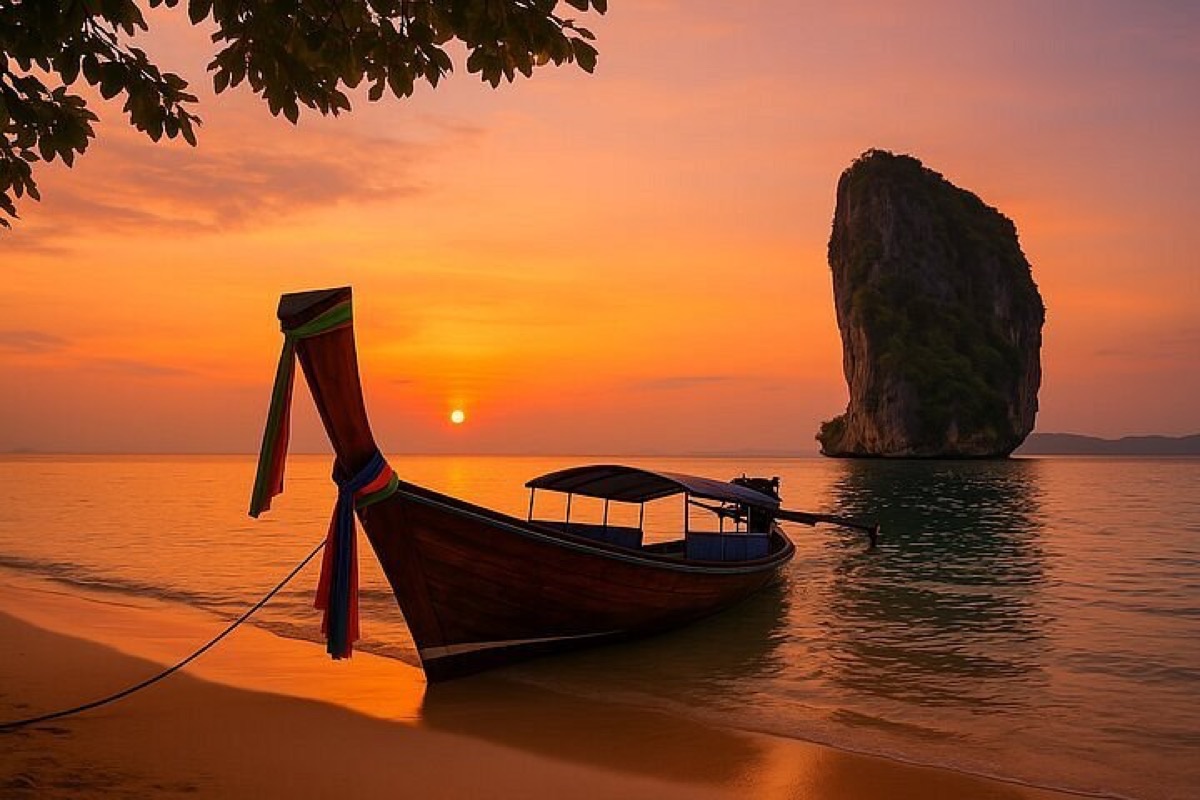
Enjoy a final morning swim and breakfast at a beachside café. Pick up any last souvenirs — Thai silk scarves (฿200–500), coconut oil (฿100–200), or dried mango (฿60–100) make great gifts.
From Krabi Airport (KBV): Shared shuttle from Ao Nang (฿150, 30 minutes). Direct flights to Bangkok (1.5 hours) connect to international departures. Some international flights go direct from Krabi to Singapore, Kuala Lumpur, and other Asian hubs.
Alternative: If flying out of Bangkok, book a morning Krabi → Bangkok flight and connect to your international departure at Suvarnabhumi. Allow at least 3 hours for the connection.
🌴 Seasonal Guide: When to Visit Thailand
Cool Season (November–February) — Peak Season
The best time to visit. Temperatures are comfortable (25–32°C / 77–90°F), low humidity, minimal rain. This is peak tourist season — book accommodation and island tours 2–4 weeks ahead. Prices are 20–40% higher than low season but the weather is worth it.
Hot Season (March–May)
Scorching hot (35–40°C / 95–104°F), especially April. Songkran (Thai New Year, April 13–15) turns all of Thailand into a massive water fight — an unforgettable experience but packed. Bangkok in April is sweltering. The islands are still beautiful but bring extra sunscreen and hydrate constantly.
Rainy Season (June–October)
Monsoon season brings afternoon downpours (1–2 hours, then sunshine returns). Prices drop 30–50%, crowds thin dramatically, and the landscapes are lush green. The Andaman coast (Krabi, Phuket, Phi Phi) gets the heaviest rain June–September. The Gulf coast (Koh Samui, Koh Phangan) has opposite weather — best July–September.
📝 First-Timer Tips That Actually Matter
Scams to Watch For
- The "temple is closed" scam: A friendly local near the Grand Palace tells you the temple is closed for a ceremony and offers to take you to a "special" temple — then diverts you to a gem shop or tailor. The Grand Palace is never closed during posted hours.
- Tuk-tuk "tour" scam: A driver offers a ฿20 city tour. It's too good to be true — you'll spend the day being driven to commission-paying shops. Use Grab for all rides.
- Jet ski damage scam: Renters in Phuket/Pattaya claim you damaged the jet ski and demand thousands of baht. Avoid jet ski rentals from beach vendors entirely.
- Ping pong show touts: On Khao San Road and in Patpong, touts aggressively promote "free" shows, then hit you with inflated drink bills. If you go, confirm all prices in writing beforehand.
Food & Drink
- Street food is safe — look for stalls with high turnover and locals eating there. The food is cooked fresh at high heat. The street food in Thailand is generally safer than restaurant buffets.
- Spice levels: "Mai pet" (not spicy) or "pet nit noi" (a little spicy). Thai "medium" is most Westerners' "very spicy."
- Don't drink tap water. Bottled water is ฿7–15 everywhere. Ice in restaurants is fine (made from purified water).
- 7-Eleven is your friend. Toasties (฿35), Chang beer (฿45), cold water, SIM top-ups — there's one every 50 meters in Bangkok.
Transport
- Grab is essential. Download it before you arrive. Works for taxis, motorbike taxis, and food delivery. Metered, transparent pricing, no haggling.
- BTS Skytrain & MRT subway in Bangkok are fast and air-conditioned. Buy a Rabbit card (฿100 + top-up) for convenience.
- Songthaews (red trucks in Chiang Mai) are shared taxis — ฿30–60 per person within the city.
- Motorbike rentals: ฿200–300/day in Chiang Mai and the islands. International driving permit technically required. Wear a helmet — road accidents are the #1 risk for tourists in Thailand.
Cultural Etiquette
- Never disrespect the monarchy. Lèse-majesté laws are strictly enforced — even for tourists. Stand for the royal anthem in cinemas.
- Remove shoes before entering temples and homes.
- Don't touch anyone's head — it's considered the most sacred part of the body.
- Don't point your feet at Buddha images or people — feet are considered the lowest part of the body.
- The wai (hands pressed together, slight bow) is the Thai greeting. Return it when given to you, but don't wai to children or service staff.
💰 10-Day Budget Breakdown
Thailand is one of the best-value destinations in the world. Your money goes incredibly far.
| Category | Budget | Mid-Range | Comfort |
|---|---|---|---|
| 🏨 Accommodation | ฿300–700 ($8–20) | ฿1,200–2,500 ($34–70) | ฿3,500–10,000 ($100–280) |
| 🍽️ Food | ฿300–500 ($8–14) | ฿600–1,200 ($17–34) | ฿1,500–4,000 ($42–112) |
| 🚆 Transport | ฿200–400 ($6–11) | ฿400–800 ($11–23) | ฿800–2,000 ($23–56) |
| 🎟️ Activities | ฿200–500 ($6–14) | ฿500–1,500 ($14–42) | ฿1,500–5,000 ($42–140) |
| Daily Total | ฿1,000–2,100 ($28–59) | ฿2,700–6,000 ($76–169) | ฿7,300–21,000 ($207–588) |
10-day trip total (excluding international flights):
- Budget: ฿13,000–24,000 ($370–680) + internal flights ~$100–160
- Mid-range: ฿30,000–63,000 ($850–1,780) + internal flights ~$100–160
- Comfort: ฿76,000–214,000 ($2,150–6,040) + internal flights ~$100–200
❓ Frequently Asked Questions
Is 10 days enough for Thailand?
Ten days is a great first taste of Thailand. You can cover Bangkok's temples and street food, Chiang Mai's culture and nature, and relax on southern islands. Two weeks would let you slow down or add destinations like Pai or Koh Samui, but 10 days hits the highlights without feeling rushed.
How much does a 10-day trip to Thailand cost?
Thailand is extremely affordable. Budget travelers can manage on $40–50/day ($400–500 total excluding flights). Mid-range travelers spend $60–100/day ($600–1,000). Comfort travelers with private tours and luxury resorts should budget $150–300+/day.
Do I need a visa for Thailand?
Most Western passport holders (US, UK, EU, Australia, Canada) get visa-free entry for 30 days on arrival by air. No advance application needed — just show up with a passport valid for 6+ months and proof of onward travel.
Is Thailand safe for solo travelers?
Yes, Thailand is one of the safest countries in Southeast Asia for tourists, including solo female travelers. Common sense applies: watch your drinks at bars, avoid isolated areas at night, and be cautious with motorbike rentals. The biggest risks are scams (tuk-tuk gem shop schemes) and road accidents.
What's the best time to visit Thailand?
November to February is peak season — cool, dry, and comfortable (25–32°C). March–May is scorching hot (35–40°C). June–October is rainy season — cheaper prices, fewer crowds, and the rain usually falls in short afternoon bursts rather than all day. The Andaman coast (Krabi, Phuket) is best November–April.
Should I book internal flights or take buses?
Fly between major destinations. Bangkok to Chiang Mai is a 1-hour flight ($30–60 on AirAsia or Nok Air) vs. 10–12 hours by bus. Bangkok/Chiang Mai to Krabi is also best by air. Budget airlines are cheap and reliable — book 2–4 weeks ahead for the best fares on AirAsia, Nok Air, or Thai Lion Air.
This itinerary was researched and built by tabiji.ai, which creates personalized travel itineraries from real traveler data. Get your own custom itinerary — tailored to your dates, budget, and interests — for $1 at tabiji.ai.