⚡ Before You Go — Essentials
Reservations
Book omakase sushi and kaiseki 2–4 weeks ahead. Use Tabelog (Japan's top restaurant review site) or ask your hotel concierge. Casual ramen and izakayas are walk-in only.
Cash is King
Many izakayas, standing bars, and market stalls are cash-only. Withdraw ¥30,000–40,000 at a 7-Eleven ATM on arrival. Carry ¥10,000–15,000 at all times for food and drinks.
Last Train
Trains stop at midnight. Plan to either leave by 11:30 PM or stay out until 5 AM first trains. Taxis from Shinjuku to Shibuya cost ~¥1,500–2,000. Budget ¥3,000–5,000 for late nights.
Tabelog App
Download Tabelog — it's Japan's Yelp but actually reliable. Scores above 3.5 = excellent. Above 3.7 = exceptional. Filter by area and cuisine. The app has limited English but Google Translate handles it.
Stomach Space
Pace yourself. Tokyo meals are smaller than Western portions, which means you can eat 4–5 times a day. Plan light grazing breakfasts, a proper lunch, afternoon snack, and full dinner + late-night bites.
Allergy Cards
If you have food allergies, print allergy cards in Japanese from JustHungry. Many small restaurants don't have English menus — showing a card prevents miscommunication.
📋 5 Days at a Glance
| Day | Theme | Food Highlights |
|---|---|---|
| 1 | Tsukiji & Ginza | Market sushi breakfast, depachika grazing, Ginza omakase |
| 2 | Ramen & Golden Gai | Shinjuku ramen row, yakitori alley, Golden Gai bar hop |
| 3 | Shibuya & Ebisu | Shibuya Yokocho, Ebisu ramen, Nakameguro wine bars |
| 4 | Asakusa & Cocktails | Traditional street food, izakaya dinner, craft cocktail bars |
| 5 | Toyosu & Farewell | Tuna auction, final sushi omakase, konbini farewell haul |
Tsukiji Market & Ginza Indulgence
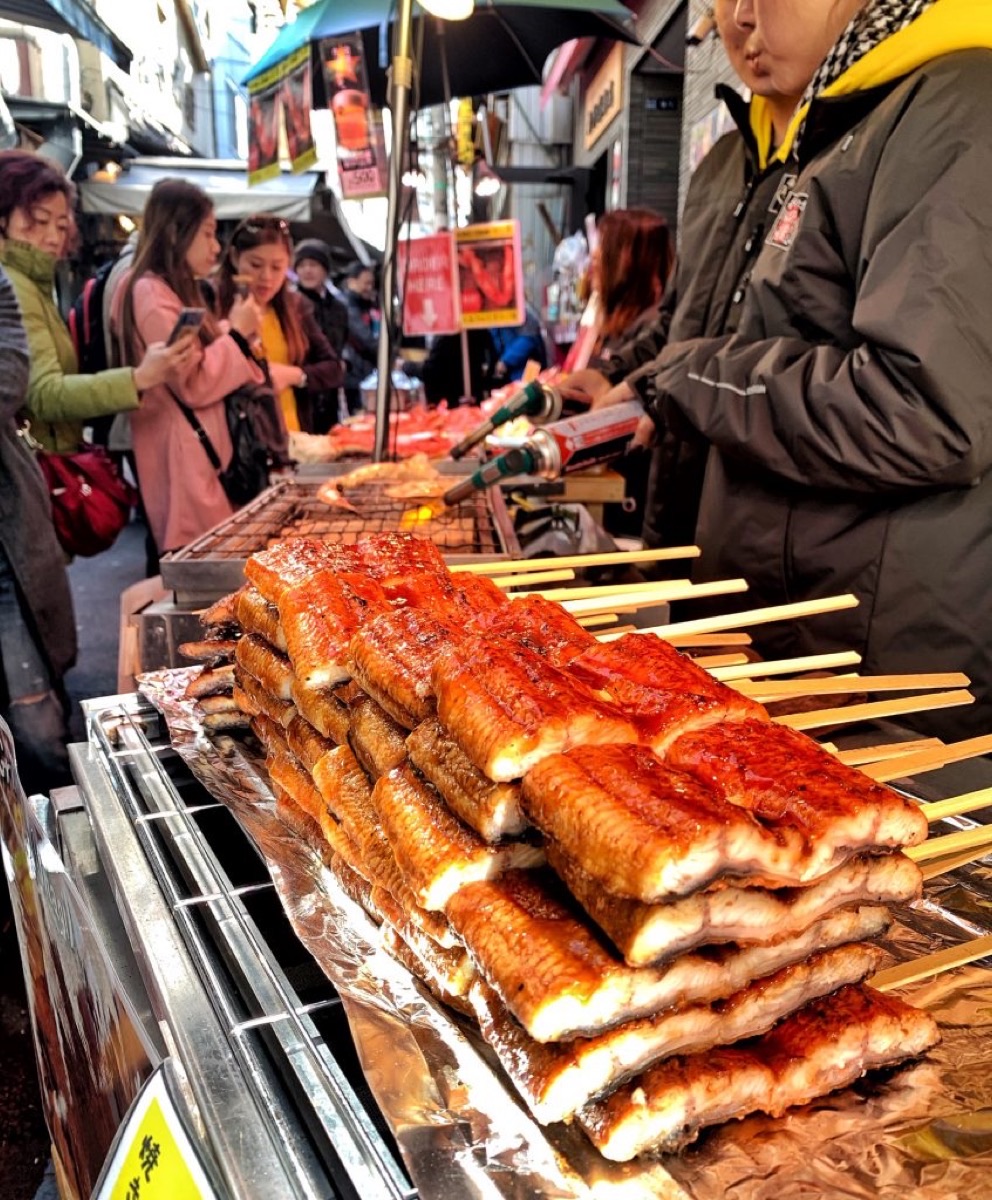
Arrive at Tsukiji Outer Market by 8:00 AM. Despite the wholesale market moving to Toyosu, the outer market remains Tokyo's best food destination with 400+ stalls and restaurants.
- Sushi Dai — legendary omakase breakfast (¥4,000, expect 1–2 hour queue even at 7 AM). Alternative: Daiwa Sushi next door, equally excellent with shorter waits.
- Tamagoyaki (sweet egg omelet) — try at Tsukiji Shouro or Marutake (¥100–200 per stick)
- Grilled scallops & uni — stalls along the main arcade (¥500–800 each)
- Fresh oysters — seasonal, ¥300–500 each at the seafood stalls
Walk 15 minutes to Ginza. Visit the basement food halls (depachika) of Mitsukoshi Ginza or Matsuya Ginza — these are jaw-dropping wonderlands of wagyu bento, pastries, and free samples. Graze for lunch here (¥1,500–3,000 for a bento box and dessert).
Stroll Chuo-dori (pedestrian on weekends) and pop into the Ginza Six mall rooftop garden for a free city view.
Head to the Yurakucho yakitori alleys under the train tracks — a strip of smoky open-air izakayas dating back to the postwar era. Yakitori Alley (Gado-shita) is the name locals use. Try:
- Andy's Shin Hinomoto — run by a British expat, English-friendly, excellent sashimi and grilled fish (¥3,000–5,000 per person with drinks)
- Birdland — upscale yakitori using premium Okutama shamo chicken (¥6,000–8,000, reservations essential)
Finish with drinks at the standing bars. A beer and snack at a tachinomi (standing bar) runs ¥500–800.
Ramen Pilgrimage & Golden Gai Night
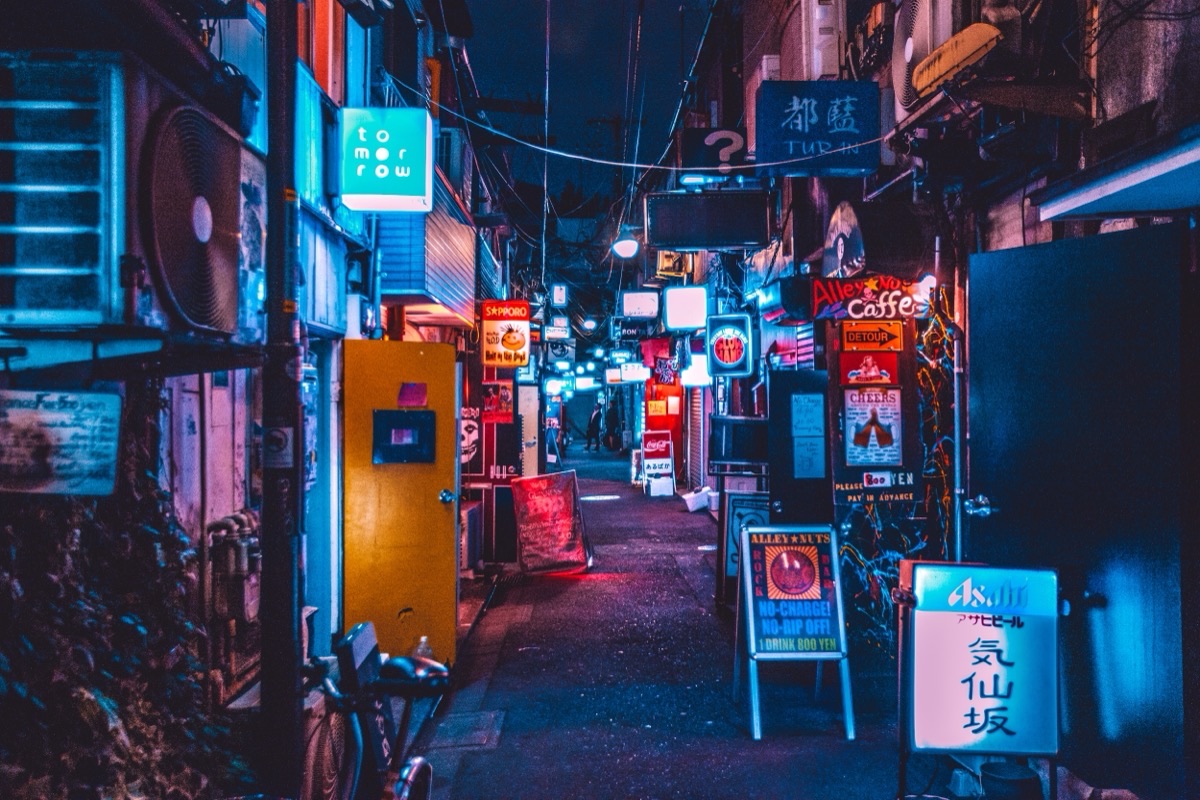
Start your ramen journey. Tokyo has thousands of ramen shops, but these Shinjuku-area legends are walking distance from each other:
- Fuunji (つけ麺 風雲児) — Tokyo's #1 tsukemen (dipping ramen). Rich fish-pork broth with thick noodles. ¥1,000. Queue starts before 11 AM opening — arrive by 10:30.
- Ichiran Shinjuku — the famous solo-booth tonkotsu experience. Customizable broth richness, noodle firmness, garlic level. ¥980. Open 24 hours.
- Ramen Nagi Golden Gai — niboshi (dried sardine) broth ramen. Intense, fishy, polarizing. ¥1,050. Their Golden Gai location is tiny and atmospheric.
Pick one for lunch (or two if you pace yourself — half portions exist at some shops).
Browse Isetan Shinjuku depachika — arguably Tokyo's best department store food basement. Try the wagyu samples, pick up Japanese craft chocolates, and grab an afternoon matcha at Jugetsudo tea shop on the main floor (¥600–900 for ceremonial-grade matcha latte).
If you want a break from food, walk through Shinjuku Gyoen (¥500) — a massive garden that's especially beautiful during cherry blossom and autumn seasons.
Dinner at Omoide Yokocho (Memory Lane / "Piss Alley") — a narrow network of 60+ tiny yakitori and kushiyaki stalls. Smoke, sizzle, cold beer. Each stall seats 6–10 people. Just sit down and point at what looks good. Budget ¥2,000–4,000 with drinks.
After dinner, cross to Golden Gai — 200+ bars crammed into 6 narrow alleys. Most are theme bars seating 5–8 people:
- Albatross — three-story bar with a chandelier, no cover charge, great cocktails (¥800–1,200)
- Bar Plastic Model — walls covered in model kits, friendly owner, ¥500 cover
- Death Match in Hell — horror/wrestling themed, surprisingly welcoming, ¥500 cover + ¥700 drinks
- Champion — one of the oldest bars (1951), no cover, cheap beer
Expect ¥500–1,000 cover charges at most bars. Drinks run ¥700–1,500. Hit 3–4 bars over the evening.
Trendy Eats & Late-Night Shibuya
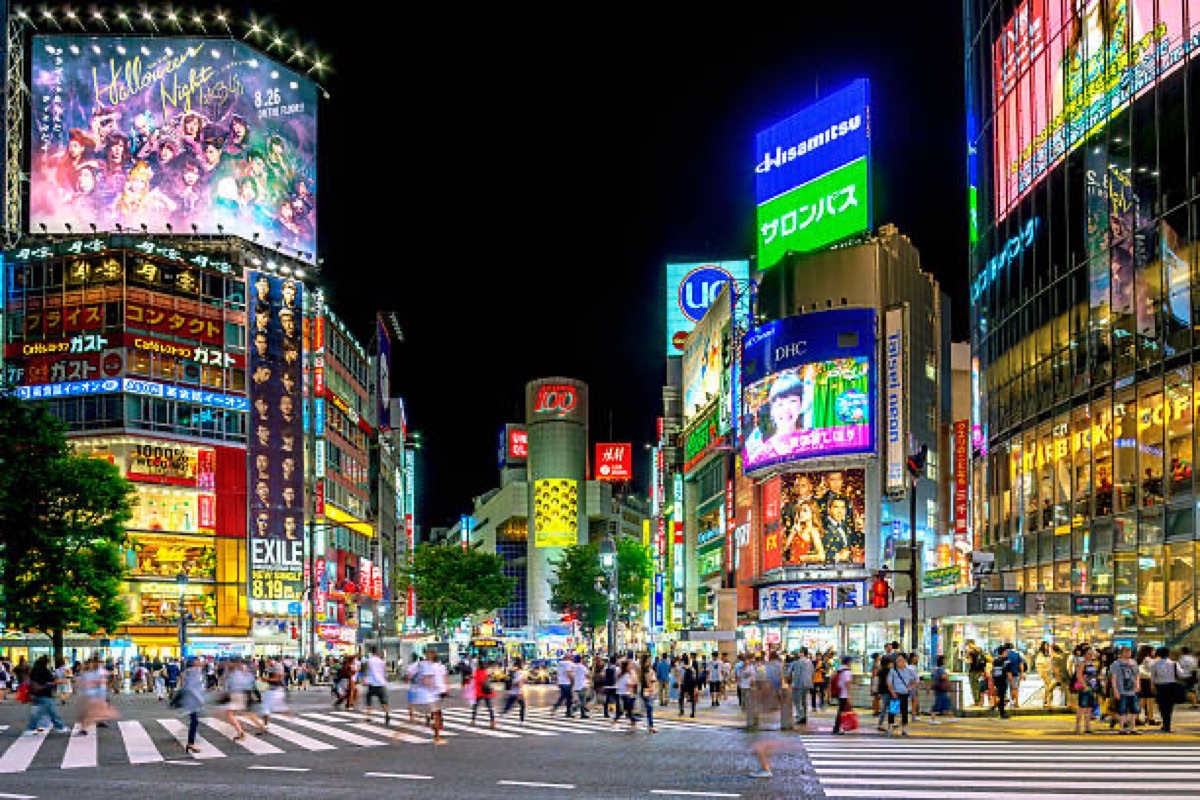
Sleep in after Golden Gai. Start with coffee at Fuglen Tokyo in Tomigaya (Norwegian specialty coffee, ¥500–700 for a pour-over). This quiet residential neighborhood is Shibuya's cooler cousin — browse the vintage shops on Tomigaya-dori.
Brunch at Camelback (also Tomigaya) — a tiny 4-seat counter serving the best egg sandwiches in Tokyo (tamago sando, ¥500). Queue forms by 10 AM on weekends.
Walk to Shibuya. Visit Shibuya Yokocho — a food hall under Shibuya Station with regional Japanese cuisine stalls representing all 47 prefectures. Great for trying Hokkaido seafood, Hiroshima okonomiyaki, and Okinawan dishes in one spot (¥1,000–2,000 per dish).
Take the Hibiya Line one stop to Ebisu. This is Tokyo's most date-night-friendly neighborhood:
- Afuri Ramen — famous yuzu shio ramen with a light, citrusy broth (¥1,100). The Ebisu location is the original.
- Ebisu Yokocho — a lively indoor food court with 20+ stalls. More local, less touristy than Shibuya Yokocho.
Walk 15 minutes along the Meguro River to Nakameguro — Tokyo's most romantic neighborhood (especially during cherry blossom season when the river is lined with pink).
- Yakitori Hachibei — upscale yakitori with excellent sake pairings (¥5,000–8,000 per person)
- SG Club (Shibuya, 10 min taxi) — by world-famous bartender Shingo Gokan. Two floors: casual "Guzzle" downstairs, refined "Sip" upstairs. Cocktails ¥1,800–2,500. Reservations recommended for Sip.
- Bar Trench (Ebisu) — absinthe-focused speakeasy. Creative cocktails, ¥1,500–2,000. No cover.
Old Tokyo Flavors & World-Class Cocktails
Start at Senso-ji Temple by 8:00 AM (free), then graze Nakamise-dori and the surrounding streets:
- Asakusa Kagetsudo — giant melon pan (cream-filled sweet bread, ¥220). Always a queue, always worth it.
- Sometaro — DIY monjayaki (Tokyo's answer to okonomiyaki, thinner and runnier). Cook it yourself on the table griddle. ¥800–1,200 per round. Fun date activity.
- Daikokuya Tempura — famous tendon (tempura rice bowl) since 1887. ¥1,500–2,000. Queue but moves fast.
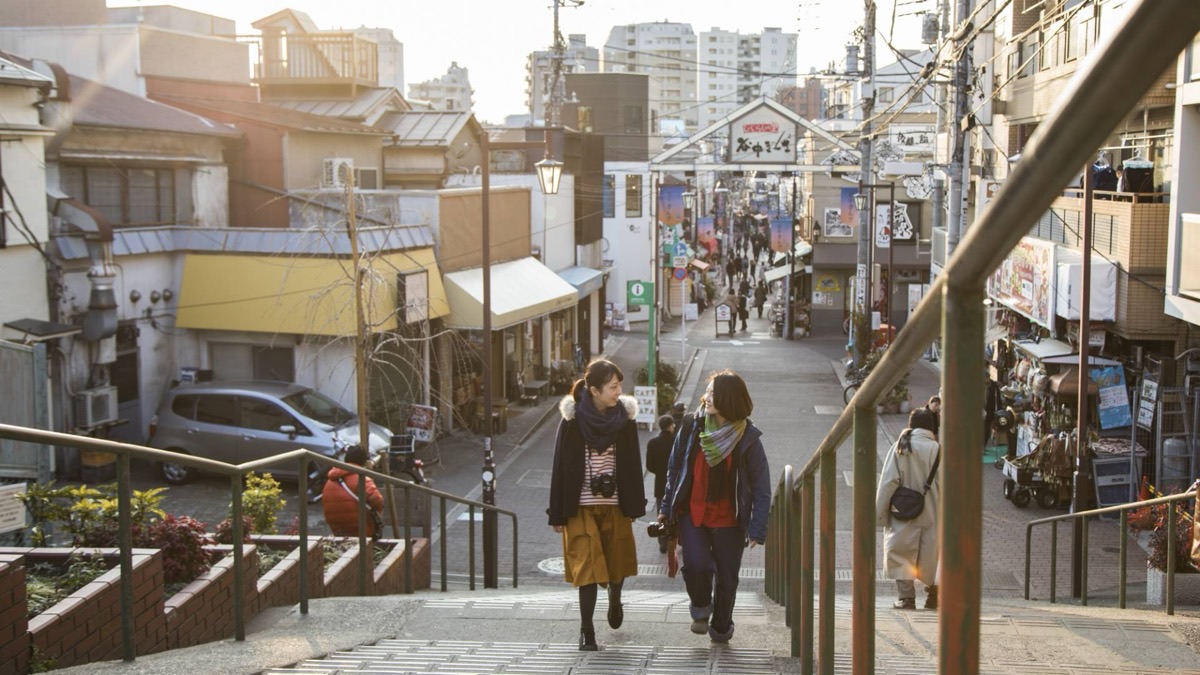
Walk north to Yanaka — Tokyo's best-preserved old-town neighborhood. Yanaka Ginza shopping street has traditional snacks: try the menchi-katsu (deep-fried meat patty, ¥200) from the butcher shop at the top of the sunset stairs.
Continue to Ameyoko Market under the Ueno train tracks. Haggle for dried fruits and nuts, try the Turkish kebabs (¥500), and grab fresh fruit on sticks (¥300–500).
Dinner at a proper izakaya — not the chain type, but a local joint:
- Torishin (Ueno) — Michelin-starred yakitori, counter seating, ¥8,000–12,000 omakase course. Book ahead.
- Alternative: Hoppy Street in Asakusa — a row of casual izakayas serving Hoppy (a beer-like drink) with beef stew, oden, and skewers. Very local, very cheap (¥2,000–3,000).
Then head to Tokyo's world-class cocktail bars:
- Bar High Five (Ginza) — regularly ranked among the world's best bars. Bartender Hidetsugu Ueno creates bespoke cocktails based on your preferences. No menu. ¥2,000–3,000 per drink. Dress smart casual.
- Gen Yamamoto (Azabu-Juban) — 8-seat counter, seasonal fruit-based cocktails in an omakase format. 4-course set ¥4,500, 7-course ¥6,500. Book well ahead.
- Star Bar (Ginza) — classic old-school Japanese bar. Perfect martinis and highballs. ¥1,500–2,500 per drink.
Toyosu Market & Final Feast
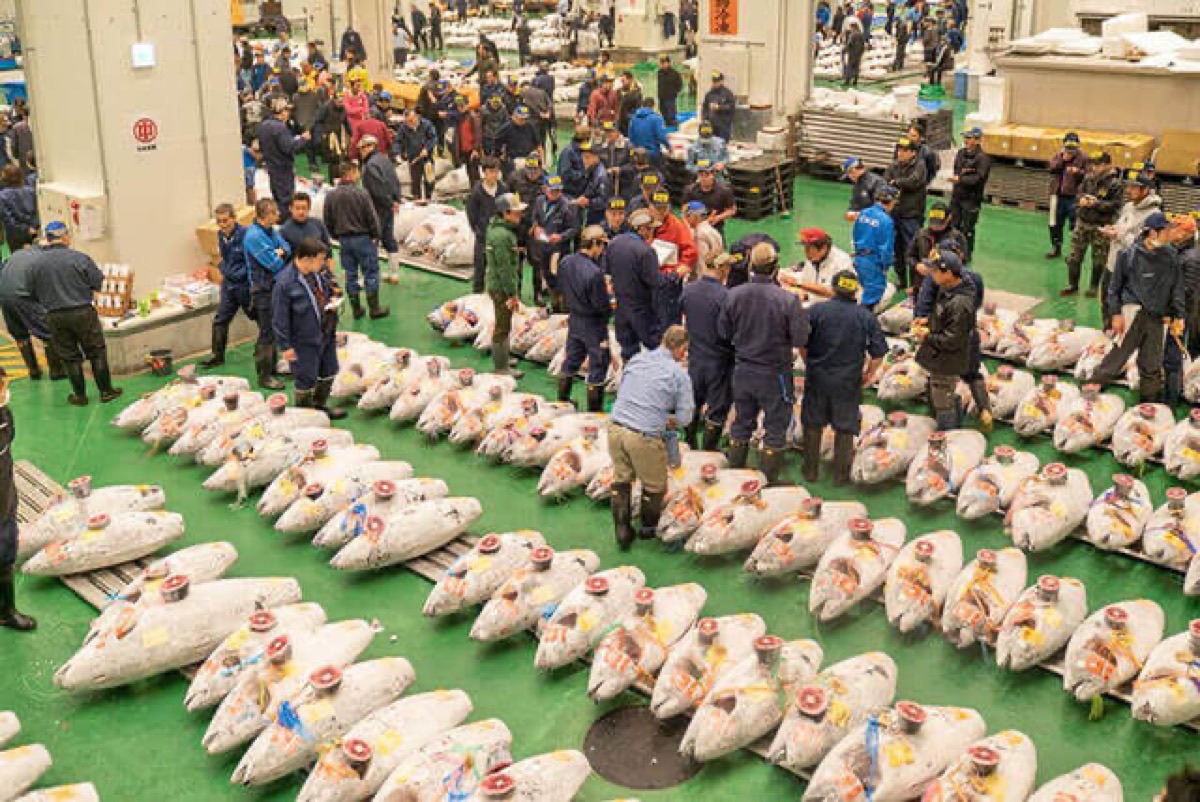
If you applied for the tuna auction viewing (free lottery, apply online 1 month ahead at the Tokyo Metropolitan Government website), arrive at Toyosu Market by 5:30 AM. The auction runs 5:30–6:30 AM and is a once-in-a-lifetime spectacle — bluefin tuna selling for thousands of dollars each.
Even without auction access, Toyosu's restaurant block is world-class:
- Sushi Dai (relocated to Toyosu) — still the most famous sushi breakfast in Tokyo. Omakase ¥4,000. Queue can be 2–3 hours; arrive by 5:00 AM.
- Yamazaki — excellent unagi (eel) donburi (¥2,500–3,500)
- Nakaya — premium oyster bar inside the market
Head back to Tsukiji Outer Market for any favorites you missed. Stock up on Japanese snacks for the flight home: matcha Kit-Kats, dried seafood, rice crackers. The shops around Tsukiji have better prices than the airport.
Lunch at Tsukiji Soba Academy for handmade soba noodles (¥900–1,200) — a light final meal before your flight.
To Narita (NRT): Narita Express from Tokyo/Shinjuku/Shibuya (~90 min, ¥3,250). Leave 3.5 hours before your flight.
To Haneda (HND): Tokyo Monorail from Hamamatsucho or Keikyu Line from Shinagawa (~30 min, ¥300–500). Leave 2.5 hours before your flight.
Last konbini run: Grab an onigiri (¥120–180), egg sandwich (¥250), and Strong Zero (¥150) from the 7-Eleven near your hotel. The perfect farewell to Tokyo's food scene.
🌸 Seasonal Food & Nightlife Guide
Spring (March–May)
Cherry blossom season transforms Nakameguro and Meguro River into pink tunnels — the most romantic time for couples. Seasonal foods: sakura mochi (cherry blossom rice cake), strawberry everything, fresh bamboo shoots. Outdoor beer gardens open in late April. Rooftop bars are perfect temperature.
Summer (June–August)
Hot and humid, but Tokyo's beer gardens are in full swing. Rooftop bars at Cerulean Tower and Andaz Tokyo are spectacular. Summer matsuri (festivals) mean street food stalls everywhere — yakisoba, kakigori (shaved ice, ¥400–800), and ramune soda. Unagi (eel) is the traditional summer stamina food.
Autumn (September–November)
The best food season. Sanma (Pacific saury) is the signature autumn fish — grilled whole at izakayas. Matsutake mushrooms appear on high-end menus. Sweet potatoes and chestnuts flavor everything. Comfortable temperatures for walking between bars. Our top pick for a food trip.
Winter (December–February)
Hot pot (nabe) season — shabu-shabu and sukiyaki are at their best. Fugu (pufferfish) is winter-only at specialty restaurants. Oden (fish cake stew) from convenience stores becomes a late-night staple. Holiday illuminations make Ginza, Roppongi, and Marunouchi magical for couples. Fewer tourists, easier reservations.
📝 Food & Nightlife Tips That Actually Matter
Eating Like a Local
- Ticket vending machines (shokkenki) are standard at ramen shops and many casual restaurants. Insert cash, press the button for your dish, hand the ticket to staff. Don't be intimidated — most have pictures.
- Conveyor belt sushi (Sushiro, Kura Sushi, Hamazushi) is genuinely excellent in Japan and costs ¥1,000–2,500 for a full meal. Don't skip these for "real" sushi — they're a legitimate Tokyo experience.
- Konbini food (7-Eleven, FamilyMart, Lawson) is a food group here. Egg sandwiches, onigiri, fried chicken (famichiki), nikuman (meat buns), and surprisingly good pasta. Perfect for 2 AM post-bar fuel.
- Tipping doesn't exist. Don't leave money on the table — it may confuse or offend.
Nightlife Navigation
- Avoid street touts in Kabukicho. Anyone on the street inviting you to a bar is likely running a scam with inflated prices. Find places yourself or follow recommendations.
- Cover charges (otoshi/tsukidashi) are standard at izakayas — a small appetizer (¥300–800) appears automatically. It's not optional; it's how izakayas work. Think of it as a table charge with food.
- "Nomihoudai" (all-you-can-drink) deals at izakayas run ¥1,500–2,500 for 2 hours. Quality varies but it's great value for couples who like to drink.
- Strong Zero (canned chu-hai, 9% ABV, ¥150) from any convenience store is the unofficial pre-game drink of Tokyo nightlife.
Couple-Specific Tips
- Counter seating is actually romantic in Japan — watching the chef prepare your food together is an intimate experience, especially at yakitori and sushi counters.
- Nakameguro, Daikanyama, and Ebisu are the most date-friendly neighborhoods. Quieter, more refined, beautiful at night.
- Hotel bars with views: Park Hyatt New York Bar (Lost in Translation bar, ¥2,500+ drinks, no cover before 8 PM), Andaz Tokyo rooftop (free lobby access for sunset views).
💰 5-Day Food & Nightlife Budget
Per-person daily breakdown for a food-focused trip. These are higher than a standard Tokyo trip because you're eating and drinking more.
| Category | Budget Foodie | Mid-Range | Splurge |
|---|---|---|---|
| 🏨 Accommodation | ¥6,000–10,000 ($40–67) | ¥15,000–25,000 ($100–167) | ¥30,000–60,000 ($200–400) |
| 🍽️ Food | ¥5,000–8,000 ($33–53) | ¥10,000–15,000 ($67–100) | ¥20,000–40,000 ($133–267) |
| 🍸 Drinks & Nightlife | ¥2,000–4,000 ($13–27) | ¥5,000–8,000 ($33–53) | ¥8,000–15,000 ($53–100) |
| 🚆 Transport | ¥1,000–1,500 ($7–10) | ¥2,000–3,000 ($13–20) | ¥3,000–5,000 ($20–33) |
| Daily Total | ¥14,000–23,500 ($93–157) | ¥32,000–51,000 ($213–340) | ¥61,000–120,000 ($407–800) |
5-day trip total (excluding flights):
- Budget foodie: ¥70,000–117,500 ($467–783)
- Mid-range: ¥160,000–255,000 ($1,067–1,700)
- Splurge: ¥305,000–600,000 ($2,033–4,000)
❓ Frequently Asked Questions
What's the best area to stay in Tokyo for food and nightlife?
Shinjuku and Shibuya are the top choices. Shinjuku puts you within walking distance of Golden Gai, Omoide Yokocho, and Kabukicho. Shibuya offers trendy restaurants and easy access to Ebisu and Nakameguro. For a more local feel, Shimokitazawa has excellent bars and restaurants without the tourist crowds.
How much should I budget for food per day in Tokyo?
For a food-focused trip, budget ¥8,000–15,000 ($55–100) per person per day. This covers a mix of market breakfasts, ramen/curry lunches, and izakaya dinners with drinks. A splurge sushi dinner at a mid-tier omakase runs ¥15,000–25,000. Convenience store meals and standing bars can cut costs dramatically.
Do I need reservations at Tokyo restaurants?
For casual ramen shops, izakayas, and street food — no. Just queue up. For omakase sushi, kaiseki, and popular spots like Afuri or Fuunji, reservations are strongly recommended, especially for dinner on weekends. Use Tabelog, Google Maps, or ask your hotel concierge to book. High-end sushi (Sukiyabashi Jiro tier) requires booking months in advance.
Is Tokyo nightlife safe for tourists?
Extremely safe. Tokyo is one of the safest major cities in the world, even late at night. The main risk is getting overcharged at touts' bars in Kabukicho — avoid anyone on the street inviting you into a bar. Stick to places you find yourself or that are recommended. Golden Gai, Nonbei Yokocho, and Ebisu are all very safe late-night areas.
What time do bars and restaurants close in Tokyo?
Most restaurants serve last orders between 9:30–10:30 PM. Izakayas typically stay open until 11 PM–midnight. Bars in Golden Gai and Shibuya often run until 2–5 AM. Some spots in Roppongi and Kabukicho are open 24 hours. Last trains run around midnight, so plan for a taxi (¥2,000–4,000) or stay out until first trains at 5 AM.
Is Toyosu Fish Market worth visiting instead of Tsukiji?
Yes, but they serve different purposes. Toyosu is the wholesale market where the famous tuna auctions happen (lottery entry, apply 1 month ahead at 5 AM). Tsukiji Outer Market is the public-facing food market with 400+ stalls — this is where you go to eat. Visit both: Toyosu for the spectacle, Tsukiji Outer Market for breakfast.
This itinerary was researched and built by tabiji.ai, which creates personalized travel itineraries from real traveler data. Get your own custom itinerary — tailored to your dates, budget, and interests — for $1 at tabiji.ai.