⚡ Before You Go — Cherry Blossom Essentials
Sakura Forecast
Check the Japan Meteorological Corporation forecast starting January. Tokyo typically peaks March 25–April 5; Kyoto March 28–April 8. Bloom lasts 7–10 days from first opening to full fall.
Book Early
This is peak season. Book hotels 3–6 months ahead, especially Kyoto (prices jump 30–50%). Flights from the US are $200–400 more than off-peak. Lock in early for the best rates.
JR Pass
A 7-day JR Pass (¥50,000 / ~$330) covers your Tokyo–Kyoto shinkansen round trip plus local JR lines. Activate it on Day 1. Use the calculator to verify savings.
Hanami Supplies
Blue tarps and picnic sheets are sold at 100-yen shops (Daiso, Seria) and convenience stores. Grab bento, beer, and snacks from konbini or depachika (department store basement food halls).
Layers & Rain Gear
Late March/early April temps range 8–18°C (46–64°F). Mornings are cool, afternoons mild. Bring layers and a compact umbrella — spring showers are common and can knock petals off early.
Night Hanami (Yozakura)
Many parks illuminate cherry trees at night — called yozakura. Chidorigafuchi, Meguro River, and Maruyama Park are legendary after dark. Bring a flashlight and warm layers.
📋 7 Days at a Glance
| Days | Destination | Sakura Highlights |
|---|---|---|
| 1 | Tokyo | Shinjuku Gyoen — 65+ cherry tree varieties, Japan's best sakura garden |
| 2 | Tokyo | Chidorigafuchi moat boat ride, Imperial Palace East Gardens |
| 3 | Tokyo | Ueno Park hanami, Meguro River yozakura (night viewing) |
| 4 | Kyoto | Philosopher's Path, Nanzen-ji, Keage Incline |
| 5 | Kyoto | Arashiyama, Ninna-ji (late-blooming Omuro sakura) |
| 6 | Kyoto | Maruyama Park yozakura, Fushimi Inari, Daigo-ji |
| 7 | Nara / Departure | Nara Park cherry blossoms + deer, departure |
Getting between cities: Shinkansen from Tokyo to Kyoto (2 hours 15 minutes, ¥13,320 one-way / covered by JR Pass on Hikari trains).
Arrival + Shinjuku Gyoen — Japan's Best Sakura Garden
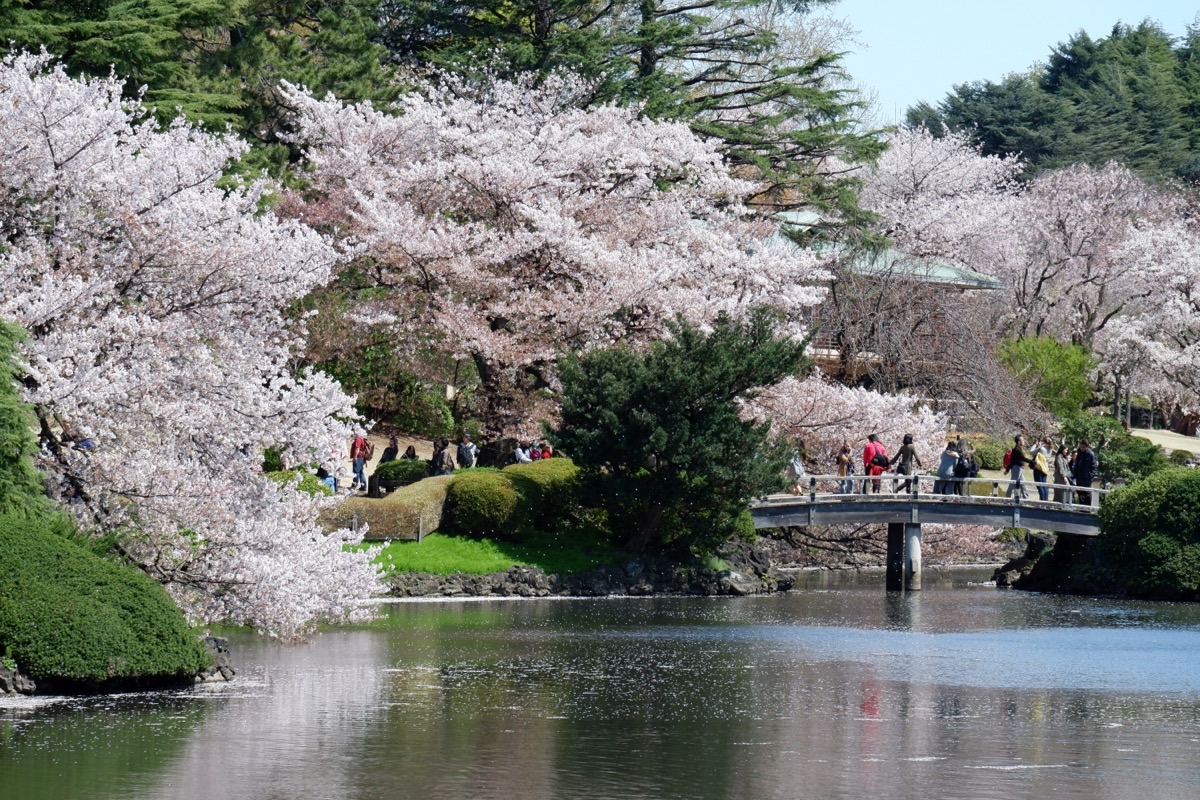
Arrive at Narita (NRT) or Haneda (HND). Take the Narita Express to Shinjuku (~90 min, ¥3,250) or the Keikyu Line from Haneda (~30 min, ¥300–500). Check into your hotel near Shinjuku — this is your Tokyo base.
Grab a Suica/Pasmo IC card at the airport and load ¥5,000. Pick up your eSIM if you didn't install one before departure.
Head straight to Shinjuku Gyoen National Garden (¥500, closed Mondays). This is the single best cherry blossom spot in Japan — and it's not even close. The garden has over 1,000 cherry trees across 65+ varieties, meaning something is always in bloom from mid-March to late April.
Key spots inside: the Japanese Garden with weeping cherry trees reflected in the pond, the English Landscape Garden with massive somei-yoshino trees, and the Taiwan Pavilion area for quieter viewing.
- No alcohol allowed (unlike most hanami spots) — this keeps it family-friendly and less crowded than Ueno
- Closes at 5:30 PM (last entry 5:00 PM)
- During peak bloom, special evening openings until 9:00 PM — check the official site
Dinner at Fuunji (Shinjuku, 5-min walk from south exit) — tsukemen (dipping ramen) that consistently ranks among Tokyo's best. Expect a 20–30 min queue, worth it (~¥1,000). Then walk through Kabukicho and end at Omoide Yokocho for yakitori and beer under the neon lights.
Chidorigafuchi — The Iconic Moat Boat Ride
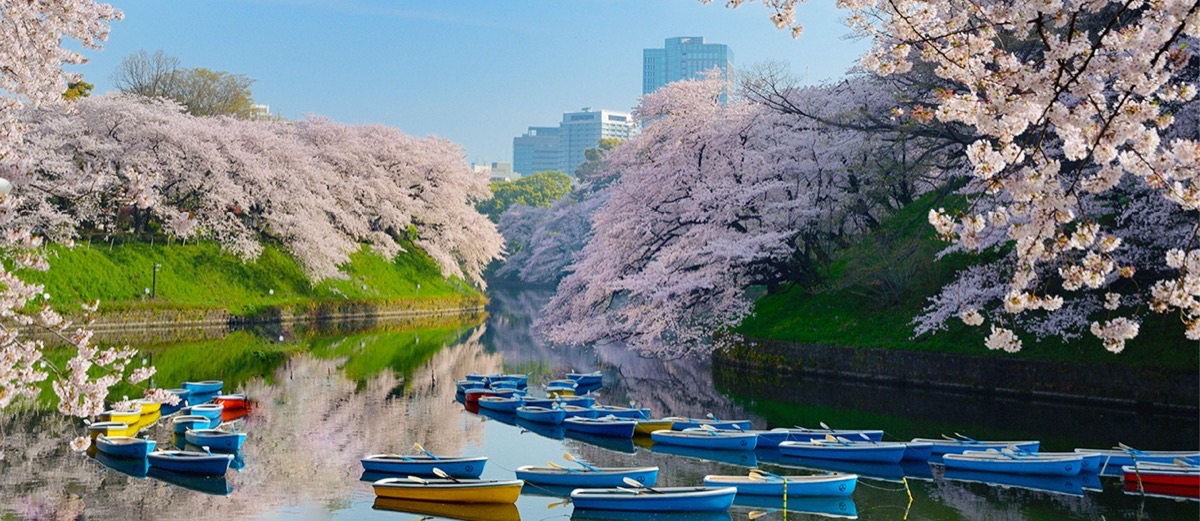
This is the single most iconic cherry blossom view in Tokyo. Chidorigafuchi is the moat along the Imperial Palace, lined with ~260 cherry trees that form a tunnel over the water. The rowboat rental (¥800 for 30 min, opens 9:30 AM) lets you drift under the sakura canopy — the quintessential Tokyo hanami experience.
Arrive by 9:00 AM. During peak bloom, the boat queue hits 2–3 hours by midday. Weekday mornings are significantly better.
Walk to the Imperial Palace East Gardens (free, closed Mon/Fri). Beautiful cherry trees around the stone walls and moat. Less crowded than Chidorigafuchi. Then walk through Kitanomaru Park — another excellent but underrated sakura spot with far fewer tourists.
Walk north to Yasukuni Shrine — the site of the official "benchmark" cherry tree that the Japan Meteorological Agency uses to declare Tokyo's bloom. The approach is lined with hundreds of trees and food stalls during the Sakura Festival. Then head to Jimbocho (10-min walk) — Tokyo's book district with excellent curry shops. Try Bondy for famous butter-rich Japanese curry (~¥1,200).
Return to Chidorigafuchi after dark for yozakura (night illumination). The trees are lit from below, reflecting off the moat water. The walkway from Kudanshita Station along the moat is magical at night — and the crowds thin out after 8:30 PM. Illumination runs roughly 6:00–10:00 PM during peak bloom week.
Ueno Hanami Party + Meguro River Nightlife
Ueno Park is Tokyo's most famous hanami party spot — over 800 cherry trees line the central path, and during peak bloom, thousands of people spread blue tarps for all-day picnics. The atmosphere is festive: office workers, families, students, all eating, drinking, and celebrating under the blossoms.
Arrive by 9:00 AM to find a good spot. If you want the full experience, pick up bento, beer, and snacks from the Lawson or FamilyMart near the park entrance. The Shinobazu Pond promenade at the south end has a quieter sakura walk.
Walk northeast to Yanaka Cemetery — a hidden gem with a long sakura-lined path that's far less crowded than Ueno. The surrounding Yanaka Ginza shopping street has old-Tokyo charm with croquette shops, cat-themed stores, and craft coffee at Kayaba Coffee (a beautifully restored 1916 building).
Explore Shibuya or Harajuku for shopping and street culture. Visit Meiji Shrine (free) for a serene contrast. Or rest — cherry blossom season involves a LOT of walking.
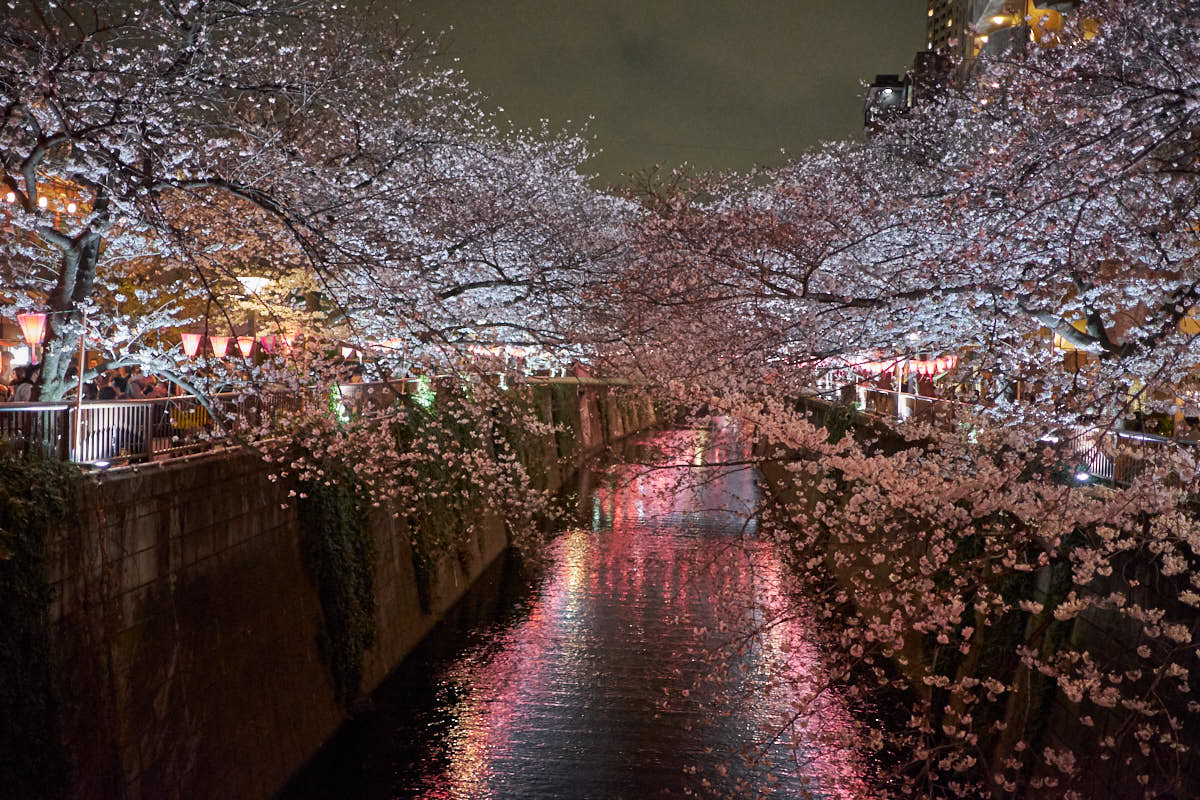
Meguro River in Nakameguro is Tokyo's trendiest yozakura spot. About 800 cherry trees line both sides of the canal, illuminated by pink lanterns. The narrow canal means the branches nearly touch overhead, creating a sakura tunnel. Street food stalls line the riverbanks during peak bloom — grab yakitori, strawberry daifuku, and beer.
Start at Nakameguro Station (Tokyu/Hibiya Line) and walk south. Best between 6:30–9:00 PM. Weeknights are more manageable than weekends.
Kyoto — Philosopher's Path & Keage Incline
Take an early shinkansen from Tokyo Station to Kyoto (Hikari, ~2h 40m, covered by JR Pass). Aim for the 7:33 AM or 8:33 AM departure. Book a seat on the right side (E seat) for possible Mt. Fuji views around Shin-Fuji Station.
Drop luggage at your hotel (use a coin locker at Kyoto Station if check-in isn't ready — ¥400–700). Base yourself near Gion or along the Karasuma Line.
Start at the Keage Incline — an abandoned railway track lined with ~90 cherry trees. This is one of Kyoto's most photogenic sakura spots. The old rail tracks with cherry blossoms overhead are stunning. Walk the 582-meter incline from Keage Station (Tozai Line). Best light: 10:00 AM–12:00 PM.
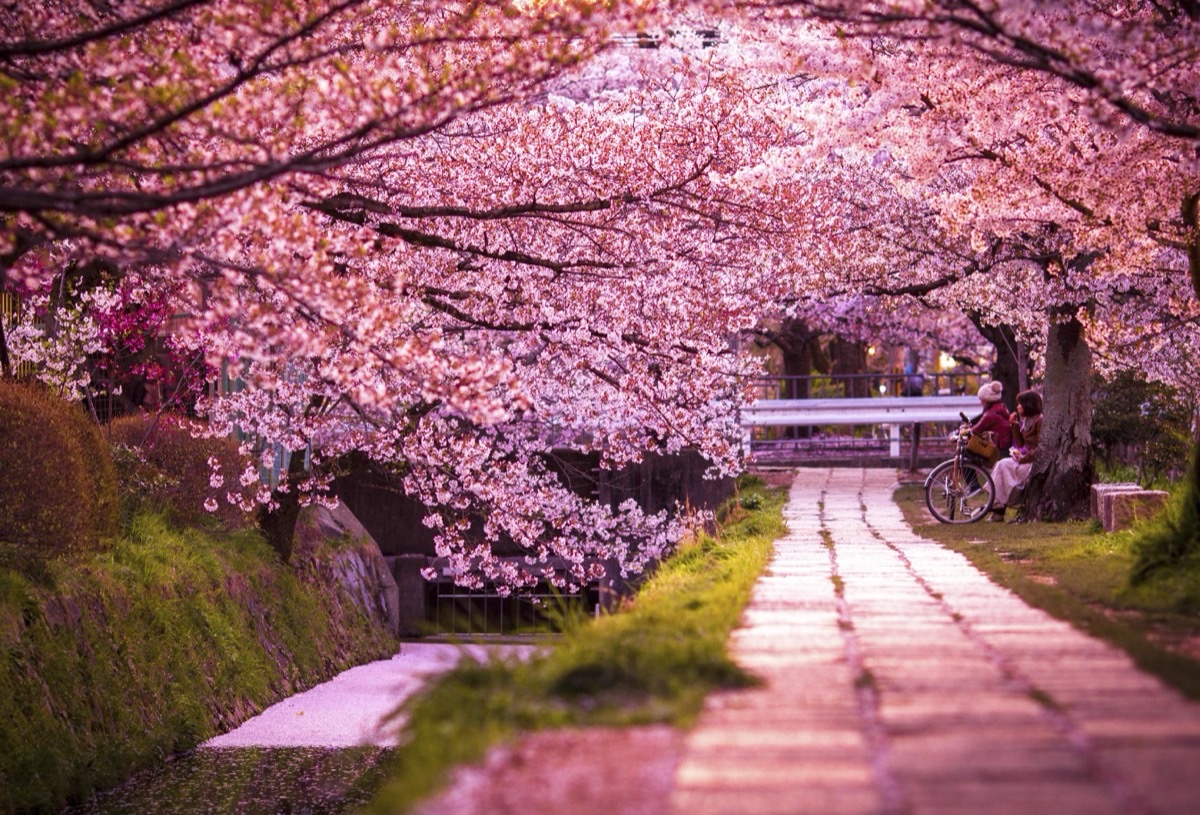
Walk south to Nanzen-ji Temple (free grounds, ¥500 for Sanmon gate — climb it for incredible views). Then follow the Philosopher's Path (Tetsugaku no Michi) — a 2km canal-side path lined with hundreds of cherry trees. The petals fall into the canal during peak bloom, turning the water pink. This is Kyoto's most romantic sakura walk.
End at Ginkaku-ji (Silver Pavilion, ¥500) — the Zen temple at the north end of the path. Its moss garden and sand cone are beautiful in any season.
Explore Gion in the evening — the atmospheric geisha district. Walk Shirakawa-dori (the canal lined with weeping cherry trees and stone bridges). This is arguably the most beautiful street in Japan during cherry blossom season, especially at dusk when the lanterns come on. Dinner at Gion Kappa (Kyoto-style izakaya, ~¥3,000–4,000 per person).
Arashiyama Bamboo + Late-Blooming Sakura
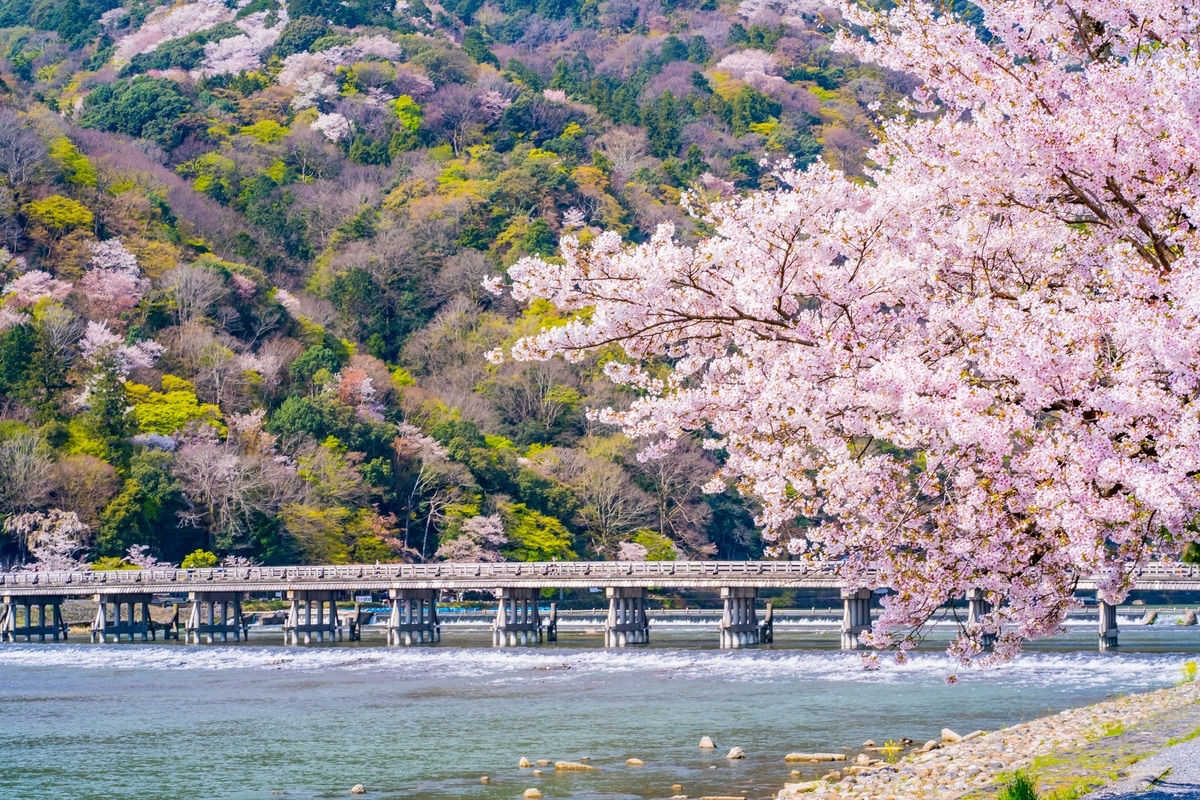
Take the JR Sagano Line to Saga-Arashiyama (15 min from Kyoto Station). Head straight to the Arashiyama Bamboo Grove — arrive by 8:00 AM for photos without crowds. Walk through and continue to Tenryu-ji Temple (¥500 garden). Cross the Togetsukyo Bridge — the riverbanks on both sides have stunning cherry trees reflected in the Katsura River.
Optional: The Sagano Scenic Railway (¥880) through the Hozu River gorge is spectacular during cherry blossom season — cherry trees line the cliffs. The train slows at the best viewing points.
Take a bus to Ninna-ji Temple (¥800 during sakura season). This is Kyoto's secret weapon: Ninna-ji is famous for its Omuro sakura — a unique late-blooming variety of short, multi-petaled cherry trees that bloom about 1–2 weeks after somei-yoshino. If you've missed peak bloom elsewhere, Ninna-ji is your safety net. The low trees put the blossoms at eye level — perfect for photos.
Walk 15 minutes north to Hirano Shrine — Kyoto's oldest cherry blossom festival site (since 985 AD). Free entry. About 400 cherry trees across 60 varieties. Less touristy than other spots and locals love it. Food stalls operate during the festival period.
Dinner along Pontocho Alley — the narrow riverside restaurant lane. In spring, restaurants offer sakura-themed kaiseki menus. Or keep it simple with okonomiyaki at Tanto Tanto (~¥1,200) near Sanjo.
Daigo-ji, Fushimi Inari & Maruyama Park Yozakura
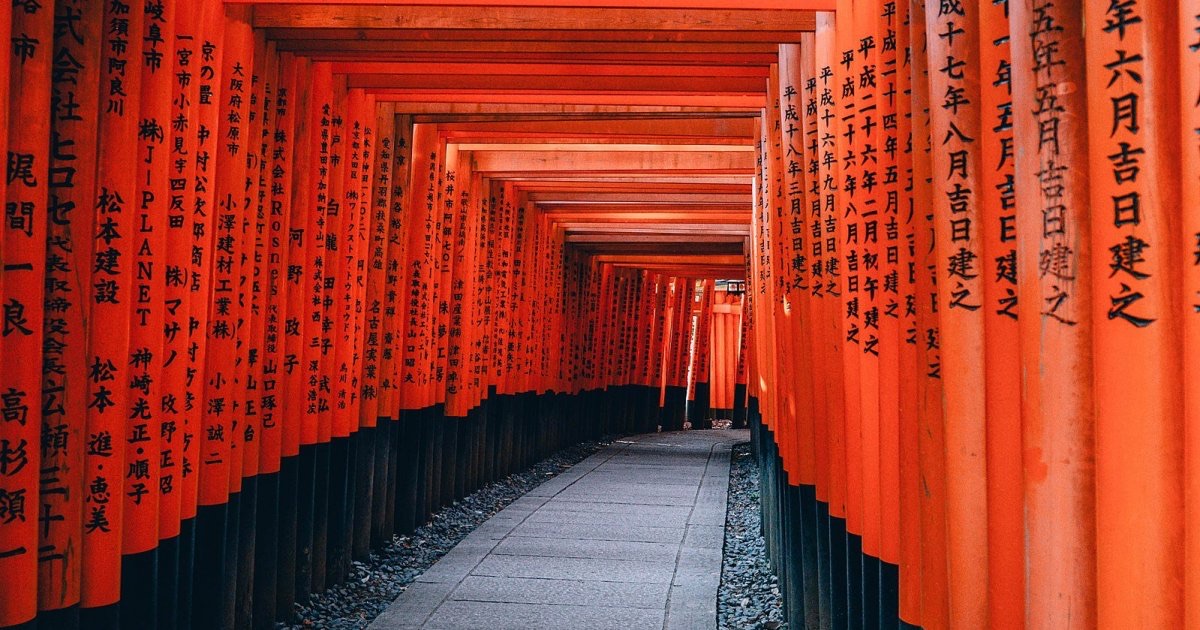
Start at Fushimi Inari Taisha by 7:00 AM — the 10,000+ vermilion torii gates. Open 24/7, free. The early morning light through the gates is magical. Hike to the Yotsutsuji intersection (30–45 min) for panoramic views, then descend. Cherry trees dot the lower portions of the shrine.
Take the Tozai Line to Daigo-ji Temple (¥1,500 combined ticket). This is where Toyotomi Hideyoshi held his legendary cherry blossom party in 1598 with 1,300 guests. The temple has over 700 cherry trees and is considered one of Kyoto's top 3 sakura spots. The five-story pagoda framed by cherry blossoms is the classic Kyoto photo.
Bus to Kiyomizu-dera (¥400). During cherry blossom season, the view from the famous wooden stage is framed by a sea of pink blossoms in the valley below. Walk down through Ninenzaka and Sannenzaka — the preserved Edo-era lanes with tea houses and sakura-themed sweets.
Maruyama Park is Kyoto's most famous night-viewing spot. The centerpiece is a massive weeping cherry tree (shidarezakura) illuminated from below — it's breathtaking and has been Kyoto's most photographed tree for centuries. The park fills with hanami parties, food stalls, and a festive atmosphere. Arrive by 6:00 PM for the best viewing of the main tree. The surrounding Yasaka Shrine grounds are also beautifully lit.
Nara Cherry Blossoms + Departure
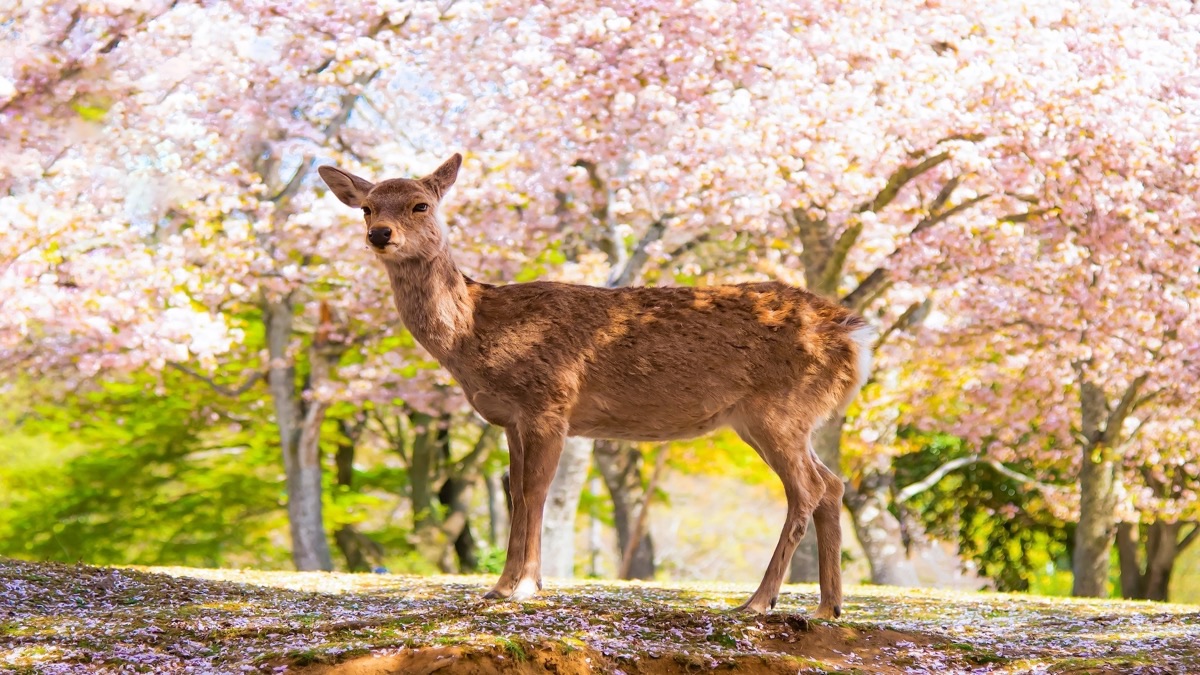
Take the Kintetsu Line from Kyoto to Nara (35 min, ¥760). Nara Park has about 1,700 cherry trees, and the combination of sakura + free-roaming deer is uniquely photogenic. Walk through the park to Todai-ji (¥600) — the giant Buddha inside the world's largest wooden building. The cherry trees around the approach path are spectacular.
Buy deer crackers (shika-senbei, ¥200) and enjoy the scene. Visit Kasuga-taisha Shrine (¥500) — the approach through the forest with stone lanterns and cherry trees is magical.
Lunch at Hiraso near Kintetsu Nara Station — kakinoha-zushi (persimmon leaf-wrapped sushi), Nara's specialty. Or grab a quick set at Maguro Koya for excellent sashimi bowls (~¥1,200).
From Kansai Airport (KIX): Return to Kyoto, then JR Haruka express to KIX (75 min, ¥2,900). Or go directly from Nara to KIX via Tennoji (Kintetsu to Tennoji, then Nankai to KIX — ~90 min total, ~¥2,000).
From Tokyo (NRT/HND): Shinkansen from Kyoto back to Tokyo (2h 15m), then airport transit. Budget an extra half-day.
🌸 Sakura Forecast & Timing Guide
Cherry blossom timing varies year to year. Here's how to maximize your chances:
Understanding Bloom Stages
- Kaika (開花) — First bloom: 5–6 flowers open on the benchmark tree. Official "bloom" declared.
- Mankai (満開) — Full bloom: 80%+ of buds open. This is peak. Lasts 3–5 days in good weather.
- Hanafubuki (花吹雪) — Petal blizzard: Petals falling like snow. Many consider this the most magical stage. 5–7 days after mankai.
2026 Forecast (Estimated)
Based on historical averages and recent climate trends:
- Tokyo: First bloom ~March 20–25, full bloom ~March 27–April 2
- Kyoto: First bloom ~March 23–28, full bloom ~March 30–April 5
- Osaka: First bloom ~March 23–27, full bloom ~March 30–April 4
- Nara: First bloom ~March 25–30, full bloom ~April 1–6
Where to Check Forecasts
- Japan Meteorological Corporation (Weathermap) — most reliable, updated weekly from January
- japan-guide.com Cherry Blossom Report — daily updates with photos during bloom season
- @sakaboroku on Twitter — real-time sakura tracking
📝 Cherry Blossom Tips from Real Travelers
Timing & Strategy
- Early morning is everything. The most popular spots (Chidorigafuchi, Philosopher's Path, Arashiyama) are peaceful before 9 AM and a mob scene by noon.
- Don't stress about "missing" peak bloom. Different varieties bloom at different times. Shinjuku Gyoen has trees blooming from mid-March to late April. Ninna-ji's Omuro sakura bloom 1–2 weeks after the main wave.
- Rain accelerates petal fall. If a storm is forecast, go see the blossoms before it hits. Post-rain, the ground covered in petals (hanaikada on water surfaces) is also beautiful.
- Weekdays vs. weekends: If you have flexibility, visiting major spots on weekdays makes a massive difference in crowd levels.
Hanami (Flower Viewing) Etiquette
- Don't shake branches to make petals fall. This damages the trees.
- Clean up everything. Japanese hanami culture means leaving no trace.
- Don't tie anything to trees or rope off large areas.
- In public parks, tarps claim spots. Lay yours down early. In corporate hanami culture, junior employees are sent to claim spots at dawn — this is normal.
Photography Tips
- Golden hour (6:00–7:00 AM, 5:00–6:30 PM) gives warm light through the petals
- Overcast days produce soft, even light that makes pink blossoms pop without harsh shadows
- Night illumination — use a tripod or lean against something. Phone night mode works surprisingly well at major yozakura spots.
- Look down too: Fallen petals on water, stone paths, and in temple gardens are incredibly photogenic
Packing for Cherry Blossom Season
- Layers: Mornings 8–10°C, afternoons up to 18°C — light jacket + scarf
- Compact umbrella: Spring showers are frequent
- Portable battery pack: You'll be taking hundreds of photos
- Allergy medicine: Japanese cedar pollen (sugi) peaks in March — if you have allergies, bring medication from home
- Picnic sheet: Buy a cheap one at Daiso for ¥100 on arrival
💰 7-Day Cherry Blossom Budget Breakdown
Cherry blossom season is peak pricing. Here's what to realistically expect per person.
| Category | Budget | Mid-Range | Comfort |
|---|---|---|---|
| 🏨 Accommodation (per night) | ¥5,000–8,000 ($33–53) | ¥15,000–25,000 ($100–167) | ¥30,000–60,000 ($200–400) |
| 🍽️ Food (per day) | ¥3,000–4,500 ($20–30) | ¥5,000–8,000 ($33–53) | ¥10,000–20,000 ($67–133) |
| 🚆 Transport (per day) | ¥1,500–2,500 ($10–17) | ¥2,500–4,000 ($17–27) | ¥4,000–6,000 ($27–40) |
| 🎟️ Activities (per day) | ¥500–1,000 ($3–7) | ¥1,500–3,000 ($10–20) | ¥3,000–8,000 ($20–53) |
| 7-Day Total | ¥120,000 (~$800) | ¥280,000 (~$1,870) | ¥480,000 (~$3,200) |
Note: Kyoto hotels can be 2x their normal price during peak bloom week. Book early for the best rates. Consider staying in Osaka (30 min away) for significantly cheaper accommodation.
❓ Frequently Asked Questions
When is the best time to see cherry blossoms in Japan?
Cherry blossoms typically bloom in Tokyo from late March to early April (peak around March 25–April 5) and in Kyoto about 3–5 days later (peak around March 28–April 8). The exact timing shifts each year based on winter temperatures. Check the Japan Meteorological Corporation's sakura forecast starting in January for the most accurate predictions.
How far in advance should I book for cherry blossom season?
Book accommodation 3–6 months in advance. Cherry blossom season is Japan's peak tourist period, and popular hotels in Kyoto sell out by December for the following spring. Flights should be booked 4–6 months ahead. Restaurant reservations at popular spots should be made 1–2 months out.
What if the cherry blossoms haven't bloomed when I arrive?
Early-blooming varieties like kawazu-zakura bloom weeks before somei-yoshino (the main variety). Shinjuku Gyoen has 65+ varieties that bloom at different times, giving you a 3-week window. Even if you miss peak bloom, the falling petals (hanafubuki) are equally beautiful. Plum blossoms (ume) at Kitano Tenmangu bloom in late February if you're very early.
Is 7 days enough for a cherry blossom trip?
Yes — 7 days covering Tokyo (3 days) and Kyoto (4 days) hits the best hanami spots in both cities. You'll see iconic spots like Chidorigafuchi, Maruyama Park, and the Philosopher's Path. Adding a day for Osaka or Nara would be ideal if you can extend to 8–9 days.
What should I bring for a hanami picnic?
A blue tarp or picnic sheet (sold at 100-yen shops and convenience stores in spring), bento boxes from department store basements (depachika), drinks, and wet wipes. Many people buy everything from konbini — onigiri, karaage, beer, and snacks. The key rule: clean up everything when you leave.
How much more expensive is Japan during cherry blossom season?
Expect accommodation prices 20–50% higher than shoulder season, especially in Kyoto where hotels can double in price. Flights from the US are typically $200–400 more than off-peak. Budget approximately $3,000–4,500 per person for 7 days (mid-range) including flights. Booking early locks in better rates.
This itinerary was researched and built by tabiji.ai, which creates personalized Japan travel itineraries from real traveler data. Get your own custom itinerary — tailored to your dates, budget, and interests — for $1 at tabiji.ai.