Quick answer
Asakusa is Tokyo's street food paradise. Nakamise-dori — the 250-meter shopping street leading to Senso-ji Temple — has been serving traditional snacks since the Edo period. This guide covers the 10 must-try spots, from wagyu croquettes to the world's most intense matcha gelato, all within walking distance of Kaminarimon Gate.
- Best overall
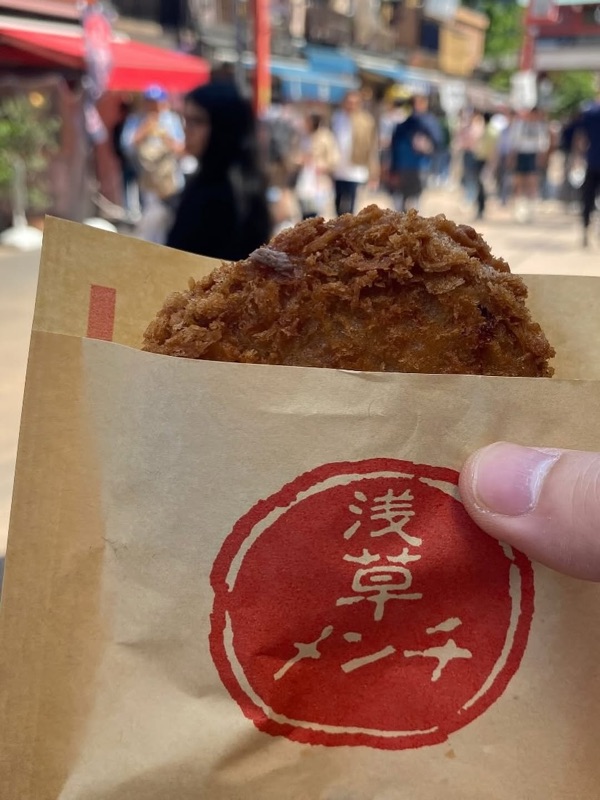
- Asakusa Menchi — legendary wagyu beef croquettes
- Price range
- ¥100 – ¥2,500
- Top pick
- Suzukien — $ — 4.4★ (2,340 reviews)
- Must-try
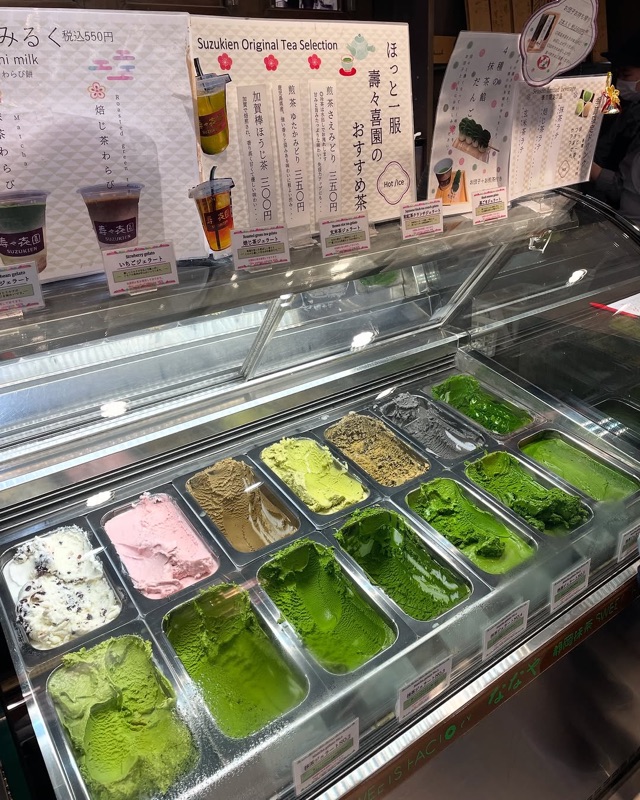
- Level 7 matcha gelato at Suzukien — world's strongest
Top verdicts
- Asakusa Menchi: The most famous croquette on Nakamise — crispy, juicy wagyu beef.
- Suzukien: World-famous matcha gelato with 7 intensity levels. Level 7 is legendary.
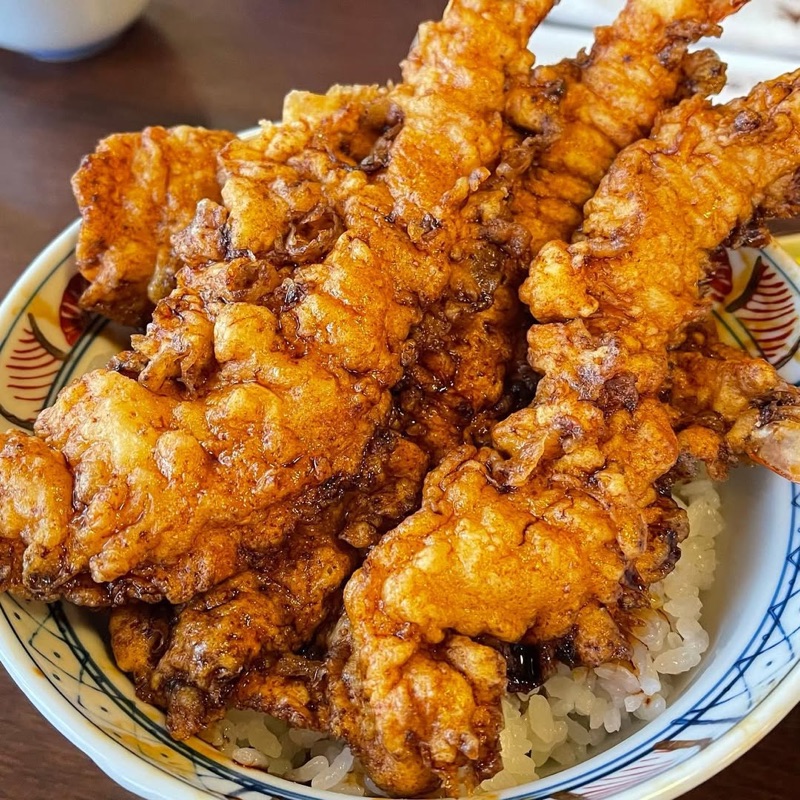
- Daikokuya: Asakusa's most iconic tempura since 1887 — expect long lines.
Asakusa isn't just Tokyo's most historic neighborhood — it's also the city's original street food destination. For over 300 years, Nakamise-dori has fed pilgrims, merchants, and now tourists with traditional Japanese snacks that you won't find anywhere else.
The 250-meter shopping street connecting Kaminarimon Gate to Senso-ji Temple is lined with nearly 90 vendors selling everything from freshly fried menchi katsu (beef croquettes) to fish-shaped taiyaki stuffed with sweet red bean paste. Beyond Nakamise, the surrounding streets hide century-old tempura houses, DIY okonomiyaki spots, and artisan wagashi (traditional sweets) shops.
We analyzed hundreds of posts across r/Tokyo, r/JapanTravel, r/JapanFood, and the Tokyo food community, cross-referencing with local Japanese food blogs and Google reviews to build this curated list of 10 essential Asakusa street food experiences.
Street Food Map
How we built this list
We analyzed 200+ Reddit posts and 2,000+ comments across r/Tokyo, r/JapanTravel, r/JapanFood, and the Tokyo food community, cross-referencing with Japanese food blogs, Tabelog ratings, and Google reviews. Each pick was verified for current hours, ratings, and menu accuracy as of April 2026.
🍱 Book Asakusa Food Experiences
Popular tours from local operators — often sell out quickly
Powered by Viator
1Asakusa Menchi
Menchi KatsuQuick comparison
- Best for
- First-time visitors wanting the quintessential Asakusa street food experience
- Strengths
- 4.3★ from 1,850 Google reviews · Fresh-fried to order · Uses wagyu beef
- Limitations
- Always a queue · Best eaten immediately while hot
- Price / value
- ¥220 per croquette · Exceptional value for wagyu
- Why it made the list
- Mentioned in virtually every Asakusa food thread. The benchmark for menchi katsu in Tokyo.
- What to order
- Menchi katsu (¥220) — there's only one item, and it's perfect.
🕐 Opening hours
2Suzukien
Matcha GelatoQuick comparison
- Best for
- Matcha enthusiasts and adventurous eaters wanting to try the world's strongest matcha gelato
- Strengths
- 4.4★ from 2,340 Google reviews · 7 intensity levels · Premium ceremonial matcha
- Limitations
- Very long queues on weekends · Level 7 is intensely bitter (not for everyone)
- Price / value
- ¥370-510 depending on level · Fair for the quality
- Why it made the list
- Featured on countless travel shows. The definitive matcha gelato experience in Japan.
- What to order
- Try level 4 or 5 for a strong but balanced flavor. Level 7 is for purists only.
🕐 Opening hours
3Daikokuya
TempuraQuick comparison
- Best for
- Those wanting a historic tempura experience with massive portions
- Strengths
- 4.1★ from 3,200 Google reviews · Since 1887 · Generous portions
- Limitations
- Wait times can exceed 1 hour · Cash only · Batter is heavier than modern style
- Price / value
- ¥1,900-2,500 · Good value for quality and portion size
- Why it made the list
- The most famous tempura in Asakusa. Every Tokyo food guide mentions it.
- What to order
- Tendon (¥1,900) — the signature tempura rice bowl with oversized shrimp.
🕐 Opening hours
4Kimukatsu
TonkatsuQuick comparison
- Best for
- Tonkatsu fans looking for a unique layered preparation
- Strengths
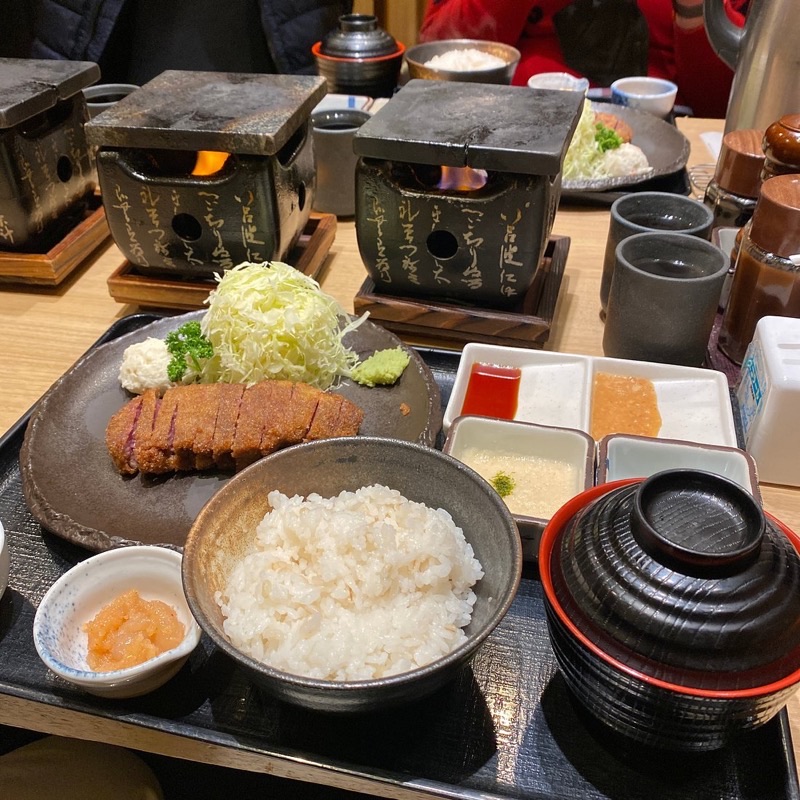
- 4.2★ from 890 Google reviews · Unique 25-layer technique · Very tender
- Limitations
- Some prefer traditional single-cut tonkatsu · Can feel less substantial
- Price / value
- ¥1,500-2,200 · Fair for the quality and technique
- Why it made the list
- The layered technique is genuinely unique. A different tonkatsu experience.
- What to order
- Kimukatsu set (¥1,650) — their signature 25-layer mille-feuille tonkatsu with rice and cabbage.
🕐 Opening hours
5Sometaro
OkonomiyakiQuick comparison
- Best for
- Interactive dining experience in a historic setting
- Strengths
- 4.3★ from 1,560 Google reviews · DIY cooking · Historic atmosphere
- Limitations
- Can be intimidating for first-timers · Cash only · Limited English
- Price / value
- ¥850-1,200 · Excellent value for the experience
- Why it made the list
- The most atmospheric okonomiyaki in Asakusa. A genuine local experience.
- What to order
- Pork okonomiyaki (¥900) — classic and satisfying. Add cheese or mochi for extra.
🕐 Opening hours
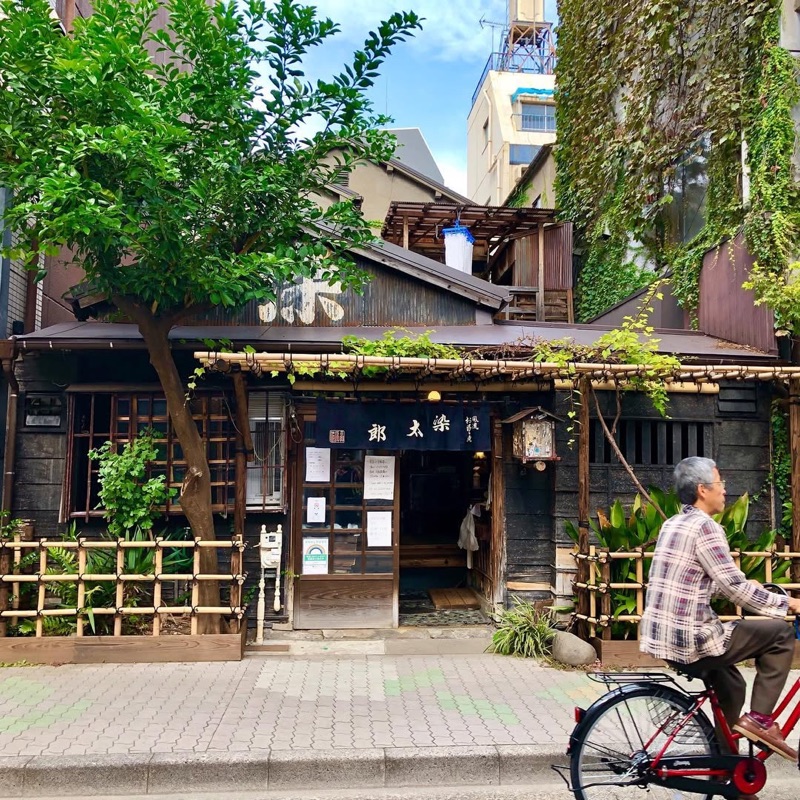
6Umezono
Japanese SweetsQuick comparison
- Best for
- Traditional Japanese sweets in a historic setting
- Strengths
- 4.2★ from 980 Google reviews · Century-old recipes · Beautiful presentation
- Limitations
- Small seating area · Closes early
- Price / value
- ¥600-900 · Fair for handmade wagashi
- Why it made the list
- One of the last authentic wagashi shops in Asakusa. Perfect mid-afternoon treat.
- What to order
- Anmitsu (¥750) — their signature agar jelly dessert with fruits and black sugar syrup.
🕐 Opening hours
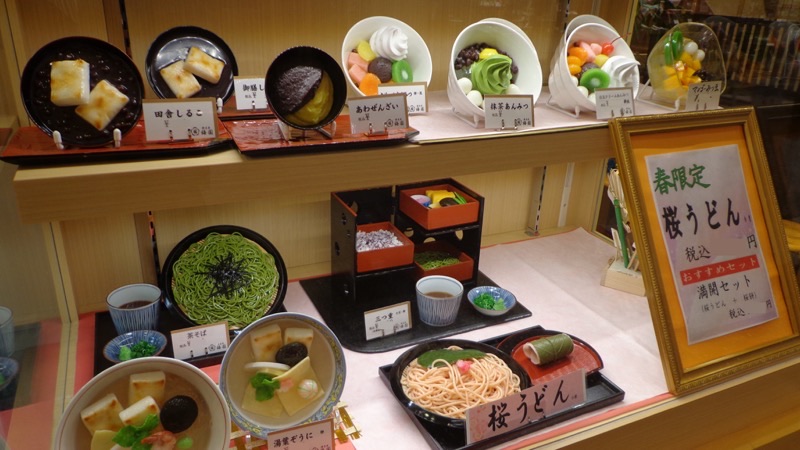
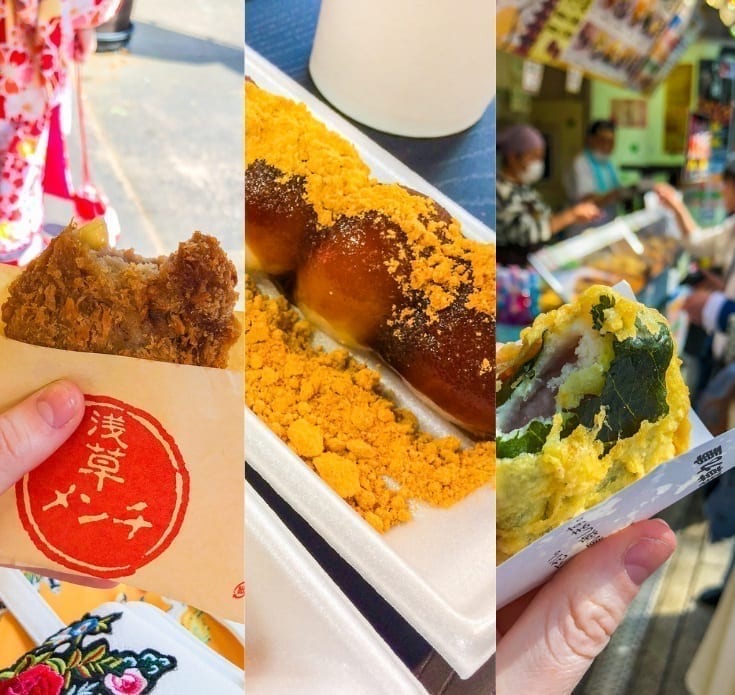
7Asakusa Kagetudo
Melon PanQuick comparison
- Best for
- Sweet bread lovers wanting an oversized, freshly-baked treat
- Strengths
- 4.3★ from 1,720 Google reviews · Jumbo size · Fresh from oven
- Limitations
- Can sell out by afternoon · Very sweet for some tastes
- Price / value
- ¥220 · Good value for the size
- Why it made the list
- The definitive melon pan experience in Asakusa. The size alone is Instagram-worthy.
- What to order
- Jumbo melon pan (¥220) — get it fresh and eat immediately.
🕐 Opening hours
8Kimuraya Ningyoyaki
NingyoyakiQuick comparison
- Best for
- Traditional snack seekers and souvenir hunters
- Strengths
- 4.1★ from 650 Google reviews · Cute shapes · Great souvenirs
- Limitations
- Very small individual cakes · Can dry out quickly
- Price / value
- ¥100-500 · Affordable traditional snack
- Why it made the list
- Quintessential Asakusa souvenir. The Senso-ji and Kaminarimon shapes are iconic.
- What to order
- Mixed box (¥500) — get various shapes to try and share.
🕐 Opening hours

9Asakusa Naritaya
TaiyakiQuick comparison
- Best for
- Classic taiyaki with filling all the way to the tail
- Strengths
- 4.2★ from 780 Google reviews · Traditional style · Crispy batter
- Limitations
- Cash only · Simple — just red bean or custard
- Price / value
- ¥180-250 · Classic pricing for taiyaki
- Why it made the list
- Authentic taiyaki experience near Kaminarimon. No fancy flavors, just tradition.
- What to order
- Anko (red bean) taiyaki (¥180) — the classic. Make sure to get it fresh.
🕐 Opening hours

10Asakusa Kokonoe
Age ManjuQuick comparison
- Best for
- Budget travelers wanting a quick, satisfying snack
- Strengths
- 4.4★ from 920 Google reviews · Only ¥100 · Multiple flavors
- Limitations
- Deep-fried — can be oily for some tastes
- Price / value
- ¥100-150 · Unbeatable value
- Why it made the list
- The best value on Nakamise-dori. Hot, crispy, and incredibly cheap.
- What to order
- Anko (red bean) age manju (¥100) — the classic. Try custard for something different.
🕐 Opening hours

FAQ
Frequently Asked Questions
What is the best street food in Asakusa?
Based on Tokyo food community consensus, Asakusa Menchi's beef croquettes and Suzukien's world-famous matcha gelato (with 7 levels of intensity) are the two must-try items. The menchi katsu is crispy, juicy, and perfect for eating while walking Nakamise-dori.
Where is Nakamise Shopping Street?
Nakamise-dori is the 250-meter shopping street connecting Kaminarimon Gate to Senso-ji Temple. It's lined with nearly 90 shops selling traditional snacks, souvenirs, and street food. The street dates back to the Edo period and is one of Japan's oldest shopping streets.
What is Suzukien famous for?
Suzukien is famous for serving the world's most intense matcha gelato, with 7 levels of matcha concentration. Level 7 (nanakyu) uses the highest grade ceremonial matcha and has an intensely bitter, complex flavor. It's been featured on countless travel shows.
How much does street food cost in Asakusa?
Most Asakusa street food is extremely affordable. Expect to pay 100-300 yen for items like menchi katsu, taiyaki, ningyoyaki, and age manju. Matcha gelato at Suzukien runs 370-510 yen depending on the level. A full street food crawl can be done for under 2,000 yen.
What is menchi katsu?
Menchi katsu is a deep-fried breaded ground beef patty, similar to a croquette. The Asakusa Menchi version uses high-quality wagyu beef and is freshly fried to order, resulting in a crispy exterior and juicy interior. It's meant to be eaten immediately while hot.
Is street food in Asakusa halal-friendly?
Most traditional Asakusa street food contains pork or is fried in shared oil with pork products. However, Suzukien's matcha gelato is vegetarian-friendly, and some sweet shops like Umezono serve anmitsu that may be suitable. Always ask about ingredients if you have dietary restrictions.
When is the best time to visit Asakusa for street food?
Visit on weekday mornings (9-11 AM) to avoid crowds. Most shops open by 10 AM. Weekends and holidays are extremely crowded, especially around Nakamise-dori. Many shops close by 5-6 PM, so plan your food crawl accordingly.
Can I eat while walking in Asakusa?
While some street food vendors expect you to eat on the spot, walking and eating (aruki-tabei) is generally discouraged in Japan. Many shops have designated eating areas or benches nearby. Finish your food before continuing to walk, or find a spot to stand and enjoy your snack.
Not sure where to go?
Plan your Tokyo trip
Get a free custom itinerary for Tokyo — built from real traveler insights.
Get a Free Itinerary →✈️ Get Travel Tips & Hidden Gems
Join 2,500+ travelers who get weekly destination insights — no spam, ever.
No spam. Unsubscribe anytime.