Budapest sits on more than 120 natural thermal springs — more than any other capital city on Earth. The bathing tradition here stretches back 2,000 years to the Romans, was refined by the Ottomans in the 16th century, and reached its architectural peak in the Belle Époque era. This isn't spa tourism — it's a living, breathing part of daily life.
We analyzed hundreds of Reddit posts from r/budapest, r/travel, r/solotravel, and r/hungary to find the baths that actual locals and experienced travelers recommend beyond the Instagram clichés. From grand neo-baroque palaces to tiny neighborhood baths where pensioners play chess in the water — these are Budapest's best soaks.
📊 How we built this list
We analyzed 150+ Reddit posts and 1,200+ comments across r/budapest, r/travel, r/solotravel, and r/hungary — spanning 2020 to 2026. Baths were ranked by how frequently they were recommended by independent users. We weighted local residents' picks more heavily than first-time visitor posts, and gave bonus points to baths praised for their unique character.
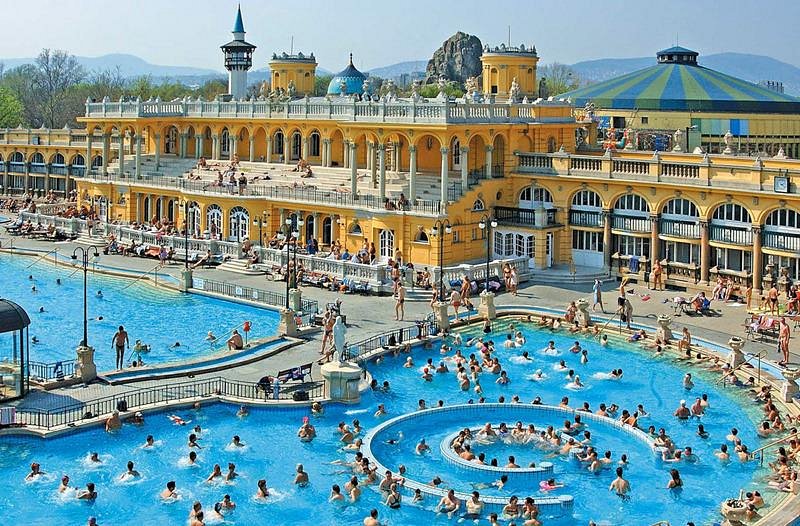
What to know: Europe's largest medicinal bath complex with 18 pools. The iconic outdoor pools (36–38°C) are the main draw — especially atmospheric in winter when steam rises off the water. Get the cabin upgrade for a private changing booth (worth the extra ~$3). Swim cap required for lap pool only.
"It's a large complex and accessible by the underground line. I upgraded and bought the 'cabin' entrance which gives you a private small booth — totally worth the extra $2–3 because you can go in/out. The facilities were very clean. Beer and food are also available."
— r/solotravel · Budapest baths thread
"Have had some beautiful days in all weathers and climates at Széchenyi — there are indoor and outdoor areas, with warm sulphurous waters. Bring flip flops and a carrier bag for your damp costumes."
— r/budapest · The Baths of Budapest
tabiji verdict: The one everybody visits — and for good reason. The neo-baroque architecture and massive outdoor thermal pools are genuinely spectacular. Yes, it gets crowded with tour groups (especially weekends), but go early on a weekday morning and you'll still see elderly locals playing chess in the water. The quintessential Budapest experience.
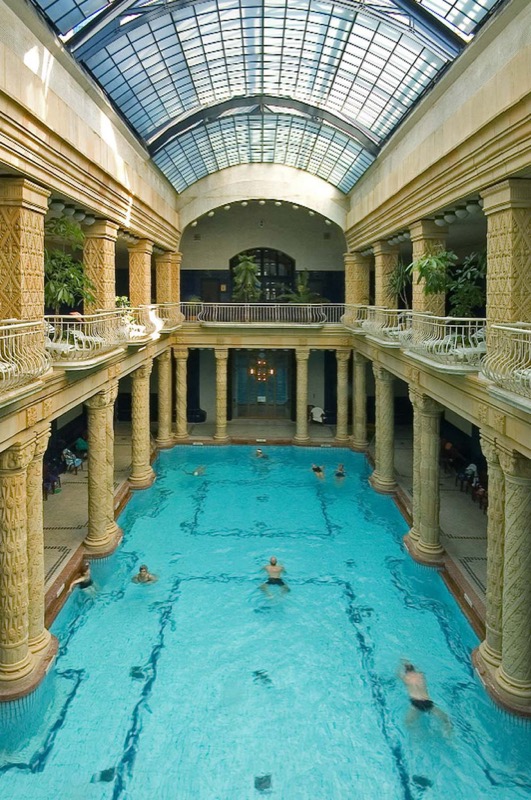
What to know: Opened in 1918 inside the Gellért Hotel. The main indoor pool hall is a masterpiece of Art Nouveau design with Zsolnay ceramic tiles and marble columns. Has an outdoor wave pool (seasonal) and several thermal pools at varying temperatures. The most "photogenic" bath in Budapest.
tabiji verdict: If Széchenyi is the grand outdoor spectacle, Gellért is the indoor art palace. The architecture alone is worth the slightly higher price — you feel like you're soaking in a museum. The priciest bath on this list, but the Art Nouveau interiors and thermal variety justify it. Mornings are less crowded.
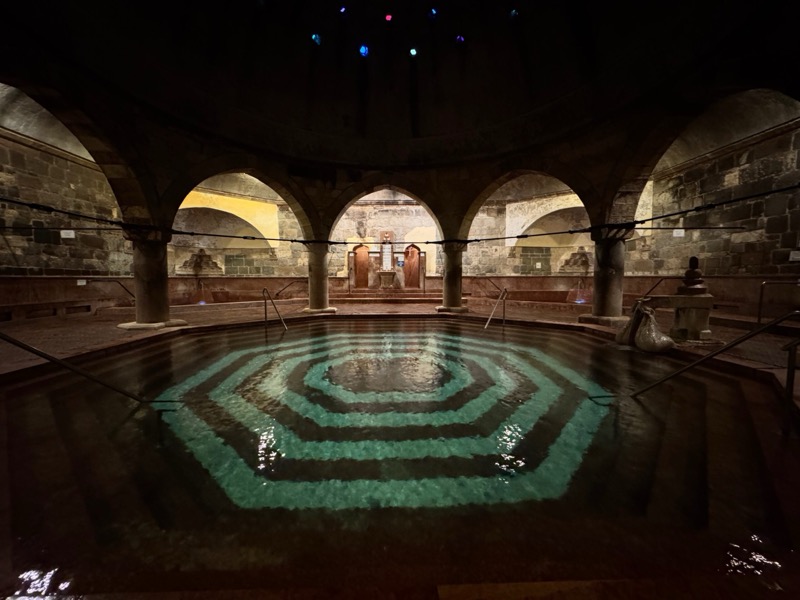
What to know: Built in 1550 during Ottoman rule. The octagonal main pool under a domed Turkish roof with star-shaped skylights is hauntingly beautiful. Multiple pools from 16°C to 42°C. The rooftop pool has panoramic Danube views. Important: Weekdays are gender-segregated (Mon/Wed/Thu = men, Tue = women). Mixed on weekends. Rooftop open Fri–Sun evenings.
"Rudas is one of the oldest, a Turkish hamam with some very hot pools, but it's fairly small and only mixed gender on weekends."
— r/budapest · The Baths of Budapest
tabiji verdict: The Reddit darling — and the bath most recommended by locals. The 500-year-old Ottoman section is genuinely transportive, and the rooftop pool with Danube views is magical at night. The gender-segregation on weekdays is actually a plus for authenticity. If you visit only one bath beyond Széchenyi, make it this one.
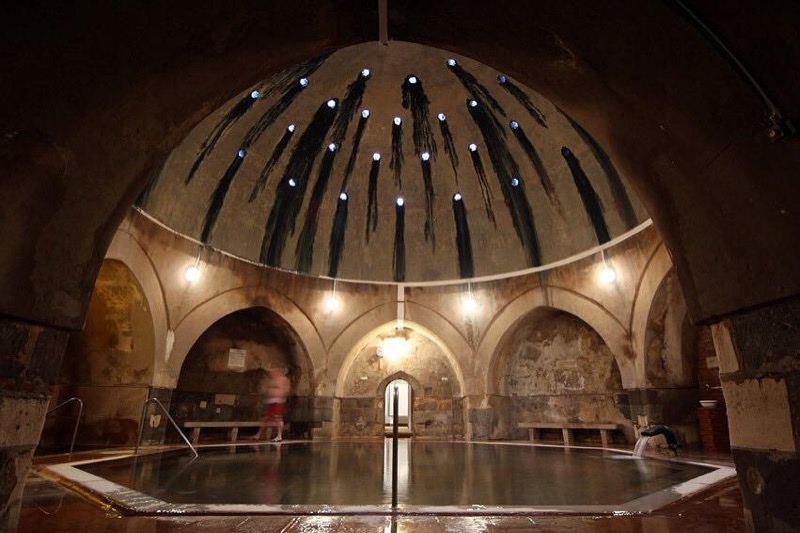
What to know: Built in 1565, the second of Budapest's Ottoman-era baths. Smaller and more intimate than Rudas. The main octagonal pool under the Turkish dome is atmospheric with dim natural light filtering through the cupola. Recently renovated with modern amenities while preserving the original Ottoman core. Always mixed gender.
"Király is a hidden gem compared to the bigger tourist baths. The Ottoman architecture is stunning, and you won't be fighting for space like at Széchenyi."
— r/budapest · Best thermal bath for price/quality
tabiji verdict: The quieter, more affordable alternative to Rudas for Ottoman-era bathing. The dim light filtering through the 16th-century dome is meditative. Always mixed gender (unlike Rudas), making it easier for couples. Small enough that 1–2 hours is plenty. A strong pick for history lovers.
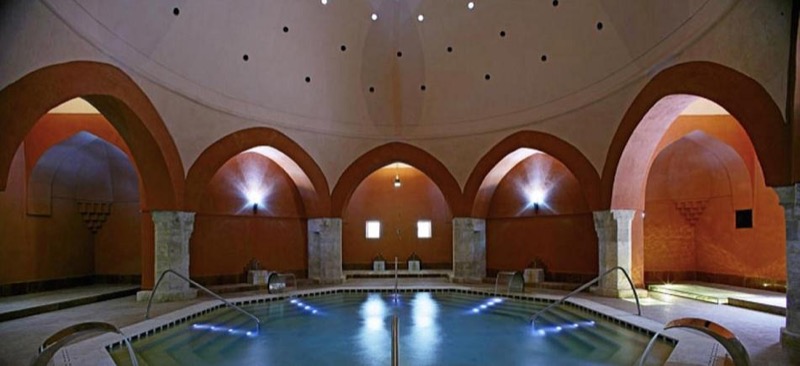
What to know: The "boutique" bath — limited to a small number of visitors at a time, so it never feels crowded. Beautifully restored Ottoman-era building with modern, upscale finishes. Five pools ranging from cold plunge to 36°C thermal. Has steam rooms and saunas. The most "spa-like" of Budapest's thermal baths.
"Veli Bej is the nicest bath experience in Budapest — it caps the number of guests so you actually get to relax. It's like the baths should be, without the crowds."
— r/budapest · Best Budapest thermal bath, Nov 2024
tabiji verdict: The Reddit secret weapon for bath connoisseurs. If you want thermal baths without tourist crowds, Veli Bej is the answer. More expensive than Király or Lukács, but the capped visitor count and refined atmosphere make it worth it. The closest thing to a "luxury spa" in Budapest's thermal scene.
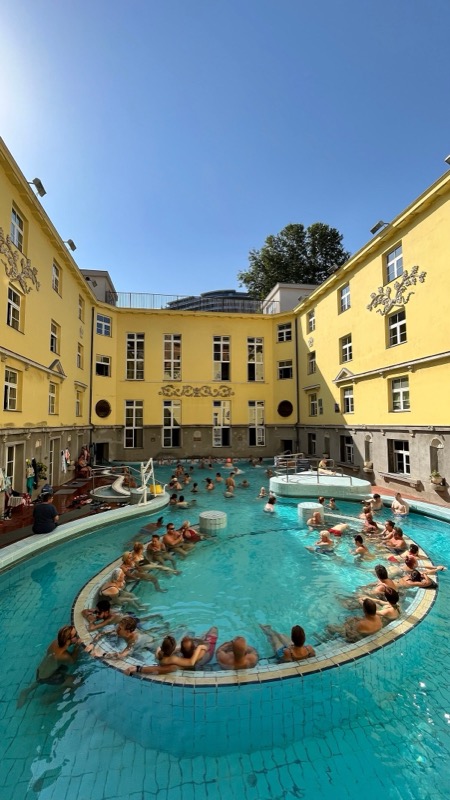
What to know: The "locals' bath" — cheaper than the tourist big three and attracts more Budapesti regulars. Has both thermal and swimming pools, plus a wellness section with saunas and steam rooms. The thermal water here is considered particularly good for joint problems. Less architecturally dramatic but more authentic.
"Lukács is great if you want a less touristy experience. It's where actual Budapesti people go — cheaper and the thermal water is excellent."
— r/budapest · Best thermal bath for price/quality
tabiji verdict: The "local secret" that's not really a secret but still gets far fewer tourists than Széchenyi or Gellért. Great value for money with quality thermal water. The vibe is more "municipal swimming center" than "palatial spa," but that's part of the charm — you'll see regulars who've been coming daily for decades.
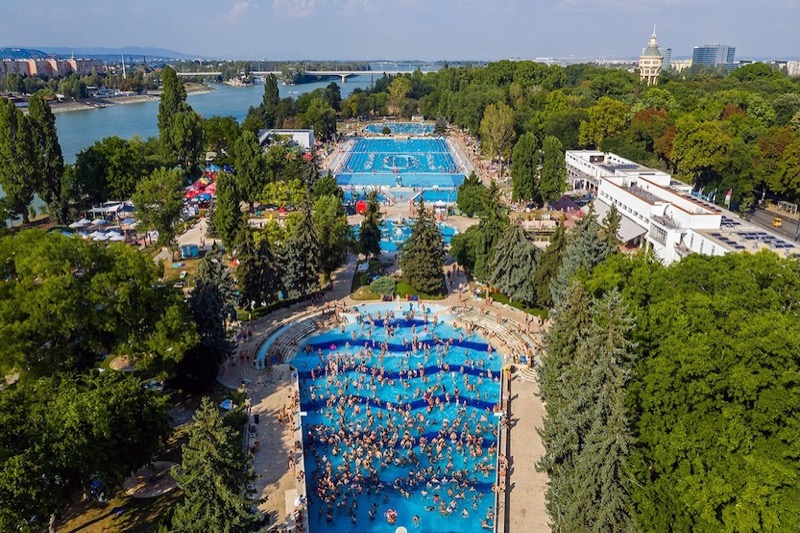
What to know: Seasonal (May–September only). Budapest's best outdoor bathing complex on beautiful Margaret Island. Multiple pools including wave pool, kids' pool, and thermal pools fed by the island's own spring. Water slides and sunbathing areas. A completely different vibe from the historic indoor baths.
"If you're visiting in summer, Palatinus on Margaret Island is amazing. More of a beach/pool vibe than a thermal bath, but it uses thermal spring water and the setting is gorgeous."
— r/budapest · Thermal bath thread
tabiji verdict: A completely different energy from the indoor historic baths — and that's the point. If you're visiting Budapest in summer and want sunshine, swimming, and actual fun rather than solemn soaking, Palatinus on leafy Margaret Island is perfect. The thermal pools are legit, the wave pool is a blast, and it's very family-friendly.
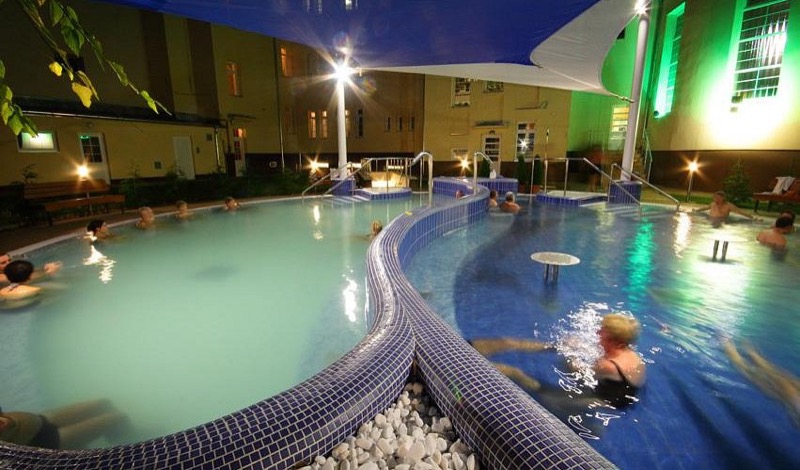
What to know: The cheapest thermal bath in Budapest and possibly the most "real." No frills, no tourists, no Instagram. Just hot mineral water, tiles, and Hungarian pensioners. The thermal water here is among the most mineral-rich in the city. Two indoor thermal pools and a small cold plunge.
"Dandár is where the locals go when they want cheap, quality thermal water without the fuss. It's not pretty, but the water is amazing and you'll be the only tourist there."
— r/budapest · Best thermal bath for price/quality
tabiji verdict: The ultimate "off the beaten path" pick. At ~$5, it's absurdly cheap. The mineral water is genuinely excellent — many locals consider it superior to the famous baths. You will likely be the only foreign visitor. Don't expect beauty or amenities — this is function over form, and that's what makes it special.
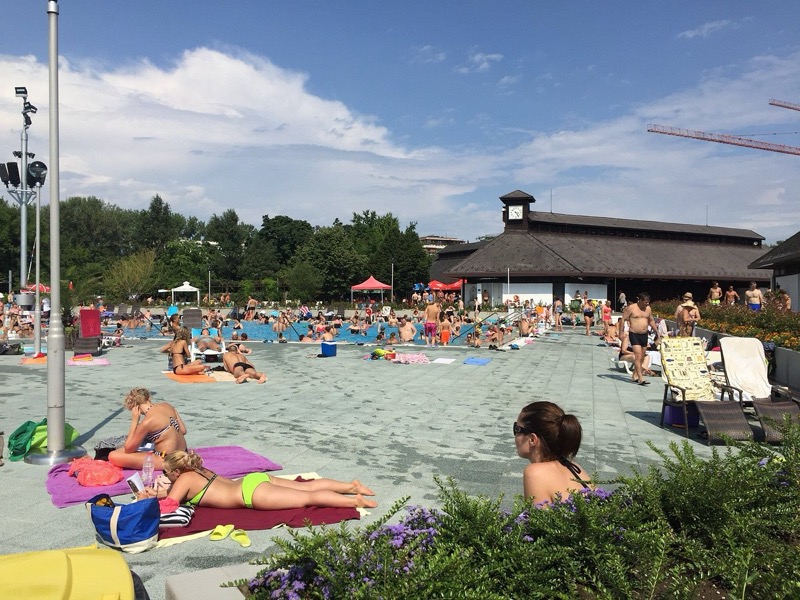
What to know: A recently renovated neighborhood bath entirely off the tourist radar. Modern facilities including thermal pools, saunas, multiple steam rooms, and cold dipping pools. Popular with families and local swimmers. Excellent value — you get modern spa amenities at local prices.
"If you want to see how Budapesti people actually use thermal baths day-to-day, go to a local one like Paskál. Completely different vibe from Széchenyi — modern, clean, cheap, and zero tourists."
— r/budapest · Thermal bath recommendations
tabiji verdict: For travelers who've already done the big tourist baths and want to see how locals actually live the thermal lifestyle. Modern, well-maintained, affordable, and with better sauna facilities than most historic baths. Not architecturally exciting, but a genuinely great bathing experience at a fraction of the tourist price.
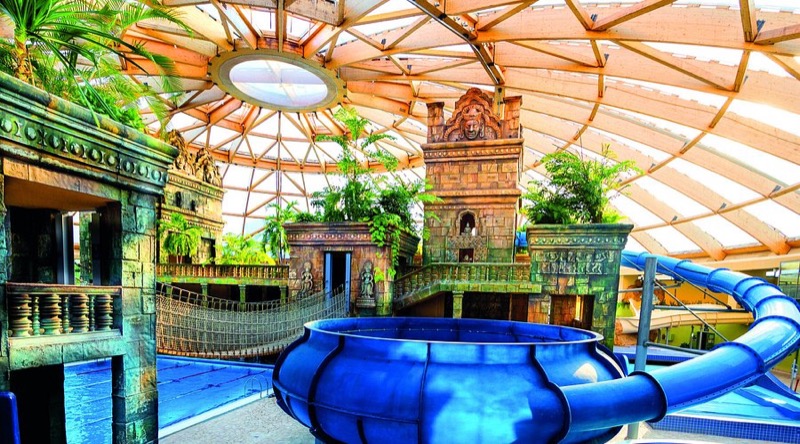
What to know: Not a traditional thermal bath — this is Central Europe's largest indoor waterpark, attached to the Ramada Resort. 17 pools including actual thermal pools fed by a natural spring, plus water slides, a wave pool, lazy river, and kids' zones. The thermal section is separate and genuinely relaxing.
"If you have kids, Aquaworld is the move. It's a proper waterpark but also has real thermal pools. The kids will love it and you can still get the thermal experience in the adult section."
— r/budapest · Best thermal baths for families
tabiji verdict: The wildcard pick. Purists will scoff, but Aquaworld genuinely has thermal spring water alongside all the waterpark fun. If you're traveling with kids (or just want water slides), this is the play. It's outside the city center so plan for transport, but the thermal section is surprisingly good.
Frequently Asked Questions
What is the best thermal bath in Budapest?
It depends on what you want. Széchenyi is the largest and most iconic with huge outdoor pools — perfect for first-timers. Gellért has the most beautiful Art Nouveau architecture. Rudas offers the most authentic Ottoman-era experience with a stunning rooftop pool. For a quieter, more upscale soak, Veli Bej is the Reddit favorite for avoiding crowds.
How much do Budapest thermal baths cost?
Prices range from ~1,800 HUF ($5 USD) at local baths like Dandár to ~10,200 HUF ($28 USD) at premium spots like Gellért with a cabin. Most popular baths charge 5,000–9,000 HUF ($14–$25 USD) for a full-day pass. Cabin upgrades (private changing booth) cost a few dollars more and are highly recommended. Student discounts are widely available.
What should I bring to a Budapest thermal bath?
Bring: swimsuit, towel (or rent one for ~2,000 HUF), flip-flops/water shoes, a waterproof phone pouch, and a swim cap if you want to use lap pools. Most baths have lockers or cabins. Don't bring valuables — use the lockers provided.
When is the best time to visit Budapest thermal baths?
Early morning (opening time) or late afternoon on weekdays is least crowded. Avoid weekends at Széchenyi — it gets extremely busy with tour groups. Winter visits are magical — sitting in steaming 38°C outdoor pools while snow falls around you is unforgettable. Rudas is only mixed-gender on weekends; weekdays are gender-segregated.
Are Budapest baths worth it compared to German or Austrian spas?
Yes — but expect a different experience. Budapest baths are fed by natural thermal springs (over 120 in the city), so the mineral-rich water itself is the attraction. The Ottoman-era baths have 500+ years of history you won't find elsewhere. Don't expect plush robes and oil massages — this is bathing culture, not a wellness retreat.
Can I visit multiple thermal baths in one day?
You can, but most Redditors recommend 2–3 hours per bath and doing one per day. The mineral water is genuinely therapeutic and can be draining. If you have limited time, Rudas in the morning (Ottoman experience) and Széchenyi in the afternoon (grand outdoor pools) is a popular combo. Stay hydrated!