Fukuoka is the last city in Japan where yatai culture truly thrives. Over 100 mobile food stalls set up every evening across the streets of Tenjin, Nakasu, and Nagahama — more than 40% of all yatai in the entire country. They've been feeding Fukuoka since the end of WWII, and a 2013 city law now protects them.
The experience is unlike anything else in Japan. You squeeze onto a plastic stool between strangers, order from a handwritten menu, and eat incredible food inches from the chef who made it. The best nights are the ones where your neighbor becomes your drinking buddy and the owner tells you stories about the neighborhood. This is Fukuoka's soul.
📊 How we built this list
We analyzed 150+ Reddit posts and 500+ comments across r/fukuoka, r/JapanTravel, r/JapanTravelTips, r/ramen, and r/japanlife — spanning 2018 to 2026. Because yatai are less documented than restaurants, we also cross-referenced local guides from Fukuoka Eats, MATCHA Magazine, and Fukuoka Leapup. Stalls were ranked by a combination of Reddit mention frequency, quality of reviews, and diversity of food offerings. We weighted long-term Fukuoka resident recommendations most heavily.
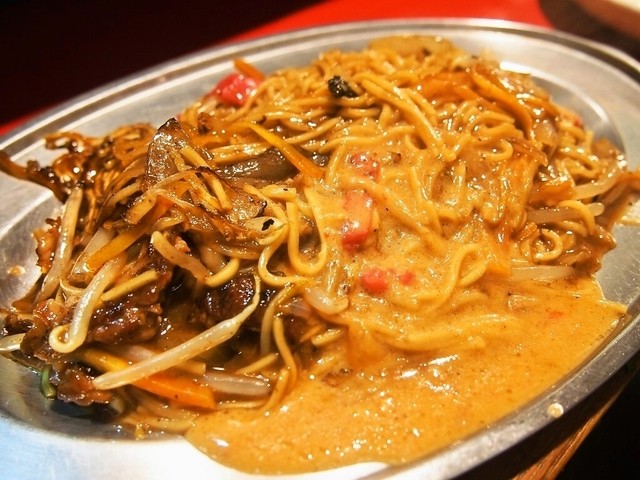
What to order: The yaki ramen — stir-fried tonkotsu ramen noodles without broth, grilled on a teppan. Also try the doteyaki (beef sinew stewed in miso) and mentai-tamagoyaki (pollock roe omelet). Pair with a cold Asahi.
"Kokinchan: Fukuoka has a lot of yatai, and I wanted to try the yaki ramen at Kokinchan. Great stuff, but the line to sit at the stall was crazy long. Still though, cool experience and tasty food."
— r/ramen · 37 shops in 3 weeks, Part 2: Fukuoka
tabiji verdict: The most famous yatai in Fukuoka and the birthplace of yaki ramen. Kokinchan invented the concept of grilling ramen noodles on a teppan instead of serving them in broth — and it's become a Fukuoka icon. Located on Showa-dori in Tenjin, expect lines on weekends. Arrive early (6pm) for the best shot at a quick seat. If you only visit one yatai, this should be it.

What to order: The Hakata ramen — affordable and delicious. The owner keeps prices low and is known for giving free ramen to kids. Also try whatever daily special he's running.
"The second is Yatai Keiji. The guy is super nice and chill and he cares a lot about the community, giving free ramen to kids and keeping prices low."
— r/JapanTravelTips · Is Fukuoka worth visiting on its own?, 2024
tabiji verdict: The local's local yatai. While tourists flock to the riverside stalls, Keiji quietly serves some of the best food in the yatai scene with genuine community spirit. The owner's warmth is legendary — Redditors who've visited Keiji consistently say the food is amazing and the vibes are unmatched. This is what yatai culture is really about.
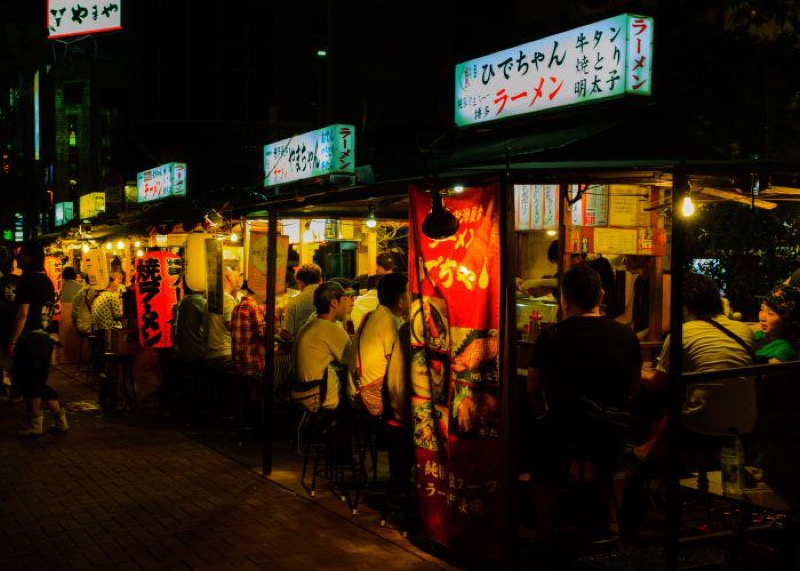
What to order: The tempura set or tendon (tempura over rice). Order pieces individually too — each one is fried to perfection right in front of you. Pair with beer.
"This one in Tenjin, but I am not sure about the name. They have such good tempura, omg... my mouth is watering just thinking about the cod roe tempura 😭"
— r/fukuoka · What's your favorite Yatai Stall?
tabiji verdict: The second-oldest yatai in all of Japan — over 70 years of frying tempura to perfection. Run by a warm elderly couple who are absolute masters of their craft. Genkai proves that yatai aren't just about ramen. Watching tempura being fried inches from your face, then eating it 10 seconds later, is a peak Fukuoka experience. English menu available.
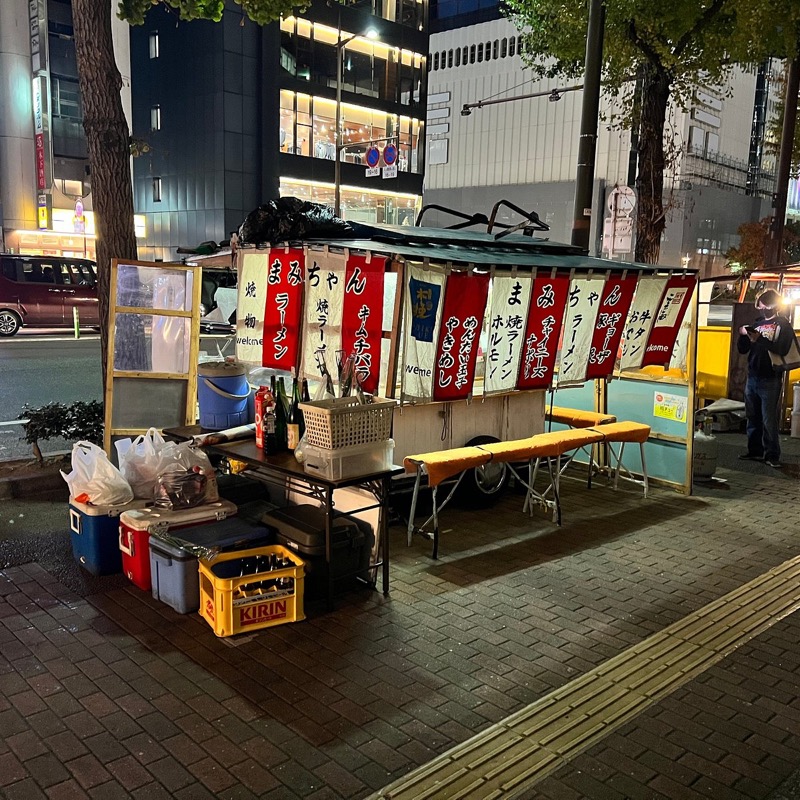
What to order: The ox tongue (gyutan) and the mentai dashimaki tamago (omelet stuffed with spicy cod roe). Both are house specialties that regulars keep coming back for.
"The first is Yatai Mamichan. The guy is awesome and cooks amazingly fast. It's got a rundown, rustic vibe to it and the food's great."
— r/JapanTravelTips · Is Fukuoka worth visiting on its own?
tabiji verdict: If Kokinchan is the famous one and Keiji is the local's pick, Mamichan is the one that makes you feel at home. The owner cooks at blazing speed while keeping the atmosphere warm and welcoming. Popular with both tourists and locals, which is the sweet spot. English menu available. The ox tongue alone is worth the visit.
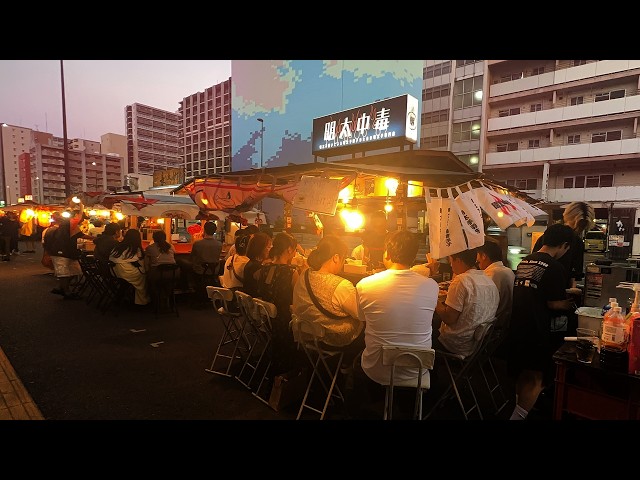
What to order: The mentai omelet (¥700) — fluffy egg wrapped around spicy cod roe, it's the star of the menu. Also try the stewed chicken liver (¥600) and their oden, especially the daikon with mustard.
"Within the Nakasu yatai district, my personal recommendation is Kojima Shoten. The owner, who is only in his 30s, makes delicious food and loves serving his customers. The mentaiko has the right amount of saltiness, and the egg is extremely fluffy and soft."
— MATCHA Magazine · Nighttime Yatai-Hopping In Fukuoka
tabiji verdict: A young owner running a tight ship. Kojima Shoten's mentai omelet is one of the most photogenic dishes in the entire yatai scene — Instagram-worthy and genuinely delicious. The stall specializes in things that go perfectly with drinks: oden, grilled bits, mentaiko dishes. A great first stop before a night of yatai-hopping.
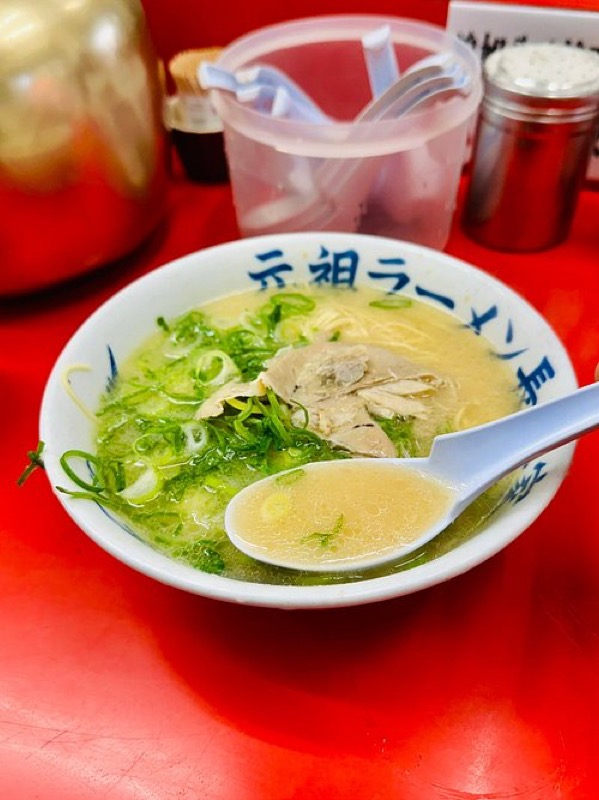
What to order: The garlic-butter escargot — the signature dish and most popular item. Also try the quiche (often vegetarian-friendly), pumpkin gnocchi, or beef steak. Wine is available.
"Located near Watanabe-dori, Chez Rémy is a cute stall serving tasty French cuisine. The most iconic menu item by far is the garlic-butter escargot. Authentic and reasonably priced French delicacies on the streets of Fukuoka."
— MATCHA Magazine · Nighttime Yatai-Hopping guide
tabiji verdict: The most unique yatai in Fukuoka. Rémy Grenard is the first foreigner to own a yatai in Japan, and he serves legitimate French cuisine — escargot, quiche, gnocchi — from a food stall on a Tenjin sidewalk. He speaks French, English, and Japanese, so communication is never an issue. It's surreal, it's delicious, and it perfectly represents the "neo-yatai" movement that's keeping the culture alive.
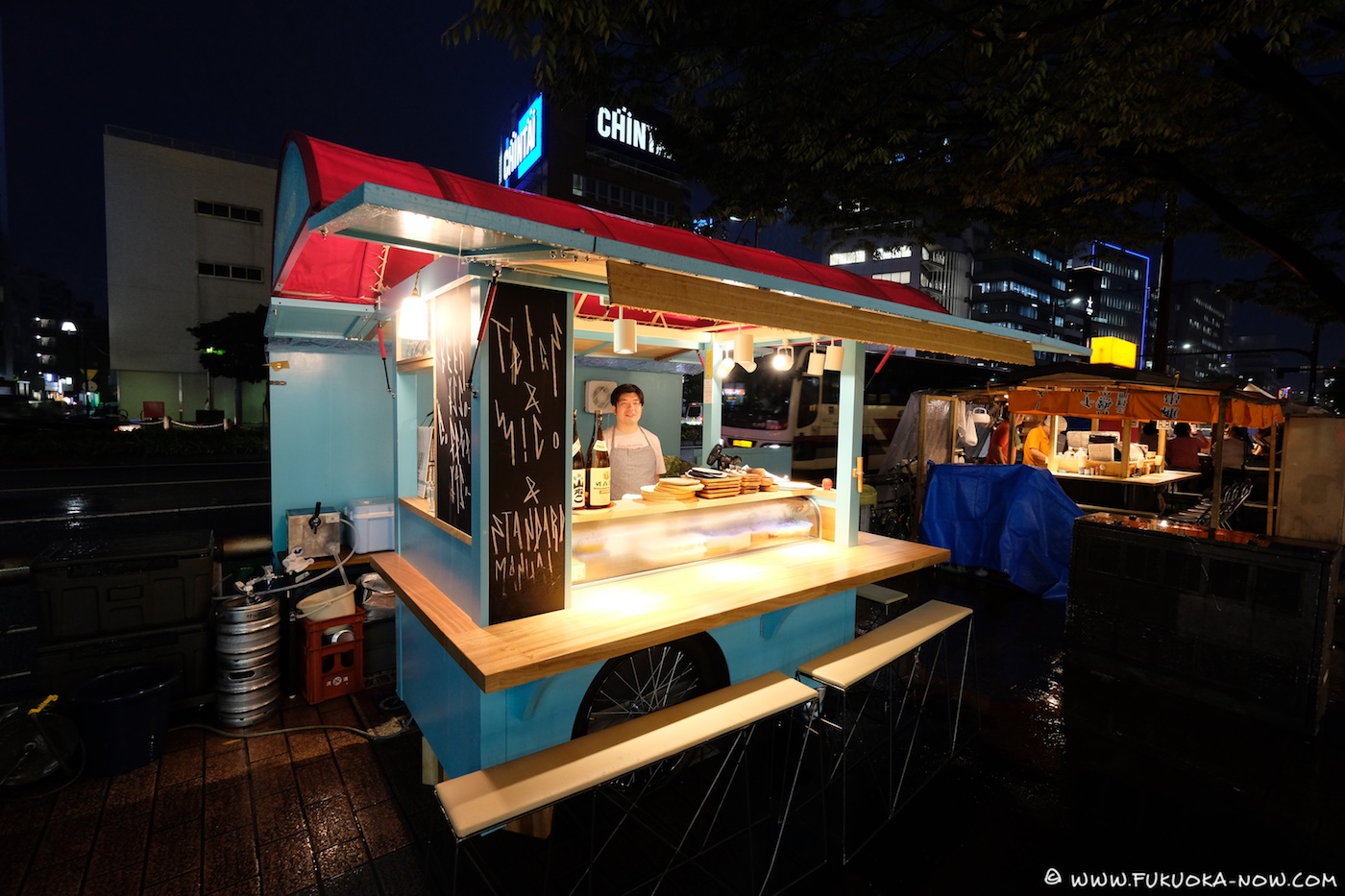
What to order: The ratatouille bruschetta (¥350) and Itoshima pork sausage (¥1,000) — both made with local Itoshima ingredients. Then finish with their pour-over coffee (¥500, beans from Manu Coffee).
"Among the many food stalls in Tenjin, I personally recommend Telas & Mico. This stylish food stall serves Western-style dishes featuring ingredients sourced from the neighboring city of Itoshima. What sets this stall apart is its pour-over coffee."
— MATCHA Magazine · Nighttime Yatai-Hopping guide
tabiji verdict: A neo-yatai that feels more like a cool bistro that happens to be on a sidewalk. The Itoshima ingredient focus gives it a farm-to-stall quality. The pour-over coffee — using beans from local legend Manu Coffee — is a perfect closer after a night of eating. Great spot to wind down between ramen-heavy yatai visits.
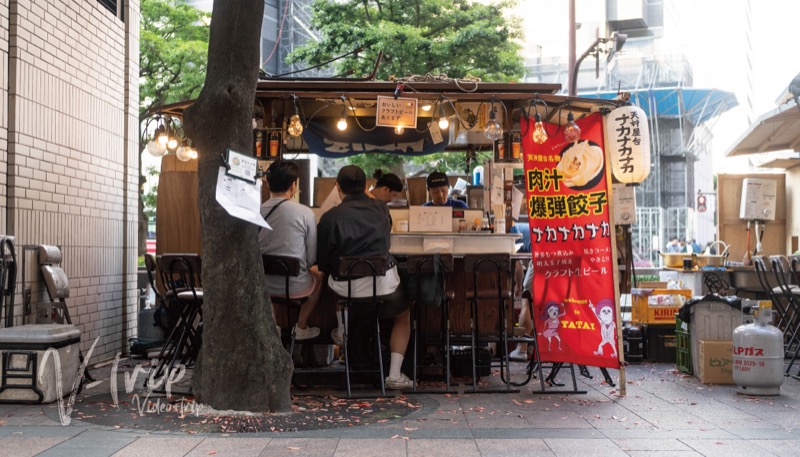
What to order: The Hakata ramen — their tonkotsu broth is what puts this yatai on the map. Get it with firm noodles (kata) and don't skip the kaedama (extra noodles).
tabiji verdict: While many yatai serve ramen as one of many items, NakaNakaNaka specializes in it — and it shows. This is the yatai you go to when you specifically want a great bowl of tonkotsu ramen in the open air. It won't be as good as a dedicated brick-and-mortar ramen shop, but the atmosphere more than makes up for it. The fun name is easy to remember after a few beers.
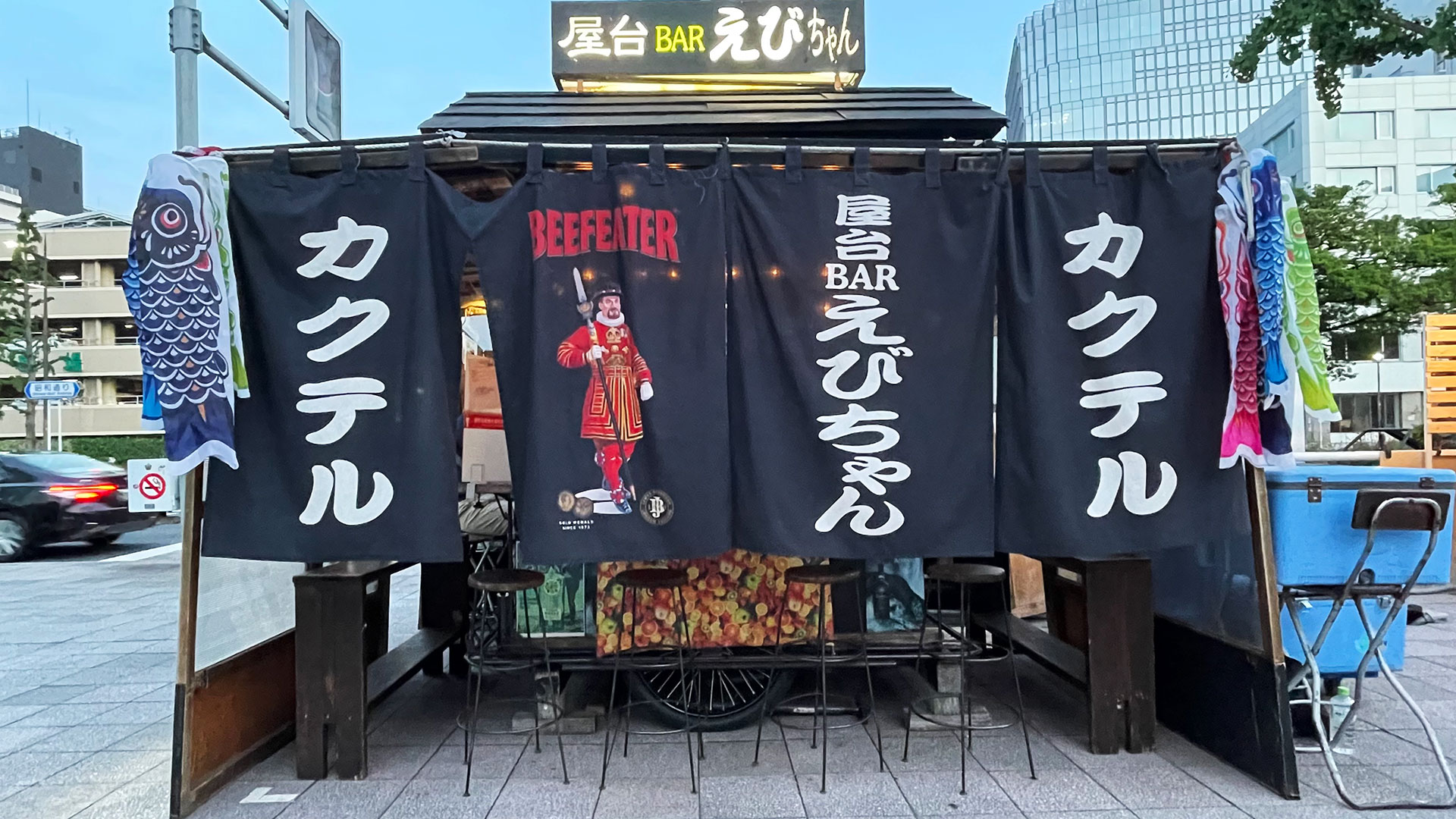
What to order: Custom cocktails — tell the bartender what you like and they'll make something to order. The cheese appetizer plate pairs perfectly. Also great for spirits and whisky.
"Located near the Bank of Japan, Yatai Bar Ebichan will immediately catch your eye. This food stall recreates the atmosphere of an outdoor bar. Sip some cocktails with an order of cheese appetizers."
— MATCHA Magazine · Nighttime Yatai-Hopping guide
tabiji verdict: A cocktail bar that happens to be a yatai. The patterned curtains, wooden counters, and liquor display give it the feel of a cozy standing bar, but you're sitting on a sidewalk in Tenjin. The bartenders are friendly and will make drinks however you want them — rare for Japan. Perfect for the between-stalls drink, or as a nightcap to end your yatai crawl.
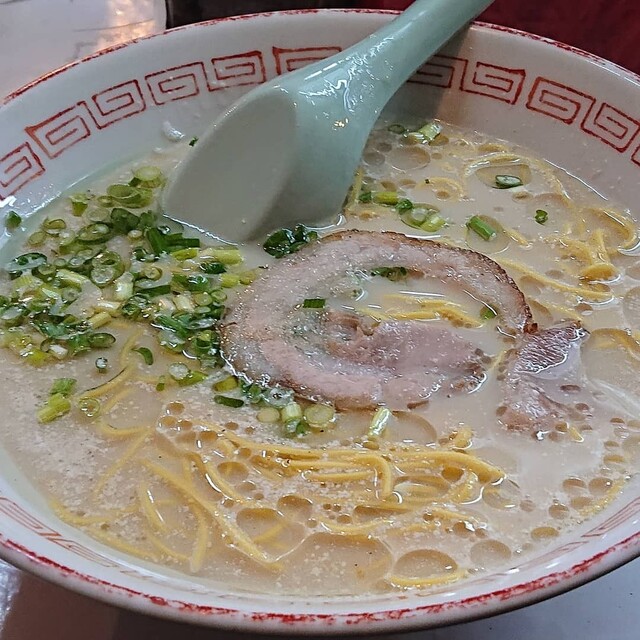
What to order: The Nagahama ramen (¥500) — extra-thin noodles in a rich tonkotsu broth. Also ask about the daily seafood specials from the nearby fish market. The owner is a yatai historian — chat him up.
"The really famous yatai are located in Nagahama. Nagahama is a small area in Fukuoka, which is home to maybe 10 yatai. I actually prefer those located in Nakasu — Nakasu's yatai had a more intimate feel."
— r/ramen · I studied Yatai in Japan for a year! AMA
tabiji verdict: The Nagahama yatai district has dwindled from 15 stalls to just a handful, but Wakadaisho keeps the flame alive. The owner is a walking encyclopedia of Nagahama yatai history, and the proximity to the fish market means fresh seafood alongside the ultra-thin Nagahama noodles. It's a bit of a trek from Tenjin (15 min walk), but for yatai history buffs, it's a pilgrimage. The district reopened in 2023 with new stalls joining the veterans.
Frequently Asked Questions
What are yatai in Fukuoka?
Yatai are mobile outdoor food stalls that set up every evening across Fukuoka's streets. Seating roughly 7–10 people shoulder-to-shoulder, they serve ramen, yakitori, tempura, gyoza, oden, and more. Over 100 yatai operate in Fukuoka — more than 40% of all yatai in Japan. They typically open around 6pm and run until 2–3am.
Where are the best yatai areas in Fukuoka?
The three main districts are Nakasu (along the Naka River — most photogenic but touristy), Tenjin (where locals eat, better prices), and Nagahama (near the fish market, famous for thin noodle ramen). Reddit locals consistently recommend Tenjin for value and authenticity, while Nakasu offers the iconic riverside atmosphere.
How much does yatai food cost in Fukuoka?
Most dishes range from ¥500 to ¥1,200. A bowl of ramen is typically ¥600–¥900. Yakitori skewers run ¥150–¥300 each. Beer is around ¥500–¥700. A full meal with drinks usually totals ¥1,500–¥3,000 per person. Nakasu riverside stalls tend to be more expensive than Tenjin stalls.
Do Fukuoka yatai have English menus?
Many popular yatai now offer English menus or picture menus, especially in Nakasu. However, smaller stalls in Tenjin and Nagahama may not. You can always ask "osusume wo onegaishimasu" (your recommendation please) to let the owner choose for you — this often gets you the best food.
What is yatai etiquette in Fukuoka?
Key rules: (1) Check the menu and prices displayed outside before sitting. (2) Keep groups to 4 people or less. (3) Don't linger — 30-40 minutes is typical. (4) You can usually only order once at busy stalls. (5) Don't bring large bags. (6) Chat with your neighbors — it's part of the experience! (7) Most stalls are cash only.