Gwangjang Market (광장시장) has been Seoul's dumpling headquarters since 1905. Under its cavernous metal roof, dozens of ajumma hand-fold mandu at breathtaking speed — kimchi, meat, steamed, fried, in soup — all for pocket change. When Netflix's Street Food: Asia featured Cho Yonsoon's stall, the world caught on to what Seoul locals already knew.
We analyzed 150+ Reddit posts and comments across r/koreatravel, r/KoreanFood, r/seoul, and r/Living_in_Korea to find the mandu stalls that actual visitors and long-term residents recommend. Some are famous, some are hidden — all are delicious.
📊 How we built this list
We analyzed 150+ Reddit posts and 800+ comments across r/koreatravel, r/KoreanFood, r/seoul, and r/Living_in_Korea — spanning 2022 to 2026. Stalls were ranked by how frequently they were recommended by independent users. We weighted tips from long-term Seoul residents and repeat visitors more heavily than first-timer posts.
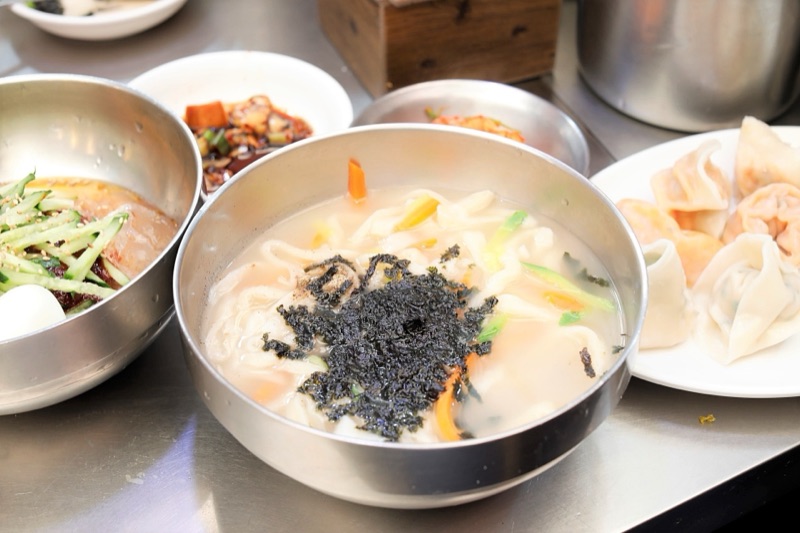
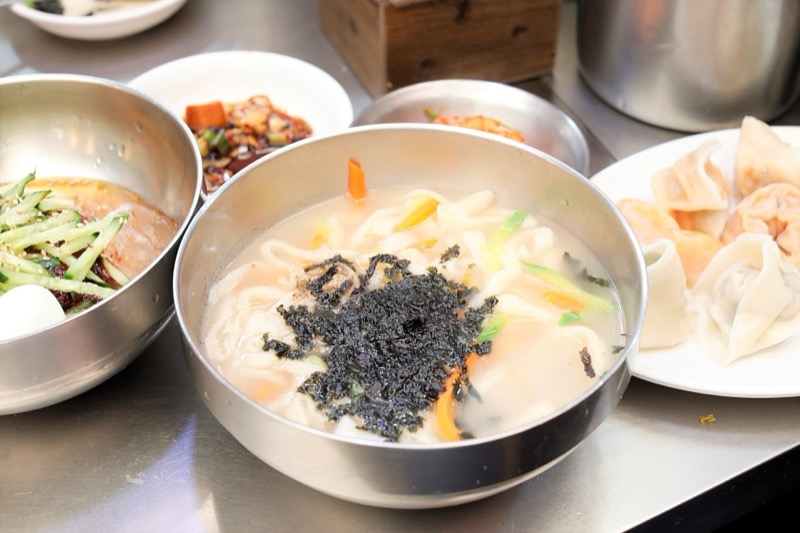
What to order: The kimchi mandu (₩6,000 for 6 pieces) — bold, fermented punch wrapped in a chewy skin. The meat mandu is milder and pairs beautifully with the homemade soy-vinegar dip. Add a bowl of kalguksu to make it a full meal.
"Ate at stall #70, and had yummy kalguksu with mandu. Other stalls had bindae-tteok and hotteok that were wonderful, too."
— r/KoreanFood · Tried mandu at Gwangjang Market
"The Netflix woman's stall was unmistakable because it had a significantly longer line than the others. The dumplings come with 6 so it was perfect to share. I really liked the kalguksu — it looks very plain, but I found it to be full of umami."
— food blogger review · Gwangjang Market Street Food Guide
"The kimchi mandu had a robust kimchi flavour from the first bite. The meat mandu was good, especially drizzled with the homemade dip. I left the stall with a warm heart, a warm tummy and an even warmer ass — the benches are heated."
— KultureKween · Gohyang Kalguksu Review
tabiji verdict: The single most recommended mandu stall at Gwangjang Market — and for good reason. Cho Yonsoon has been folding dumplings here for decades, and the Netflix fame hasn't dulled the quality. The kimchi mandu packs serious fermented heat. The heated benches are a godsend in winter. Yes, there's a line. Yes, it's worth it.
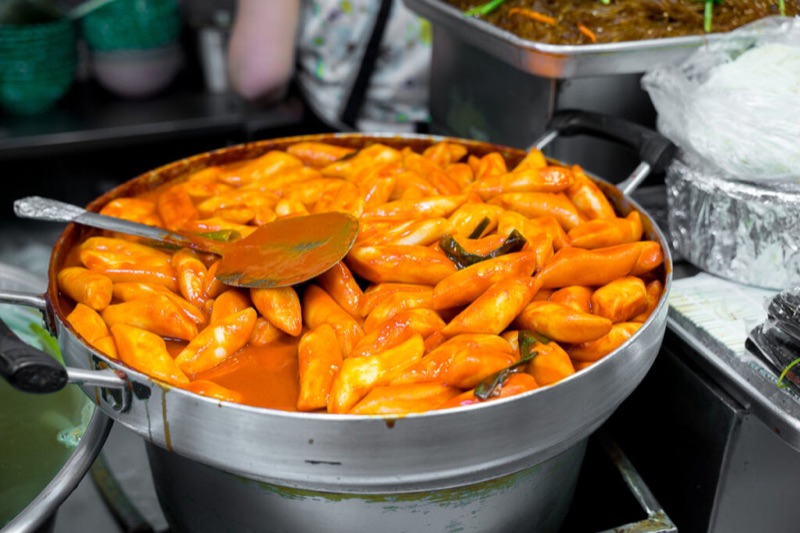
What to order: The combo — a plate of steamed mandu alongside a bowl of saucy tteokbokki. Dip the mandu into the spicy tteokbokki sauce for a flavor bomb. The kimchi mandu here is stuffed generously.
"Stall 59 for bindaetteok, Stall 66 for mandu and tteokbokki, Stall 70 for the famous Netflix kalguksu — that's the holy trinity of Gwangjang."
— social media guides · r/koreatravel recommendations
"Gwangjang has damn good food for an affordable price. Sure, food stalls are pricey but most of us probably don't mind paying 10-20 USD more per trip on something unique."
— r/koreatravel · 178 upvotes · I love Gwangjang Market, Feb 2025
tabiji verdict: The local's alternative to the Netflix stall. Stall #66 consistently appears in "must-try" lists alongside Stall #70 and Stall #59 as the trinity of Gwangjang Market food stalls. The mandu-tteokbokki combo is pure comfort food — and no Netflix-length queue.
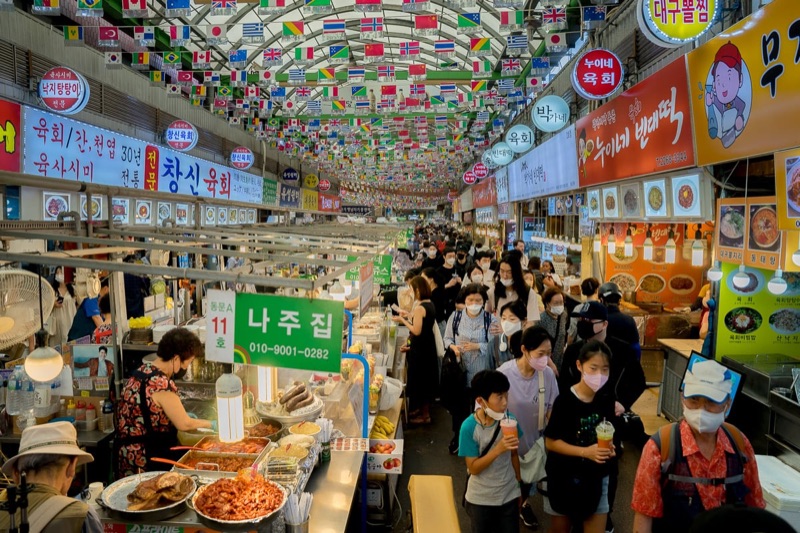
What to order: The shrimp wang mandu (₩6,000 for 5 pieces) — these oversized dumplings are as big as your fist, stuffed to bursting with shrimp, pork, and vegetables. The steamed version lets you taste the filling; the fried version gives you extra crunch.
"Shrimp Wang Mandu ₩6,000/portion of 5 pieces. Keunson Jumbo — they specialise in wang-mandu (king dumplings), and they are massive."
— social media reviews · Top 4 Must-Try Eats at Gwangjang Market
tabiji verdict: If you want dumplings that are practically a meal on their own, Keunson's wang mandu are the move. These aren't delicate little parcels — they're fist-sized flavor grenades. The shrimp filling is the standout. Five pieces will leave most people properly full.
💰 ₩4,000–₩6,000/person
📍 Various stalls, main food corridor
📌 Google Maps →
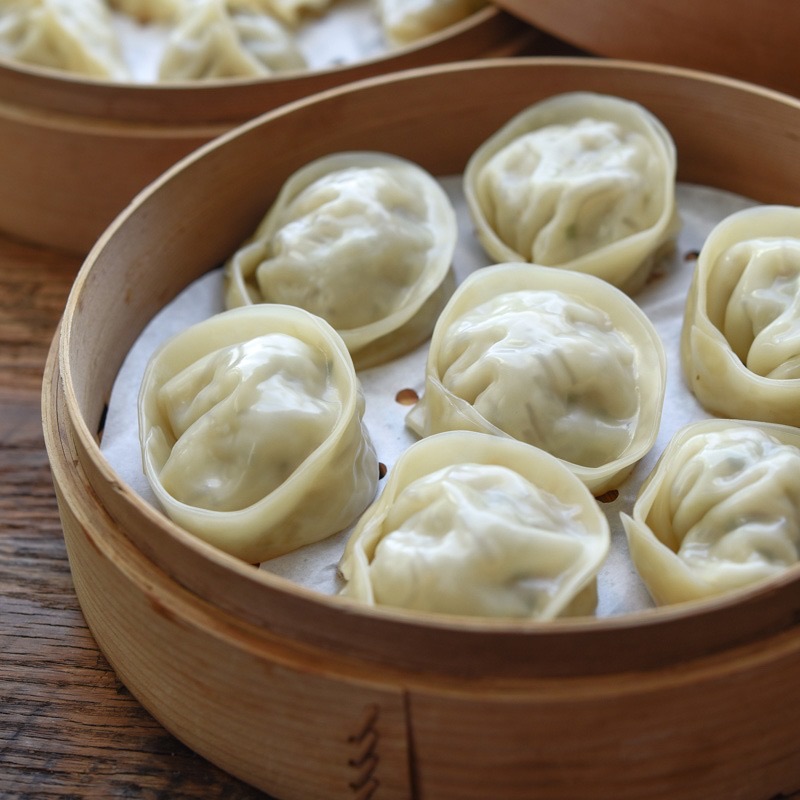
What to order: A plate of steamed mayak mandu — these tiny, bite-sized dumplings get their name ("narcotic dumplings") because they're impossibly addictive. Dip them in the soy-vinegar-mustard sauce. Order extra. You'll need them.
"One particular shop sold 'Mayak Mandu,' literally 'narcotic dumplings.' They're tiny but you cannot stop eating them."
— r/koreatravel · Gwangjang market kalguksu thread
"The mayak kimbap and mayak mandu stalls are the sleepers of Gwangjang. Everyone goes for the Netflix stuff but these are what the regulars eat."
— r/KoreanFood · Must-Eat foods in Seoul
tabiji verdict: The name says it all — these tiny dumplings are legitimately addictive. They're the polar opposite of wang mandu: small, delicate, and designed to be inhaled by the dozen. Multiple stalls sell them; look for the ones with the longest line of Korean office workers at lunch. That's your signal.
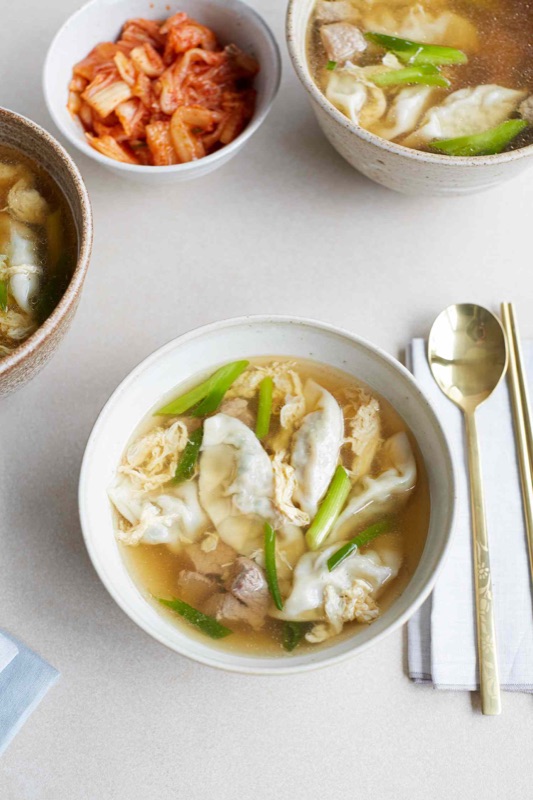
What to order: A steaming bowl of mandu guk — plump dumplings swimming in a clear, deeply savory beef broth with egg ribbons and seaweed. The ultimate cold-weather comfort food. Some stalls add tteok (rice cakes) to make tteok-mandu guk.
"Few things are more comforting than a hot bowl of mandu guk when Seoul is bone-rattling cold. It's the ultimate market food — cheap, warming, and deeply satisfying."
— Museum of Wander · Gwangjang Market Guide 2026
"We ordered the kalguksu, tteok mandu guk, and fried dumplings. Everything was incredible."
— Wanderlog reviews · Best Dumplings in Seoul
tabiji verdict: Mandu guk is the sleeper hit of Gwangjang Market. While everyone chases the fried and steamed dumplings, the soup versions deliver maximum comfort — especially in Seoul's brutal winters. The broth is typically beef-based, simmered for hours, and the dumplings are handmade. Look for stalls where the broth is actually bubbling, not sitting lukewarm.
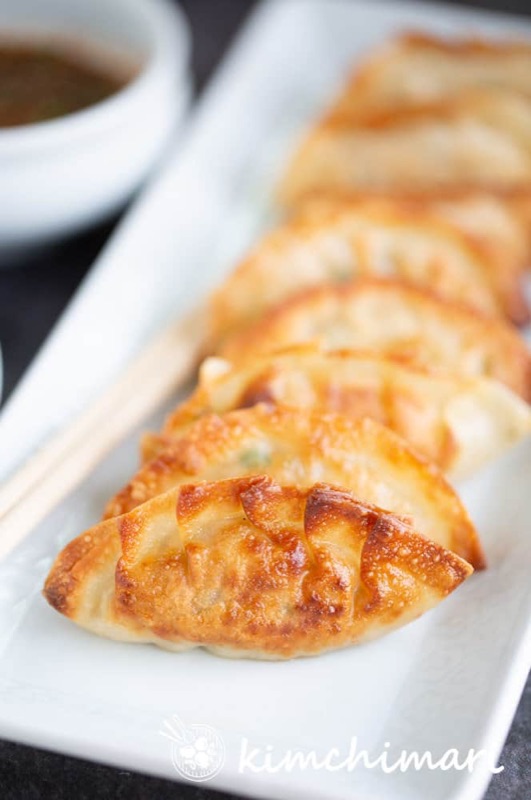
What to order: A plate of kimchi gunmandu — golden-crispy on the bottom, soft and chewy on top. The contrast between the crunchy base and juicy filling is what makes pan-fried mandu special. Dip in soy-vinegar sauce with a touch of sesame oil.
"The fried dumplings at Gwangjang are next level. Crispy bottom, juicy inside. We ordered way too many and regretted nothing."
— r/koreatravel · Food I must eat in Korea
tabiji verdict: The crispiest mandu option at Gwangjang. While steamed mandu gets all the love, gunmandu delivers that addictive golden crunch that's hard to resist. Best eaten immediately — they lose their magic fast. Pro tip: order from a stall where you can see them frying in real time.
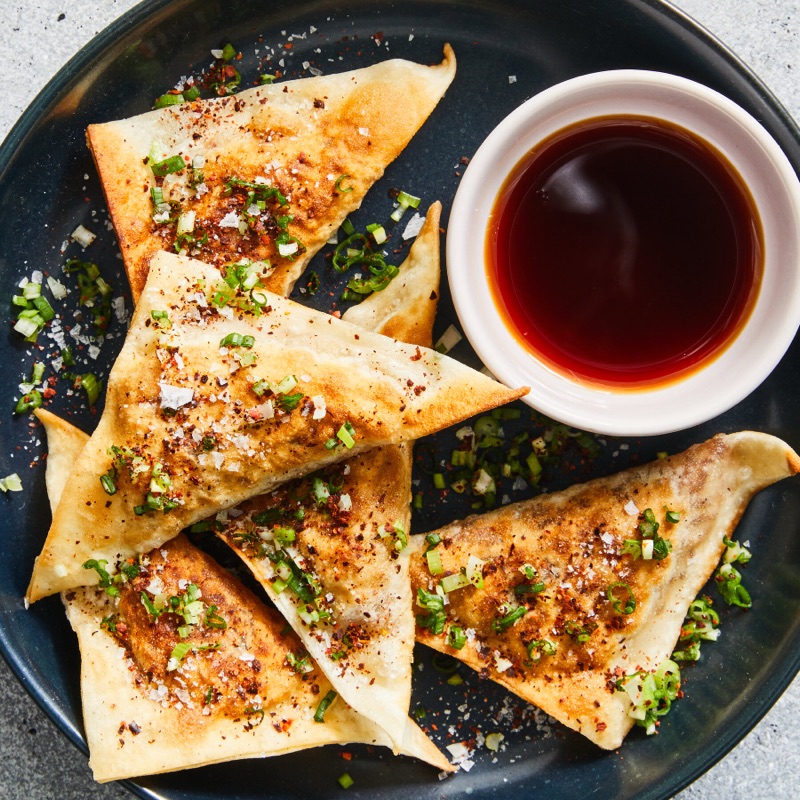
What to order: The kimchi mandu jeon — a hybrid between a pancake and a dumpling. Minced kimchi-pork filling is wrapped and then pressed flat and pan-fried until deeply golden. It's like a jeon and mandu had a delicious baby.
"A jeon that was obviously already pre-fried and just re-fried again — avoid those. But the good stalls where they make it fresh in front of you? Incredible."
— r/koreatravel · 2141 upvotes · From a Korean: One Honest Tip
tabiji verdict: A Gwangjang specialty you won't find easily elsewhere. The key is freshness — watch them press and fry it right in front of you. If it's sitting in a pile looking sad and greasy, walk past. The good versions are crispy, savory, and deeply satisfying as a mandu side dish alongside your regular dumpling order.
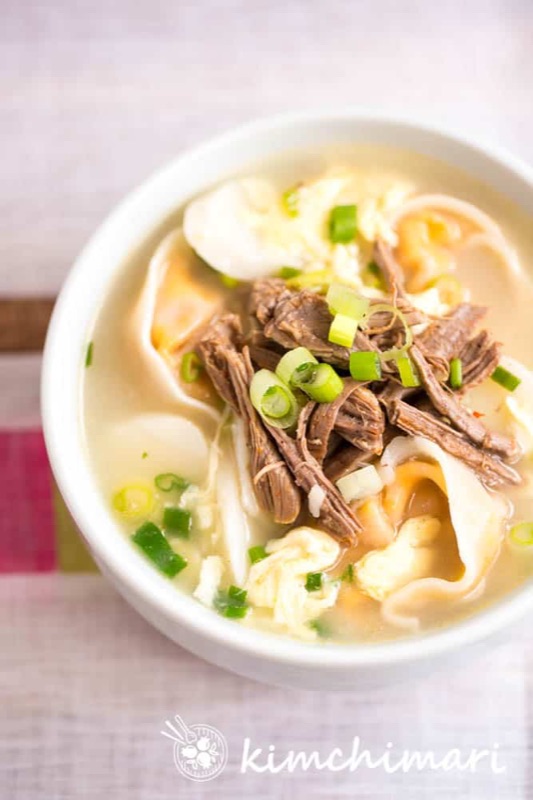
What to order: Tteok mandu guk — the Lunar New Year classic available year-round at Gwangjang. Sliced rice cakes and plump dumplings in a rich beef broth with egg wisps. It's the most filling mandu dish in the market.
"Tteok-mandu-guk is a typical Korean Lunar New Year dish but you can get it year round at Gwangjang. It's heartier than regular mandu guk because of the rice cakes."
— food guide · Gwangjang Market Seoul Guide
tabiji verdict: The heavyweight champion of Gwangjang mandu dishes. The sliced rice cakes (tteok) add chewy texture and substance to the classic mandu guk, making this a proper meal rather than a snack. Traditionally eaten for Lunar New Year, but at Gwangjang you can enjoy it any day. Ideal when you want one bowl that does everything.
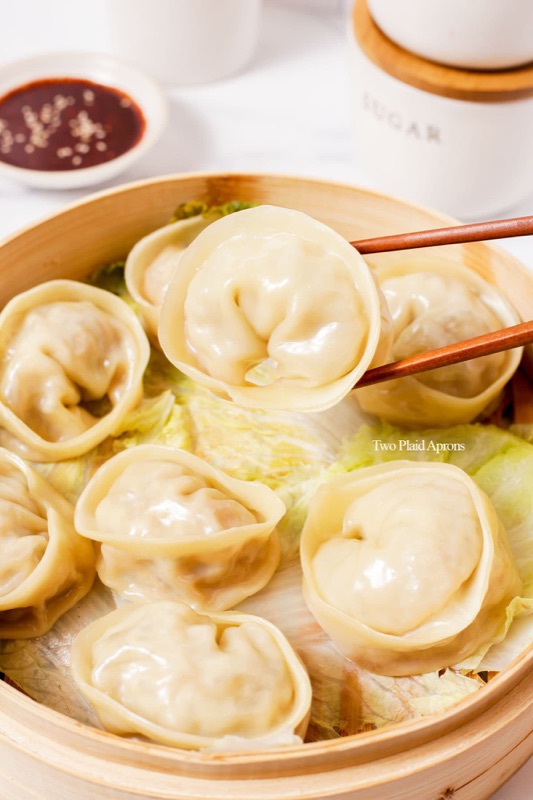
What to order: A bamboo steamer of mixed jjinmandu — kimchi and gogi (meat). The steamed versions let you taste the filling at its purest without any frying oil. Look for stalls where steam is billowing from stacked bamboo steamers.
"Mandu are Korean dumplings. At Gwangjang Market, they're most often stuffed with gogi (meat, usually minced pork) or kimchi (fermented cabbage) and served with a soy and raw onion dipping sauce."
— Novotel · Guide to Gwangjang Market
tabiji verdict: The purist's choice. No oil, no broth, no distractions — just dough and filling, steamed to perfection. This is the mandu style you'll see mountains of on display throughout the market. The bamboo steamer presentation is half the appeal. Best enjoyed alongside a bowl of kalguksu from a nearby stall.
Frequently Asked Questions
What is the best mandu stall at Gwangjang Market?
Based on Reddit consensus, Cho Yonsoon's Gohyang Kalguksu (Stall #70) is the most famous and consistently praised mandu stall. Featured on Netflix's Street Food: Asia, her kimchi mandu and meat mandu are handmade fresh daily. For something different, the mayak mandu stalls and Keunson Jumbo Wang Mandu are also highly recommended.
How much does mandu cost at Gwangjang Market?
Mandu at Gwangjang Market is very affordable. A plate of steamed or fried mandu typically costs ₩5,000–₩7,000 (about $4–$5 USD) for 5–6 pieces. Mandu guk (dumpling soup) runs ₩7,000–₩9,000. A full meal of kalguksu with mandu is around ₩10,000–₩12,000. Budget around ₩15,000–₩20,000 to try mandu at multiple stalls.
What types of mandu can I find at Gwangjang Market?
Gwangjang Market offers a huge variety: kimchi mandu (fermented kimchi and pork filling), gogi mandu (classic meat), mayak mandu (tiny "narcotic" dumplings), wang mandu (oversized jumbo), jjinmandu (steamed), gunmandu (pan-fried), mandu guk (dumpling soup), and tteok mandu guk (rice cake dumpling soup). You could easily spend an afternoon just trying different mandu styles.
When is the best time to visit Gwangjang Market?
The market is open daily 8:30 AM – 6 PM. Go before 11 AM or after 2 PM to dodge the lunchtime rush. Weekdays are much calmer than weekends. Many stalls close on Mondays. Winter is arguably the best season — a hot bowl of mandu guk when it's freezing outside is pure comfort. Arrive early for the shortest queues at popular stalls like Stall #70.
Is Gwangjang Market still worth visiting despite overcharging concerns?
Yes. A 2025 scandal exposed some vendors overcharging tourists, but the backlash led to better price regulation and posted menus. The mandu stalls specifically remain excellent value — ₩5,000–₩7,000 for handmade dumplings is hard to beat. Stick to well-known stalls, check posted prices, and don't sit at stalls that aggressively recruit you from the aisle.