Gyeongju is often called "the museum without walls" — the ancient capital of the Silla Kingdom, where you literally drink coffee next to 1,500-year-old burial mounds and ride bikes between royal tombs. But beyond the UNESCO sites, this small city has quietly developed a surprisingly good drinking scene.
The craft beer selection won't rival Seoul's, but what Gyeongju offers is something Seoul can't: sipping a locally brewed IPA while watching the sun set behind ancient tumuli, or trying a centuries-old Korean rice wine recipe in the very neighborhood where it was created. We combed through Reddit trip reports, beer community reviews, and travel blogs to find the spots that actually deliver.
📊 How we built this list
We analyzed Reddit posts across r/koreatravel, r/beerporn, and r/korea, plus craft beer blogs and review platforms like Untappd and Wanderlog. Gyeongju is a smaller city, so we included every noteworthy craft beer and drinking spot — from dedicated taprooms to cocktail bars and traditional breweries. Each spot was verified through multiple independent sources.
💰 ₩7,000–₩12,000/pint
📍 Noseo-dong, near the tumuli
🕓 4 PM – midnight daily
📌 Google Maps →
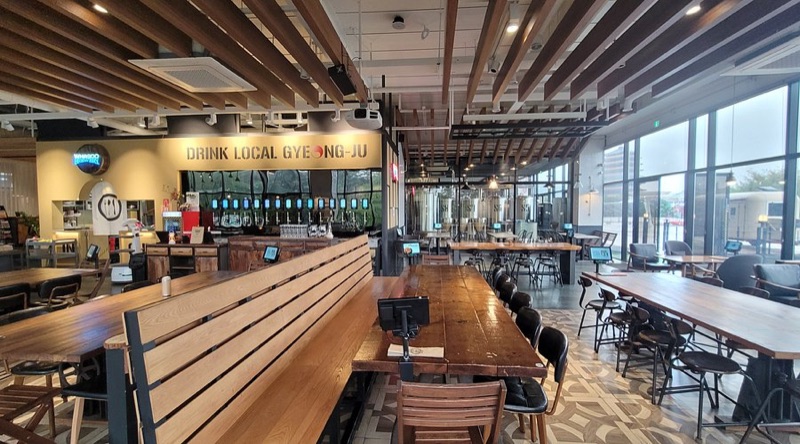
What to try: Around 10 beers on tap, including two unique homemade brews you can't get anywhere else. The sour beers (cherry and raspberry) are standouts. Ask the owner for recommendations — they speak great English.
"There is such a nice vibe about the place. With the big windows, giving a beautiful view onto the tumuli tombs, it is so pleasant to sit outside and just... enjoy. They have delicious, properly sour, sour beers."
— Google review via Wanderlog · Heuheuheu reviews
"Great atmosphere — suspect this is as much to do with the manager as the venue itself — and the beers were good too. We tried one of the Korean IPAs available on draught. Highly recommend."
— traveler review · Heuheuheu, Gyeongju
tabiji verdict: The undisputed #1 craft beer spot in Gyeongju. The 4.8-star rating across 140+ reviews isn't inflated — the combination of excellent beer, friendly English-speaking staff, and that view of ancient Silla tombs through the big windows is genuinely special. Opens at 4 PM and fills up fast on weekends.
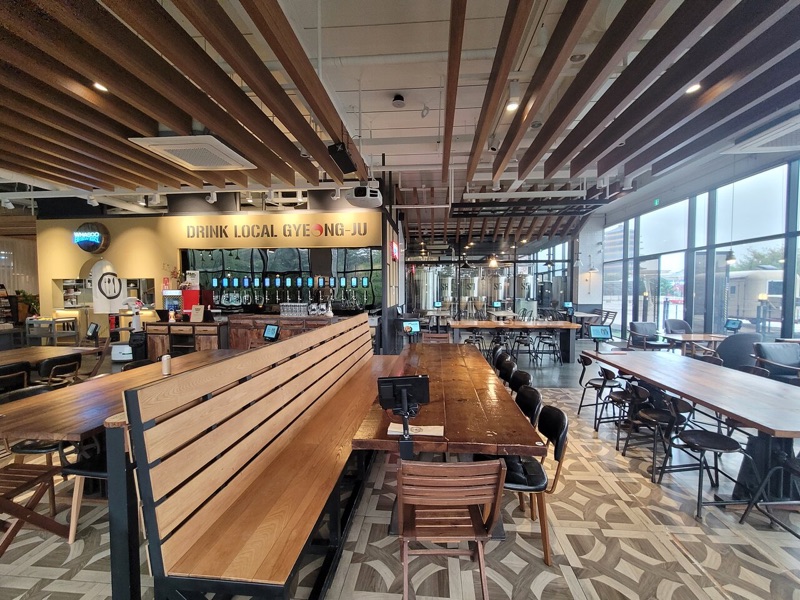
What to try: The Gyeongju Beer (경주맥주) wheat ale is their flagship. Also try the Vanilla Stout, IPA, Pale Ale, Kölsch, Weizen, Porter, and seasonal Bock. The self-pour system lets you sample many styles without committing to full pints.
"Whasoo Brewery in Gyeongju where you can pour your own pints! A stunning line up — pale ale, lager, porter, weizen, bock, stout, IPA."
— Facebook · Breweries of the World group
"A good microbrewery in Gyeongju. Discovered this place during my visit to the city. Got an IPA that tasted great."
— TripAdvisor review · Whasoo Brewery
tabiji verdict: Gyeongju's only proper microbrewery — they make everything on-site and the quality is legit. The self-pour system is a fun touch and great for sampling. Featured on the South of Seoul craft beer guide as the go-to brewery stop for the Gyeongju region. A short bus ride from the historic center, but worth the trip.
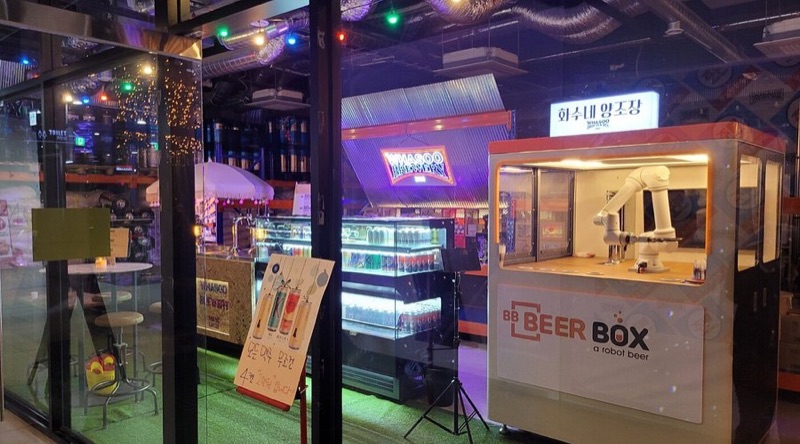
What to try: A rotating selection of Korean and imported craft beers on tap. The IPAs and seasonal specials change regularly. Good bar snacks to pair with your beer.
tabiji verdict: The go-to craft beer bar right in the heart of the Hwangnidangil action. Reddit travelers consistently praise the friendly vibe and solid beer selection. It's the kind of place where you walk in for one pint and end up staying for three. Perfect post-sightseeing stop after a day exploring the tombs.
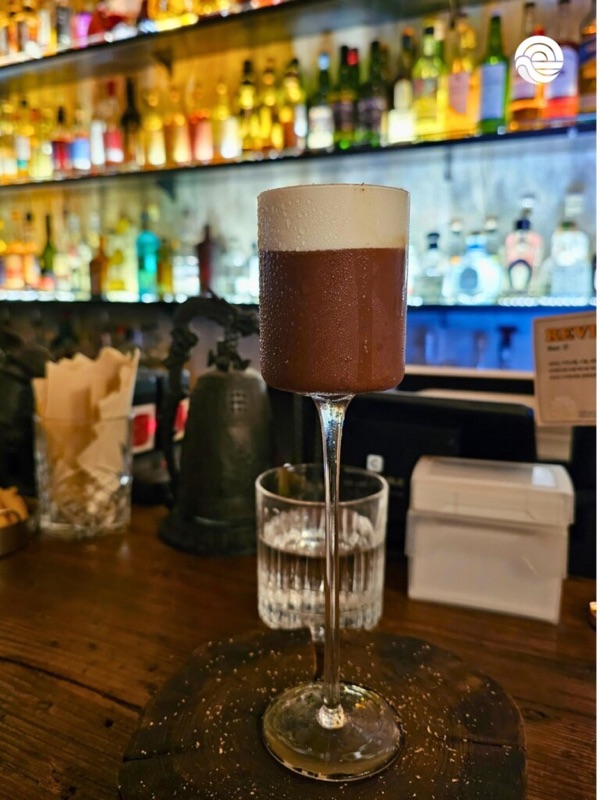
What to try: Korean-inspired craft cocktails using local ingredients and traditional spirits. The owner Jay Choi honed his skills in San Diego before returning to Korea. Sit at the long wooden bar counter or head upstairs for a cozier setting.
"Tucked away in Hwangnam Market, this intimate bar exudes warmth, with music and an unmistakable sense of character. The owner refined his craft in San Diego before returning to Korea, and his drinks reflect both international experience and a strong local identity."
— Barstalker · Uncovering Gyeongju's Best Bars
tabiji verdict: Not a beer bar per se, but Gyeongju's best cocktail spot deserves a place on any drinking guide. Jay Choi brings San Diego cocktail culture to the Silla capital. The Korean-inspired menu using local spirits and ingredients makes this genuinely unique — you won't find these drinks anywhere else. Perfect for the craft beer crowd who also appreciates good cocktails.
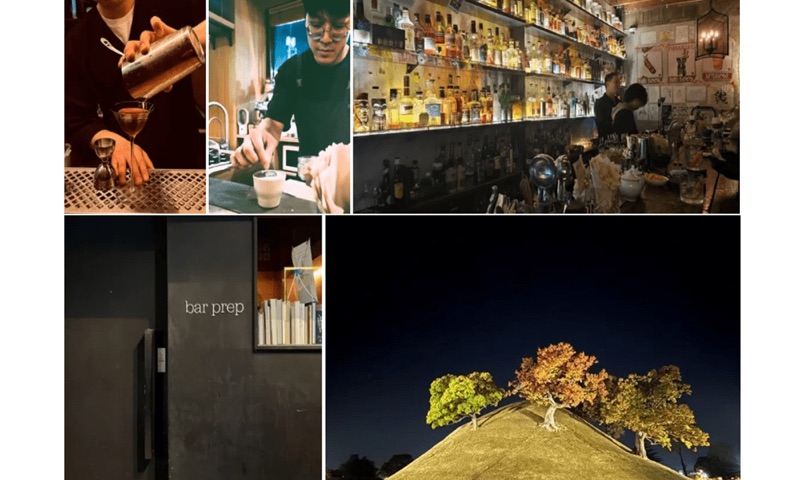
What to try: The Temonje 1779 cocktails — a premium Korean spirit made from hand-harvested glutinous rice with sherry-like qualities. Try the "Gyeongju" cocktail (Temonje 1779, lemon, gyul syrup, egg white) or the Bi-Jou (Temonje with peanut butter-washed bourbon, cinnamon, jujube). The Western-style pasta pairs well too.
"Bar Prep's charm lies in its simplicity: it focuses on classic cocktails done properly, with an emphasis on balance and precision. The bartenders here are skilled, but there's no sense of pretension — just great drinks served with quiet confidence."
— Barstalker · Uncovering Gyeongju's Best Bars
tabiji verdict: Scandinavian-minimalist design meets Korean craft cocktails. The star here is Temonje 1779 — a rice-based spirit with a legacy dating back to 1779, crafted exclusively in Gyeongju. If you appreciate the "craft" in craft beverages, this is where Gyeongju's artisanal drinking scene shines brightest. Opens at 4 PM, making it an ideal first stop before dinner.
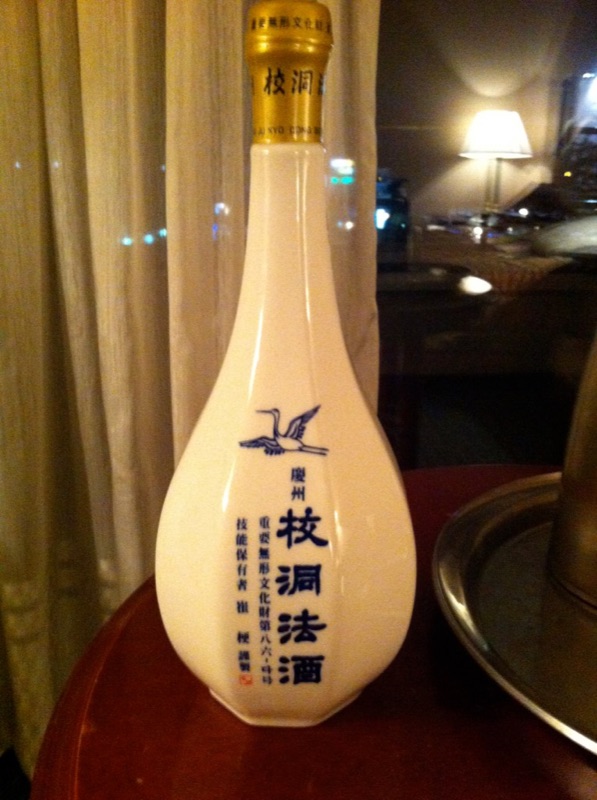
What to try: Gyodong Beopju (교동법주) — a traditional Korean rice wine recipe passed down through the Choi clan for centuries. It's technically not beer, but if you appreciate the "craft" in craft brewing, this is as OG as it gets. Also stroll through the adjacent historic Choi family residence.
tabiji verdict: A detour from craft beer, but an essential Gyeongju experience. This brewery has been making traditional rice wine using a centuries-old recipe in the same neighborhood where the Silla aristocracy lived. It's a UNESCO-adjacent cultural experience that happens to involve alcohol — the best kind. Combine it with a walk through the Gyochon Traditional Village.
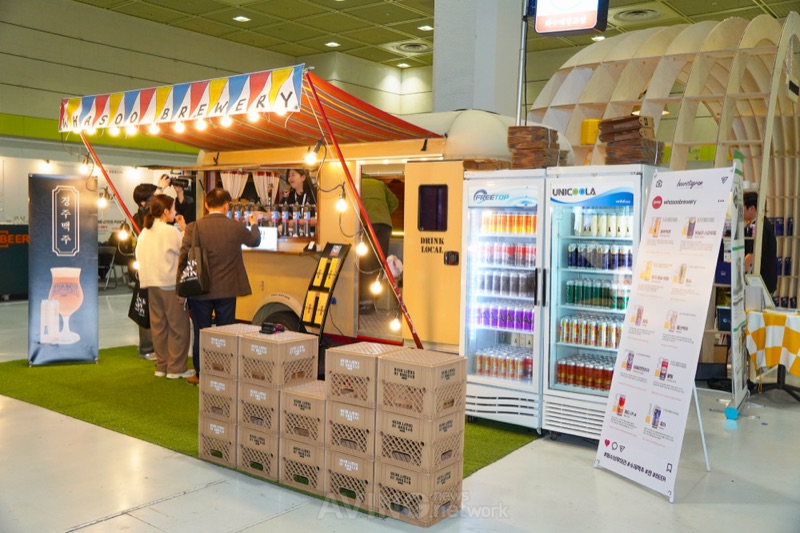
What to try: The Kim YuSin Pale Ale — named after the legendary Silla general. Also look out for their other locally inspired brews. Available at their brewery location and select bars around Gyeongju.
"Gyeongju Craft Beer produces their Kim YuSin Pale Ale and other locally inspired brews — a small operation but genuine craft brewing."
— Brewver · Gyeongju Craft Beer profile
tabiji verdict: A smaller local operation compared to Whasoo, but the Kim YuSin Pale Ale — named after the Silla dynasty's greatest general — is worth seeking out. Supports the local craft beer ecosystem and gives you a story to take home. Check if they're open before visiting as hours can be irregular.
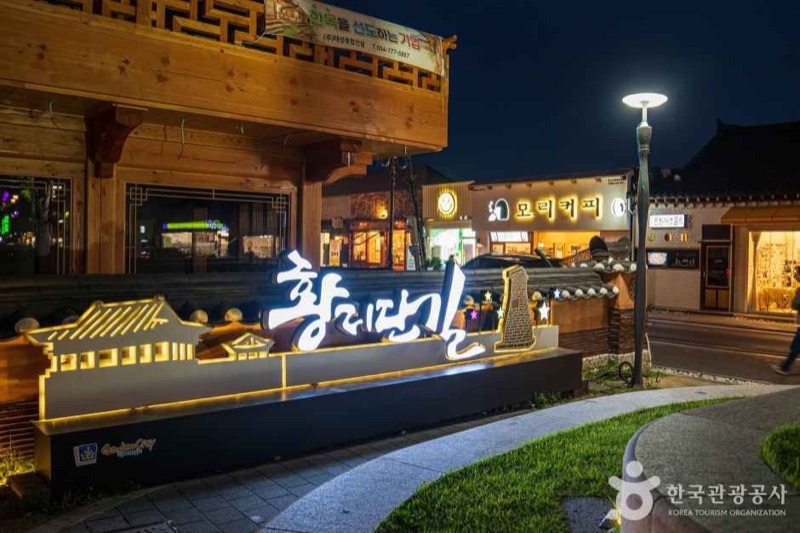
What to try: Wander the main drag and the alleys behind it. Many bars pour Korean craft beers alongside imports. Trendy cafes in renovated hanoks often double as beer spots in the evening. Check out places with outdoor seating for tomb views.
"Just head to Hwangnidangil area. Tonnns of spots there on the main drag and in the alleys behind it. Just remember that Gyeongju is more small town vibes."
— r/koreatravel (Korean Resident) · Gyeongju nightlife & vibes
"It's become the 'hippest' spot in Gyeongju for the last 10 years. Full of trendy cafes, restaurants, and souvenir shops in renovated hanoks, all mixed in with tomb views."
— r/koreatravel (Gyeongju native) · Your guide to the real Gyeongju
tabiji verdict: Not a single bar, but Gyeongju's entire drinking district — and honestly, half the fun is the bar crawl itself. Renovated hanok buildings with traditional tile roofs housing trendy beer spots, all with ancient burial mounds as the backdrop. Even the Starbucks has a hanok roof here. Start at Hey Hey Hey or Heuheuheu, then explore the alleys.
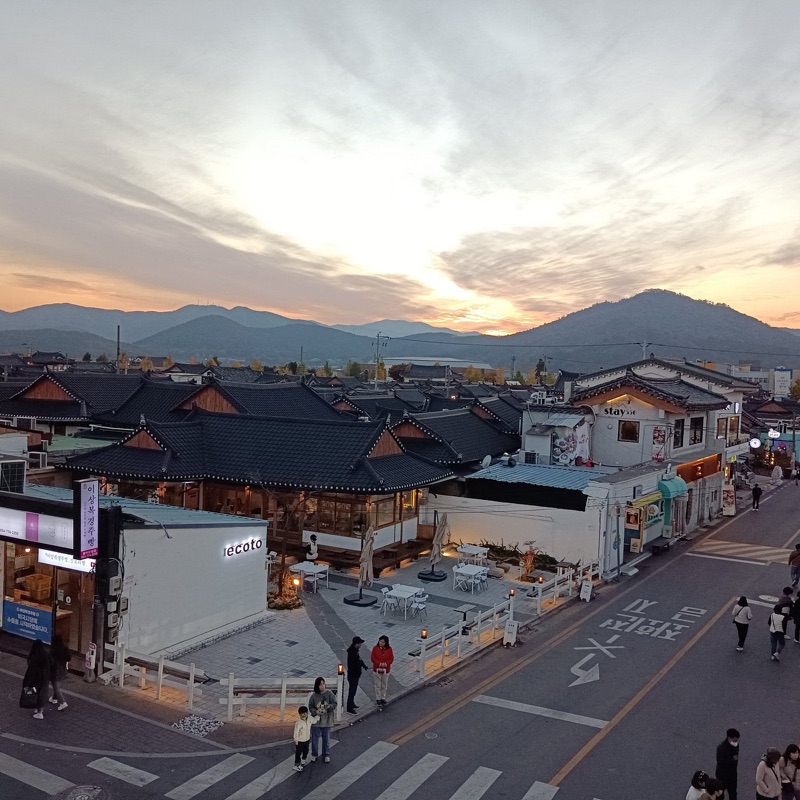
What to try: Craft beer selection alongside excellent coffee. Known more for views than beer variety, but the elevated location overlooking Gyeongju makes it a perfect late-afternoon drinking spot before heading to the Hwangnidangil bars for the evening.
tabiji verdict: The wildcard pick — primarily a cafe but with craft beer options and the best views in Gyeongju. Think of it as your afternoon warm-up before the main event. The panoramic perspective of the city with its scattered tombs and temples is genuinely stunning, and a cold beer makes it even better.
Frequently Asked Questions
Is there a craft beer scene in Gyeongju?
Yes — it's small but genuine. Whasoo Brewery makes excellent beer on-site, Heuheuheu is a beloved taproom with its own homebrew, and the Hwangnidangil district has multiple bars pouring Korean and international craft beers. Don't expect Seoul-level variety, but the quality and atmosphere are impressive for a city this size.
Where is the best area for nightlife in Gyeongju?
Hwangnidangil (황리단길) is the hub. It's a trendy street near the ancient tombs filled with cafes, bars, and restaurants housed in renovated hanoks. The alleys behind the main drag hide some excellent spots too. Gyeongju has "small town vibes" — don't expect Seoul nightlife, but the intimate atmosphere is part of the charm.
What local beers should I try in Gyeongju?
Whasoo Brewery's Gyeongju Beer (경주맥주) wheat ale is the must-try local brew. They also make IPAs, stouts, weizens, and seasonal specials. Heuheuheu brews two house-exclusive beers. For something traditional, try Gyodong Beopju — a centuries-old Korean rice wine recipe unique to Gyeongju.
How much does craft beer cost in Gyeongju?
A pint typically costs ₩7,000–₩12,000 ($5–$9 USD). Whasoo Brewery's self-pour system lets you sample styles affordably. Cocktail bars like Bar Prep and Bar Boon run ₩12,000–₩20,000 per drink. Compared to Seoul, prices are slightly lower and the atmosphere more relaxed.
Should I stay overnight in Gyeongju for the beer scene?
Absolutely. As one Reddit local put it: "If you do a day trip, you'll be just like the APEC leaders, seeing nothing but the conference room." Most beer spots open at 4 PM or later, and the evening atmosphere — drinking craft beer while watching illuminated ancient tombs — is half the experience. Budget at least one night, ideally two.