Hokkaido sits on some of the most geothermally active land in Japan, and it shows. The island has over 250 hot spring areas — more than any other prefecture. From the sulfurous steam of Noboribetsu's Hell Valley to the crystal-clear lakes of Shikotsu, Hokkaido's onsen offer something you won't find on the main island: space, wildness, and a sense of being at the edge of the world.
This guide covers the 12 onsen that Reddit's travel community recommends most consistently — including the legendary Dai-ichi Takimotokan that multiple Redditors call "the best onsen hotel I've ever been to," lakeside baths with views that look photoshopped, and mountain retreats where the only sound is steam meeting cold air.
Whether you're planning a day trip from Sapporo or a multi-day onsen pilgrimage across the island, we've got you covered.
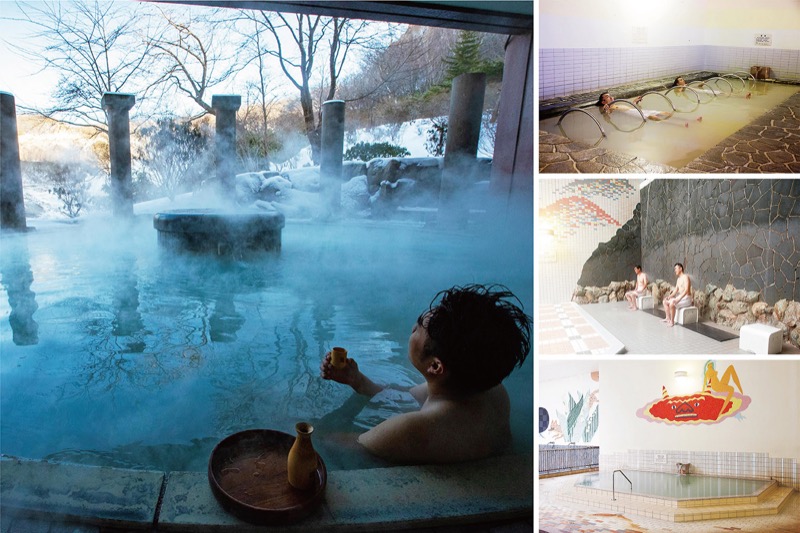
What to expect: Over 30 different baths spread across multiple floors — sulfur baths, iron-rich baths, outdoor rotenburo, even a pool-temperature bath. The sheer variety is unmatched. Right next to Jigokudani (Hell Valley), the source of Noboribetsu's legendary mineral waters.
"Dai-ichi Takimotokan in Noboribetsu felt like the Disney World of onsen. I've been 3x and I live in Japan — it's the most magical onsen hotel I've ever been to!"
— r/JapanTravelTips · Best onsen towns thread, 2023
"I cannot recommend Dai-ichi Takimotokan enough. I went there on my 1st trip and was there again last week. They are the best onsen I've ever been to. If you're in Hokkaido, it's kinda a must-do for me."
— r/JapanTravelTips · Need recommendations for Hokkaido, 2024
tabiji verdict: The undisputed Reddit favorite. If you only visit one onsen in Hokkaido, make it this one. The day pass is a steal at ¥2,000 — you could easily spend 3–4 hours cycling through the different baths. Staying overnight lets you enjoy the baths after day visitors leave. Combine with a walk through Jigokudani Hell Valley in the morning.
💰 Day use from ¥1,500 / Stay from ¥15,000
📍 Jozankei, Sapporo (1hr by bus)
📌 Google Maps →
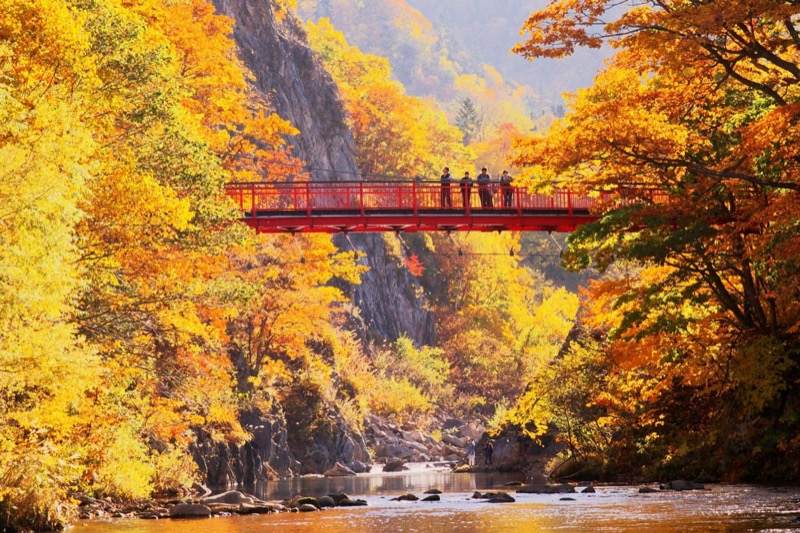
What to expect: A charming onsen town nestled in a gorge along the Toyohira River. Mori no Uta is the standout property — a luxury resort with a spectacular lunch buffet and day-use onsen. The area is especially stunning in autumn when the maple leaves turn fiery red along the river.
"I love Jozankei — it's beautiful and peaceful and if you're onsen hopping, it's the best. But it's also very close to Sapporo so going for more than one night is probably going to be a bit boring."
— r/JapanTravelTips · Noboribetsu vs Jozankei thread, 2025
"Take a look at Jozankei Onsen. I did it as a day trip — day visitor at Mori no Uta + lunch buffet — but you can also stay overnight."
— r/JapanTravel · Hokkaido ryokan recommendations, 2020
tabiji verdict: The easiest onsen escape from Sapporo. Perfect as a day trip with the Mori no Uta lunch + bath combo. One night is the sweet spot — two nights and you might get restless since the town itself is small. Autumn (October) is the magic season here, but winter snow views from the outdoor baths are equally special.
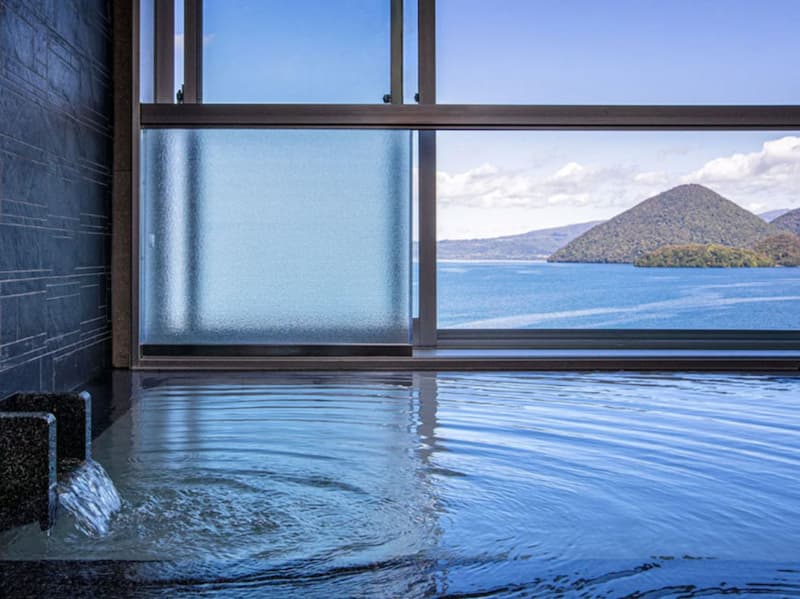
What to expect: A modern onsen hotel right on the shores of volcanic Lake Toya. Some rooms feature private onsen baths with direct lake views. The caldera lake with its central island creates a dramatic backdrop, especially at sunset. The town runs nightly fireworks displays April through October.
"We stayed at Nonokaze in Lake Toya and the room had tatami and a private onsen bath with lake view. Once in the room, it was peaceful and view was gorgeous. If I had to pick one, it would be Lake Toya especially if you can book a lake-facing room."
— r/JapanTravelTips · Ryokan/private onsen in Noboribetsu or Lake Toya, 2025
tabiji verdict: Lake Toya is the scenic counterpart to Noboribetsu's onsen intensity. Nonokaze gives you that private bath + lake view combo that Instagram dreams are made of. Great for couples. The lake itself is beautiful for walking, and you can combine with a day trip to Noboribetsu (30 min drive). Lake Hill Farm nearby has incredible gelato.
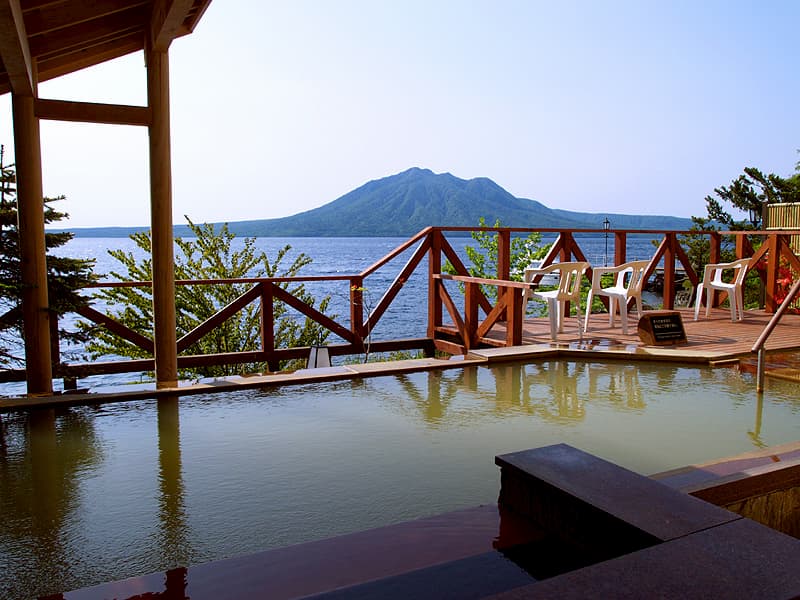
What to expect: An iconic lakeside onsen where the outdoor baths sit at the water's edge of Japan's second-deepest lake. The water is so clear you can see the bottom. Family-style private baths are available for reservation. In winter, the Ice Festival illuminates the lake in surreal blue light.
tabiji verdict: The most photogenic onsen in Hokkaido — soaking in an outdoor bath while gazing at the impossibly clear lake is transcendent. Only about 1 hour from New Chitose Airport, making it a perfect first or last stop on a Hokkaido trip. The January Ice Festival is a bucket-list winter experience.
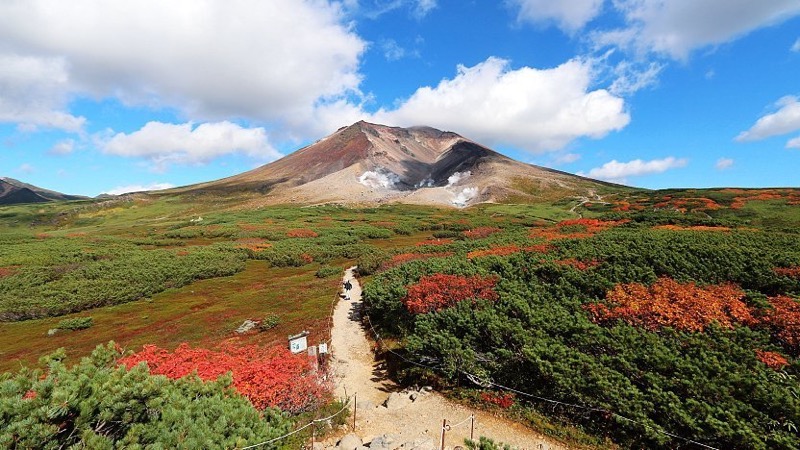
What to expect: At the foot of Hokkaido's tallest peak, this remote onsen offers volcanic hot spring baths with views of steaming fumaroles and alpine wilderness. The rotenburo (outdoor bath) faces the mountain — pure wilderness. The ropeway takes you to stunning hiking trails in summer and deep powder in winter.
tabiji verdict: The onsen for people who want to feel genuinely remote. No crowds, no tour buses — just mountain air, volcanic steam, and silence. Definitely worth the overnight to catch the stargazing and early morning soak. Best combined with hiking in Daisetsuzan in summer or powder skiing in winter. The journey there is half the experience.
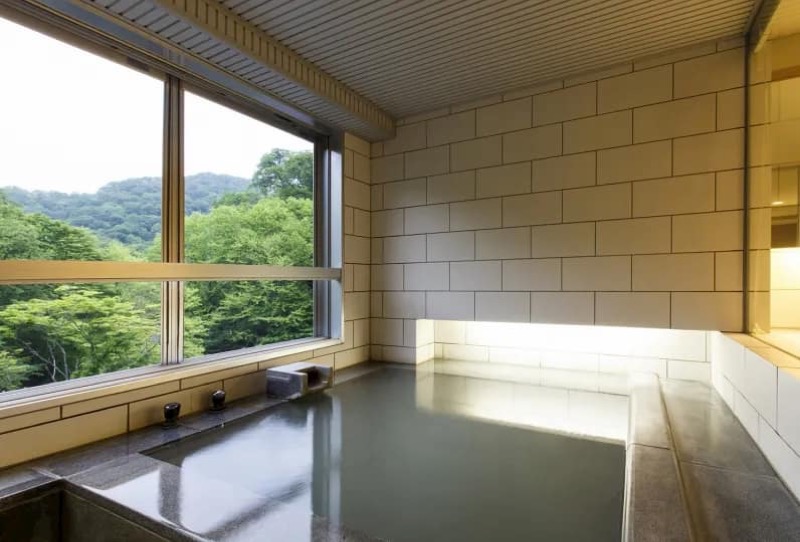
What to expect: The luxury counterpart to Dai-ichi Takimotokan, also in Noboribetsu. Every room has a private onsen bath. The kaiseki dinner is exceptional — multi-course Hokkaido cuisine featuring local crab, uni, and wagyu. The property feels like a high-end boutique hotel that happens to have incredible hot springs.
tabiji verdict: The splurge pick. If Dai-ichi Takimotokan is Disneyland, Bourou Noguchi is a private members' club. Best for couples or solo travelers who want privacy and world-class kaiseki. The in-room onsen means you can soak at 2 AM in total solitude. Not cheap, but nothing in Noboribetsu matches the overall experience.
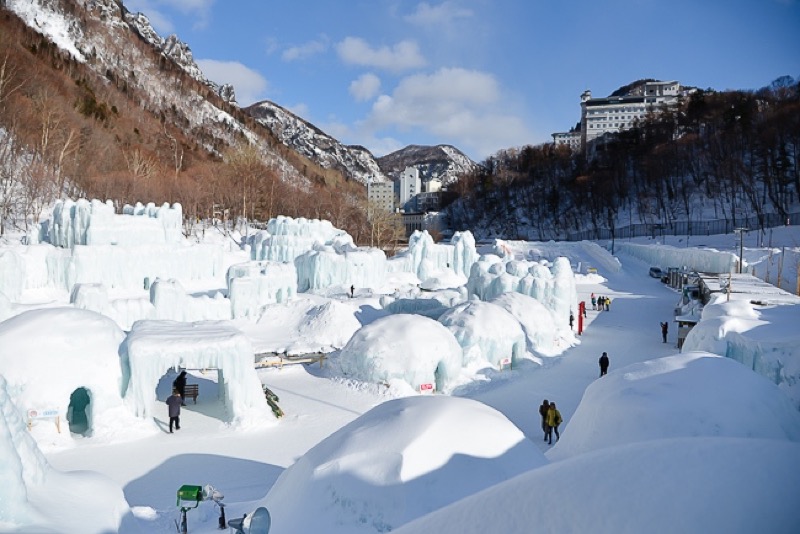
What to expect: A small onsen town set in a dramatic river gorge within Daisetsuzan National Park. The columnar basalt cliffs tower above the town, and nearby waterfalls (Ginga and Ryusei) are spectacular in every season. Multiple ryokan and pension-style stays available. The Sounkyo Ice Fall Festival runs January–March.
"Sounkyo onsen has multiple ryokan-like accommodation options. Another suggestion would be Asahidake Onsen which is less crowded."
— r/Hokkaido · Sounkyo Onsen thread, 2024
tabiji verdict: The dramatic landscape pick. The gorge setting is unlike any other onsen town in Japan. Best as a base for exploring Daisetsuzan — Japan's largest national park. The smaller, cozier pensions offer more character than the large resort hotels. In autumn, the surrounding mountains put on one of Hokkaido's best koyo (fall foliage) displays.
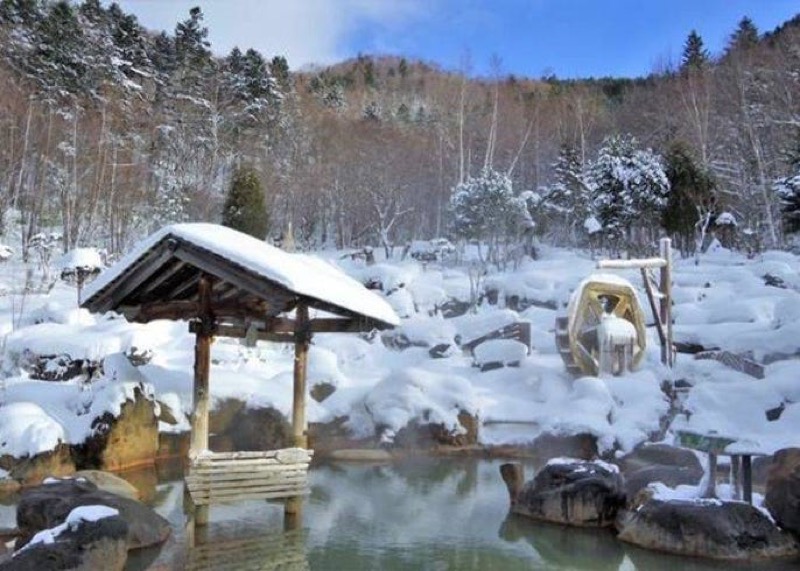
What to expect: A rustic mountain onsen in Sapporo's southern mountains, accessible by car or seasonal bus. The outdoor baths are surrounded by forest, offering a genuine wilderness feeling just 40 minutes from central Sapporo. Known for its Indian curry restaurant on-site — an unexpected but beloved combination.
"Hōheikyō Hot Spring — an incredible outdoor onsen in the mountains, available for day use, ideally in the mountains!"
— r/JapanTravelTips · Outdoor Onsens in Hokkaido, 2024
tabiji verdict: The hidden gem for Sapporo-based travelers who want a mountain onsen without the long drive. The combination of forest bathing and actual bathing is deeply restorative. The curry is surprisingly good — eat first, soak after. Best visited in autumn for foliage or winter for the snow-covered forest setting. Budget-friendly and authentic.
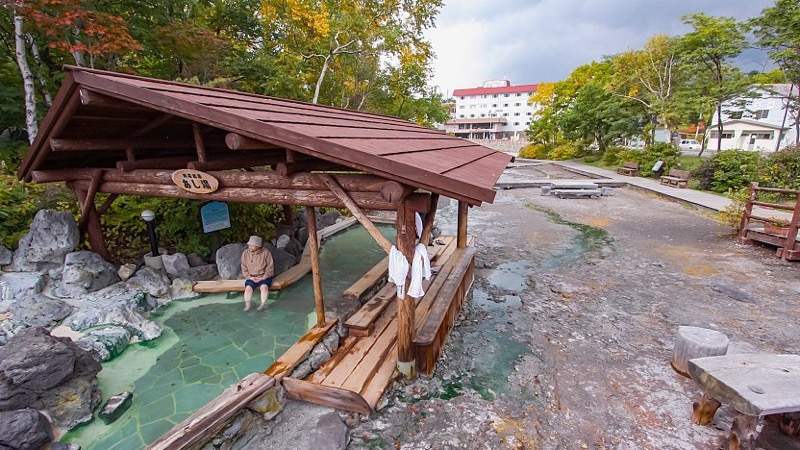
What to expect: A small, wonderfully quiet onsen town on the edge of Akan-Mashu National Park. The acidic sulfur springs flow right through the town — you can literally see and smell the hot spring water in the river. Nearby: the surreal blue of Lake Mashu, volcanic Mount Io with its smoking fumaroles, and Lake Kussharo's free sand baths.
"Kawayu Onsen is very cozy and surrounded by beautiful nature and landscapes. Akan-Mashu National Park has some of Hokkaido's most stunning scenery."
— r/JapanTravelTips · Best small towns in Hokkaido, 2025
tabiji verdict: The off-the-beaten-path pick for eastern Hokkaido road trippers. You won't find tour buses here — just genuine small-town onsen atmosphere. Mount Io nearby is more impressive than Noboribetsu's Hell Valley according to multiple Redditors, and you'll have it mostly to yourself. Combine with Lake Mashu and Lake Kussharo for a full day of volcanic wonder.
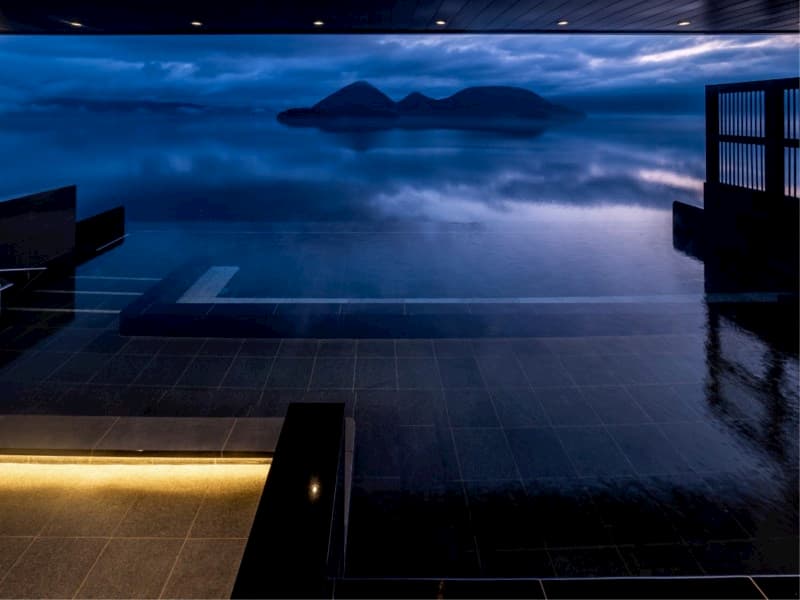
What to expect: A premium lakeside resort where select rooms include private outdoor onsen baths facing Lake Toya. The public baths also have lake views. Known for exceptional Hokkaido cuisine — kaiseki featuring local seafood and produce. The property feels secluded despite being in the main Toya onsen area.
"If money is no object, Ko No Sumika with a room including a private outdoor onsen bath was amazing. The public onsen's view facing the lake was spectacular."
— r/Hokkaido · Noboribetsu or Toyako thread, 2025
tabiji verdict: The dream pick for a romantic getaway. A private outdoor onsen overlooking a volcanic caldera lake — it doesn't get more Hokkaido than that. The all-you-can-eat buffet at lunch and dinner is surprisingly generous for the quality. Book a lake-facing room with private bath well in advance — they sell out months ahead, especially in winter.
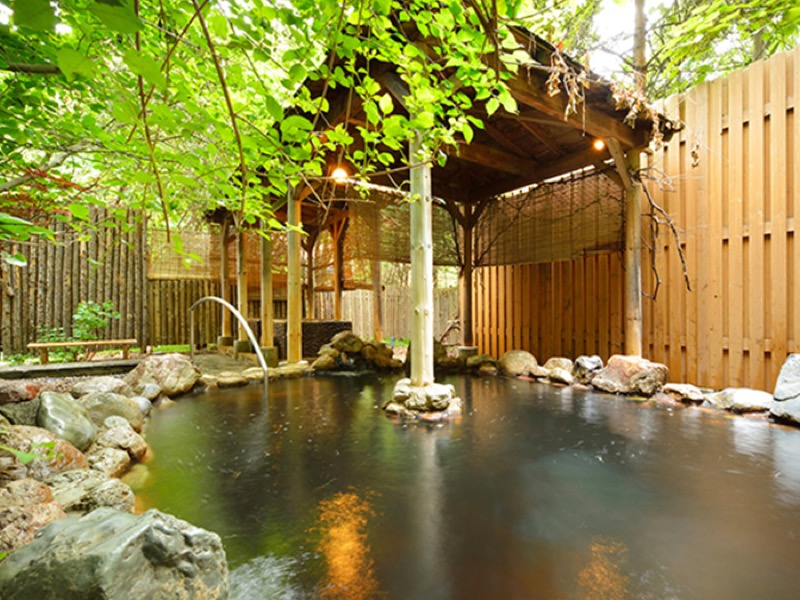
What to expect: Japan's only genuine moor hot spring — the amber-colored water comes from ancient plant matter and is exceptionally silky on the skin. Often called "bijin no yu" (beauty spring) for its skin-softening properties. The Tokachi region is also Hokkaido's agricultural heartland — dairy, cheese, and sweets here are world-class.
"Tokachigawa is unique — the moor spring water is unlike any other onsen in Japan. It feels like bathing in silk."
— r/Hokkaido · Hokkaido hidden gems discussion
tabiji verdict: The scientifically interesting pick. The amber moor water is genuinely different from typical mineral springs — you'll notice the silky texture immediately. Worth combining with a visit to the Tokachi dairy farms and the famous Rokkatei and Ryugetsu confectionery shops. Less touristy than southwestern Hokkaido, and your skin will thank you.
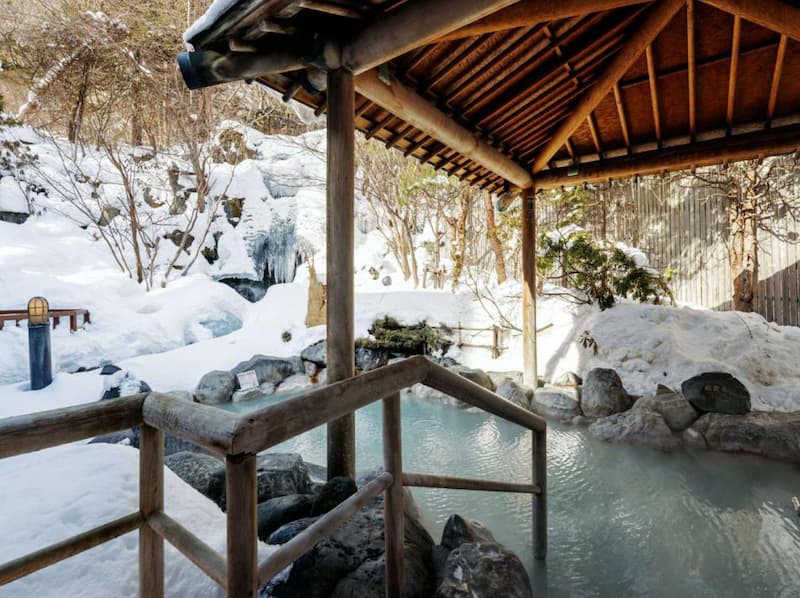
What to expect: A more traditional alternative to Dai-ichi Takimotokan, also in Noboribetsu. Features three different types of spring water — sulfur, iron, and salt. The highlight is their bookable private chartered bath (kashikiri-buro), which is hard to find in Noboribetsu. Classic onsen hotel atmosphere with tatami rooms and multi-course dinners.
"I searched in Japanese, but I only found the Noboribetsu Grand Hotel with a private, by-the-hour onsen. Scroll down to 'chartered bath.'"
— r/JapanTravelTips · Noboribetsu Onsen vs Jozankei, 2025
tabiji verdict: The practical choice for travelers who want the Noboribetsu experience with a private bath option. Dai-ichi Takimotokan has more baths, but Grand Hotel has the chartered bath that many couples specifically seek. The three spring types means you can compare different mineral compositions in one stay. Solid value for money.
Frequently Asked Questions
What is the best onsen in Hokkaido?
Based on Reddit consensus, Dai-ichi Takimotokan in Noboribetsu is the most frequently recommended. With over 30 baths and multiple spring types, it's unmatched for variety. For scenic beauty, Marukoma Onsen on Lake Shikotsu and Ko No Sumika on Lake Toya are the top picks. For a remote, uncrowded experience, Asahidake Onsen and Kawayu Onsen win.
Should I visit Noboribetsu or Jozankei?
Jozankei is closer to Sapporo (1 hour by bus) and perfect for a quick day trip or one-night stay — beautiful, peaceful, but small. Noboribetsu has more to see and do — Hell Valley, multiple onsen hotels, and a genuine onsen town atmosphere worth 2+ nights. For a short trip, do Jozankei as a day trip and Noboribetsu as an overnight.
How much does an onsen experience cost in Hokkaido?
Day-use onsen range from ¥800–¥2,000 ($5–$14 USD). A ryokan overnight with dinner and breakfast typically costs ¥10,000–¥30,000 ($70–$210 USD) per person. Luxury properties like Bourou Noguchi start at ¥40,000+. Budget tip: many onsen hotels sell day passes — Dai-ichi Takimotokan's ¥2,000 day pass is one of the best values in all of Japan.
Can I visit Hokkaido onsen with tattoos?
Policies vary. Many traditional public baths still prohibit visible tattoos. Your best options: book a room with a private bath (available at Bourou Noguchi, Ko No Sumika, Nonokaze), reserve a chartered bath (Noboribetsu Grand Hotel), or ask about tattoo cover sheets. Some properties are becoming more foreigner-friendly, but always check before booking.
What is the best time to visit Hokkaido onsen?
Winter (December–February) is the most dramatic — snow-covered outdoor baths are iconic Hokkaido. Autumn (October) brings stunning foliage, especially at Jozankei, Sounkyo, and Asahidake. Summer is pleasant and good for hiking, but lacks the atmospheric drama. All onsen operate year-round. Ice festivals at Lake Shikotsu (January) and Sounkyo (January–March) add extra magic.
Can I do a day trip to an onsen from Sapporo?
Absolutely. Jozankei is 1 hour by bus, Hōheikyō about 40 minutes by car, Lake Shikotsu roughly 1 hour by car, and Noboribetsu about 1.5 hours by JR train. All offer day-use bathing. Jozankei's Mori no Uta lunch + bath combo is the most popular day trip option.