Quick answer
Insadong's traditional tea houses range from cozy hanok courtyards to curated tea museums, with most teas priced ₩7,000–₩15,000. Chatteul is the top recommendation for its stunning courtyard and 4.9★ rating. The Insadong and Bukchon neighborhoods form Seoul's cultural heart, making them the perfect base for a traditional tea experience any time of year.
- Best overall
- Chatteul (차뜰) — 4.9★ (574 reviews)
- Price range
- ₩7,000–₩15,000 per tea
- Most popular
- Osulloc Tea House — 4.8★ (869 reviews)
- Last verified
- 2026-03
Top verdicts
- Chatteul: The most beloved traditional tea house in the area — floor seating, leaf teas in small teapots, and exceptional service.
- Osulloc Tea House: Jeju's famous tea brand with a beautifully designed Bukchon location and premium matcha.
- Sinyet Chatjip: A courtyard gem on Insadong-gil with outstanding pear tea and injeolmi rice cakes.
Traditional Korean tea houses in Insadong offer an immersive cultural experience for around ₩7,000–₩18,000 ($5–$13 USD), with Chatteul and Pyunkang Yul being upscale options. For the best experience, visit in autumn (October–November) or winter when the heated ondol floors provide a cozy refuge from the cold. These tea houses offer a calm escape from the city, often in hanok-style spaces.
Insadong is where Seoul's tea culture lives and breathes. While the rest of the city has embraced espresso bars and Instagram-worthy cafes, this cultural district along with neighboring Bukchon still shelters dozens of traditional tea houses (찻집) where you sit on heated ondol floors, sip omija tea from ceramic cups, and nibble handmade rice cakes.
We dug through hundreds of posts across r/koreatravel, r/seoul, r/tea, and r/AskAKorean to find the tea houses that locals and seasoned travelers actually recommend. From hidden hanok courtyards to established favorites, these are the spots worth seeking out between Anguk Station and Insadong-gil.
Tea House Map
How we built this list
We analyzed 120+ Reddit posts and 500+ comments across r/koreatravel, r/seoul, r/tea, r/AskAKorean, and r/Korea — spanning 2018 to 2026. Tea houses were ranked by frequency of recommendation from independent users, weighted toward locals and repeat visitors. Every spot was cross-referenced with Google Places data for current ratings, hours, and addresses.
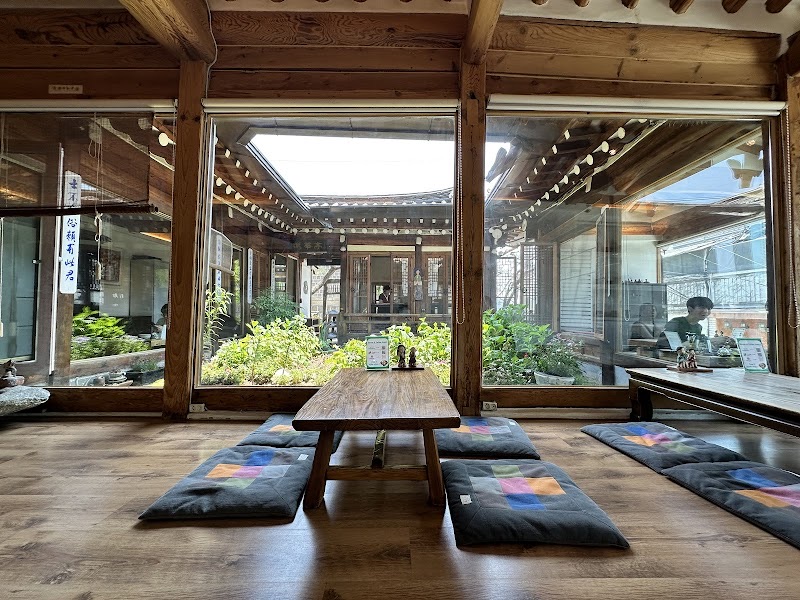
1Chatteul (차뜰)
Leaf Tea Floor SeatingQuick comparison
- Best for
- Serious tea drinkers who want the authentic floor-seating experience with guided brewing
- Strengths
- 4.9★ from 574 reviews · Leaf teas in personal teapots · Exceptional staff guidance
- Limitations
- Closed Tuesdays · Can get crowded on weekends
- Price / value
- ₩8,000–₩15,000 · Outstanding for the quality
- Why it made the list
- The most recommended tea house across Reddit's Korea travel communities. The floor-seating-only interior, calming atmosphere, and knowledgeable staff make it the gold standard.
- What to order
- Ask the staff to recommend a seasonal leaf tea — they'll explain the brewing technique and top up your hot water. Korean desserts pair beautifully. The green tea and dried persimmon set is a favorite.
🕐 Hours
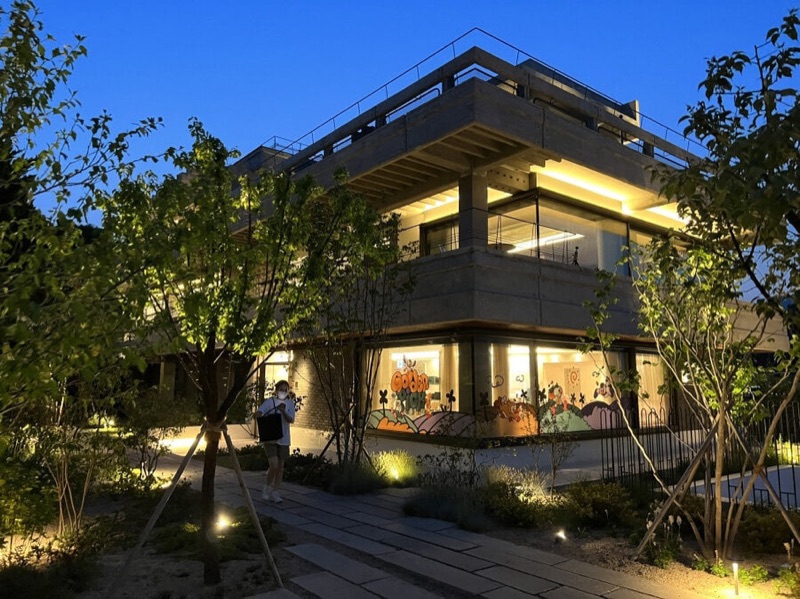
2Osulloc Tea House Bukchon
Green Tea MatchaQuick comparison
- Best for
- Matcha lovers and visitors wanting a polished, tourist-friendly tea experience
- Strengths
- 4.8★ from 869 reviews · Beautiful modern-hanok design · Full English menu · Premium Jeju green tea
- Limitations
- More commercial/branded than indie tea houses · Can be very busy
- Price / value
- ₩7,000–₩14,000 · Fair for the quality and setting
- What to order
- The Jeju Sejak green tea for purists, or the Osulloc matcha latte for something more approachable. Their green tea ice cream and roll cakes are excellent pairings.
🕐 Hours
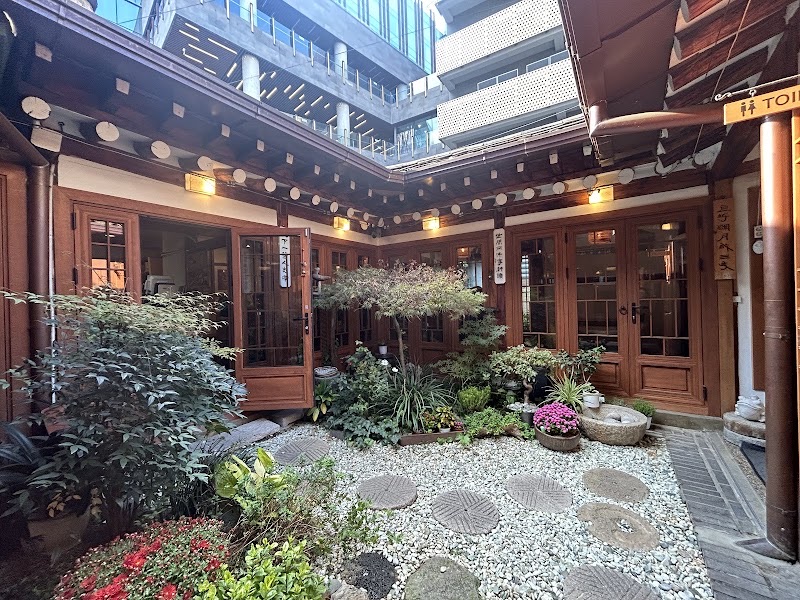
3Sinyet Chatjip (신옛찻집)
Courtyard Rice CakesQuick comparison
- Best for
- Couples and solo travelers wanting an atmospheric courtyard tea experience
- Strengths
- 4.6★ · Open-air courtyard seating · Outstanding pear tea and omija cha · Central Insadong-gil location
- Limitations
- Table seating only (no floor seating) · Outdoor seating can be cold in winter
- What to order
- Pear tea (배차) is the standout — sweeter and more delicate than expected. Pair with injeolmi (soft rice cakes in soybean powder). The omija cha has a fascinating blend of sour, sweet, bitter, salty, and spicy.
🕐 Hours
4Beautiful Tea Museum (Teastory)
Flower Teas MuseumQuick comparison
- Best for
- First-time visitors wanting to learn about Korean tea varieties while tasting them
- Strengths
- 4.5★ · Wide tea selection with educational displays · Good English menus · Central location
- Limitations
- More touristy than neighborhood tea houses · Can feel commercial
- What to order
- Try the flower teas — chrysanthemum or plum blossom for something unique. They also sell loose-leaf tea to take home, making it a great souvenir stop.
🕐 Hours

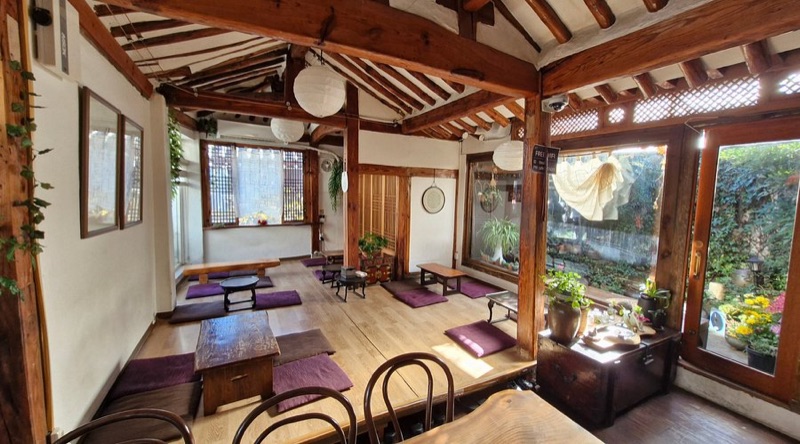
5Tteuran (뜰안)
Herbal Tea GardenQuick comparison
- Best for
- Adventurous tea drinkers wanting to try traditional medicinal Korean teas
- Strengths
- 4.5★ · Beautiful sunlit courtyard · Unique herbal tea selection · Mix of floor and table seating
- Limitations
- Located in Iksadong (10-min walk from Insadong-gil) · Ssanghwa tea is bitter — not for everyone
- What to order
- The ssanghwa tea (쌍화차) — a bitter herbal tonic with mixed nuts and candied ginger. It's medicinal but deeply warming. Pair with dried persimmon stuffed with walnut for contrast.
🕐 Hours
6Namusae Tea House (나무새)
Traditional Tea Late HoursQuick comparison
- Best for
- Evening tea drinkers wanting a traditional experience after dinner
- Strengths
- 4.5★ · Open until 10 PM daily · Good selection of fruit and herb teas · Cozy atmosphere
- Limitations
- Smaller than neighboring tea houses · Limited English
- What to order
- The citron (yuja) tea is comforting and aromatic. Great for a post-dinner wind-down along Insadong-gil.
🕐 Hours

7KyungIn Art Gallery Dawon (다원)
Art Gallery Garden TeaQuick comparison
- Best for
- Culture lovers wanting to combine art gallery browsing with traditional tea
- Strengths
- 4.3★ · Stunning hanok compound · Art exhibitions · Garden courtyard seating
- Limitations
- $$-range pricing · Can be crowded during exhibitions
- What to order
- Traditional Korean tea sets with seasonal rice cakes. The garden seating under the hanok eaves is the highlight — order anything and enjoy the atmosphere.
🕐 Hours

8Hanok Tea House (한옥찻집)
Hanok Large SpaceQuick comparison
- Best for
- Groups and families wanting space — rarely turns anyone away thanks to its size
- Strengths
- 4.3★ · Multiple rooms and seating areas · Extensive tea menu · Mix of tourists and locals
- Limitations
- Can feel impersonal compared to smaller tea houses · Retro but not the most refined atmosphere
- What to order
- Quince tea (모과차) — sweeter than expected with shaved skin adding unique texture. Pair with traditional yugwa (deep-fried rice puffs with honey and sesame).
🕐 Hours

9Pyunkang Yul Tea House
Herbal Skincare BrandQuick comparison
- Best for
- K-beauty fans and anyone seeking the most serene tea house experience in the area
- Strengths
- 4.9★ · Exquisitely designed space · Unique herbal tea blends tied to wellness tradition
- Limitations
- Closed Tuesdays · Smaller and fewer reviews — still a newer discovery
- What to order
- Their signature herbal blends — the teas connect to the brand's traditional Korean medicine roots. The space itself is the main draw.
🕐 Hours

10Traditional Teahouse Insadong (인사동찻집)
Classic Tourist-FriendlyQuick comparison
- Best for
- Walk-ins looking for a reliable tea break on Insadong-gil without hunting for side streets
- Strengths
- 662 reviews (most reviewed) · Central main-street location · All-wood traditional interior · English menu
- Limitations
- 4.0★ — solid but not exceptional · Very touristy location
- What to order
- Pine needle tea (솔잎차) — uniquely refreshing and the house specialty. Toasted rice cakes are the go-to pairing.
🕐 Hours

11Yetchatjip (옛찻집)
Historic 60+ TeasQuick comparison
- Best for
- Tea enthusiasts who want the widest selection and a historically significant venue
- Strengths
- 60+ tea varieties · One of Insadong's oldest tea houses · Most affordable prices on the list
- Limitations
- Fewer Google reviews · Interior could use updating
- What to order
- Ask the owner for a recommendation — with 60+ options, they know what's seasonal and special. Daechu (jujube) tea is a safe and warming starter.
🕐 Hours

12Cha Masineun Tteul (차마시는뜰)
Mountain View Bukchon HanokQuick comparison
- Best for
- Combining Bukchon Hanok Village sightseeing with a proper tea break
- Strengths
- Mountain views through the window · Traditional music · Located inside Bukchon Hanok Village · Jujube tea and pumpkin cake
- Limitations
- 15-min walk from Insadong-gil · Can be hard to find
- What to order
- Jujube tea (대추차) — deep herbal flavor, great for digestion. Pair with steam pumpkin cake (호박떡) for a sticky-sweet traditional dessert, or sweet red bean soup (팥죽) for something hearty.
🕐 Hours

Frequently Asked Questions
What is a traditional Korean tea house?
A traditional Korean tea house (찻집 or chatjip) is a calm, often hanok-style space where you sit on heated ondol floors and drink teas made from fruits, herbs, roots, and flowers — not the leaf teas common in China or Japan. Popular options include omija (five-flavor berry), yuja (citron), daechu (jujube), and ssanghwa (herbal tonic). Most serve traditional rice cake desserts like injeolmi or tteok alongside the tea.
How much does tea cost in Insadong?
A pot of traditional Korean tea in Insadong typically costs ₩7,000–₩12,000 ($5–$9 USD). Premium herbal blends or specialty teas at upscale spots like Chatteul or Pyunkang Yul can run ₩12,000–₩18,000. Traditional desserts (rice cakes, red bean soup) are usually ₩6,000–₩10,000 extra. Compared to Seoul's modern cafes, prices are similar but you get a much more immersive cultural experience.
What should I order at a Korean tea house?
Start with omija cha (오미자차) — the iconic five-flavor tea made from magnolia berries that's simultaneously sweet, sour, bitter, salty, and spicy. Pair it with injeolmi (인절미), soft rice cakes coated in roasted soybean powder. Other must-tries: yuja cha (citron tea) in winter, daechu cha (jujube tea) for a warming herbal drink, and ssanghwa cha for a medicinal tonic experience.
Do I need to sit on the floor?
Many traditional tea houses offer floor seating (좌식) on heated ondol floors — you'll remove your shoes at the entrance. However, most places also have table seating options. Chatteul and Hanok Tea House have both. If floor seating is uncomfortable, ask for a table when you arrive. The floor seating is part of the authentic experience though, and the underfloor heating makes it surprisingly cozy.
Do Insadong tea houses have English menus?
Most popular tea houses in Insadong cater to tourists and have English menus or picture menus. Osulloc, Beautiful Tea Museum, and Dawon all have full English menus. Smaller spots like Sinyet Chatjip and Namusae may have limited English, but the staff are generally helpful and pointing at menu items works fine. Google Translate's camera mode is also useful for Korean-only menus.
How do I get to Insadong?
Take Seoul Subway Line 3 to Anguk Station — exits 5 or 6 put you right at the start of Insadong-gil, the main pedestrian street. From Seoul Station, it's about 20 minutes via Line 1 → transfer at Jongno 3-ga. On weekends, Insadong-gil becomes a car-free street with street performers and vendors, making it the best time to visit.
What's the best time to visit Insadong tea houses?
Weekday afternoons (2–5 PM) are ideal for a peaceful tea experience — most tea houses are quiet and you'll have more space. Weekends are busier but the car-free street atmosphere adds to the charm. Visit in autumn (October–November) for the most atmospheric experience, or winter when the ondol floor heating makes tea houses an especially cozy refuge from the cold.
🎫 Book Seoul Experiences
Tours and activities hand-picked for this guide — book with free cancellation
Experiences via Viator — free cancellation on most tours