Jeonju is the undisputed birthplace of bibimbap — a UNESCO City of Gastronomy where this iconic mixed rice dish has been perfected over centuries. The rice is cooked in beef bone broth, the bean sprouts are locally grown, and the gochujang is house-made. It's a different universe from the bibimbap you've had elsewhere.
We combed through hundreds of Reddit posts and food blogs to find the bibimbap spots that actual Korean residents and experienced travelers recommend. From the famous Hanok Village institutions to cheap local joints that taxi drivers swear by — these are the bowls worth the 1.5-hour KTX ride from Seoul.
📊 How we built this list
We analyzed 150+ Reddit posts and 800+ comments across r/koreatravel, r/KoreanFood, r/seoul, r/korea, and r/southkorea — plus food blogs and local guides spanning 2019 to 2026. Restaurants were ranked by how frequently they were recommended by independent users. We weighted long-term Jeonju residents' picks and repeat visitors more heavily than first-time tourist posts.
💰 ₩10,000–₩14,000/person
📍 Deokjin-gu, Jeonju (Main Branch)
📌 Google Maps →
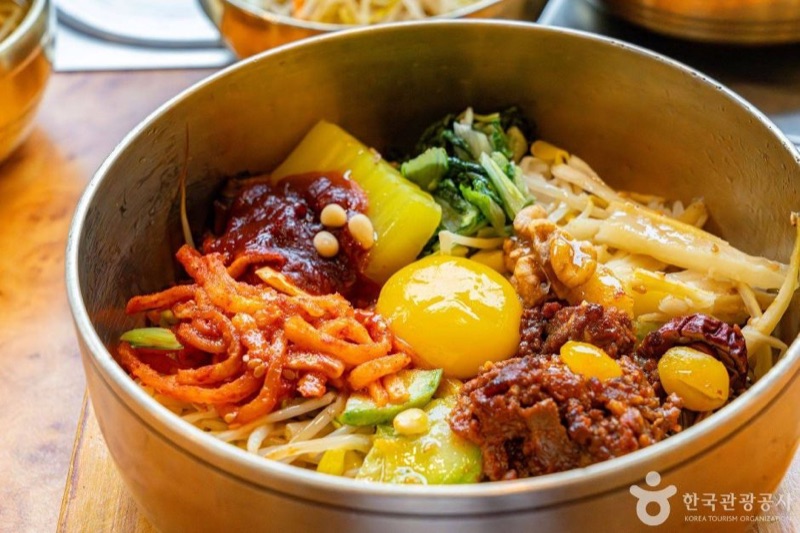
What to order: The Jeonju traditional bibimbap (전주비빔밥) in the brass bowl — rice cooked in sagol broth with over 30 toppings. Add the yukhoe (raw beef) version for ₩2,000 more. Don't skip the onion fried rice side.
"Starting with Gogung is a safe bet. In fact, in terms of bibimbap it is the safest. Gogung is THE place in Jeonju to eat bibimbap."
— ZenKimchi food blog · Bibimbap in Jeonju: Where to Eat it
tabiji verdict: The most famous bibimbap restaurant in Jeonju, period. Founded in 1996 as the successor to the legendary Han-Kuk-Kwan (est. 1966), Gogung serves bibimbap in the most traditional manner — brass bowl, sagol broth rice, 30+ fresh toppings. It's become a tourist destination in itself, with branches in Seoul's Myeong-dong. Yes, there will be a wait. Yes, it's worth it.

What to order: The yukhoe bibimbap (육회비빔밥, ₩13,000) — raw beef tartare with egg yolk on top. The standard Jeonju bibimbap (₩11,000) with cooked beef is excellent too. There's a vegetarian option available.
"We had our taste of the Jeonju bibimbap at the Hankookjib Restaurant, one of the most popular places to have authentic bibimbap in the city. Located within the Jeonju Hanok Village, the restaurant has been operating since 1952 with their own family recipe."
— travel blog · Top 10 Things to Eat in Jeonju
tabiji verdict: Operating since 1952 with a family recipe, Hankookjib is the heritage pick. Right in the heart of Hanok Village, it's the place for yukhoe bibimbap — the raw beef version that Jeonju is famous for. Claims to be the first Korean restaurant recognized by Michelin. Arrive before 5:30 PM to beat the dinner crowd.
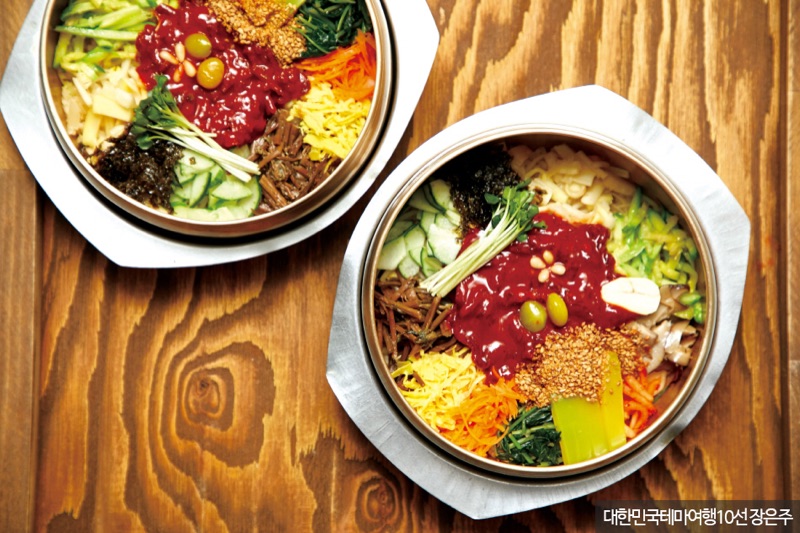
What to order: The traditional Jeonju bibimbap — plentiful banchan and generous portions. Watch the open kitchen where ajummas assemble your bowl with practiced speed. Endorsed by the city of Jeonju itself.
"In terms of fame and taste, Gajok Hwegwan follows closely on the heels of Gogung. Endorsed by the city, it is very conveniently located in the heart of the downtown area near the city's hanok village."
— ZenKimchi · Bibimbap in Jeonju guide
"We ordered the Jeonju and Yukhoe bibimbap. Taste was ok, nothing spectacular and the protein provided was quite little. Our highlight was the gyeram jim."
— TripAdvisor · Gajok Hoegwan reviews
tabiji verdict: The scrappy underdog to Gogung's polish. Open kitchen, cramped seating, fearsome ajummas running the show — it's gloriously authentic. The bibimbap is neck-and-neck with Gogung on taste, and some locals actually prefer it. Just don't stand in the kitchen's way or you'll get shoved aside. City-endorsed for a reason.
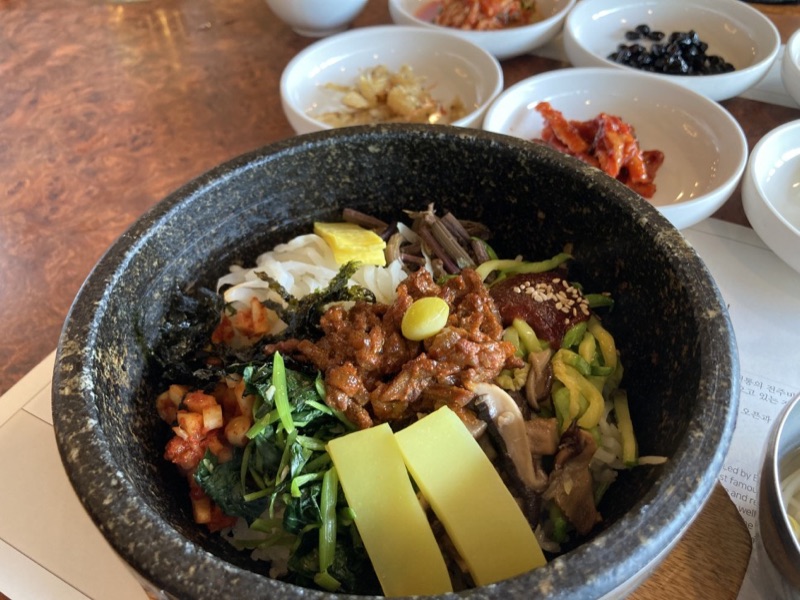
What to order: The traditional bibimbap or dolsot bibimbap (both ₩11,000). Add the grilled short rib patties (₩11,000) to share — juicier than similar versions at other restaurants. The gochujang sauce here perfectly balances sweet, salty, and spicy.
"If you find it difficult to believe that a bowl of bibimbap can leave such a deep impression, you really need to try Gogung Suragan. Jeonju bibimbap is already a cut above the rest, but this one from a gourmet restaurant is honestly just different."
— travel blog · Gogung Suragan: possibly the best bibimbap in Jeonju
"The bibimbap at Gogung Suragan is cheaper than the headquarters. The quality is the same, with the rice cooked with cow-bone broth, locally-grown bean sprouts, marinated beef, fresh vegetables, and home-made red chilli pepper paste."
— Jeonju City official guide · Certified Gourmet Restaurants
tabiji verdict: The Hanok Village branch of Gogung — same recipe, slightly cheaper, and you don't have to trek to the main branch. Located right in the village, it's the most convenient option for the full Gogung experience. The dolsot version gives you that extra crispy scorched rice. Michelin-recommended and deservedly packed at lunch.
💰 ₩10,000–₩13,000/person
📍 Jungang-dong, near Gajok Hoegwan
📌 Google Maps →
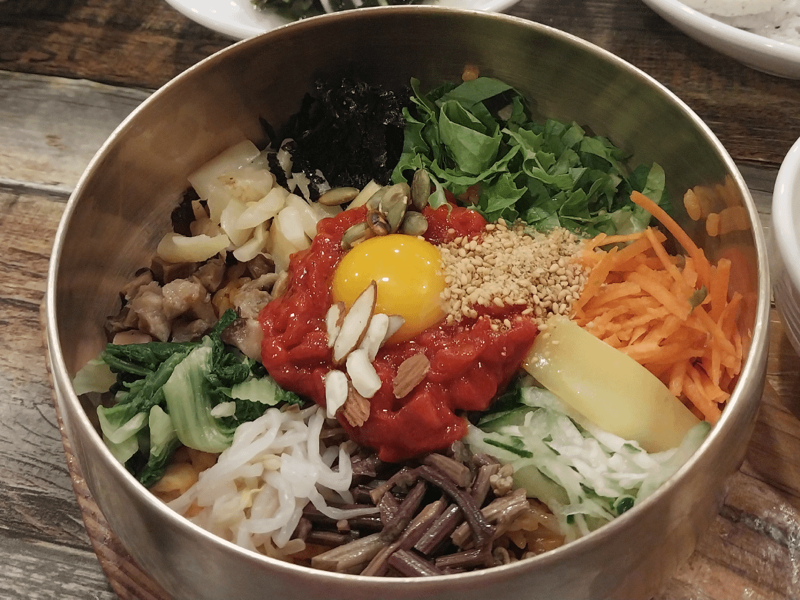
What to order: The yukhoe bibimbap — Sungmidang's specialty. Less than a minute from Gajok Hoegwan but with a fraction of the crowds. Korean friends consistently rank it among Jeonju's best.
"Seong Mi Dang came out quite near the top when I asked several Korean friends where they thought the best bibimbap restaurant in Jeonju was. The dish itself was superb, fresh and healthy tasting but with a moreish quality."
— ZenKimchi · Bibimbap in Jeonju guide
tabiji verdict: The Korean locals' secret. Ask Jeonju residents where the best bibimbap actually is and Sungmidang keeps coming up. Less famous than Gogung, smaller crowds, same stellar quality. When we visited, the dining room had only locals on their lunch break — which tells you everything. A hidden gem that's hiding in plain sight.
💰 ₩10,000–₩13,000/person
📍 Hanok Village, near Gyeonggijeon Shrine
📌 Google Maps →
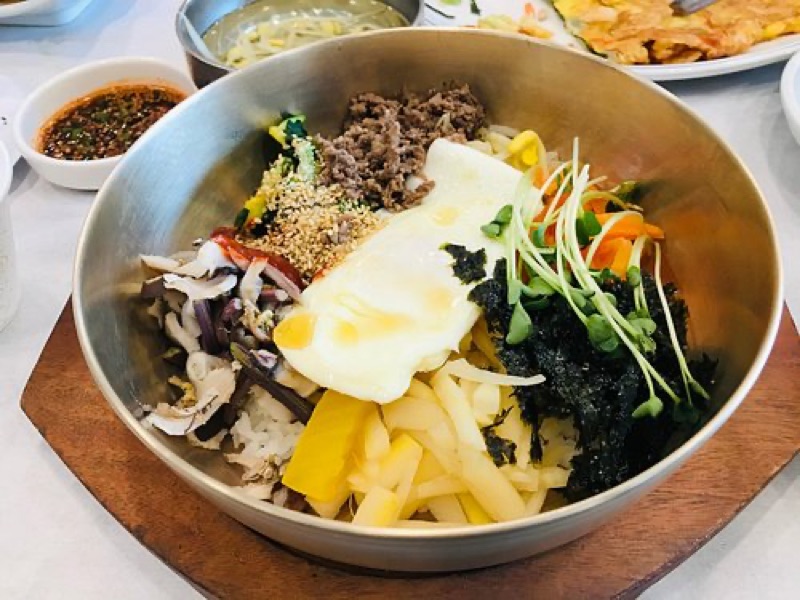
What to order: The traditional Jeonju bibimbap. Located right next to the iconic Gyeonggijeon Shrine, it's the perfect lunch spot after exploring the historic site. Generous portions and solid banchan.
"Try Jongro Hoegwan 종로회관 at 98 Jeondongseongdang-gil, Wansan-gu, Jeonju. I go there any time I drop by Jeonju and want to have bibimbap for lunch. It's in the Jeonju Hanok Village next to Gyeonggijeon Shrine."
— r/koreatravel · Best bibimbap in Jeonju, Dec 2023
tabiji verdict: The repeat visitor's pick. When a Redditor says "I go there any time I drop by Jeonju," that's a stronger endorsement than any Michelin star. Prime Hanok Village location next to Gyeonggijeon, solid execution, and the kind of place that doesn't need hype because regulars keep coming back.
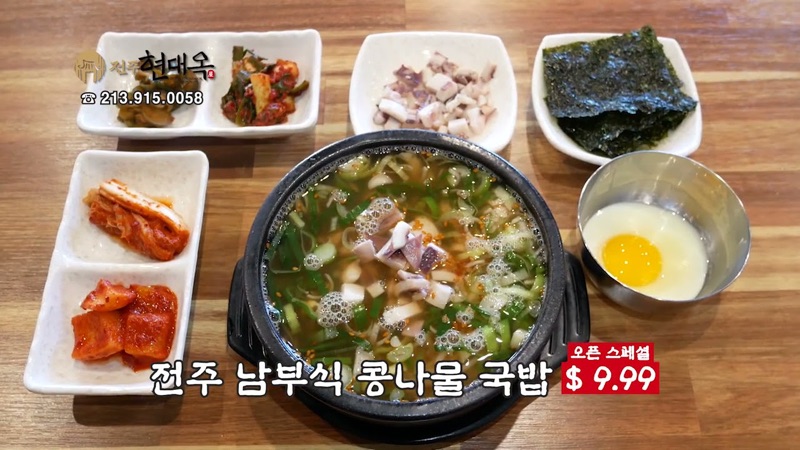
What to order: Their kongnamul gukbap (bean sprout soup with rice) is legendary, but the bibimbap is excellent too. Get both if you're with a group — you need to try Jeonju's famous bean sprout soup at least once. Pair with a cracked egg.
"Best Bibimbap I've eaten! We recently travelled especially to Jeonju as it is where Bibimbap originated from and we are big fans of Korean food."
— TripAdvisor · Jeonju restaurant reviews
tabiji verdict: Hyundai Ok is Jeonju's kongnamul gukbap king, but their bibimbap deserves attention too. The bean sprouts here are next-level — grown locally and impossibly crunchy. A more local-feeling experience than the Hanok Village tourist spots. Perfect for a warming breakfast or hangover cure combined with their signature soup.
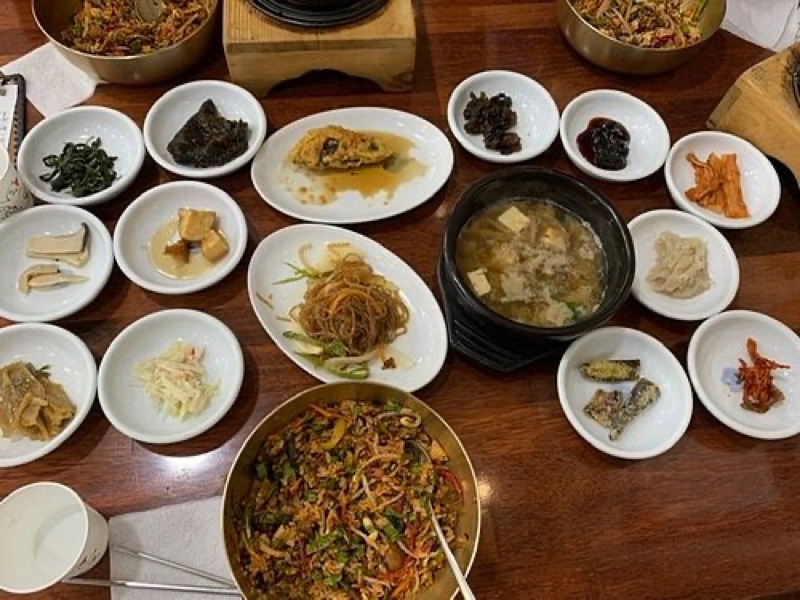
What to order: The gamasot (iron cauldron) bibimbap — cooked in a traditional Korean iron pot for an intense, slightly smoky rice flavor. The nurungji (scorched rice) at the bottom is the highlight. A unique twist on the classic.
"Hasukyeong Gamasot Bibimbap: unique bibimbap in Jeonju — the iron pot cooking method gives it a completely different character from regular bibimbap."
— travel blog · Hasukyeong Gamasot review
tabiji verdict: The wildcard. While everyone else serves bibimbap in brass or stone, Hasukyeong uses a gamasot — a traditional iron cauldron that gives the rice an incredible depth of flavor. The nurungji crust at the bottom is chef's-kiss territory. If you've already had classic bibimbap and want something different, this is your move.
💰 ₩6,000–₩9,000/person
📍 Ajung-ri, Deokjin-gu (off the tourist trail)
📌 Google Maps →
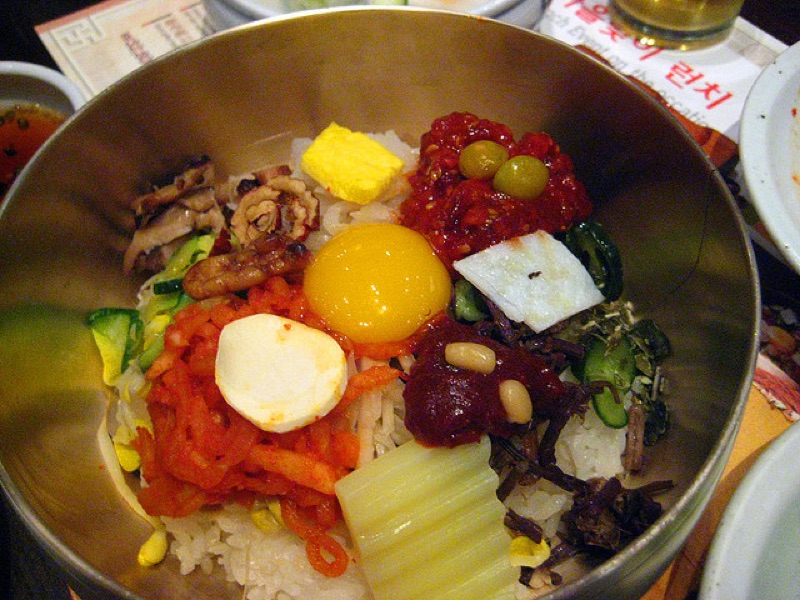
What to order: Bibimbap or dolsot bibimbap (₩6,000) — yes, six thousand won. The side dishes are incredible and always changing. Their kimchi jjim is legendary. Open 24 hours — the perfect late-night post-drinking option.
"Frequented by taxi drivers and locals, Myeong Seong Ok has a simple menu. 6,000 won is all you pay for a delicious bibimbap but the beauty is in the side dishes. Their kimchi is particularly good and their utterly unbeatable kimchi jjim."
— ZenKimchi · Bibimbap in Jeonju guide
tabiji verdict: The taxi driver test never lies. Hidden in an apartment block far from tourist eyes, Myeong Seong Ok serves ₩6,000 bibimbap that punches way above its weight. The real star is the kimchi jjim — possibly the best in Jeonju. Open 24 hours, so it's your late-night savior when makgeolli calls for solid food. This is how locals actually eat bibimbap.
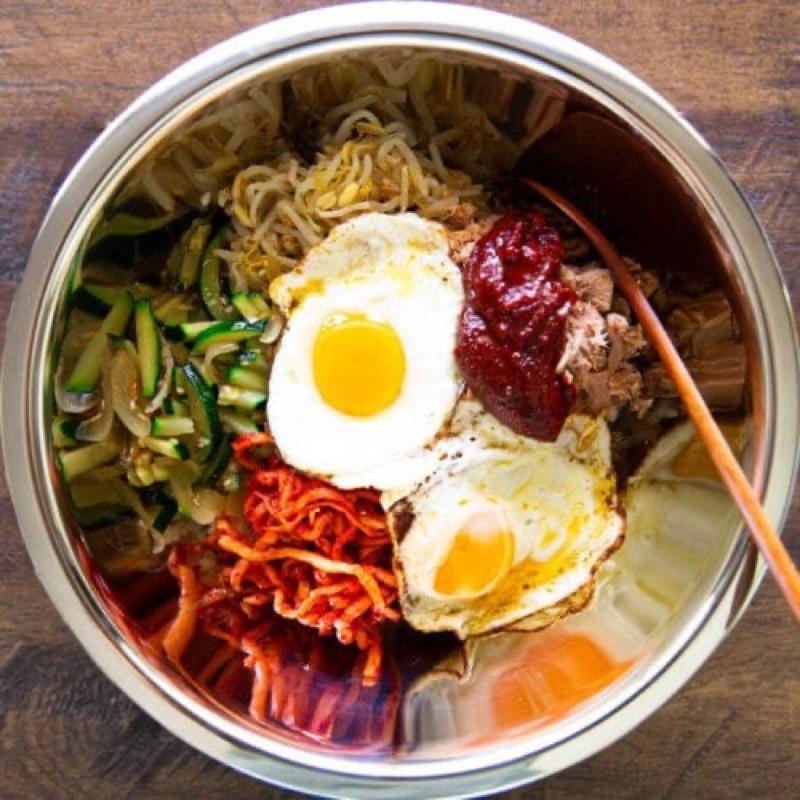
What to order: The namesake yangpoon (big bowl) bibimbap — a massive serving of mixed rice with fresh local vegetables. Comes with a generous doenjang jjigae. Pure value for money.
"Yang Poon means 'big bowl' in Korean. True to its name, this place serves a hearty bowl of rice with plenty of vegetables and lots of side dishes, which include a generous doenjang jjigae."
— ZenKimchi · Bibimbap in Jeonju guide
tabiji verdict: "Big bowl" is not an exaggeration. Yang Poon Jip delivers comically generous portions of bibimbap at prices that make the Hanok Village restaurants look like fine dining. Fresh local ingredients, trucks of garlic and onions arriving each morning. Not fancy, but deeply satisfying.
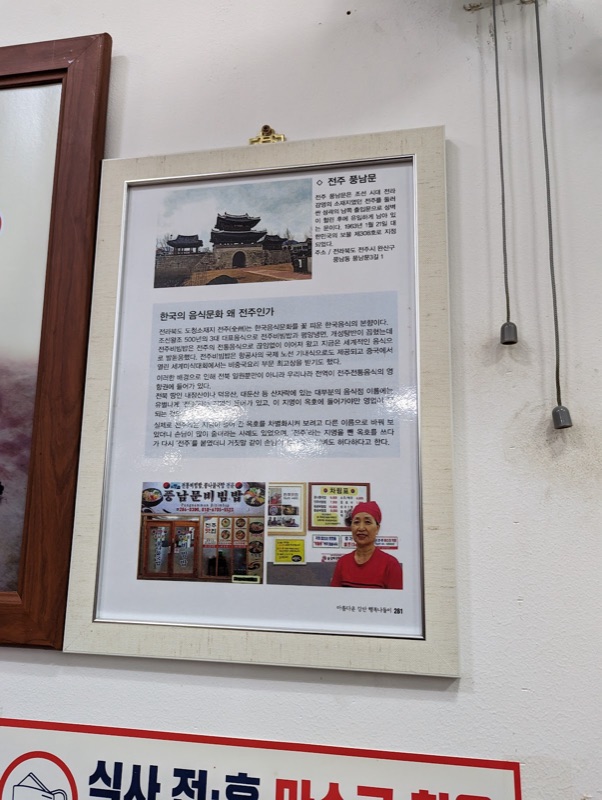
What to order: The Jeonju traditional bibimbap — fresh and tasty with complimentary Korean yakult to finish. Run by friendly ajummas who take pride in every bowl.
"5/5, go here and enjoy! Tasty and Fresh Jeonju Bibimbap, followed by complimentary Korean Yakult. Place is run by sweet old ladies."
— Wanderlog · Pungnammun Bibimbap reviews
tabiji verdict: Named after Jeonju's historic south gate, this no-frills spot delivers consistently good bibimbap with a side of grandmotherly warmth. The complimentary yakult at the end is a charming touch. A solid mid-range option between the famous tourist spots and the ultra-budget local joints.
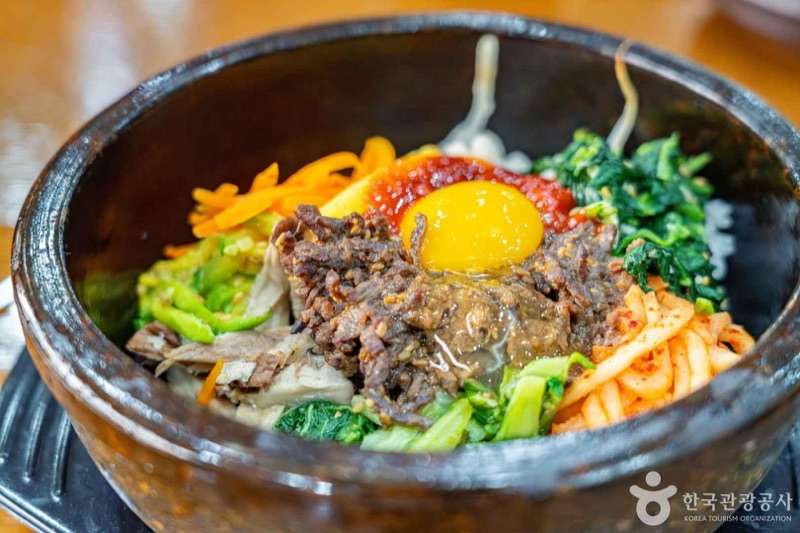
What to order: The heukmi bap (흑미밥) bibimbap — made with black rice that turns a beautiful purple color. Fresh local ingredients delivered daily. A unique visual and flavor twist on the classic.
"Kim Woo Dong serves their bibimbap using heukmi bap (흑미밥), which means 'black rice' but actually dyes the rice a very pleasing purple colour. These are the places where you can eat great food prepared by expert hands from fresh, local ingredients."
— ZenKimchi · Bibimbap in Jeonju guide
tabiji verdict: The Instagram pick. That purple rice is genuinely gorgeous and tastes nuttier than regular rice. Kim Woo Dong is budget-friendly and off the tourist map — you'll see ingredient trucks unloading fresh garlic and vegetables each morning. If you want something visually unique at a local price, this is it.
Frequently Asked Questions
What makes Jeonju bibimbap different from regular bibimbap?
Jeonju bibimbap is the original — rice cooked in sagol (beef bone broth) instead of water, over 30 fresh local toppings, and traditionally served in a brass bowl (yugi). The gochujang is house-made with local peppers. Many restaurants also serve yukhoe (raw beef) bibimbap, a Jeonju specialty you won't easily find elsewhere.
How much does bibimbap cost in Jeonju?
Tourist-area restaurants near Hanok Village charge ₩10,000–₩14,000 ($7–$10 USD). Local spots outside the village can be as cheap as ₩6,000–₩8,000 ($4–$6 USD). Yukhoe (raw beef) bibimbap costs ₩2,000–₩3,000 more. All restaurants include banchan at no extra charge.
Should I get dolsot or regular bibimbap?
Traditional Jeonju bibimbap is served in a brass bowl (yugi), not a stone pot. Dolsot gives you crispy scorched rice (nurungji) and stays hot longer. Both are great — try the brass bowl version first for the authentic Jeonju experience, then dolsot at your next meal.
What is yukhoe bibimbap?
Yukhoe bibimbap (육회비빔밥) features raw beef tartare and a raw egg yolk — a Jeonju specialty. The beef is seasoned with sesame oil, garlic, and soy sauce. It's safe at reputable restaurants and offers a completely different experience from cooked-beef bibimbap. Well worth trying.
When is the best time to visit Jeonju for bibimbap?
Year-round works, but October has the annual Jeonju Bibimbap Festival. Spring and autumn have the best weather for walking Hanok Village. Visit on weekdays — weekend lunch at Gogung or Hankookjib means 30-60 minute waits.