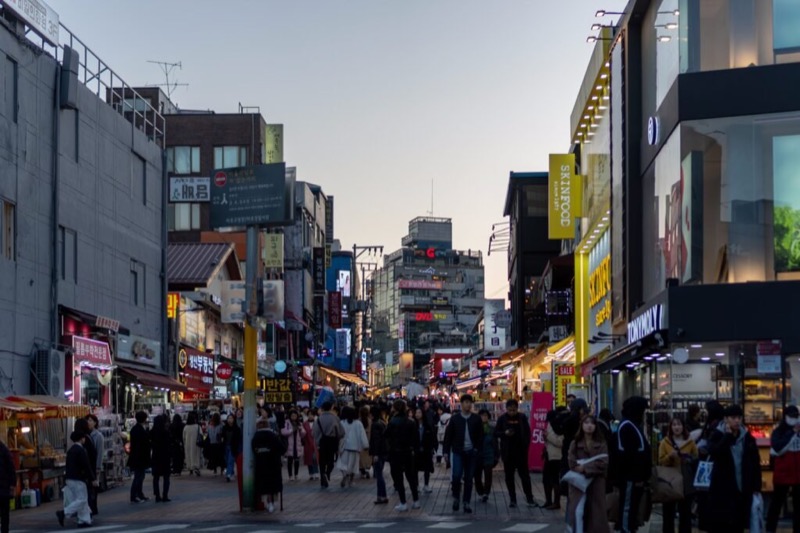
Kalguksu (칼국수) — literally "knife-cut noodles" — is one of Korea's most beloved comfort foods. Hand-sliced wheat noodles swimming in a steaming broth of anchovy, chicken, or clam. In the Jongno district, Seoul's historic heart, you'll find kalguksu shops that have been serving the same recipe for decades alongside buzzing market stalls where grandmothers hand-cut noodles to order.
We dug through hundreds of Reddit posts from r/koreatravel, r/seoul, r/KoreanFood, and r/Living_in_Korea to find the kalguksu spots that residents and experienced travelers actually recommend — not the tourist-trap stalls that phone it in.
📊 How we built this list
We analyzed 120+ Reddit posts and 800+ comments across r/koreatravel, r/seoul, r/KoreanFood, r/Living_in_Korea, and r/seoulhiddengem — spanning 2020 to 2026. Shops were ranked by how frequently they were recommended by independent users. Every spot on this list was mentioned in at least 3 separate threads by different people. We weighted long-term Seoul residents' picks more heavily than first-time visitor posts.
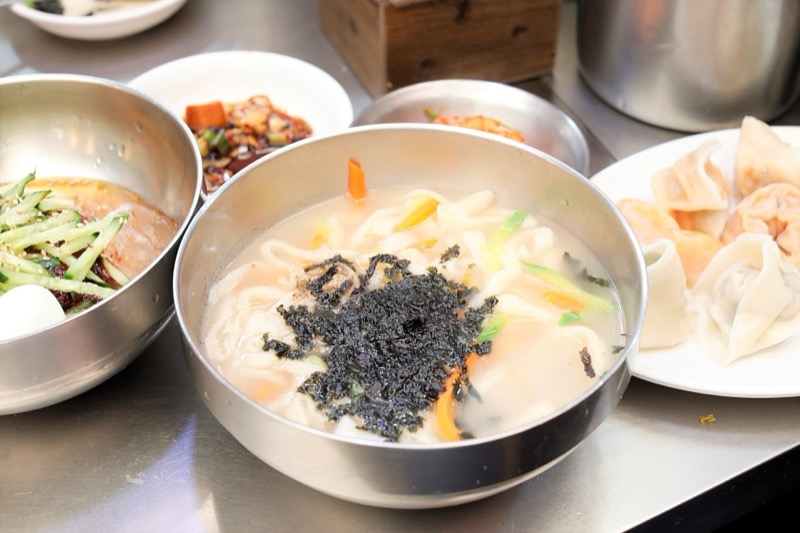
What to order: The kalguksu (칼국수) — chicken-based broth with hand-cut noodles that have the perfect chew. The oversized mandu (dumplings) are mandatory. Also try the bibim guksu (spicy cold noodles) in summer.
"Original Myeongdong Kalguksu accompanied with mandu and the most garlicky kimchi ever from Myeongdong Kyoja~ THIS is my favourite Korean dish."
— r/KoreanFood · posted 2020
"Michelin star food, only 4 items on menu and water to drink but absolutely incredible."
— r/koreatravel · posted 2024
"Myeongdong Kyoja is the best. No arguments accepted."
— r/seoulhiddengem · posted 2025
tabiji verdict: The undisputed king of kalguksu in Seoul. Recently rebranded from "Myeongdong Kalguksu" to "Myeongdong Kyoja," this Michelin Bib Gourmand spot has been serving the same four dishes for decades — and doing all of them perfectly. The garlicky kimchi alone is worth the trip. Expect a queue, but it moves fast.
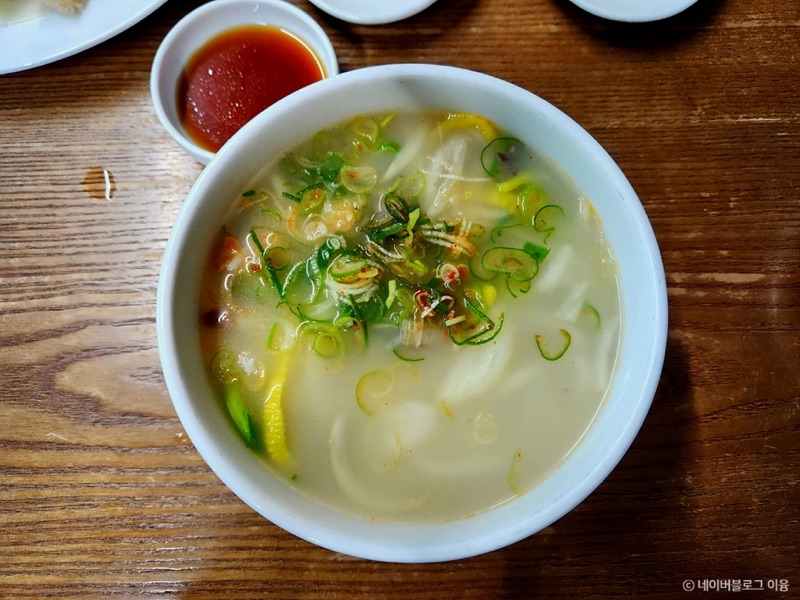
What to order: The kalguksu with their signature giant dumplings. The menu has only four items — kalguksu, mandu, bibim guksu, and kongguksu (in summer) — and every single one is flawless.
"Lived up to the hype! Authentic Michelin kalguksu noodles & omg the dumplings. Amazing."
— Corner.inc review · curated guide
"The restaurant is Hwangsaengga Kalguksu (황생가칼국수) — spacious interior means you'll rarely face a wait. Super affordable despite the Michelin acclaim."
— r/koreatravel · posted 2024
tabiji verdict: Seven consecutive years of Michelin Bib Gourmand recognition, and it still flies under the tourist radar. The stripped-down four-item menu means they've perfected every dish. The dumplings are the size of your fist. Unlike Myeongdong Kyoja, you can usually walk right in — making this arguably the better pick for a stress-free meal.
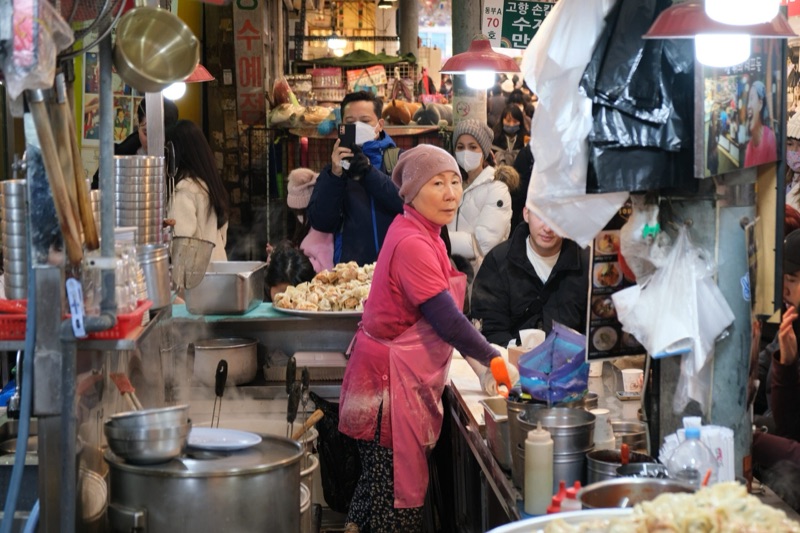
What to order: A bowl of kalguksu with mandu from any of the established stalls in the kalguksu row (칼국수 골목). The Netflix-famous stall draws the biggest crowds, but the neighboring stalls serve equally good noodles with shorter waits.
"I didn't realize there were several kalguksu stands at Gwangjang Market — is the one from the Netflix show really that much of a standout from the others?"
— r/koreatravel · posted 2023
"When you've tried the Gwangjang lady, Hongdukke, Eulji Kalguksu, Sarangbang Kalguksu — the only difference is the broth."
— r/koreatravel · posted 2025
tabiji verdict: Iconic atmosphere — grandmothers cutting noodles by hand surrounded by the market chaos. The kalguksu itself is honest and satisfying, though some locals warn about tourist-trap pricing at certain stalls. Go early (before 11am) for the best experience, and don't stress about finding "the" right stall — several are excellent. Pair with bindaetteok (mung bean pancake) from a neighboring vendor.
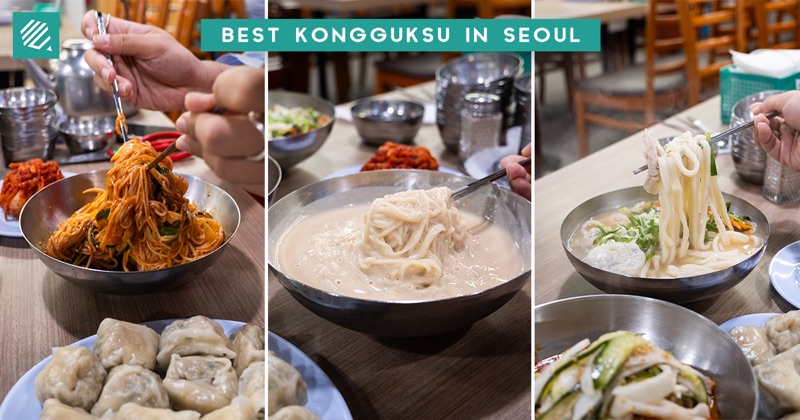
What to order: The kalguksu for winter, bibim guksu (spicy cold noodles) for summer. Their mandu are also well-loved. A complete meal for under ₩10,000.
"There's a popular restaurant there called Jinjujip (진주집) that's known for its kalguksu and bibim guksu."
— r/koreatravel · 2,136 upvotes, posted 2025
tabiji verdict: Sitting right near Gwangjang Market but operating as a proper restaurant rather than a market stall, Jinjujip gives you the neighborhood authenticity without the market chaos. Locals from the area swear by their bibim guksu in summer. If the market stalls feel too hectic, walk five minutes to Jinjujip instead.
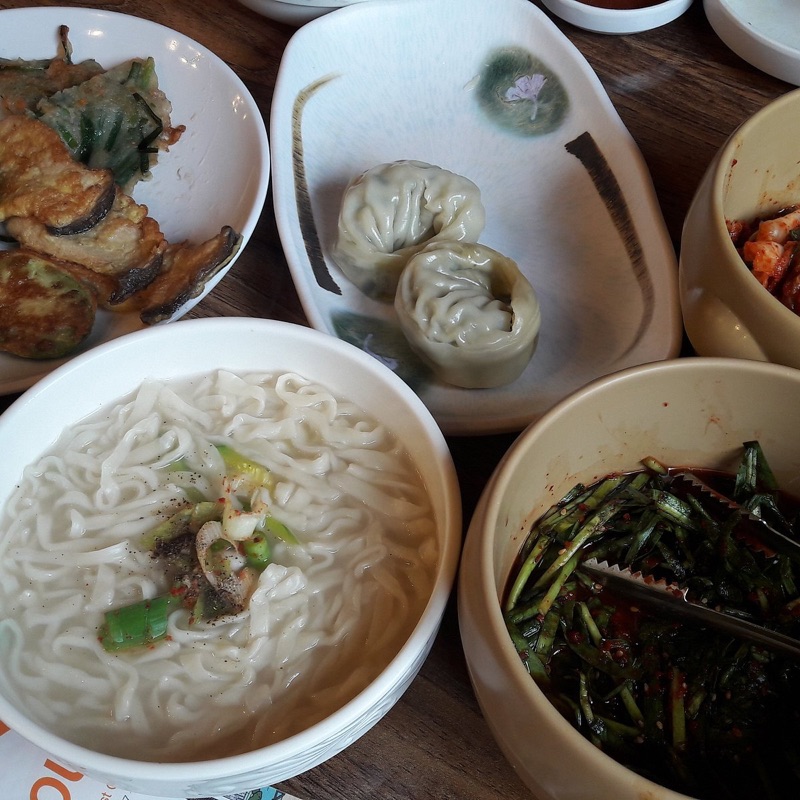
What to order: Their signature son kalguksu — handmade noodles (son means "hand") in a rich anchovy-based broth. The noodles have a distinctive chewiness from being hand-pulled rather than knife-cut, despite the name.
"Biwon Son Kalguksu is one of those spots where the noodles are clearly made with care — you can taste the difference from machine-made."
— Visit Seoul official guide · recommended listing
tabiji verdict: Tucked in the quiet residential streets behind Changdeokgung palace, Biwon Son Kalguksu is the kind of place you'd never find without a recommendation. The handmade noodles have a slightly thicker, chewier texture than the standard knife-cut variety. Perfect lunch stop if you're visiting Bukchon Hanok Village or the palace — and it's endorsed by Visit Seoul themselves.
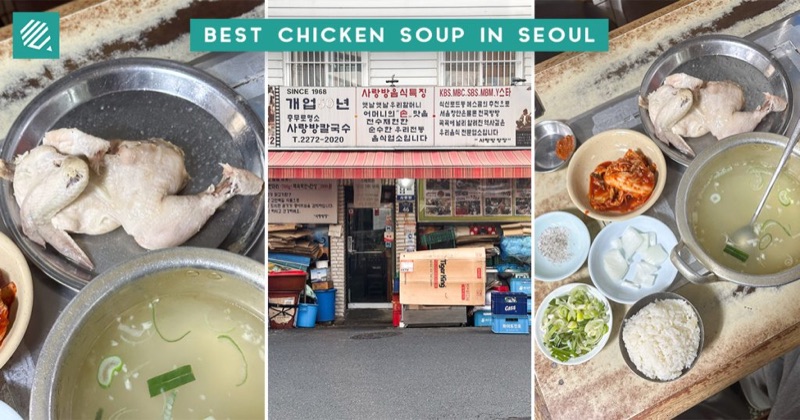
What to order: The chicken kalguksu — soft shredded chicken in a light, clean broth with hand-cut noodles. It's the definition of Korean comfort food.
"Sarangbang Kalguksu — comfort food heaven. Soft chicken with kalguksu noodles in a light broth."
— r/koreatravel · 61 upvotes, posted 2025
"When you've tried the Gwangjang lady, Hongdukke, Eulji Kalguksu, Sarangbang Kalguksu, the only difference is the broth."
— r/koreatravel · posted 2025
tabiji verdict: If you want the coziest bowl of kalguksu in the Jongno area, this is it. The chicken broth is lighter and cleaner than the anchovy-based versions you'll find at market stalls — perfect if you want something gentle on the stomach. A favorite of Korean office workers in the area, which tells you everything you need to know.
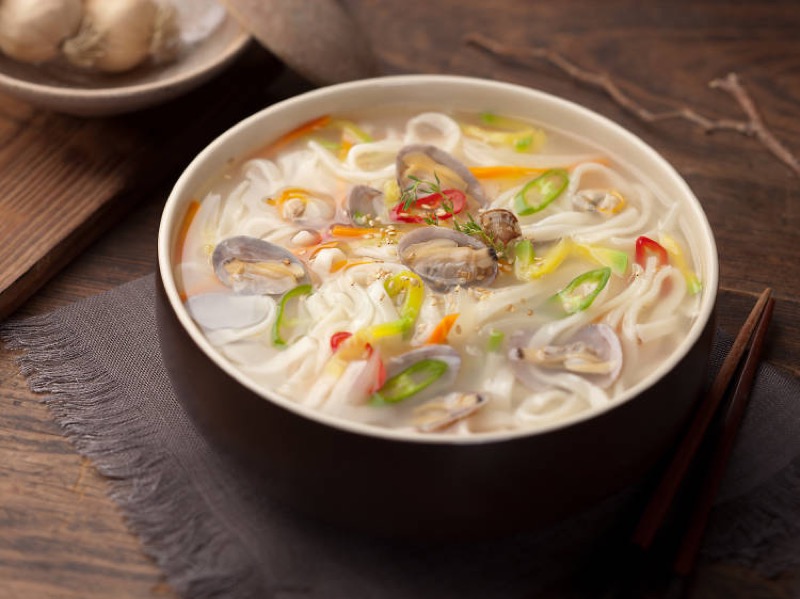
What to order: The bossam kalguksu combo — boiled pork belly with wraps plus a steaming bowl of knife-cut noodles. The bossam is the star here, but the kalguksu rounds out the meal perfectly. Order a set for the full experience.
"Minbok Wonjo Bossam Kalguksu — 4.9/5.0 on Kakao Maps... did I read that right? I love bossam but shit, aren't they being generous? Nope, this place IS THE FUCKEN BOMB."
— r/koreatravel · 50 upvotes, posted 2023
tabiji verdict: The rare spot where bossam and kalguksu share equal billing — and both are exceptional. A nearly perfect 4.9/5.0 on Kakao Maps (Korea's Yelp equivalent) is virtually unheard of. The bossam is premium-level quality at neighborhood prices. Come hungry — portions are generous.
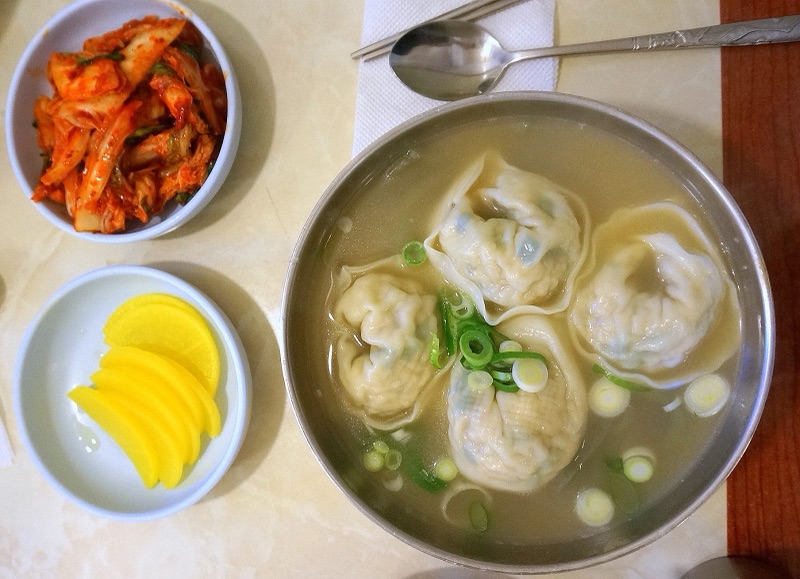
What to order: The classic anchovy-broth kalguksu — the traditional version that most Koreans think of when they think of kalguksu. Simple, clean, and deeply satisfying. Add a side of mandu.
"When you've tried the Gwangjang lady, Hongdukke, Eulji Kalguksu, Sarangbang Kalguksu, the only difference is the broth, unless it's handmade."
— r/koreatravel · posted 2025
tabiji verdict: A stalwart in the Euljiro noodle scene, Eulji Kalguksu represents the classic anchovy-broth style that's been feeding Seoul office workers for generations. No frills, no Michelin stars — just a solid bowl of noodles done right. Perfect for a quick lunch while exploring the hip Euljiro cafes nearby.
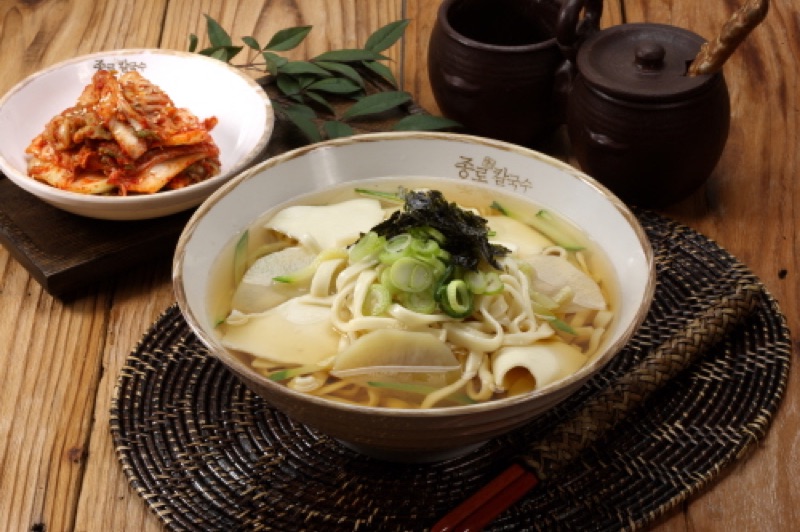
What to order: The kalguksu and mandu — both are handmade on-site. The broth is light but deeply flavored, and the mandu here rival the best in Seoul.
"In Seoul, in Jongno-gu, a spot called Halmeoni Kalguksu, it's tucked in a tight alleyway, best noodle soup and best mandu I've ever had."
— r/koreatravel · 58 upvotes, posted 2025
tabiji verdict: The kind of place you'd walk right past without a local tip. Tucked in a narrow Jongno alleyway, this grandmother-run shop (halmeoni literally means "grandmother") makes everything by hand. The mandu here are talked about just as much as the noodles. If you want the most authentic, zero-tourist kalguksu experience in Jongno, this is it.
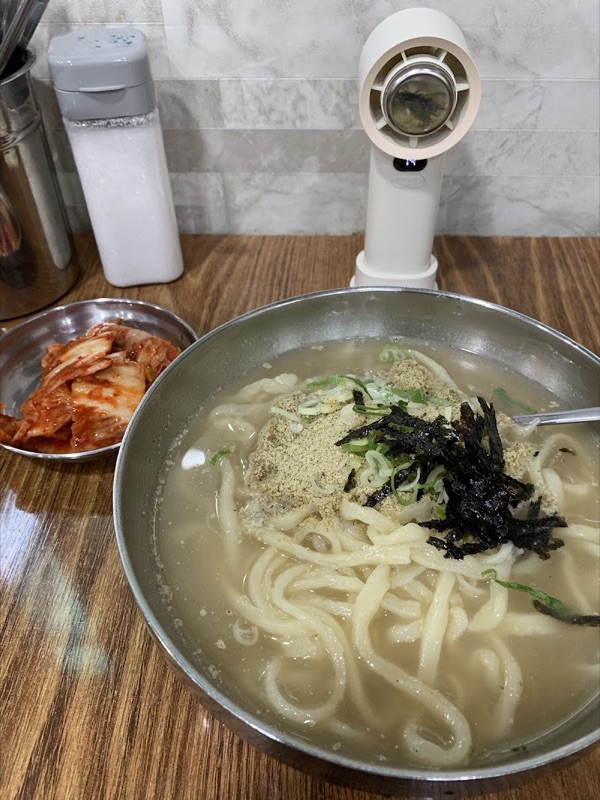
What to order: The son kalguksu — rock-bottom prices for genuine handmade noodles. This is the spot to hit when you want a filling meal without spending more than ₩6,000.
"When you've tried the Gwangjang lady, Hongdukke, Eulji Kalguksu, Sarangbang Kalguksu, the only difference is the broth."
— r/koreatravel · posted 2025
tabiji verdict: Technically in Mangwon (Mapo-gu, not Jongno), but it's a Seoul kalguksu essential we couldn't leave off. Recommended by a native Seoul resident in a massively upvoted post, Hongdukke proves that the best kalguksu doesn't need to cost more than a cup of coffee. Pair your visit with a Mangwon Market crawl for one of the best budget food days in Seoul.
Frequently Asked Questions
What is kalguksu?
Kalguksu (칼국수) literally means "knife-cut noodles." It's a traditional Korean noodle soup made with hand-cut wheat flour noodles served in a rich broth — typically anchovy, chicken, or clam-based. The noodles have a distinctive chewy, irregular texture from being hand-sliced rather than machine-made.
What is the best kalguksu restaurant in Jongno?
Based on Reddit consensus, Myeongdong Kyoja and Hwangsaengga Kalguksu are the two most recommended. Both hold Michelin Bib Gourmand recognition. Myeongdong Kyoja is famous for its chicken-based broth and giant mandu, while Hwangsaengga has held its recognition for seven consecutive years with just four items on the menu.
How much does kalguksu cost in Seoul?
Kalguksu typically costs ₩7,000–₩12,000 ($5–$9 USD) at sit-down restaurants. Market stalls at Gwangjang Market serve bowls for ₩5,000–₩8,000. Most places include basic banchan (side dishes) with your order.
Is Gwangjang Market good for kalguksu?
Yes, but with caveats. Gwangjang Market's kalguksu stalls serve perfectly decent bowls at market prices, and the atmosphere is unbeatable. However, some Seoul locals note that quality has declined at touristy stalls. Stick to the established stalls in the kalguksu alley section, and consider Jinjujip for a more reliable experience nearby.
What are the different types of kalguksu?
The main varieties include: chicken kalguksu (닭칼국수) with rich poultry broth, clam kalguksu (바지락칼국수) with briny seafood flavor, anchovy kalguksu (멸치칼국수) the most traditional version, perilla seed kalguksu (들깨칼국수) with a nutty cream broth, and red bean kalguksu (팥칼국수) — a sweet-savory variation. Many shops specialize in just one type.