Quick answer
The best rock-hewn churches in Lalibela, Ethiopia — curated from real traveler experiences on Reddit. 11 UNESCO churches plus 2 nearby monasteries with interactive map.
- Best overall
- Bete Giyorgis (Church of St. George)
- Price/value range
- Varies by pick
- Top-ranked pick
- Bete Medhane Alem — largest monolithic church in the world
- Last verified
- 2026-03
Top verdicts
- Bete Giyorgis (Church of St. George): The icon.
- Bete Medhane Alem (House of the Saviour): The giant.
- Bete Maryam (House of Mary): The artist.
The best rock-hewn churches in Lalibela, Ethiopia — curated from real traveler experiences on Reddit. 11 UNESCO churches plus 2 nearby monasteries with interactive map.
Lalibela is not a museum. It's a living pilgrimage site where barefoot worshippers still gather for dawn mass, frankincense fills tunnelled corridors, and 800-year-old churches function exactly as they were intended. High in Ethiopia's northern highlands, eleven medieval churches were carved top-down from solid red volcanic rock — not built from the ground up, but hewn from the earth itself.
According to local legend, King Lalibela built a New Jerusalem after Muslim forces captured the original. Human workers carved by day; angels continued through the night. Whether you believe the legend or not, standing at the rim of Bete Giyorgis at sunrise while chanting echoes from below is one of travel's most profound moments.
Most visitors spend 2-3 days exploring all three clusters. The $50 entrance pass covers everything for 5 days. Hire a guide for your first day — they know the tunnels, the symbolism, and the shortcuts — then return alone to soak it in. And if you can time your visit for Genna (Ethiopian Christmas, January 7) or Timkat (Epiphany, January 19), the churches fill with tens of thousands of white-robed pilgrims. It's unforgettable.
Church Map
1Bete Giyorgis (Church of St. George)
StandaloneQuick comparison
- Best for
- Standalone in Standalone, south of the Northern Cluster
- Strengths
- Standalone · Standalone, south of the Northern Cluster
- Why it made the list
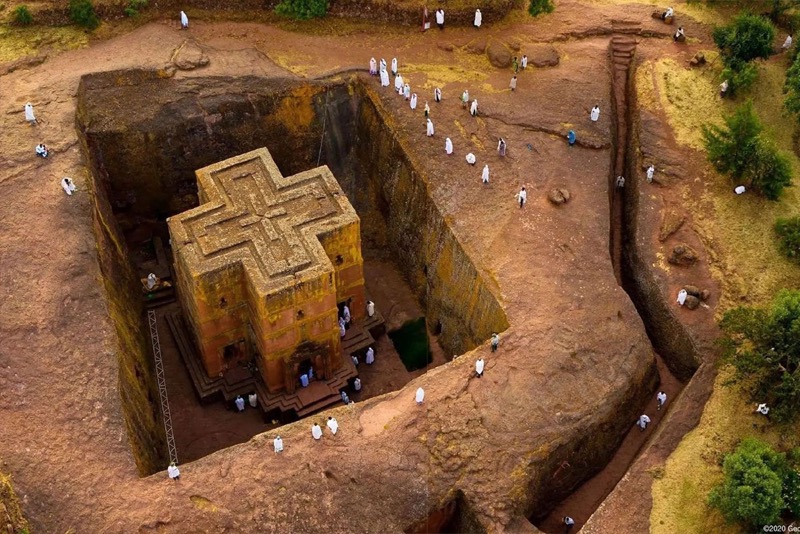
- The icon. The most photographed structure in all of Ethiopia and one of the most remarkable buildings on Earth. Arrive at dawn when it's empty and the light catches the pink volcanic rock. Some call it the 8th man-made wonder of the world — and standing at the edge looking down at that perfect cross, you'll understand why.
2Bete Medhane Alem (House of the Saviour)
Northern ClusterQuick comparison
- Best for
- Northern Cluster in Northern Cluster
- Strengths
- Northern Cluster · Northern Cluster
- Limitations
- the interior remains awe-inspiring
- Why it made the list
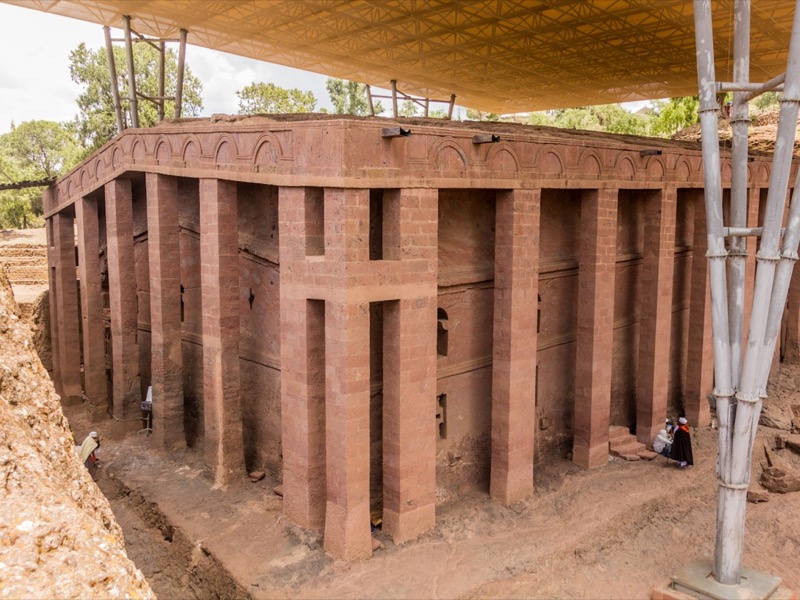
- The giant. Walking through the colonnade of pillars is like entering an Ethiopian Parthenon carved underground. It's usually the first church you visit in the Northern Cluster, and it sets the tone: jaw-dropping. Now covered by a UNESCO protective roof which detracts slightly from the exterior, but the interior remains awe-inspiring.
3Bete Maryam (House of Mary)
Northern ClusterQuick comparison
- Best for
- Northern Cluster in Northern Cluster, connected to Medhane Alem
- Strengths
- Northern Cluster · Northern Cluster, connected to Medhane Alem
- Why it made the list
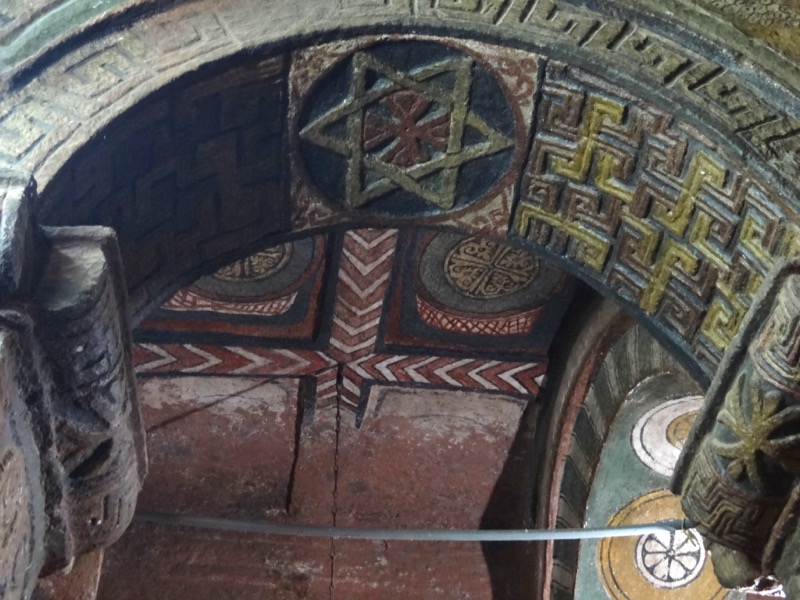
- The artist. Where Medhane Alem impresses with scale, Bete Maryam captivates with detail. The carved ceilings alone are worth lingering over. Believed to be the oldest of the eleven churches, it's also the most spiritually significant to local worshippers. Don't rush through — look up.
4Bete Golgotha
Northern ClusterQuick comparison
- Best for
- Northern Cluster in Northern Cluster
- Strengths
- Known for dress code · Northern Cluster · Northern Cluster
- Limitations
- it reflects the deep Orthodox traditions that still govern these churches
- Why it made the list
- The sacred heart. The carved saint reliefs inside are extraordinary — each figure nearly life-sized and eerily lifelike. The restriction on women entering is frustrating for many visitors, but it reflects the deep Orthodox traditions that still govern these churches. For those who can enter, it's one of the most spiritually charged spaces in Lalibela.
5Bete Mikael (House of St. Michael)
Northern ClusterQuick comparison
- Best for
- Northern Cluster in Northern Cluster, directly connected to Golgotha
- Strengths
- Northern Cluster · Northern Cluster, directly connected to Golgotha
- Limitations
- linger here — the wall paintings are some of the oldest in Lalibela, and the dim candlelit atmosphere is deeply atmospheric
- Why it made the list
- The threshold. Most visitors pass through quickly on the way to Golgotha, but linger here — the wall paintings are some of the oldest in Lalibela, and the dim candlelit atmosphere is deeply atmospheric. Open to all visitors regardless of gender, unlike its twin next door.
6Bete Meskel (House of the Cross)
Northern ClusterQuick comparison
- Best for
- Northern Cluster in Northern Cluster courtyard, near Bete Maryam
- Strengths
- Known for dress code · Northern Cluster · Northern Cluster courtyard, near Bete Maryam
- Limitations
- the carved crosses on the walls are beautiful and the silence here is a welcome contrast to the busier churches
- Why it made the list
- The hidden gem of the Northern Cluster. Most tour groups breeze past, but the carved crosses on the walls are beautiful and the silence here is a welcome contrast to the busier churches. Five minutes is enough, but don't skip it entirely.
7Bete Denagel (House of the Virgins)
Northern ClusterQuick comparison
- Best for
- Northern Cluster in Northern Cluster courtyard
- Strengths
- Northern Cluster · Northern Cluster courtyard
- Limitations
- significant in meaning
- Why it made the list
- Modest in size but significant in meaning. Best appreciated when your guide explains the stories behind it. Visit together with Bete Meskel as part of your Northern Cluster walkthrough — they share the same courtyard and complement each other.
8Bete Amanuel (House of Emmanuel)
Southern ClusterQuick comparison
- Best for
- Southern Cluster in Southern Cluster
- Strengths
- Southern Cluster · Southern Cluster
- Limitations
- it's solid rock
- Why it made the list
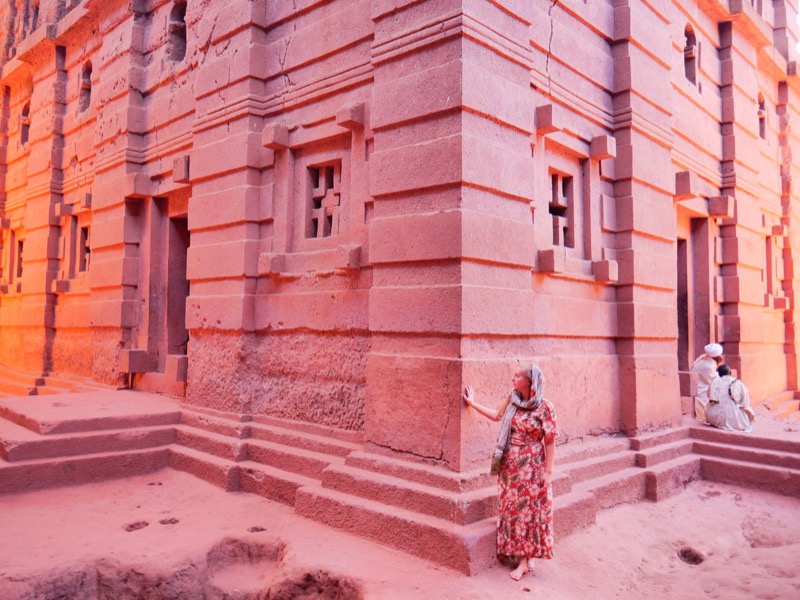
- The masterpiece of the Southern Cluster. The exterior layering is architectural genius — it looks like stacked wood beams, but it's solid rock. If Bete Giyorgis is Lalibela's icon, Bete Amanuel is its quiet masterwork. Many architecture enthusiasts rate this as their personal favorite.
9Bete Gabriel-Rufael
Southern ClusterQuick comparison
- Best for
- Southern Cluster in Southern Cluster
- Strengths
- Southern Cluster · Southern Cluster
- Why it made the list
- The adventurer's church. The approach across the wooden bridge is dramatic, and "The Hell" tunnel connecting to Merkorios is genuinely thrilling — bring a flashlight or use your phone. This is where Lalibela stops feeling like a tourist site and starts feeling like an Indiana Jones set.
10Bete Merkorios
Southern ClusterQuick comparison
- Best for
- Southern Cluster in Southern Cluster
- Strengths
- Southern Cluster · Southern Cluster
- Limitations
- fascinating
- Why it made the list
- The reveal. After crawling through "The Hell," emerging into this church feels like a spiritual rebirth — which is exactly the point. The frescoes are faded but fascinating. Best experienced as part of the tunnel journey from Gabriel-Rufael rather than visited in isolation.
11Bete Abba Libanos
Southern ClusterQuick comparison
- Best for
- Southern Cluster in Southern Cluster
- Strengths
- Southern Cluster · Southern Cluster
- Why it made the list
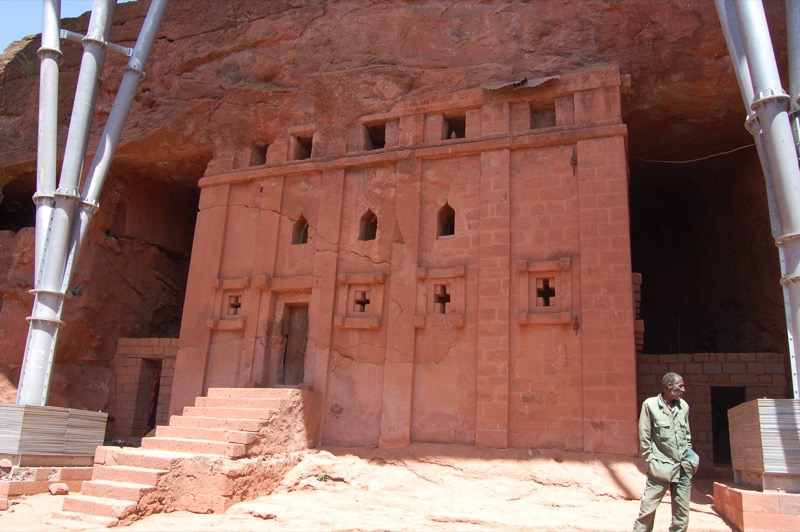
- The mystery. The engineering defies logic — walls carved freestanding from the surrounding rock with only the roof and floor connecting them. The rosy glow of the stone in afternoon light is beautiful. Often the last church visited in the Southern Cluster, and a fitting finale with its otherworldly atmosphere.
12Ashetan Maryam Monastery
Hilltop MonasteryQuick comparison
- Best for
- Hilltop Monastery in Above Lalibela, 3,150m elevation
- Strengths
- Hilltop Monastery · Above Lalibela, 3,150m elevation
- Limitations
- the best half-day excursion from Lalibela
- Why it made the list
- The hike. Not included in the $50 church ticket (separate small fee), but the best half-day excursion from Lalibela. The views alone justify the effort, and arriving at a working monastery where monks have lived for centuries adds a dimension the main churches can't. Go in the morning when the light is golden.
13Yemrehana Kristos Church
Nearby ExcursionQuick comparison
- Best for
- Nearby Excursion in Outside Lalibela, separate entrance fee
- Strengths
- Nearby Excursion · Outside Lalibela, separate entrance fee
- Why it made the list
- The day trip. If you have a third day in Lalibela, this is how to spend it. The Aksumite construction is architecturally different from the rock-hewn churches — seeing both gives you a complete picture of Ethiopian church-building genius. The mummified pilgrims in the cave behind the church are haunting and unforgettable. Arrange transport through your hotel.
Frequently Asked Questions
How much does it cost to visit the Lalibela churches?
The entrance fee for all 11 rock-hewn churches is $50 USD (approximately 2,800 ETB) for a 5-day pass as of 2025. There is no single-day or partial pass option. A local guide costs an additional 1,500–3,000 ETB per day depending on group size and negotiation. The nearby Yemrehana Kristos church has a separate entrance fee of around 300 ETB.
How many days do you need in Lalibela?
Most travelers recommend 2-3 full days. Day 1: Visit the Northern Cluster with a guide. Day 2: Explore the Southern Cluster and Bete Giyorgis. Day 3: Hike to Ashetan Maryam monastery or visit Yemrehana Kristos. If you include a Saturday for the weekly market and a Sunday for morning mass, 3 days is ideal.
Do I need a guide for the Lalibela churches?
Highly recommended for your first visit. Guides explain the symbolism, history, and hidden details you would miss on your own. Many churches also have on-site priest guides who will show you around. You can arrange a guide at the ticket office, your hotel, or at the church entrances. After the guided tour, return on your own to explore at your own pace.
How do I get to Lalibela?
The fastest way is to fly from Addis Ababa with Ethiopian Airlines — direct flights take under an hour, with connections via Bahir Dar or Gondar taking about 3 hours. If you flew into Ethiopia on Ethiopian Airlines, domestic fares are significantly cheaper. The bus from Addis takes approximately 2 days over rough mountain roads and is not recommended unless you're very adventurous.
When is the best time to visit Lalibela?
The dry season (October to March) offers the most predictable weather. However, the most magical time is during Ethiopian Orthodox holidays: Genna (Ethiopian Christmas, January 7), Timkat (Epiphany, January 19), Meskel (September 27), and Enkutatash (New Year, September 11). Book well in advance for holiday visits. The rainy season (June-September) is still visitable — the highlands turn lush green and there are fewer tourists.
Are the Lalibela churches safe to visit?
Lalibela itself is generally safe for tourists. The town is small, walkable, and locals are accustomed to visitors. Standard travel precautions apply — be aware of persistent guides and vendors near the churches. Check current travel advisories for Ethiopia before visiting, as regional security situations can change. The churches involve uneven terrain, steep steps, and narrow tunnels — wear sturdy shoes and bring a flashlight.
🎟️ Book Lalibela Experiences
Tours and activities hand-picked for this guide — book with free cancellation
Experiences via Viator — free cancellation on most tours