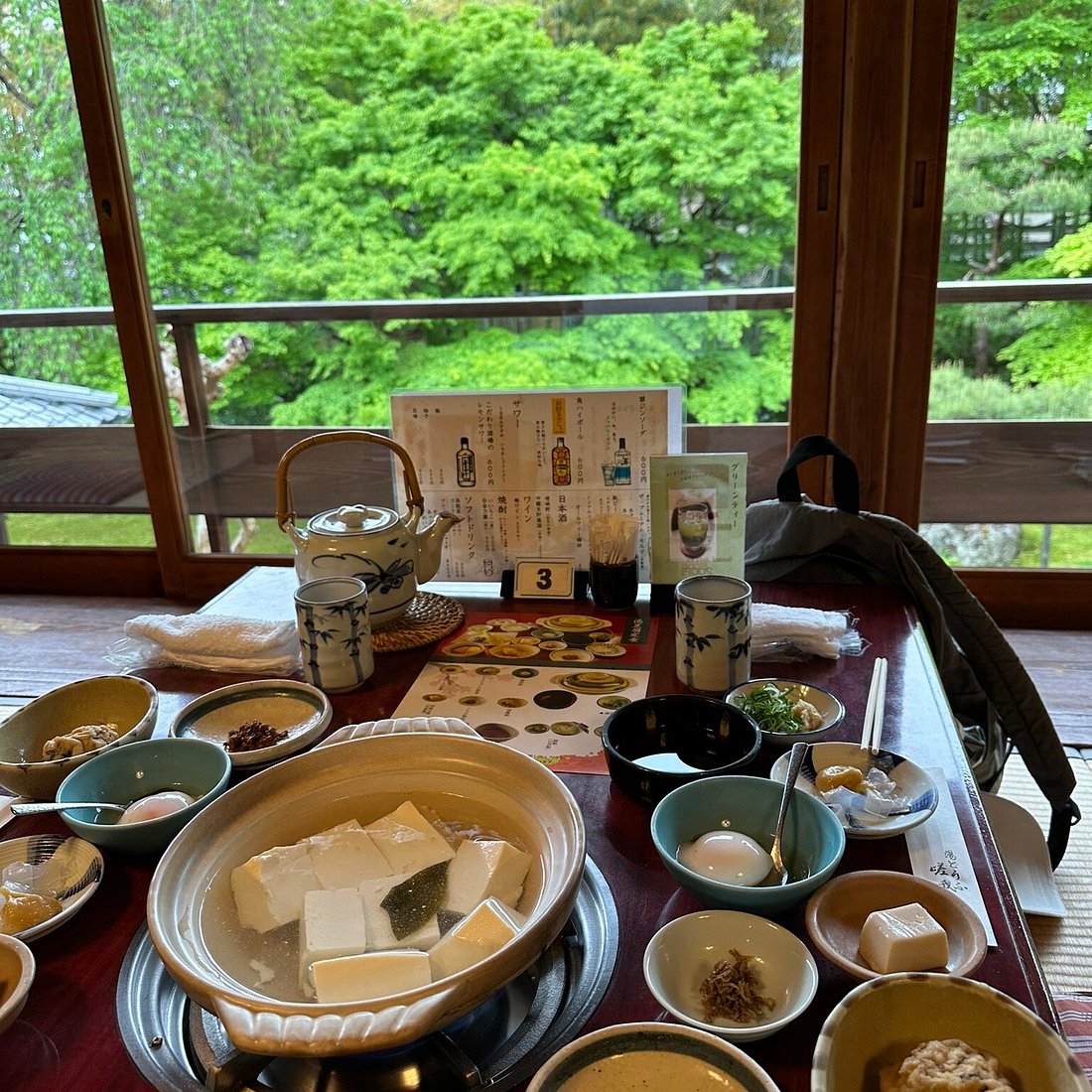
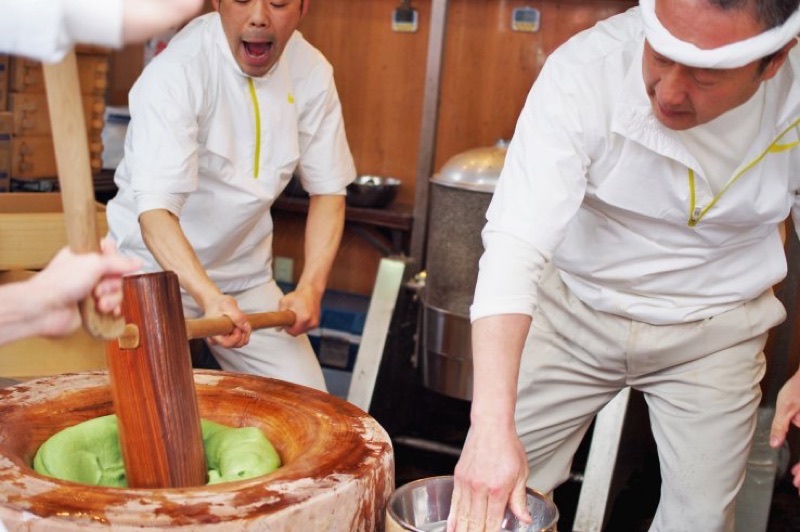
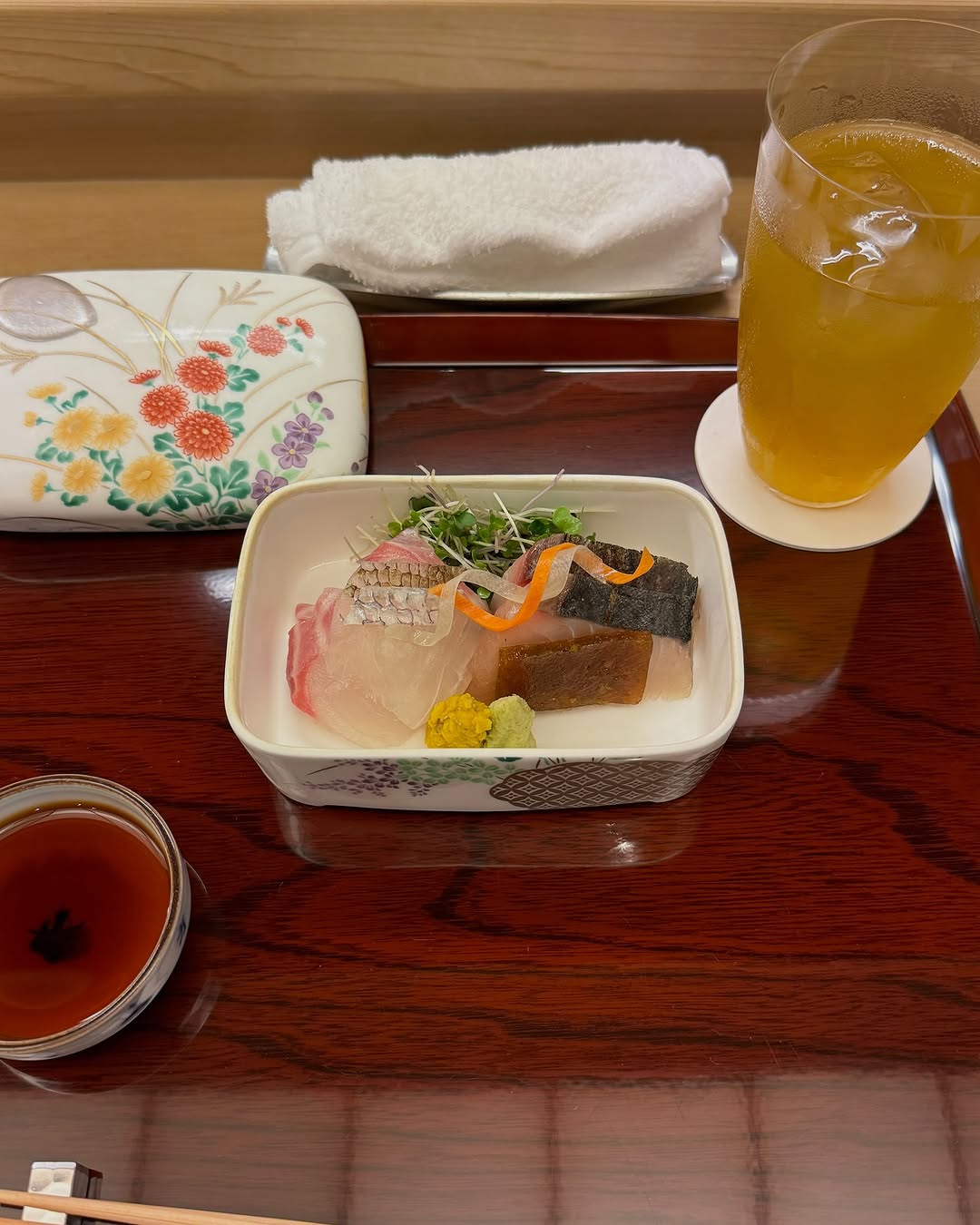
Nikko is famous for two things: ornate Edo-period shrines and yuba — the delicate double-layered tofu skin unique to this region. While Kyoto also has yuba (written 湯葉, pulled in a single layer), Nikko's version (湯波) is folded double for a thicker, creamier texture that clings beautifully to dashi broth.
The tradition runs deep: Buddhist temples and shrines required pure vegetarian shojin cuisine, and the mountain spring water here makes extraordinarily clean soy milk. Today, yuba shows up everywhere — in elegant kaiseki sets, casual lunch bowls, soba toppings, and even deep-fried street snacks (age yuba manju). We dug through Reddit to find the spots worth your limited stomach space.
📊 How we built this list
We analyzed 80+ Reddit posts and 500+ comments across r/JapanTravel, r/JapanTravelTips, r/JapaneseFood, and r/japanlife — spanning 2020 to 2025. Restaurants were ranked by how frequently they were independently recommended. We weighted long-term resident opinions and multi-visit reports more heavily than one-time tourist posts.
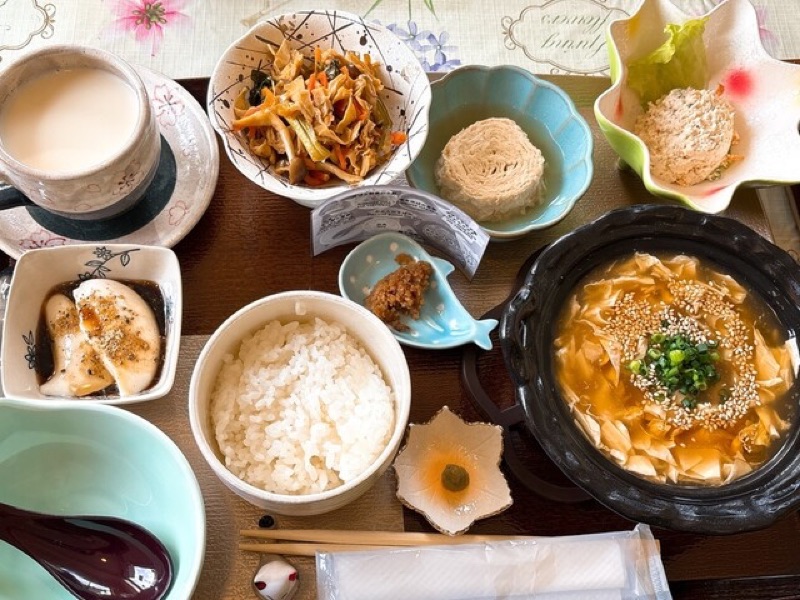
What to order: The yuba lunch set — silky fresh yuba over rice with dashi broth, pickles, and miso soup. The value-to-quality ratio is exceptional. Don't skip the matcha dessert if it's available.
"The best food we had in Nikko was a yuba based lunch set at Hazuki cafe in Nikko town. Amazing value and so delicious — I still dream about it."
— r/JapanTravel · posted 2024
"For food, go try the Yuba set meal at Yuba Cafe Hazuki — I'm still thinking about it 2 years later."
— r/JapanTravel · posted 2025
tabiji verdict: The most enthusiastically recommended spot across all of Reddit. Two independent reviewers say they still dream about this place years later — that's a rare signal. The casual cafe atmosphere makes it approachable for first-timers, and the price is very reasonable. Go here first.
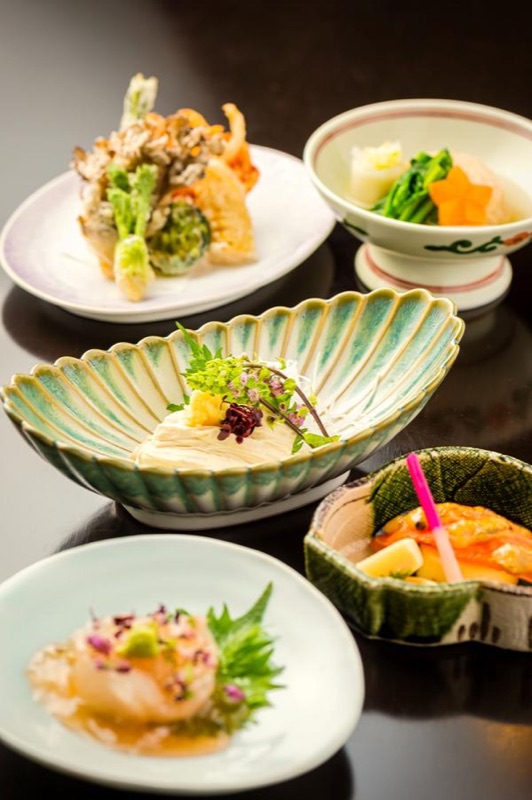
What to order: The full shojin ryori kaiseki course — multiple yuba preparations alongside seasonal vegetables. All 100% vegetarian, no meat or fish. A meditative, slow-food experience in a beautiful garden setting.
"Lunch: Yuba cuisine @ Gyoshintei — this was an incredible shojin ryori experience nestled in the forest just outside the temple complex."
— r/JapanTravel · posted 2025
"Gyoshintei is a vegan-friendly establishment nestled in the wooded scenery of Nikko — definitely the top joint in town for a high-end feed. Worthy of splashing out on."
— r/JapanTravel · guidebook consensus via multiple Reddit threads
tabiji verdict: The gold standard for shojin ryori in Nikko. Surrounded by ancient cedar trees and temple grounds, this is not just a meal — it's an atmosphere. Pricier than most options, but the multi-course experience is unforgettable. Reserve in advance, especially on weekends.
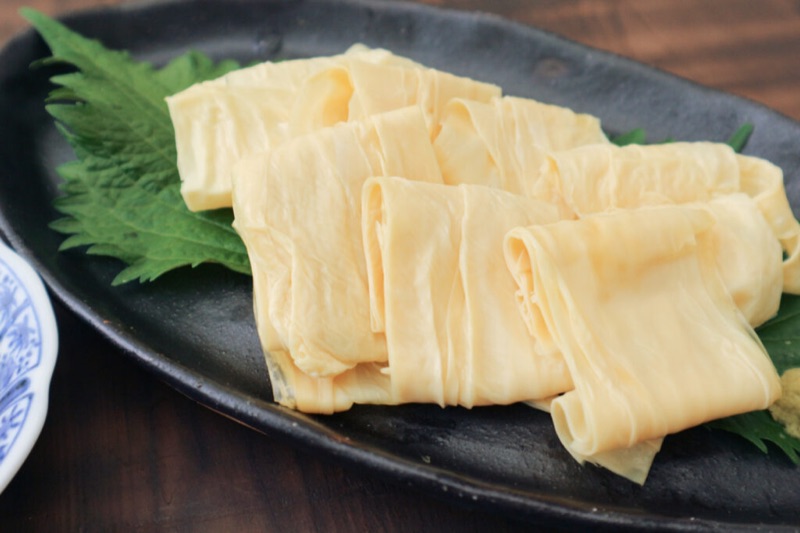
What to order: The all-tofu meal set — a showcase of tofu and yuba in every form: sashimi yuba, simmered yuba, yuba in soup, and fresh tofu. Perfect for understanding the full range of what this ingredient can do.
"This brings back memories! I went to the same shop 2 years ago. Really enjoyed the yuba tofu set as well. Those yuba meals in Nikko are the bomb!!"
— r/JapaneseFood · reply
tabiji verdict: The spot that sparks cravings years later. If you want to try yuba and tofu side by side in one epic meal — all the textures, all the preparations — this is the place. The all-tofu set is a genuine deep-dive into a single, extraordinary ingredient.
💴 ¥2,200–¥4,000
📍 Between Nikko Station and Toshogu Shrine
📌 Google Maps →
⏰ 11AM–5PM (closed Thu)
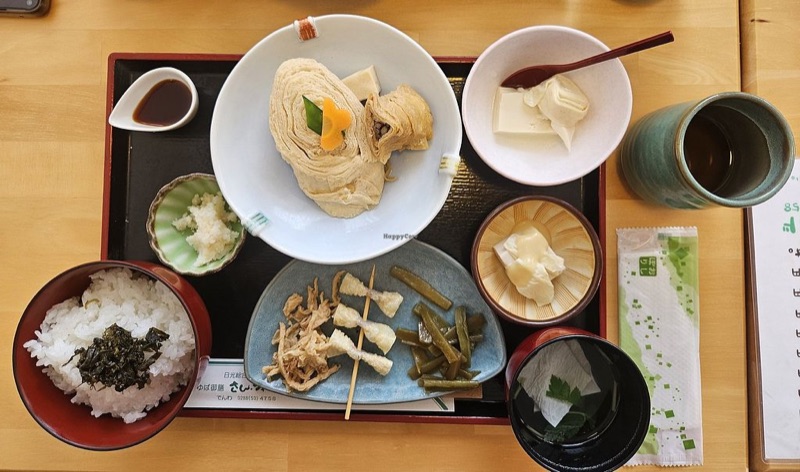
What to order: The seasonal teishoku set — it changes each season but always features yuba as the star in multiple preparations. Budget ¥3,000–¥4,000 per person if you're adding drinks and sides.
"For those who love Yuba or want to try an array of dishes with yuba styled/prepared/cooked differently — this is a must to visit. WE LOVED IT! The teishoku sets change seasonally but you can be sure Yuba is still the star."
— ryokanwanderings.com traveler review (also cited in r/JapanTravelTips threads)
tabiji verdict: Conveniently located halfway between the station and Toshogu — perfect for building into your temple walk. A small, family-run spot with genuine pride in their ingredient. If you're serious about yuba and want to try it many ways in one sitting, Sun Field is essential.
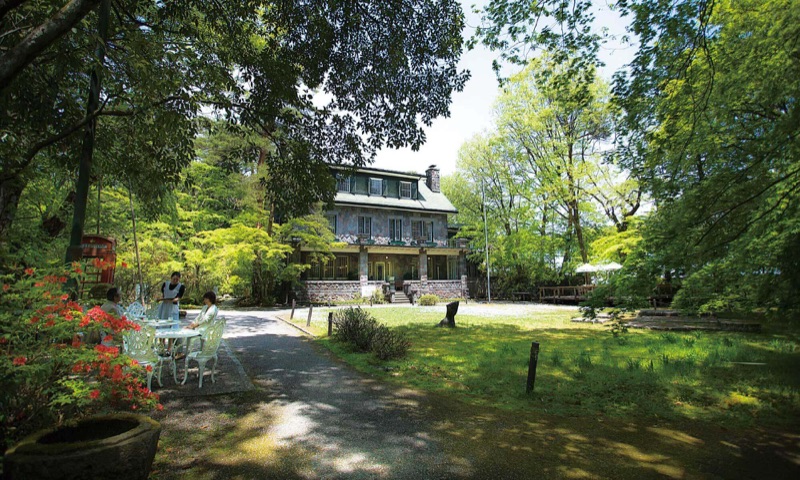
What to order: The Nikko yuba gratin — a Western-Japanese fusion dish that uses yuba in place of béchamel, surprisingly addictive. The set lunch courses offer great value compared to à la carte.
"Check out Hippari near the Shinkyo bridge or Meiji-no-Yakata — great atmosphere in a Meiji-era stone building, and the food fuses yuba with French techniques."
— r/JapanTravel · 3-day Nikko itinerary thread, 2025
"Many restaurants near Toshogu Shrine or at specialty yuba restaurants like Meiji no Yakata or Gyoshintei are worth a stop — unique atmosphere in historic buildings."
— via Facebook Japan Travel group (cited by multiple Reddit users)
tabiji verdict: The most architecturally stunning dining experience in Nikko — a stone Western-style building from the Meiji era. The French-yuba fusion is genuinely clever, not a gimmick. Excellent for groups where not everyone wants pure Japanese cuisine.
💴 ¥900–¥1,500
📍 Near Kanmangafuchi Abyss
📌 Google Maps →
⏰ 10AM–5PM (closed Wed)
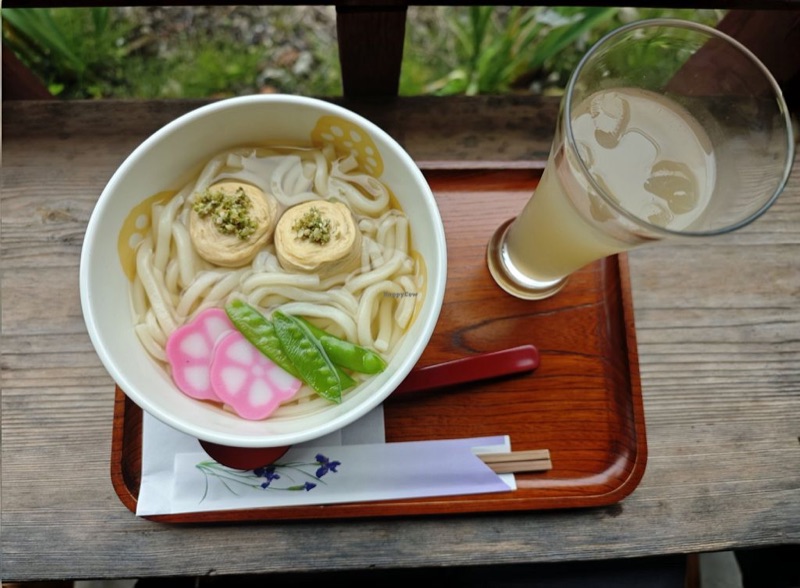
What to order: The Yubajyu Set (¥1,300) — yuba over rice with clear broth and pickles — or the Yuba Udon (¥900) with chewy noodles and silky tofu skin. Also has traditional sweets and matcha.
"The Yubajyu Set — yuba upon rice teishoku set with a tasty clear broth and pickles — and the Yuba Udon were both absolute star dishes and I would have gladly eaten them multiple times."
— ryokanwanderings.com (widely referenced in Japan travel forums)
"Run by an elderly gentleman — simple, no fanciness, just people offering good food. When one is in Nikko, one should always eat some Yuba."
— r/JapanTravelTips travel report thread
tabiji verdict: The most budget-friendly quality option on this list. Run by a lone elderly gentleman with clear love for his craft. The riverside location near Kanmangafuchi Abyss makes this a natural lunch stop if you're doing that walk. Bring cash, arrive early.
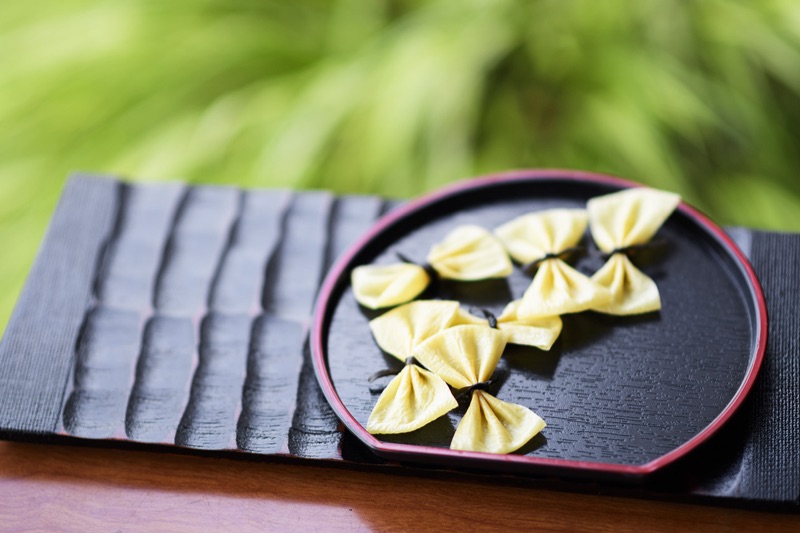
What to order: Sashimi yuba (raw yuba dipped in soy sauce and wasabi, ¥1,250 for 2 pieces) — the purest expression of fresh yuba. Also try the Maki Yunami Fukumase-ni: rolled yuba deep-fried then simmered in bonito-kelp dashi.
"Founded in 1872, this yunami manufacturing shop has been in business for nearly 150 years. Their sashimi yuba is a popular item often sold out quickly — smooth texture and moderately thick layers filled with craftsmanship."
— Hoshino Resorts area guide (referenced in multiple travel forums)
tabiji verdict: A piece of living history. When this shop opened, the Meiji era had just begun. Their sashimi yuba — made with domestic soybeans and Nikko mountain spring water — is the benchmark against which all other yuba should be measured. Buy some to take home too; the packaging is beautiful.
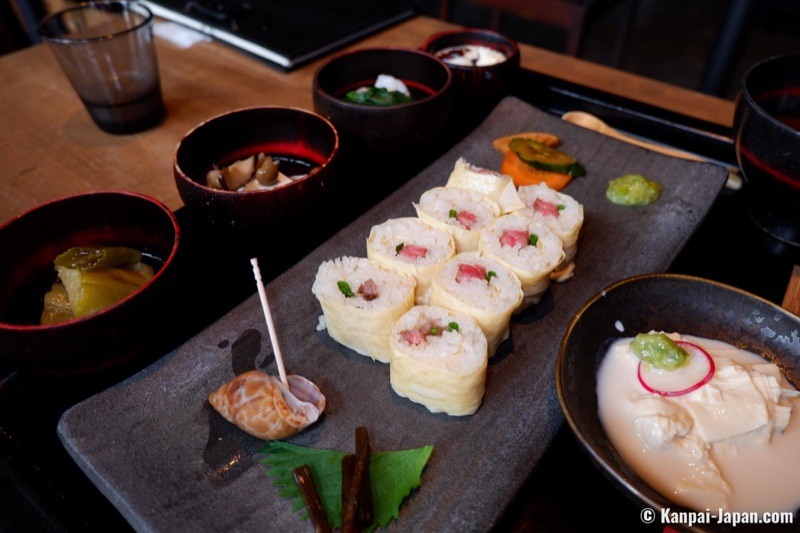
What to order: The creative yuba course — this restaurant approaches the ingredient with a contemporary eye. Look for dishes where yuba replaces pasta or is used in unexpected pairings. The wood-scented interior adds to the experience.
"Nikko Yunamaki Zen ZEN — rediscover the taste of yuba with creative cuisine. Stylish interior with the aroma of wood. A more modern take on a centuries-old ingredient."
— Hoshino Resorts Nikko area guide
tabiji verdict: Best for travelers who want to see how Nikko's culinary scene is evolving. The wood-heavy interior is Instagram-worthy, and the creative approach to yuba feels fresh without being gimmicky. A good second-day restaurant after you've tried the classics.
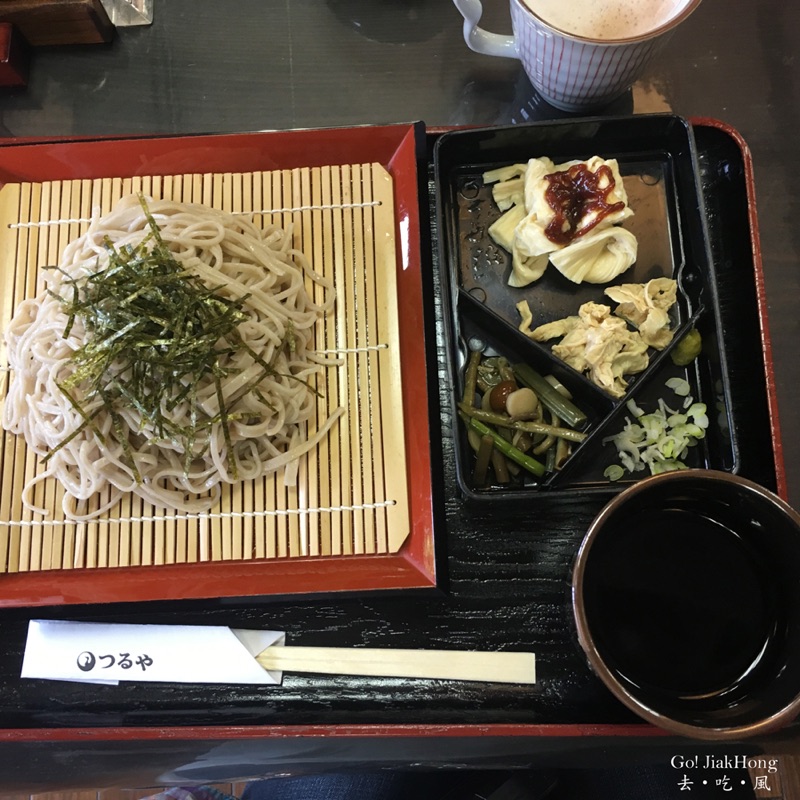
What to order: Yuba teishoku — the set meal includes multiple preparations of yuba alongside seasonal side dishes and rice. Good option if you're arriving at Nikko Station and want a solid meal before hitting the temples.
"The local food specialties include yuba (tofu skin) served a bunch of different ways — Tsuruya is one of the reliable spots to try it before heading up to the shrine complex."
— r/JapanTravelTips · day trip to Nikko planning thread
tabiji verdict: A reliable, no-drama choice near the station. Not the most exciting pick on the list, but consistently good and convenient for day-trippers who want yuba without hunting for it. The teishoku set is a solid introduction to the genre.
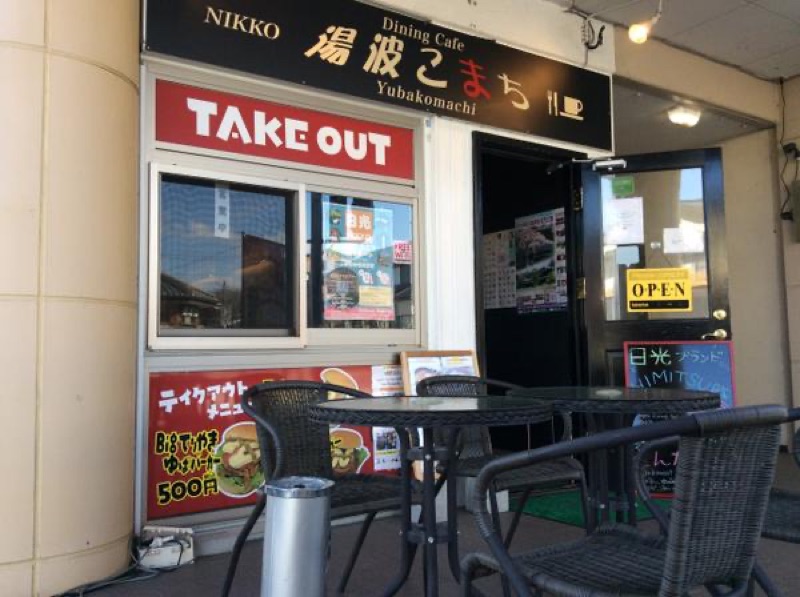
What to order: Yuba parfait (a uniquely Japanese dessert twist), yuba soft serve, and the yuba lunch plate. Popular with families. The lighter price point makes it good for a snack-and-continue-sightseeing stop.
"Yuba Komachi is a charming and casual cafe that has become a favorite among families seeking to indulge in unique local flavors. Nestled in the heart of Nikko."
— wanderlog.com user review, cited in Japan travel forums
tabiji verdict: The most family-friendly yuba spot on the list. Light, relaxed, and central — good for a yuba dessert or snack between temples rather than a full meal. The yuba soft serve is an unexpected delight.
💴 ¥1,500–¥2,500
📍 Nikko town area
📌 Google Maps →
⏰ Noon–2:30PM (closed Mon)
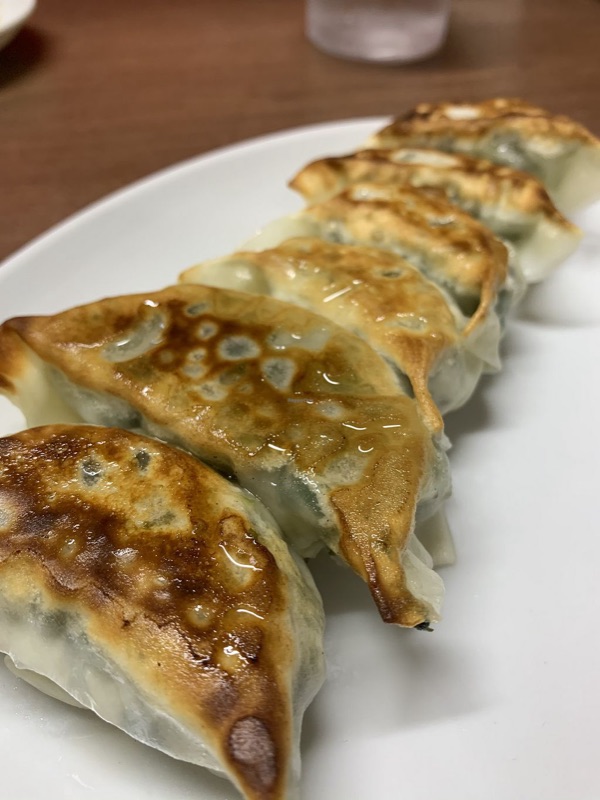
What to order: The Nikko Yuba Gyoza — plump, handmade dumplings filled with yuba alongside the classic pork version. Order the trio: Umechan giant gyoza, Nikko yuba gyoza, and ginger green gyoza. The ramen is hearty and well-executed too.
"Gyoza no Umechan is adored by locals and visitors alike — the nikko yuba gyoza were plump, packed full of ingredients, and perfectly charred across one side. Hubby and I ordered all three gyoza types and they did not disappoint."
— ryokanwanderings.com traveler (referenced in r/JapanTravelTips)
"Good restaurant suggestion: Gyoza no Umechan for a more casual meal — love the local vibe and the yuba gyoza are unlike anything you'd find in Tokyo."
— r/japanlife · best restaurants in Nikko thread
tabiji verdict: The wildcard. Not a traditional yuba restaurant — it's primarily gyoza and ramen — but the Nikko Yuba Gyoza is a brilliant local twist on a beloved format. Perfect if your travel companion isn't into elegant kaiseki but you still want to try yuba. Tiny spot, arrives fast, disappears fast.
Frequently Asked Questions
What is yuba and why is Nikko famous for it?
Yuba (湯葉/湯波) is the delicate skin that forms when soymilk is heated — sometimes called tofu skin. Nikko's version (written 湯波) is folded double for a thicker, richer texture than Kyoto's single-layer yuba. The tradition dates back centuries when Buddhist temples here required pure vegetarian food, and Nikko's exceptional mountain spring water produces unusually clean, sweet soy milk. Today it's the region's defining culinary specialty.
What is the best yuba restaurant in Nikko?
Yuba Cafe Hazuki wins on Reddit consensus — multiple independent visitors say they still dream about the yuba lunch set years later. For a high-end experience, Gyoshintei's shojin ryori kaiseki in the temple forest is unforgettable. For the most yuba variety in one meal, Hakujukan's all-tofu set is unbeatable. Your choice depends on budget and how formal you want to go.
How much does yuba cost in Nikko?
Budget-friendly yuba sets (teishoku) start at ¥900–¥1,500 at casual spots like Santen Amataro. Mid-range restaurants (Sun Field, Hakujukan) run ¥2,000–¥4,000. High-end shojin ryori at Gyoshintei starts around ¥3,000–¥6,000. Street snacks like age yuba manju (deep-fried yuba buns) cost ¥200–¥400 each and are an excellent budget introduction.
What should I order at a yuba restaurant in Nikko?
Look for yuba teishoku (set meals) which let you try multiple preparations: sashimi yuba (raw, with soy sauce), rolled simmered yuba, yuba in miso soup, and yuba over rice (yuba jyu). Don't miss age yuba manju as a street snack. Yuba soba — silky tofu skin added to buckwheat noodles — is another Nikko specialty worth trying. If budget allows, a multi-course kaiseki gives the fullest picture.
Do I need to reserve a yuba restaurant in Nikko?
High-end spots like Gyoshintei strongly recommend reservations, especially on weekends and during autumn foliage season (October–November). Casual places like Yuba Gozen Sun Field and Santen Amataro are first-come-first-served. During peak season (May, July–August, October–November), popular spots fill up by noon — arrive by 11:30 AM or plan for 1:30 PM to avoid the rush.