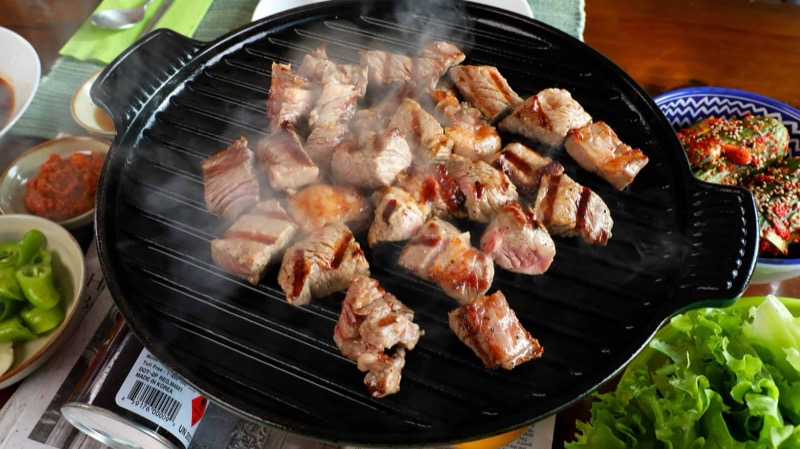
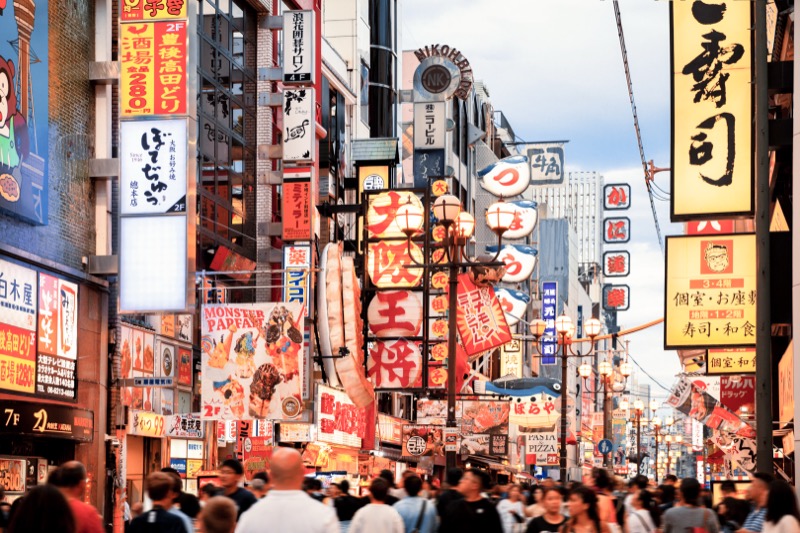
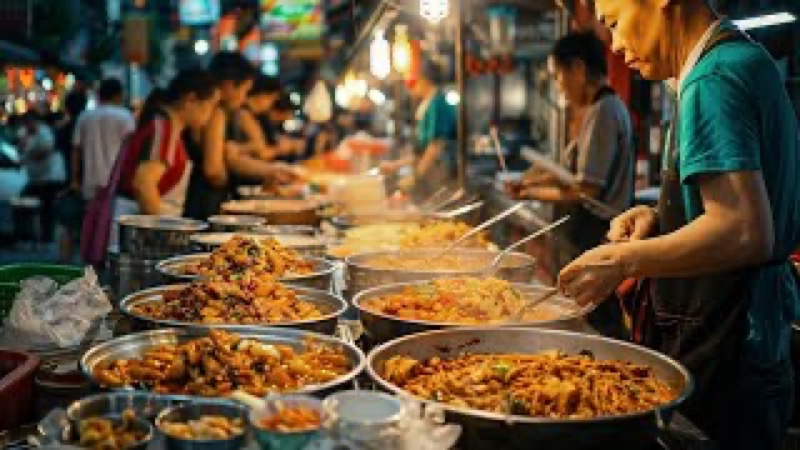
South Korea's street food culture is one of the most vibrant in Asia. From the steaming carts of Namdaemun to the neon-lit alleys of Hongdae, the country's bunsikjip (snack shops) and pojangmacha (tent bars) serve food that's cheap, intensely flavorful, and deeply woven into daily life.
We analyzed hundreds of Reddit posts from r/korea, r/koreatravel, r/KoreanFood, r/streetfood, and r/travel to find the street foods that actual residents and repeat visitors rave about most. Skip Myeongdong's Instagram bait — these are the bites worth your won.
📊 How we built this list
We analyzed 200+ Reddit posts and 1,500+ comments across r/korea, r/koreatravel, r/KoreanFood, r/streetfood, and r/travel — spanning 2019 to 2026. Street foods were ranked by how frequently they were recommended by independent users. We weighted long-term expat picks and Korean residents' opinions more heavily than first-time tourist impressions.
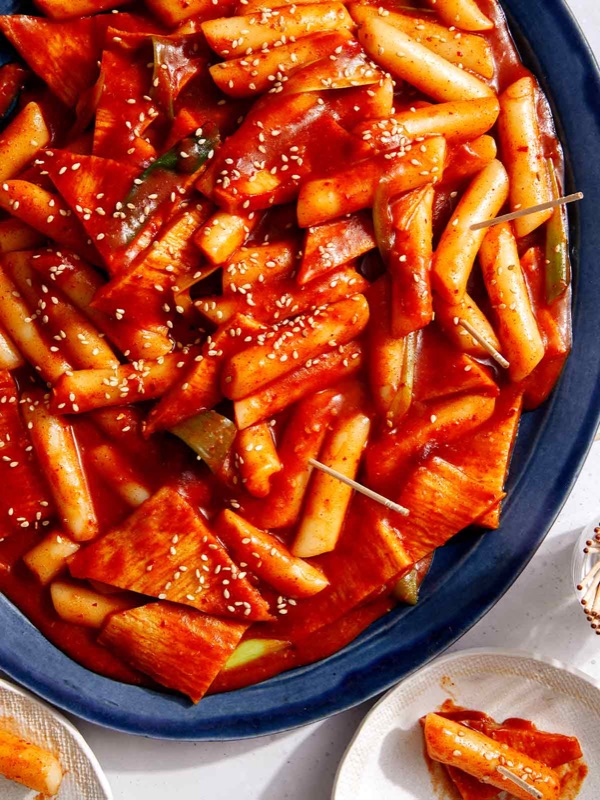
What to try: Classic tteokbokki — chewy rice cakes in a fiery gochujang sauce. Level up with cheese tteokbokki, or get the "rabokki" version with ramyeon noodles mixed in. Most stalls also serve it with fried items (twigim) and sundae on the side.
"Tteokbokki - most popular street food, spicy rice cakes usually served with fried assortments."
— r/KoreanFood · Korean Food List thread
"The chewy + spicy combo is just unbeatable. I think about Korean tteokbokki at least once a week since coming home."
— r/KoreanFood · May 2025
tabiji verdict: The undisputed king of Korean street food. Dirt cheap, endlessly customizable, and available on literally every other corner. The best versions come from tiny bunsikjip with grandmas who've been making the same recipe for 30 years. Don't skip this — it's the baseline Korean street food experience.
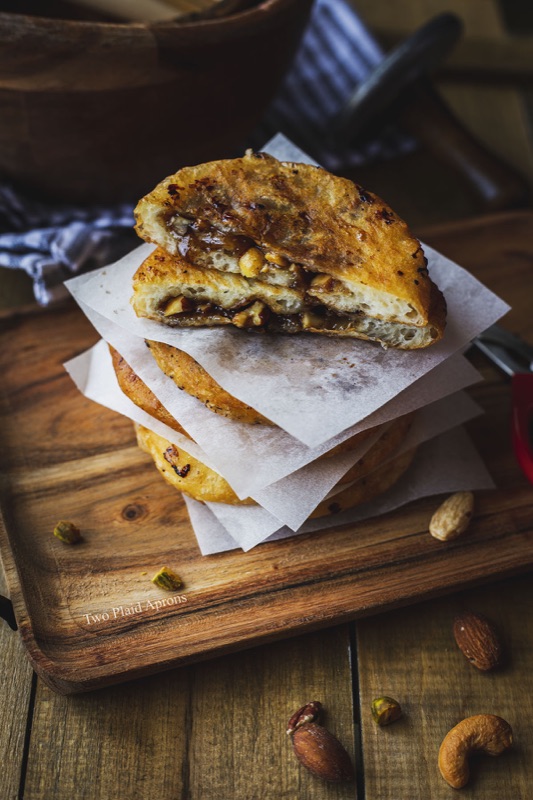
What to try: Classic sweet hotteok filled with brown sugar, cinnamon, and crushed seeds — the filling melts into molten lava. At Namdaemun, try the famous yachae (vegetable) hotteok with a savory glass noodle filling. In Busan, get씨앗 hotteok (seed hotteok) for the ultimate version.
"Any variation of 호떡, in 경상 area they let you open it up and add extra filling of mixed seeds and sugar. So goood."
— r/korea · reply
tabiji verdict: Winter's greatest gift to Korea. The sound of hotteok sizzling on a flat griddle is the soundtrack to cold-weather Korean markets. The Namdaemun yachae hotteok is legendary — crispy outside, savory noodle filling inside. If visiting in winter, this is non-negotiable.
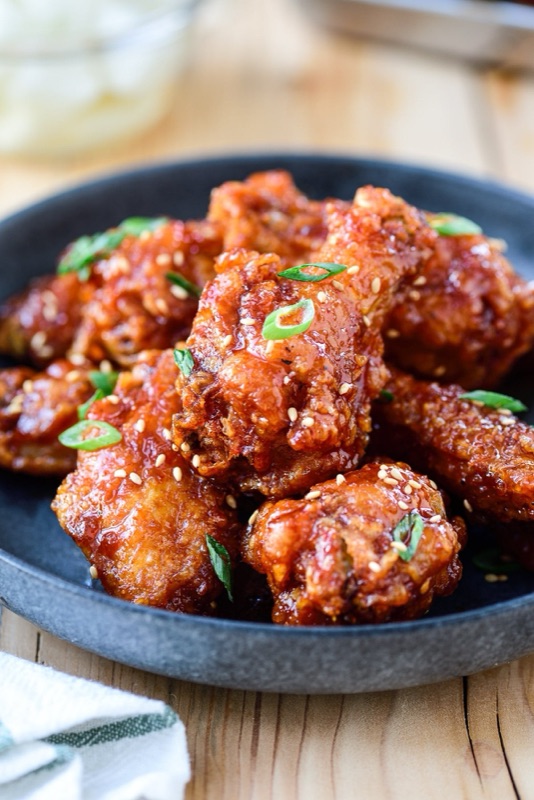
What to try: Yangnyeom chicken (sweet-spicy glazed) is the classic. Also try double-fried "huraideu" (plain crispy) with pickled radish. The ultimate Korean experience: order fried chicken + beer (chimaek) by the Han River at sunset.
"Korean Fried Chicken - also known as yangnyeom chicken, available in multiple flavors. The double-frying technique makes it incredibly crispy."
— r/KoreanFood · Korean Food List
"Eating ramyeon and Korean fried chicken by Han River is also a common practice."
— r/koreatravel · Street food recs thread
tabiji verdict: Not exactly "street food" in the traditional sense — more like Korea's national late-night delivery obsession. But chimaek (chicken + beer) by the Han River is a rite of passage. The double-frying makes it shatteringly crispy in a way that puts Western fried chicken to shame.
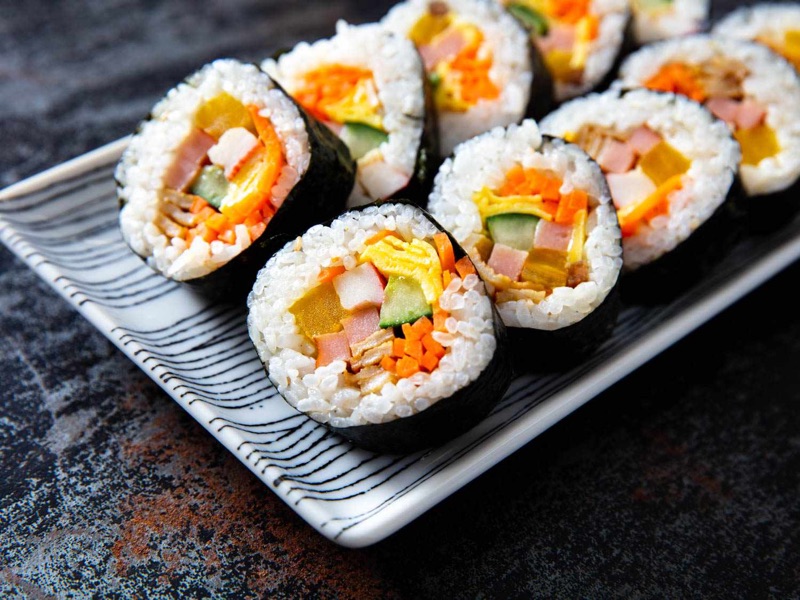
What to try: Classic gimbap with ham, pickled radish, egg, and vegetables. At Gwangjang Market, get the famous "mayak gimbap" (마약김밥, "addictive gimbap") — tiny sesame-oil-kissed rolls dipped in mustard-soy sauce. Chungmu gimbap is another street classic: plain rice rolls with spicy squid on the side.
"The 마약김밥 (mayak gimbap) at Gwangjang is addictive. They're tiny but you can't stop eating them — hence the name."
— r/koreatravel · From a Korean: tips thread
tabiji verdict: Korea's answer to the sandwich — portable, cheap, and endlessly varied. The convenience store versions (especially from GS25 and CU) are honestly great for ₩2,500. But the market-made rolls with warm rice and a touch of sesame oil are on another level.
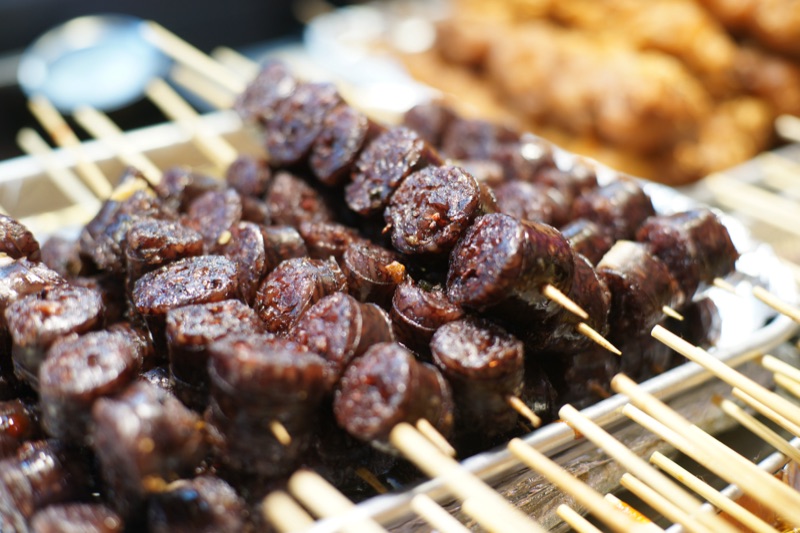
What to try: Classic steamed sundae — pork intestine stuffed with glass noodles, rice, and pork blood, served sliced with salt and a liver/lung side plate. Dip in the salt mixture. Sundae-bokkeum (stir-fried sundae with vegetables and spicy sauce) is the upgraded version.
tabiji verdict: The name trips up English speakers, but this is nothing like ice cream. It's earthy, mild, and weirdly addictive once you get past the concept. Often served alongside tteokbokki at the same stall. Gwangjang Market's sundae stalls have been doing it for decades — trust the process.
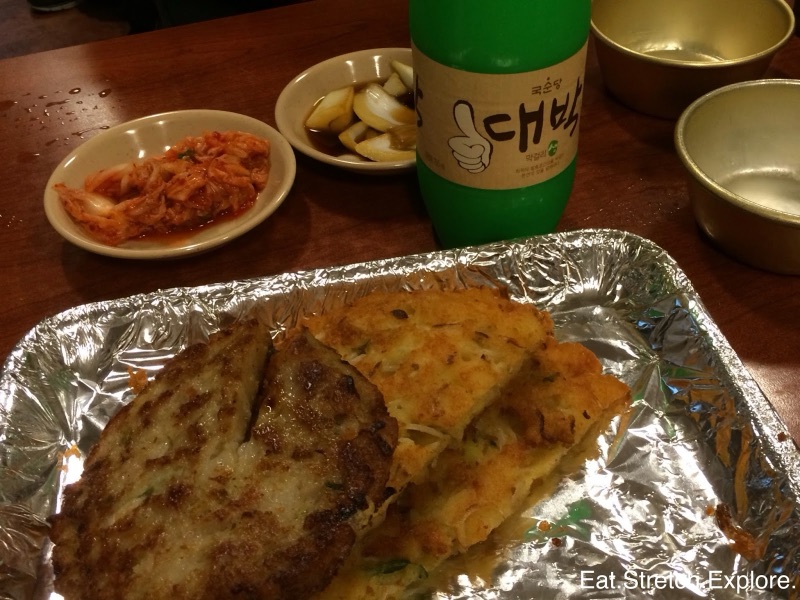
What to try: A thick, crispy pancake made from ground mung beans, kimchi, pork, and vegetables — pan-fried in oil until golden. Best eaten fresh off the griddle with soy dipping sauce. Pair it with makgeolli (rice wine) for the authentic Korean combo.
"Budaejjigae, Andong jjimdak, Jokbal, Temple Food, Haemul Pajeon with makgeolli, Bibim Mandu, Bindaetteok, banana milk!"
— r/KoreanFood · Must-eat foods in Seoul
tabiji verdict: Gwangjang Market is THE place for bindaetteok — the sizzling rows of grandmas flipping massive pancakes are iconic. Crispy, savory, and best with a bowl of makgeolli. It's not something you'll find on every corner, so seek it out at a market.
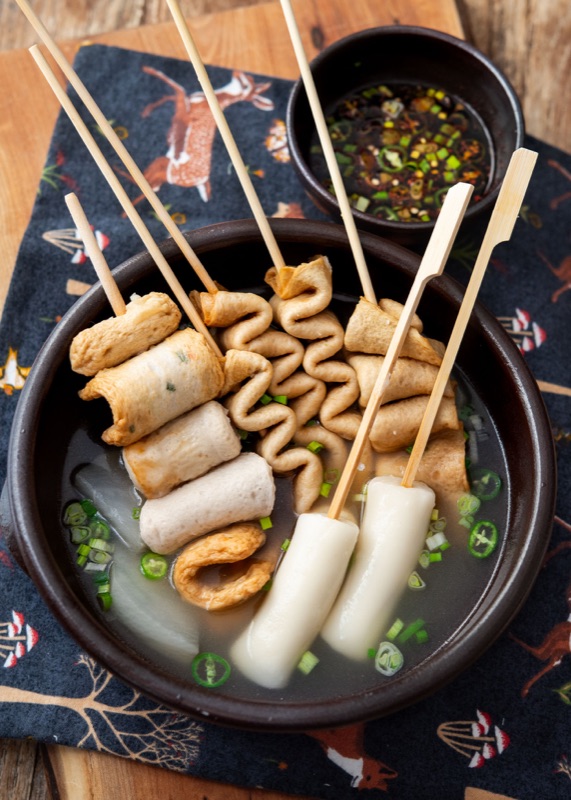
What to try: Fish cake sheets threaded onto skewers and simmered in a light anchovy-kelp broth. Grab a skewer, sip the free broth from a paper cup. The simplicity is the point. In Busan, visit the Eomuk Museum and try premium artisan versions.
"I Looooove Eomuk; which I called 'fish cake soup' while I was in Korea, to the amusement of my Korean colleagues."
— r/KoreanFood · 6 Most Famous Korean Street Foods
tabiji verdict: The humblest street food and maybe the most comforting. A warm cup of eomuk broth on a cold day is pure Korea. At ₩1,000 a skewer, it's the cheapest meal you'll find. The broth is usually free — just grab a cup from the pot. No frills, no pretense, just warmth.
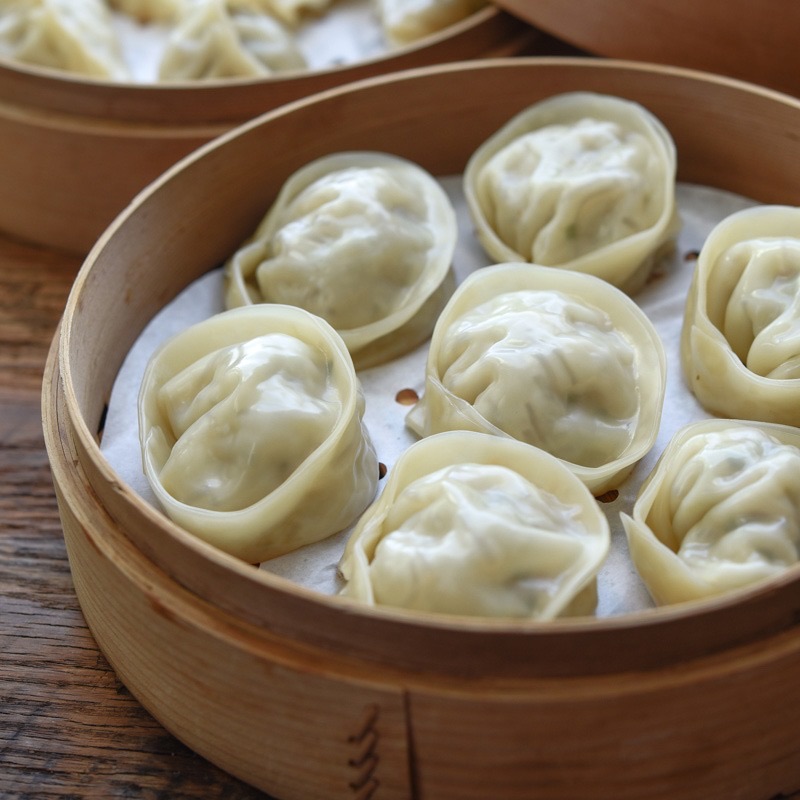
What to try: Steamed mandu (찐만두) with pork and vegetable filling. Kimchi mandu adds a tangy kick. Gun-mandu (군만두) are pan-fried to crispy perfection. Myeongdong's Gaeseong Mandu Koong is famous for oversized, juicy dumplings.
"Mandu - Korean dumplings filled with meat, veggies, kimchi etc. A staple street food."
— r/KoreanFood · Korean Food List
tabiji verdict: Korean dumplings are bigger and heartier than their Chinese or Japanese cousins. The market versions — hand-folded, steaming, and served in paper — are the real deal. Namdaemun's mandu stalls are legendary. Get the kimchi version if you want some kick.
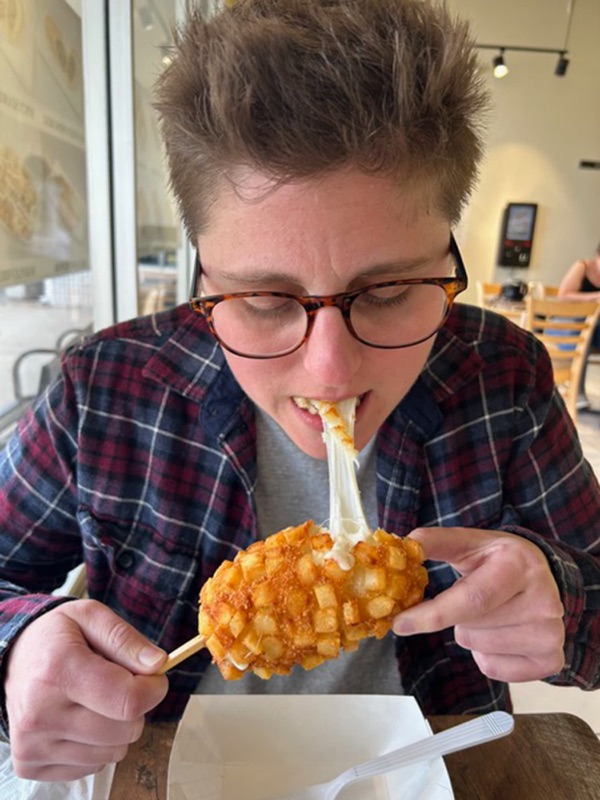
What to try: Mozzarella cheese corn dog — stretchy, gooey cheese in a sweet batter with a sugar coating. The half-sausage-half-cheese version gives you both worlds. Potato-coated versions add extra crunch. Dip in ketchup and mustard.
"Korean corndogs are my favorite. The cheese pull is insane and the slightly sweet batter is genius."
— r/korea · Favorite street food thread
tabiji verdict: Korea reinvented the corn dog and the world took notice. The mozzarella version with its absurd cheese pull is Instagram gold, but it also tastes incredible — sweet, salty, crispy, gooey. One of the few Myeongdong street foods that's actually worth the hype.
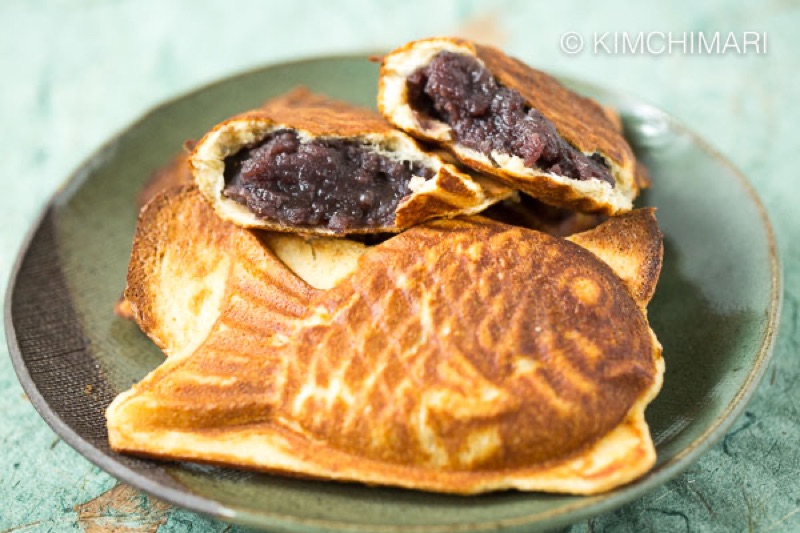
What to try: Classic red bean (팥) filling is the traditional choice — sweet, earthy, and warm. Custard cream (슈크림) is the modern favorite. Sold from small carts with fish-shaped iron molds, usually 3 for ₩1,000. Best eaten immediately while the outside is crispy.
tabiji verdict: Korea's most adorable street food. The fish shape is purely decorative — it's just a waffle-like pastry with sweet filling. But catching a hot bungeoppang from a winter cart, tearing it open, and seeing the steaming red bean filling is one of those small Korean moments that stays with you.
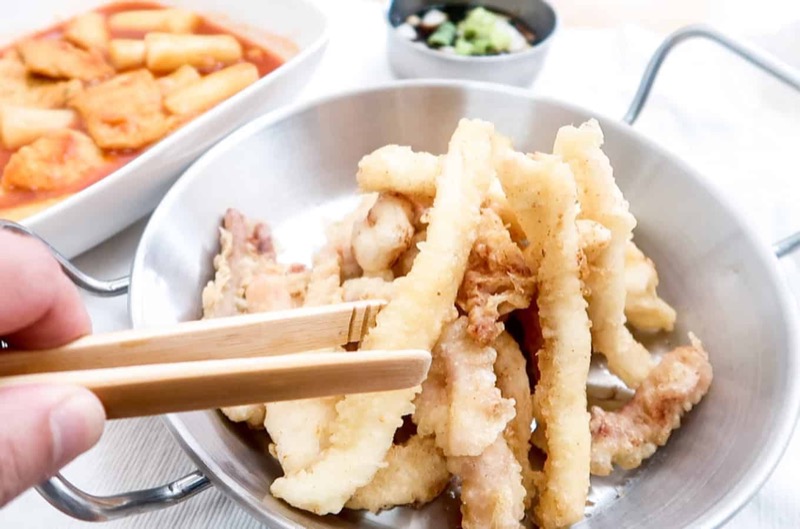
What to try: Assorted twigim from a market stall — usually includes sweet potato, squid, boiled egg, glass noodle roll (japchae roll), shrimp, and vegetables, all in a light crispy batter. Best dipped in tteokbokki sauce. Ask for a "모듬 튀김" (assorted) plate.
"Tteokbokki - most popular street food, spicy rice cakes usually served with fried assortments."
— r/KoreanFood · Korean Food List
tabiji verdict: The tteokbokki's best friend. You almost never see one without the other. The glass noodle roll (잡채말이) is the sleeper hit — crispy on the outside, chewy japchae inside. At ₩1,000–₩2,000 for an assorted plate, it's one of Korea's best-value snacks.
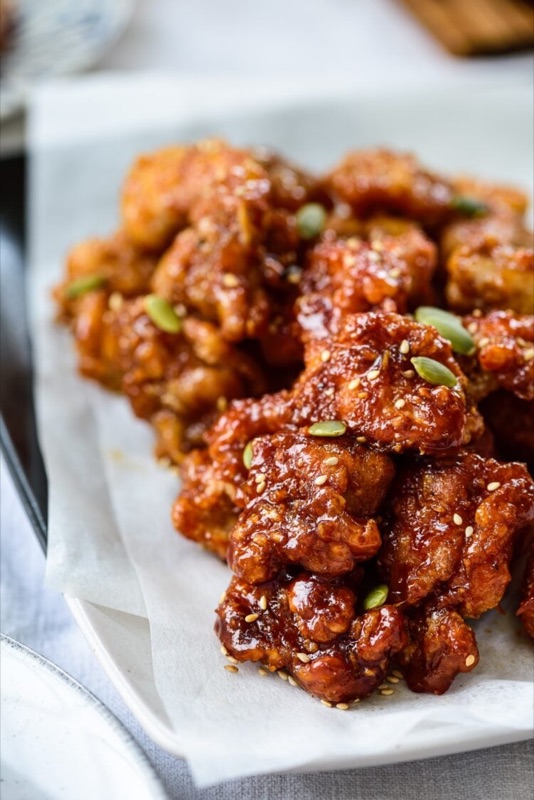
What to try: Bite-sized chicken pieces, double-fried and coated in a sticky sweet-spicy glaze. Sokcho's Jungang Market is the mecca — the stalls there have massive queues for good reason. Choose your spice level: mild sweet, medium, or fire.
tabiji verdict: Think Korean fried chicken's bite-sized, market-stall cousin. The Sokcho version is legendary — if you're doing the east coast (Gangneung, Sokcho), this is a mandatory stop. Crunchy, sweet, sticky, addictive. A paper cup of dakgangjeong is the ultimate walking snack.
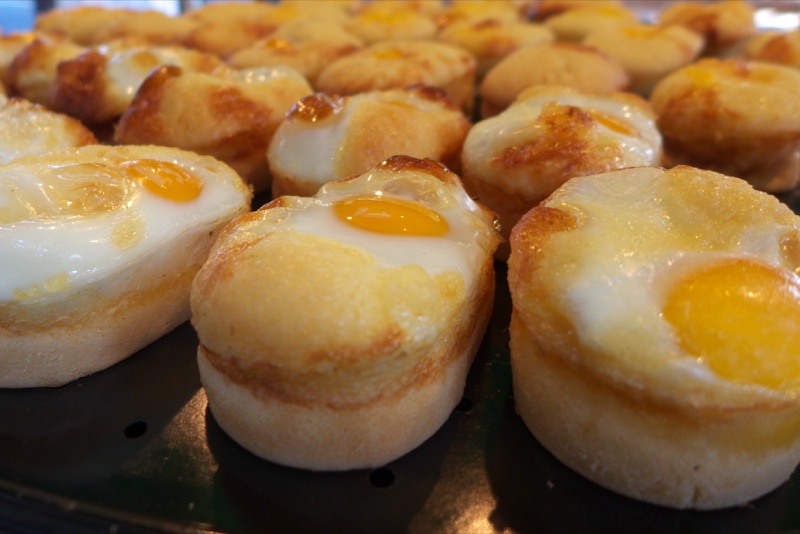
What to try: A soft, slightly sweet bread with a whole egg baked right on top — simple, warm, and satisfying. Some modern versions add ham, cheese, or corn. Best as a quick breakfast or afternoon snack. Look for the carts with the oval-shaped iron molds.
"Gyeranppang is the perfect quick snack — warm bread with a whole egg on top. Simple but somehow amazing when you're walking around on a cold day."
— r/koreatravel
tabiji verdict: Deceptively simple — bread + egg shouldn't be this good. But eating one fresh from a street cart, with the egg still slightly soft in the center, is deeply comforting. Korea's best cheap breakfast when you're rushing to your next destination.

What to try: Chewy rice cakes on a stick, grilled and coated in gochujang sauce. It's basically tteokbokki's portable, grilled sibling. Some carts offer cheese, soy garlic, or honey mustard coatings. Quick, cheap, and satisfying.
"Tteok-kkochi is like tteokbokki but on a stick and grilled. Cheap and perfect for walking around markets."
— r/koreatravel
tabiji verdict: The ultimate grab-and-go Korean snack. At ₩1,000, it's essentially free entertainment while you're exploring a market. The chewy texture and spicy-sweet sauce are quintessentially Korean. Not a meal — just a perfect little bite between bigger eats.
Frequently Asked Questions
What is the most popular street food in South Korea?
Tteokbokki (spicy rice cakes) is the undisputed king of Korean street food. It's available everywhere — markets, bunsikjip, street carts — and beloved by locals and visitors alike. Korean fried chicken and gimbap are close runners-up.
Where is the best place to eat street food in Seoul?
Reddit overwhelmingly recommends Mangwon Market for authentic, local-priced street food. Namdaemun Market is also excellent. Gwangjang Market is iconic (especially for bindaetteok, sundae, and mayak gimbap) but can be crowded and pricey. Avoid Myeongdong for authentic Korean street food — it's mostly tourist-oriented novelty items.
How much does street food cost in South Korea?
Most street food items cost ₩1,000–₩5,000 ($0.75–$3.75 USD). Budget snacks like eomuk and bungeoppang start at ₩1,000. Heartier items like tteokbokki and sundae are ₩3,000–₩5,000. A full market food crawl sampling 5-6 items might cost ₩15,000–₩20,000 ($11–$15).
Is Myeongdong good for street food?
Reddit's consensus is a firm no for authentic Korean street food. As one commenter put it: "Go to Myeongdong if you want candied strawberries, Nutella pancakes, and spiral potato on a stick. Go to Gwangjang for sundae and bindaetteok." Myeongdong's street food is overpriced and designed for tourists.
What Korean street food should I try in winter?
Winter (November–March) is peak street food season. Must-tries include hotteok (sweet filled pancakes), bungeoppang (fish-shaped pastry), eomuk (fish cake skewers in hot broth), and gyeranppang (egg bread). These warming treats appear at street carts across the country and are best eaten piping hot.