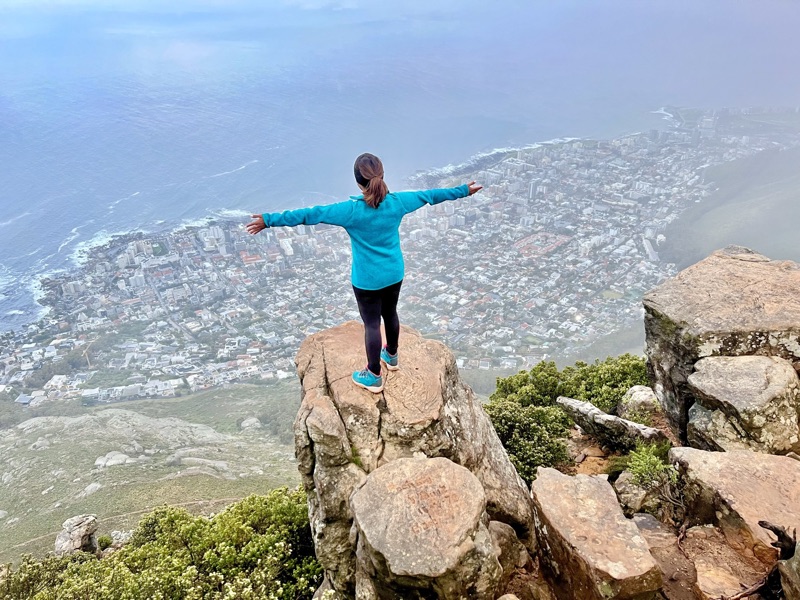
Stellenbosch is Africa's wine capital — a 45-minute drive from Cape Town and home to some of the continent's most celebrated estates. The mountains, Mediterranean climate, and centuries of winemaking tradition combine to produce world-class Pinotage, Cabernet Sauvignon, and elegant Cape Blends.
We analyzed 50+ Reddit posts and 400+ comments across r/capetown, r/wine, r/solotravel, and r/travel to find the estates that wine-lovers and first-time visitors actually recommend when someone asks — not tourist brochure picks.
📊 How we built this list
We analyzed 50+ Reddit posts and 400+ comments across r/capetown, r/wine, r/solotravel, r/travel, r/FATTravel, and r/chubbytravel — spanning 2020 to 2026. Estates were ranked by frequency of independent mentions. We weighted recommendations from wine enthusiasts and repeat visitors more heavily than one-time tourist posts. Both scenery/experience and wine quality were considered — the best estates score well on both.
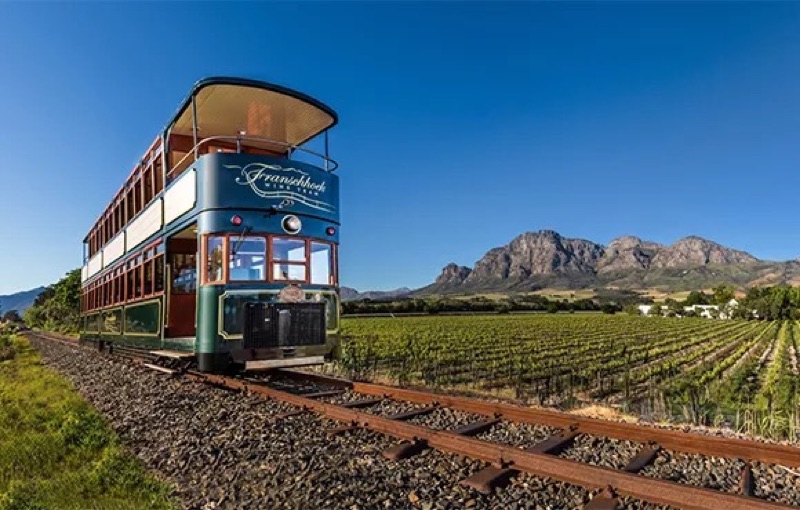
What to taste: The Mourvèdre, their Chenin Blanc, and the Babel Blend. Book a garden walk — the 8-acre heritage garden is as much a draw as the wine. Book Babel restaurant for lunch; the seasonal farm-to-table menu using produce from the garden is exceptional.
tabiji verdict: The single most-recommended destination in the Cape Winelands on Reddit — not just for wine, but as a full-day experience. The 8-acre Cape Dutch farm garden is genuinely magical, the architecture is stunning, and the wines are excellent. It's technically nearer to Franschhoek, but sits in the same winelands corridor. Budget at least 3 hours. Book Babel restaurant weeks in advance — it fills fast.
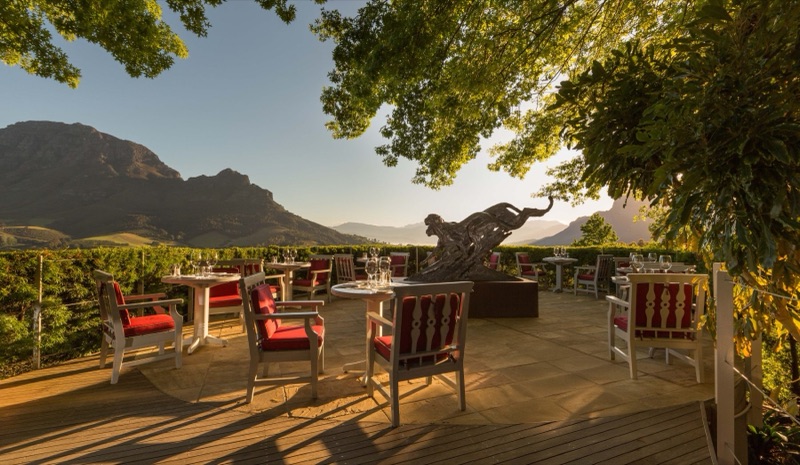
What to taste: The Delaire Graff Laurence Graff Reserve is their flagship red — bold, structured, age-worthy. For an accessible intro, try their Botmaskop blend. Lunch on the terrace is mandatory — the mountain and valley views over rows of vines are arguably the most dramatic in Stellenbosch.
tabiji verdict: The luxury benchmark. Diamond billionaire Laurence Graff transformed this estate into something genuinely world-class — the views from Helshoogte Pass over the valley floor are jaw-dropping. The restaurant is excellent and the wines are serious. Expensive by local standards, but at current exchange rates, still a fraction of comparable European experiences. A Reddit consensus favourite for "once-in-a-trip" splurge.
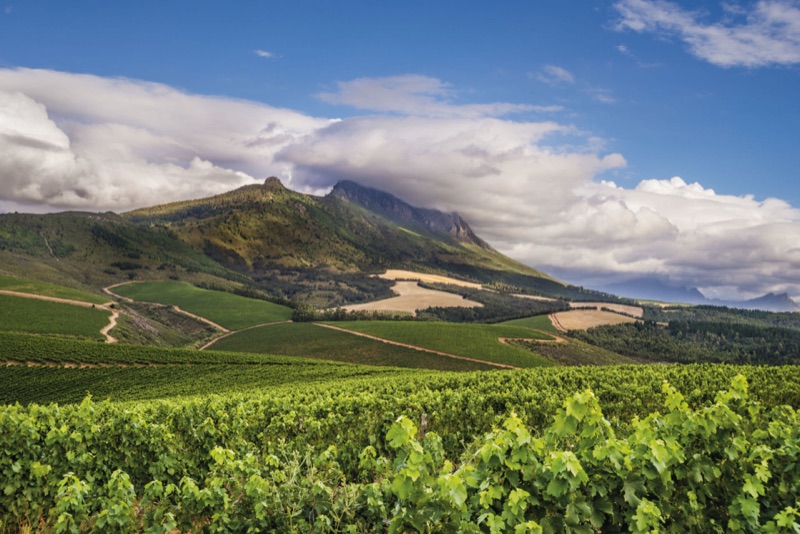
What to taste: The Paul Sauer — South Africa's most acclaimed Bordeaux-style blend, made since 1981. The Pinotage is legendary; Kanonkop has won the International Wine & Spirit Competition Pinotage Trophy multiple times. If budget allows, the Kadette (entry-level) is brilliant value.
tabiji verdict: If you're a serious wine drinker, Kanonkop is non-negotiable. The Paul Sauer is South Africa's most celebrated red wine, and the Pinotage is the benchmark for the country's signature grape. The tasting room is unfussy compared to the luxury estates — this is about the wine, not Instagram — which is exactly why wine people love it. Simonsberg views aren't bad either.
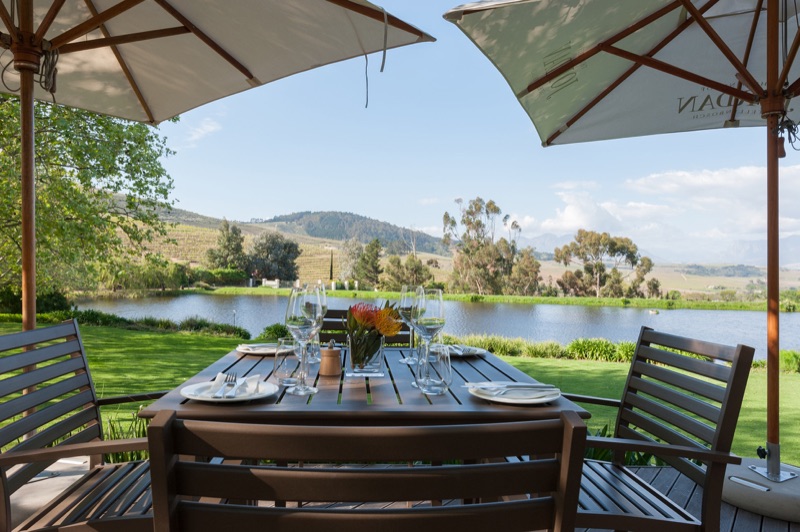
What to taste: The Cobblers Hill (their flagship Bordeaux blend), the Nine Yards Chardonnay, and the Sophia (their late harvest dessert wine). Jordan restaurant does an outstanding tasting menu pairing — book ahead. The Bakery at Jordan serves excellent breakfast and pastries.
tabiji verdict: The winelands estate that does everything right. Excellent wines across all price points, a world-class restaurant, a brilliant bakery, and stunning views of Table Mountain on a clear day. Whether you want a casual morning tasting or a full-day food-and-wine experience, Jordan delivers. The Nine Yards Chardonnay is one of South Africa's finest whites.
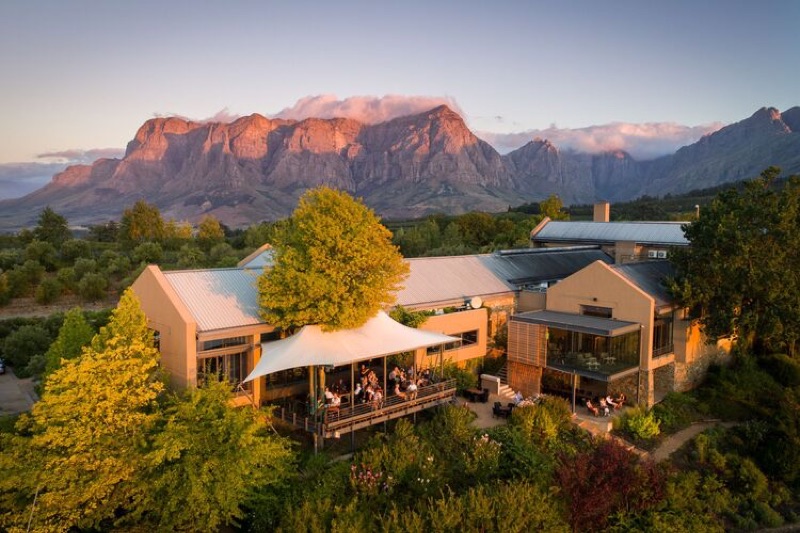
What to taste: The Director's Reserve Red — their flagship. Also try the Tokara Zondernaam Sauvignon Blanc for an accessible, fresh entry. Don't miss the olive oil tasting — Tokara produces exceptional extra-virgin olive oil alongside their wines.
tabiji verdict: Tokara sits on Helshoogte Pass at the same elevation as Delaire Graff — the valley views are extraordinary. The art collection inside (curated African works) is a genuine bonus. Great for combining with Delaire Graff across the road into a morning's tasting. The olive tasting is underrated and unique. Prices are more accessible than Delaire without sacrificing quality.
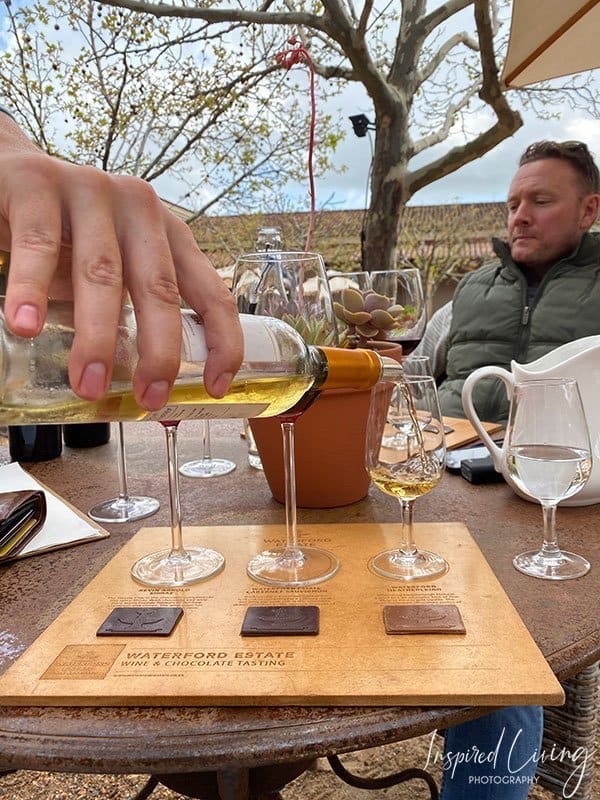
What to taste: Book the Chocolate and Wine Experience — artisan chocolates paired with Waterford wines. The Kevin Arnold Shiraz is their celebrated flagship. The Estate range offers excellent value. The property setting in the Blaauwklippen Valley is intimate and beautiful.
tabiji verdict: The fun one. Waterford's chocolate and wine pairing experience is uniquely interactive — you get 8 artisan chocolates matched to 8 wines, and the pairing combinations are genuinely surprising. Great for couples, mixed groups (wine lovers and non-wine-people alike), and anyone wanting something different from a standard tasting. Book ahead; the chocolate experience slots fill fast. The Kevin Arnold Shiraz alone is worth the visit.
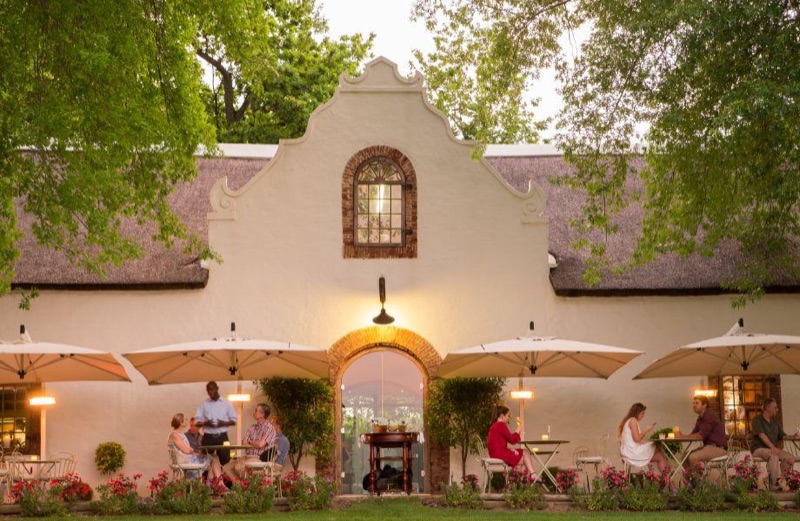
What to taste: The Estate — their flagship single-vineyard red blend, served at President Nelson Mandela's Nobel Peace Prize dinner. Also try the 1694 Classification (their premium tier). The restaurant is one of South Africa's finest — a tasting menu paired with library vintages.
tabiji verdict: The red wine pinnacle. Rust en Vrede is a red-wine-only estate — no whites, no rosé — which tells you everything about their philosophy. The Estate wine (their flagship) was served at Mandela's Nobel dinner and has been rated among the world's finest by international critics. The restaurant consistently ranks among South Africa's top 10. The price point is higher, but for serious wine lovers, it's unmissable.
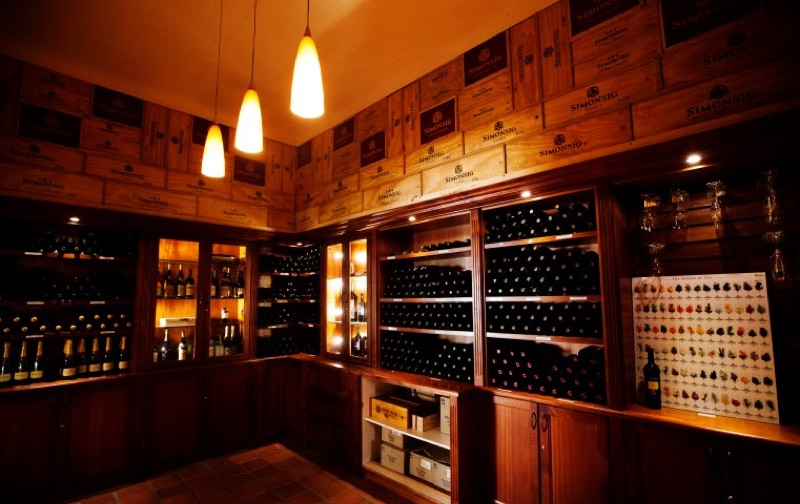
What to taste: The Kaapse Vonkel MCC (Méthode Cap Classique sparkling) — they were the first estate to produce MCC in South Africa in 1971. Also their Merindol Syrah and the Frans Malan Cape Blend. Simonsig also offers a wine-making experience for those who want to get hands-on.
"Simonsig is a classic — family owned, historically important for SA wine, and walk-ins welcome. Great place to start if you're new to the Cape Winelands."
— r/wine · Best vineyards in Stellenbosch, 2017
tabiji verdict: The one to visit if you want to understand Cape Winelands history. Simonsig is the pioneer that introduced MCC sparkling wines to South Africa in 1971 — a genuine piece of wine history. It's accessible, walk-in friendly, and priced fairly. The Kaapse Vonkel MCC is outstanding for the price. A solid first stop for winelands newbies, and beloved by wine geeks for its historical significance.
💰 R150–R300 tasting
📍 Faure, near Somerset West (Stellenbosch)
📌 Google Maps →
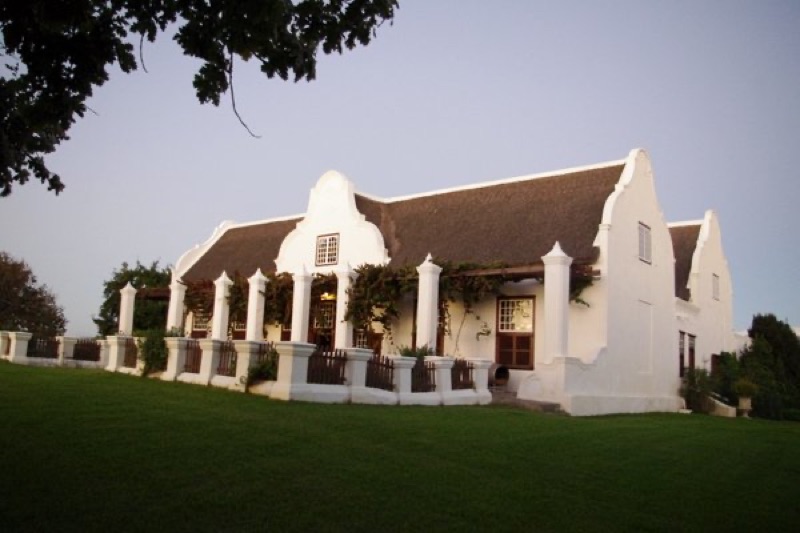
What to taste: The Rubicon — Meerlust's signature Bordeaux-style blend, first produced in 1980 and one of South Africa's most age-worthy wines. Also their Pinot Noir, which is unusually good for the Cape. The estate has been in the Myburgh family for eight generations.
tabiji verdict: The old-money South African estate. Eight generations of the Myburgh family, a Cape Dutch manor dating to 1693, and the Rubicon — one of the Cape's most celebrated wines. It's further from Stellenbosch town than most estates (closer to Somerset West), which means fewer crowds. The Pinot Noir is a hidden gem. For Bordeaux-blend lovers, the Rubicon is a pilgrimage.
💰 R150–R350 tasting
📍 Groot Drakenstein, between Stellenbosch and Franschhoek
📌 Google Maps →
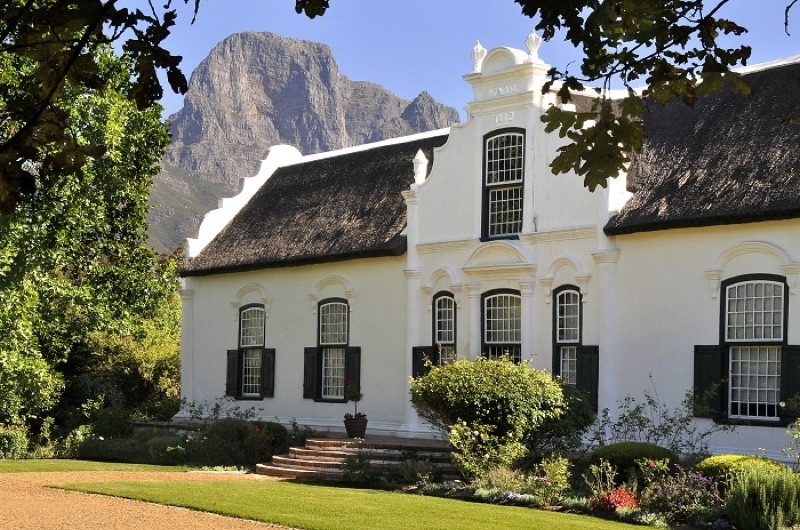
What to taste: The Jean le Long range (their premium tier) and the Grand Cuvée Blanc de Blancs MCC. Boschendal is particularly famous for their Le Pique Nique (seasonal picnic hamper service on the lawns) — a beloved Cape tradition. Book the Werf restaurant for farm-to-table lunch.
"Boschendal is beautiful — one of the most picturesque estates in the Cape. The picnic on the lawns under the oaks is a Cape Winelands institution."
— r/capetown · Wineries itinerary Cape Town thread, 2025
tabiji verdict: The grande dame of the Cape Winelands. Boschendal's white-gabled Cape Dutch manor (built 1812) and oak-lined approach are postcard-perfect. The Le Pique Nique lawn picnic is a Cape institution — one of those experiences you'll remember for years. Sits between Stellenbosch and Franschhoek, making it an ideal midway stop. More accessible and family-friendly than boutique estates.
💰 R120–R300 tasting
📍 Elsenburg Road, Simonsberg, Stellenbosch
📌 Google Maps →
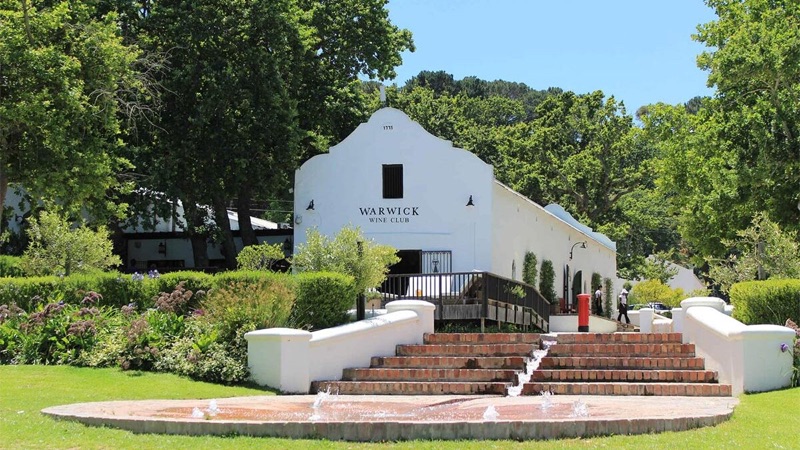
What to taste: Trilogy — their flagship Bordeaux blend. The First Lady Cabernet Franc (named for founder Norma Ratcliffe). Also their Pinotage and the Three Cape Ladies Cape Blend, which showcases the best of SA's signature blending styles. Warwick's Bike & Wine tour lets you cycle between nearby estates.
tabiji verdict: A winelands gem that punches above its fame level. Founded by Norma Ratcliffe (a pioneering woman in South African wine), Warwick makes consistently excellent reds at fair prices. The Trilogy is their most decorated wine; the First Lady Cabernet Franc is a hidden star. The Bike & Wine experience adds an active dimension. Simonsberg backdrop provides some of the valley's best mountain views.
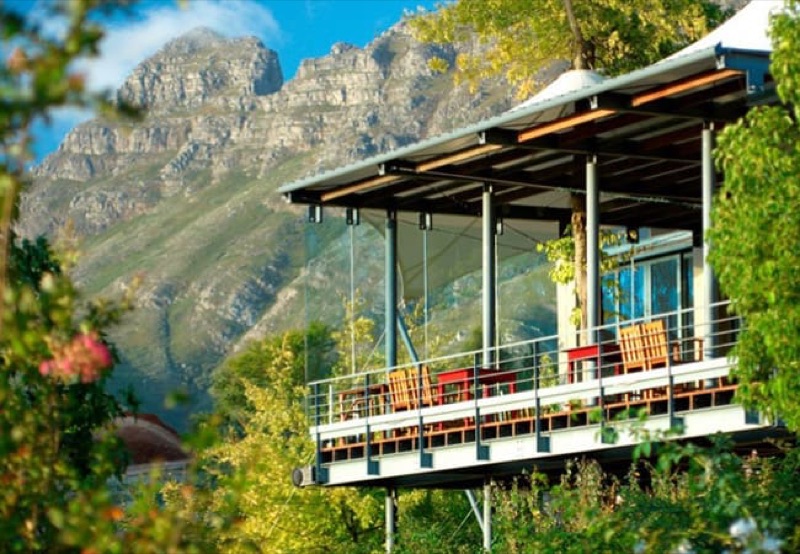
What to taste: The Thelema Cabernet Sauvignon — a benchmark Cape Cab with remarkable consistency and age-worthiness. Also their Sutherland Pinot Noir (from their cool-climate Elgin vineyard) and the Rabelais (Rhône-style red blend). High-altitude growing conditions produce wines with natural freshness and structure.
tabiji verdict: The Helshoogte Pass estate with a wine geek following. High-altitude vineyards (the coolest in Stellenbosch) produce wines with a freshness you don't often find in the valley. The Cabernet is a Cape classic; the Sutherland Pinot Noir from their Elgin property is a revelation. Less fancy than Delaire Graff across the pass, but the quality-to-price ratio is outstanding. Book a tasting before heading to Delaire or Tokara and make a Helshoogte morning of it.
Frequently Asked Questions
Do Stellenbosch wineries accept walk-ins?
Most larger estates (Babylonstoren, Simonsig, Tokara, Boschendal) welcome walk-ins during business hours, typically 9am–5pm. However, top-tier estates like Delaire Graff, Rust en Vrede, and Meerlust strongly recommend booking ahead — especially on weekends. The golden rule: book anything you really care about, as weekend slots fill fast in season (October–March).
What wines is Stellenbosch known for?
Stellenbosch is South Africa's premier red wine region. Pinotage (SA's signature grape, a cross between Pinot Noir and Cinsault) is the flagship — Kanonkop makes the country's benchmark versions. Cabernet Sauvignon, Merlot, and Bordeaux-style blends are also exceptional. For whites, look for Chenin Blanc and Sauvignon Blanc. The Helshoogte mountains create ideal temperature variation for concentrated, age-worthy reds.
How do I get around the wine estates?
Hire a dedicated wine tour driver (many operate from Cape Town or Stellenbosch), use a guided tour including transport, or book a private taxi. The Stellenbosch Wine Tractor (a hop-on-hop-off route) covers several estates near town. Uber availability between farms is unreliable. Driving yourself and spitting is technically possible, but the temptations are real — a driver is the safe, smart choice.
What is the best time to visit Stellenbosch wineries?
Harvest (February–April) is the most spectacular — lush vines, grape picking, and the air smells of fermenting juice. This is also peak tourist season, so book ahead. Winter (June–August) offers fewer crowds and moody, atmospheric scenery. Spring (September–November) brings wildflowers and bud burst. Summer (December–January) is hot and festive but busy.
How much do wine tastings cost in Stellenbosch?
Tasting fees range from R80–R500+ per person. Standard tastings at estates like Simonsig run R80–R150. Premium tastings with food pairings at Delaire Graff or Rust en Vrede can reach R350–R500. Many estates waive the tasting fee if you purchase a bottle. At current exchange rates (approximately R18–R20 per USD), even premium tastings represent extraordinary value for international visitors.