Zanzibar earned the nickname "Spice Island" centuries ago when Omani sultans planted cloves, cinnamon, vanilla, and nutmeg across its fertile interior. Today, touring a spice farm is one of the most universally recommended things to do on the island — a rare activity that Reddit's notoriously critical travel community genuinely loves.
But not all spice tours are created equal. Some farms are little more than tourist traps with pushy souvenir sales. Others are genuinely educational, letting you walk through lush plantations, smell and taste 50+ spices fresh from the plant, and learn the history that shaped Zanzibar's culture. We dug through the Reddit threads to find which farms are actually worth your time.
📊 How we built this list
We analyzed 80+ Reddit posts and 400+ comments across r/zanzibar, r/tanzania, r/travel, and r/solotravel — spanning 2019 to 2026. Farms and tours were ranked by how frequently they were recommended by independent travelers. We cross-referenced with TripAdvisor ratings and travel blogs to verify farm names and locations. Every entry on this list was mentioned positively in at least 3 separate threads.
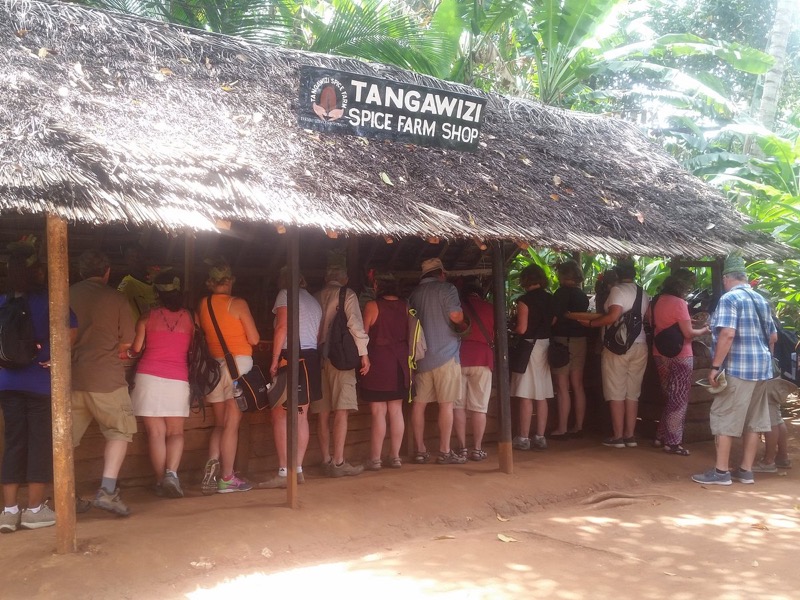
What to experience: A 1.5–2 hour guided walk through the plantation. You'll see and taste cloves, cinnamon, vanilla, cardamom, lemongrass, turmeric, and dozens of tropical fruits. The guides make wearable accessories from palm leaves and hibiscus flowers — it's cheesy but fun.
"At Tangawizi spice farm we saw spice plants for 1.5 hours. We tasted tropical fruits as well. We enjoyed a lot! I recommend it."
— TripAdvisor review · verified visitor
"Spice Farms that I heard from other travellers we met that are equally as good: Hakuna Matata Farm, Tangawizi Spice Farm, Kidichi Spice Farm."
— travel blog · lefamishedcat.co.za
tabiji verdict: The most consistently recommended farm name across reviews. Close to Stone Town, well-organized, and the guides are enthusiastic without being pushy. A solid default choice if you want the classic spice tour experience.
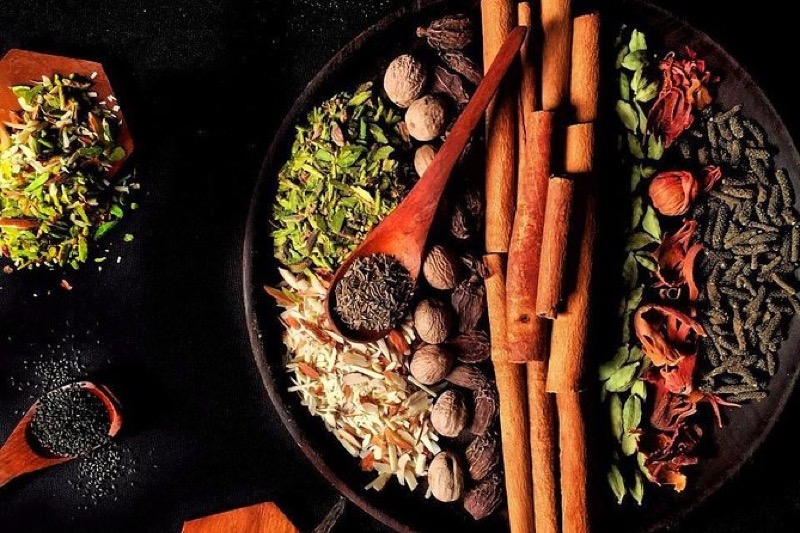
What to experience: One of Zanzibar's oldest plantations, dating back to the Omani sultanate era. The farm grows cloves, nutmeg, cinnamon, and black pepper on land that's been cultivated for over 150 years. Guides share the deep history of Zanzibar's spice trade and its connection to the slave trade.
"The Zanzibar Spice Tour proceeds to the Kizimbani Village in the Central District, where the first spices were planted by the first Arab sultan."
— Tanzania Tourism · official guide
tabiji verdict: If history matters to you, Kizimbani is the farm to visit. It's where Zanzibar's spice story literally began. The plantations feel more authentic and less "tourist showcase" than some competitors. The deeper historical context gives this tour an edge.
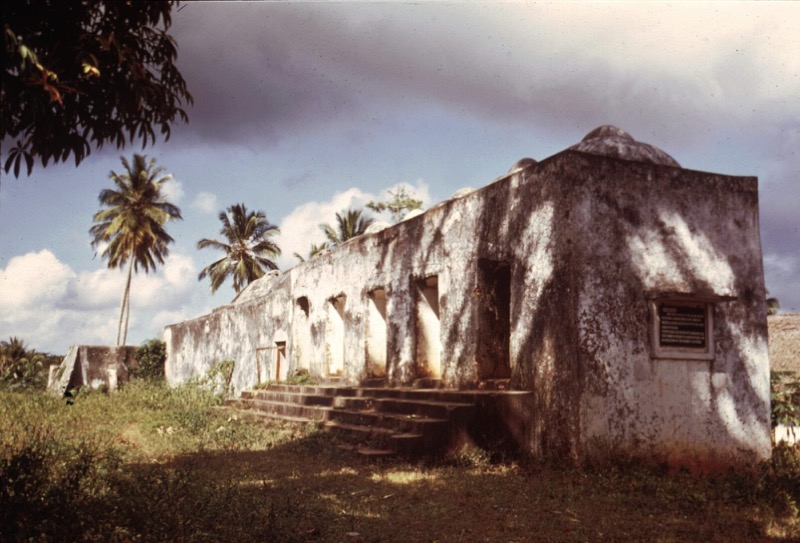
What to experience: A spice tour combined with a visit to the 19th-century Kidichi Persian Baths, built by Sultan Seyyid Said. The baths feature beautiful stucco work and are a fascinating architectural remnant. The spice farm itself is solid — the combo makes this a great half-day outing.
"The Spice Tour begins at Kidichi Village to visit the Persian Baths built by the first sultan of Zanzibar."
— Tanzania Tourism · official guide
"Very interesting, just don't buy anything — the souvenir prices at the end are inflated. But the tour itself is great."
— TripAdvisor · verified visitor
tabiji verdict: The two-for-one combo of spices + Persian baths makes this the best value outing. The baths alone are worth a detour. Just know that the souvenir shop at the end will be pushy — politely decline and you'll be fine.
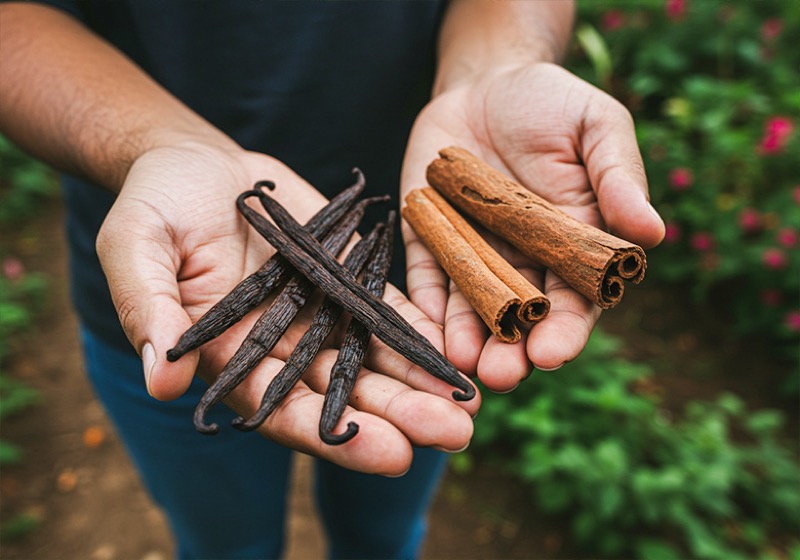
What to experience: A certified organic farm that takes sustainability seriously. Guided tours cover the full lifecycle of spice production — from planting to drying. Many tours include a cooking demonstration and traditional lunch. The organic certification means no pesticides and healthier plants.
"I visited an organic spice farm and was surprised by how fun and educational it was! They let you touch, smell, and even taste the spices."
— r/tanzania · posted 2025
"We took a tour to the spice farm with a local guide Ibrahim. Amazing experience in Zanzibar. Lots of fun and amazing smells. A real experience not to be missed."
— TripAdvisor · verified review
tabiji verdict: If you care about sustainable tourism, this is your farm. The organic certification is real, not just marketing. Slightly pricier but you're supporting actual sustainable farming. The cooking class add-on is worth it.
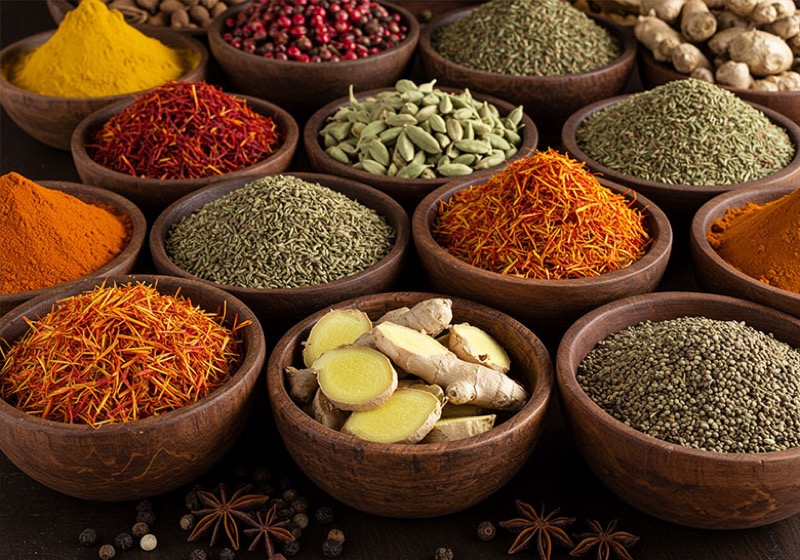
What to experience: A more laid-back, family-run farm with personalized attention. The guides are known for being particularly engaging and funny. Expect the standard spice walk plus coconut climbing demonstrations and palm-leaf crown making. Less crowded than the bigger-name farms.
"Hakuna Matata Farm, Tangawizi Spice Farm, Kidichi Spice Farm — all equally as good. We visited Hakuna Matata and loved the personal touch."
— travel blog · lefamishedcat.co.za
tabiji verdict: The name is cheesy (yes, it means "no worries") but the experience is genuine. Smaller groups, more personal interaction with the guides, and less of a conveyor-belt feel than some of the bigger operations. Good for families with kids.
💰 $45–$60/person
📍 Stone Town departure, Darajani Market + spice farm
📌 Google Maps →
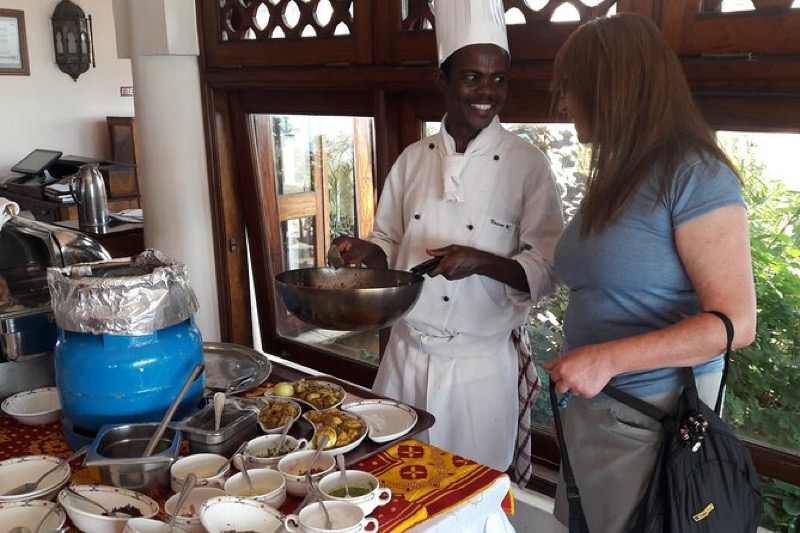
What to experience: A 5-hour combo that starts at Darajani Market in Stone Town, continues to a spice farm, and finishes with a hands-on Swahili cooking class. You'll learn to make pilau rice, chapati, coconut curries, and banana desserts using the spices you just saw growing. Lunch is what you cooked.
"After buying goods at the market, visit of a spice farm. Azusa Spice Farm. Then cooking a 4 plates meal. Marvelous with a lot of tips to prepare rice pilau. The lady who gave the course was exceptional."
— Viator · verified review
tabiji verdict: The best premium option if you want more than just looking at plants. The market-to-farm-to-kitchen journey gives real context to Zanzibar's food culture. You'll walk away knowing how to make pilau rice — and that alone is worth the price.
💰 $15–$20/person
📍 Masingini Forest, 20 min from Stone Town
📌 Google Maps →
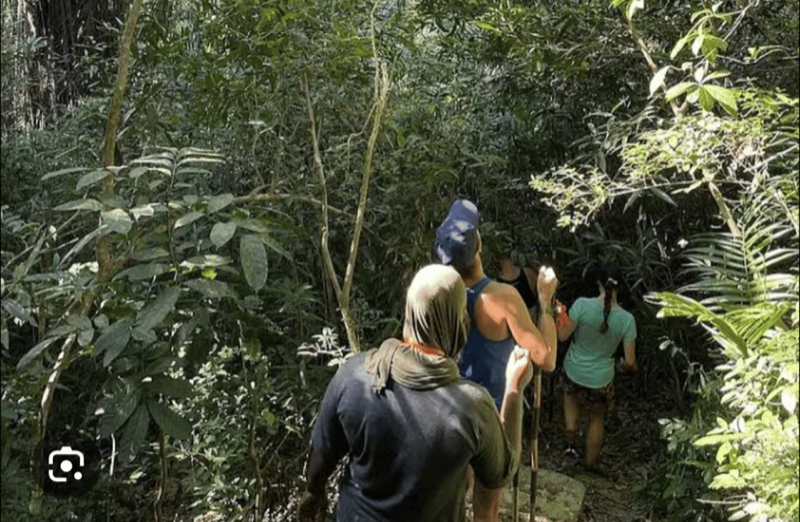
What to experience: The Masingini Forest area is where most of Zanzibar's commercial spice farms cluster. You'll typically be taken to one of several farms in the area by tour agencies. The forest setting adds a natural beauty element — tall trees, shade, and birdsong alongside the spice plants.
"It's a simple, no stress, 3 hour tour that will take you to the spice plantations in the Masingini Forest. The tour entails a guide taking you around the spice farm."
— johnnyafrica.com · Zanzibar spice tour guide
"I've been on two spice tours already and can say that they are all the same but all equally as interesting."
— johnnyafrica.com · repeat visitor
tabiji verdict: The honest truth: most basic spice tours from Stone Town end up at one of the Masingini farms. The farms are all similar — same spices, same structure, same coconut-climbing demonstration. But the forest location is genuinely beautiful and the experience is still worthwhile.
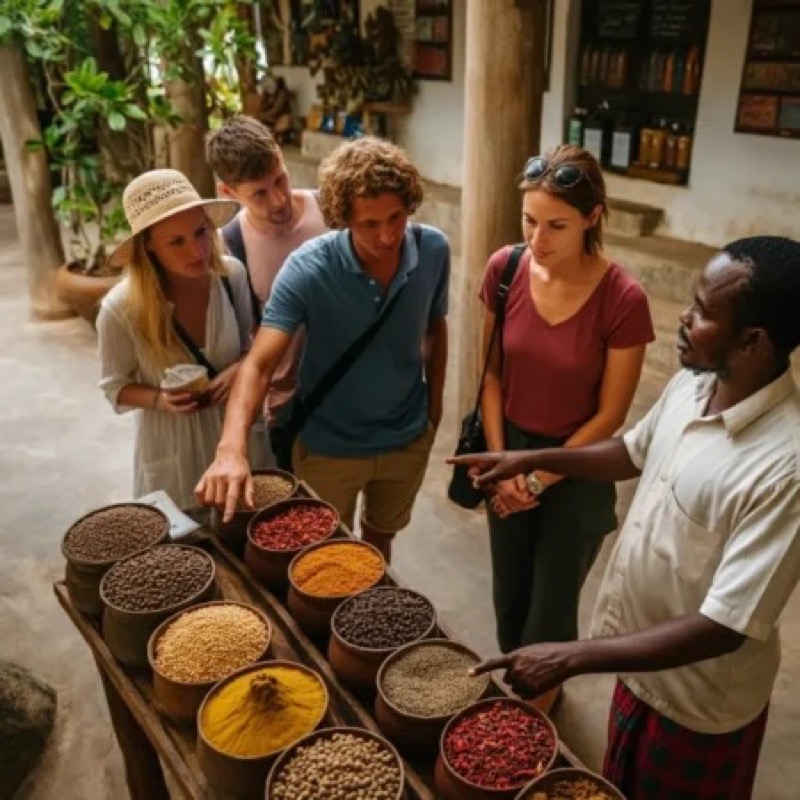
What to experience: A smaller, family-operated farm that's popular with budget travelers. Personalized tours with fewer crowds. The same core spice collection as the bigger farms but with more one-on-one time with the guide. Great for independent travelers who arranged their own transport.
"Zanzibar Bahama spice farm, are you in Zanzibar now?"
— r/zanzibar · posted 2023
tabiji verdict: If you're on a tight budget and arranged your own transport (dala-dala or taxi), visiting a smaller farm like Bahama directly can save you $10-15 over booking through a tour agency. The experience is essentially the same — just fewer people and a more intimate feel.

What to experience: A quieter alternative far from the Stone Town tourist circuit. This garden focuses on medicinal herbs alongside culinary spices — you'll learn about traditional Zanzibari herbal medicine, natural remedies, and how locals have used plants for healing for centuries. A more contemplative, less touristy experience.
"One of the most underrated experiences in Zanzibar is exploring the local villages and engaging in cultural tours like the Zanzibar spice farm visits — the ones away from the main tourist areas are the best."
— r/zanzibar · posted 2025
tabiji verdict: The off-the-beaten-path pick. If you're staying on the east coast near Paje or Jambiani, Mtende is much closer than the Stone Town farms. The medicinal herb angle gives it a unique dimension — you won't just see cinnamon and cloves, you'll learn about centuries-old healing traditions.
FAQ
Is a spice tour in Zanzibar worth it?
Yes — it's one of the most recommended activities on the island according to Reddit. For $15–$60 depending on the tour type, you get a 2-3 hour guided walk through a working spice plantation, tasting fresh spices and tropical fruits along the way. Most travelers say it was surprisingly fun and educational, even those who don't normally enjoy guided tours.
How much does a spice farm tour cost in Zanzibar?
A basic spice tour from Stone Town costs $15–$25 per person when booked through local agencies, including transport, guide, and fruit tasting. Premium tours with cooking classes or combined Stone Town visits range from $45–$60. Booking directly at the farm gate is cheapest but requires your own transport. Tip your guide — it's customary and often their primary income.
Can I visit a spice farm in Zanzibar on my own?
Yes, you can take a taxi or dala-dala to farms like Tangawizi or Kizimbani and hire a guide on-site. Reddit travelers note you can save money this way — just arrange transport and pay the farm entrance fee plus tip for the guide. However, most people find the convenience of a booked tour worth the extra cost, especially from beach areas like Nungwi or Paje.
What spices will I see on a Zanzibar spice tour?
Most farms grow 40-50 different spices and tropical fruits. Common spices include cloves (Zanzibar's most famous export), cinnamon, vanilla, nutmeg, black pepper, cardamom, turmeric, lemongrass, and ginger. You'll also see tropical fruits like jackfruit, starfruit, custard apple, passion fruit, bananas, papaya, and coconut.
When is the best time to visit a spice farm in Zanzibar?
Spice farms operate year-round, but the best time is during the dry seasons (June–October and December–February) when paths are less muddy. Morning tours (starting 9-10 AM) are coolest and most comfortable. The clove harvest season (July–October) adds an extra dimension — you can see workers picking and drying cloves.


